

You’ve been there, right? Maybe you had a terrible day at work, or you received heartbreaking news. You’re sitting on the couch, tears streaming down your face. Within moments, your dog appears, pressing their warm body against yours or gently placing their head on your lap. The remarkable thing? You later discover that same dog has been limping all afternoon from an old injury flaring up. They hurt, yet they came to you. How is that even possible?
This breathtaking behavior isn’t just coincidence or wishful thinking on our part. There’s real science behind why dogs prioritize comforting us over their own wellbeing. Understanding this helps us appreciate the depth of the bond we share with these incredible animals.
The Science Behind Canine Empathy
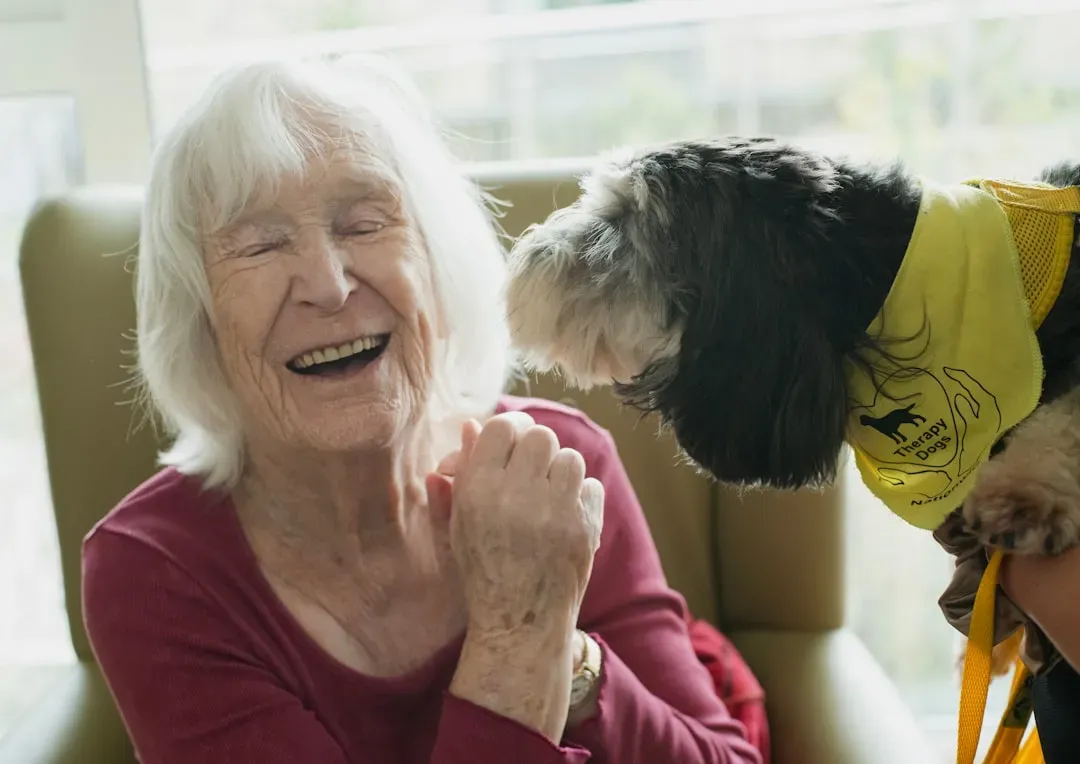
Research shows that dogs have empathy and recognize when humans are emotionally distressed, responding by attempting to comfort the unhappy person as best they can. Think about that for a second. Your dog isn’t just picking up on random cues; they’re actually processing your emotional state and making a conscious decision to respond.
Dogs approached whoever was crying regardless of their identity. When researchers tested this, they found something striking. Dogs didn’t just comfort their owners during fake crying episodes. They approached strangers too. This suggests the behavior goes beyond simple attachment and taps into something more profound.
They can smell and sense the rise and fall in our feel-good hormones, such as oxytocin, dopamine, and serotonin. When we are ill, these hormones often plummet, and our dogs are usually the first to know it.
The Oxytocin Connection: A Biological Bond

Here’s where it gets truly fascinating. Dogs produce oxytocin – the same “bonding hormone” as humans – when interacting with us, especially during emotional moments. This isn’t just feel-good fluff. When you look into your dog’s eyes and they gaze back, both your brains are flooded with the same neurochemical that bonds mothers to babies.
The results suggest that human-dog interactions elicit the same type of oxytocin positive feedback loop as seen between mothers and their infants. Honestly, it sounds crazy, but your dog’s brain is wired to feel connected to you in ways remarkably similar to human family bonds.
Even when dogs experience discomfort or pain, this oxytocin system remains active. Offering comfort and physical closeness many times will boost these feel-good hormones, and your dog is probably sensing that his or her presence increases your happiness. They might actually feel better themselves by helping you feel better.
Reading Your Emotions Like an Open Book

Dogs are emotional detectives. Dogs can recognize six basic emotions – anger, fear, happiness, sadness, surprise, and disgust – and process these in similar ways as humans. They’re watching your face, listening to your voice, and even smelling chemical changes in your body.
When exposed to sweat samples collected from their owners during each film, the dogs responded differently to the “happy” or “afraid” odors. They adopted behaviors consistent with the emotions experienced by the humans during the movies. Let that sink in. Your dog can literally smell when you’re scared or happy, and they adjust their behavior accordingly.
Our canine companions are also keen observers of our behavior, and can often tell when we aren’t feeling well, just by noticing subtle changes in our daily routines. When you shuffle instead of walk, when you skip that morning jog, when you stay home instead of going to work – your dog notices everything.
The Pack Instinct: Protecting Their Family

In the wild they are critically reliant on membership of the pack for survival. As such, they are instinctively predisposed to protecting their territory and other members of the pack. Though your living room isn’t exactly the wilderness, these ancient instincts still run deep in your dog’s DNA.
Dogs often feel a responsibility to protect pack members. This can be why they bark at strangers, stand between you and perceived threats, or remain on high alert in new environments. When you’re hurting, emotionally or physically, your dog may view you as a vulnerable pack member who needs protection and comfort.
Here’s the thing that gets me every time. The family dog will defend his human pack members as he would in the wild – to the death. That level of devotion means that even when they’re hurting, their instinct to care for you can override their own pain signals.
What This Means for You as a Dog Owner

Understanding why your dog comforts you even when they’re suffering carries real responsibility. First, watch for subtle pain signals. Dogs are masters at hiding discomfort because showing weakness in the pack could be dangerous. Some dogs may show pain by vocalizing through crying, yelping, or howling. Other signs include hiding, loss of appetite, and loss of interest in daily activities.
If your normally comforting dog seems distant or reluctant to approach, don’t assume they don’t care. They might be dealing with their own struggles. Regular vet checkups become even more critical when you realize your dog might prioritize your needs over showing their own pain.
The comforting presence of its owner can soothe a dog like nothing else. A reassuring belly rub, a pat, a kind word, or just your company may be the key to a better mood. When your dog is unwell, return that unconditional comfort they’ve given you so many times before.
Conclusion
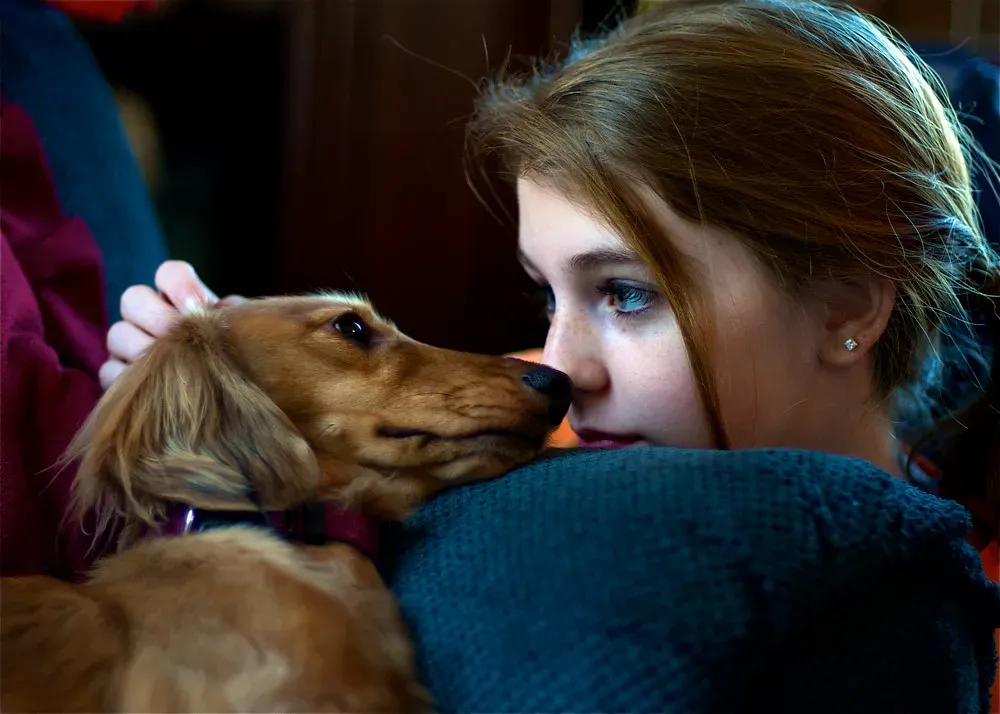
The next time your dog limps over to check on you despite their own aching joints, or pushes through their anxiety to sit by your side during your panic attack, remember this isn’t random. It’s the result of thousands of years of co-evolution, powerful neurochemical bonds, and an emotional intelligence we’re only beginning to fully appreciate. Your dog genuinely cares about your wellbeing, sometimes even more than their own.
This extraordinary capacity for empathy and selflessness makes dogs more than pets. They’re family members who would sacrifice their own comfort for ours. The least we can do is pay attention, notice when they’re hiding their pain, and give them the same devoted care they give us every single day.
What do you think makes your dog so tuned into your emotions? Have you noticed them comforting you despite their own struggles? Share your stories in the comments below.


