
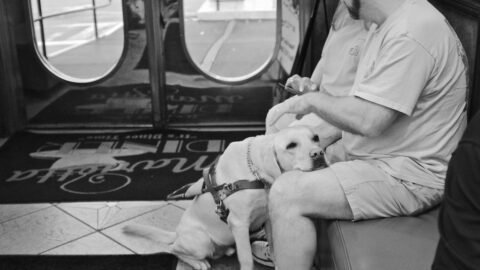
Ever noticed how your dog bolts straight to you the second something rattles their nerves? Maybe it’s the clap of thunder, a loud truck rumbling past, or a stranger approaching too quickly. In that instant, they don’t hide under the couch or freeze in place. They come sprinting to you, eyes wide, tail tucked, seeking the one thing they trust most. You.
It’s easy to brush it off as typical dog behavior. Yet when you stop and think about what’s actually happening, it’s extraordinary. That reflex to run to you isn’t random. It’s rooted in something deep, something that’s been scientifically studied and emotionally woven into the bond you’ve built. Let’s explore why your dog sees you as their entire universe when fear strikes.
Your Dog Sees You as Their Safe Haven
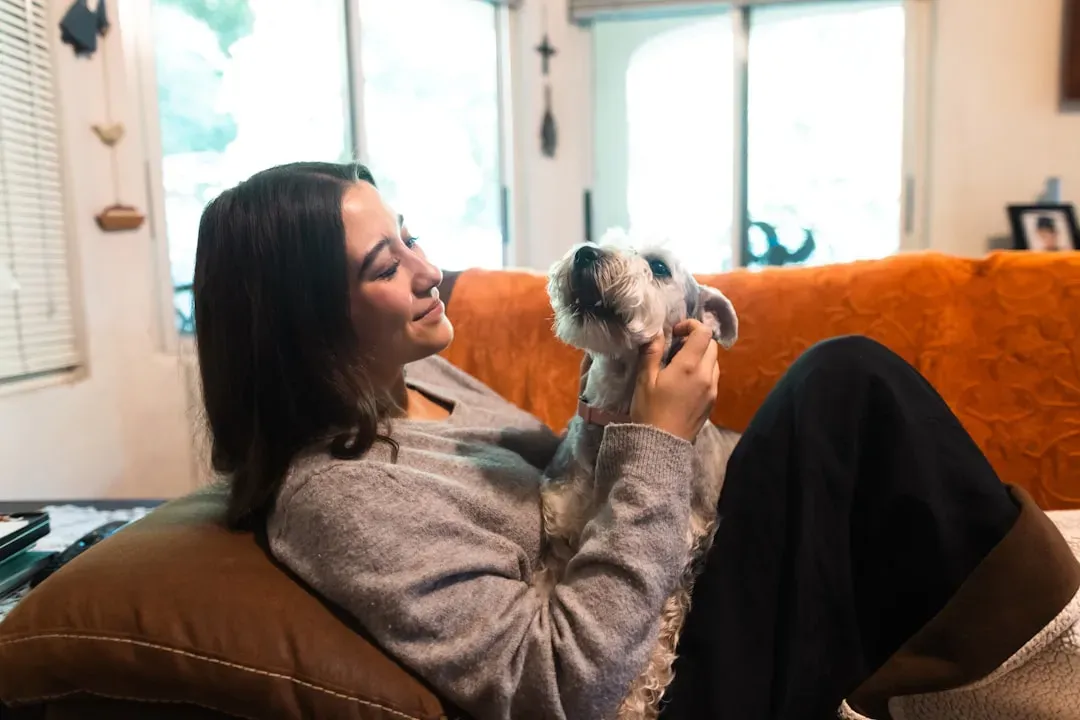
When something frightens your dog, their brain goes into overdrive. They seek out the attachment figure for contact and assurance in times of emotional distress, a behavior known as the safe haven effect. This isn’t just about affection. It’s survival instinct meeting emotional bond. Think of it like a child running to their parent after a nightmare. Your dog is doing exactly the same thing.
Access to a trusted human can act as a stress buffer, reducing anxiety and promoting adaptive behaviors, with the attachment bond helping dogs regulate their stress responses as the presence of a safe haven lowers cortisol levels. When your dog sprints to your side, they’re seeking that calming presence only you can provide. Their heart rate begins to settle. Their breathing slows. They know they’re protected.
Picture this: A firework explodes nearby, and your dog scrambles across the room, nearly tripping over their own paws to reach you. They press against your legs, maybe even try to climb into your lap if they’re small enough. They’re telling you, without words, that you are their anchor in chaos.
The Science Behind That Urgent Sprint
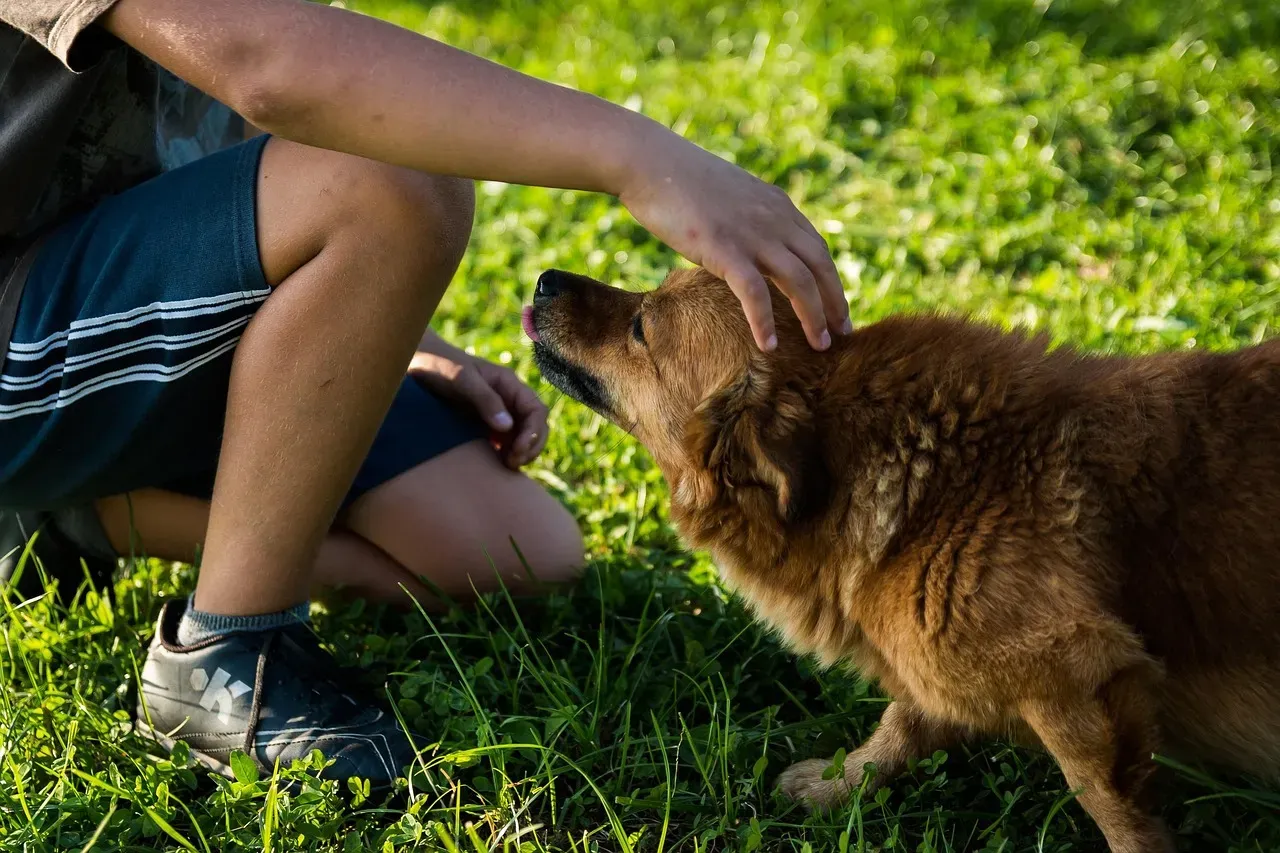
Here’s the thing. Research has found that dogs’ duration of engaging with tasks was longer when their owner was present than absent, irrespective of the owner’s behavior. Simply put, your presence changes everything for them. It’s not just comfort, it’s biological. Short-term interactions between dogs and their owners resulted in lower cortisol levels in dogs, indicating the calming effect of owner-dog relationships.
Cortisol is the stress hormone. When it spikes, your dog feels tense, scared, overwhelmed. Yet the moment they reach you, something remarkable happens. Their body starts to regulate itself. Research shows our cortisol levels go down when we’re in the presence of a dog, even just for a few minutes, and the same principle works in reverse.
There’s also the secure base effect at play. Ainsworth argued that the secure base effect was the most important component of the attachment system, because it is crucial for balancing exploration of the world with maintaining proximity to the caregiver. Your dog explores, investigates, plays, but when something feels threatening, they retreat back to you. You’re not just their companion. You’re their lifeline.
Body Language Tells You Everything
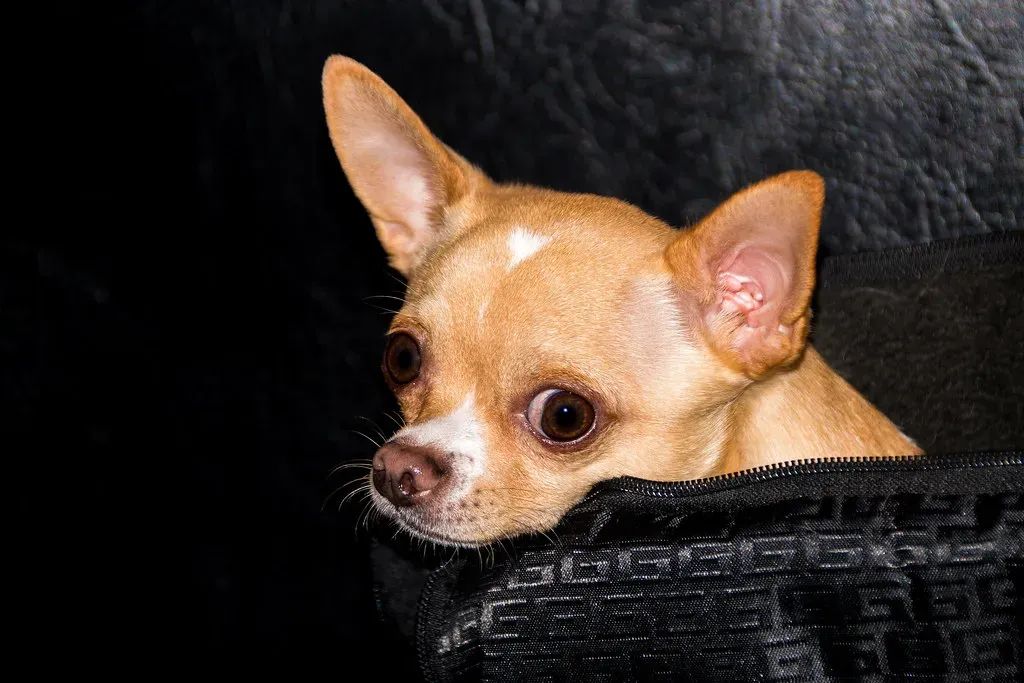
Pay attention next time your dog rushes toward you in fear. A fearful dog may cower, roll onto her back, look away, tuck her tail, lick her lips, tremble, pant, or try to hide behind you. These aren’t signs of weakness. They’re communication. Your dog is saying, “I’m scared. I need you.”
Sometimes you’ll notice their ears flatten against their head. Their eyes might dart around, checking for danger but always returning to your face. They may lean heavily into your leg or sit directly on your feet. This isn’t clinginess. It’s trust. They believe you can make the scary thing go away.
Showing skittish behavior around unfamiliar things includes hiding behind their owners or straining on the leash to avoid or escape. If your dog runs to you and positions themselves behind you, they’re using you as a shield. Honestly, it’s one of the most humbling things about sharing your life with a dog. They genuinely believe you’re powerful enough to keep them safe from anything.
How You Can Be the Best Safe Haven

It is important to create a safe, structured environment for fearful dogs, providing consistency and predictability so that the dog always knows what to expect. When your dog comes to you frightened, resist the urge to overreact. Stay calm. Your energy directly impacts theirs. If you tense up or get loud, they’ll sense that something really is wrong.
Instead, crouch down to their level if possible. Speak in a gentle, steady voice. Let them press into you if they need to. Rather than using punishment, the owner should use positive reinforcement, rewarding your dog when they respond to a situation correctly. Never force them to confront the thing that scared them head-on.
Here’s something important: Let them come to you. Don’t drag them toward the trigger. If your dog barks or growls at something, don’t force them to interact, as your dog is telling you they’re uncomfortable, and if pushed, it could lead to snapping or even biting. You’re their advocate. Protect their boundaries, even when it means saying no to well-meaning strangers who want to pet them.
Building Confidence Without Breaking the Bond

You might worry that always comforting your frightened dog will make them more fearful. That’s a myth that needs to die. The best way to help a shy or fearful dog gain confidence is to expose them to what frightens them at a low intensity, paired with something positive like a tasty treat, a process called counter conditioning and desensitization.
Think gradual exposure, not flooding. If your dog is terrified of loud noises, don’t throw them into the middle of a fireworks show. Start with quiet recordings played at low volume while offering treats. Slowly increase the intensity over weeks, always watching their body language. They should never look overwhelmed.
Other ways to build confidence include practicing reward-based obedience, participating in agility training, teaching the dog to target, going for walks in safe environments and playing with the dog. The goal isn’t to make them fearless. It’s to help them know that when scary things happen, they can handle it because you’re there. That bond is their superpower.
Conclusion
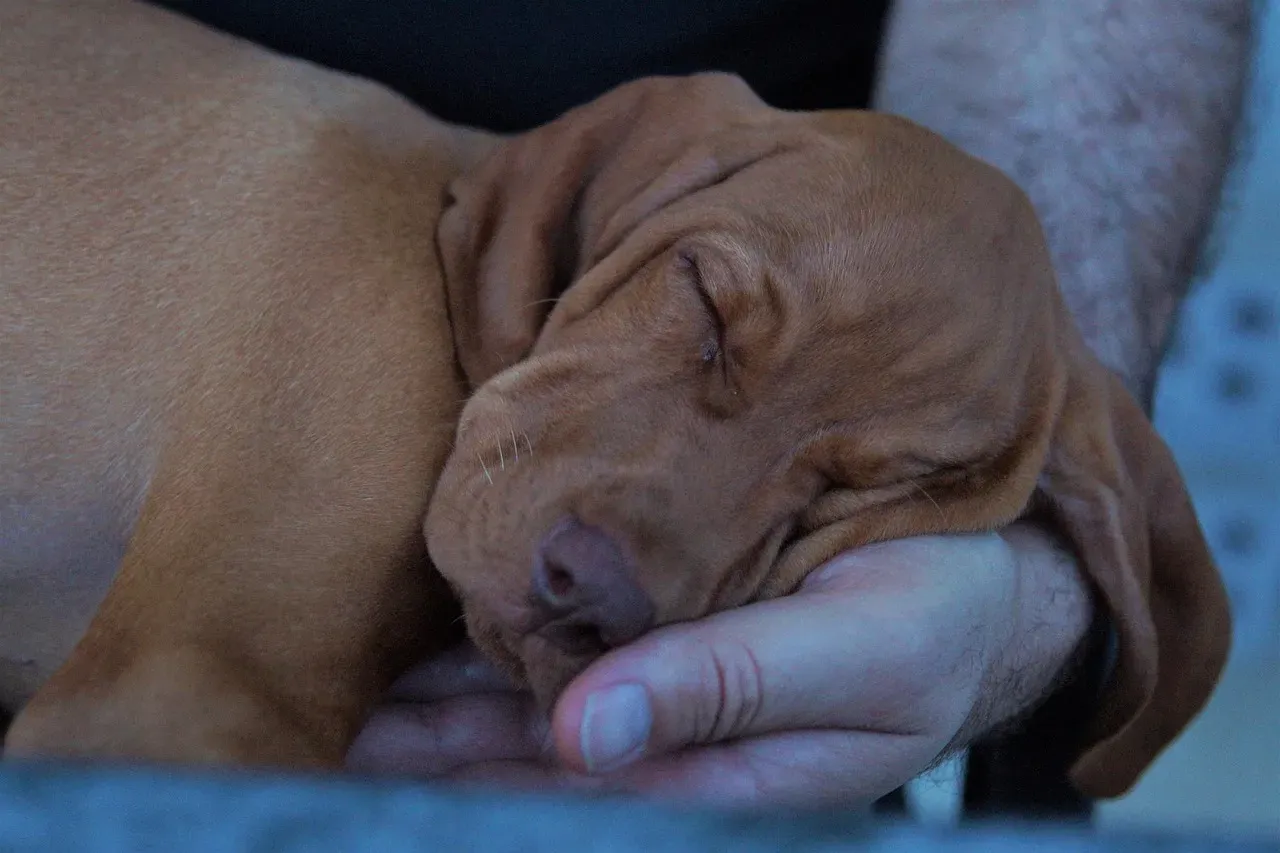
Your dog’s instinct to run to you when scared isn’t just behavior. It’s a testament to the incredible relationship you’ve built. You’ve become their safe haven, their secure base, their entire universe compressed into one person. That’s a profound responsibility, sure, but also one of the greatest honors of dog ownership.
Next time your pup races to your side with wide eyes and a pounding heart, remember what’s really happening. They’re choosing you. They’re trusting you. They’re saying, in the clearest way they know how, that you make the world feel safe. What do you think about it? Tell us in the comments.


