
Leaving Your Dog Untrained Can Lead to Unnecessary Stress for Both of You

You know that moment when your dog lunges at another pup on the sidewalk, or when they won’t stop barking at guests? The embarrassment washes over you. The frustration builds. You love your dog deeply, but something feels off.
Here’s the thing most people don’t talk about. Without proper training, dogs are more likely to develop behavioral problems that can significantly impact their quality of life, including aggression, anxiety, excessive barking, destructive chewing, and house soiling. What’s harder to admit is that this stress doesn’t just affect your dog. It seeps into your own daily life in ways you might not even realize.
Let’s be real, training isn’t just about teaching “sit” or “stay.” It’s about creating a shared language between you and your furry companion. Training is a tool for communication between dogs and their owners, enabling canines to understand and respond to cues and basic commands, resulting in a harmonious living environment. So let’s dive in and explore why skipping this crucial step creates unnecessary tension for everyone involved.
The Communication Breakdown That Nobody Talks About
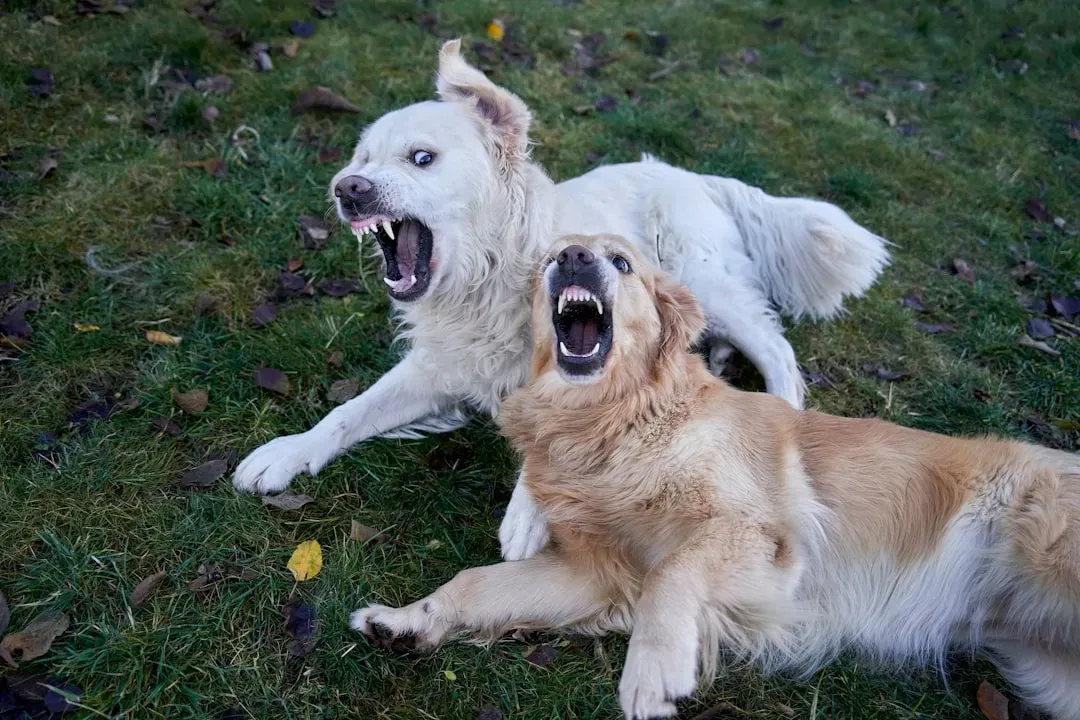
Imagine trying to navigate life in a foreign country where nobody speaks your language and you can’t read the signs. That’s essentially what an untrained dog experiences every single day. Training serves as a means of communication between dogs and their owners, enabling dogs to understand and respond to cues and commands, creating a harmonious living environment, but when training is skipped, dogs may struggle to comprehend their owner’s expectations, leading to confusion and frustration on both ends.
I think what makes this particularly heartbreaking is that the dog genuinely wants to please you. They’re not being stubborn or spiteful. Dogs simply don’t have the capacity for that kind of complex thinking. When your pup jumps on visitors or pulls on the leash during walks, they’re not deliberately disobeying you. They just haven’t learned what you actually want them to do instead.
Picture a young couple who adopted a rescue dog last year. Their sweet Labrador mix would dart out the front door every time someone opened it. The owners would yell and chase, getting more stressed each time. The dog thought it was a fun game. Neither understood the other’s perspective until they finally sought help from a trainer who taught them both a better way to communicate.
When Your Stress Becomes Their Stress

This might sound crazy, but your dog is basically an emotional sponge. Dogs are sensitive to human emotions, and research indicates that if an owner is chronically stressed, it can rub off on their dog as well. The connection runs even deeper than most people realize.
Research found dogs’ stress levels were greatly influenced by their owners and not the other way around, with findings suggesting that dogs, to a great extent, mirror the stress levels of their owners. Think about that for a moment. When you come home frustrated after dealing with your untrained dog’s latest mishap, your tension actually amplifies their anxiety.
It’s like a feedback loop nobody wants. Your dog acts out because they lack structure and training. You get stressed. Your dog picks up on your stress and becomes more anxious. They act out more. And the cycle continues, spinning both of you into unnecessary emotional turmoil.
The Hidden Safety Risks You Might Be Ignoring
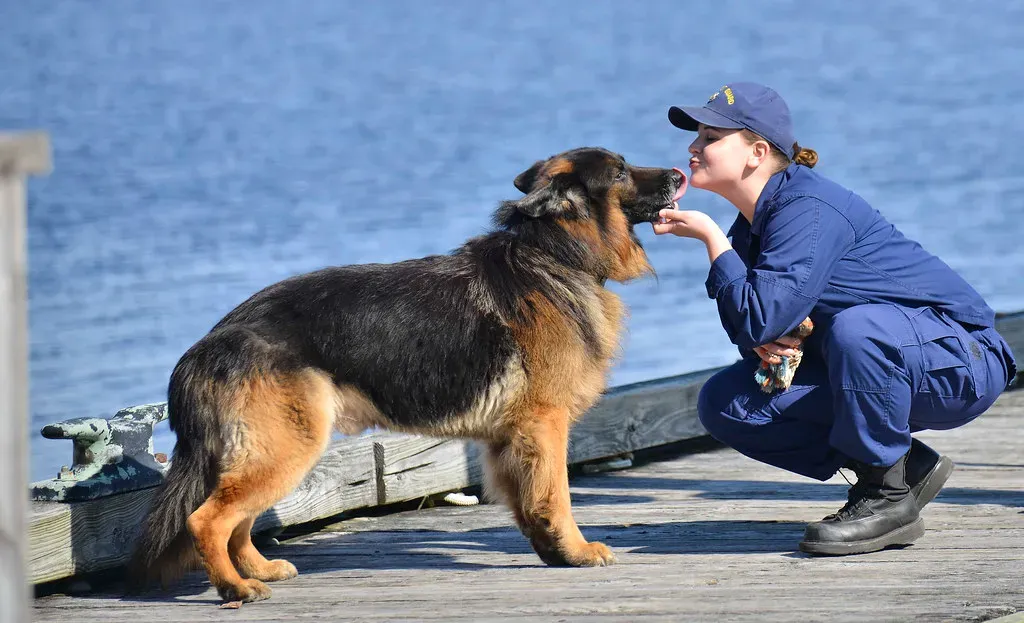
Dogs without structure are often guided by impulse, which can be a recipe for danger, as they may dart into traffic during walks, consume toxic substances at home, or challenge another dog at the wrong moment, leading to injury, illness, or worse. I know it sounds dramatic, yet these scenarios play out more often than we’d like to admit.
One neighbor told me about the time her untrained German Shepherd pulled so hard on the leash that she fell and broke her wrist. Another friend’s dog ate a sock and needed emergency surgery costing thousands of dollars. These weren’t bad dogs. They were simply untrained dogs making impulsive decisions without understanding consequences.
Untrained dogs are also more likely to experience chronic stress and anxiety, as they’re constantly reacting to their environment without knowing how to cope, resulting in not just physical risk but also a poor quality of life marked by confusion, fear, and repeated exposure to harm. Safety isn’t just about preventing accidents. It’s about giving your dog the mental tools to feel secure and confident in their world.
How Training Actually Reduces Anxiety for Everyone
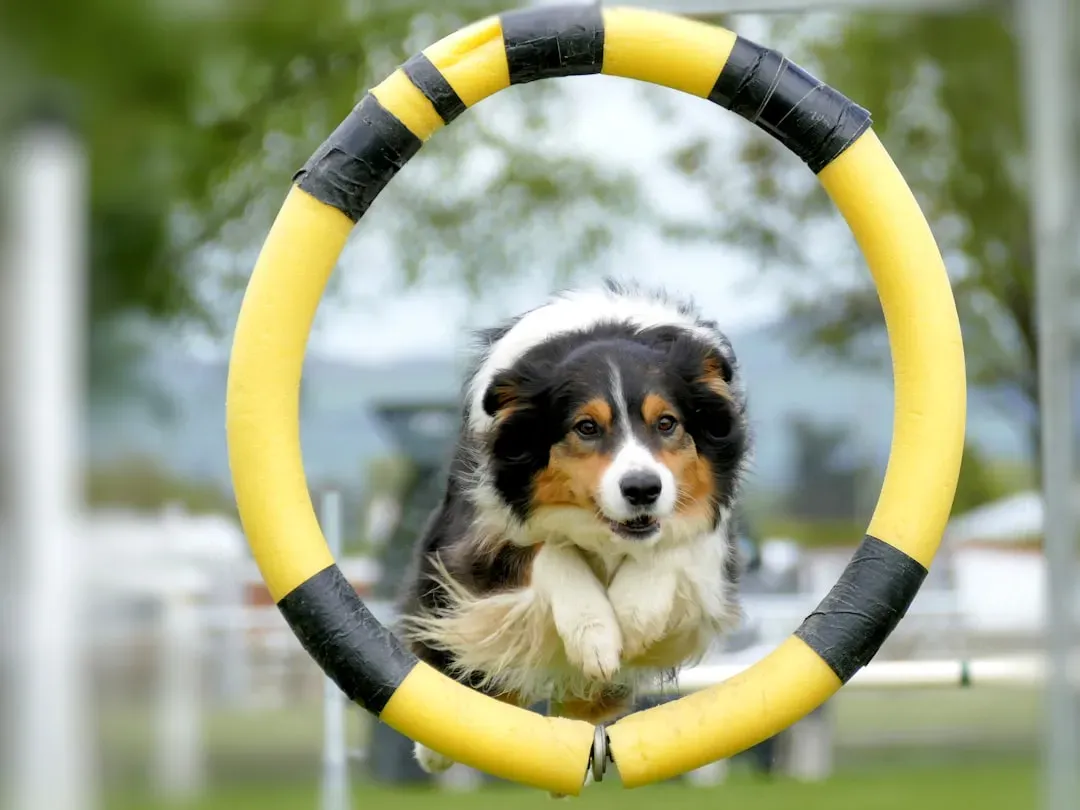
Here’s where things get really interesting. Dogs with regular training routines exhibit reduced levels of cortisol, a hormone associated with stress, and research has shown that dogs with consistent training routines have lower levels of cortisol, the stress hormone. Training literally changes your dog’s brain chemistry in positive ways.
Structured training helps dogs understand what is expected of them, reducing their stress levels, and when dogs know how to behave in various situations, they feel more secure and confident. It’s hard to say for sure, but I think this sense of structure gives dogs something they desperately need – predictability in an otherwise confusing human world.
The benefits extend to you too. Six factors correlated with poorer owner well-being, including aggressive dog behaviour, fearful dog behaviour, poor dog health, failure to provide for the dog, lack of control over the dog, and dog presence. When you invest in training, you’re not just teaching commands. You’re building a relationship based on mutual understanding and trust, which naturally reduces stress for both parties.
Creating Structure That Actually Works
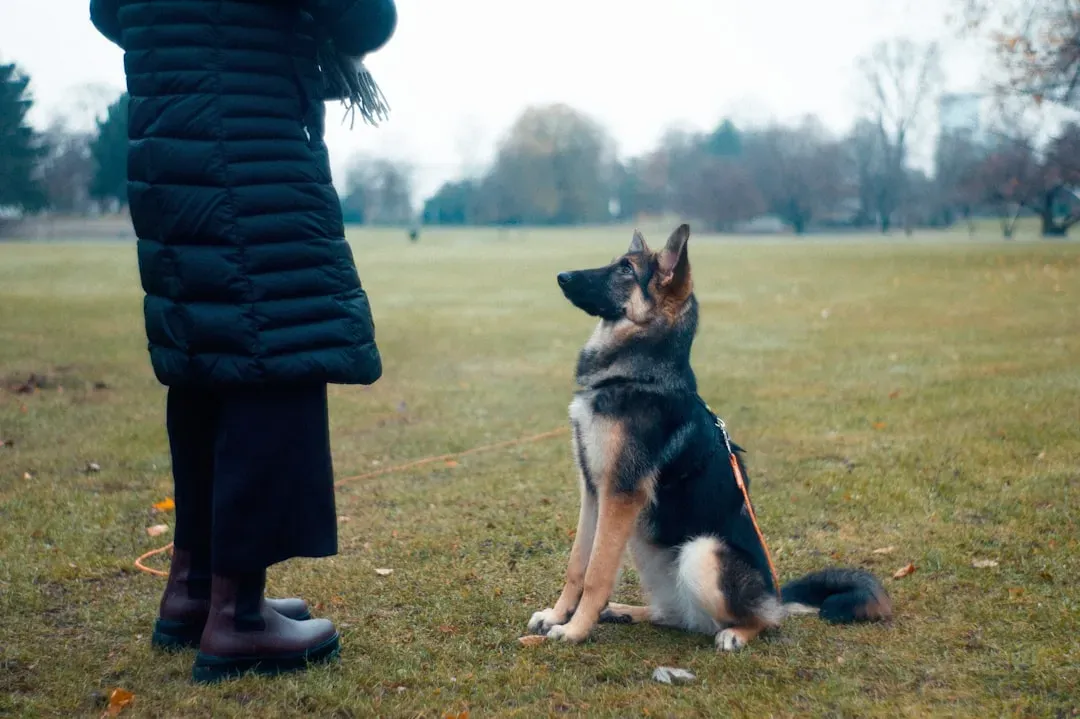
The goal is no longer perfect obedience, but calm routines, clear communication, and habits that reduce stress for both dogs and their owners, as clear routines, positive reinforcement, and dependable tools reduce stress and help dogs feel secure in their environment. Honestly, this shift in perspective makes training feel less overwhelming and more achievable.
Start small. Really small. Maybe it’s just teaching your dog to sit before meals or wait at doorways. Basic commands can take one to two weeks with daily practice, recall can take four to six weeks to establish consistency in varied environments, and untraining bad habits can take two to six months, depending on the habit and the dog’s temperament. Progress won’t happen overnight, and that’s perfectly okay.
The key is consistency and patience. Use positive reinforcement whenever possible. Reward-based training tends to reduce anxiety and problem behaviors, with research finding that dogs trained with positive reinforcement learn faster and form stronger bonds with their owners than those trained with aversives. Celebrate the small victories along the way because each step forward matters more than you might think.
Conclusion
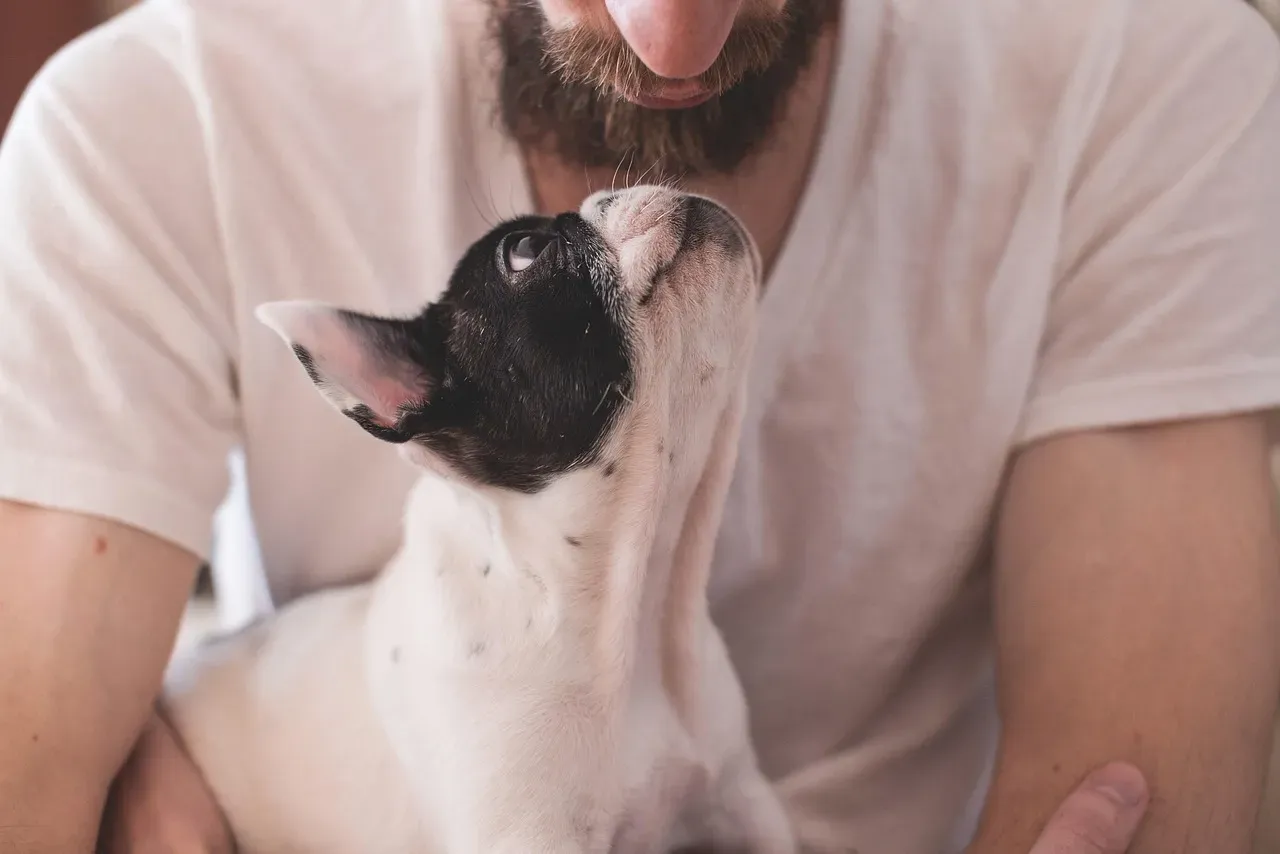
Training your dog isn’t about achieving some Instagram-perfect level of obedience. It’s about creating a shared understanding that makes daily life better for both of you. Consistent, humane, and socially reinforced methods not only foster faster responsiveness and stronger bonds but also reduce stress and behavioral problems, proving that good training is as much about building trust as it is about obedience.
The stress you’re experiencing from your untrained dog doesn’t have to be permanent. Neither does the anxiety your dog feels from not understanding what you expect. With patience, consistency, and the right approach, you can transform your relationship into something that brings joy instead of frustration. Did you ever think that a few weeks of dedicated training could change everything? What would life look like if you and your dog truly understood each other?