
Why Your Dog Stays Closer When You’re Sick (They Know Something You Haven’t Told Them)

Have you ever noticed your dog suddenly glued to your side when you’re fighting off a cold or dealing with a stomach bug? It might seem like a sweet coincidence. Maybe you think they just sense your sad energy or want extra snuggles. The reality is far more fascinating.
Your dog isn’t just responding to your mood or your spot on the couch. They’re actually picking up on biological changes happening inside your body, changes you might not even be aware of yet. Let’s be real, this goes way beyond intuition. We’re talking about a sensory superpower that science is only beginning to fully understand, and it’s been right under your nose this whole time.
Their Noses Are Biological Scanners
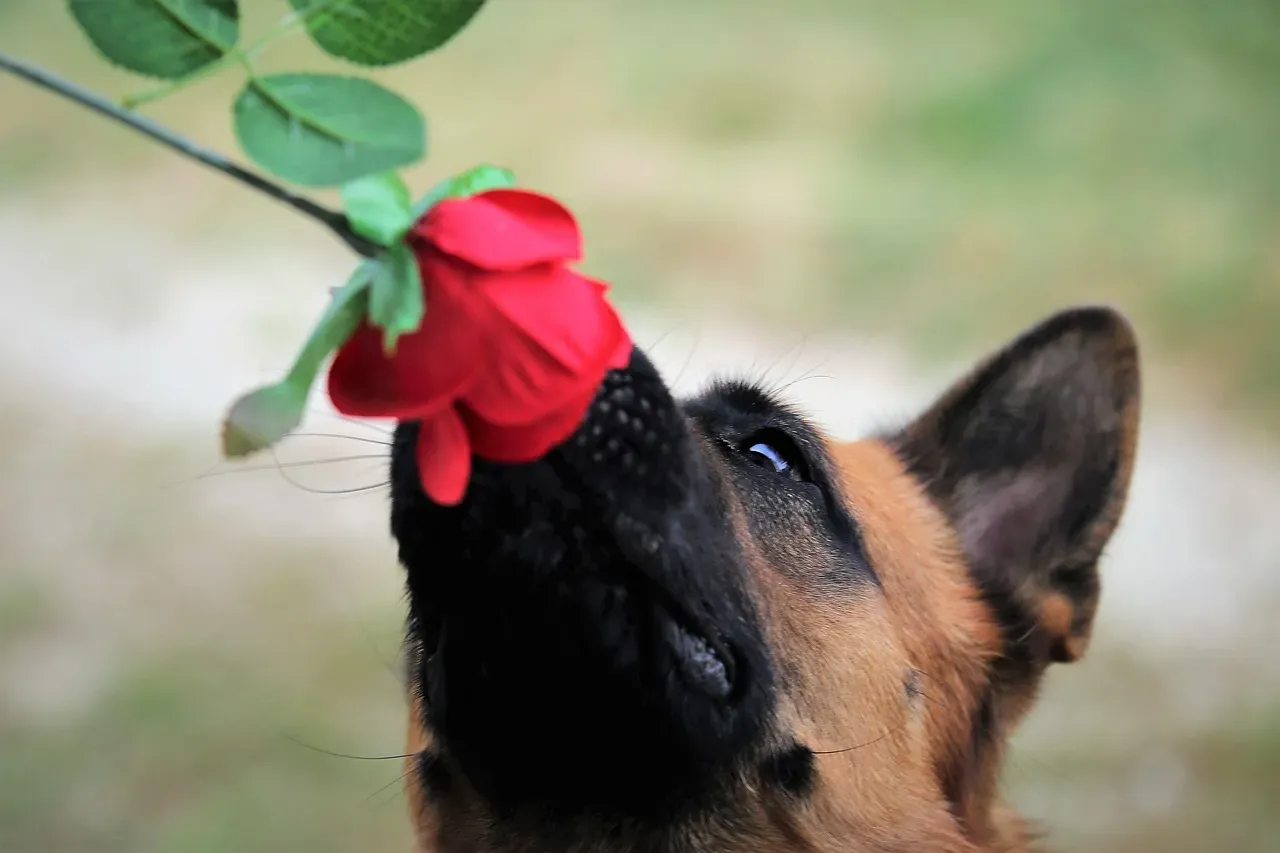
Dogs have roughly 300 million scent receptors in their noses. That’s not a typo. Meanwhile, humans limp along with about five million. Think of it like comparing a high-powered microscope to a pair of reading glasses.
Their noses are powerful enough to detect substances at concentrations of one part per trillion. To put that in perspective, imagine finding a single drop of liquid in twenty Olympic-sized swimming pools. When you get sick, your body releases different chemical compounds. Dogs can detect very subtle changes in volatile organic compounds that the body releases in very low levels, and the composition and concentration changes based on a person’s health.
Your breath, skin, even your sweat all carry these invisible markers. So when your dog suddenly becomes your shadow during flu season, they’re literally smelling the illness before you’ve even grabbed the thermometer.
Your Body Chemistry Tells A Story They Can Read
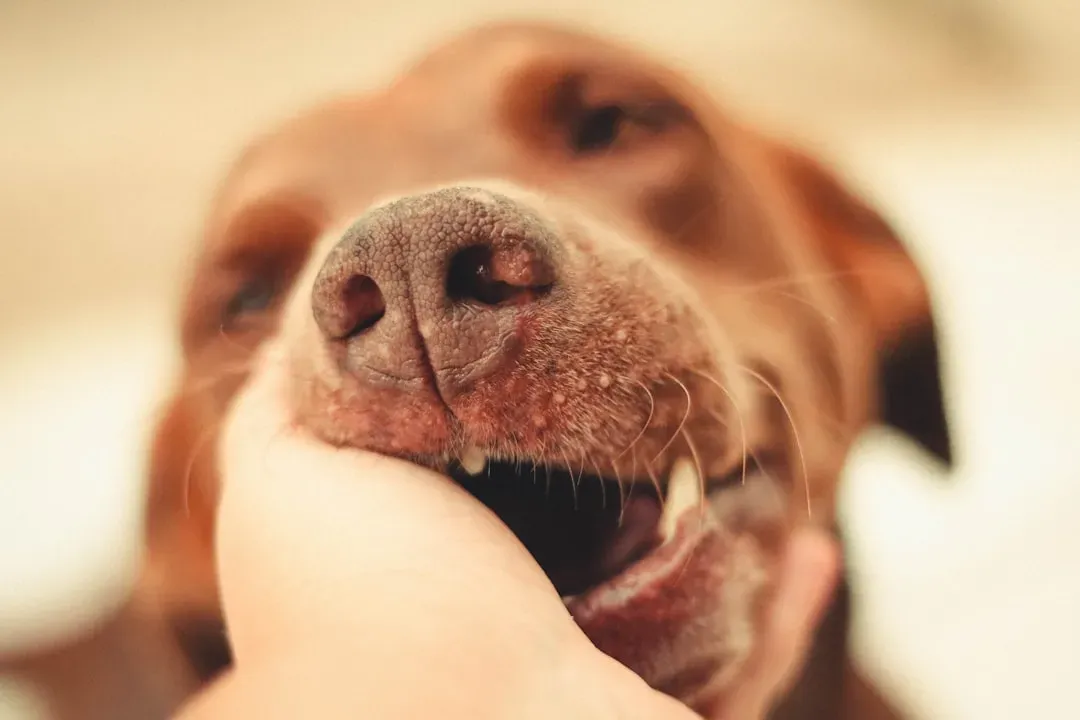
Illness results in chemical changes in the body and changes in hormones, and these changes can be detected by the dog’s extraordinary sense of smell. It’s not magic or telepathy. When you’re battling an infection or dealing with low blood sugar, your hormones fluctuate.
When a dog gets close to someone who is sick or depressed, the dog could be sensing a decrease in hormones such as oxytocin, dopamine, and serotonin. These are your feel-good chemicals. When they drop, your dog picks up on it almost instantly. When we are ill, these hormones often plummet, and dogs are usually the first to know it, which might explain why many pets curl up next to a sick or depressed owner.
Honestly, it’s humbling. Your pup knows something’s off with you before you’ve finished your first cup of tea and realized you feel lousy. They’re reading the story your body is writing in scent molecules.
They Notice Behavioral Clues Too
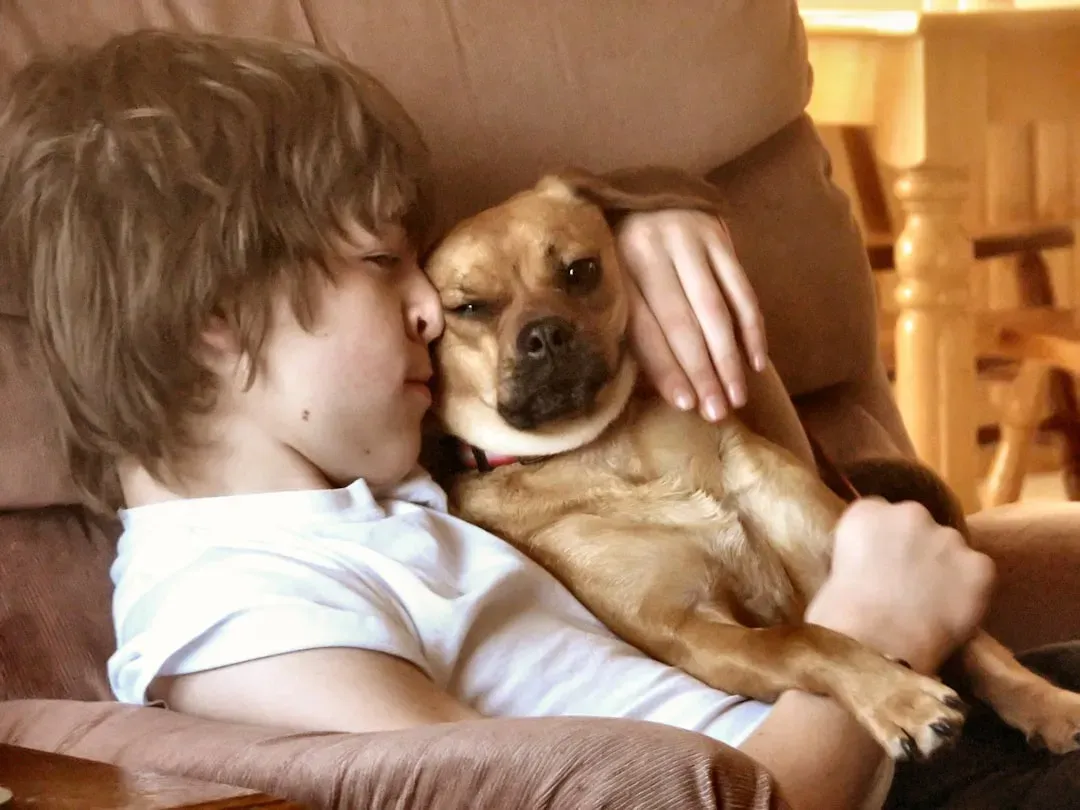
Dogs can recognize our facial expressions, and when we are tired and sick, the energy often leaves our faces, and dogs see this happen. Let’s face it, when you’re under the weather, you’re not exactly bouncing around the house. Your movements slow down. Your voice might sound different.
Your dog watches you constantly. A dog sees this change in our behavior and expression, and a common response is that of appeasement. You might notice they become gentler, quieter, or more attentive. They’re not just being sweet for the sake of it.
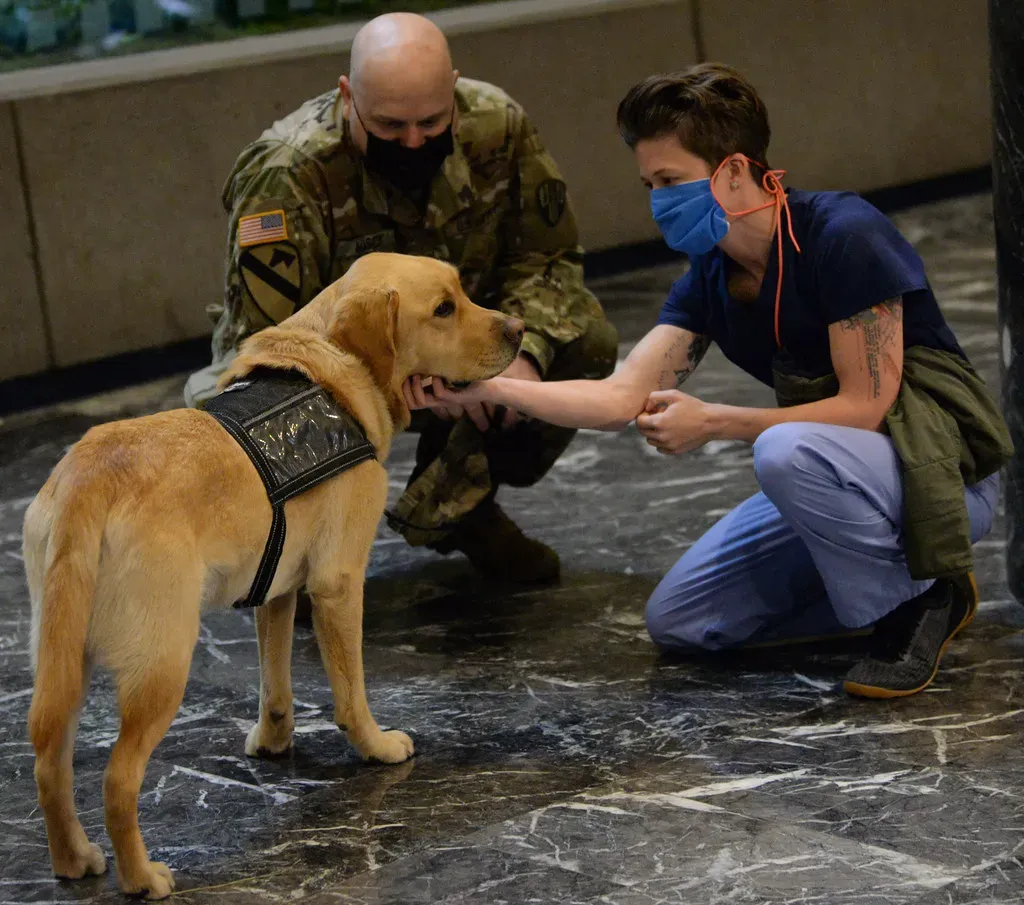
Some experts believe dogs are genuinely trying to comfort you. Owners of therapy dogs often say that their dogs seem to know the person in the room who needs them most. It’s like they have an internal radar for vulnerability. Whether it’s instinct or empathy, the result is the same: your dog sticks close when you need them.
Trained Dogs Can Detect Specific Diseases
Here’s where it gets wild. Dogs can detect a range of diseases including Parkinson’s disease, bladder cancer and malaria. We’re not talking about vague sensing anymore. In one study, trained dogs were able to detect breast cancer with 88 percent accuracy, and lung cancer with 99 percent accuracy.
Researchers have discovered that Parkinson’s may have a distinct odor, one that trained dogs can detect years before clinical symptoms appear. Think about that for a second. Years. Before doctors can diagnose it with traditional tests. One study in London found that dogs could detect the pandemic virus Covid-19 in a person in under a second.
Your family dog might not be formally trained to identify cancer or infections, but their underlying biology is the same. They may not alert you with a specific signal, but their increased presence when you’re sick is their way of saying, “I know something’s different.”
What This Means For You And Your Dog
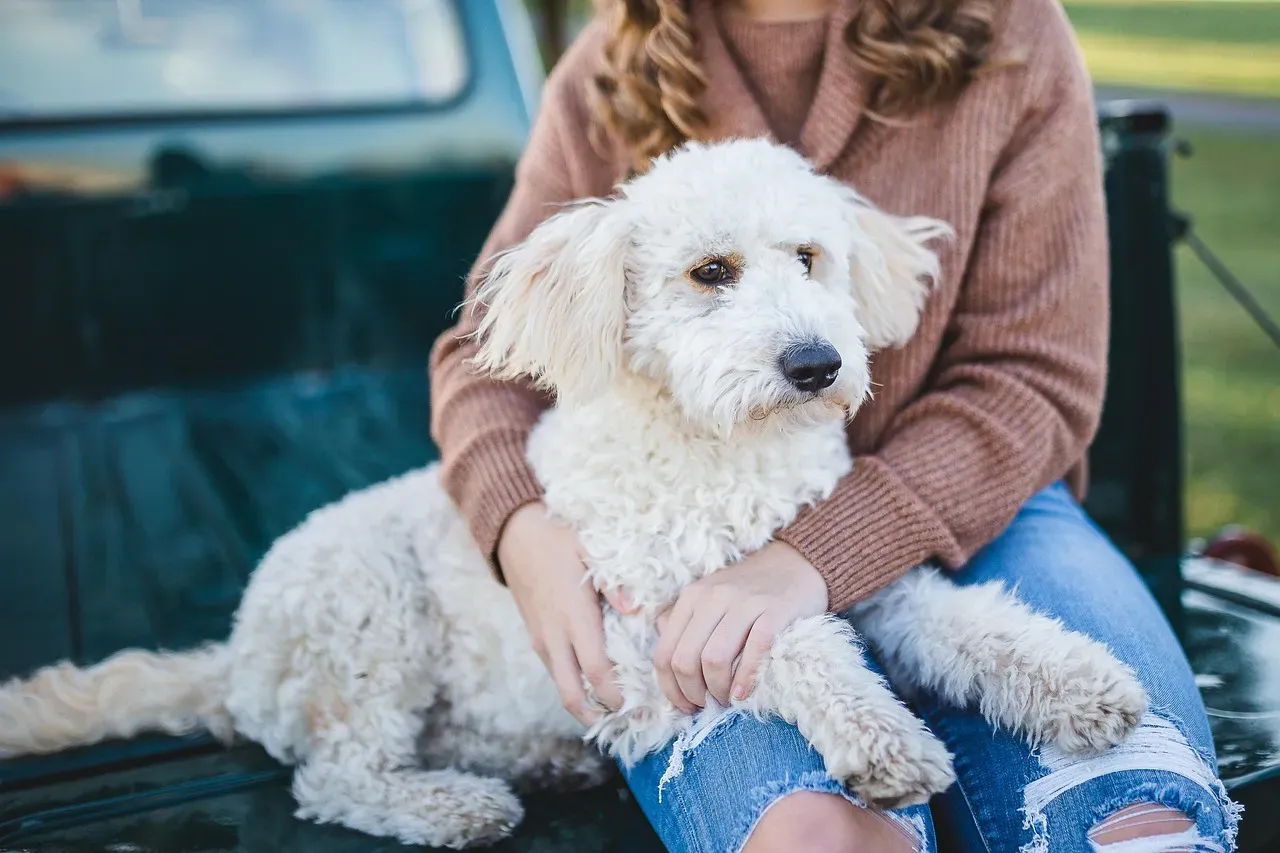
If your pet earns rewards for cuddles and snuggles when you’re ill, it will reinforce the behavior, making it more likely to occur the next time you’re feeling sick. So if you appreciate the company, go ahead and let them curl up beside you. It might genuinely help both of you.
Dogs might sense the changes in a person’s body chemistry that result from their presence and be reinforced by that alone. There’s something beautiful about that mutual exchange. They comfort you, and your response to them reinforces their instinct to stay close. It’s a bond that goes deeper than words.
Pay attention when your dog suddenly becomes clingy or unusually attentive. It might be worth checking in with yourself or even scheduling a doctor’s visit if something feels off. Trust your dog’s nose, it knows more than you think.
Conclusion

Your dog’s sixth sense isn’t mystical. It’s biological, honed over thousands of years of evolution and companionship with humans. When they refuse to leave your side during a bout of illness, they’re not just being needy or cute. They’re responding to real, measurable changes in your body that their incredible senses can detect.
So the next time your furry friend plants themselves at your feet when you’re feeling rough, remember this: they genuinely know. They’re not guessing, and they’re not overreacting. They’re simply being the remarkable, sensitive creatures they were born to be. What do you think about your dog’s detection abilities? Have you noticed them acting differently when you’re under the weather? It’s worth paying attention to, because that cold nose and warm presence might just be your earliest warning system.