

You’re sitting on the couch, giving your dog a good scratch behind the ears. Life is good. The world feels peaceful. Then you stop, reach for your phone, and within seconds, you feel it. That gentle but insistent nose pushing your hand up like a tiny furry forklift. It happens every single time.
Here’s the thing. That nudge isn’t random, or just a cute quirk your dog developed out of nowhere. It’s actually a sophisticated form of communication, one your dog has carefully perfected over months or even years of living with you. So let’s dive in and decode exactly what your furry friend is trying to tell you when they refuse to let those pets end.
It’s a Learned Behavior That Works Like Magic
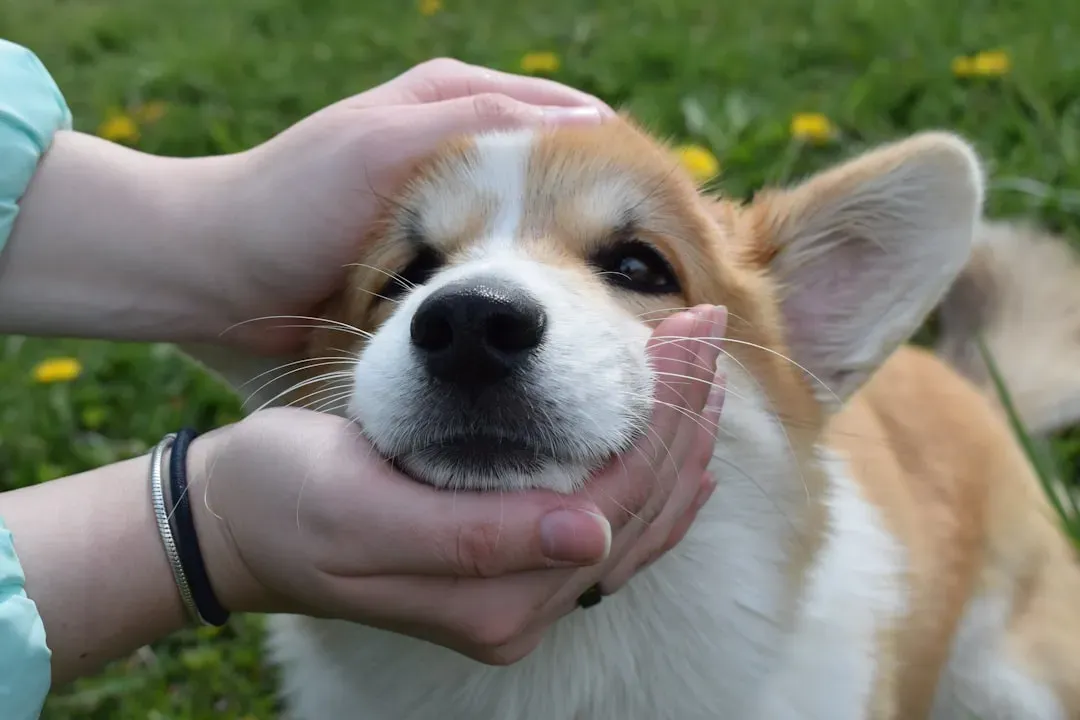
Dogs touching you with their noses when they are looking for attention typically originates as a learned behavior. They do it because it works. Think about it like this. The first time your dog nudged your hand and you responded by petting them, you essentially taught them a valuable lesson: nudging equals affection.
Dogs do what works. She’s nudging you for attention and you give it to her, even if it’s telling her “no” or whatnot. Even negative attention like saying “stop” or gently pushing them away counts as a reaction in your dog’s mind. Over time, this simple action becomes their go-to strategy whenever they want more love, more play, or simply more of you. It’s honestly brilliant when you think about it.
Nuzzling can be a form of “trial and error,” where dogs learn to associate certain human responses – such as petting or opening the door – with their nose nudges. Your dog isn’t being pushy for no reason. They’re being smart, using a tool that consistently gets results.
They’re Speaking a Language Rooted in Puppyhood
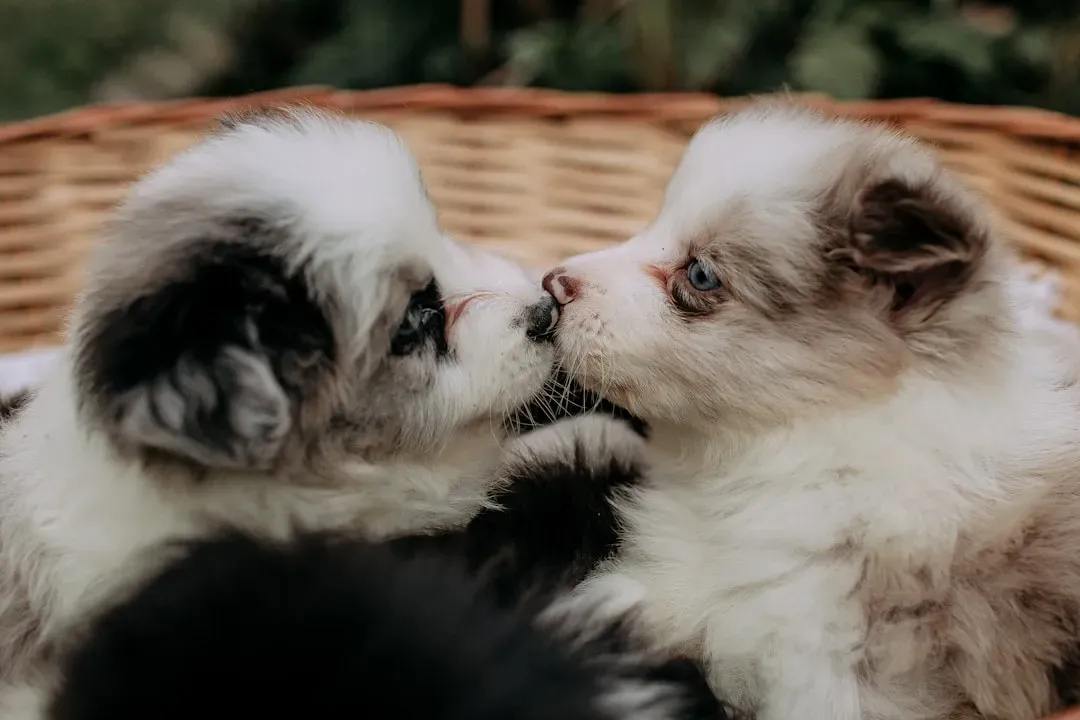
When puppies are born, they rely heavily on their sense of smell and touch to navigate the world around them. From the moment they enter the world, they use their noses to interact with their mother and littermates. “Puppies use their noses and paws to get onto a nipple to nurse and to push other puppies out of the way,” explains dog behavior expert Viviane Arzoumanian.
This instinct doesn’t just disappear when they grow up. Nuzzling is instinctual, originating from puppyhood. So when your adult dog nudges your hand, they’re tapping into a deep, primal form of communication that helped them survive as babies. It’s their way of saying, “Hey, I need something from you.”
Dogs quickly understand the significance of human hands to their own survival once they are exposed to them. After all, it is the hands that place the food dish on the ground, that carry the treats, that pet and scratch the animal, and that hold the treats in their hands. Your hands represent comfort, care, and connection. No wonder they want to keep them engaged.
It’s Not Just About More Pets
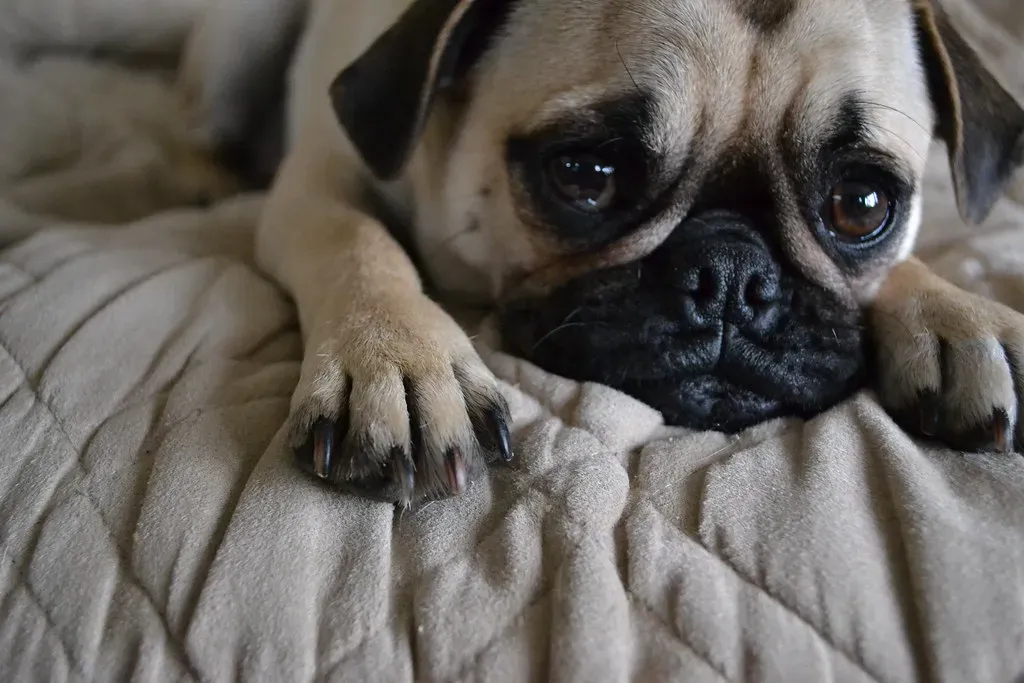
“When a dog bumps or nudges you with their nose, it is usually because they want your attention or they want something from you,” Aaron Rice, an animal behaviorist with Stayyy, told The Dodo. Whether it’s to signal hunger, playtime, or simply to be pet, a dog’s nudge is a nonverbal way of asking for interaction.
Sometimes that nudge means “keep petting me,” sure. Yet other times, it might mean “I need to go outside” or “my water bowl is empty” or “I’m bored and need something to do.” If your dog nudges you while you’re sitting still, it could be a way to get you to engage in some activity, like play or a walk.
The tricky part? Dogs can’t exactly tell us which one they mean. That’s where you come in. Pay attention to context. Is it close to dinner time? Are they near the door? Do they have a toy in their mouth? These clues help you understand what your dog is really asking for beyond just another round of scratches.
When Nudging Becomes Too Much
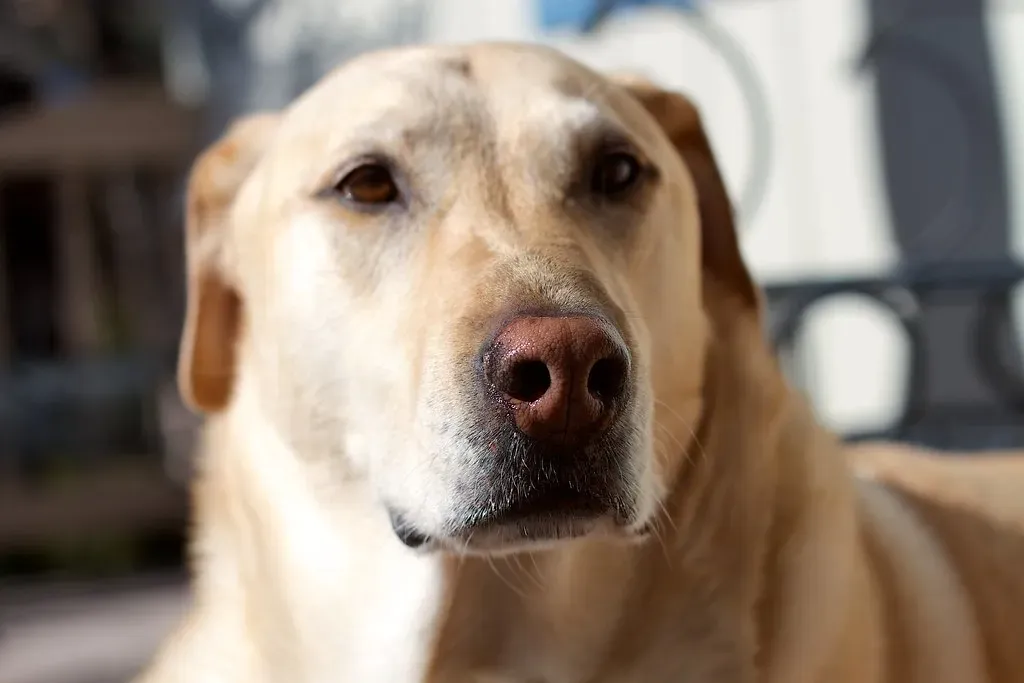
While most nuzzles are signs of affection or a simple request for attention, excessive nuzzling can sometimes indicate a problem, such as anxiety or discomfort. If your dog’s nuzzling becomes persistent and is accompanied by signs of distress, it may be worth consulting a vet or animal behaviorist to address any underlying issues.
If there’s only a brief pause between the pawing and the petting each time, she’ll still think that pawing is earning the reward of attention and petting. Remember that consistency is vitally important. If a well-used demand behavior is reinforced even only rarely, it will likely persist. Let’s be real, sometimes that constant nudging can cross a line from endearing to annoying. It’s okay to set boundaries.
When she realizes that nudging you doesn’t work for getting your attention, she’ll stop. You just need to be consistent. If you want to gently redirect this behavior, try ignoring the nudge completely and only giving attention when your dog is calm or sitting politely. This teaches them a more respectful way to ask for what they want.
Understanding the Nudge Strengthens Your Bond
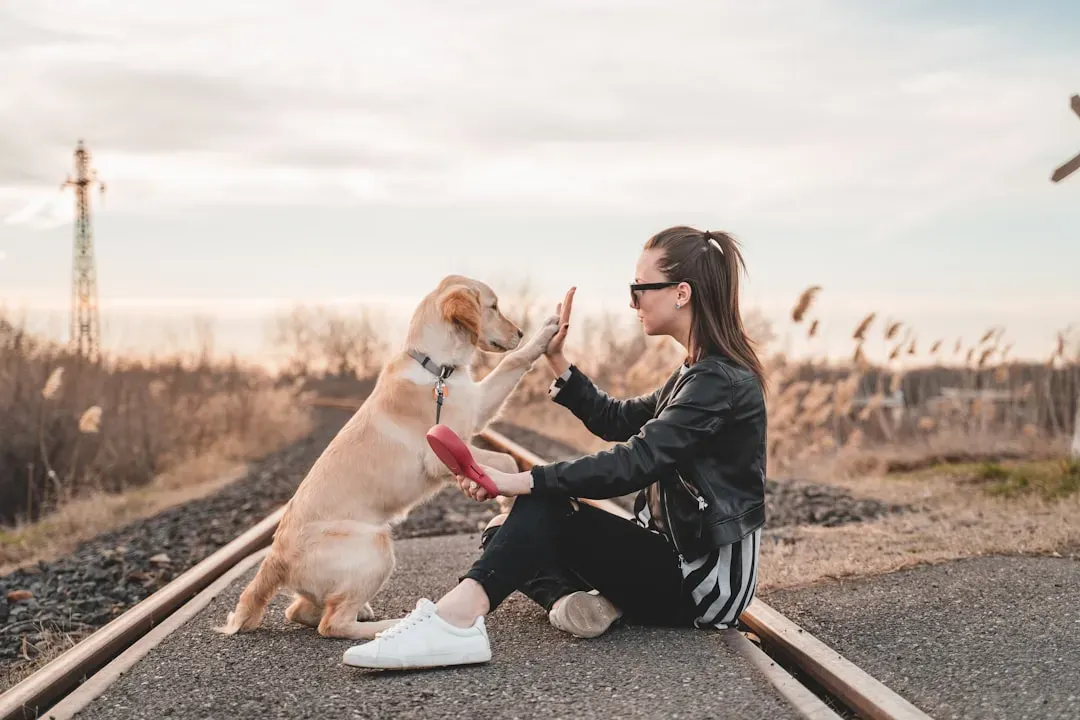
Have you ever stopped petting your dog, only to have them immediately place a paw on you? This behavior is their way of saying, “Don’t stop!” Studies show that petting releases oxytocin, a “feel-good” hormone, in dogs and their owners, so they might also be reciprocating your affection in a way that benefits you both.
Dogs have preferences as to where, when and how they like to be touched. They also have preferences for who they like to be touched by. When you respond to your dog’s nudge with awareness and care, you’re showing them that you’re listening. You’re honoring their attempts to communicate with you in the only way they know how.
For many dog owners, one of the most heartwarming reasons behind a dog’s nuzzle is its potential to convey affection. In fact, dogs may nuzzle to show they love you. So yes, sometimes that persistent nose under your hand is simply your dog saying, “I love you, and I don’t want this moment to end.”
Conclusion
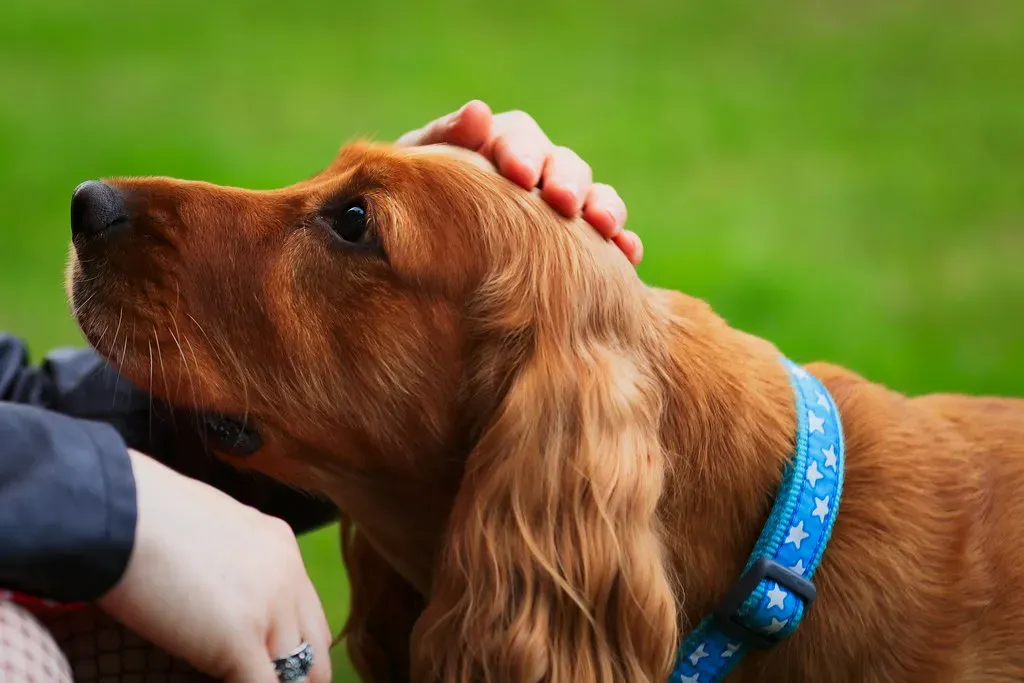
That little nudge your dog gives you when the petting stops? It’s so much more than a demand for attention. It’s a language learned from puppyhood, a survival instinct refined through years of companionship, and ultimately, a testament to the bond you share. Your dog has figured out that you respond to their nose, and they trust you enough to keep asking.
Whether you choose to give in every time or set gentle boundaries, what matters most is that you’re paying attention to what they’re trying to tell you. Did you expect that one simple nudge could mean so many different things? What does your dog do when you stop petting them? Tell us in the comments.


