
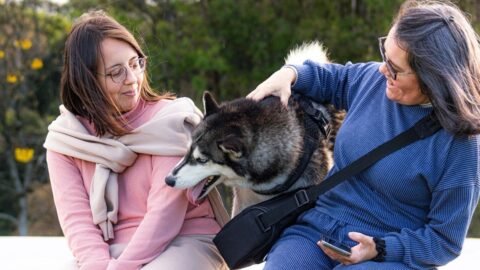
Think you know what makes your dog feel closest to you? Most of us assume it’s the daily walks, the belly rubs, or maybe those training sessions where we practice perfect sit-stays. Those things absolutely matter, I won’t lie. They’re part of the foundation of a healthy relationship with your furry friend.
Yet here’s the thing. The ways dogs actually form the deepest connections with us often surprise even the most devoted dog lovers. Some of the most powerful bonding moments happen when we’re doing absolutely nothing at all, or engaging in behaviors we might not even realize are significant. Research now reveals that dog-human relationships combine aspects of best friend bonds and parent-child attachments, making them more supportive and positive than many human relationships. So let’s dive in and explore the unexpected ways you can deepen that precious bond with your canine companion.
Simply Gazing Into Each Other’s Eyes Creates a Biological Love Loop
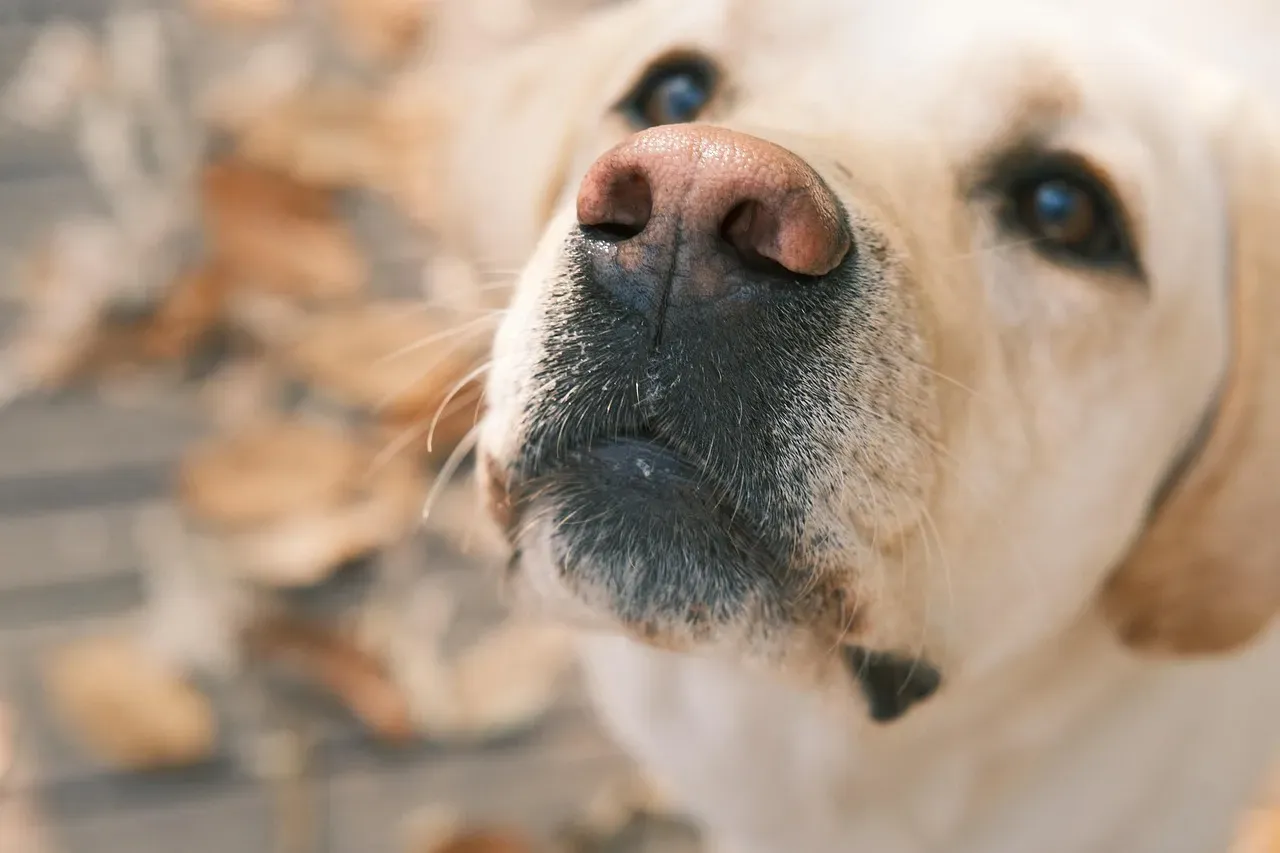
Let’s be real, when was the last time you just sat quietly and looked into your dog’s eyes? Not while giving a command or asking for something, just looking. This simple act might feel a bit awkward at first, almost too intimate. Turns out, it’s one of the most scientifically proven ways to strengthen your bond.
Research found that mutual gazing between dogs and their owners triggers profound hormonal changes, with dogs experiencing up to a 130 percent rise in oxytocin levels and owners seeing a 300 percent increase. This is the same biological mechanism that bonds mothers to their babies. When dogs and humans lock eyes, both experience a spike in oxytocin levels, literally strengthening their bond on a chemical level.
Think about that for a moment. Your dog isn’t just staring at you because they want treats or need to go outside. They’re actually building a chemical connection that mirrors the most fundamental human bonds. It’s honestly quite beautiful when you realize that your pup is hardwired to love you in this deeply biological way.
Doing Nothing Together Is Actually Doing Everything
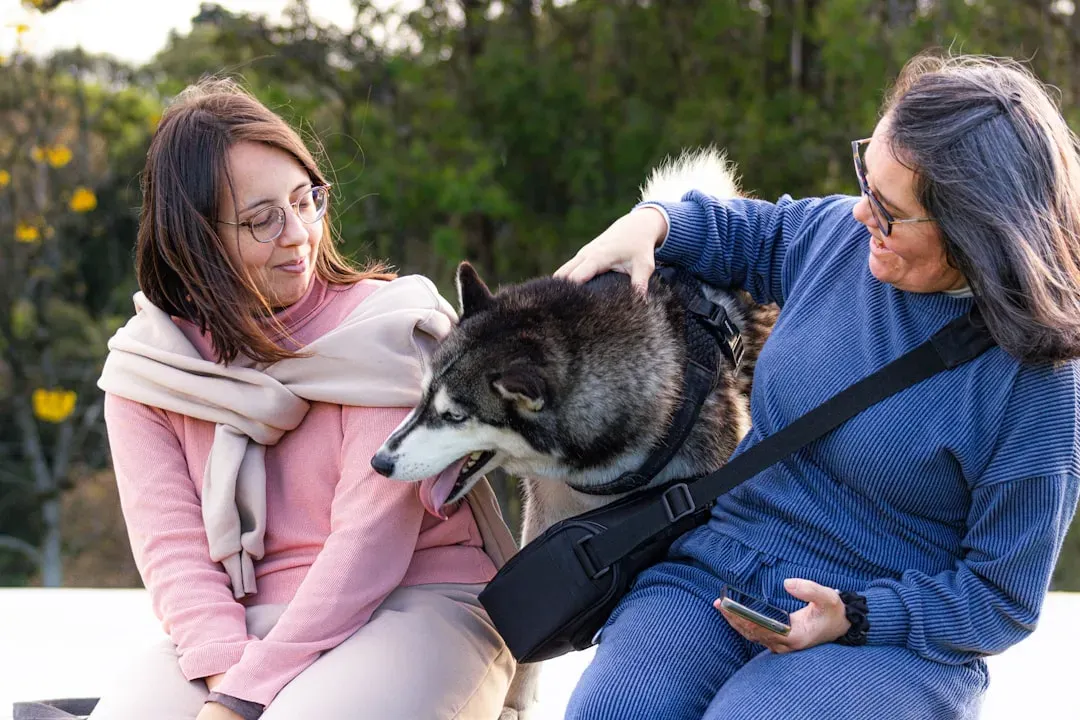
We live in a culture obsessed with productivity and activity. We feel like we need to constantly entertain our dogs with puzzle toys, agility courses, or epic adventures. Those things are wonderful, no doubt. What might surprise you is that some of the most meaningful bonding happens during quiet, calm moments when you’re simply existing in the same space.
Scientists using heart monitors discovered that dogs and their owners’ heart rates often sync up, especially when they’re relaxed and calm together. This physiological synchronization doesn’t require you to do anything special. It happens when you’re reading on the couch with your dog curled up beside you, or when you’re working at your desk and they’re napping nearby.
Your presence alone provides comfort and security. Many Western owners allow their dogs to sleep in their beds with them and report lessened anxiety. This isn’t spoiling your dog or creating bad habits as some old-school trainers might claim. It’s recognizing that dogs are social creatures who thrive on proximity to their attachment figures.
I know it sounds crazy, but sometimes the best thing you can do for your bond is absolutely nothing at all.
Letting Your Dog Sniff Everything Changes the Relationship Dynamic
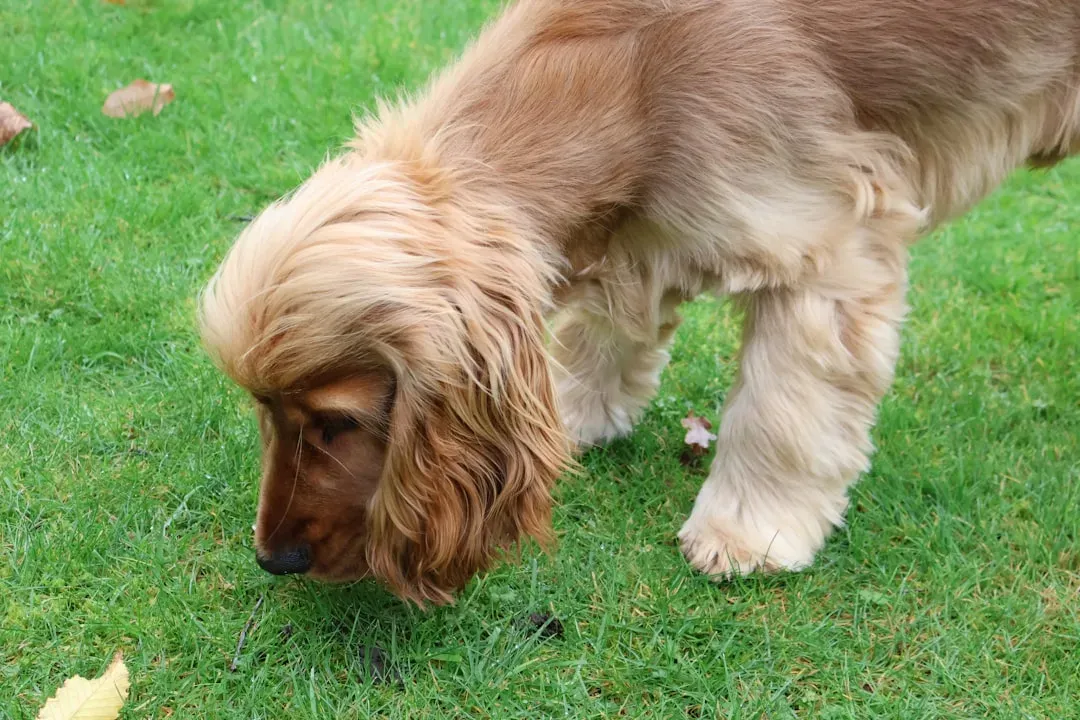
Here’s something most of us get wrong during walks. We’re focused on exercise, covering distance, getting steps in. Meanwhile, our dogs are desperately trying to read the neighborhood news through their noses, and we’re tugging them along impatiently. Sound familiar?
Dogs experience the world primarily through scent in ways we can barely comprehend. Dogs sniff constantly, five or ten times a second, and map their whole world that way. When you allow your dog to explore at their own pace, to investigate every interesting smell, you’re respecting their primary sensory experience. You’re basically saying, “I trust you to lead sometimes. Your needs matter.”
Participating in outdoor activities together strengthens the human-dog bond by providing quality time, and letting your dog sniff and explore reduces stress and fulfills their natural curiosity. This shift from controlling every aspect of the walk to following their lead occasionally creates a partnership rather than a hierarchy. It demonstrates respect, which deepens trust.
Watch your dog’s body language next time you give them five uninterrupted minutes to sniff around a particularly interesting tree. The relaxed posture, the gently wagging tail, the obvious contentment. That’s a bonding moment right there.
Understanding Their Communication Makes Them Feel Truly Seen
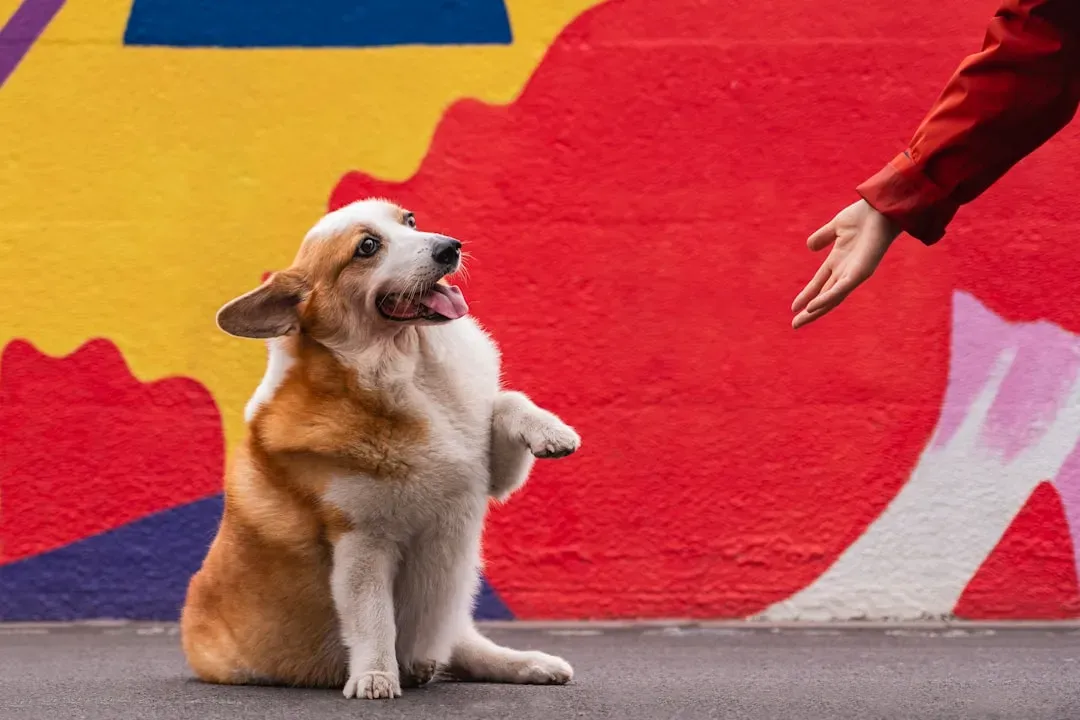
We spend so much time teaching dogs to understand us. Sit means sit. Come means come. Stay means stay. Fair enough, they’re incredibly good at learning our language. What about learning theirs? The best way to build a strong bond with your dog is by learning to read their facial expressions and body language, opening the door to improved understanding and communication.
When you can recognize that your dog is feeling anxious before they start barking, or that they’re uncomfortable before they growl, you can respond to their needs proactively. A confident dog holds their ears forward, head up, and tail up, while a fearful dog has ears turned to the side, head lowered, avoids eye contact, and has their tail tucked. These subtle cues tell you everything about their emotional state.
Honestly, I think dogs know when we’re really trying to understand them. They notice when we respond appropriately to their signals. This validation of their communication creates incredible trust. Imagine how frustrating it must be to constantly try to tell someone something and never be understood. When you finally crack that communication code with your dog, something magical shifts in your relationship.
Positive Reinforcement Training Builds Trust More Than Obedience
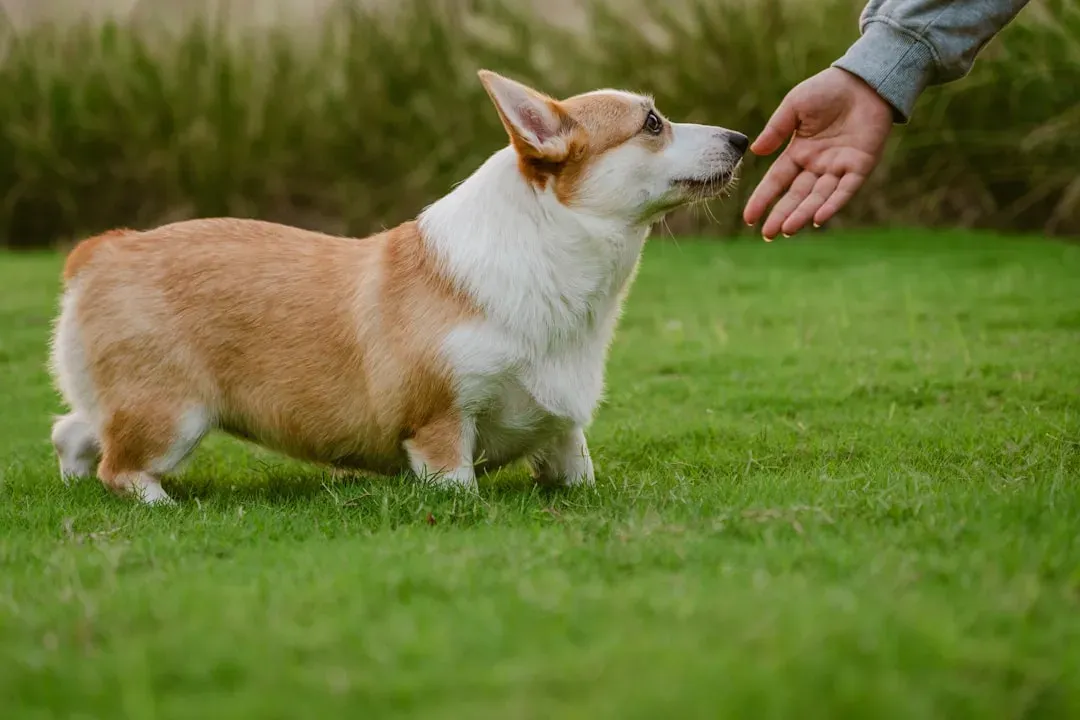
We often think of training as being about commands and compliance. Heel. Down. Leave it. The real magic of positive reinforcement training isn’t the behaviors you’re teaching, though those are obviously useful. It’s the emotional foundation you’re building every single session.
Positive reinforcement enhances the human-animal bond by fostering a common language, and using these methods builds up a dog’s confidence and trust in their pet parents. Every time you reward your dog for making a good choice, you’re telling them, “You’re safe with me. Good things happen when you’re around me. We’re a team.”
Positive reinforcement or bond-based training methods were associated with more positive outcomes, while positive punishment was associated with more negative outcomes. This isn’t just about being nice or politically correct about training methods. It’s about whether your dog sees you as a source of safety and good things, or as someone unpredictable who sometimes causes discomfort.
Training sessions that rely on positive reinforcement are proven to strengthen the dog-owner bond, with dogs trained this way being more eager to engage and learn. When training becomes a collaborative game rather than a power struggle, you’re not just teaching behaviors. You’re building a relationship based on mutual respect and genuine partnership.
Conclusion
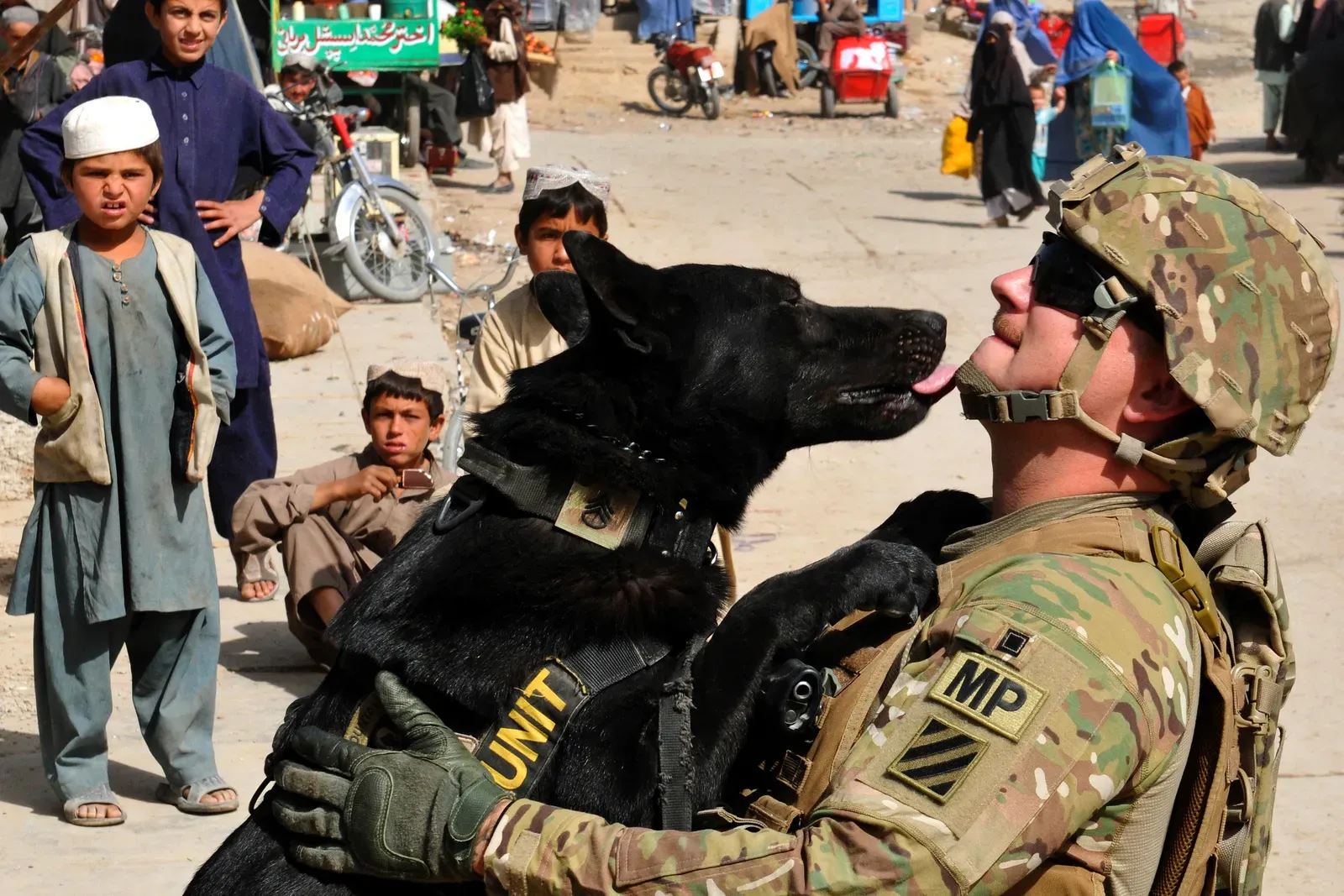
The beautiful truth about bonding with your dog is that it doesn’t require expensive equipment, elaborate adventures, or perfect training skills. The deepest connections form through eye contact that triggers love hormones, quiet moments when your hearts literally beat in sync, walks where you let them follow their noses, genuine efforts to understand their language, and training that builds trust rather than just compliance.
The human-canine bond offers profound impacts on emotional well-being, with interactions alleviating stress, anxiety, and depression. Your dog isn’t just getting something from this relationship. You are too. This ancient partnership between our species has evolved over thousands of years, shaped by mutual benefit and genuine affection.
Next time you’re with your dog, try slowing down. Make eye contact. Let them sniff that lamppost for as long as they want. Notice what they’re trying to tell you with their body. Celebrate their small victories during training. These seemingly small moments create the foundation of something extraordinary.
What’s the most unexpected way your dog has shown they trust you? Sometimes they surprise us with their capacity for connection in ways we never anticipated.


