

You walk through the front door after a long day, and there’s your furry companion flopping onto their back, legs akimbo, exposing that soft belly. Your immediate instinct? Go in for the rub, of course. Yet here’s the thing: That vulnerable belly display might not always be the invitation you think it is. In fact, that sweet gesture could be communicating something entirely different, and misreading it could leave your pup feeling even more anxious.
The belly up position is probably the most commonly misinterpreted canine behavior, as people have been taught that when a dog rolls over, they must want a belly rub, when in reality many dogs expose their belly as an appeasement behavior, essentially asking for space. Let’s dive into what your dog is really trying to tell you when they flip onto their back.
It’s Not Always About the Belly Rubs
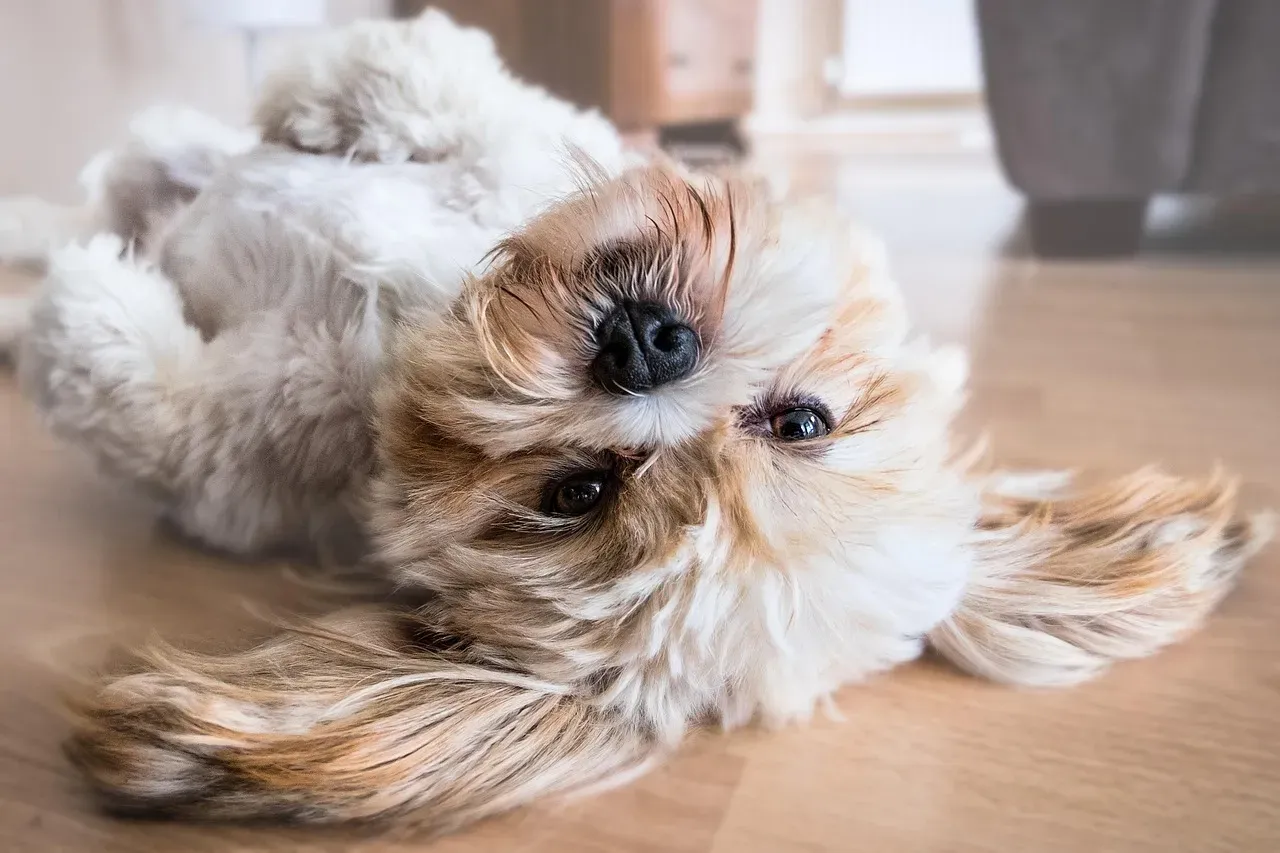
Dogs aren’t always showing their bellies in a grab for attention or affection, as a common reason is submissive behavior, where the dog is essentially saying they mean no harm and asking not to be hurt, which is the opposite of requesting touch. Think about the context. Is your dog at the vet’s office? Meeting a stranger for the first time? Encountering a more dominant dog at the park?
Rolling over is often a sign of extreme submission and may involve urination, and submissive rolling can be a sign of fear and deference that should not be misinterpreted as stubbornness or solicitation of petting. The belly is every dog’s most vulnerable spot, packed with vital organs and zero protection. When they expose it, they’re making themselves utterly defenseless, which can signal either complete trust or complete surrender.
Watch for the accompanying signals. If your pup is scared or not well-socialized, the body may be stiff or trembling, and the dog may avoid eye contact while licking their lips, and you should resist petting the belly of a fearful dog as this may unintentionally trigger a fear-bite response.
Reading the Whole Picture, Not Just the Pose
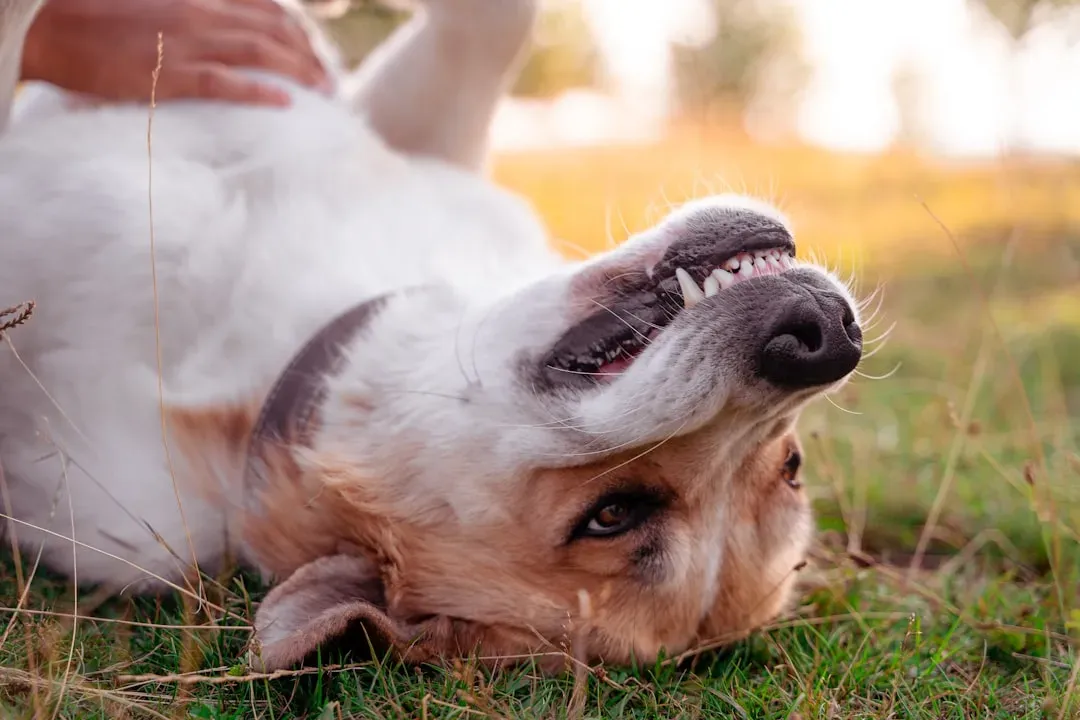
Let’s be real: Context is everything when it comes to canine communication. A dog rolling on their back exposing their belly might also show lip licking and a head turned away to show whale eye, meaning the dog is uncomfortable with your approach, whereas a dog who does want a belly rub has a relaxed and open mouth, relaxed ears, makes eye contact, and has a much more natural and inviting body.
The difference between a happy belly exposure and a fearful one often comes down to tension. Is their tail wagging loosely, or is it tucked tight between their legs? Are their eyes soft and maybe even squinting with contentment, or are they showing the whites of their eyes in that classic whale eye look? A dog rolling on their back with their belly up can have multiple meanings, but generally means they are not a threat, and if the dog’s tail is gently wagging and their mouth is slightly open, the dog is probably comfortable.
It’s kinda like reading someone’s facial expression during a conversation. You wouldn’t just look at their mouth, right? You’d notice their eyes, their posture, whether they’re leaning toward you or away. Dogs work the same way, except their vocabulary relies entirely on body language.
When Fear Masquerades as Friendliness
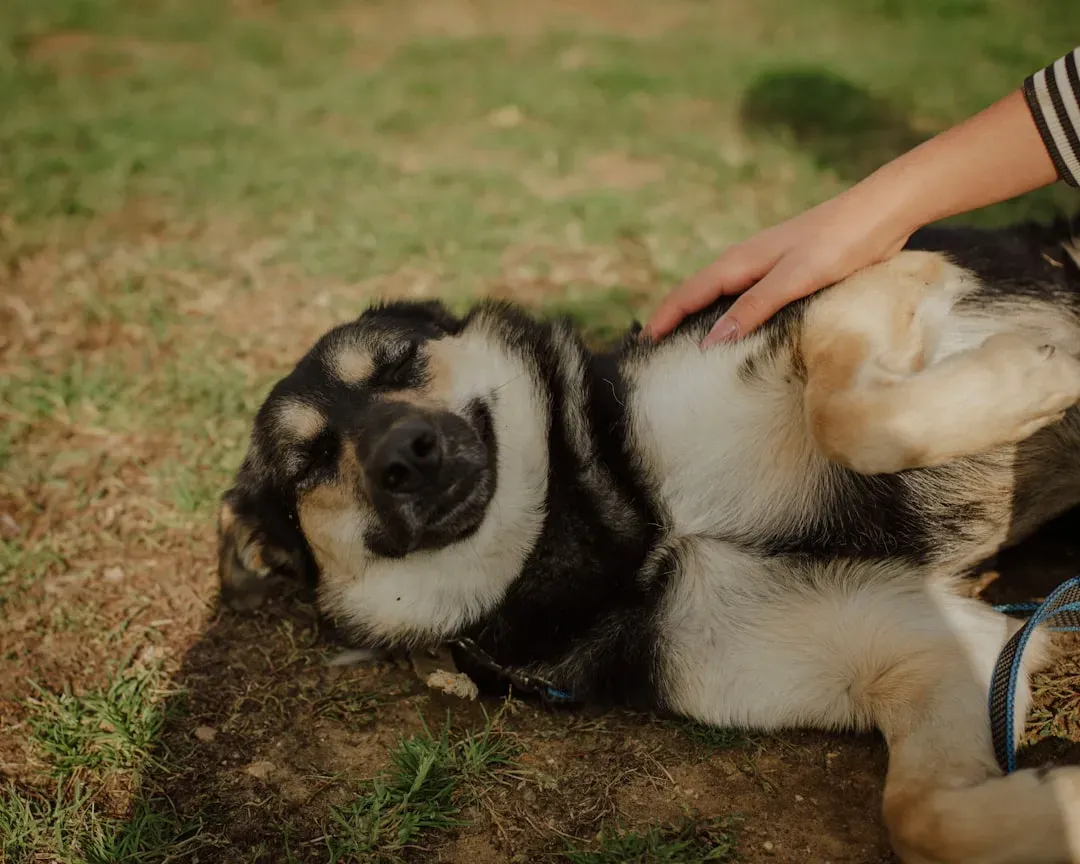
Here’s where things get tricky. Many dogs will expose their belly as an appeasement behavior when they’re unsure, and then the human reaches in and touches them in a vulnerable position, which has led to numerous reports of people getting bit or snapped at after the dog rolled over and someone reached to give them a belly rub. Honestly, it’s heartbreaking to think about how many dogs have been trying desperately to communicate discomfort, only to have their message completely ignored.
The extreme of submissive posture is a dog that rolls onto their back exposing their belly, which may look like a dog soliciting a belly rub in a relaxed dog and often is, but it can actually be a sign of considerable stress and anxiety. Picture this scenario: You’re at a friend’s house, and their new rescue dog meets you for the first time. The pup immediately drops and rolls. Your friend exclaims how much the dog loves you already. Yet the dog’s ears are pinned back, their body is stiff, and they’re avoiding your gaze. That’s not love. That’s a plea.
What should you do instead? If you go to pet a dog and they roll over with signs of fear, take a step back and wait until they get up before petting them, and if they roll over again be patient and repeat, because rubbing a dog’s belly that is afraid of you does not help ease their fear but rather heightens it.
The Belly Display as a Sign of True Comfort
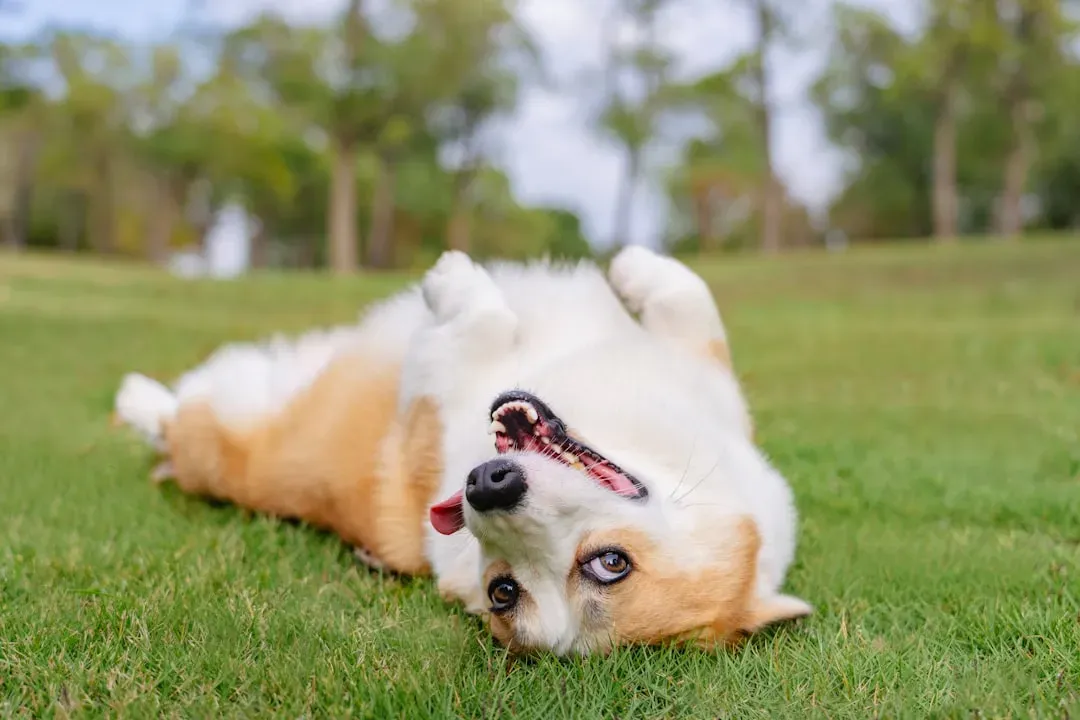
Now, let’s talk about the good stuff, because not every belly exposure is a red flag. Exposing their belly can mean that dogs feel safe and secure, as confident adult dogs in their own homes roll on their backs and get into a relaxed posture when taking naps because they know they have nothing to fear. This is the belly flop we all hope to see: loose, wiggly, accompanied by a goofy grin and maybe some playful paw swats.
When a dog turns over inviting a belly rub, it’s showing trust and enjoying social contact. There’s something deeply special about earning this level of trust from your dog. They’re essentially saying, “You’re my person, and I feel completely safe with you.” The entire vibe is different. Their whole body is relaxed, not rigid. Their tail might be doing that helicopter wag thing.
Sometimes dogs also show their bellies simply because it feels good. Although dogs attempt to regulate their body temperature by panting, some may roll on their backs and expose their bellies to help them cool down on hot days, and some pups like to lie beside the fan, belly up and relaxed. Think of it as your dog’s version of sprawling on the couch after a workout. It’s practical, it’s comfortable, and it has nothing to do with social interaction at all.
How to Respond the Right Way
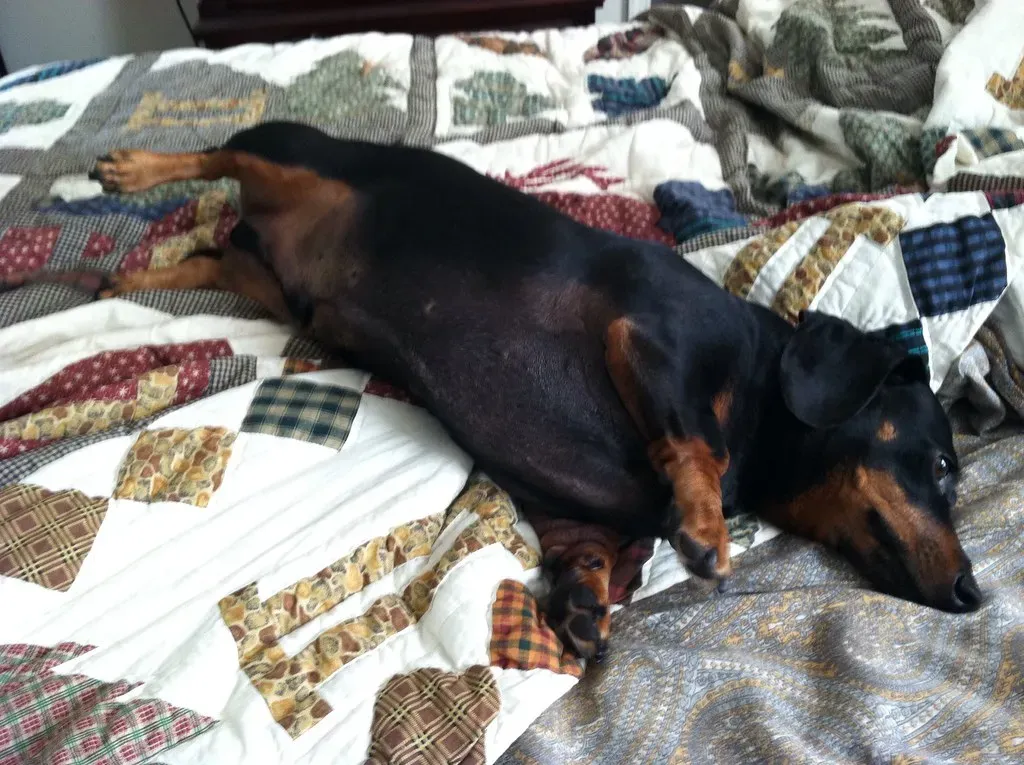
So what’s the takeaway here? Slow down and observe before you reach. Rolling on their back and exposing their belly can be a sign of trust, submission, an invitation to play or a call for attention, and observing your dog’s body language can help you better understand their needs and feelings, deepening your bond. Take a moment to assess the whole dog, not just the adorable tummy.
If you’re meeting a new dog or your own pup is showing stress signals alongside that belly display, give them space. When a dog meets a new person or pet for the first time in a strange environment and shows their belly with a stiff or trembling body while avoiding eye contact and licking their lips, resist petting the belly of a fearful dog and instead speak to them in an upbeat tone and reward with a healthy treat when they move into a safer position.
On the flip side, if your own dog at home is showing you their belly with that relaxed, happy energy, by all means, give them the belly rubs they’re craving. Just always stay tuned in to their signals. If at any point they stiffen up, look away, or seem uncomfortable, stop immediately. Respecting their communication builds trust far more effectively than any belly rub ever could.
Conclusion
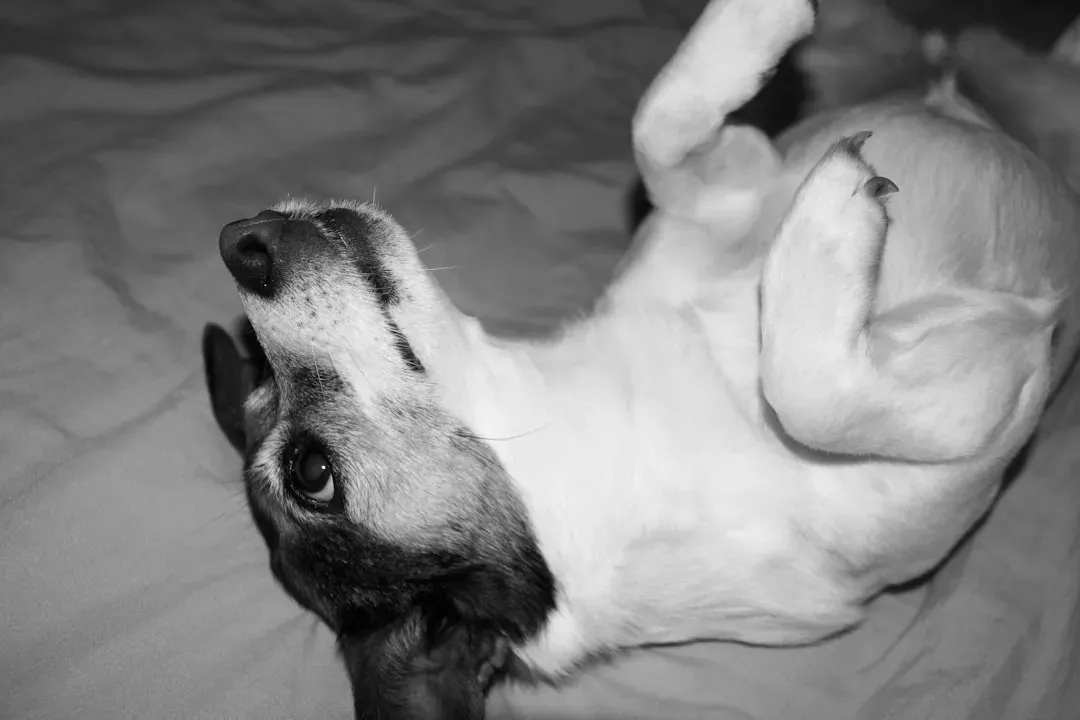
Understanding what your dog is truly saying when they show you their belly can transform your relationship with them. It’s not just about whether they want a scratch or not. It’s about recognizing their emotional state, respecting their boundaries, and responding in ways that make them feel truly safe and understood. Every tail position, every ear flick, every shift in body tension is part of their language, and we owe it to them to learn it.
The next time your dog flips over, pause before you dive in. Look at the bigger picture. Are they relaxed and playful, or tense and worried? Your response in that moment matters more than you might think. What do you think? Have you ever misread your dog’s belly display? Share your stories in the comments.


