

You just stood up to grab water from the kitchen. Before you even take a step, your dog is up, tail wagging, eyes locked on yours like you’re about to embark on a great adventure. You walk to the bathroom, they’re there. You open the closet door, there’s that furry shadow again. You’ve probably laughed it off, maybe even felt flattered that your pup can’t get enough of you.
What if I told you there’s more to this behavior than simple devotion? That constant shadowing, that need to be within arm’s reach at all times, often has roots in something deeper and more primal. It’s not just love keeping your dog glued to your side. It’s fear. The fear that when you disappear from sight, you might never come back.
The Ancient Pack Instinct That Drives Your Dog’s Devotion
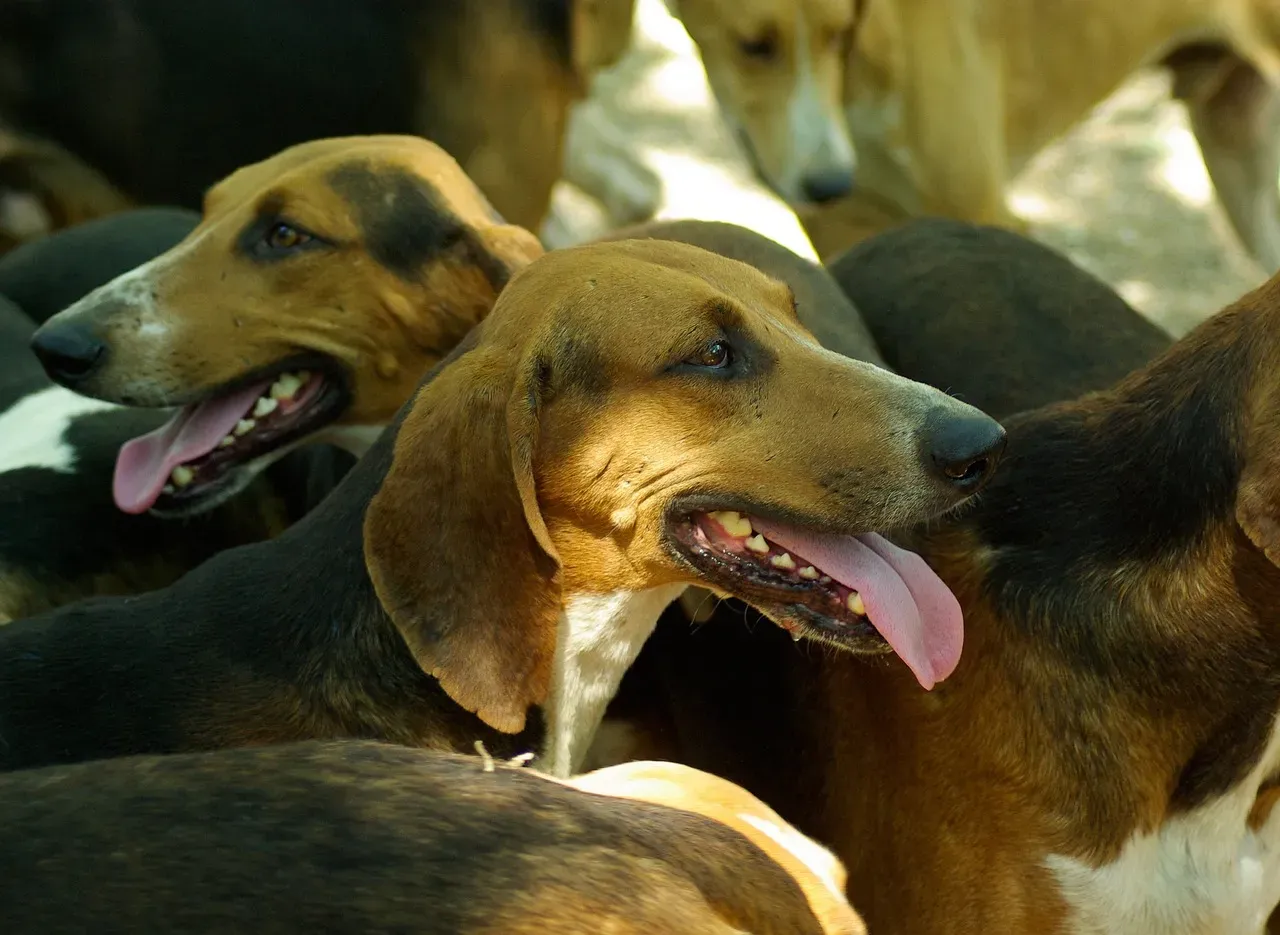
Dogs are pack animals, which means they prefer to live in a group, and their tendency to travel in a pack close by your side is reflective of natural instinct. In the wild, separation from the group meant vulnerability, danger, and sometimes death. Your dog’s ancestors relied on staying close to their pack for survival, protection, and access to food.
When your dog follows you from room to room, they’re responding to thousands of years of evolutionary programming. You are their pack now. Every time you leave their sight, a tiny alarm goes off in their brain. Most dogs with separation anxiety try to remain close to their owners, follow them from room to room and rarely spend time outdoors alone.
Even though your home is safe and there are no predators lurking, your dog’s brain doesn’t always know that. The instinct to stay close is hardwired. Some dogs manage this instinct better than others, showing independence and confidence. Others never quite shake the feeling that being alone is dangerous.
When Clinginess Crosses Into Separation Anxiety Territory
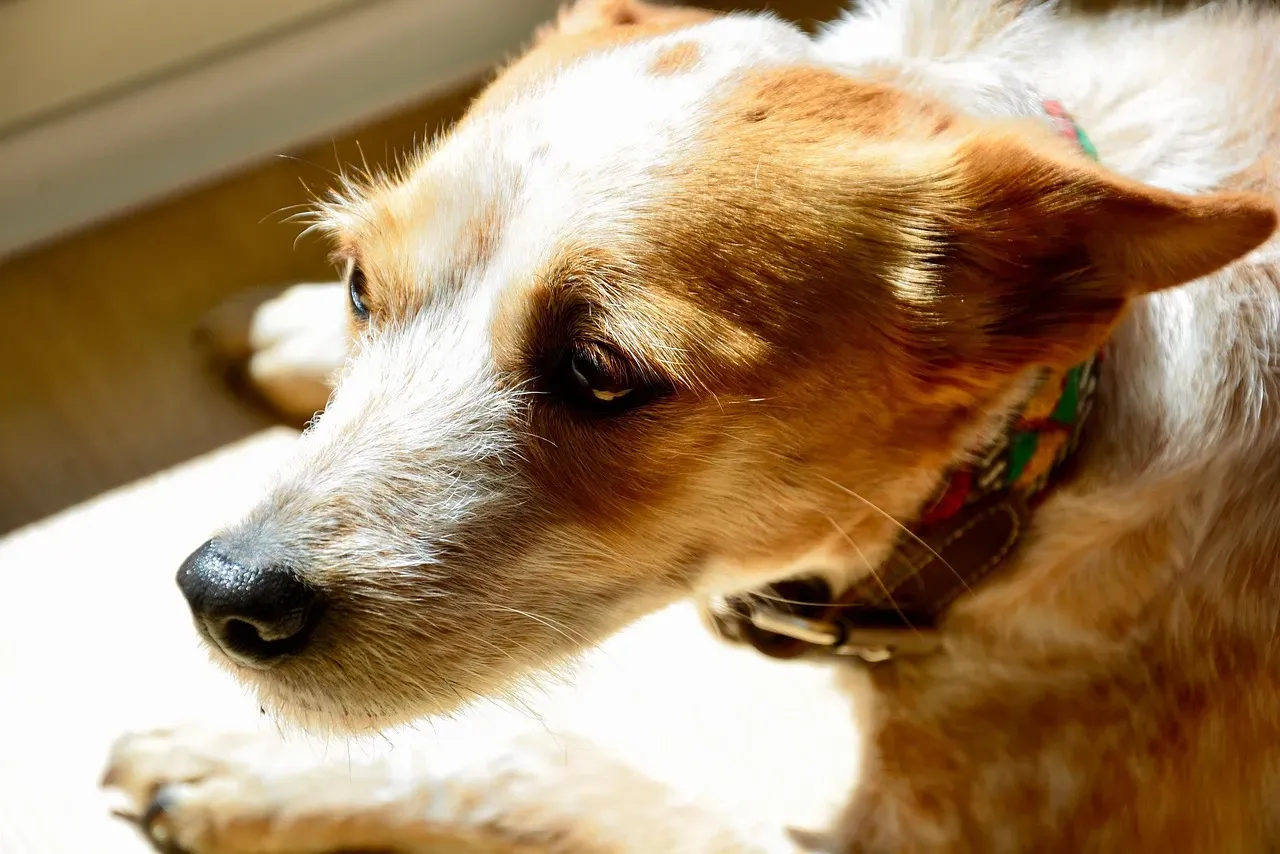
A Velcro dog wants to be with you constantly when you’re around but typically manages well when you leave, whereas a dog dealing with separation anxiety panics when you leave the house, leading to destructive behavior, potty accidents, and even self-inflicted wounds. Let’s be real, there’s a significant difference between a dog who loves your company and one who genuinely cannot cope without you.
Your dog becomes distressed as soon as you leave, with the first 15 minutes being the worst, during which time your dog becomes extremely upset. I’ve seen dogs chew through door frames, howl until neighbors complain, and injure themselves trying to escape. Research suggests that roughly eight out of ten dogs find it hard to cope when left alone.
Here’s the thing. Yet, half won’t show any obvious signs and so it can be easy for owners to miss. Your dog might seem totally fine when you’re home, shadowing you peacefully. You leave for work, and panic sets in immediately. Set up a camera if you’re unsure. What you discover might surprise you.
The Breeds Wired To Worry About Your Whereabouts
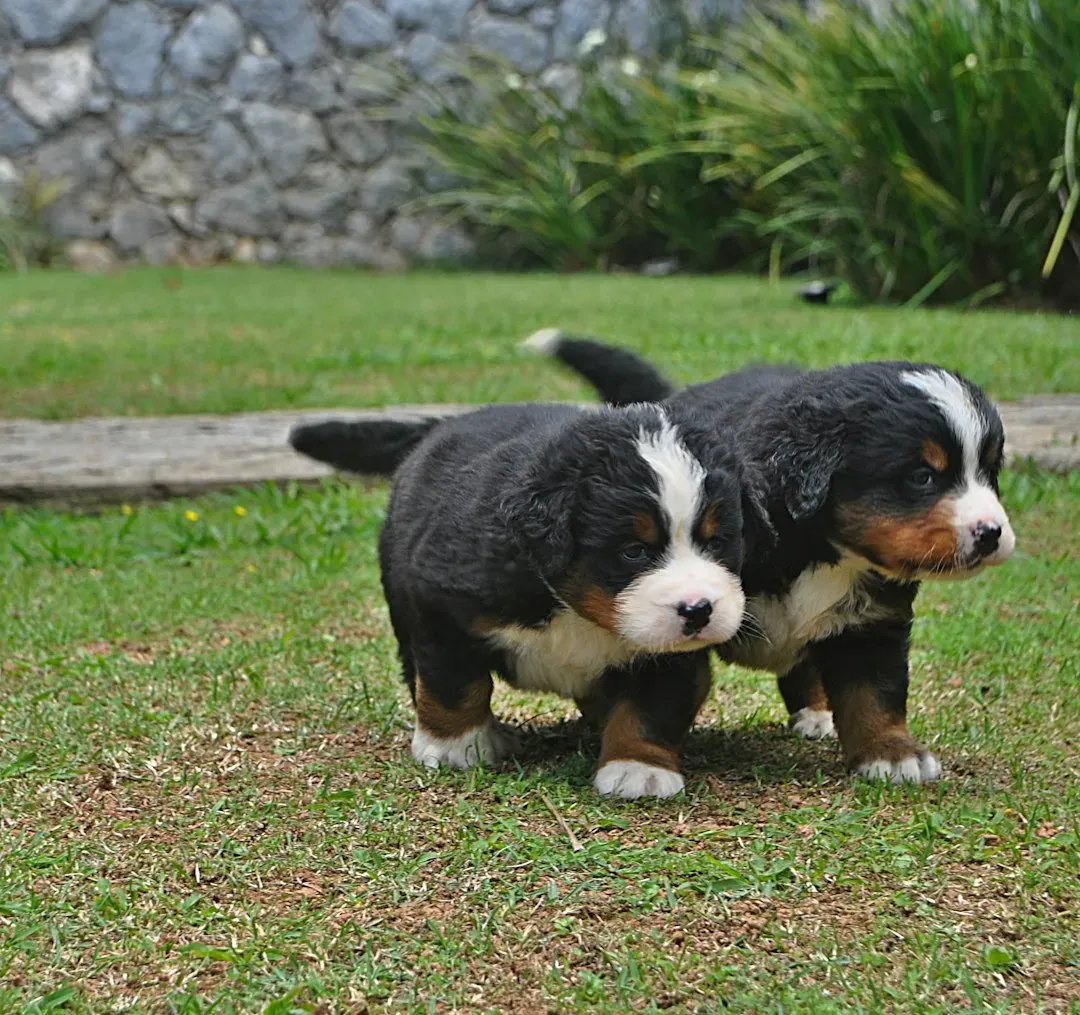
Not all dogs are created equal when it comes to clinginess. Certain breeds are more likely to become Velcro dogs than others, such as lapdogs like Shih Tzu, and sporting dogs like Vizslas who prefer to be by their person’s side. Think about what these breeds were originally designed to do. They worked alongside humans, sometimes for entire days.
Herding, pack, and companion dogs, such as Labrador and Golden Retrievers, French Bulldogs, Australian Shepherds, and Chihuahuas, were all traditionally bred to live and work closely with humans. Their entire purpose was connection. Honestly, we bred the independence right out of them. They were selected generation after generation for their ability to bond tightly with people.
Still, breed isn’t destiny. Individual personality plays a huge role. I’ve met independent Chihuahuas and anxious German Shepherds. Velcro-dog behavior, where a dog follows you everywhere, increases the risk of a dog developing separation anxiety. So even if your dog’s breed isn’t typically clingy, life experiences can shape their attachment style.
Life Changes That Trigger Your Dog’s Fear of Abandonment

Far more dogs who have been adopted from shelters have this behavior problem than those kept by a single family since puppyhood, suggesting that loss of an important person or group of people in a dog’s life can lead to separation anxiety. That rescue dog who won’t let you out of their sight? They’ve already been abandoned once. In their mind, it could happen again.
An abrupt change in schedule in terms of when or how long a dog is left alone can trigger the development of separation anxiety. Maybe you started a new job. Maybe your work-from-home arrangement ended. Your dog was used to having you around constantly, and suddenly you’re gone for hours. That shift can be devastating for some dogs.
Other triggers to watch for involve life changes like a sudden switch in schedule, a move to a new house, or the sudden absence of a family member, whether it’s a divorce, a death in the family, or a child leaving for college. Dogs pick up on household stress more than we realize. They sense when something’s wrong, and their response is often to cling tighter. It’s their way of saying, “Please don’t leave me too.”
How To Help Your Dog Feel Secure When You’re Apart
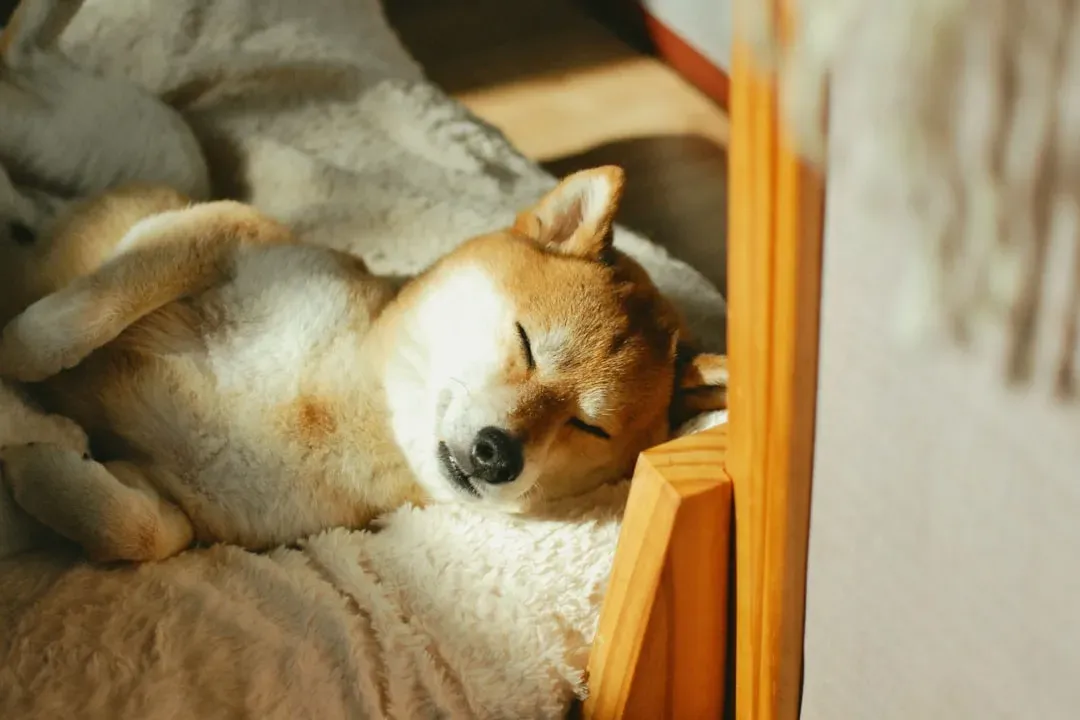
Training should focus on extended and relaxed down stays and going to a bed or mat on command, reinforcing your dog for settling down, relaxing and showing some independence. Start small. Leave the room for five seconds, come back, reward calm behavior. Gradually increase the time. The goal is teaching your dog that your absence is temporary and safe.
Dogs may start to get nervous when they see signs you’re about to leave, like putting on your shoes or picking up your keys, so do those things but then don’t leave. Put your shoes on and sit back down. Pick up your keys and make a sandwich. Break the association between these cues and your departure.
Some research has even pointed to a lack of daily exercise as a possible cause. A tired dog is often a calmer dog. Physical exercise helps, but mental stimulation matters just as much. Puzzle toys, training sessions, sniffing games – these activities build confidence and tire out anxious brains. The idea is to teach them that being alone isn’t scary at all; it’s actually a time to relax and feel comfortable.
Conclusion
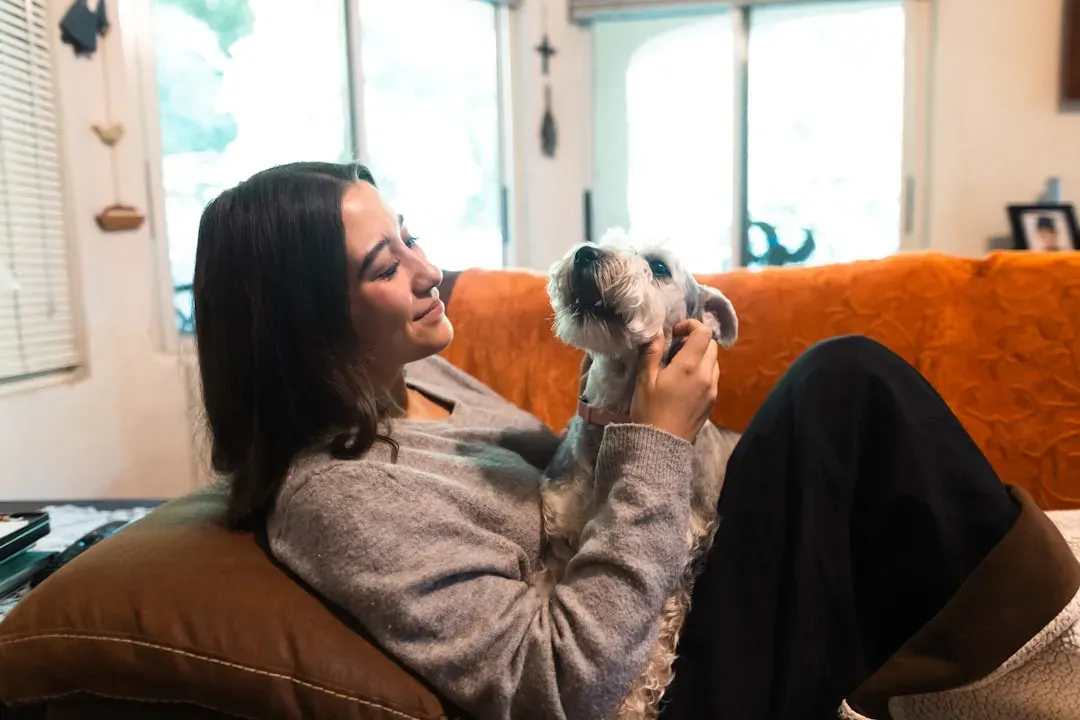
Your dog’s constant presence isn’t just about love or loyalty, though those things are certainly part of it. It’s about fear. The fear that you, their entire world, might vanish the moment you step out of sight. Understanding this changes everything. It shifts the behavior from cute to something we need to address with compassion and patience.
You can help your dog feel more secure. Through gradual training, routine, and building their confidence, you can teach them that your departure isn’t the end of the world. They’ll learn that you always come back. What would it mean for both of you if your dog could finally relax, knowing you’re not abandoning them every time you leave the room?


