
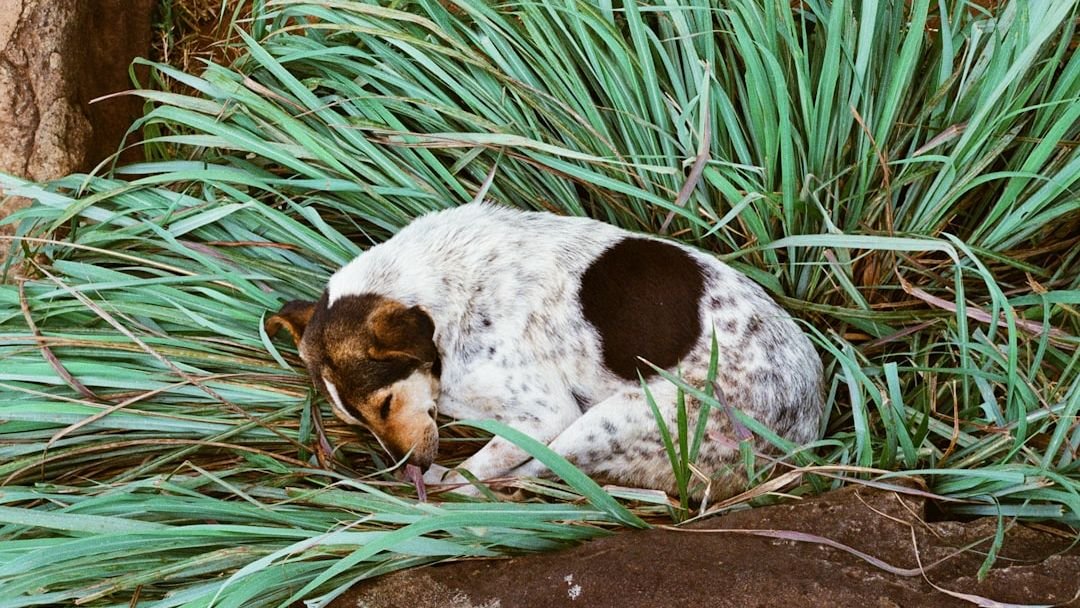
Have you ever wondered why your dog performs that curious little ritual every single time before settling down for a nap? You know the one. That spinning dance, those deliberate circles, usually repeated two or three times before finally plopping down with a satisfied sigh.
It’s easy to dismiss it as just another adorable dog quirk. Yet what if I told you this simple act connects your cozy couch companion to a time when survival meant reading the wind, scanning for danger, and claiming territory in a world far more brutal than our living rooms? This behavior isn’t random. It’s a whisper from the past, a genetic echo that has persisted through tens of thousands of years.
An Ancient Ritual Written In DNA
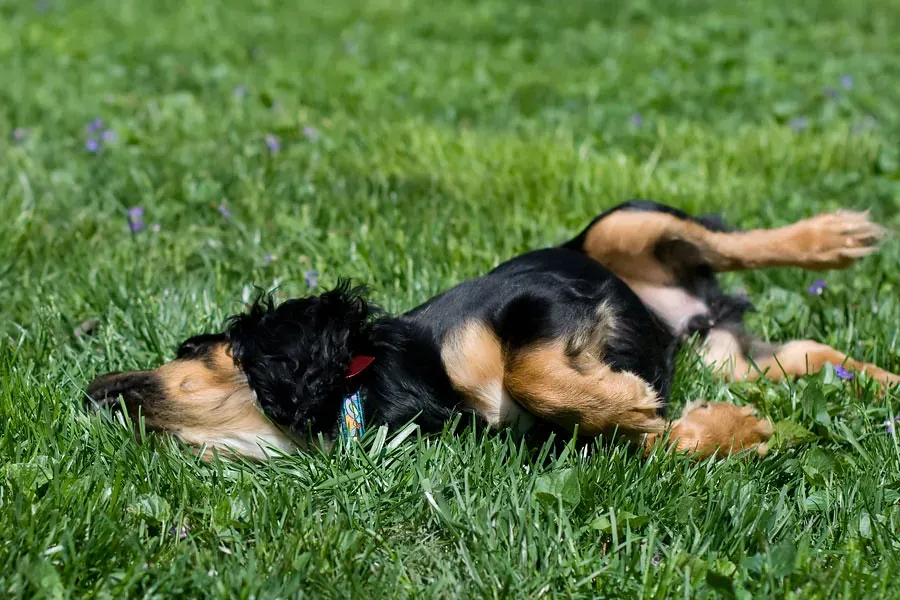
Dog behaviorists believe that a dog’s need to perform the bedtime ritual of turning around in circles before lying down is inherited, with canine ancestors like wild wolves doing the same thing and domestic dogs retaining this genetic predisposition. The behavior has remained hardwired into their minds despite the fact that most modern dogs sleep on plush beds instead of forest floors.
Dogs display a host of behaviors that go back tens of thousands and even hundreds of thousands of years, with these behaviors ingrained in a dog’s DNA through generations of breeding, evolution, and adaptation. Your sweet Labrador or tiny Chihuahua is still following instructions written by evolution long before humans existed. Think about that for a second. The same impulse that guided wolves through Ice Age winters still guides Fluffy to her favorite spot on the carpet.
Creating A Nest In Hostile Territory
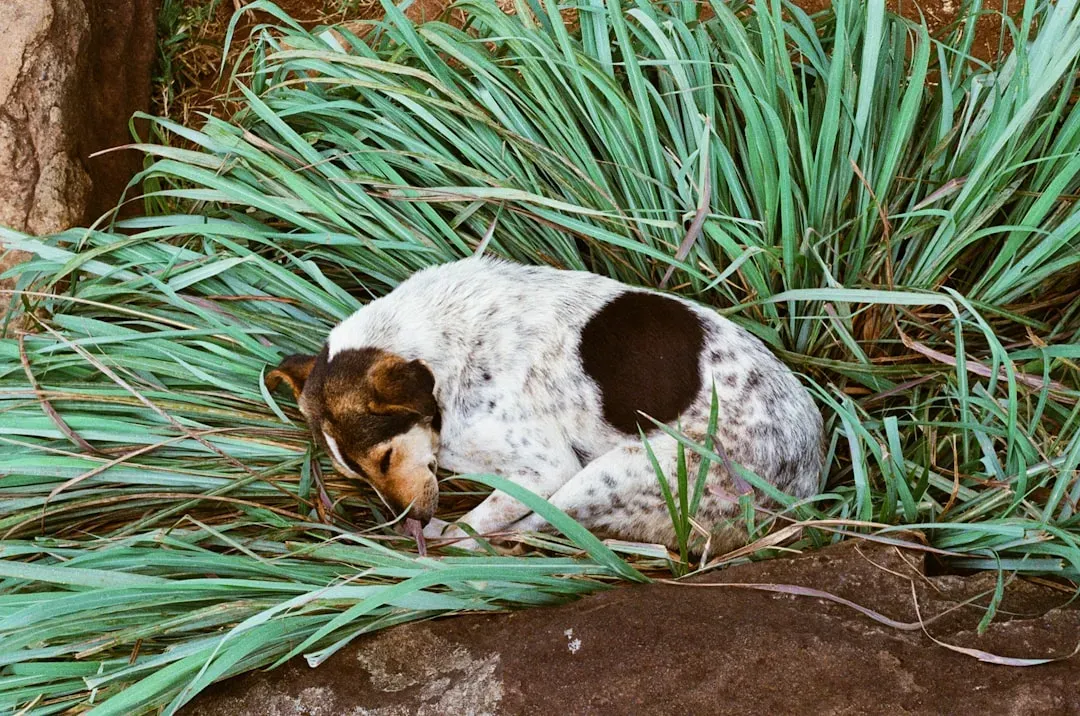
To make their sleeping quarters more comfortable, dogs pat down tall grass and move prickly underbrush before lying down, and they root out rocks and fallen tree branches. This nesting procedure also uncovers unwanted inhabitants, such as snakes or insects. Wild canines didn’t have the luxury of memory foam dog beds waiting for them.
Imagine bedding down in tall prairie grass without knowing what lurked beneath. A sharp rock could mean a painful night. A hidden snake could mean death. When dogs are presented with a soft, uneven surface, they are more likely to turn in circles before they lie down, which indicates that one reason dogs are spinning about is to make themselves a more comfortable temporary nest to nap in. The circling wasn’t just comfort seeking, it was quality control for survival.
The Last Security Check Before Vulnerability
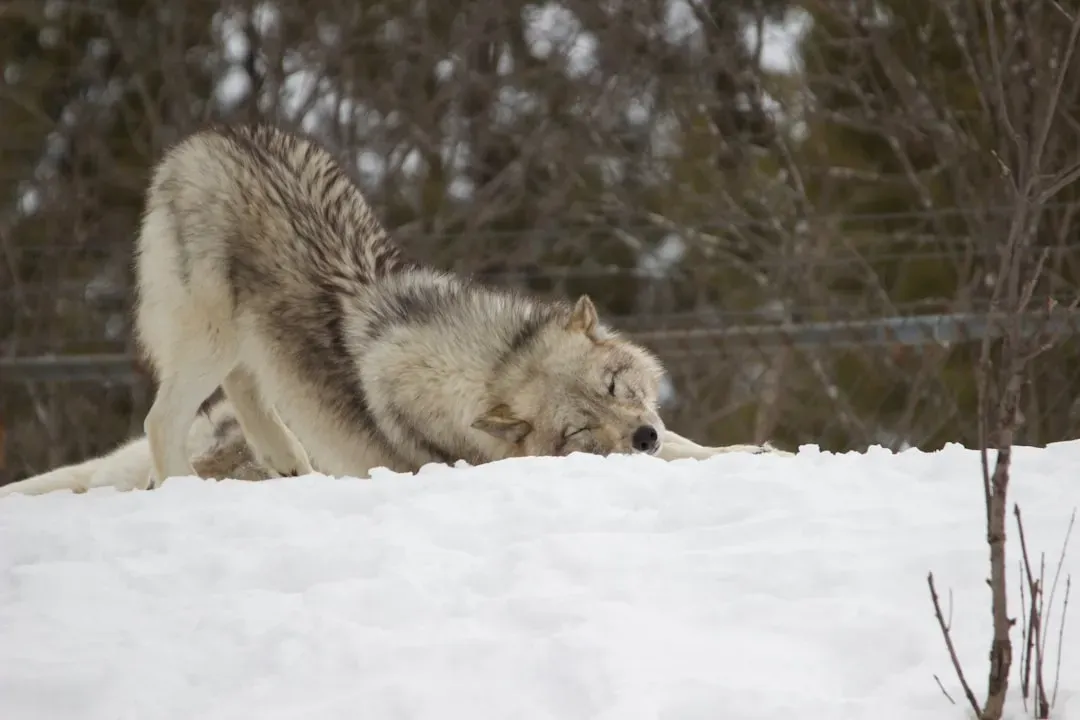
Turning in circles provides an opportunity to take one last look for potential predators before bedtime, and this bedtime rotation is actually a form of self-preservation and protection. Sleep is the most vulnerable state any animal can enter. In the wild, letting your guard down meant you might never wake up.
Circling allows the wolf to determine the direction of the wind so he can best position himself, and with a quick whiff, the wolf knows that he may be in danger and is alerted for a potential attack. Wolves would position themselves with noses facing into the wind, allowing them to detect threats even while sleeping. Your dog performs this same dance even though the biggest threat in your home is probably the vacuum cleaner.
Temperature Control Through Instinctive Engineering
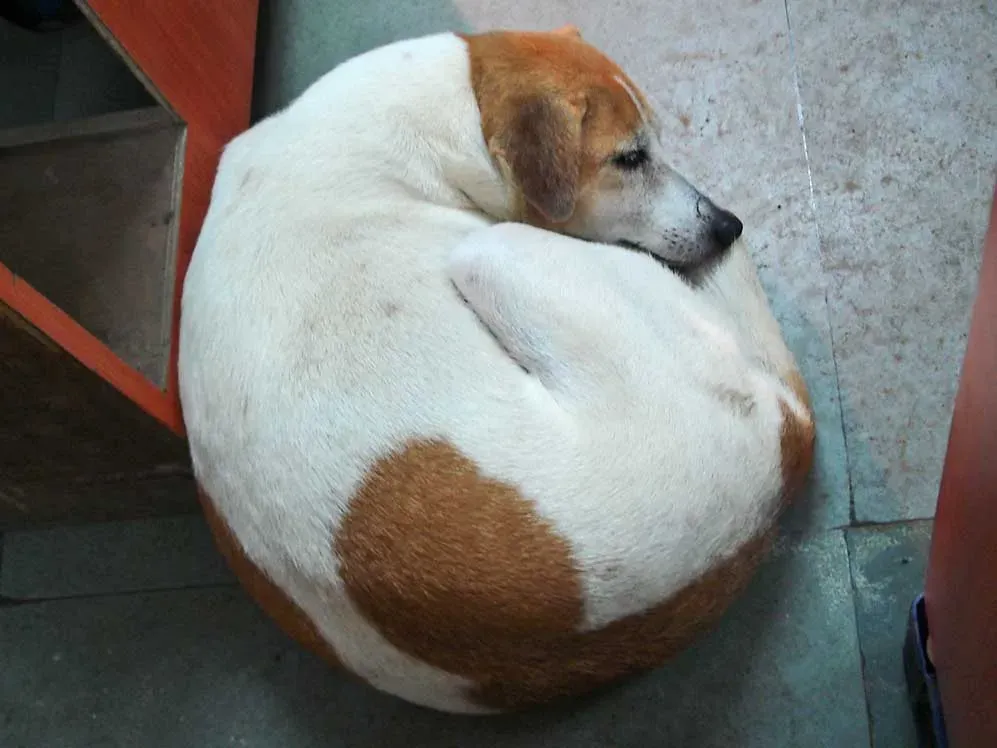
Wild dogs in colder climates circled to wind themselves into tight balls to conserve personal body heat, with the tighter the tuck, the warmer the dog, and other pack members gathering in a tight circle to share body heat. The circling motion helped them gauge the best position for thermal efficiency.
Outdoor dogs in hotter climates scratched at the ground to clear away topsoil and grass that retained and radiated the sun’s warmth. Whether cooling down or warming up, the pre-sleep spin served a practical purpose. Dogs were essentially architects of their own microclimate, adjusting their resting spot to survive temperature extremes. Modern dogs still exhibit this even when central heating does the work for them.
Scent Marking And Territorial Claims
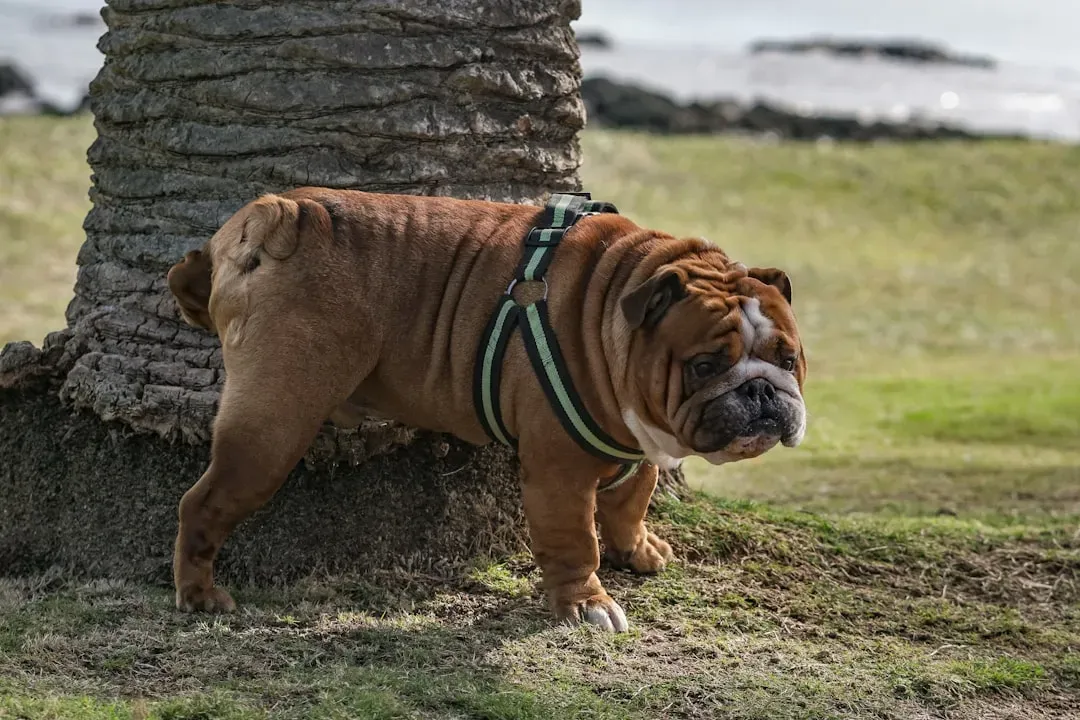
Dogs have scent glands on their paws, which can help them communicate, and rubbing their scent around their sleeping area may also give them a sense of security. Changing the layout of an area by moving grass, snow, or leaves indicates to other wild dogs in the area that this spot is taken for the night.
This wasn’t just about comfort. It was a declaration. Even within pack structures, individual wolves and dogs needed to claim their own space. The circling deposited their unique scent signature, effectively putting up an invisible “occupied” sign. It’s fascinating how something so simple served multiple survival functions simultaneously.
Why Three Times? The Mystery Of The Magic Number
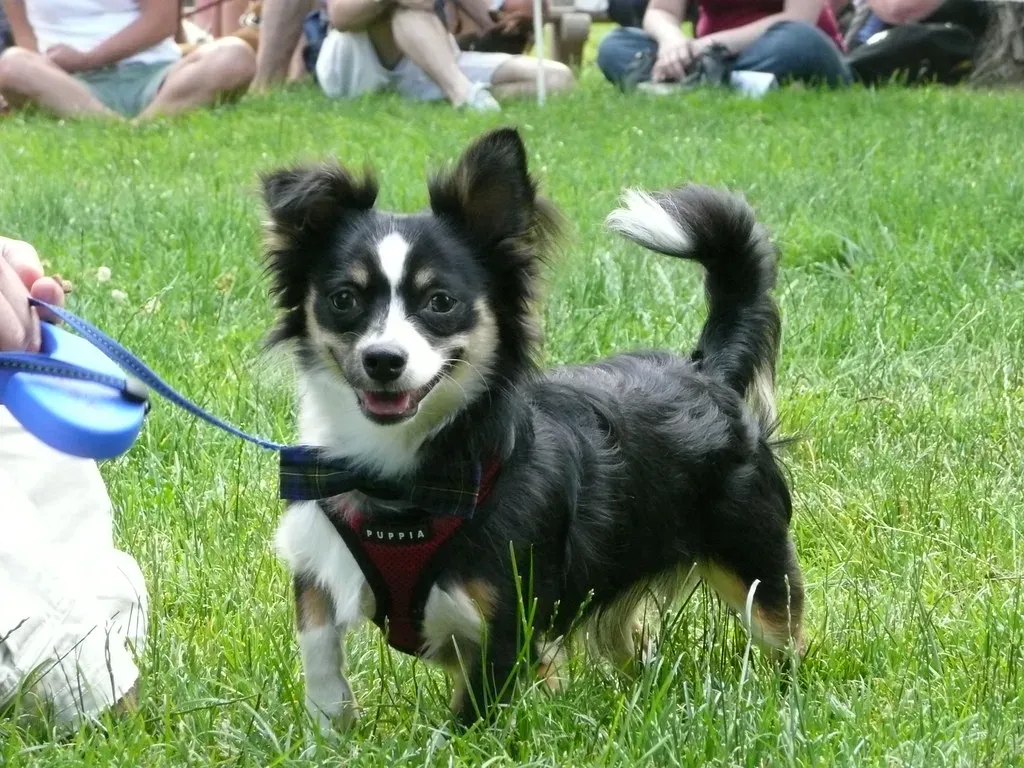
Here’s where things get interesting. Many dog owners swear their pets circle exactly three times. Is there something special about three rotations? Honestly, research hasn’t pinned down a definitive answer. Some dogs circle once, others five times, but three seems to be a sweet spot.
Perhaps three rotations provide enough sensory information without wasting energy. One circle checks the perimeter. Two flattens the area. Three confirms everything is just right. It’s hard to say for sure, yet the consistency is striking. Maybe it’s less about a magic number and more about reaching a threshold of comfort and security that signals to the brain that it’s safe to rest.
Conclusion
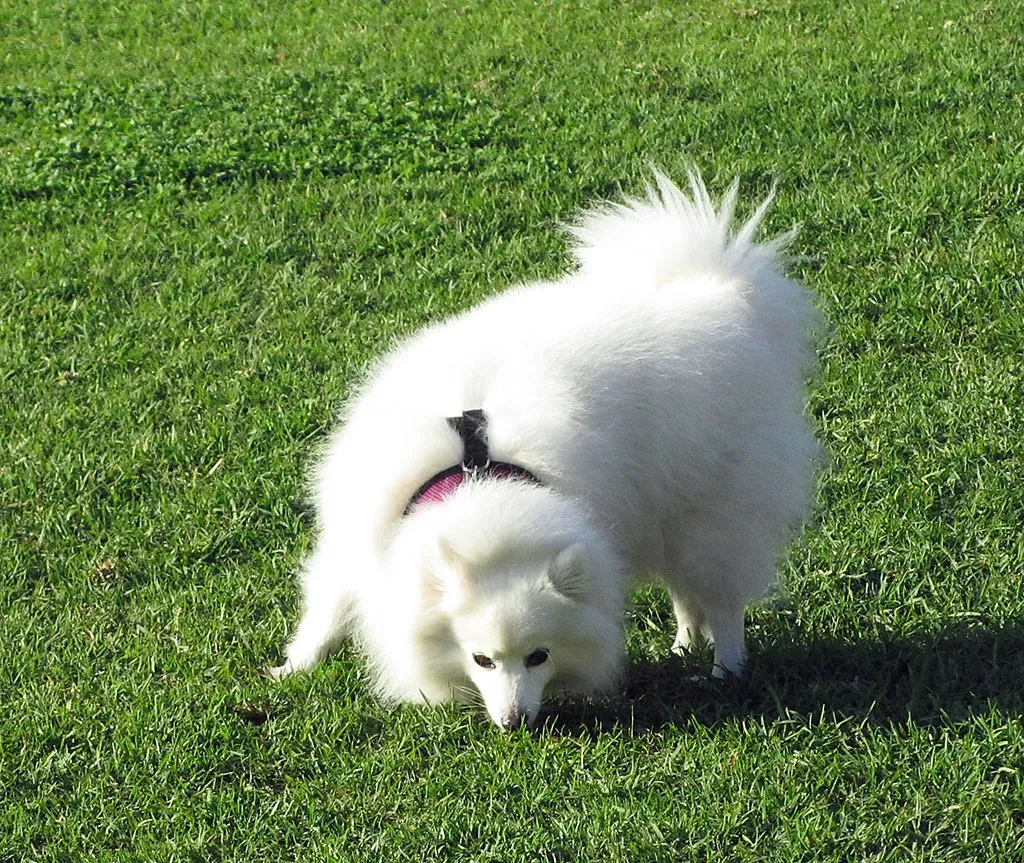
When your dog spins before lying down, you’re witnessing something profound. Evolutionary behaviors like this one are aimed at self-preservation and are strong influences that persist for generations in the animal kingdom. It’s not a meaningless quirk. It’s a forty-thousand-year-old prayer for safety, comfort, and survival.
Every circle your dog makes connects them to ancestors who navigated frozen tundras, faced down predators, and carved out survival in a world without mercy. That ritual honors their lineage. Next time you see it happen, take a moment to appreciate the ancient wisdom embedded in such a simple act. What does your dog do before lying down? Does the number of circles vary, or is it always the same?


