
Climate Change Tripled Likelihood of Deadly Wildfires in Chile and Argentina
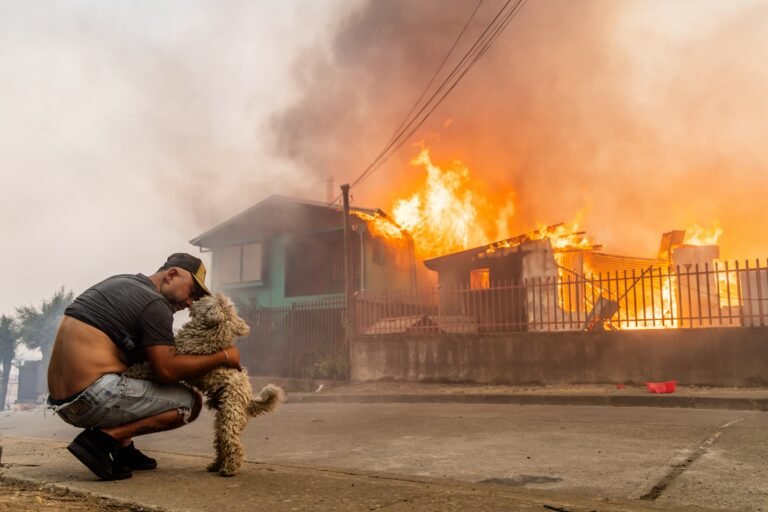
Fires Claim Lives and Vast Landscapes (Image Credits: Imgs.mongabay.com)
Patagonia region spanning Chile and Argentina – Ferocious wildfires tore through southern South America in January 2026, leaving a trail of destruction fueled by human-induced climate change.[1][2]
Fires Claim Lives and Vast Landscapes
The blazes erupted in mid-January across central-southern Chile, including the Ñuble, Biobío, and La Araucanía regions, before spreading into northern Patagonia in Argentina.[2] In Chile, the fires killed 23 people, destroyed more than 1,000 homes, and displaced over 52,000 residents.[1] Argentine Patagonia saw over 45,000 hectares of native forests burn, forcing thousands to evacuate from national parks and tourist areas like Cholila and El Bolsón.[2]
Authorities declared states of emergency as flames threatened UNESCO sites such as Los Alerces National Park, home to ancient alerce trees over 3,000 years old.[3] Human ignitions, including arson and negligence, sparked the fires amid tinder-dry conditions.[1] Non-native pine plantations amplified the spread, encroaching on communities and native ecosystems.
Researchers Pin Blame on Warming
A team from World Weather Attribution analyzed the events using the Hot-Dry-Windy Index, a metric combining temperature, humidity, and wind speed to gauge fire risk.[2] They found these 1-in-5-year conditions became about three times more likely in Chile and 2.5 times more likely in Patagonia due to greenhouse gas emissions.[4] Climate models compared today’s world to a pre-industrial baseline 1.3°C cooler.
Clair Barnes, a research associate with the group, stated, “Overall, we’re confident in saying that the main driver of this increased fire risk is human-caused warming.”[1] The study marked the first rapid attribution for such fires in the region, confirming suspicions long held by scientists.[4]
Drier Conditions and Compounding Risks
Seasonal rainfall from November to January dropped 25% in central Chile and 20% in Patagonia compared to a world without warming.[3] High temperatures above 38°C, gusts up to 50 km/h, and low humidity dried out vegetation and soils, creating ideal fire fuel.[2]
La Niña and the Southern Annular Mode added to the hot, dry weather, but climate change dominated as the primary driver.[4] Invasive species like Pinus radiata worsened flammability, echoing Chile’s 2024 Valparaíso fires.
| Region | Likelihood Increase | Rainfall Drop | Key Impacts |
|---|---|---|---|
| Central-Southern Chile | 3 times | 25% | 23 deaths, 1,000+ homes lost |
| Northern Patagonia, Argentina | 2.5 times | 20% | 45,000+ ha burned, ancient trees threatened |
Policy Shortfalls Heighten Vulnerabilities
In Argentina, budget cuts under President Javier Milei slashed firefighting resources by up to 71%, hampering responses in remote parks.[1] Juan Antonio Rivera, a study author from Argentina’s National Scientific and Technical Research Council, noted, “Unfortunately, with a government that does not understand climate change… these situations get worse.”[1]
Chile invested more in prevention, boosting budgets by 110%, yet faced similar challenges from urban-wildland interfaces.[1] Experts urged better land management, pine removal, and fossil fuel reductions to curb future risks.
- Human-caused warming made extreme fire weather 2.5-3 times more likely in the region.[2]
- Drier conditions and flammable plantations supercharged the blazes.
- Future projections show worsening trends without emissions cuts.
These fires underscore climate change as a threat multiplier, demanding urgent adaptation from policymakers and communities alike. What do you think about these findings? Tell us in the comments.