

You’ve probably experienced it. That moment when you’re cuddling on the couch with your partner, or maybe sharing a quick kiss in the kitchen, and suddenly your furry companion materializes between you like some kind of canine referee. Maybe they nudge their head under your hand. Perhaps they plant themselves squarely between your bodies. Some dogs even go as far as pushing one person away entirely.
It feels deliberate. It looks possessive. Sometimes it’s even a little annoying, honestly. You might laugh it off as jealousy or joke that your dog is protective of you, keeping intruders at bay. The truth, though? This behavior runs far deeper than simple jealousy or protectiveness. It’s rooted in something ancient, something that’s been hardwired into dogs for thousands of years. Understanding why this happens can help you see your dog’s behavior in a completely new light and give you the tools to manage it with empathy and confidence.
It’s Written in Their DNA: The Pack Mentality at Work
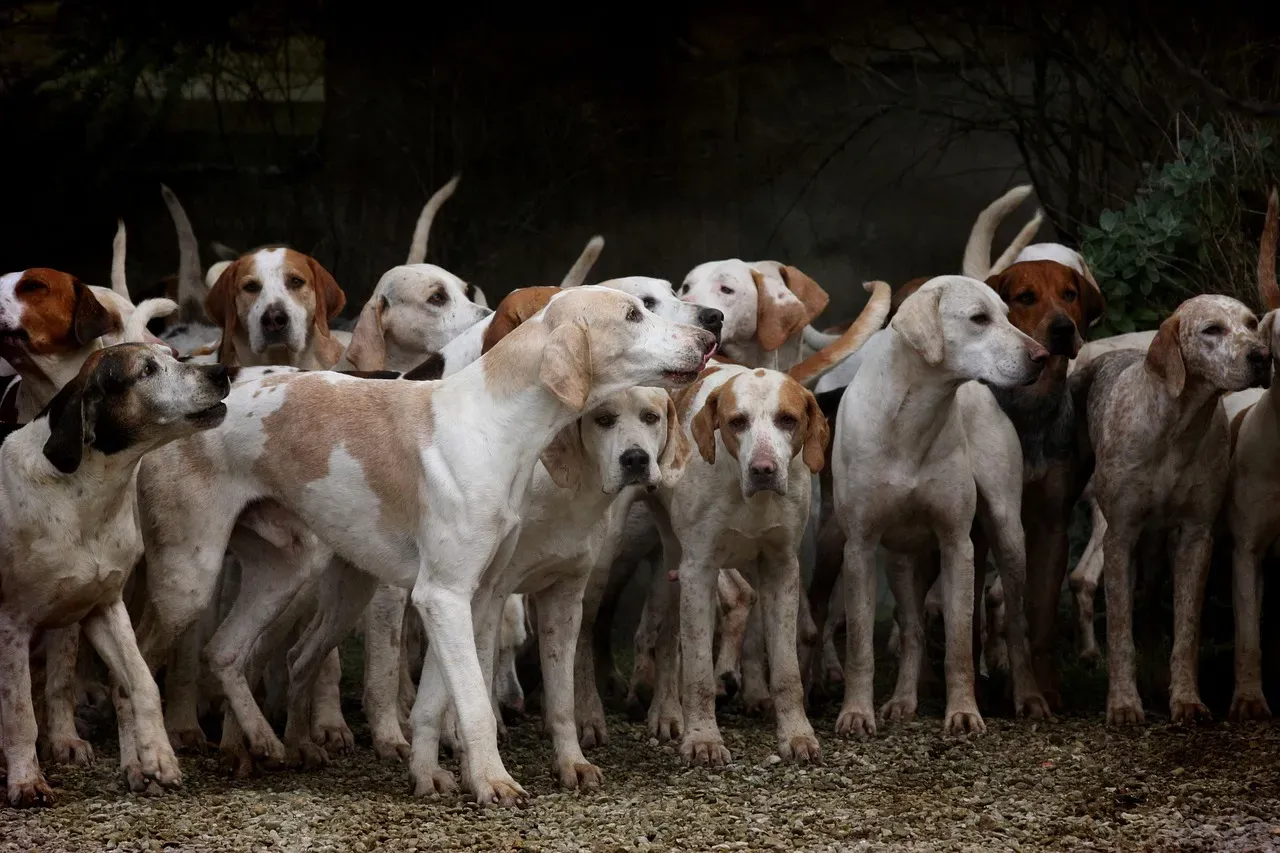
Dogs have retained many aspects of pack mentality from their wild ancestors, though domestication has modified it, and they seek out social bonds and structure within whatever “pack” they find themselves in, whether that’s with other dogs, humans, or even other animals in the household. Your home isn’t just a house to your dog. It’s their pack territory.
In a pack setting, every member has a role, and there’s an underlying need for order and harmony. This behavior typically stems from natural canine instincts and emotional responses. When your dog wedges themselves between you and your partner, they’re not necessarily trying to dominate or control. They’re responding to thousands of years of evolutionary programming that says: stay close to your pack, maintain bonds, ensure everyone’s safe.
Think of it like this. Wild canids live in tight social groups where proximity and connection mean survival. Your dog doesn’t need to hunt for dinner or protect against predators anymore, but those instincts haven’t vanished. They’ve just adapted to living room dynamics instead of forest landscapes.
Resource Guarding: You’re the Ultimate Prize

Let’s be real. You are your dog’s most valuable resource. Not the squeaky toys. Not the gourmet treats hidden in the pantry. You.
Resource guarding is a survival instinct passed down from your dog’s wild ancestors to protect valuable resources. Dogs view life in terms of the hierarchy within their pack, and we are the ultimate resource of other valuable resources, such as food and shelter. When your partner gets close to you, some dogs perceive this as a potential threat to their access to you.
Most behaviorists agree that most jealous dog behavior starts with resource guarding in one form or another, and if a new person or animal enters the scene, something in their primal brain tells your dog it might take away these much-loved resources. This isn’t malicious. It’s instinct. Your dog isn’t plotting against your relationship; they’re just worried about losing what matters most to them.
The Jealousy Question: Simpler Than You’d Think
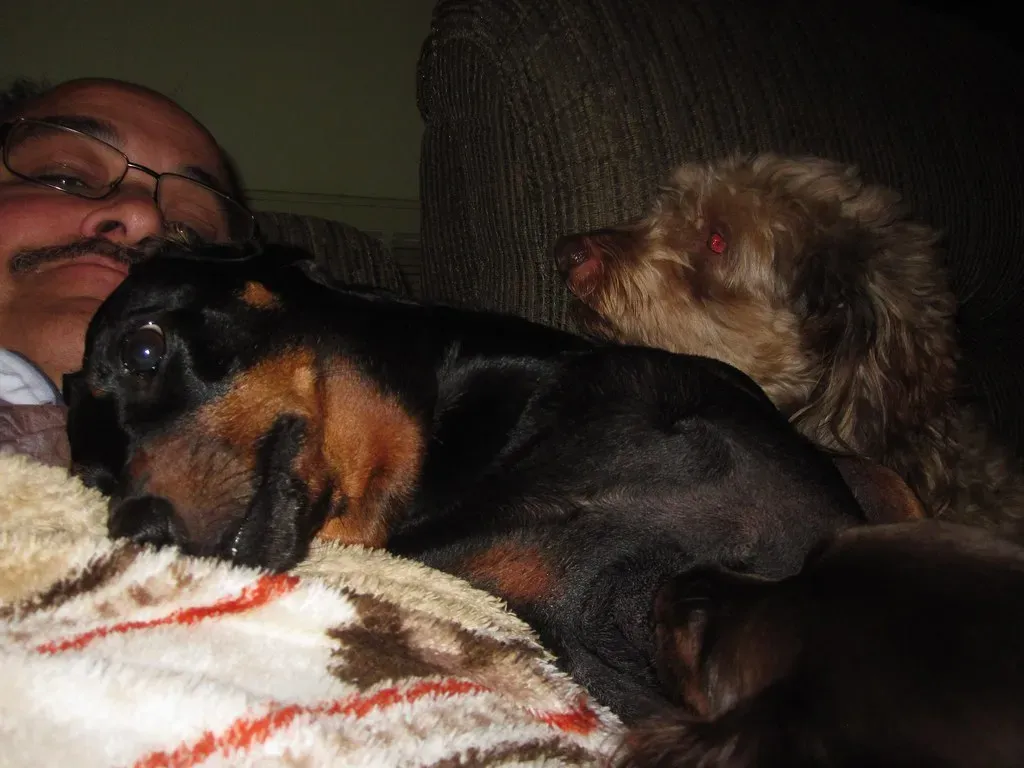
Do dogs actually feel jealousy the way we do? The science says maybe, but probably not in the complex, layered way humans experience it.
While dogs seem to experience some basic universal emotions like fear, anger, joy, and surprise, there is no definitive proof they can experience secondary emotions that require complex cognition and self-awareness, such as jealousy, and since dog owners tend to anthropomorphize their pets, it’s easy to think you have a jealous dog when their actions are more likely due to two instinctual dog behaviors: attention-seeking and resource guarding. Dogs’ jealousy is sometimes called primordial jealousy, requiring no complex social considerations, only what happens here and now.
So when your dog pushes between you and your significant other, they’re reacting to the immediate situation. They see attention being diverted. They feel their position in the pack potentially threatened. Their response is swift and simple: insert myself here, reclaim my spot, restore balance. It’s not premeditated scheming; it’s a reflex born from ancient survival patterns.
Anxiety and Attachment: The Need for Security
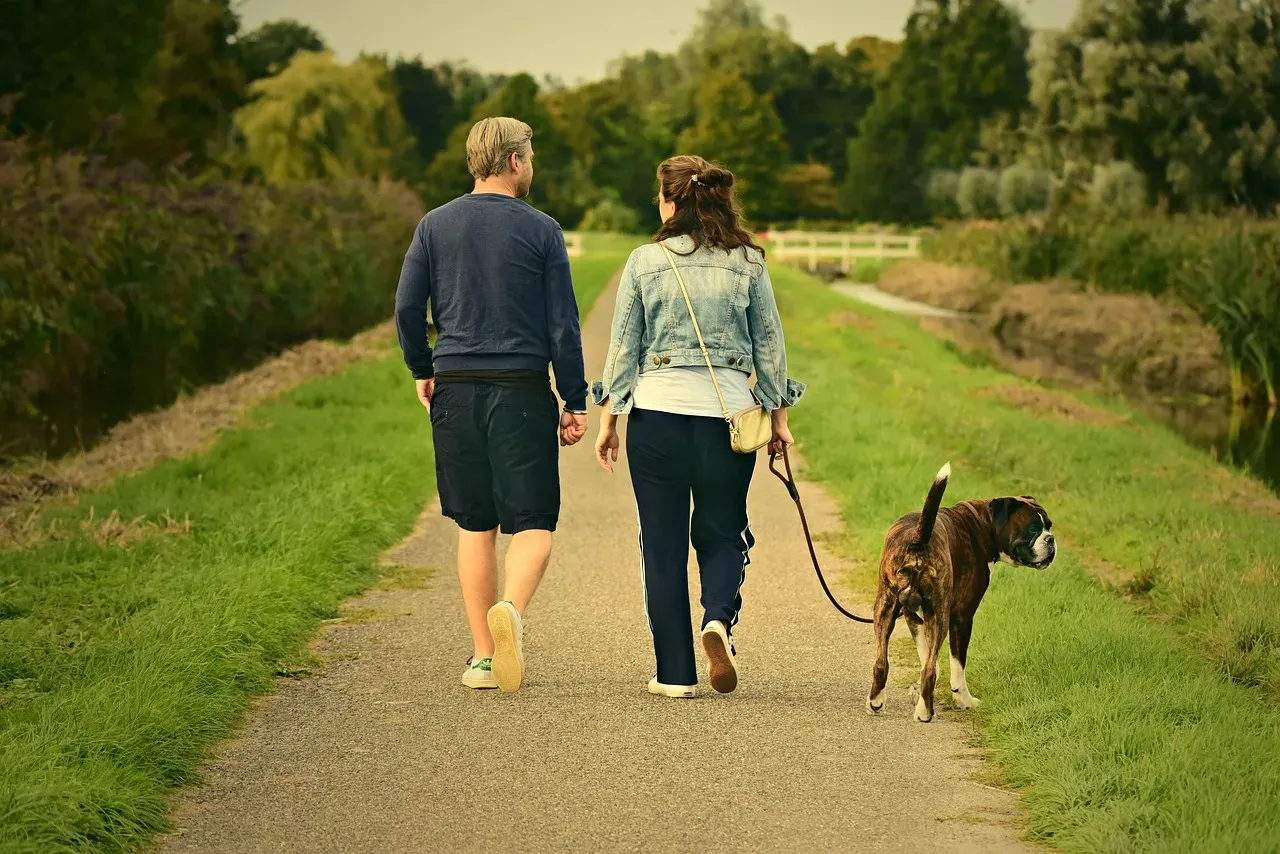
The dog-owner relationship is reflected in the dog’s emotional reactions, and a close emotional bond with the owner appeared to decrease the arousal of the dogs. Some dogs get between partners because they’re anxious. They might worry that closeness between their humans signals a change in routine, a disruption in their predictable world.
Separation anxiety is triggered when dogs become upset because of separation from their guardians, the people they’re attached to. Dogs prone to anxiety often display hyper-attachment behaviors. They follow you room to room, sleep at your feet, and yes, insert themselves physically between you and anyone else who comes close. It’s their way of staying connected to their security anchor.
This kind of behavior can intensify if your dog senses tension or uncertainty. Dogs are incredibly perceptive; they read body language, vocal tones, even subtle shifts in energy. If your relationship with your partner has any stress, your dog might pick up on it and respond by staying extra close to you as a form of comfort-seeking.
What You Can Do: Building Balance and Boundaries
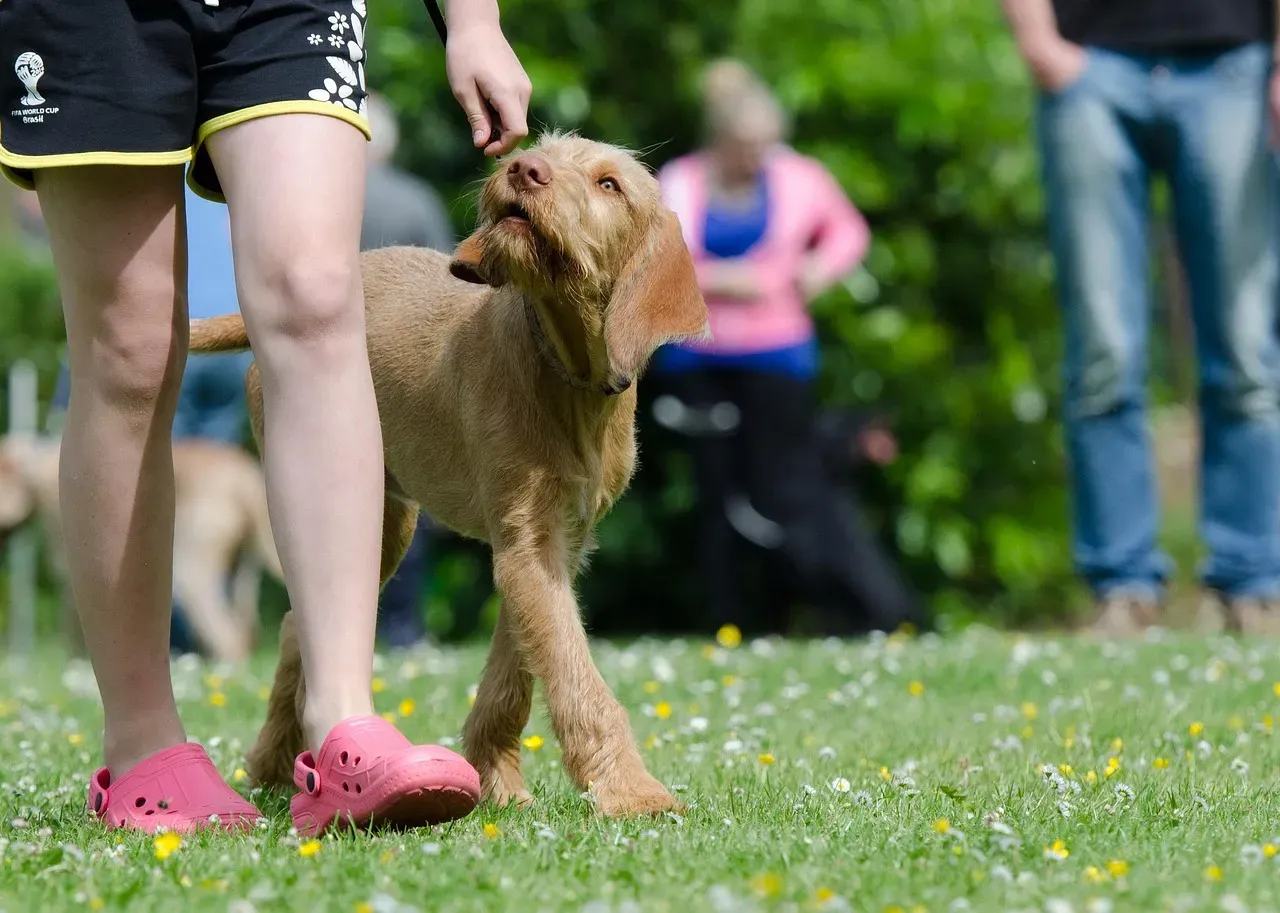
Here’s the thing. You don’t have to live with a furry chaperone forever. With patience, consistency, and a bit of strategic training, you can help your dog feel secure without needing to physically monopolize your attention.
Train your dog to respect personal space through commands like “place” or “stay,” and reward your dog for calm behavior away from you instead of rewarding interruption, while allowing your dog to get comfortable with you and your spouse together through calm exposure and positive association. Teaching a solid “place” command gives your dog a job to do when you and your partner are together. It redirects their instinct to intervene into something productive and rewarding.
Involve your partner in feeding, training, and playtime. The more positive associations your dog has with your significant other, the less they’ll view them as competition. Make your dog feel included by engaging in activities together as a trio, such as walks, playtime, or obedience training. This reinforces that your partner is part of the pack, not a rival for resources. Honestly, it might take time, but the payoff is worth it: a calmer dog, less tension, and more space to enjoy your relationship without a furry referee.
Final Thoughts
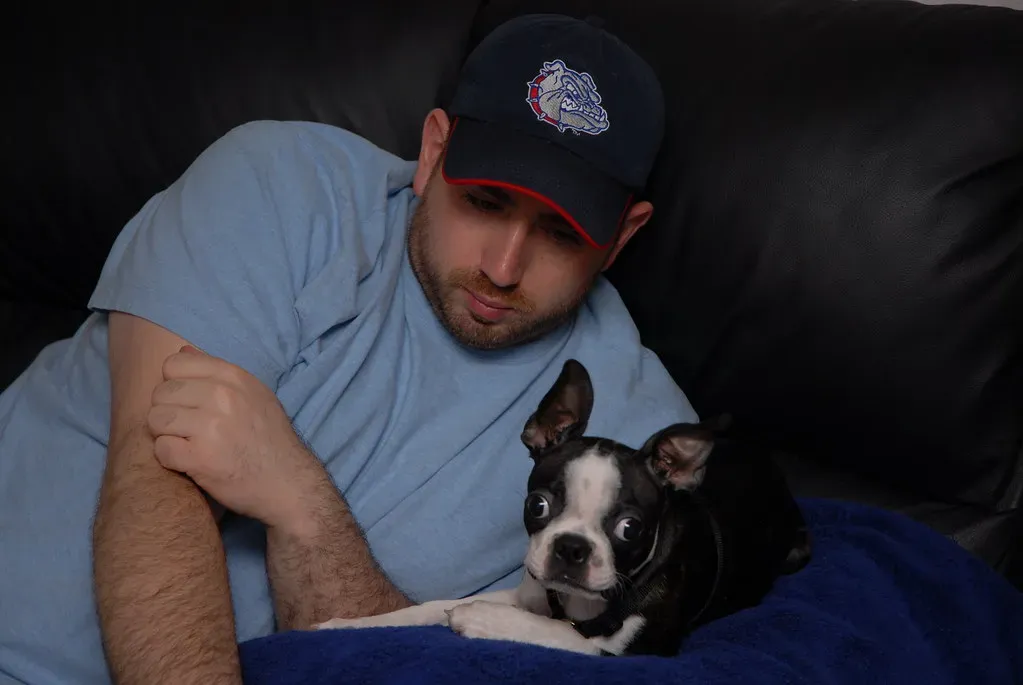
Your dog getting between you and your partner isn’t a character flaw or a sign of bad behavior. It’s an echo from the wild, a whisper of survival instincts that have traveled thousands of years to land in your living room. Whether it’s resource guarding, pack mentality, primordial jealousy, or anxiety-driven attachment, the behavior is deeply rooted and entirely understandable.
The best part? You can work with it. With training, patience, and a little creativity, you can help your dog feel secure and valued without them needing to physically wedge themselves into every moment of intimacy. Understanding the ancient truth behind this behavior is the first step toward creating harmony in your pack.
What’s your experience been? Does your dog play referee, or have you found clever ways to manage it? Share your thoughts below.


