
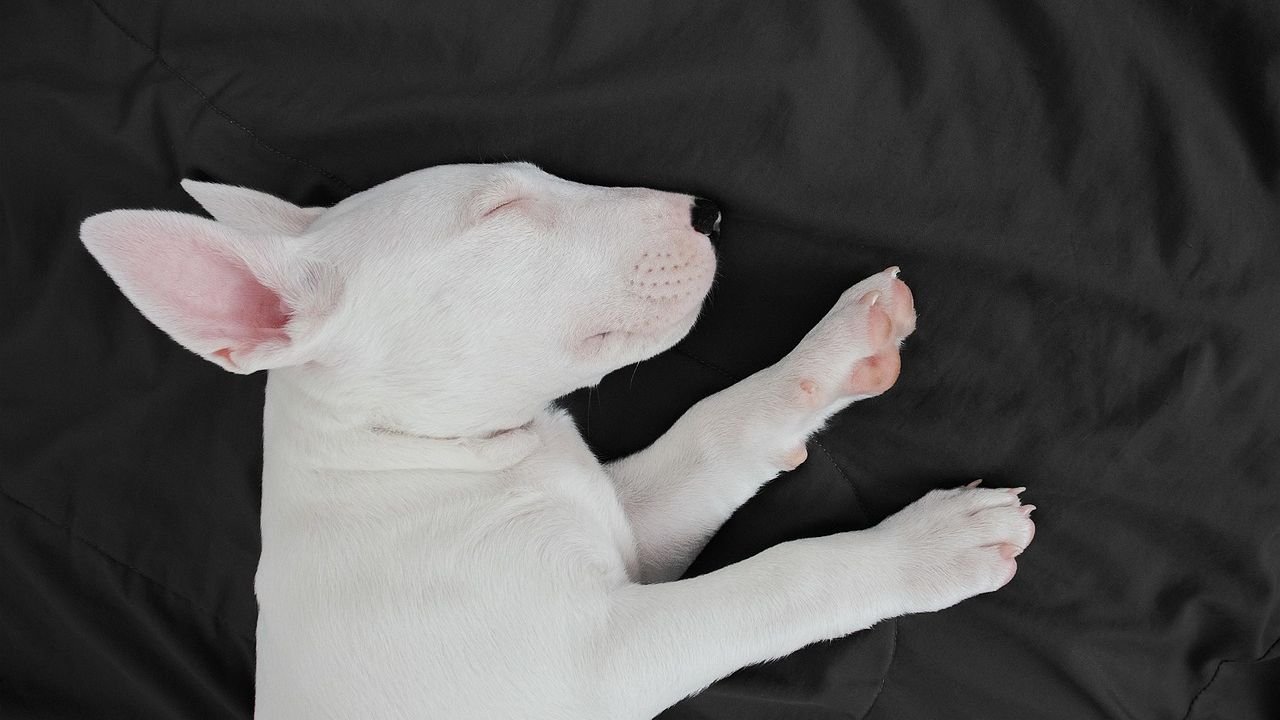
You’ve seen it happen countless times. The clock strikes three in the morning, and there’s your dog, curled up in that impossibly cozy position only canines can master. Suddenly their paws start twitching, their nose quivers, maybe a soft whimper escapes. You smile, wondering if they’re chasing rabbits through some imaginary meadow.
Here’s the thing though. What scientists have recently uncovered about those midnight dream sessions might make your heart swell in ways you didn’t expect. It turns out the star of your dog’s dreams isn’t a squirrel or a tennis ball. Let’s dive into what’s really happening behind those twitching eyelids.
The Science Behind Canine Sleep Cycles Is More Human Than You Think
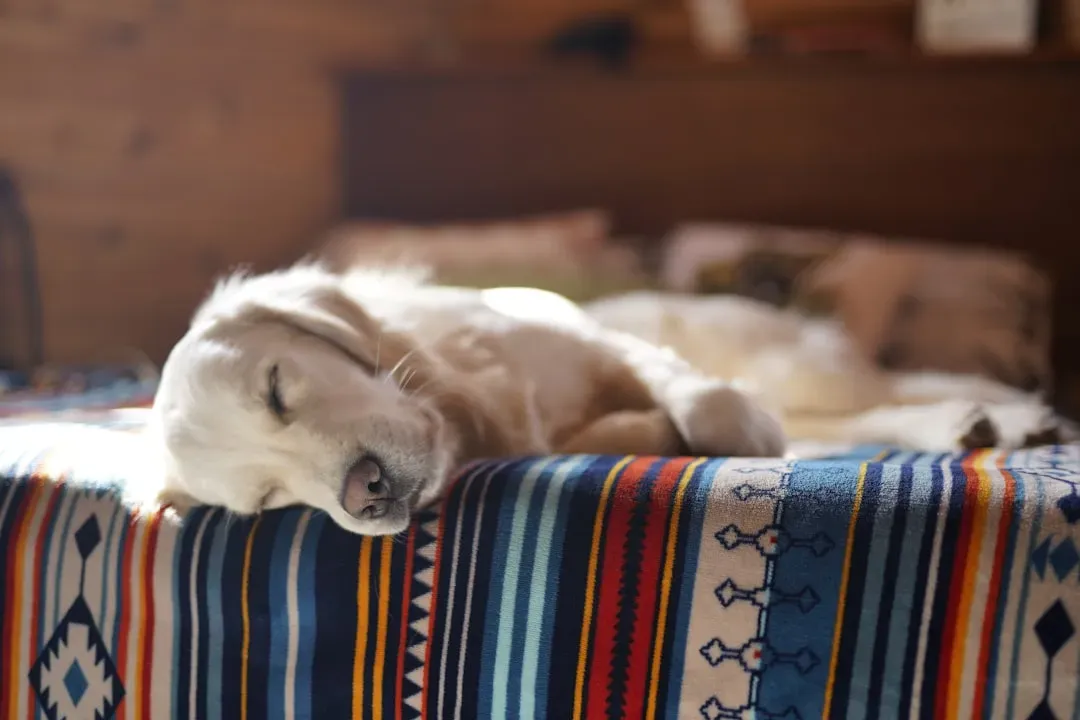
Dogs experience sleep cycles remarkably similar to ours, moving through periods of wakefulness, followed by rapid eye movement (REM) sleep, and non-rapid-eye-movement sleep. This isn’t just a neat coincidence. It suggests something profound about the emotional and cognitive lives of our four-legged companions.
The National Sleep Foundation reports that dogs spend about half their day sleeping. That’s a lot of time for dream material to process. A single sleep cycle usually lasts around 20 minutes in dogs, with about six of those 20 minutes spent in REM sleep, when most dreaming occurs. Think about it: every nap, every night, they’re cycling through these stages, processing their world.
The brain activity patterns during REM sleep in dogs mirror what happens in human brains during our most vivid dreams. Electroencephalography (EEG) recordings revealed that the brains of sleeping dogs display the same distinct patterns of electrical activity seen in humans during REM sleep. That’s not speculation or wishful thinking by dog lovers. That’s measurable, scientific data showing your dog’s brain works through experiences much like yours does when you’re asleep.
Harvard Research Reveals the Emotional Heart of Dog Dreams
Dr. Deirdre Barrett, a clinical and evolutionary psychologist at Harvard Medical School, carried out extensive research into sleep behaviour. What she discovered should honestly be taught in schools because it’s that beautiful. Dr. Barrett explains that since dogs are generally extremely attached to their human owners, it’s likely your dog is dreaming of your face, your smell and of pleasing or annoying you.
Let that sink in for a moment. Your face. Your scent. Those moments when they made you laugh or maybe knocked over your coffee.
Whatever you can observe dogs being interested in by day is what you would expect to show up in their dreams, and for pet dogs, that likely means dreaming about food, play and yes, beloved owners. The logic is simple but powerful. We dream about what matters to us. Dogs do too. Experts theorise that dogs dream not in a logical way, but more visually about what they find interesting and the things that they are emotionally attached to.
I know it sounds almost too good to be true. Yet the science keeps pointing in the same direction.
What Those Midnight Twitches Actually Mean
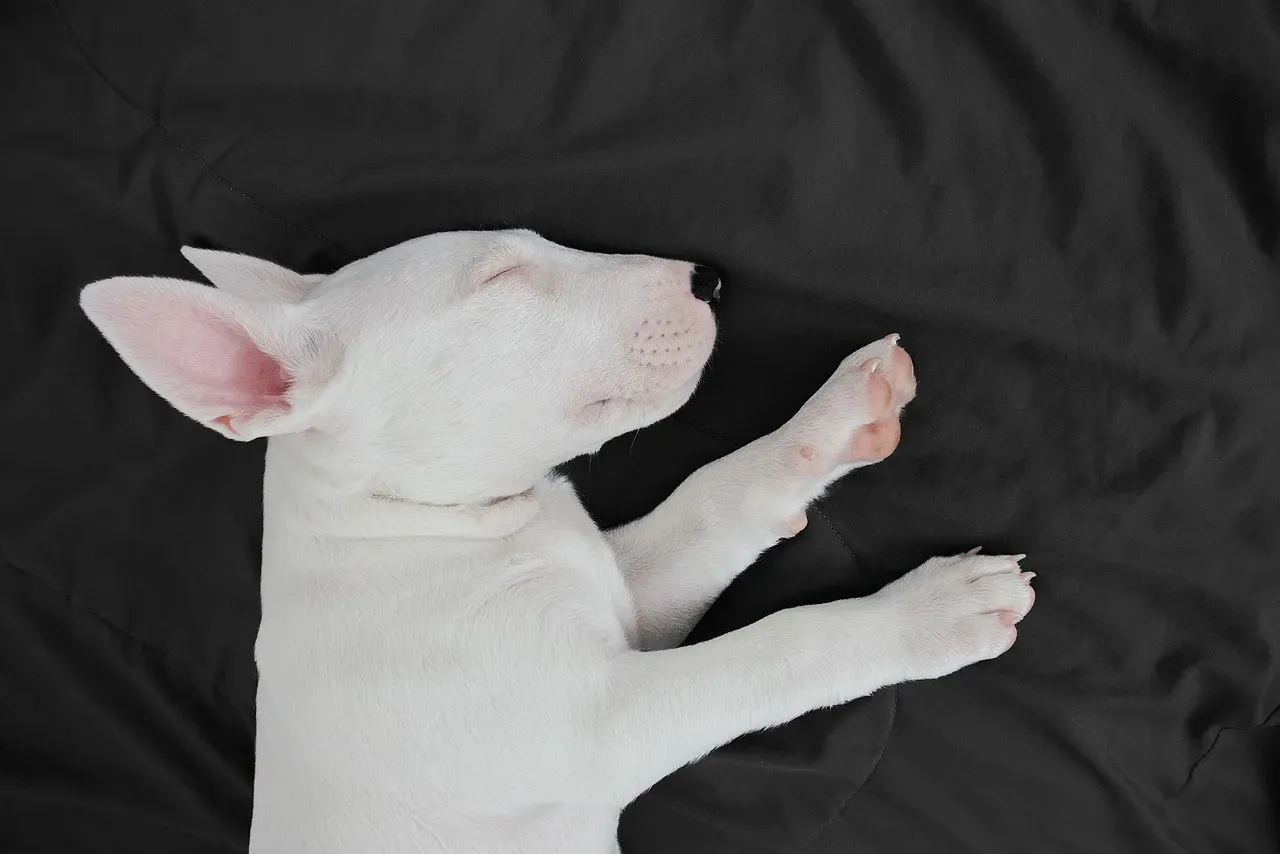
Ever watched your dog’s legs suddenly start paddling while they snooze? There’s something genuinely touching happening in those moments. Puppies and older dogs twitch and move a lot in their sleep because the pons is underdeveloped in puppies and less efficient in older dogs. The pons is the part of your dog’s brain that normally keeps muscles still during dreams.
Researchers figured out that one way to discover what dogs might dream about is to temporarily disable the pons during REM sleep, which allowed them to let the dogs act out their dreams. What did they see? Dogs dream doggy things, and the dream pattern in dogs seems to be very similar to the dream pattern in humans.
So when your pup’s tail starts wagging mid-sleep, they might be greeting you in their dreams. When their paws move, maybe they’re running alongside you on your favorite walking trail. Like you, a dog may relive daytime experiences and sleep run while chasing a cat or fetching a ball. Those little sleep barks? Perhaps they’re excitedly telling you something important in dreamland.
Size and Breed Matter More Than You’d Guess
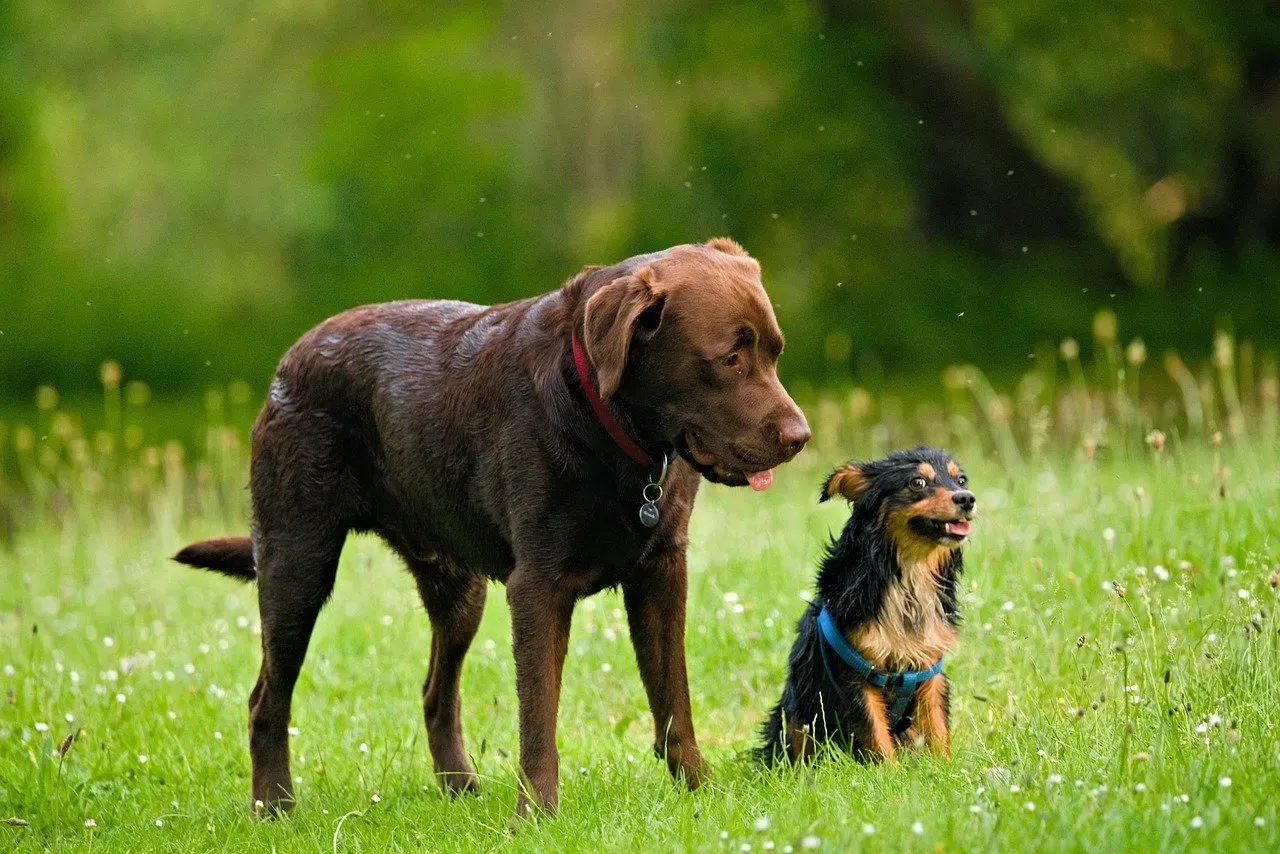
Here’s where things get interesting from a practical standpoint. Small dogs have more frequent dreams than large dogs, but those small dog dreams are shorter in duration, while large dogs have fewer, but longer dreams. Your tiny Chihuahua might be dreaming every ten minutes throughout the night, experiencing rapid-fire dream sequences.
Meanwhile, your Labrador could be settling into one long, luxurious dream saga every hour or so.
The fact that Pointers point and Dobermans display guard behavior implies that breed-specific activities may take place during dreams, with your Labrador Retriever perhaps more likely to dream about chasing tennis balls than a Pug is. Think about what your dog was bred to do, what instincts run deepest in their bones. Those traits don’t just disappear when they fall asleep. They become the backdrop for their nighttime adventures.
This also means the dream life of a working dog versus a lap dog could look wildly different. A Border Collie might spend their dreams herding, while a Pekingese dreams of being pampered. Both are equally valid expressions of who they are.
Should You Wake a Dreaming Dog? The Answer Might Surprise You
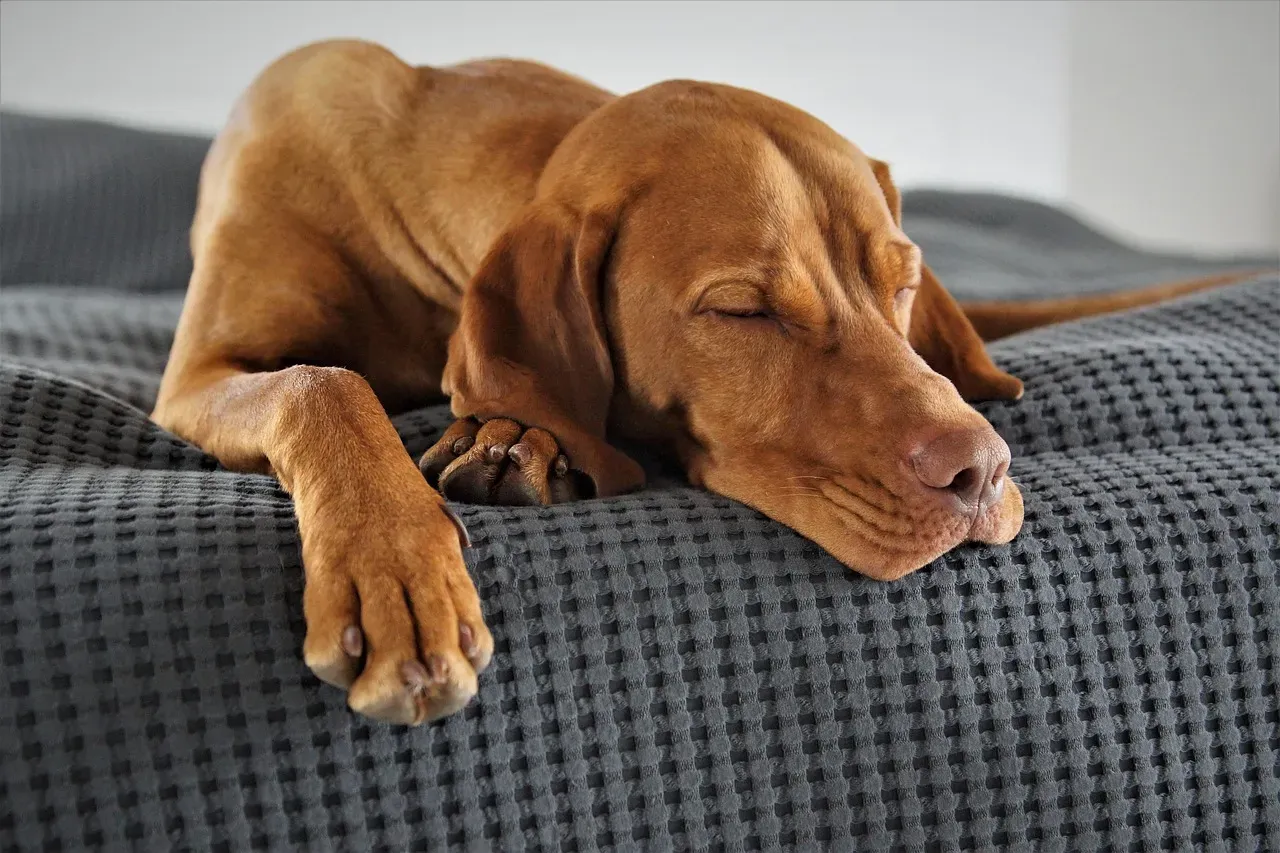
Let’s be real. Watching your dog whimper or thrash during what looks like a nightmare is hard. Your instinct screams to comfort them, to wake them up and let them know everything’s okay. Approximately 60% of dog bites in children occur when the child wakes a sleeping dog, so it’s important to teach children to not wake a dog who is sleeping.
That statistic should give everyone pause.
The American Kennel Club cautions owners to refrain from rousing their pets, as dogs may react aggressively when abruptly awakened. It’s not malicious. They’re simply disoriented, pulled suddenly from a dream state where they might have been doing something intense. There is no need to worry about your dog’s nighttime antics because most dreams are not nightmares, and dreaming is a normal, healthy occurrence.
If your dog seems genuinely distressed frequently during sleep, that’s worth mentioning to your vet. Otherwise, let them work through it. Sleep plays a big role in memory consolidation, helping us all retain information about what’s significant in our lives. Your dog needs that uninterrupted processing time just like you do.
Conclusion: Your Dog’s Dream World Centers Around You
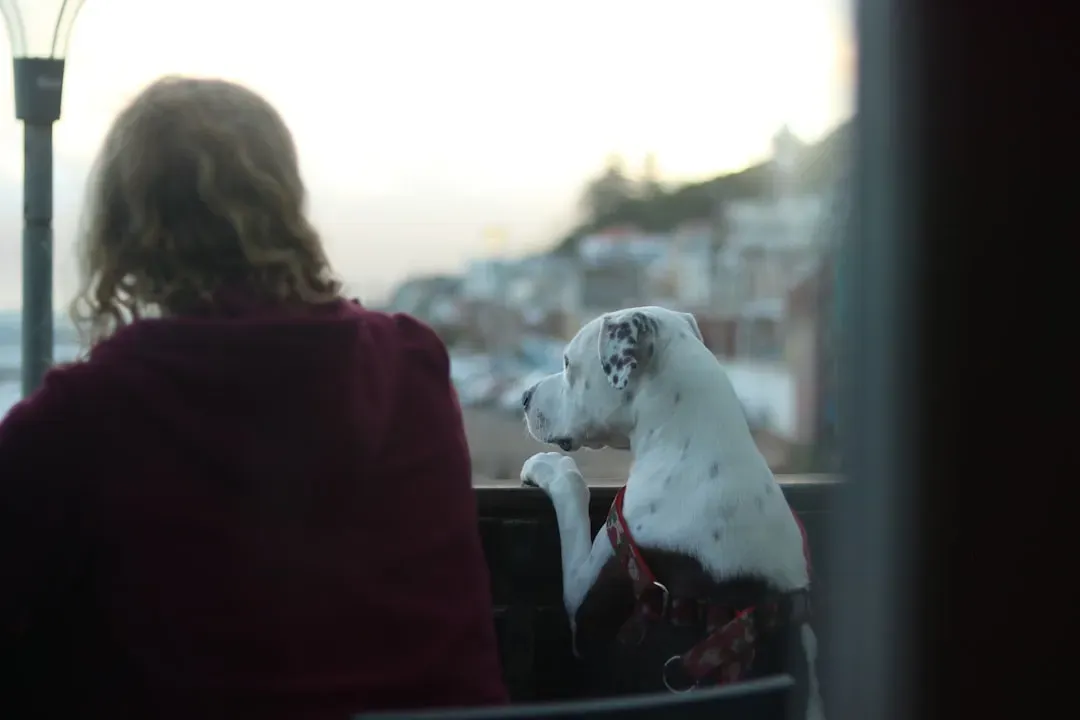
The next time you catch your dog dreaming at some ungodly hour, remember this. Harvard research suggests dogs dream about their owners. All those hours they spend asleep, they’re replaying the moments that mattered most. The walk you took together. The way you scratched behind their ears. Even that time you accidentally stepped on their paw and immediately apologized.
Since dogs have even more complex brains than rats, researchers believe dogs also replay their waking experiences while dreaming. They’re processing their emotional bonds, strengthening memories of the people and experiences they love most. Honestly? Knowing that makes every tail wag, every excited greeting, every quiet moment of companionship feel even more precious.
Your dog doesn’t just love you when they’re awake. They carry you into their dreams, where you become part of their subconscious landscape. That’s the kind of devotion that deserves our best care, our patience, and our understanding.
What do you think about knowing you’re the star of your dog’s dreams? Does it change how you see those adorable sleep twitches?


