
The Sacred Head Tilt: Your Dog’s Desperate Attempt to Understand Your Language

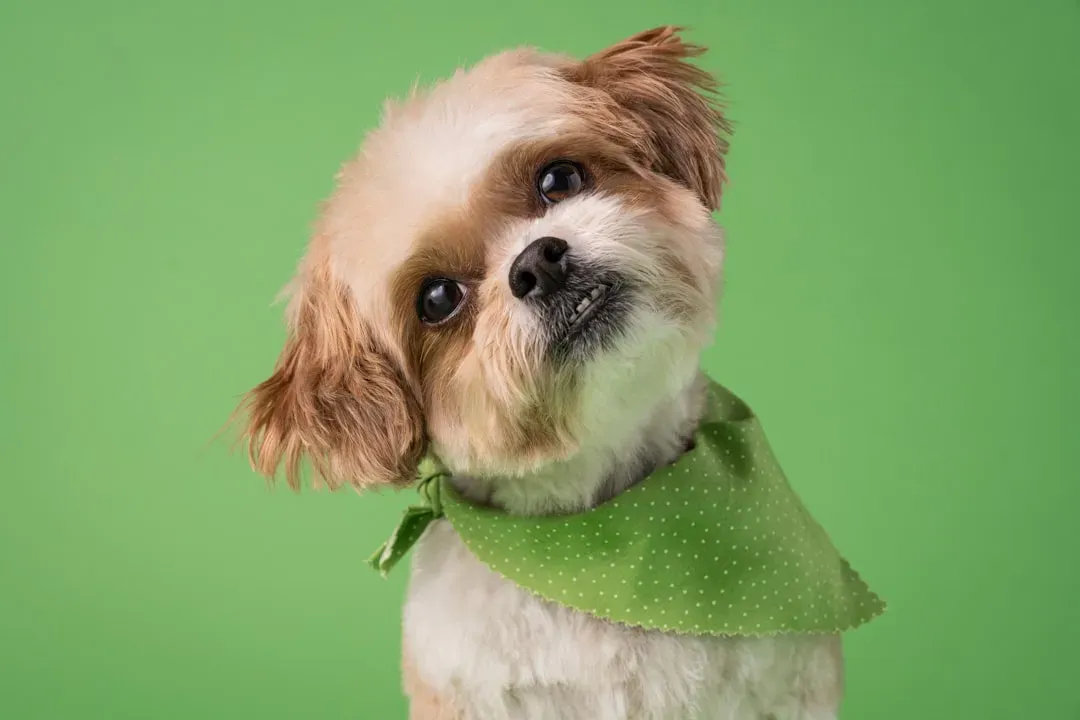
You’ve seen it a thousand times. You’re mid-sentence, maybe asking if they want dinner or rambling about your day, and suddenly – bam. Your dog cocks their head to the side, eyes locked on yours, ears perked forward. For a moment, you’re convinced they’re on the verge of responding in fluent English. It’s adorable, sure. Yet there’s something deeper happening in that split second.
That signature head tilt isn’t just a party trick your dog performs to melt your heart. It’s a window into their world, a physical manifestation of their intense desire to decode the strange sounds spilling from your mouth. Let’s be real, we throw a lot of words at our dogs. Some they know, many they don’t, yet they keep trying to understand us. So what exactly is going on when your furry companion tilts their head?
The Science of Sound: Why Your Dog’s Ears Are Detective Tools
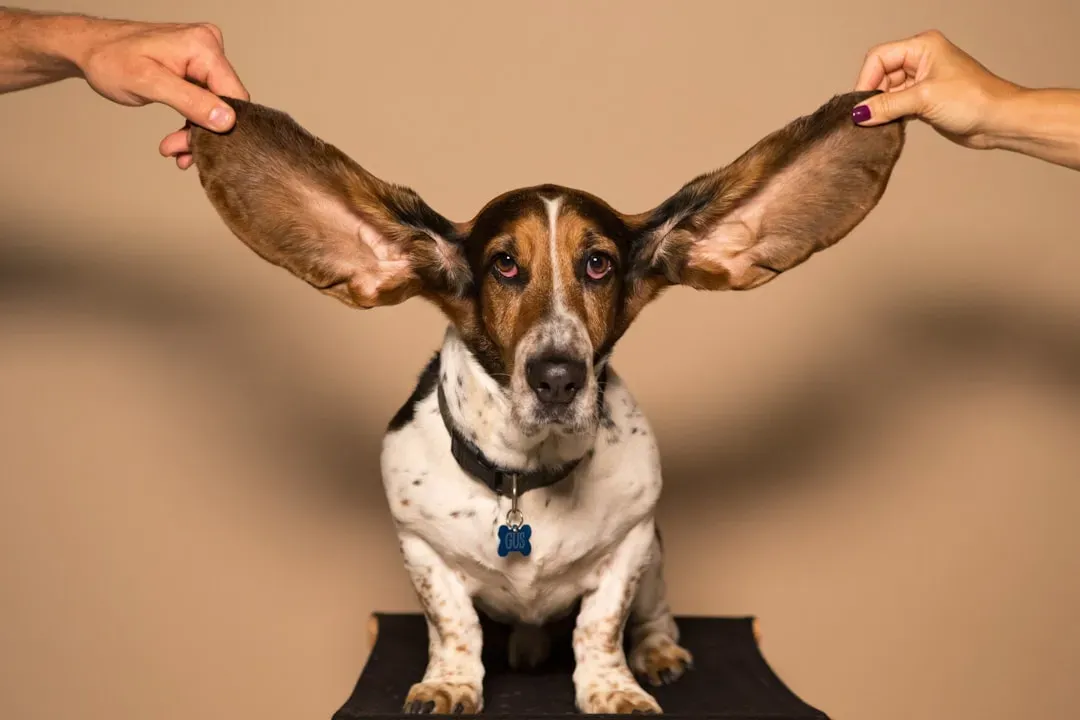
Dogs tilt their heads for optimum sound collection, compensating for the interference of their ear flaps. Think of their floppy ears as barriers that sometimes block the full range of sound waves. When you speak, your voice creates vibrations that travel through the air, but those adorable ear flaps can muffle certain frequencies. By tilting their head, your dog is essentially adjusting their built-in satellite dishes to capture every nuance of what you’re saying.
Dogs are descendants of a predatory species, which may explain their high ability to locate sound sources. Honestly, it makes sense when you think about it. Wild ancestors needed pinpoint accuracy to track rustling prey in tall grass or detect danger approaching from any direction. While your Labrador isn’t hunting rabbits in your living room, that evolutionary wiring remains. Their auditory system is designed to process spatial information with remarkable precision.
Having two ears helps dogs localize sound, with slight differences in loudness and timing registered in the brain, giving a 3-D idea of distance and direction. It’s like having stereo speakers instead of just one. The tiniest delay between when sound hits the left ear versus the right ear tells their brain exactly where you’re standing and what direction your voice is coming from. When they tilt, they’re fine-tuning this system even further.
More Than Just Hearing: They’re Actually Trying to Understand You

Here’s where things get really interesting. The head tilt could be linked to mental processing, a sign of high attentiveness or concentration, as dogs might be cross-referencing commands with their visual memories. Picture your dog as a little detective, flipping through mental flashcards trying to match the sound “ball” with the image of their favorite tennis ball. That tilt? It’s them searching their memory banks.
Gifted word learner dogs tilted their heads nearly half the time when hearing toy names, compared to just a tiny fraction for typical dogs. Now, I’m not saying your dog needs to be a Border Collie genius to tilt their head, but this research tells us something profound. The tilt is strongly associated with meaningful processing. Your dog isn’t just hearing noise; they’re actively working to comprehend what those sounds represent.
The gifted dogs tilted in the same direction regardless of where their owner was standing, suggesting the behavior wasn’t about pinpointing sound but about processing it. This is huge. It means the head tilt transcends mere hearing mechanics. Some dogs consistently tilt right, others left, and they stick with their preference. That suggests individual brain lateralization, similar to how humans have a dominant hand. Your dog’s brain is lighting up, trying desperately to crack the code of human language.
What do you think – is your dog one of those rare wordsmiths who knows dozens of object names, or are they just really good at faking it?
The Vision Factor: Getting Around That Adorable Snout
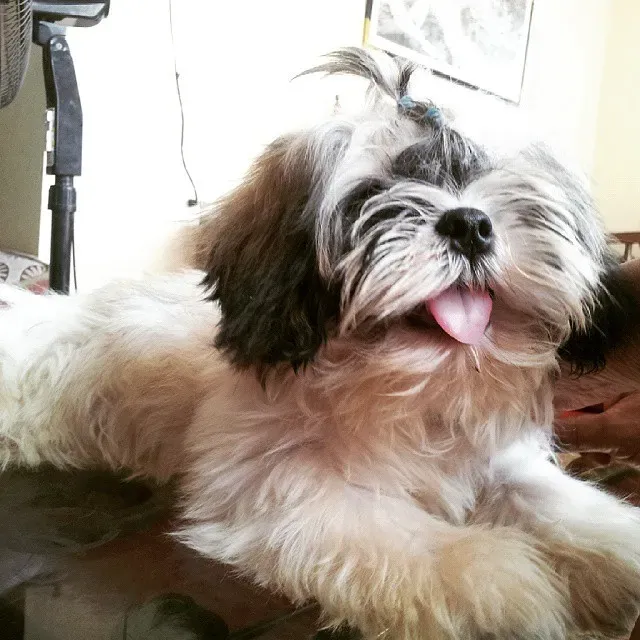
Head and face shape may interfere with what a dog can see, so they tilt their heads to work around their muzzles and improve their visual perspective, broadening their range of vision to more clearly see a person’s face. If you’ve ever held your fist to your nose and tried to look straight ahead, you get the idea. Dogs with longer snouts – think German Shepherds or Collies – have a bigger blind spot directly in front of them.
Dogs with flatter faces, like Bulldogs and Boston Terriers, may tilt their heads less since their short noses don’t obstruct their view as much. Makes sense, right? A Pug has a clear line of sight to your face without needing to adjust much. But that Golden Retriever with the beautiful long muzzle? They’re doing geometric calculations just to see your whole expression.
Dogs assess our facial expressions, eye movements, tone of voice, body language, and inflection to translate human communications, and seeing our facial expressions improves communication. They’re not just listening to what you say; they’re reading your face like a book. That slight furrow in your brow, the way your eyes crinkle when you smile – all of it feeds into their understanding. The head tilt helps them see these crucial visual cues more clearly.
When a Head Tilt Becomes a Health Concern
Let me be clear here: most head tilts are perfectly harmless and endearing. Yet there are times when a persistent or sudden head tilt signals something more serious. Vestibular disease in dogs can cause sudden loss of balance, disorientation, head tilt, and irregular jerking eye movements, with many dogs becoming reluctant to stand or walk.
Clinical signs of vestibular disease are often most severe during the first day or two, with many pets beginning to improve within three days, and head tilt often improving over one to two weeks. If your dog suddenly develops a pronounced head tilt accompanied by stumbling, vomiting, or strange eye movements, don’t wait. That’s a vet visit waiting to happen. Vestibular disease is scary to witness but often treatable, especially when caught early.
When head tilts are caused by ear infections, the condition may show symptoms like head shaking and scratching at ears. Ear infections are surprisingly common and can cause significant discomfort. If your dog is tilting their head constantly in one direction and pawing at their ear, infection could be the culprit. It’s hard to say for sure without a proper exam, but don’t ignore these signs.
Strengthening the Bond Through Understanding
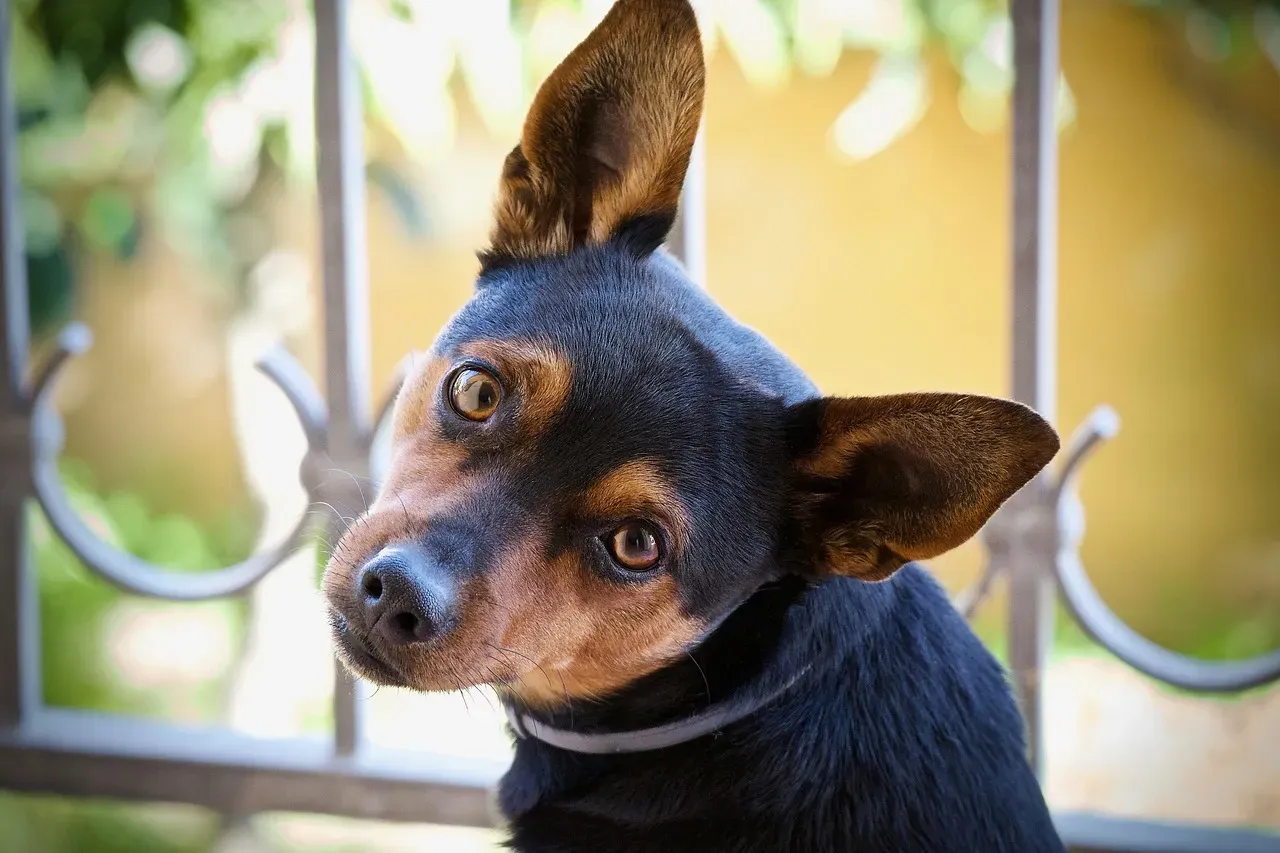
When dogs tilt their heads, they’re trying to hear your words, understand what you’re saying, and let you know they’re concentrating on you, much like a human nodding during conversation to indicate listening. Social dogs that enjoy human interaction tend to tilt their heads more frequently. Think about that. Your dog is essentially saying, “I’m here, I’m paying attention, keep talking to me.”
Dogs can tell the difference between nonsense sounds and human language, and can even distinguish familiar languages from unfamiliar ones. They’re processing the rhythm, the intonation, the familiar patterns of speech. Even if they don’t understand every single word, they’re tuned into the music of human language. It’s genuinely remarkable when you consider how much effort they invest in trying to bridge our communication gap.
Dogs respond much like human infants in understanding language, with cognitive abilities roughly similar to a six to twelve-month-old human infant. That’s not an insult to your dog’s intelligence. It’s actually pretty impressive. They’re functioning at the level of a baby learning their first words, picking up on context, emotion, and association. The more you talk to them, the more you reinforce those neural pathways.
What Your Dog Really Hears When You Speak

Every time your dog cocks their head at you, they’re performing a small miracle of interspecies communication. They’re adjusting their ears, clearing their visual field, activating memory centers in their brain, and genuinely trying to understand the bizarre collection of sounds we call language. It’s part hearing mechanics, part cognitive processing, and part pure devotion.
Here’s the thing we often forget: dogs have been living alongside humans for thousands of years, evolving and adapting specifically to understand us better. That head tilt represents millennia of partnership distilled into a single, fleeting gesture. It’s their way of leaning in, of saying “I’m listening, even if I don’t always understand.”
So the next time you catch your dog tilting their head at you, take a moment to appreciate the complexity behind that simple movement. They’re not just being cute – though they absolutely are. They’re demonstrating a level of attentiveness and effort that’s frankly humbling. They want to understand you. They’re trying so hard to decode your world.
Keep talking to your dog. Use their name, tell them about your day, ask them questions. They may not grasp every word, but they understand far more than we give them credit for. That sacred head tilt? It’s proof they’re always listening, always learning, always trying to bridge the gap between human and canine. What more could we ask from our best friends?