
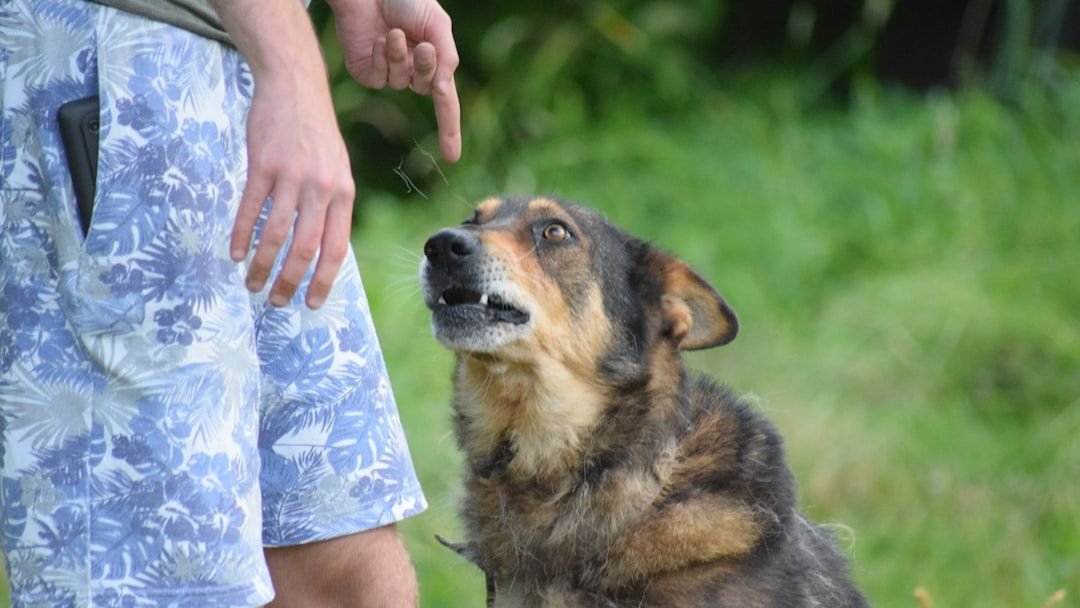
You’ve asked your dog to sit three times already. They stare at you, seemingly defiant, tail wagging lazily. You try again, louder this time. Still nothing.
Frustration creeps in. It’s easy to label them stubborn or difficult. Here’s the thing though, your dog isn’t being obstinate. They’re trying to speak a language you might not fully understand yet. When we call a dog stubborn, we’re often misreading a breakdown in communication rather than witnessing willful disobedience. Dogs remind us that behavior is communication, not defiance, challenging us to become calmer, clearer, and kinder teachers. The truth is, most dogs desperately want to please us. They’re just confused about what we’re asking.
Think about it like this: imagine someone shouting instructions at you in a language you barely speak, getting progressively angrier each time you get it wrong. That’s how many dogs experience daily interactions with their humans. So let’s dive into the real reasons behind those frustrating moments and learn how to truly connect with our canine companions.
The Myth of Canine Stubbornness
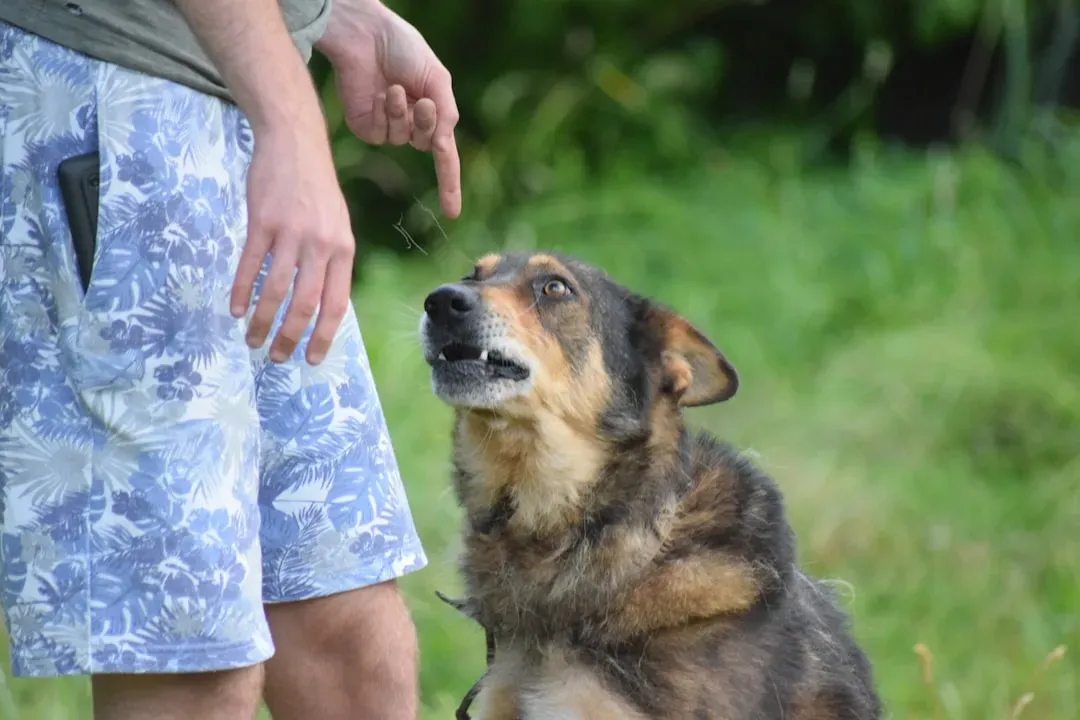
Let me be honest with you. The concept of a stubborn dog is largely a human invention. What we interpret as stubbornness is often confusion, and if this miscommunication continues without clarification, the dog may begin to ignore cues because they simply make no sense. Dogs don’t wake up deciding to defy you for the sheer pleasure of it.
What looks like stubbornness is usually one of three things: lack of clarity in what you’re asking, insufficient training, or environmental distractions overwhelming their ability to focus. Research shows that humans tend not to necessarily understand the body language or vocalizations shown by dogs when interacting with them, and a high number of stress behaviors were observed in dogs involved. When your dog ignores your recall command at the park, they’re not plotting rebellion. They’re either genuinely confused about what you want, too distracted by more interesting stimuli, or haven’t been adequately trained in that specific environment.
The way we frame dog behavior matters tremendously. Calling a dog stubborn places blame on them and absolves us of responsibility to communicate better. It creates a negative cycle where we get frustrated, our dog senses that frustration, and the whole interaction deteriorates further.
Speaking Different Languages
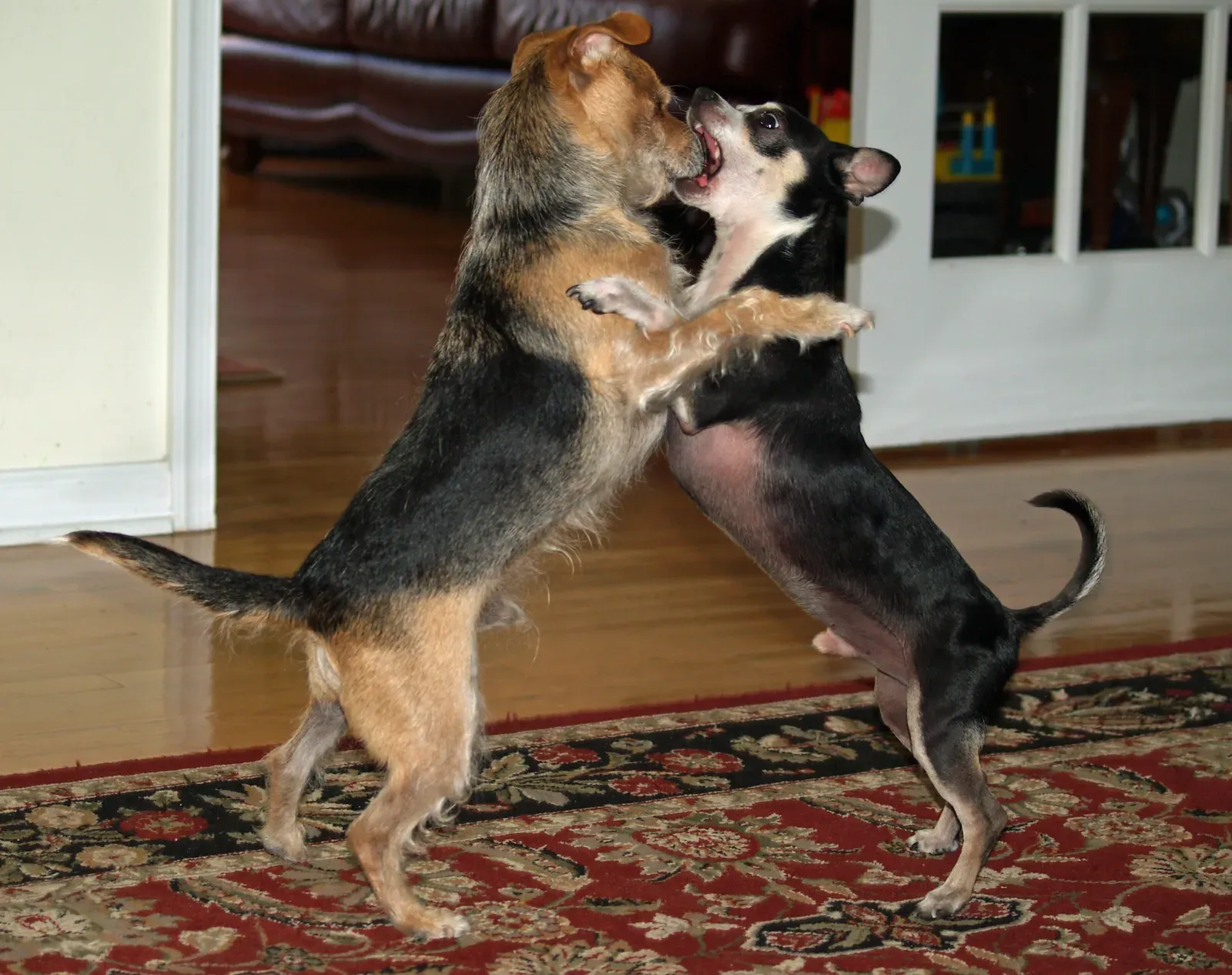
Dogs use various methods to transfer information, exchanging it vocally, visually, or through smell, with visual communication including mouth shape, head position, ear and tail positioning, eye contact, facial expression, and body posture. Meanwhile, we humans rely heavily on verbal language. This fundamental difference creates most of our communication problems.
Dogs rely on the gestures of humans more than verbal cues, most importantly eye contact. Your body language speaks volumes to your dog. If you’re saying “come” while leaning forward aggressively, your dog reads threat, not invitation. When you repeat commands in an increasingly frustrated tone, you’re not making yourself clearer. You’re just adding confusing emotional noise to the signal.
Here’s something fascinating: Dogs yawn when they’re stressed, using yawning to calm themselves in tense situations and to calm others, including their owners. So that yawn you thought meant your dog was bored during training? They might actually be telling you they’re uncomfortable or anxious. Missing these signals happens constantly because we’re interpreting canine behavior through a human lens.
Things can go awry when we humans misread the signals dogs send us, leaving them helpless to effectively communicate their feelings to us no matter how hard they try. Your dog is constantly talking to you. The question is whether you’re listening in the right language.
Common Misunderstandings That Damage Bonds

One of the most damaging misunderstandings involves tail wagging. While tail-wagging seems like an obvious signal, all a wagging tail means is that the dog is emotionally aroused. That arousal could be excitement, sure, but it could also be anxiety, frustration, or even aggression. Context matters enormously.
Passive appeasement behaviors are commonly misunderstood and are often labeled as “submissive,” with dogs displaying passive appeasement presenting themselves in a recumbent position exposing the underside of their body. When your dog rolls over during what you think is playtime, they might actually be saying they’re overwhelmed and want the interaction to stop. Continuing to engage when they’re giving these signals teaches them their communication doesn’t work.
Another critical area where we fail our dogs involves their stress signals. Yawning and nose-licking are considered ambivalent behaviors, meaning the dog is cautious, concerned, stressed, anxious, or has the potential to respond with aggression if the situation escalates or persists. I’ve watched countless owners laugh at their “cute” dog licking their lips during uncomfortable situations, completely missing the SOS signal being sent. These aren’t quirky behaviors. They’re your dog trying desperately to communicate discomfort.
The consequences of these misunderstandings extend beyond momentary confusion. Miscommunication can cause feelings of discomfort, anxiety, fear, distress, and confusion in a dog, which may result in a fractured human-dog bond, welfare issues for the dog, and the possibility of a dog escalating to exhibit defensive or aggressive behavior should communication fail.
Building Better Communication Systems
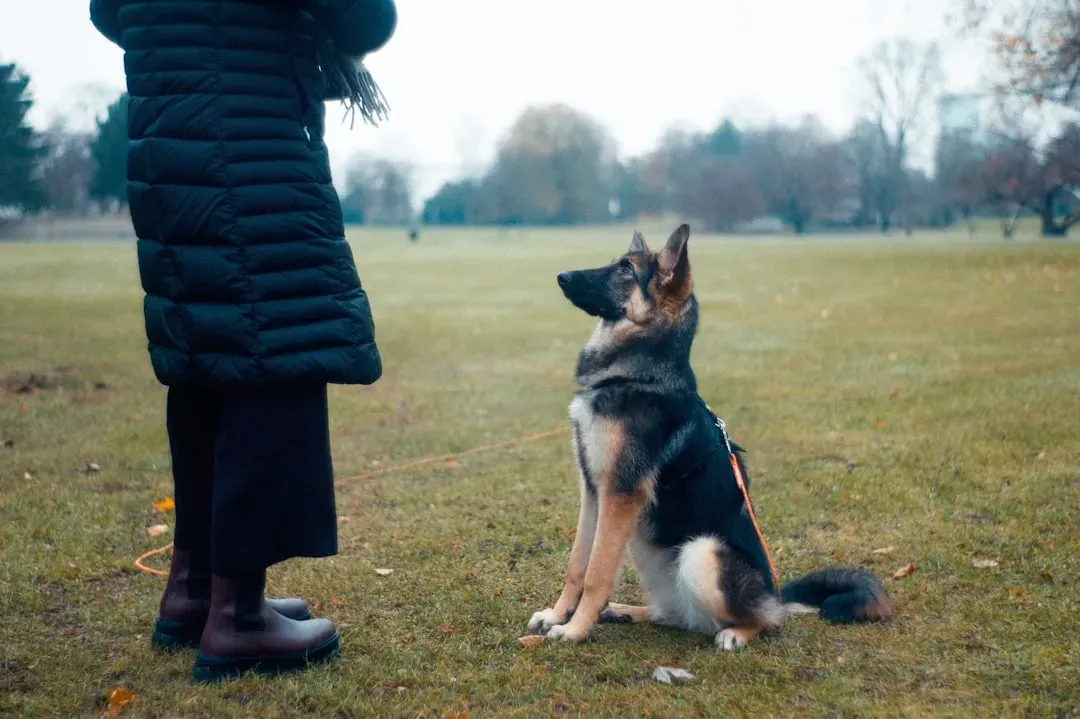
Research in animal learning consistently shows that precise timing accelerates understanding, and without clear markers, dogs may take much longer to figure out which part of the sequence earned the reward, because the clearer the communication, the faster the learning. This is where marker training becomes invaluable. Whether you use a clicker or a specific word, markers help pinpoint exactly which behavior you’re rewarding.
Consistency forms the foundation of effective dog communication. Dogs need to understand that what you’re saying always means the same thing regardless of your mood, day of the week, or extenuating circumstances, because if they’re confused and unsure of what you mean, they may offer the wrong behavior or simply not respond at all. If “down” means lie down one day and get off the furniture the next, you’re creating confusion, not building understanding.
Your own emotional state profoundly impacts your dog’s ability to learn and respond. One of you must be calm, and it’s unlikely to be the dog at first, so create physical and mental anchors that help you regulate yourself so your dog can borrow your calm. Dogs are emotional sponges. When you’re frustrated, anxious, or angry, they feel it and it impairs their ability to process what you’re asking.
Timing matters more than almost anything else in dog training. Rewards need to happen within seconds of the desired behavior. Delayed consequences make learning nearly impossible for dogs because they can’t connect the reward to the specific action you wanted.
Reading What Your Dog Is Really Saying
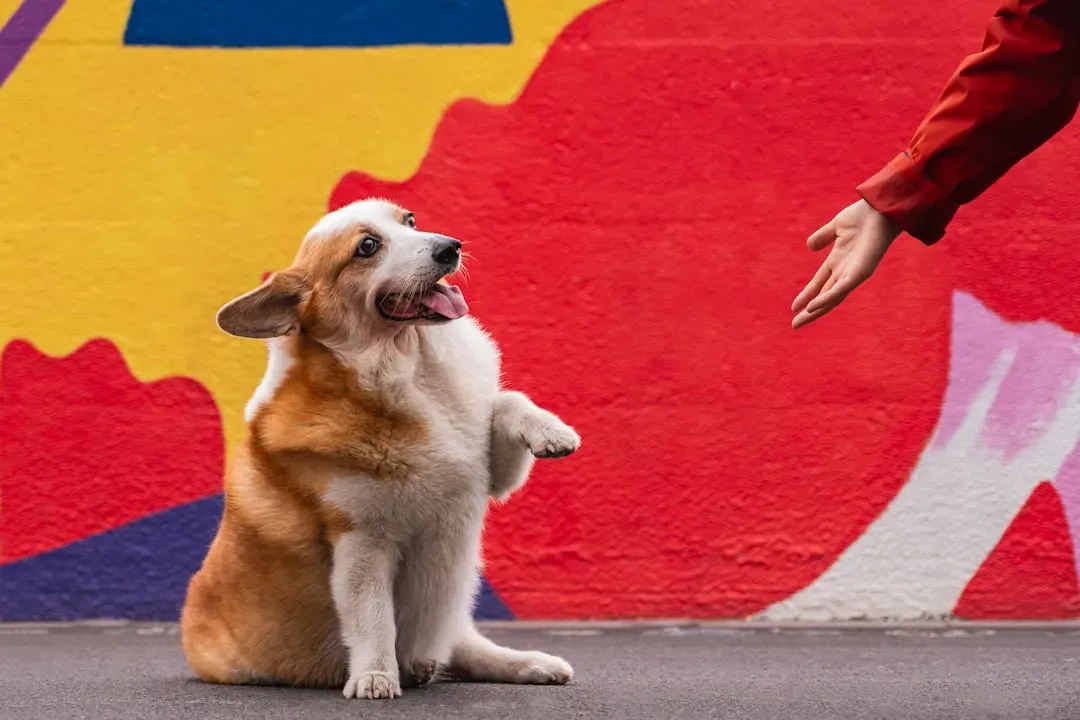
Body language can reveal emotions and moods of dogs, which can be quite helpful when assessing dogs during training, and understanding the dog’s motivation and emotional states may result in more successful training. Learning to read your individual dog takes time and attention. Some dogs are more subtle communicators than others.
Dogs that make eye contact with the trainer and display a forward ear position are most successful in learning achievement during operant conditioning. This tells us when dogs are truly engaged and ready to learn. When those ears flatten or they break eye contact repeatedly, they’re telling you they need a break or the situation is too stressful.
Outside of breed-specific pointing behavior, a raised paw often indicates that a dog is uncertain about a situation or perhaps feels a bit insecure. These subtle signals get overlooked constantly. Your dog lifting a paw isn’t always an invitation to shake hands. Often it’s a signal of hesitation or mild stress about what’s happening.
People struggle when identifying the body motions of a fearful or anxious dog, incorrectly associating the motions with behaviors of approachable or relaxed dogs, and this misinterpretation is most often one that results in the occurrence of biting, while misreading warning signs portrayed by dogs can also result in behavioral problems. The stakes are real. Missing your dog’s communication doesn’t just frustrate both of you. It can create dangerous situations.
Conclusion

The next time your dog doesn’t respond to a cue, pause before labeling them stubborn. Ask yourself: Have I communicated clearly? Is my dog stressed or distracted? Have I actually trained this behavior in this specific context? What we can do is understand their body language, observe them carefully as we interact with them, and then respond appropriately.
The responsibility for bridging the communication gap rests squarely on our shoulders. Dogs are doing their absolute best to understand us while simultaneously trying to tell us how they feel. We owe them the courtesy of learning their language. When we shift from blaming our dogs for being difficult to examining how we can communicate more effectively, everything changes.
The transformation in your relationship can be remarkable. Clearer communication builds trust, reduces stress for both of you, and creates a partnership based on mutual understanding rather than frustration and misinterpretation. Your dog isn’t stubborn. They’re just waiting for you to learn how to truly hear them. What small change will you make today to better understand what your dog is trying to tell you?


