
The Heartbreaking Truth Behind Your Dog’s Window Vigil
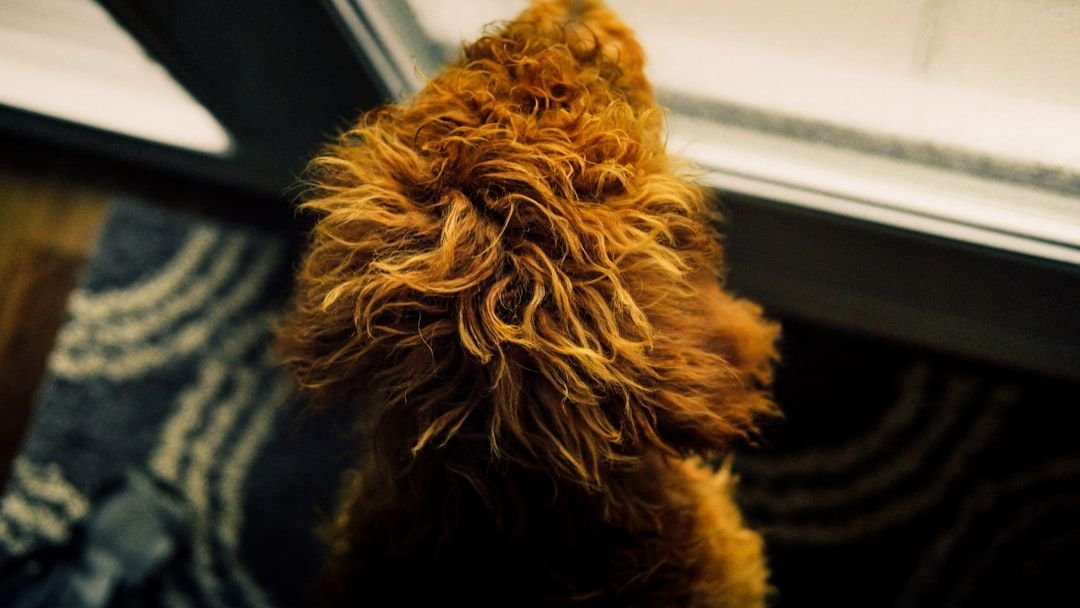
Have you ever noticed how your dog gravitates to the window the moment you leave? That image of a loyal companion perched by the glass, staring out into the world, melts our hearts. It seems like devotion at its purest. We imagine them counting the minutes, anticipating our return with unwavering faithfulness.
There’s something deeper happening behind those watchful eyes, though. What appears to be simple loyalty might actually be a complex blend of instinct, emotion, and sometimes distress. Let’s be real, understanding what drives this behavior can help you support your furry friend in ways you never thought possible. So let’s dive into the emotional landscape of your dog’s window watching and uncover what they’re truly experiencing while you’re away.
Why Dogs Are Drawn to Windows in the First Place
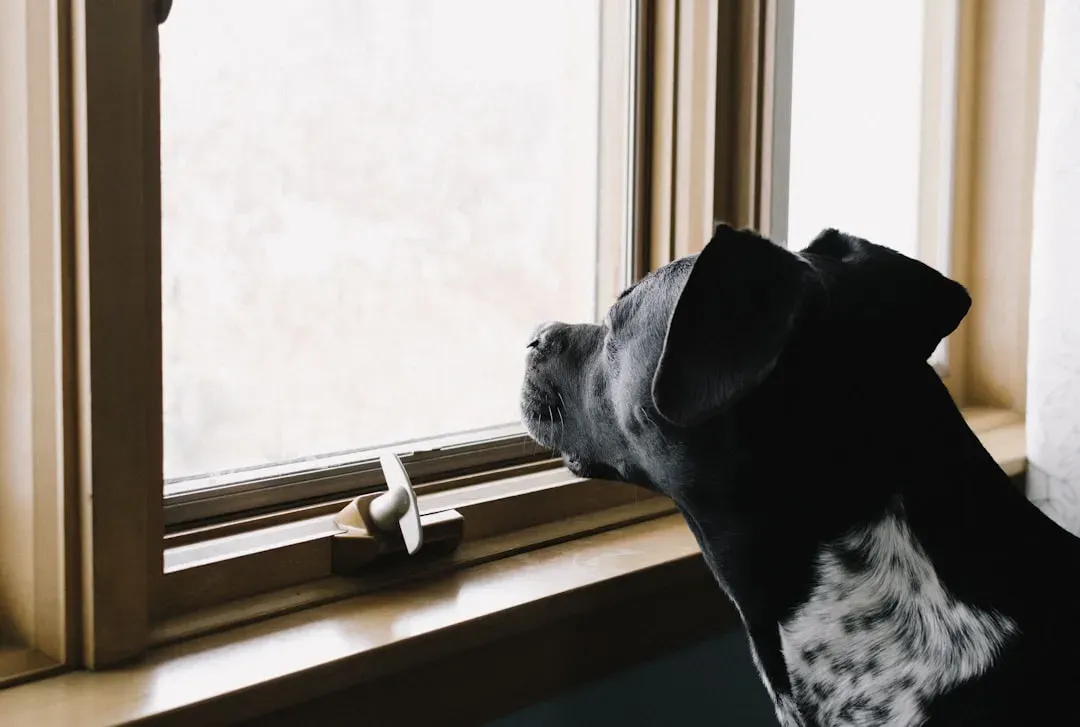
Dogs are naturally curious creatures, and the canine brain, especially in intelligent breeds, thrives on new information. Unlike us, who can scroll through phones or flip on Netflix, dogs rely entirely on sensory input to keep their minds engaged. The view from the window provides endless novelty, whether it’s a new bird at the feeder or a jogger passing by, every shift in the scene outside offers your dog something new to process.
Honestly, it makes sense when you think about it. Neuroscience shows that novelty stimulates the release of dopamine, the “feel good” neurotransmitter, so that window view can actually make your dog feel happy and rewarded. Their window spot becomes a natural entertainment center where the outside world constantly shifts and changes. Dogs are pack animals with a natural inclination to guard their territory, and from a scientific perspective, the window acts as a surveillance post.
The Emotional Bond That Makes Them Wait
In a recent study conducted by Swedish researchers, dogs were video recorded during their owners’ absences, and the duration of absence had a direct impact on the dogs’ reactions, suggesting that dogs do feel the time they spend away from their humans. This isn’t just habit or routine. It’s genuine attachment.
When a securely attached dog is separated from their owner, exploratory behaviours decrease and distress behaviours and vocalizations increase significantly, and a stranger cannot comfort the dog during the period of separation, but when the owner returns, the dog will approach the owner, make eye contact and initiate physical contact. That window becomes a beacon of hope. Your dog positions themselves there because it’s the place where they last saw you, and where they hope to see you first upon your return. It’s unclear whether the dogs experienced stress during their owners’ absence, but they do feel powerful joy when their people come home.
When Window Watching Crosses Into Anxiety Territory
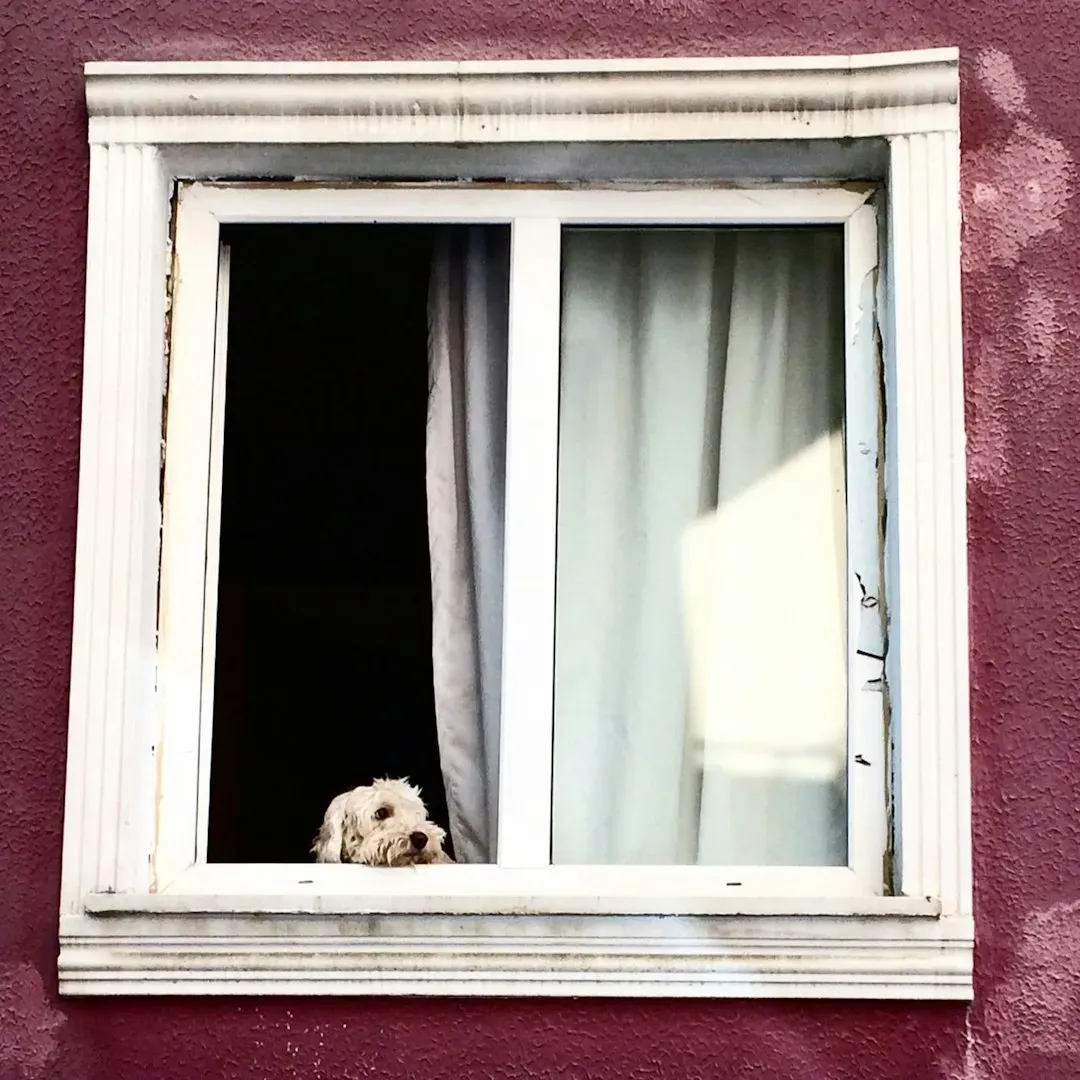
Here’s the thing many dog lovers don’t realize. In environments that lack stimulation, like homes where dogs are left alone for long hours, the ability to see outside helps reduce anxiety and stress. That sounds positive, right? Yet for some dogs, the window becomes a source of constant vigilance rather than comfort.
If your dog is already struggling with reactivity, spending time getting worked up over activity outside the window will exacerbate the problem, with repeated hits of adrenaline throughout the day meaning that when you finally go out for a walk, your dog is already amped up and ready to rumble, and anticipating threats throughout the day creates hyper-vigilance and is very stressful. If your dog is showing warning signs such as non-stop barking at everything outside, becoming aggressive toward people passing by, or being unable to leave the window even for food, it may indicate an unhealthy obsession with window watching, and if your dog is panting or pacing while watching, this could be a sign of anxiety or stress.
Recognizing the Signs Your Dog Is Struggling

Before insisting that your dog really enjoys looking out the window, look closely at her body language and overall demeanor, asking whether she is relaxed and calm or excited and alert, as barking is the most obvious indication that your dog might be anxious or over-aroused, but there are other more subtle indicators that your dog is not enjoying the show. Some dogs stand rigid, ears forward, muscles tense. Others whine softly or pace between the window and door.
Separation anxiety is triggered when dogs become upset because of separation from their guardians, and escape attempts by dogs with separation anxiety are often extreme and can result in self-injury and household destruction, especially around exit points like windows and doors. Watchful waiting, such as watching the door or out the window expectantly for their owner’s return, is a common symptom. It’s important to note the difference between a dog calmly observing and one fixated with stress. Watch for excessive drooling, scratched windowsills, or frantic barking that doesn’t stop.
How to Help Your Window-Watching Companion
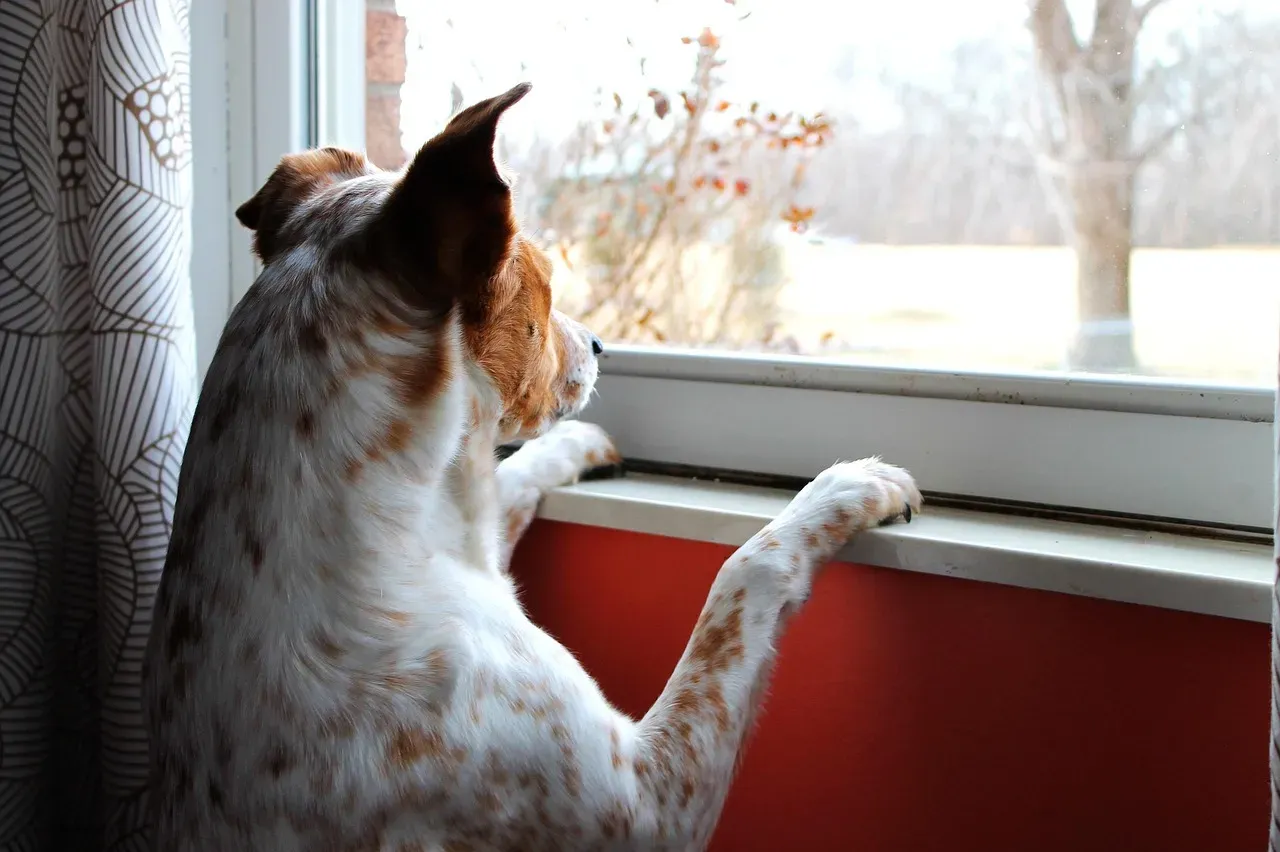
Managing your dog’s environment will always be the first step, and it’s easier and faster than training your dog to stop barking, so close the blinds or curtains, and if your dog has figured out how to push the curtains aside or if you simply want natural light in your home, install privacy window film to the lower part of the window. I know it sounds counterintuitive to block what seems like harmless entertainment, but sometimes limiting visual triggers creates a calmer environment.
Removing this stimulus will remove a significant amount of stress from your dog’s life, and you should focus on rewarding your dog for playing with toys inside and create a home environment that is just as fun and interesting as whatever could be going on outside. Mental enrichment through puzzle toys, regular exercise, and interactive play sessions can redirect that energy. Give your dog at least 30 minutes of aerobic activity every day, and try to exercise your dog right before you have to leave him by himself, as this might help him relax and rest while you’re gone. Teaching your dog that being alone is safe and even enjoyable takes patience, but it’s one of the greatest gifts you can offer them.
What do you think about your dog’s window watching now? Does it look different through this lens? Understanding the emotions behind the behavior helps us become better guardians to these beautiful souls who depend on us. Tell us in the comments how your dog behaves when you’re away.