
6 Signs Your Dog Might Be Uncomfortable During Social Gatherings
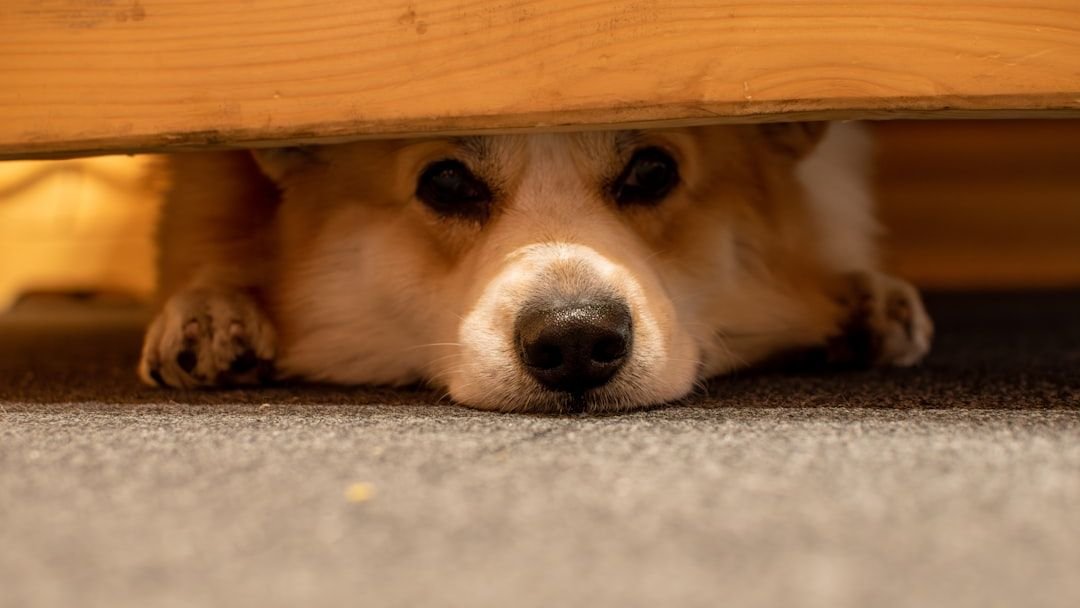
We’ve all been there. You host a gathering, invite friends and family, and think your pup will love all the attention. Maybe they do at first. Then you notice something shifts. They’re not quite themselves. Dogs are remarkable communicators once we learn to listen, yet many of us miss the subtle signals they send when the noise and chaos become too much.
Here’s the thing: roughly about one third of dogs may exhibit some form of anxiety. That’s not a small number. Social gatherings bring loud voices, unfamiliar faces, unexpected movements, and disrupted routines. For some dogs, it’s exhilarating. For others, it’s overwhelming. Learning to spot the signs that your dog is uncomfortable can make all the difference between a safe, happy pup and a stressed one who might react unpredictably. Let’s dive into what your dog is really trying to tell you.
They’re Lip Licking and Yawning When They Shouldn’t Be
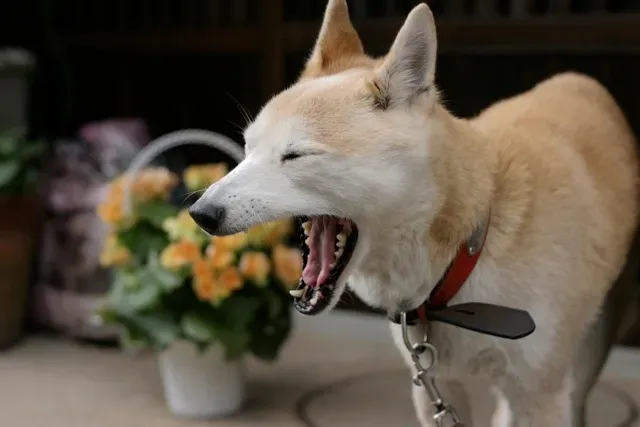
Your dog just licked their lips. Were they eyeing the cheese platter, or is something else going on? Context is everything here. Lip or nose licking is often a subtle sign that your dog is feeling stressed or worried, especially when there’s no food in sight.
The same goes for yawning. Sure, dogs yawn when they’re sleepy. They also yawn when stressed, and a stressful yawn is more prolonged and intense than a sleepy yawn. Watch your dog during your next party. If they’re yawning repeatedly while guests mill about, they’re not tired. They’re telling you it’s getting to be too much.
I think this is one of the easiest signs to miss because we see these behaviors every day in completely normal contexts. It’s only when you step back and really observe the situation that you realize something feels off.
Their Body Language Screams ‘Please Stop’
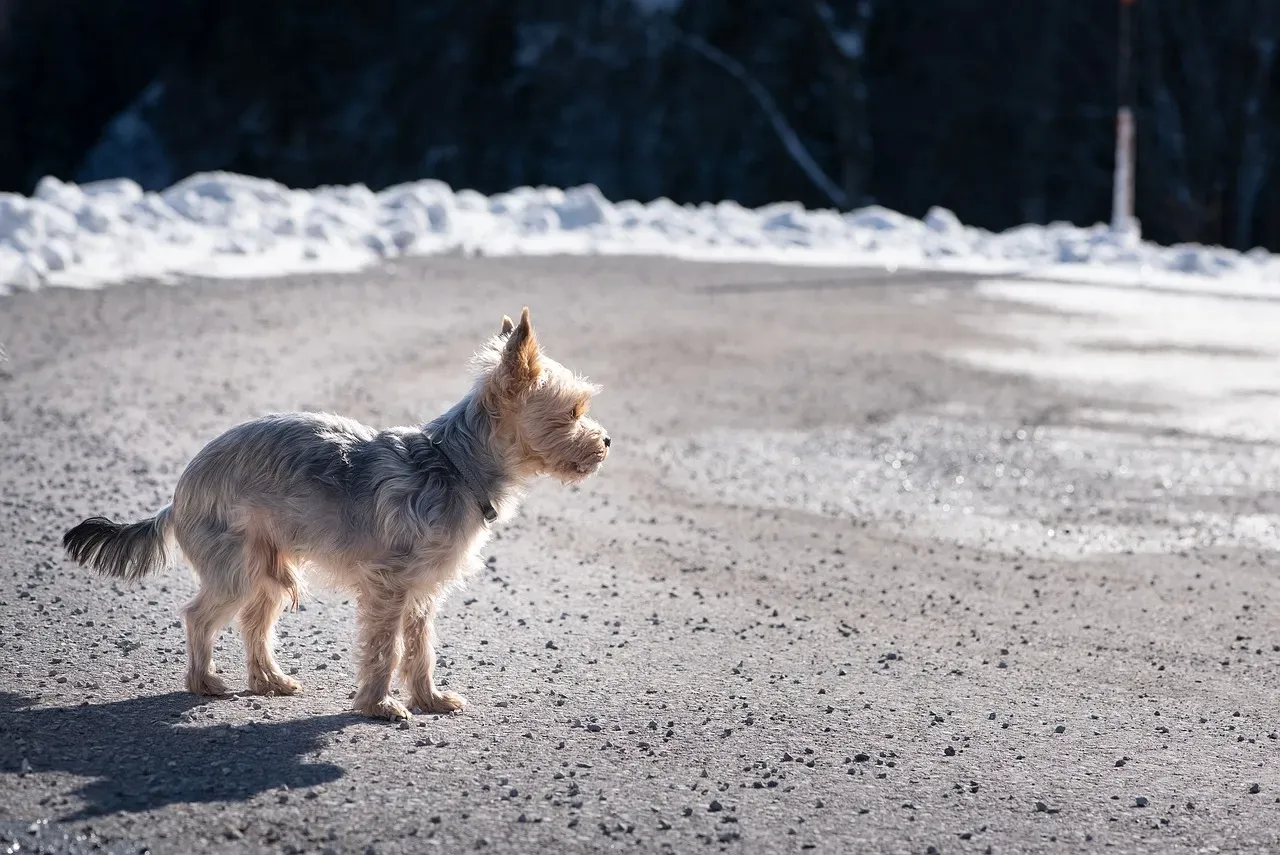
Ever notice your dog tucking their tail between their legs during a gathering? A dog’s tail tucked between their legs can mean the dog is afraid or uncomfortable, and ears pressed back against their head are also a sign of discomfort. This isn’t a minor signal. It’s a plea for relief.
Stressed dogs may have dilated pupils and blink rapidly, open their eyes wide showing more white than usual, and their ears may be pinned back against their head. Picture a dog frozen in place, eyes wide with visible whites, ears flat. That’s not curiosity or excitement. That’s fear.
Some dogs try to make themselves smaller by lowering their bodies or hunching. Dogs instinctively lower their bodies toward the ground when they are feeling anxious. It’s their way of saying they’re not a threat and they desperately want the situation to de-escalate.
They’re Avoiding Interaction Like It’s Their Job
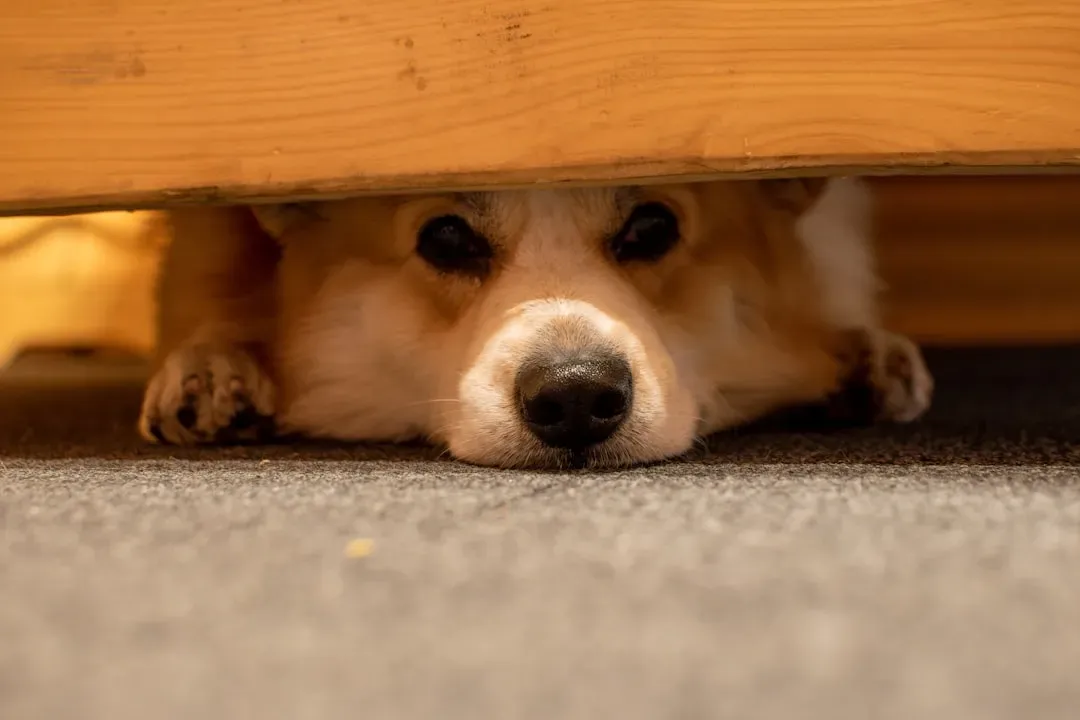
When socializing, a dog that feels overwhelmed may display deflecting, avoidance or ‘escaping’ behaviours, manifesting in lots of ways designed to ‘excuse themselves from an interaction. Maybe your normally friendly dog suddenly turns their head away when a guest reaches to pet them. Perhaps they walk behind you or slink behind furniture.
Honestly, this one breaks my heart a little. Less socially adept dogs can resort to hiding behind owners or objects in order to avoid any interaction, and while ignoring guests might seem rude, it’s important to respect their choice. Your dog is actively trying to communicate their boundaries.
If your dog starts to avoid interactions, like walking away if someone tries to engage with them or ducking their head when someone tries to pet them, this could also be a sign they’re done with socializing. Don’t force it. Really. Your dog isn’t being difficult. They’re being honest.
The ‘Shake Off’ That Says It All
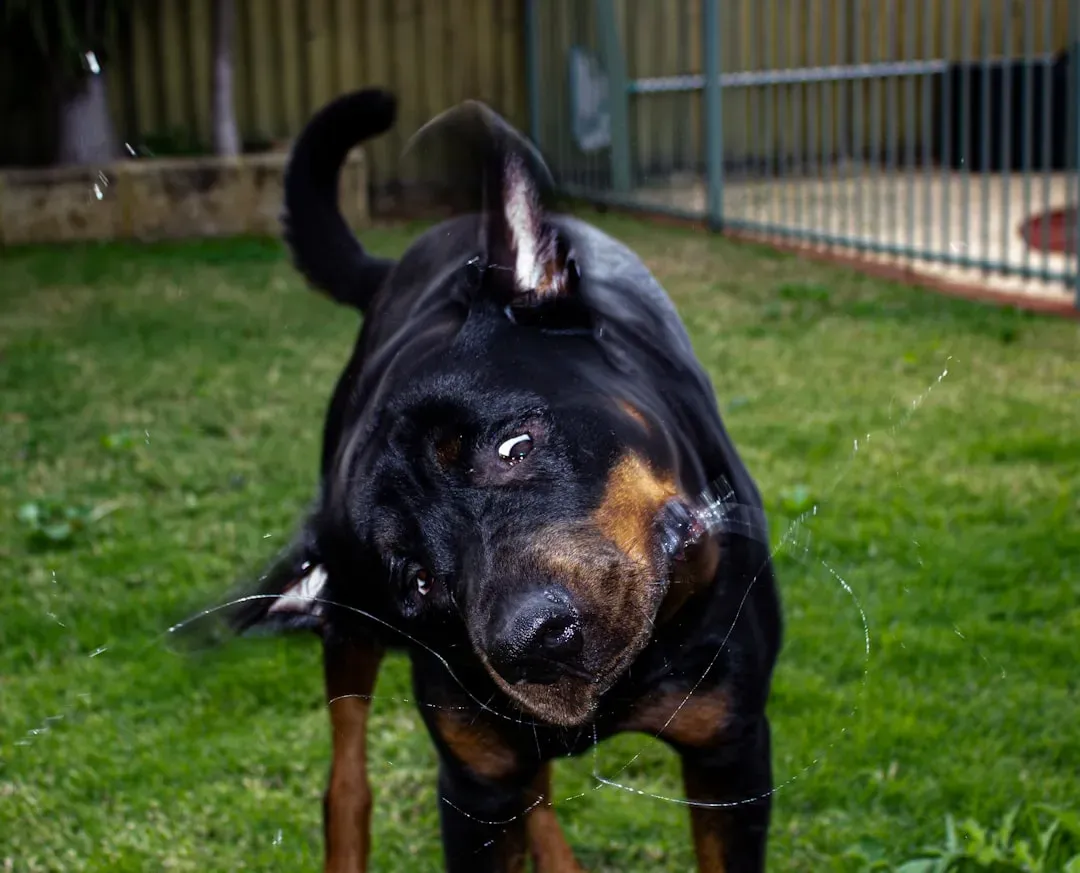
Have you watched your dog meet another dog or a new person, then immediately shake their whole body as if they’d just gotten out of the bath? Very often after the other dog moves away, your dog will shake as if they were wet, and this behaviour is almost like ‘shaking off’ the meeting. It can signal low level stress or relief that an encounter is over.
That whole-body shake can be amusing and is quite normal, unless it occurs as the result of a stressful situation, such as the “shake off” that dogs often do after a tense interaction. Think of it as your dog’s way of resetting. They encountered something that made them uncomfortable, and now they’re trying to physically release that tension.
It’s such a quick gesture that you might not even register it. Yet it speaks volumes about what your dog just experienced.
Pacing, Panting, and Can’t Settle Down
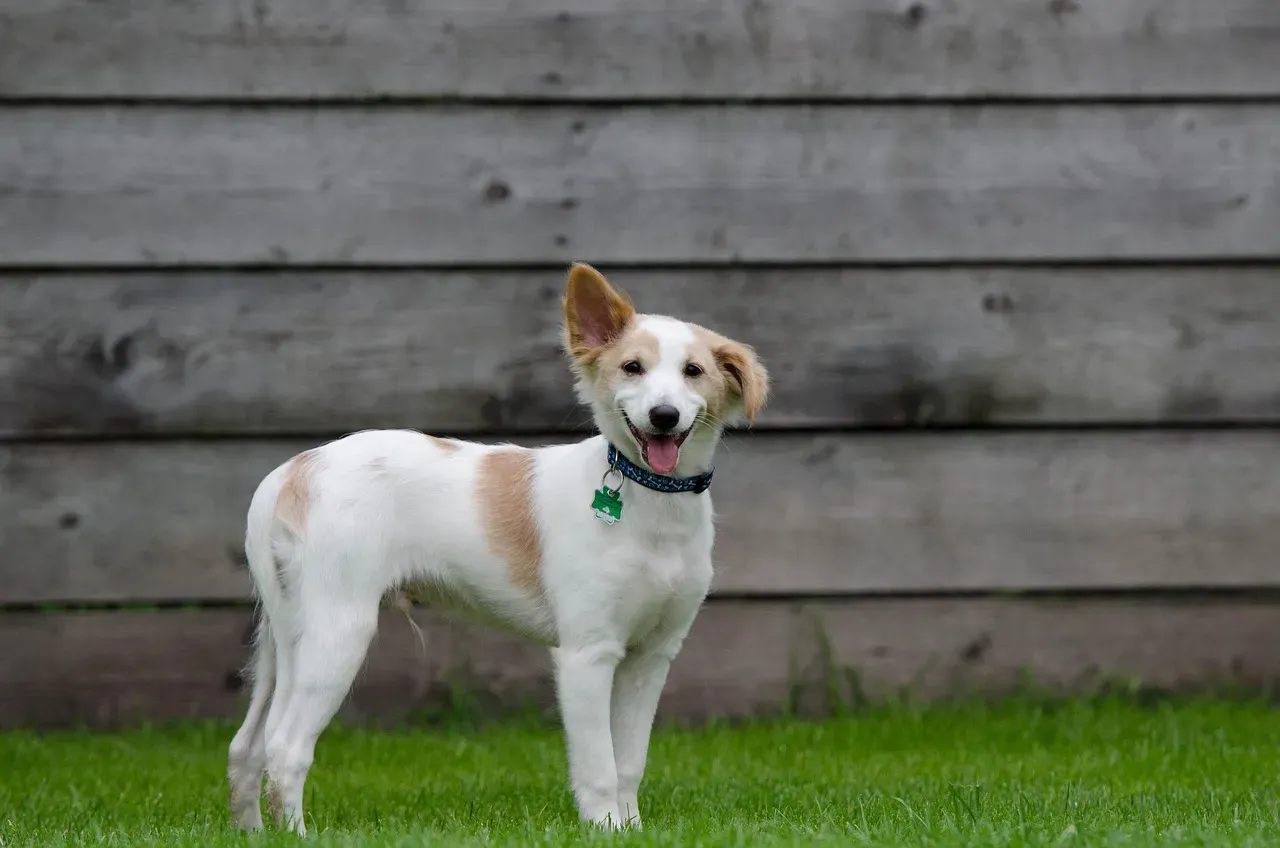
Some dogs pace when they are agitated or frightened, walking a repeated path around the room. If your dog can’t seem to find a comfortable spot and keeps circling or moving restlessly, that’s a red flag.
Panting is another tricky one because dogs pant for many reasons. Dogs pant when hot, excited, or stressed, and if your dog is panting even though they have not exercised, they may be experiencing stress. During a gathering where the temperature is comfortable and your dog hasn’t been running around, excessive panting is worth noting.
If they are “not settling and pacing around more than normal, especially with a stiff body, it can indicate the dog is overwhelmed. Stiffness combined with movement is especially concerning. Your dog is caught between wanting to flee and feeling unable to escape.
They’re Hyper-Vigilant or Becoming Clingy
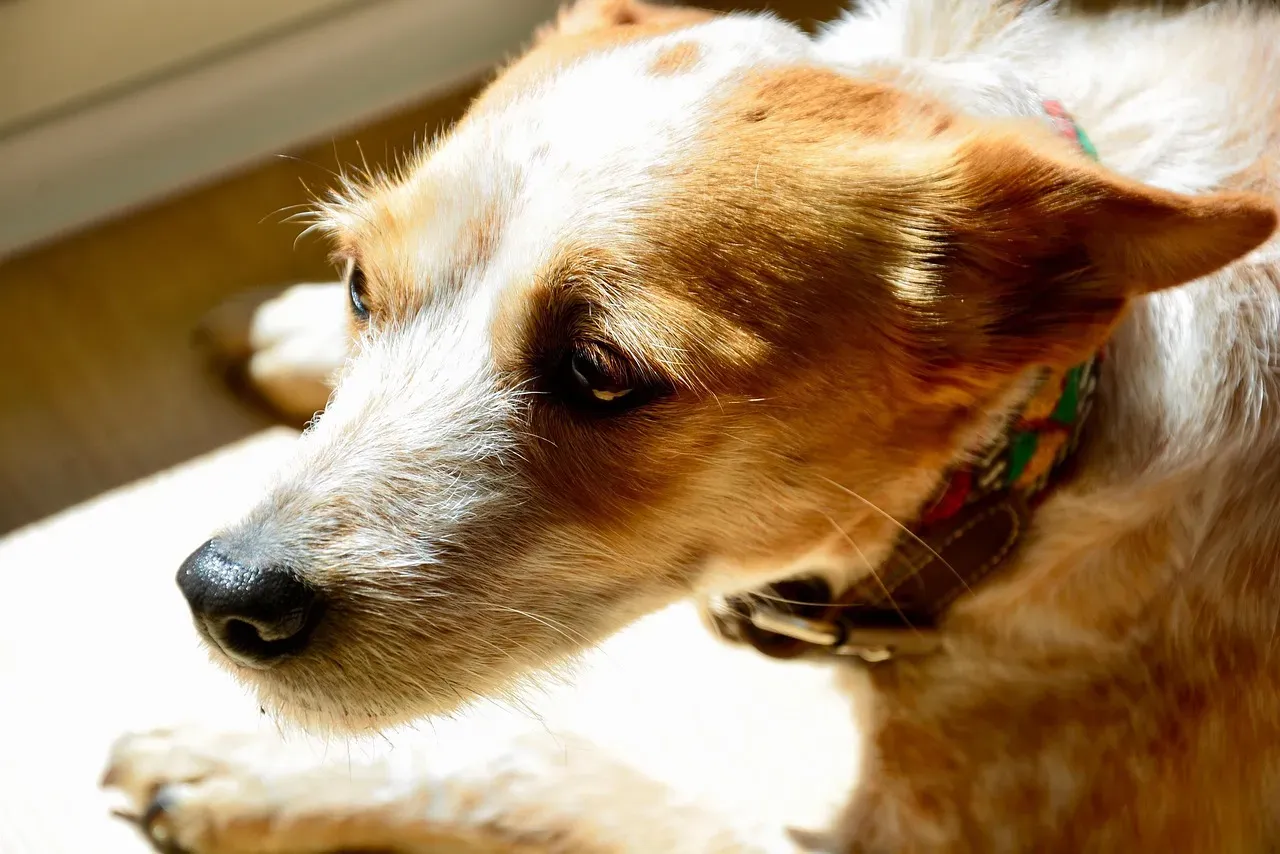
If your pup is jumping at noises, constantly tracking movement, or watching everyone closely, it’s probably a sign that they are in a hypervigilant state, and they aren’t comfortable at the party. This behavior isn’t the same as a dog who’s excited and engaged. It’s a dog who’s on high alert, scanning for threats.
Some dogs may get clingy to you, their trusted, familiar adult, hoping you’ll give them relief from the situation. If your usually independent dog suddenly becomes your shadow, pressing against your legs or refusing to leave your side, they’re asking for help.
Let’s be real here. You’re their person. You’re their safety net. When everything else feels chaotic and unpredictable, you represent security. If they’re glued to you during a party, it’s not cute. It’s a cry for support.
Conclusion
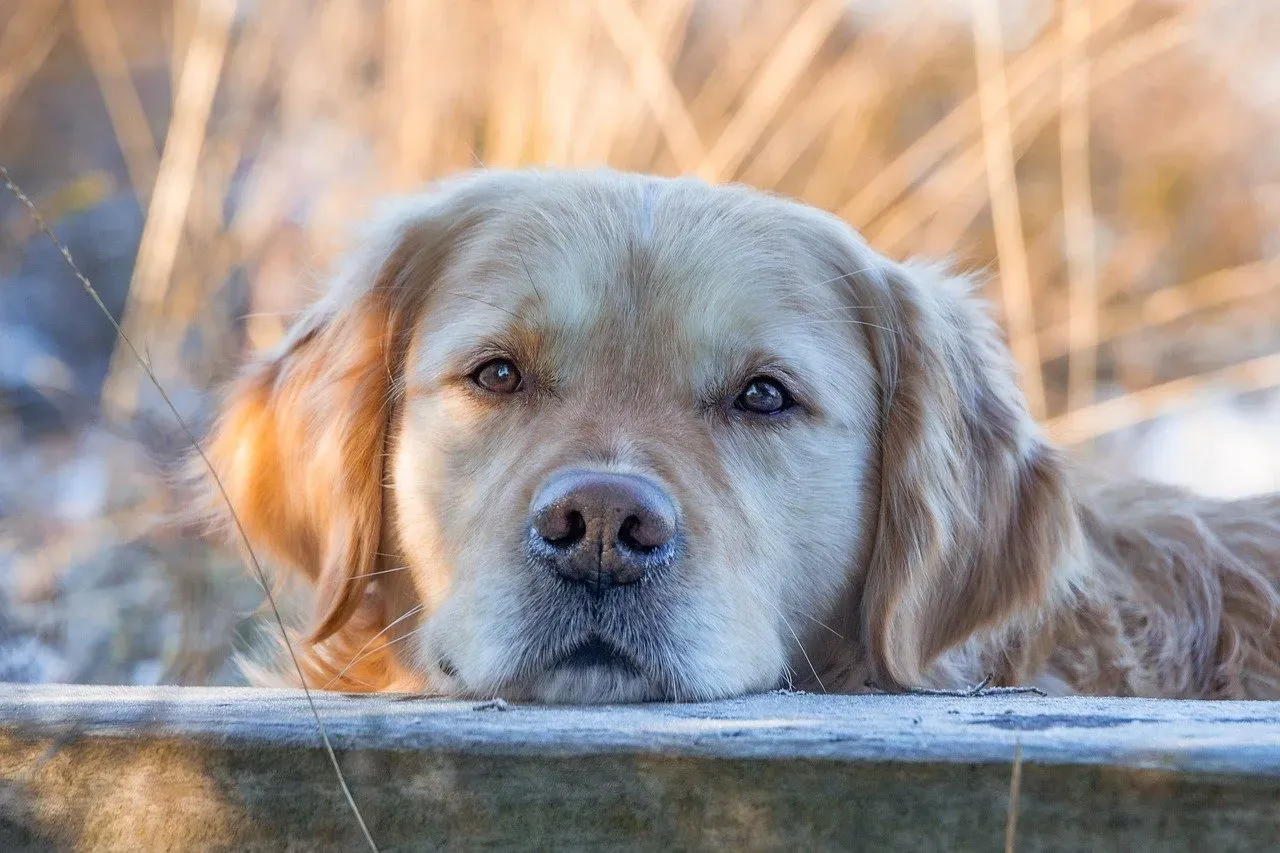
Our dogs can’t tell us in words when they’ve had enough. They rely on us to notice the signs and act as their advocates. If you notice signs that your dog is stressed, first remove them from the stressor and find a quiet place to regroup. Sometimes the kindest thing we can do is give them permission to step away.
Not every dog is a social butterfly, and that’s perfectly okay. Dogs can sense when things aren’t quite right, and being around a stressed family member will be enough to affect them. Creating a safe space for your dog during gatherings, whether that’s a quiet room with their bed or simply limiting their exposure to guests, shows you truly understand their needs.
What signs have you noticed in your own dog during gatherings? Have you learned to read their body language better over time? Remember, being a great dog parent means listening even when they can’t speak.