
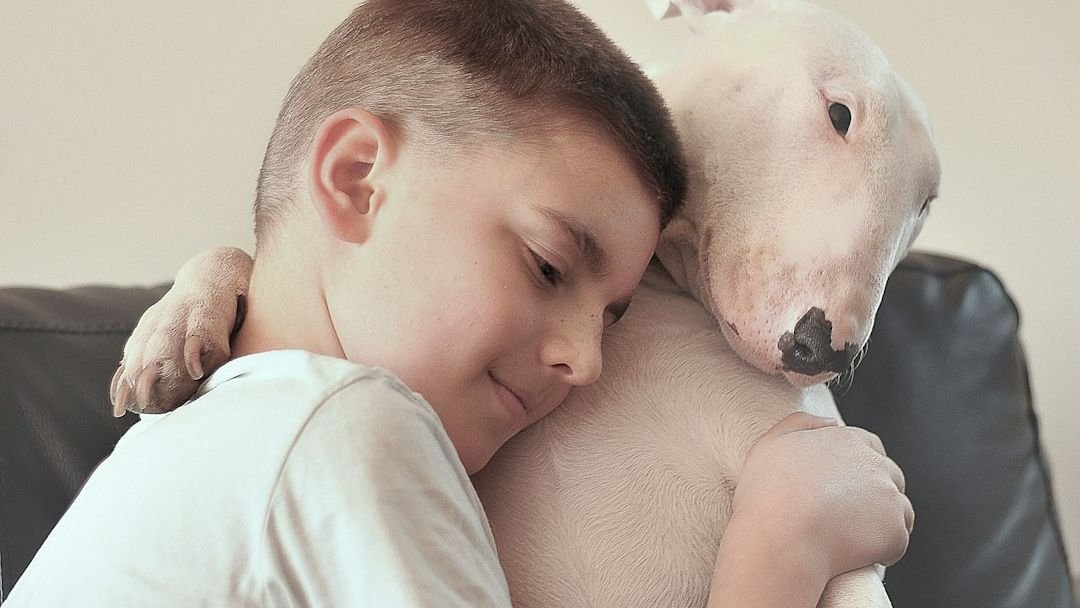
There’s something about the weight of a dog’s gaze. The way they look at you when you come home, when you’re upset, or even just across the room during a quiet evening. It’s like they’re trying to memorize every detail. Maybe they are. Dogs form bidirectional attachment bonds that resemble human caregiver and infant relationships, exhibiting proximity seeking behaviors to cope with stress and separation anxiety when their caretaker is absent. They don’t just love us. They depend on us for their entire world.
The truth is, we outlive them most of the time. That’s the bargain we make when we bring them home. They give us their entire lives, and in return, we carry their memories long after they’re gone. It’s never long enough, honestly. When the end comes, it comes too fast. Yet there are lessons in those final days, things your dog would want you to know, things they’d whisper if words were possible. So let’s dive in.
Every Moment You Spent With Them Mattered
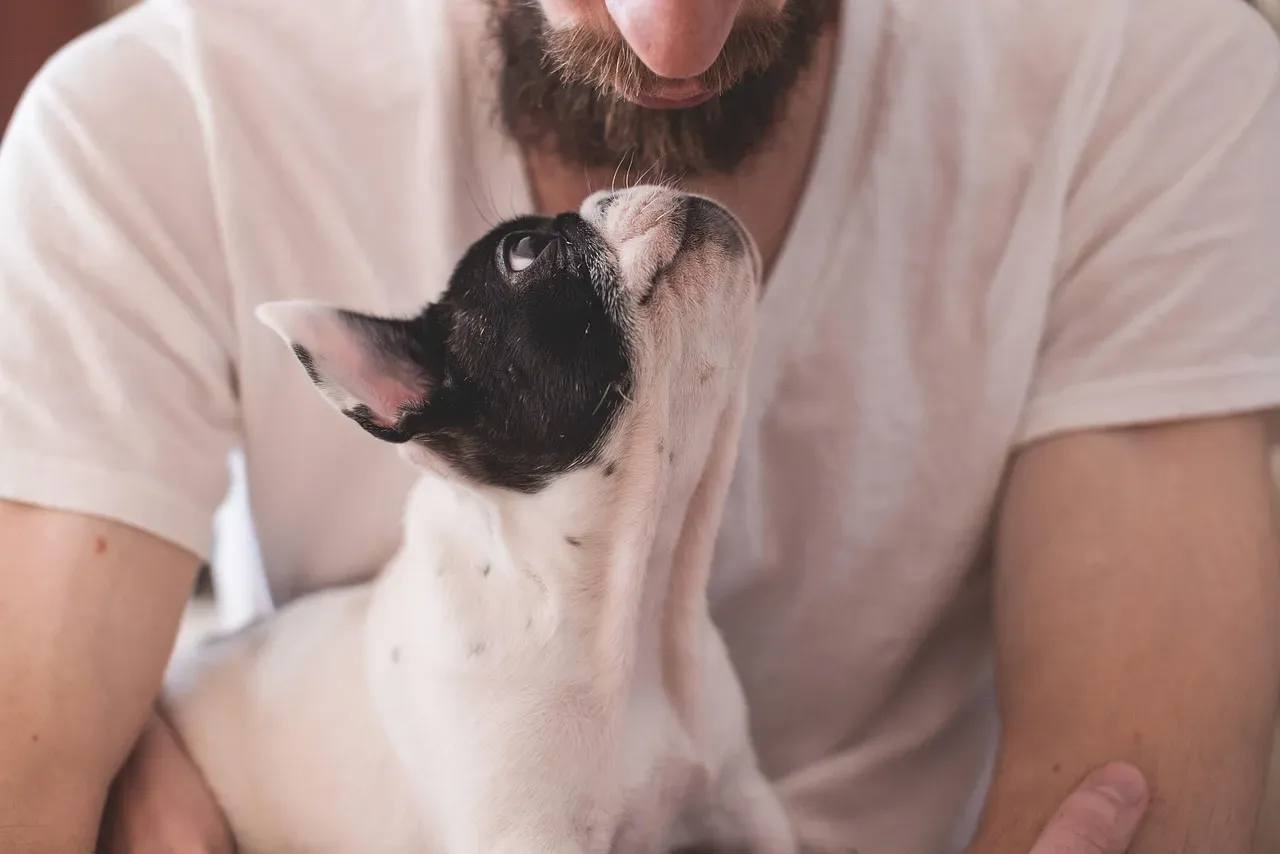
Shared activities such as playing, giving treats, hugging, and spending time with a dog strengthen the owner-dog bond and are linked to increased arousal and attachment behaviors in dogs. Those mundane walks? Those five minutes you sat on the floor and scratched their belly while watching television? Your dog filed every single one away. They weren’t just moments to fill time.
They were the architecture of your relationship. Dogs live entirely in the present, which means they appreciated those moments far more deeply than we ever realized. When they’re gone, you’ll wish you’d spent five more minutes. Ten more. A lifetime more.
They Knew When You Were Hurting
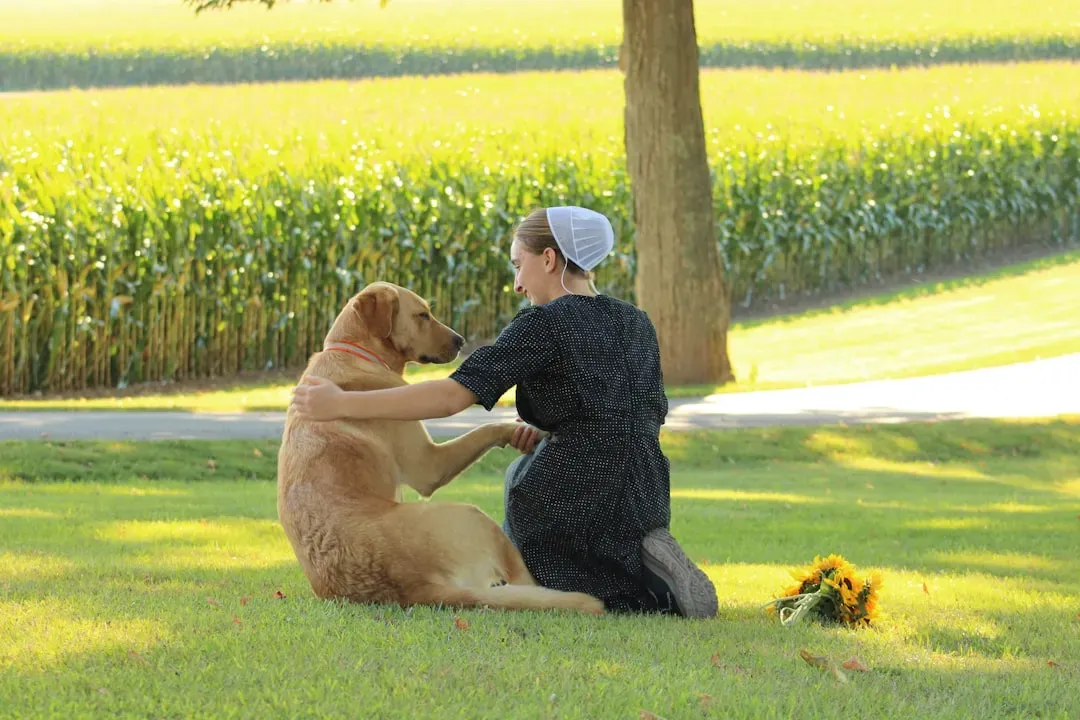
Canines are capable of assessing humans’ emotional states and discriminating humans by levels of familiarity. Your dog didn’t need you to explain your bad day at work or the fight you had with a friend. They sensed it in the tension of your shoulders, the shift in your voice. Dogs have the ability to read human emotions and if you’ve ever had a bad day and noticed your dog staying close to you, it’s because they can sense something is wrong.
Remember that feeling of having someone just sit with you, not trying to fix anything, just being there? That was your dog’s gift to you. A kind of emotional first aid that asked for nothing in return.
The Routine Was Their Comfort
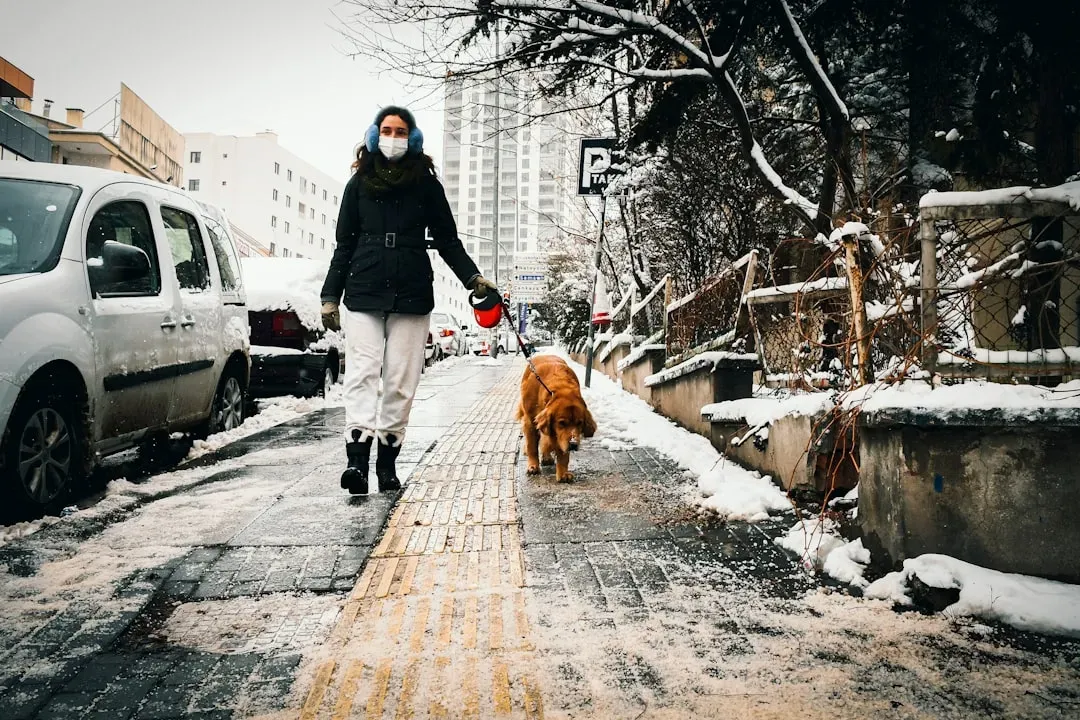
Dogs are creatures of habit. The morning walk, the spot on the couch, the time you filled their bowl. Dog companionship often helps people to develop a daily routine and gives them something to look forward to each day. That predictability wasn’t boring for them. It was safety. It was knowing their world was stable and you were the one who made it so.
When their body started to fail them or their mind began to cloud, that routine became even more precious. If they seemed confused near the end, it wasn’t that they forgot you. They were just trying to hold on to the patterns that had always meant love.
They Forgave You Every Single Time
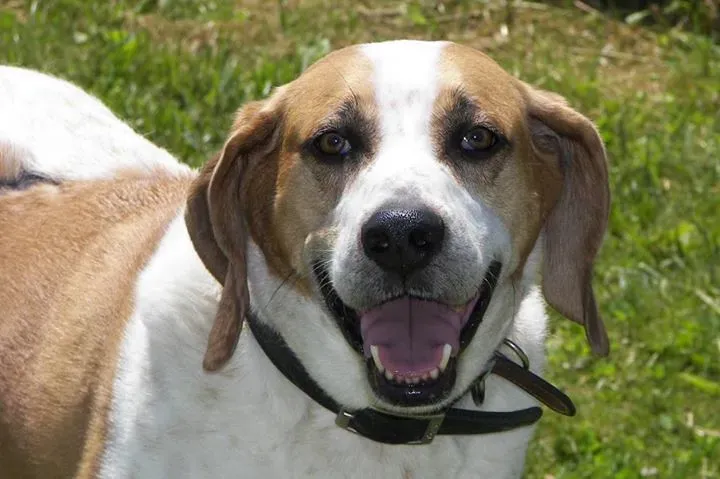
Did you snap at them when you were stressed? Forget to take them on that extra walk you promised? Dogs don’t hold grudges. Dogs often form a deep relationship with attachment to their humans, and the love and attachment of a dog are often pure, with dogs continuing to love their humans despite potentially difficult circumstances.
They didn’t keep score. They didn’t nurse resentment. Every time you came home, it was like the best thing that ever happened to them. We could all learn something from that kind of grace.
Your Scent Was Their Anchor
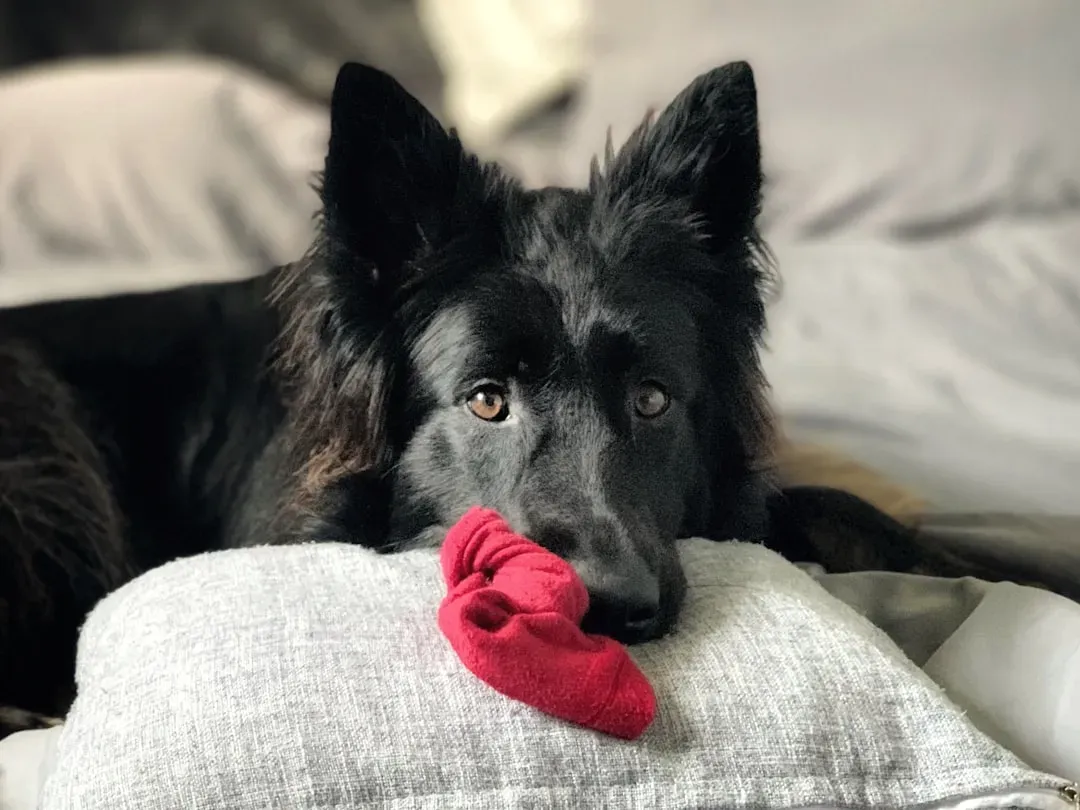
A bonded dog may use your scent, breathing, and heartbeat to feel calm and regulate their nervous system. When you left for work, your clothes, your pillow, even that old T-shirt you thought about throwing out became their comfort. Your scent was proof you existed, proof you’d come back. It calmed them in ways we can’t fully understand.
That’s why they stole your socks. That’s why they curled up in your laundry pile. They were wrapping themselves in you.
They Didn’t Understand Why Their Body Was Failing
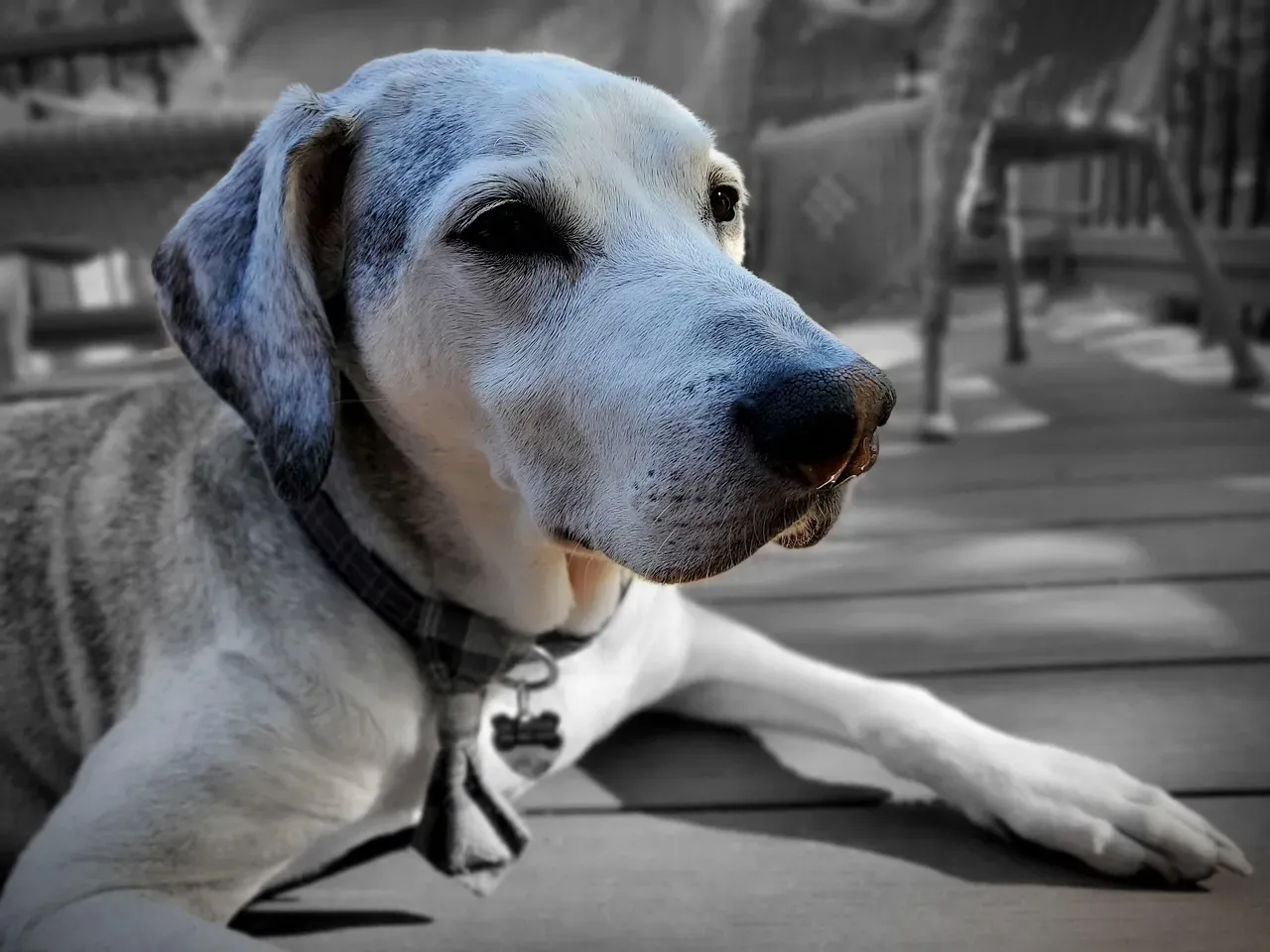
It’s normal for dogs to slow down as they age, with less stamina and reduced ability to exercise for as long as they did when younger. When arthritis set in or their vision dimmed, your dog didn’t grasp the concept of aging. They just knew they couldn’t do the things they used to. They couldn’t jump on the bed. They couldn’t chase that squirrel.
What they did understand was your patience. The ramp you bought. The way you lifted them gently. Those accommodations weren’t just practical. They were love made visible.
The Vet Visits Scared Them, But You Made It Bearable
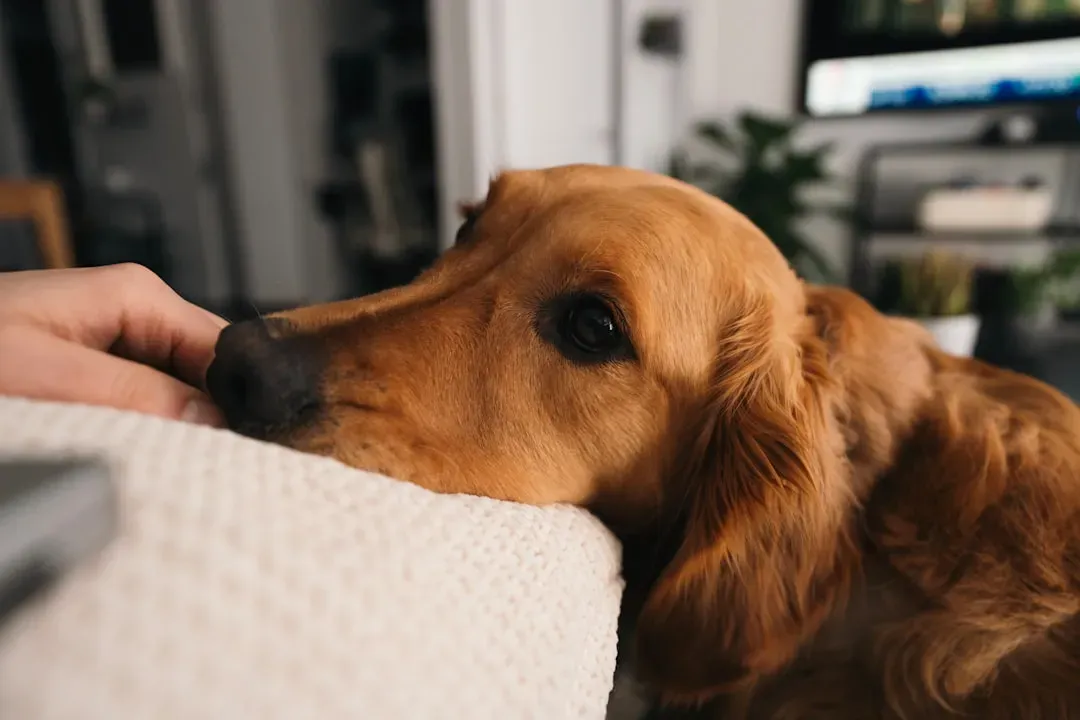
Veterinary clinics can be overwhelming for dogs with new smells, unfamiliar people, and strange handling, but an owner’s presence provides security and can lower a dog’s stress levels. Every time you held them on that cold exam table, your voice was the only thing keeping them together. They were terrified, yet they trusted you.
During veterinary visits, which are usually distressing situations for dogs, a strong emotional owner-dog bond seems to ease hesitation. Your presence was medicine in itself.
They Noticed Every Time You Left
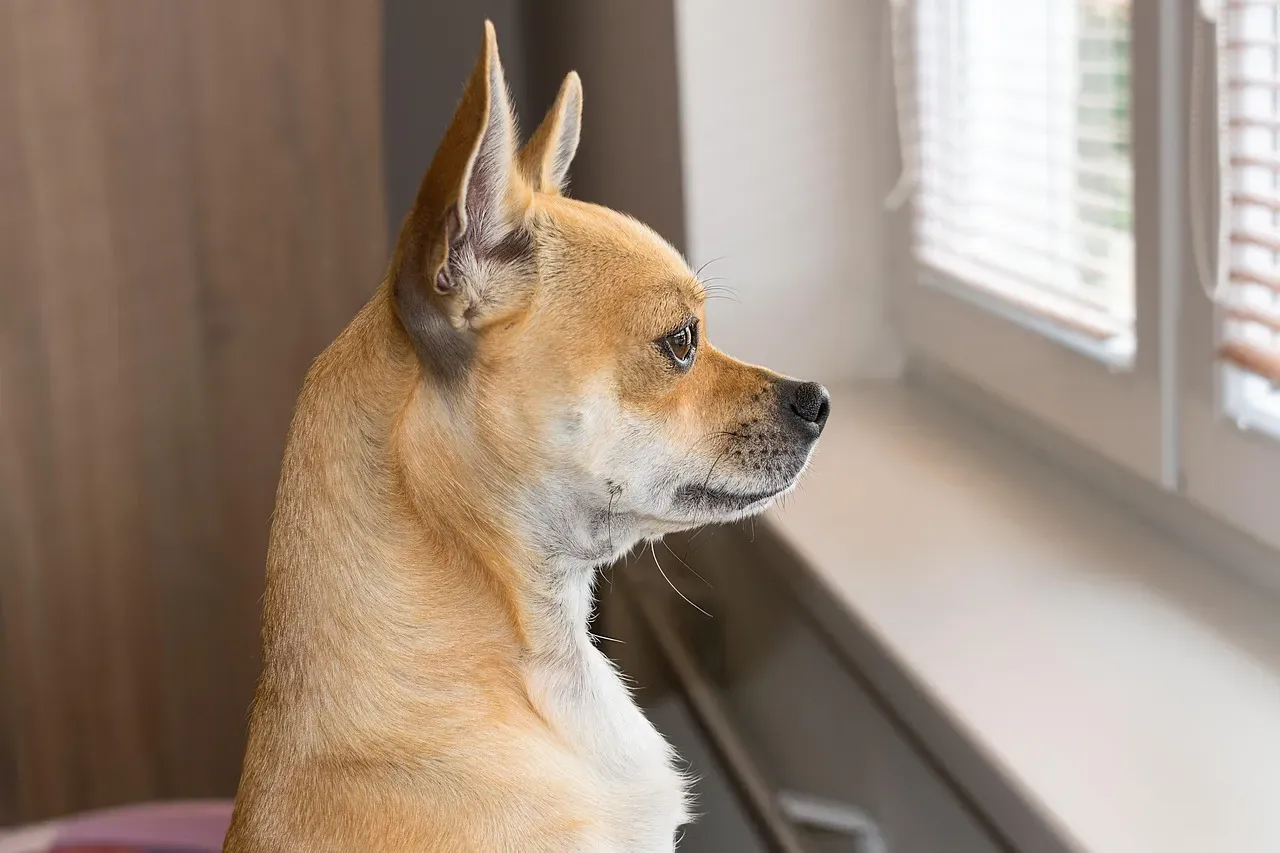
During separation, dogs with higher attachment spend longer near the door, and during reunion show more self-directed behaviors, yawning and panting, which are typical indicators of attachment bond reflecting both affiliation and the distress caused by separation. Whether you were gone for five minutes or five hours, they felt it. Time didn’t work the same way for them.
The absence of the caretaker triggers separation anxiety to varying degrees when the canine seeks out its caretaker as a means to cope with stress. They didn’t know if you were coming back. Each departure was a small leap of faith. Each return was a celebration.
They Loved You More Than They Loved Themselves
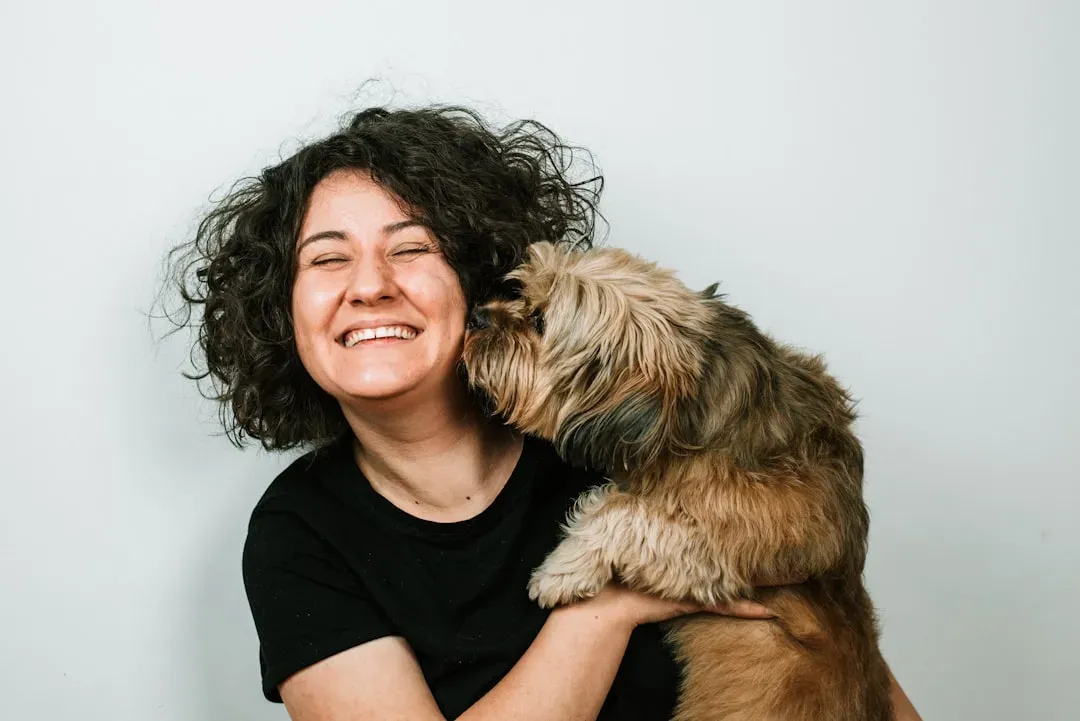
Dogs are naturally pack animals who thrive in close-knit social groups, and when they become part of a human family, they see their owners as their pack, which is why they stick by your side, follow you around the house, and want to sleep near you. Your dog would have stepped in front of danger for you without hesitation. Their protective instincts weren’t just programming.
They came from a place of profound attachment. You were their everything. Their pack. Their purpose.
The Little Things Brought Them Joy
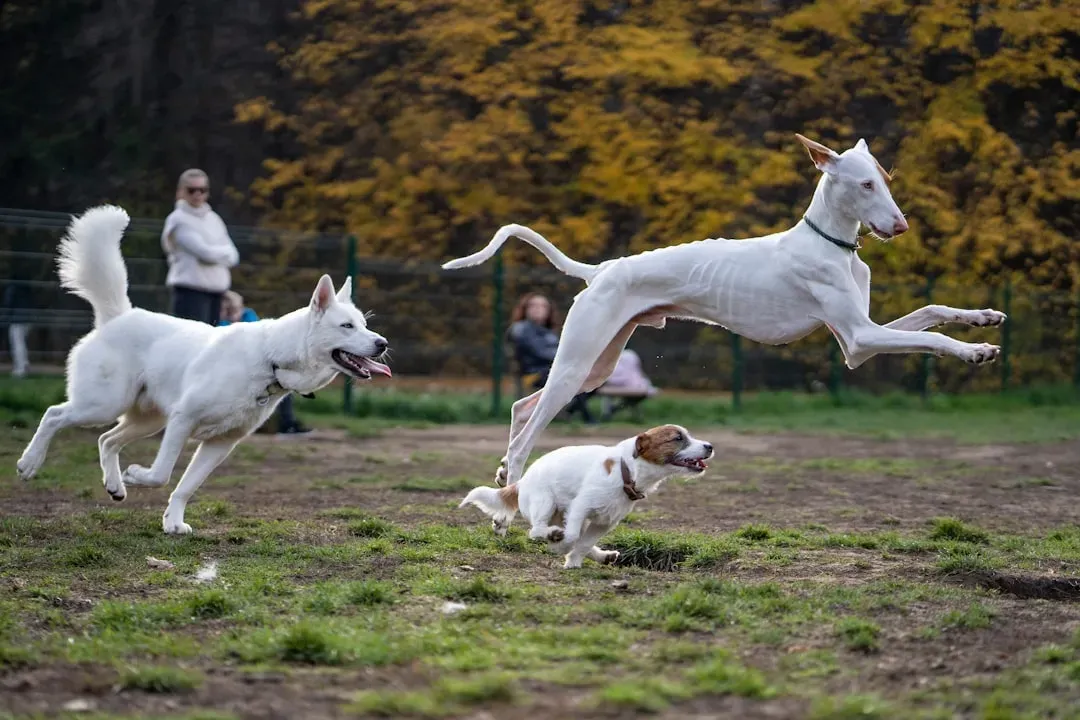
A new toy. A car ride with the window down. The sound of the treat jar opening. Dogs associate their owners with happiness including mealtime, playtime, walks, and belly rubs, and the more time you spend with your dog, the stronger their bond becomes. Dogs didn’t need grand gestures to feel loved. The smallest acts of kindness lit up their entire world.
Think about how much happiness was packed into something as simple as you saying their name in that certain tone. Pure, uncomplicated joy. That’s the gift they gave us, even when we were too distracted to notice.
They Grieved When Other Pets Died Too

Studies conclude that 66% of dogs experienced four or more behavioral changes after the loss of a family pet that indicated grief. If your household lost another animal, your dog felt that absence acutely. The surviving dog after the death of a companion dog changed both in terms of activities like playing, sleeping, and eating, and emotions such as fearfulness, which occurred as a function of the quality of the relationship between the two animals.
Dogs mourn just like we do. They searched for their friend. They waited. That heavy, quiet sadness you saw in their eyes wasn’t your imagination.
Their Senses Faded, But Their Love Didn’t
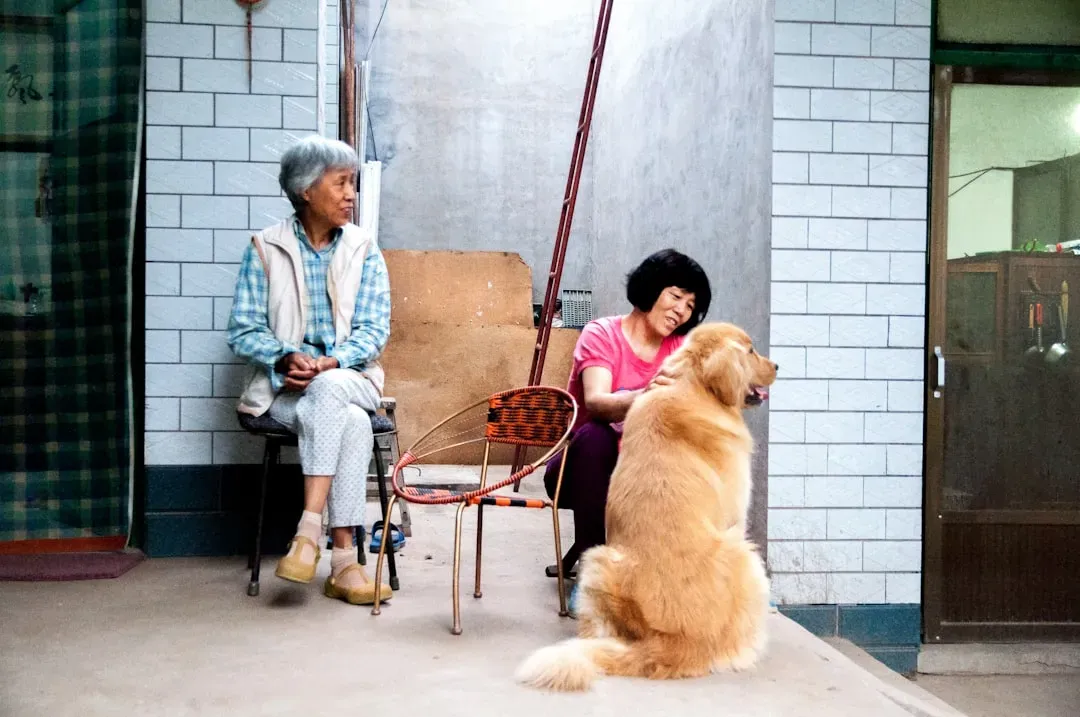
If you think your dog is starting to ignore you, you may find that he simply doesn’t hear you calling, or he can’t see the ball you threw in what you thought was plain sight, with owners often not noticing the signs that a dog is losing sight or hearing until the loss is severe. When their hearing went or cataracts clouded their vision, they adapted. They learned to rely on scent, on vibrations, on the feeling of your hand.
Many dogs’ eyes become weaker and have a harder time seeing as they get older, and cataracts are somewhat common in dogs, mostly found in seniors. The world might have dimmed for them, yet you remained crystal clear. You were never out of focus.
They Didn’t Mind Getting Old With You
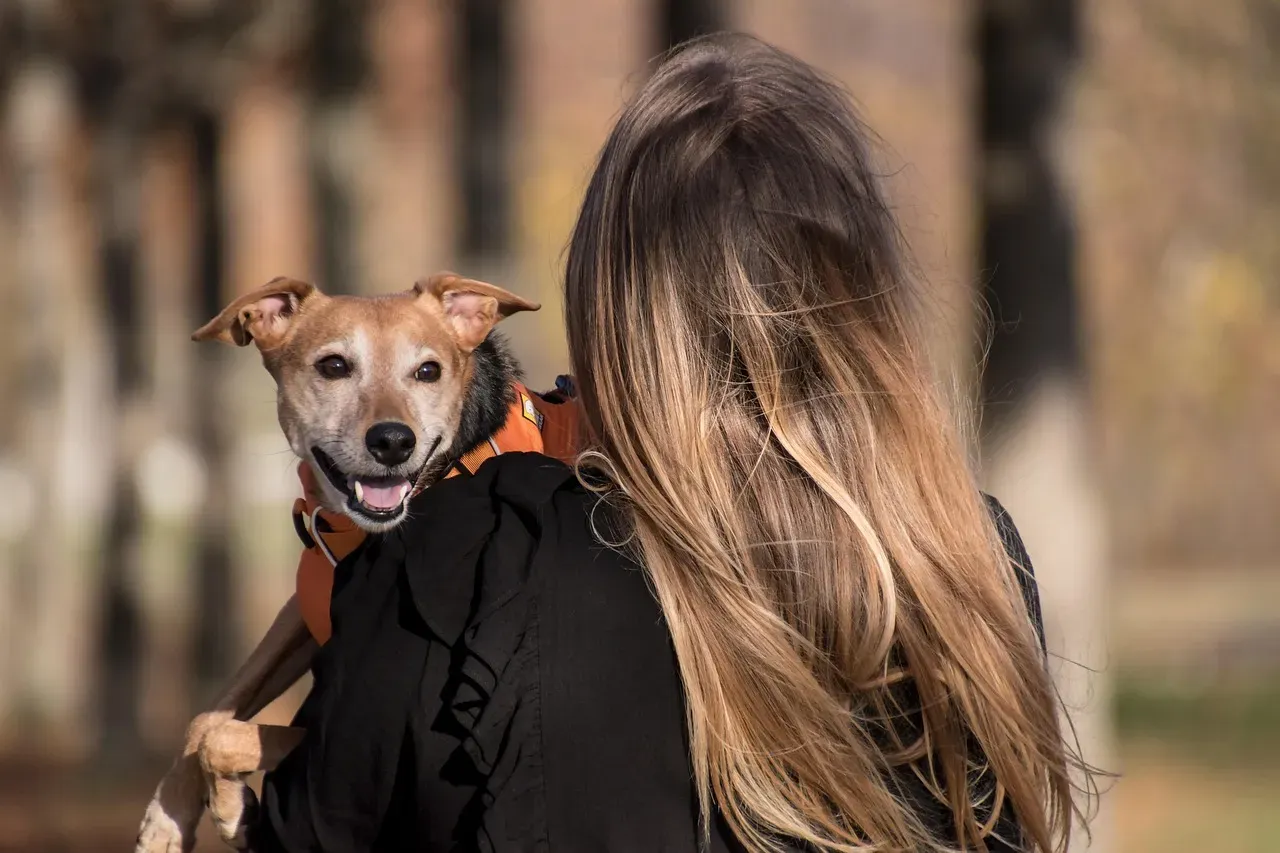
Behavioral changes may be one of the first signs of aging, with dogs becoming more irritable or reluctant to engage in old favorite activities if struggling with pain or discomfort, and seniors preferring more relaxed activities and spending more time resting and sleeping. Sure, they couldn’t run like they used to. Those grey hairs around their muzzle matched the lines forming on your face. Aging together was its own kind of intimacy.
They didn’t mourn their youth. They were content to slow down with you, to take shorter walks, to nap more. Growing old was just another phase of being together.
They Wanted You to Be Okay After They Left
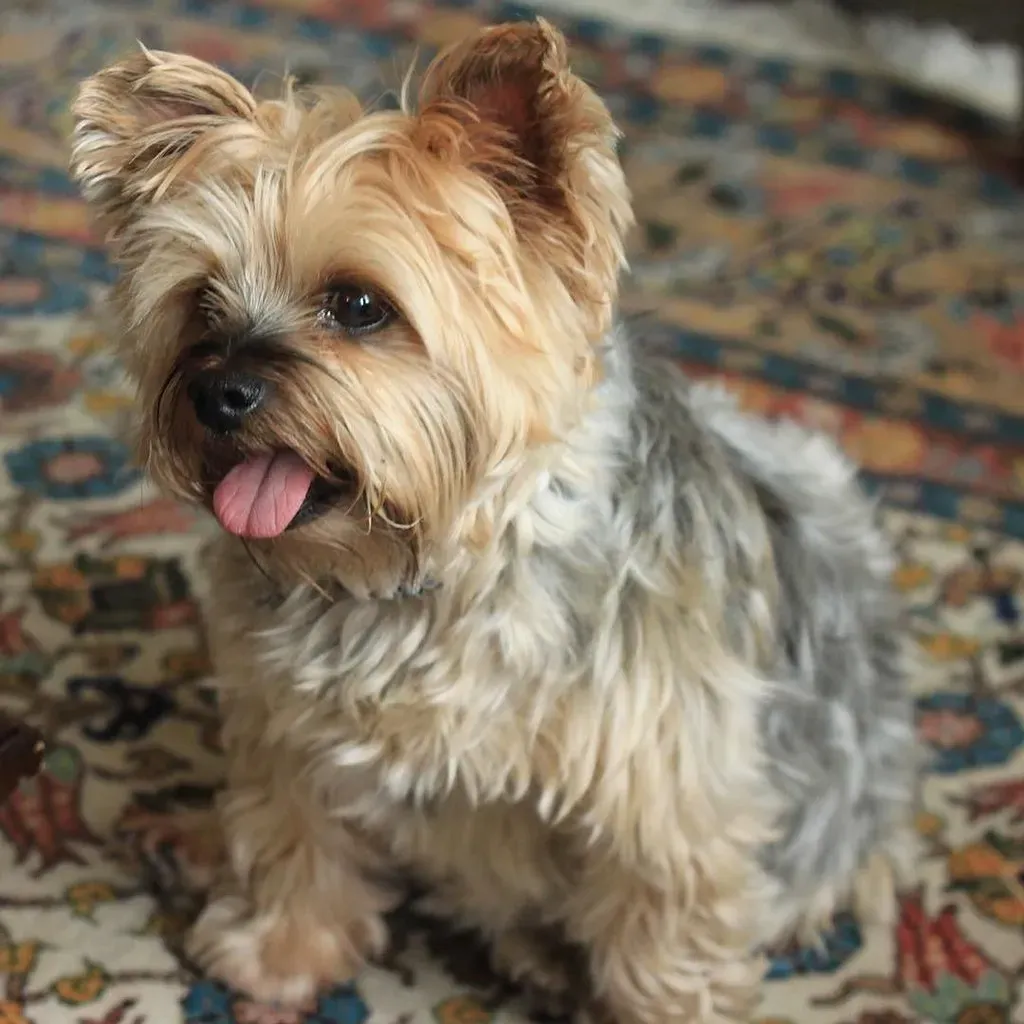
This is the hardest one, honestly. Upon loss, due to death or retirement, the majority of caregivers report intense feelings of grief. Your dog couldn’t tell you not to cry, yet if they could, they’d want you to remember the joy more than the sorrow. They’d want you to rescue another dog, to fill your home with love again.
Not to replace them, because that’s impossible. Yet because they knew the magic of the bond you shared. They’d want that for another dog who needs it.
Food Was Love, But Presence Was Everything
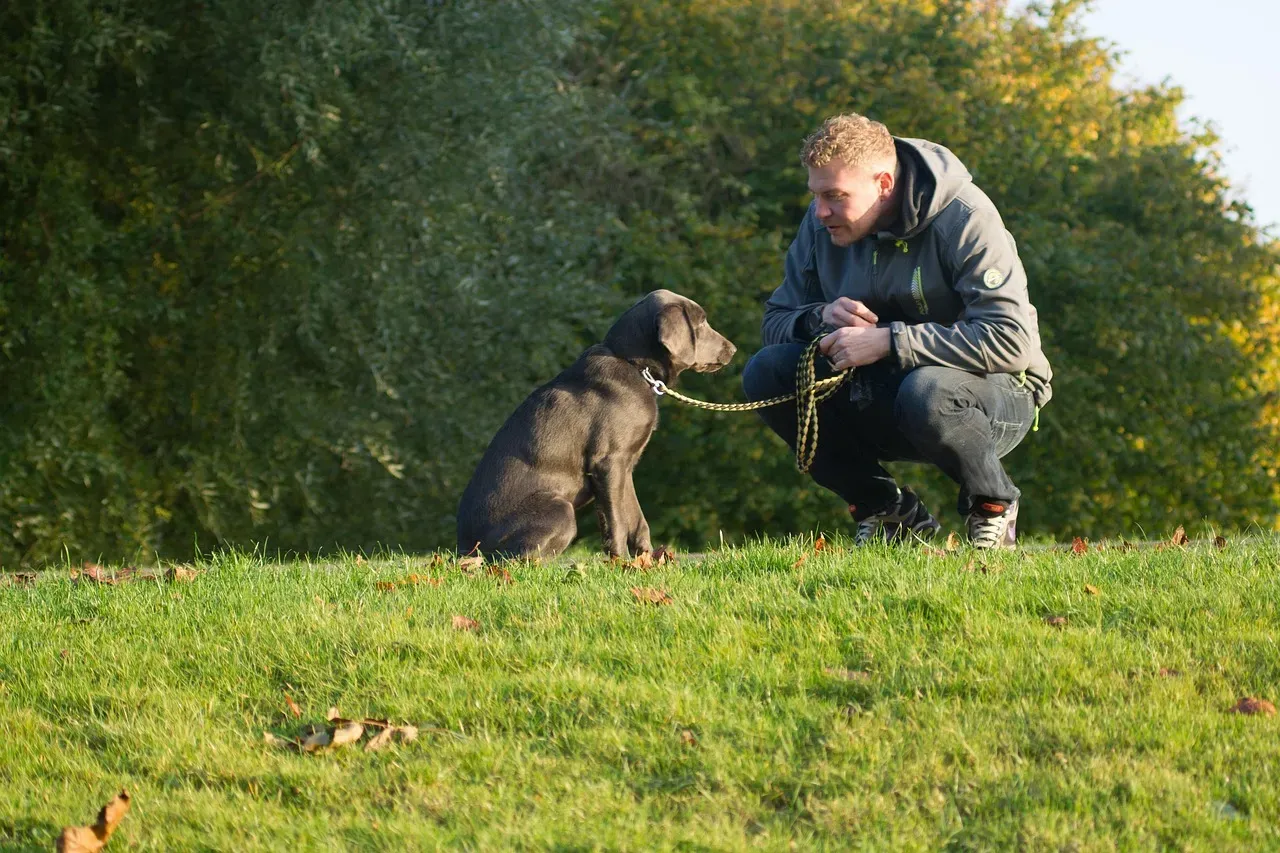
Yes, they got excited about meals and treats. Dogs associate their owners with happiness through mealtime, playtime, walks, and belly rubs, with the bond becoming stronger the more time you spend together. Yet what they really craved was you. The treat was nice; the fact that you gave it to them was what mattered.
Feeding them wasn’t just about nutrition. It was a ritual of care. They knew you were the reason they were safe, fed, warm. You were their provider in every sense.
The Nights They Slept Beside You Were the Best Nights
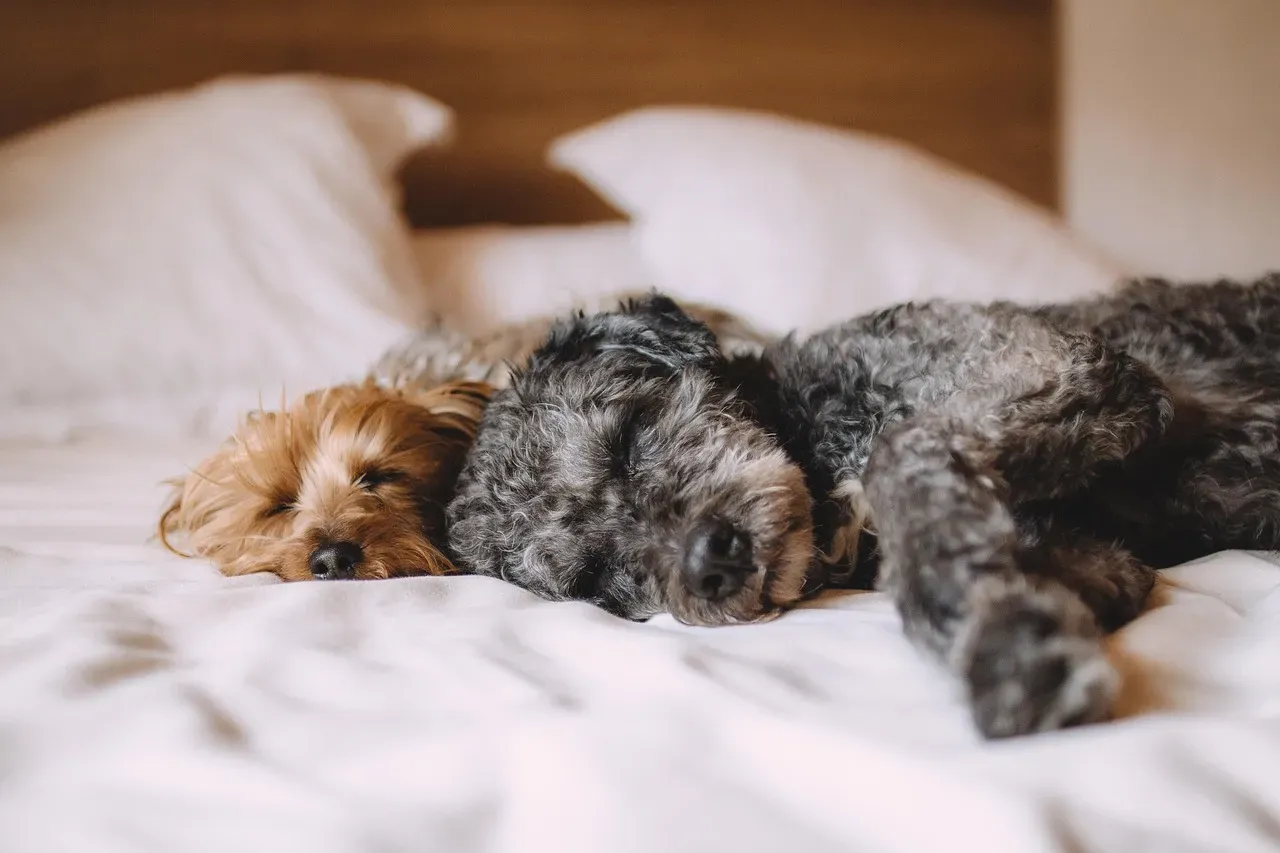
Dogs are social sleepers, and when your dog curls up next to you or at your feet, it’s a sign of trust and attachment, with a bonded dog even using your scent, breathing, and heartbeat to feel calm. Whether on the bed, at the foot of it, or pressed against your legs, those nights meant security to them. Warmth. Belonging.
If your dog sleeps with you, they see you as family, with sharing a bed demonstrating the canine’s desire to be close to their owner, reinforcing their sense of belonging and security. They weren’t just sleeping. They were守ing you. Staying close in case you needed them. That’s devotion you can’t teach.
They Never Stopped Hoping You’d Play One More Time
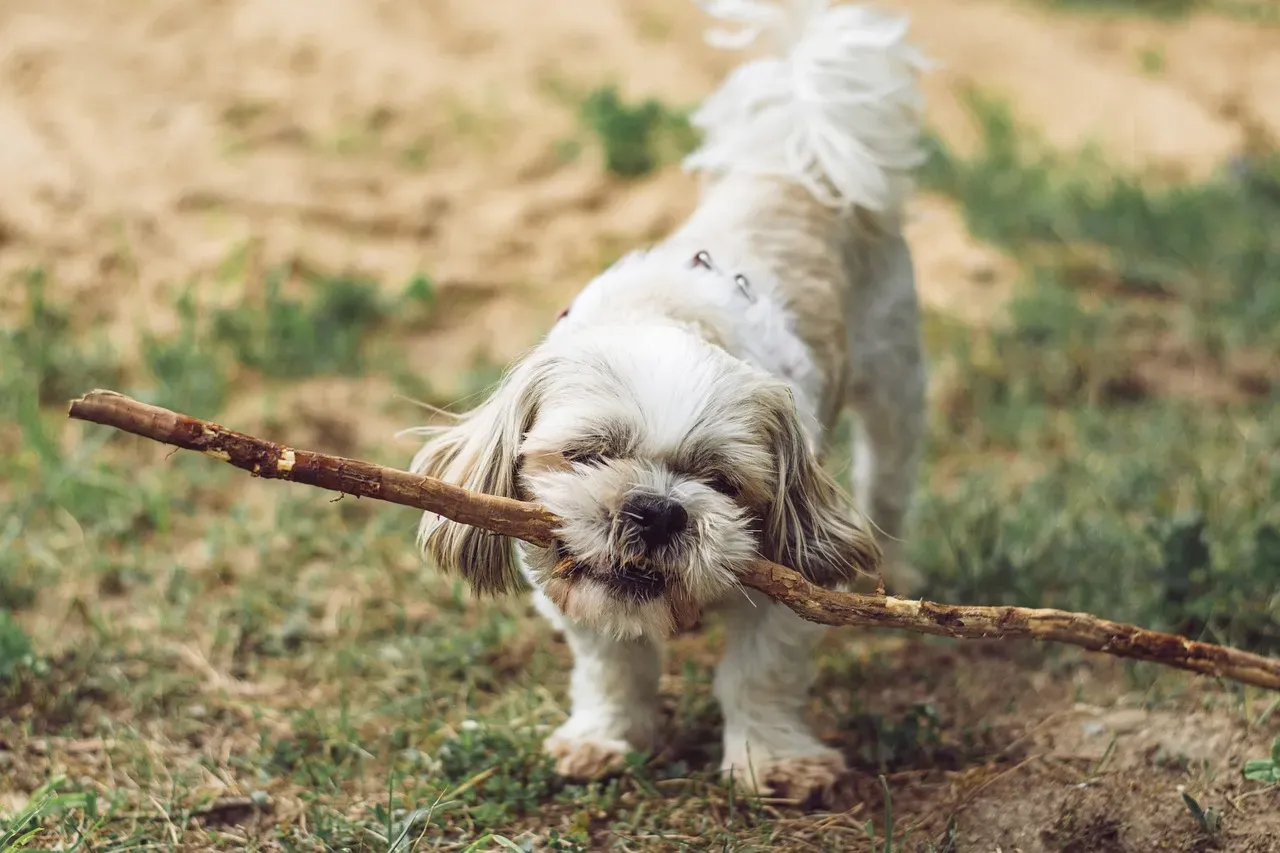
Even when their joints ached or they were too tired, if you picked up that ball or squeaky toy, their eyes lit up. Maybe they couldn’t play like they once did, yet the desire was still there. The hope that maybe, just maybe, there was one more game of fetch left in them.
That eagerness never fully disappeared. It’s one of the most bittersweet things about senior dogs. Their spirit stayed young even when their body couldn’t keep up.
They Trusted Your Decisions, Even the Hard Ones
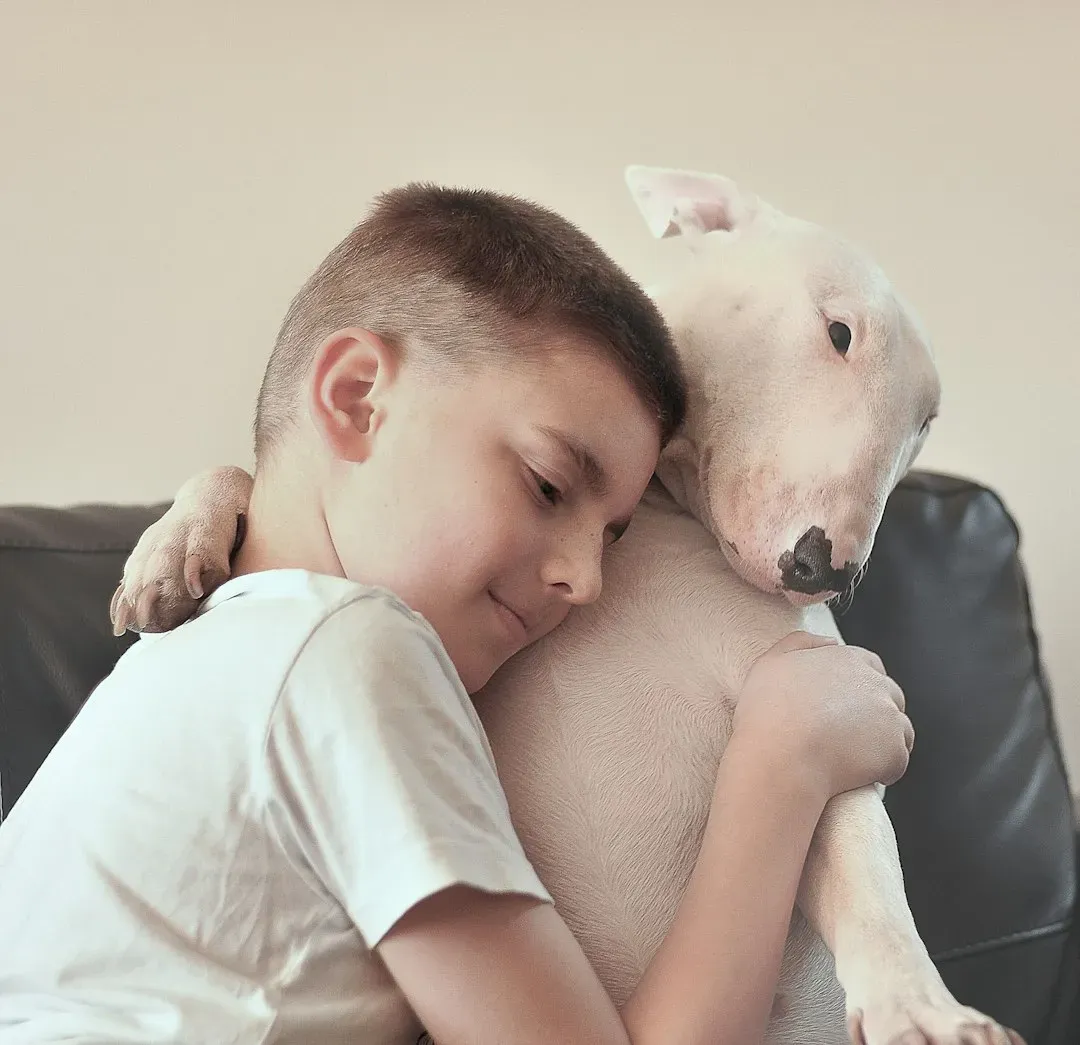
When the time came to say goodbye, whether at home or at the vet, they looked to you for reassurance. They didn’t understand what was happening, yet they trusted you. Since a dog may not understand death as something permanent, sometimes they will wait patiently, believing that the deceased will return.
You carried the weight of that final decision, and they never blamed you for it. They felt your hand, heard your voice, and that was enough. You gave them peace when they needed it most, even though it shattered you.
Your Love Gave Them a Beautiful Life
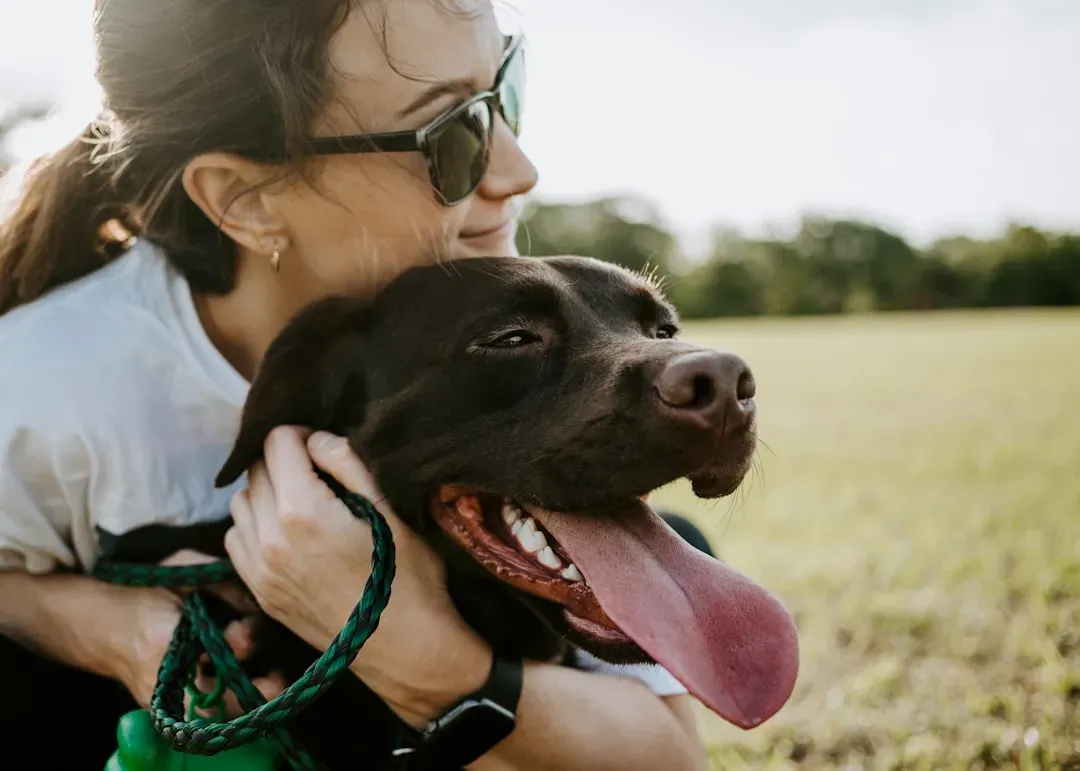
Dogs don’t measure their lives in years. They measure them in moments. In belly rubs and car rides. In the warmth of the sun and the comfort of your lap. Dogs may rely more on humans than they do on other dogs for companionship and affection.
Every choice you made for them, from the food in their bowl to the blanket on their bed, was an act of love. They lived a life full of it. That’s what they’d want you to remember most. Not the end, but everything that came before.
They’re Still With You in the Quiet Moments
You’ll catch yourself looking for them. In the morning when you wake up. In that spot by the window where they used to wait. The house feels emptier, the silence heavier. Yet here’s the thing. The bond you built doesn’t just vanish.
Interaction between dogs and owners stimulates secretion of oxytocin in both parties. The love is still there, woven into your routines, your memories, your heart. They’re not truly gone as long as you carry them with you. And you will. Always.
What matters most is that you showed up for them every single day. You were their whole world, and they were so grateful for it. When the grief feels crushing, hold onto that. You gave them everything they needed. A home. Safety. Love without conditions. That’s the legacy of every good dog owner. Did you ever imagine a simple wagging tail could teach us so much about being human?


