
25 Things Your Dog Understands About You That Might Surprise You
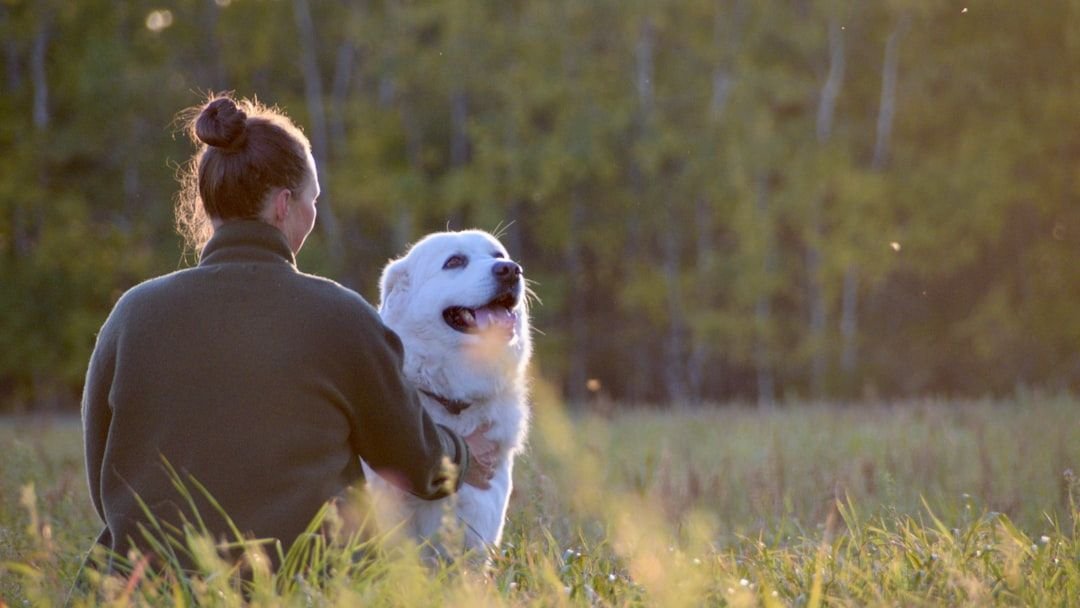
You’ve probably noticed the way your dog tilts their head when you’re upset, or how they seem to know it’s walk time before you even reach for the leash. Their ability to read us goes far deeper than we often realize. While we might think we’re the ones doing all the observing, the truth is your dog has been quietly studying you since the moment you met. They’ve become experts at decoding your moods, habits, and even your intentions in ways that science is only beginning to fully understand. What they perceive about us is both fascinating and humbling, revealing a connection that goes beyond simple companionship.
Let’s dive into the remarkable ways your dog truly gets you.
They Know When You’re Stressed Before You Do
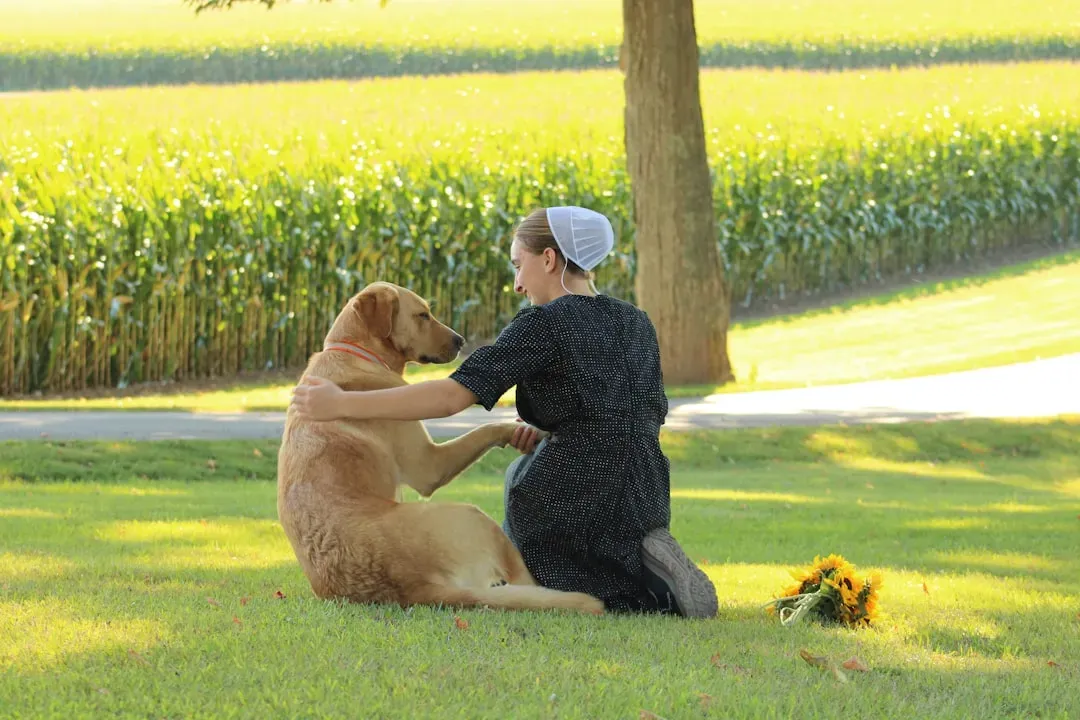
Dogs are currently being studied for their ability to respond to human stress through scent alone. Your heart rate quickens, your breathing changes slightly, and you start producing different chemical signals through your sweat and breath. Your dog picks up on these shifts well before you consciously recognize you’re anxious.
Think about how often your dog appears at your side during difficult moments. Their brains are attuned to emotional inflections in our voice much like humans process emotion. They’re not just being clingy. They’ve detected the physiological changes that accompany your stress and are responding to those signals in real time.
Your Facial Expressions Are Like a Book to Them

Dogs can recognize individual humans and distinguish between basic facial expressions such as anger or happiness just by facial features. When you smile, frown, or furrow your brow, your dog isn’t just seeing random muscle movements. They can identify happy or sad faces even when only seeing part of the face, isolating features like eyebrows and mouths.
Research has found that dogs have a dedicated region of the brain for processing human faces. This neural specialization helps explain why your dog seems to know exactly how you’re feeling just by looking at you. They’ve essentially evolved a superpower for reading human emotion through facial cues.
They Sense Your Intentions Through Body Language
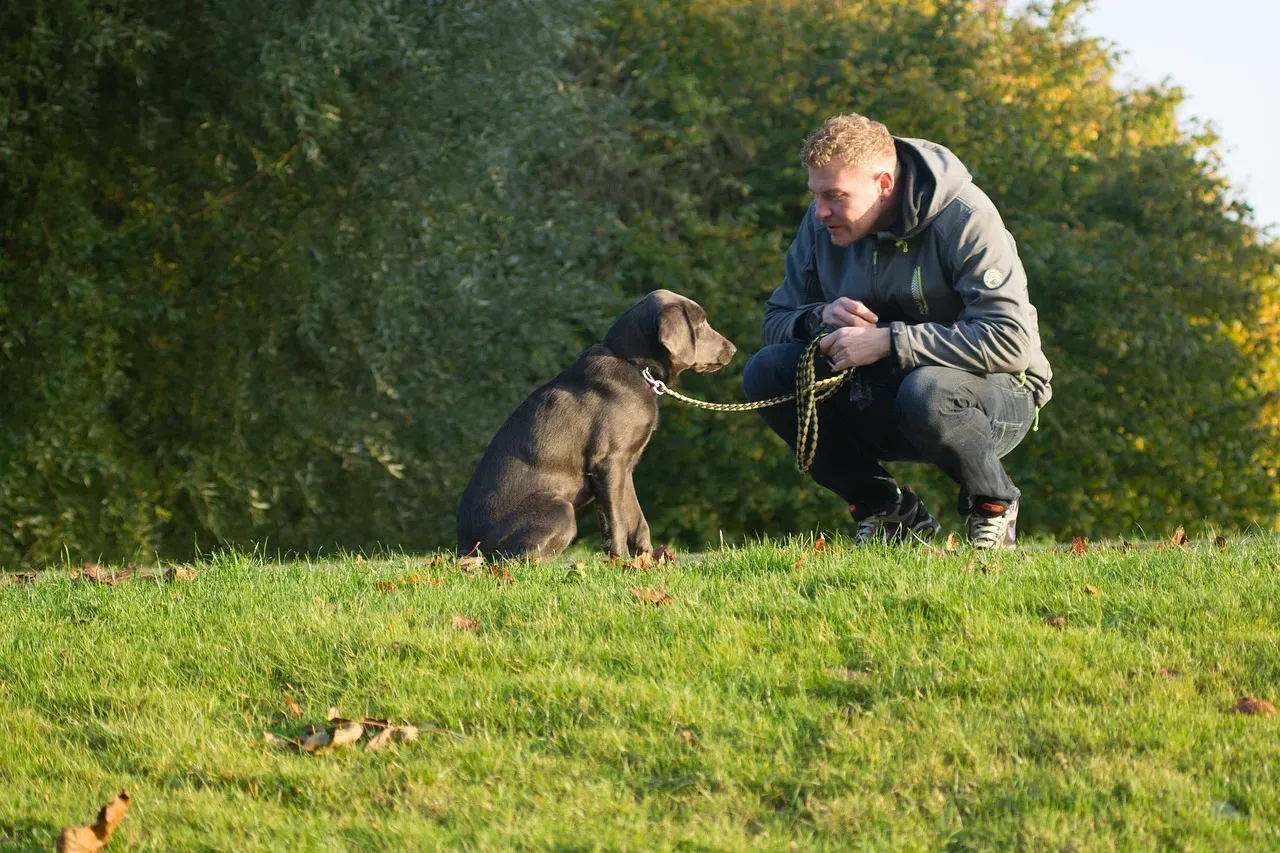
Your dog watches how you move constantly. Studies have shown dogs performed better at tests of social cognition when reading human body language cues than chimpanzees, and even initially scored better than human toddlers. That’s honestly remarkable when you think about it.
Dogs don’t need to understand every spoken word since only ten percent of what humans communicate is actually verbal, with ninety percent communicated through non-verbal posture, gestures, and facial expressions. They’ve learned to monitor these physical actions closely. When you shift your weight toward the door, they know you’re leaving. When you relax into the couch, they know it’s cuddle time.
They Can Tell When You’re About to Leave
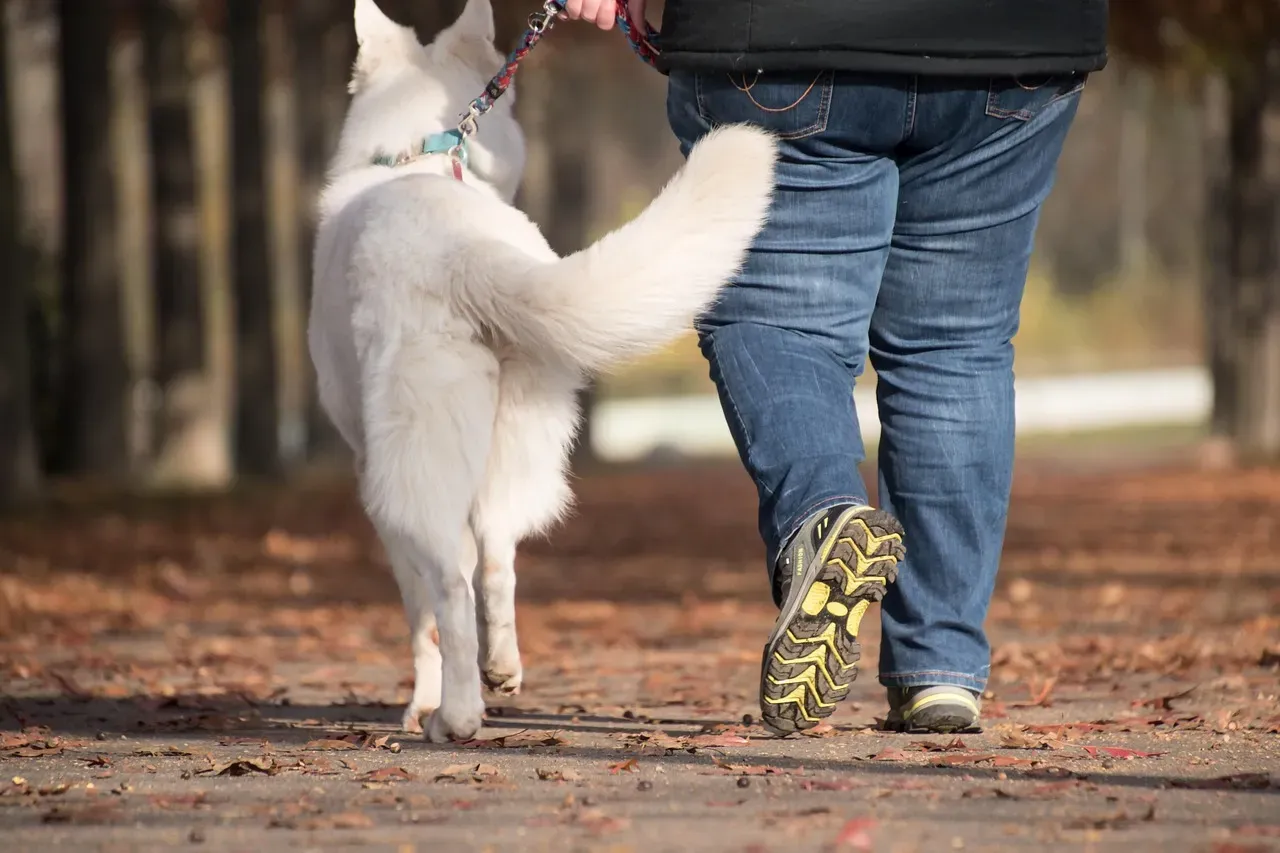
You might think you’re being sneaky, but your dog knows your departure routine inside and out. They’ve memorized the sequence of events that leads to you walking out that door. Picking up your keys, checking your phone, putting on shoes – each action is a clue.
Dogs are masters of pattern recognition. They notice which behaviors cluster together and what those patterns mean for them. That’s why some dogs start showing signs of separation anxiety before you’ve even grabbed your coat.
They Understand More Words Than You Think

Dogs have been shown to comprehend human language and gestures, and they’re capable of remembering. While the average dog might know a couple dozen commands, some exceptional dogs can learn hundreds of words. The difference often comes down to how much time we invest in teaching them.
Research using head-tilts found this behavior happens when dogs process meaningful external cues, such as the name of a toy they know. That adorable head tilt isn’t just cute – it’s your dog actively processing language and trying to understand what you want from them.
Your Emotional State Affects Their Behavior
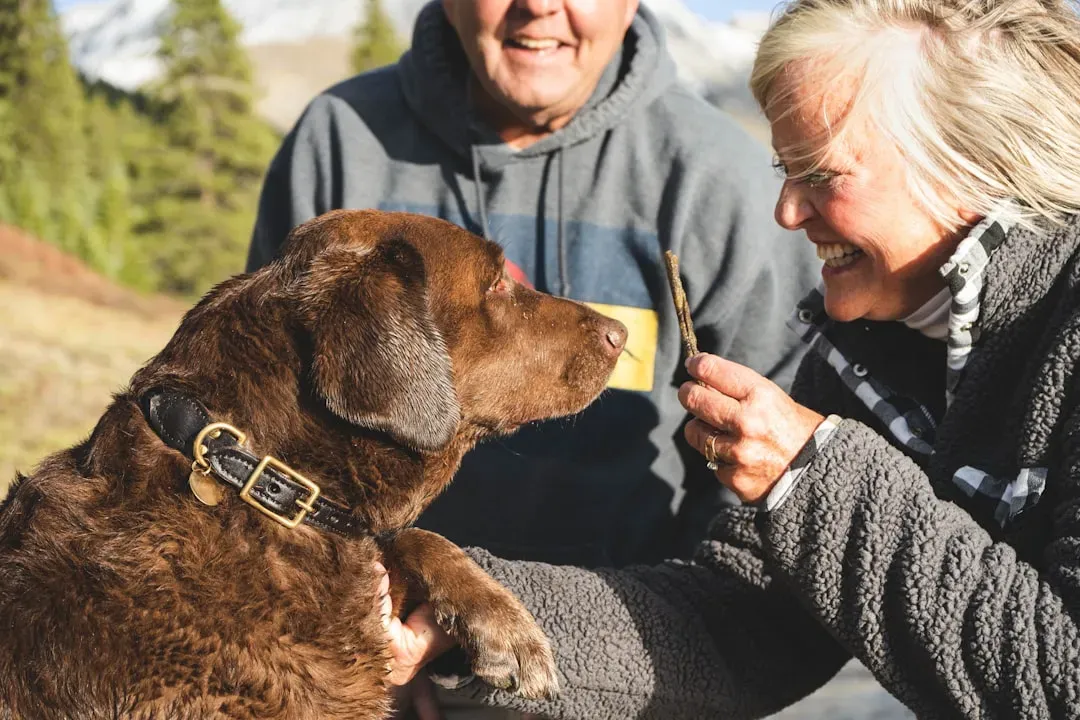
Researchers found dogs behaved differently depending on their owner’s emotion, performing better at a training task with a happy owner. When you’re upbeat and positive, your dog is more engaged and responsive. When you’re sad or upset, they may become more reserved or clingy.
Dogs can catch emotions through emotional contagion, a basic form of empathy where one individual mirrors another’s emotional state. This isn’t manipulation on their part. It’s an automatic response wired into their social brains through thousands of years of living alongside us.
They Know You’re Watching Them
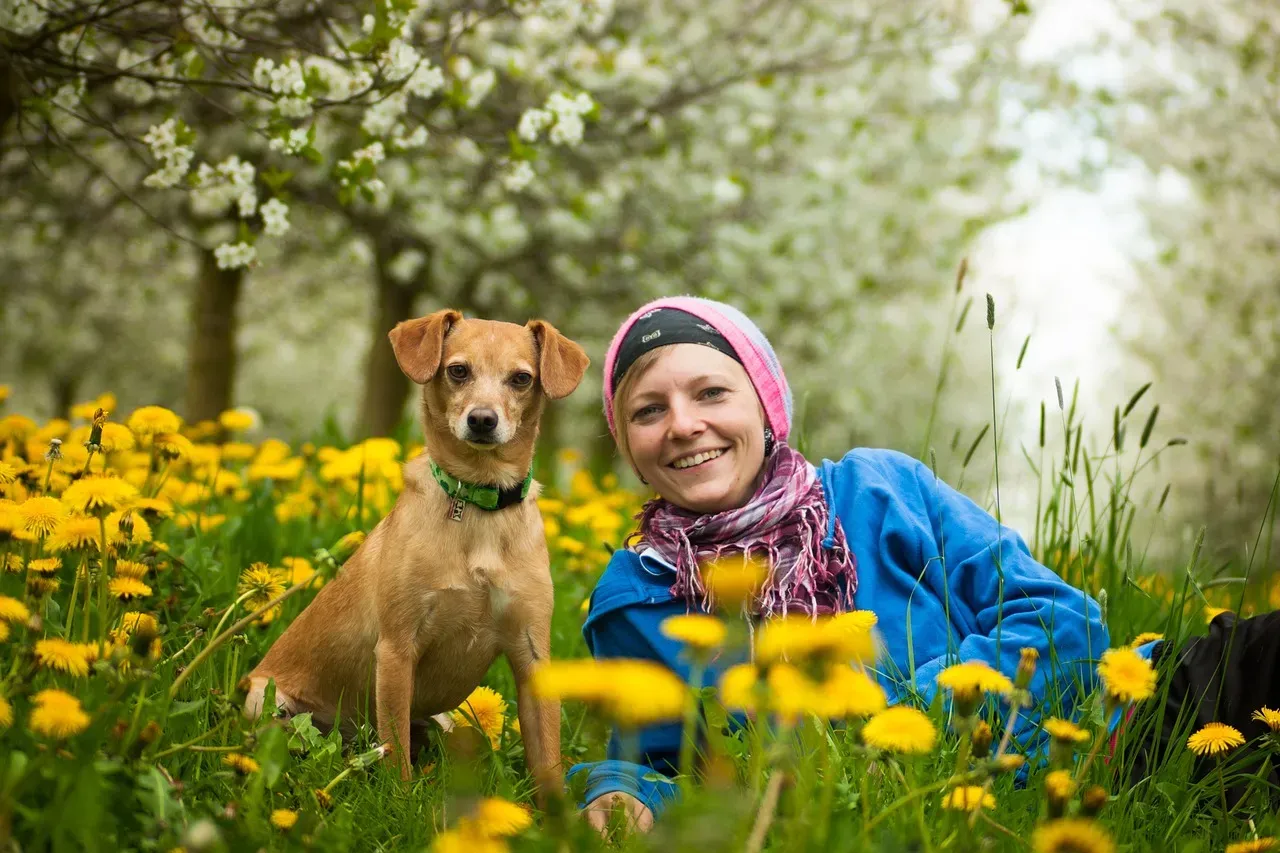
Dogs know when we’re watching and when we’re not, and they’re more likely to steal food when a person’s eyes are closed or their back is turned. Your dog isn’t just aware of your presence – they’re tracking your attention moment to moment.
Research at Portsmouth University found dogs produced far more facial expressions when a human was watching than when a human was not. Those puppy dog eyes? They’re being deployed strategically when your dog knows you can see them. Clever, right?
They Recognize Your Scent from Far Away
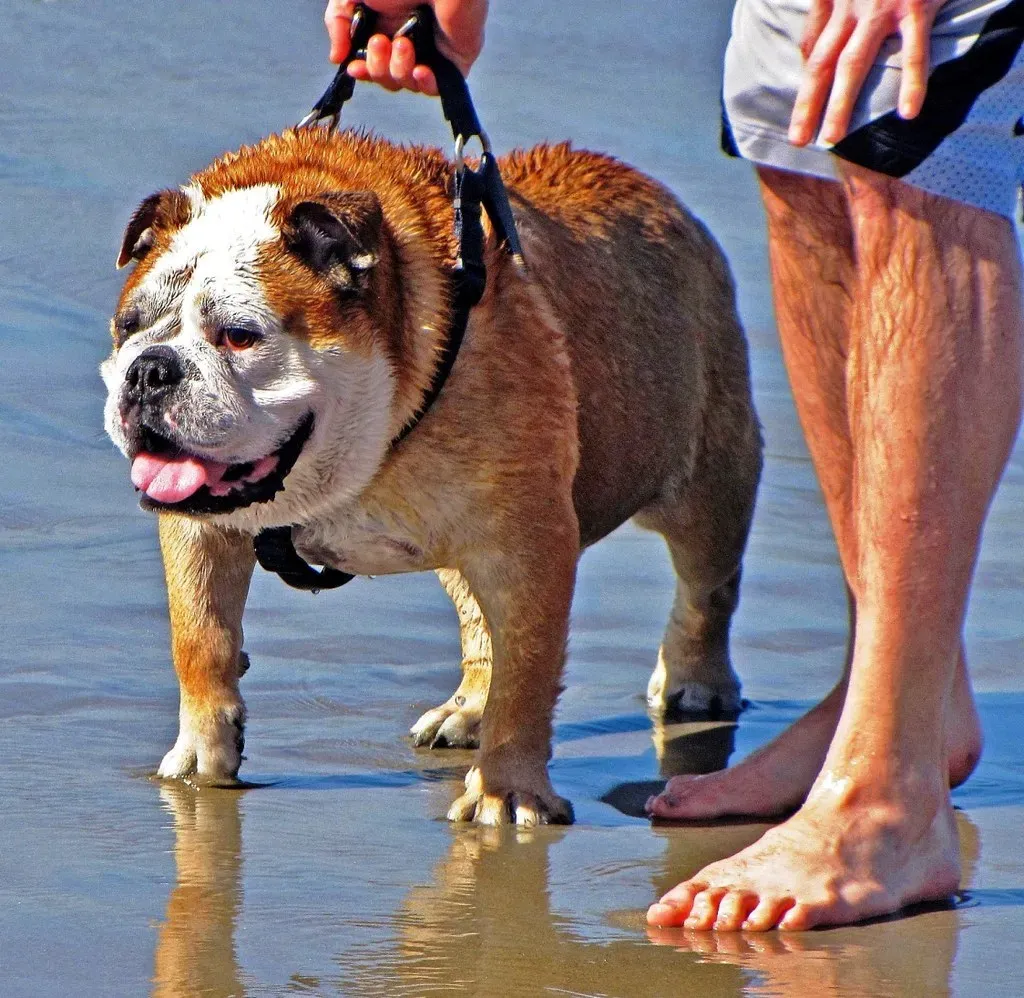
A dog’s sense of smell is roughly ten thousand times more sensitive than ours. When scientists exposed dogs to the scent of their owners while scanning their brains, it stimulated the reward center, suggesting just the smell of their humans makes them happy.
Your unique scent is like a signature to your dog. They can distinguish you from everyone else in a crowd, and they find comfort in your smell when you’re not around. This is why dogs often sleep on their owner’s clothing or pillow when left alone.
They Pick Up on Subtle Changes in Your Routine

Dogs are incredibly attuned to patterns and schedules. When your alarm goes off at a different time, when you skip your morning coffee, or when you come home later than usual, your dog notices. These deviations from routine can cause confusion or anxiety.
Many dog owners claim it’s their dog who has trained them to be fed and brought home at the same time every day. There’s truth to this. Dogs learn our habits and hold us accountable to them, sometimes more reliably than our own calendars.
They Understand When You’re Sick or Injured

When you’re under the weather, your body chemistry changes. You might be moving differently, breathing differently, or simply lying down more than usual. Your dog processes all these signals and recognizes something is off.
Many dogs become more protective or gentle when their humans are ill. They may stay closer than normal, rest their head on you, or simply keep watch. This isn’t coincidence – they genuinely perceive that you’re vulnerable and adjust their behavior accordingly.
They Know Which People You Like and Dislike
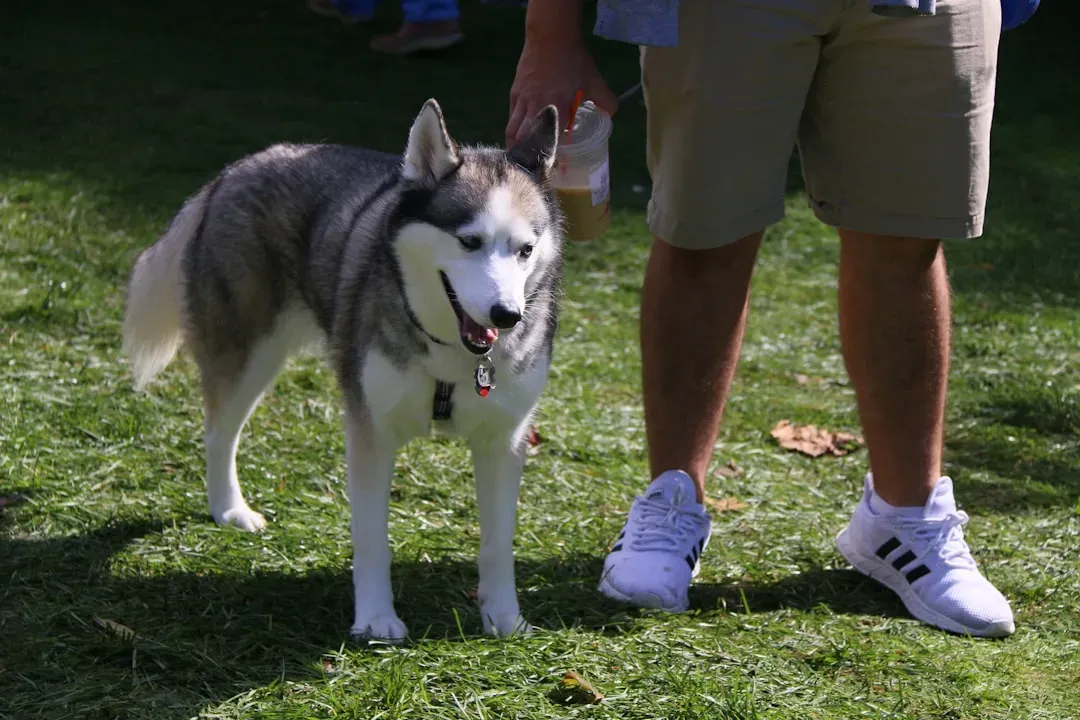
Dogs read human social cues to decide who to cooperate with, as shown in studies where they watched an experimenter interact with a helper and a non-helper. Dogs pay close attention to how others treat you and can form opinions based on those interactions.
If someone makes you tense or uncomfortable, your dog senses the shift in your body language and emotional state. They’re taking social cues from you about who is safe and who might be a threat. Your dog is essentially using you as a guide for navigating the social world.
They Can Tell Time Better Than You’d Expect

While dogs don’t understand clocks, they have an impressive internal sense of time. They know roughly when meals happen, when walks occur, and when you typically return home. This ability is tied to their circadian rhythms and learned patterns.
Ever had your dog start bugging you for dinner at the exact same time every evening? That’s not random. Their biological clock is reminding them – and you – that it’s feeding time. Honestly, they’re often more punctual about it than we are.
They Respond Differently to Your Voice Tone
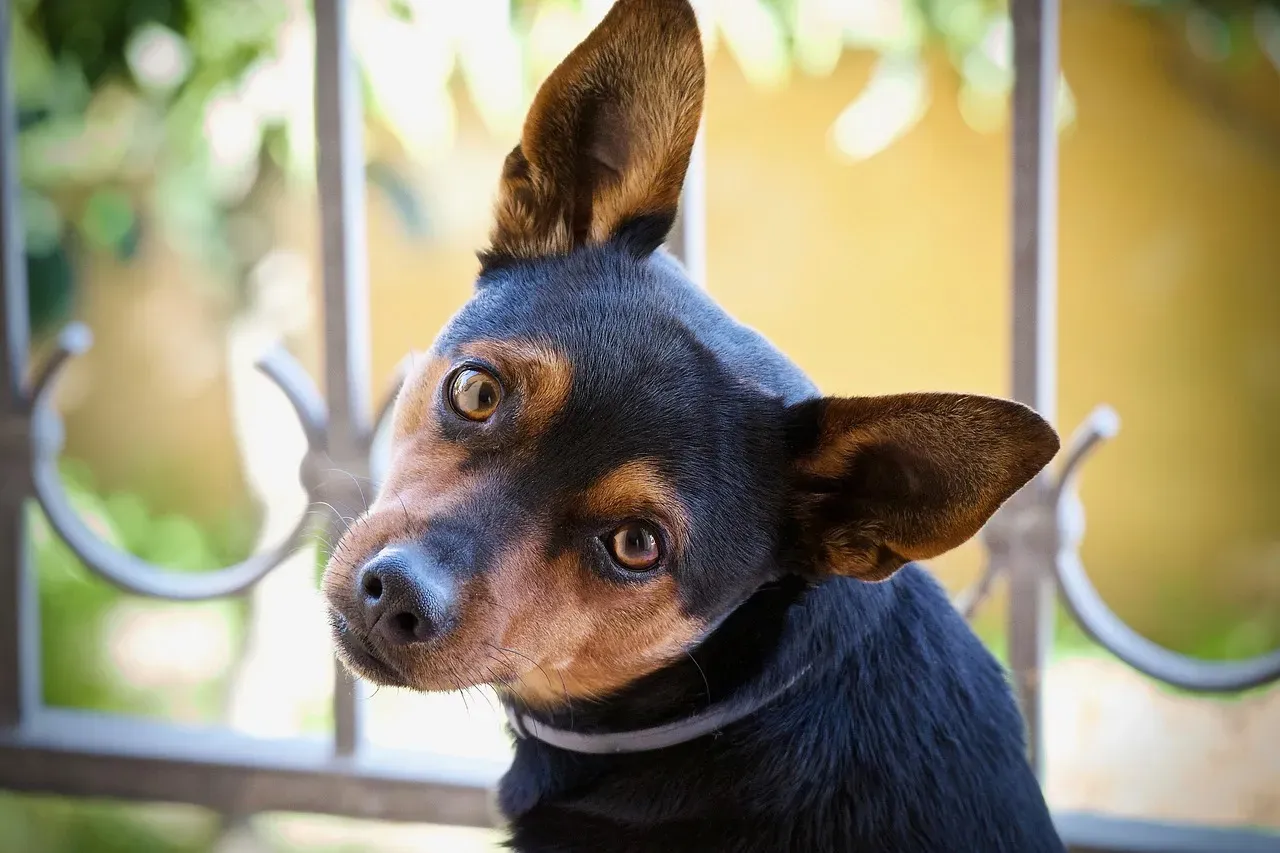
It’s not just what you say but how you say it. Dogs are incredibly sensitive to vocal tone, pitch, and rhythm. A high-pitched, excited voice signals playtime and fun. A low, stern voice indicates disapproval or seriousness.
Dogs possess the capacity to understand human emotions and their brains are attuned to emotional inflections in voice much the same way humans are. When you praise them enthusiastically, they feel it. When you’re frustrated, they hear that too, even if you’re trying to hide it.
They Understand Pointing and Gestures
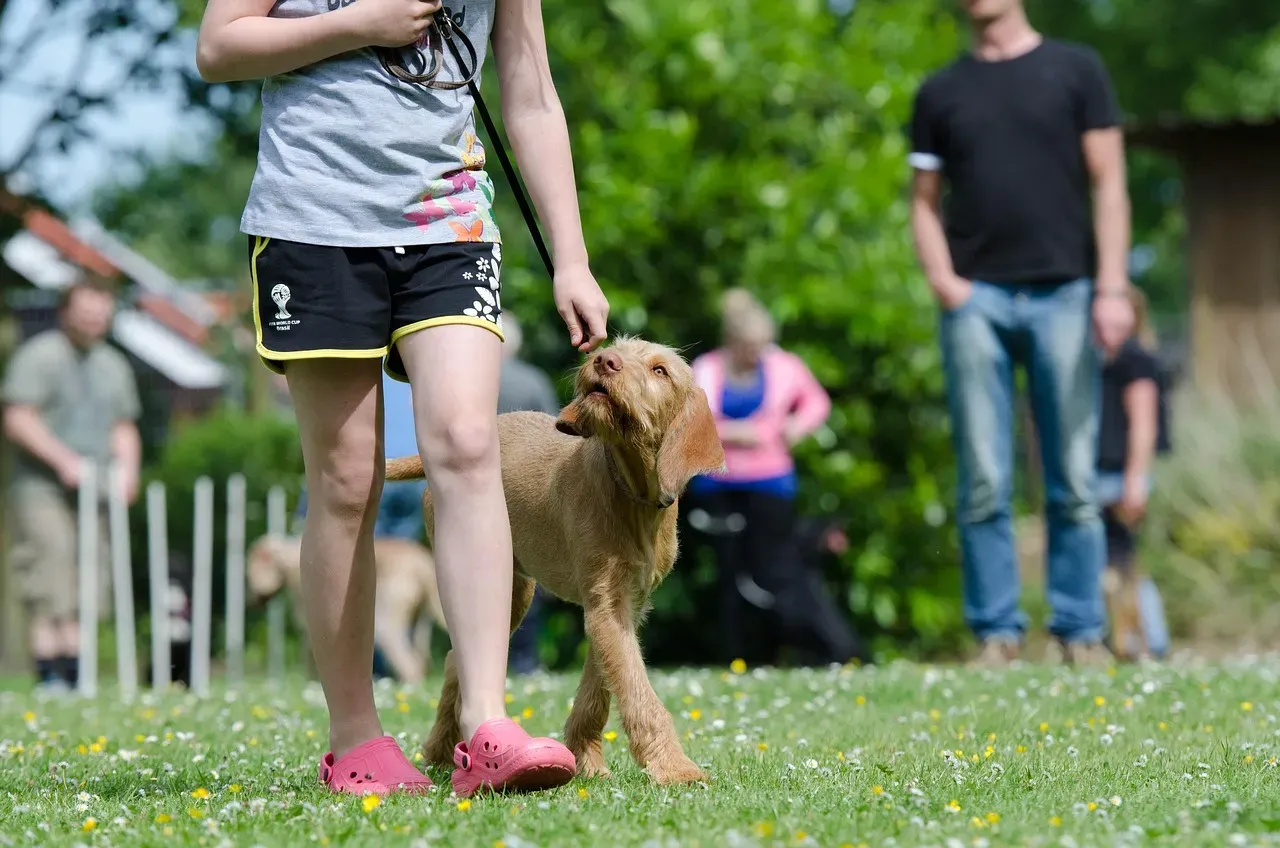
When we point at something, dogs can tell we’re attempting to communicate with them. This might seem simple, but it’s actually a sophisticated cognitive skill that even our closest primate relatives don’t always grasp as naturally as dogs do.
This ability likely developed through domestication. Dogs who could understand human gestures had better survival odds because they could cooperate with humans more effectively. Your dog’s ability to follow your pointed finger isn’t just learned – it’s been bred into them over generations.
They Know When You’re Paying Attention to Them
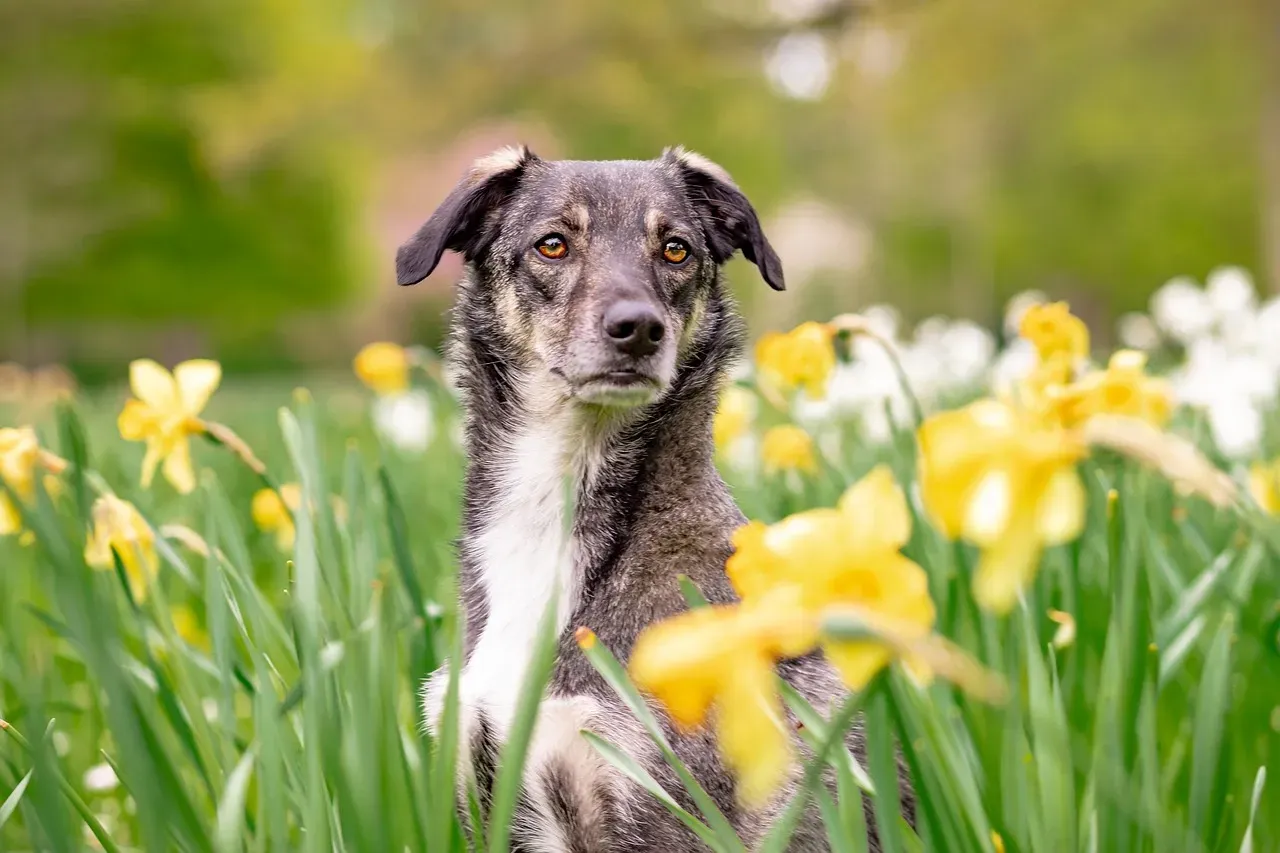
Dogs attend to human behavior far more than other species, even wolves raised by humans, and this close attention helps them glean substantial information from our behavior. They’re watching for signs that you’re available for interaction or focused elsewhere.
Research shows dogs synchronize their behavior with both children and adults and produce significantly more facial movements when a human is paying attention to them. Your dog modifies their behavior based on whether they have your attention, which shows a sophisticated understanding of joint attention.
They Sense Your Fear and Anxiety

When you’re afraid, your body releases adrenaline and cortisol, changing your scent and behavior. Your breathing becomes shallow, your movements more tentative. Dogs are extraordinarily good at detecting these changes.
While dogs behave differently based on their owner’s emotions, they seem to keep distance when owners are sad and don’t appear to exhibit more helpful behaviors. Their response isn’t always what we expect – sometimes they give us space rather than offering comfort, which may reflect their own uncertainty about how to help.
They Understand Fairness and Inequality
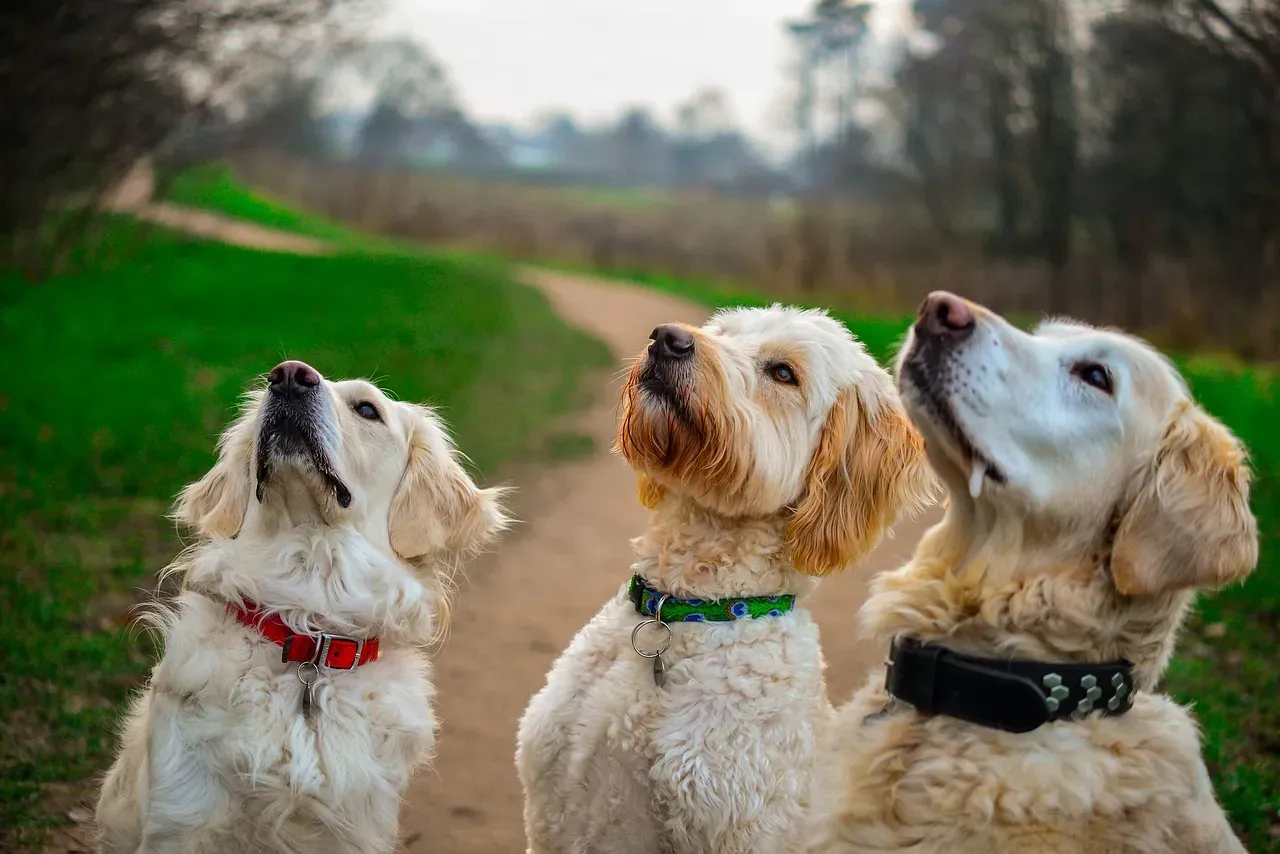
Dogs have a sense of fairness that becomes apparent when treats are distributed unevenly. If one dog gets a reward for a trick and another doesn’t, the unrewarded dog will often show signs of frustration or stop participating.
This understanding of equity suggests dogs have social expectations about how resources should be shared. They’re not just food-motivated machines – they’re socially aware creatures who notice when things don’t seem fair within their pack.
They Can Distinguish Between Intentional and Accidental Actions
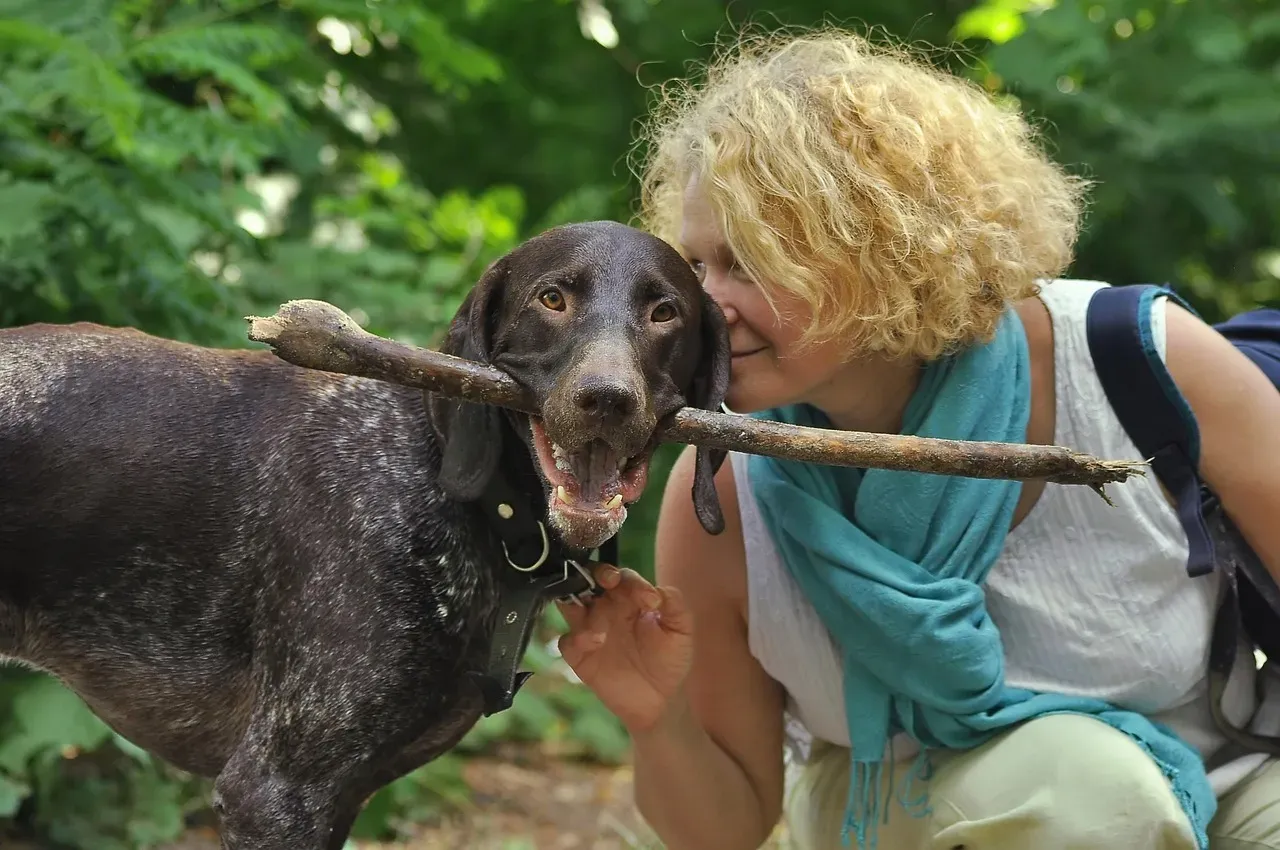
Dogs can tell if one bowl has more food than another. They’re able to make comparisons and understand quantities. Similarly, research suggests dogs can distinguish whether you dropped food accidentally or withheld it on purpose.
This ability to read intention shows a deeper level of social cognition. Your dog isn’t just reacting to outcomes – they’re trying to understand your motivations and whether you meant to do something or it happened by chance.
They Know Your Daily Habits Inside and Out
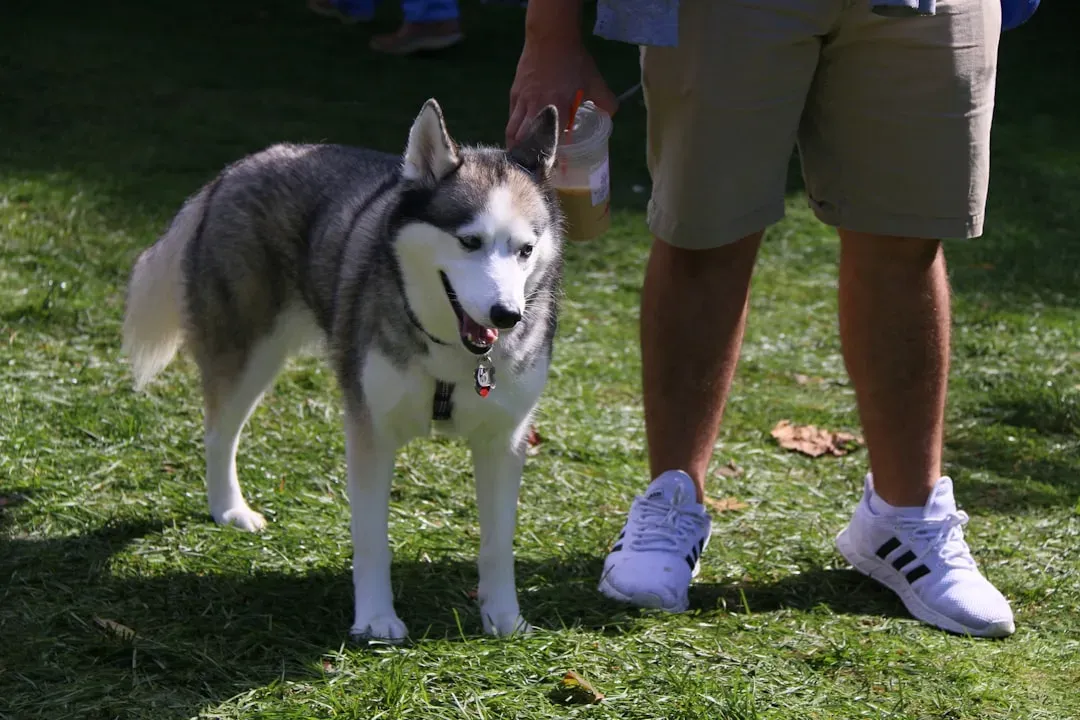
From which mug you use for morning coffee to which chair you prefer for reading, your dog has catalogued your habits with remarkable detail. They know the sounds of your car, your footsteps, even how you move through rooms at different times of day.
This encyclopedic knowledge of your routine helps them predict what comes next. It’s also why changes in your behavior stand out so dramatically to them. You’re their entire world, so naturally, they’ve become experts on everything about you.
They Understand When You’re Ignoring Them
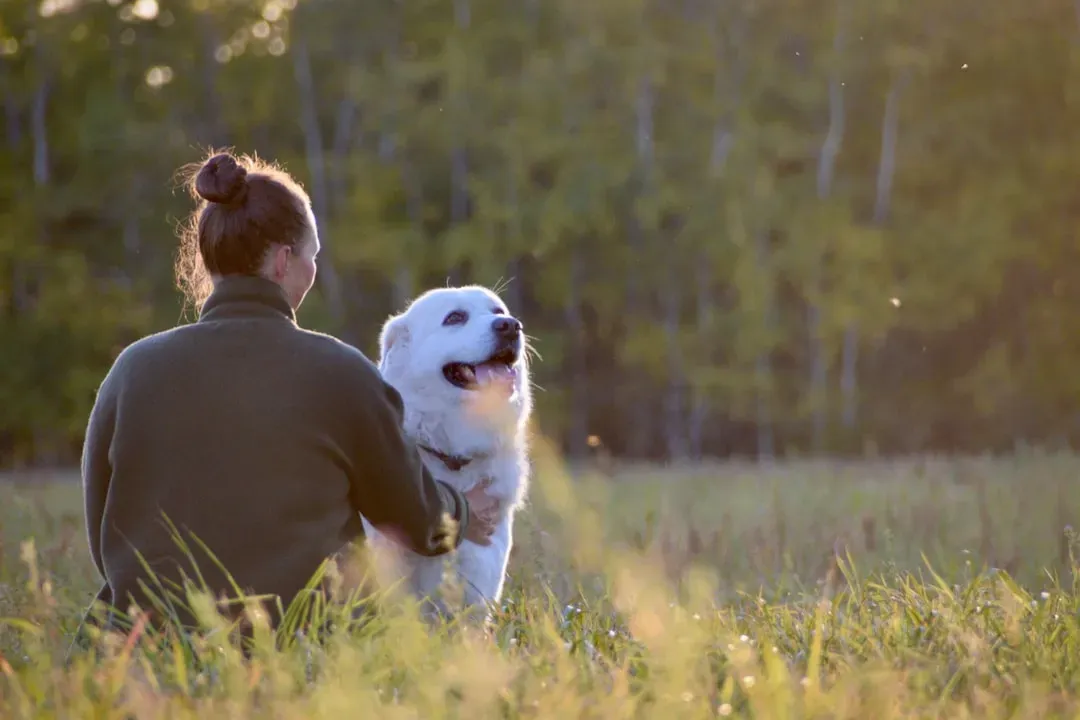
When dogs feel stressed, they’ll pointedly look away and avoid eye contact, but people often interpret this as their dog ignoring them or being stubborn when the dog is expressing discomfort. The interesting thing is, dogs also recognize when we’re deliberately not engaging with them.
Try giving your dog the silent treatment sometime. They’ll escalate their attention-seeking behaviors because they know you’re choosing not to respond. They understand the difference between you being busy and you actively ignoring them, which shows they have a theory of mind about your mental states.
They Pick Up on Your Sleep Patterns
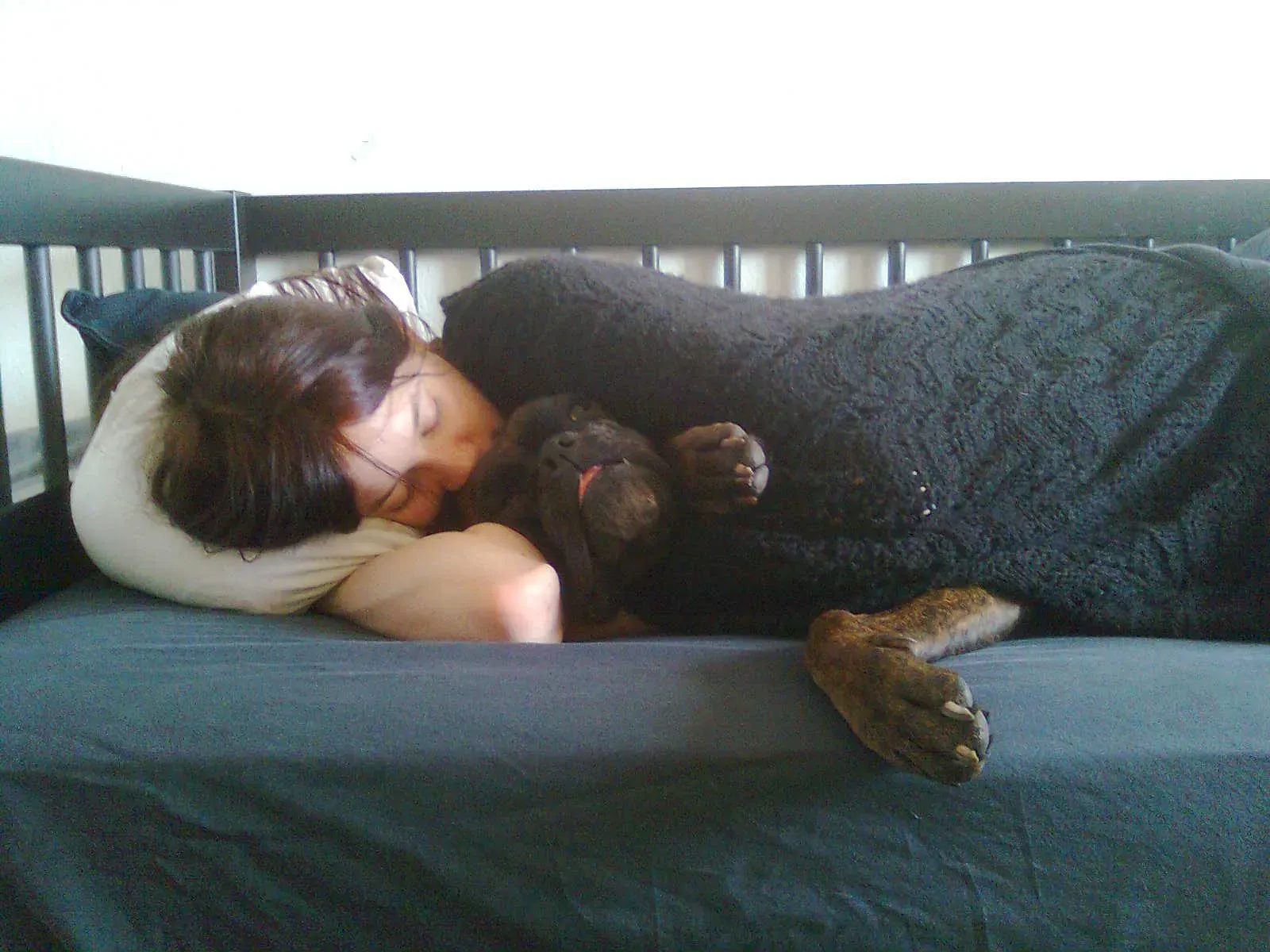
When dogs and children interact, oxytocin levels rise in both parties. This bonding hormone affects sleep cycles and emotional regulation. Your dog learns when you typically sleep and often adjusts their own rest schedule to match yours.
Many dogs will settle down when their humans go to bed, even if they’re not particularly tired. They’ve learned that nighttime is quiet time, and they respect that boundary. Of course, some also take advantage of your sleep to explore forbidden territories or steal snacks.
They Understand Social Hierarchies in Your Home
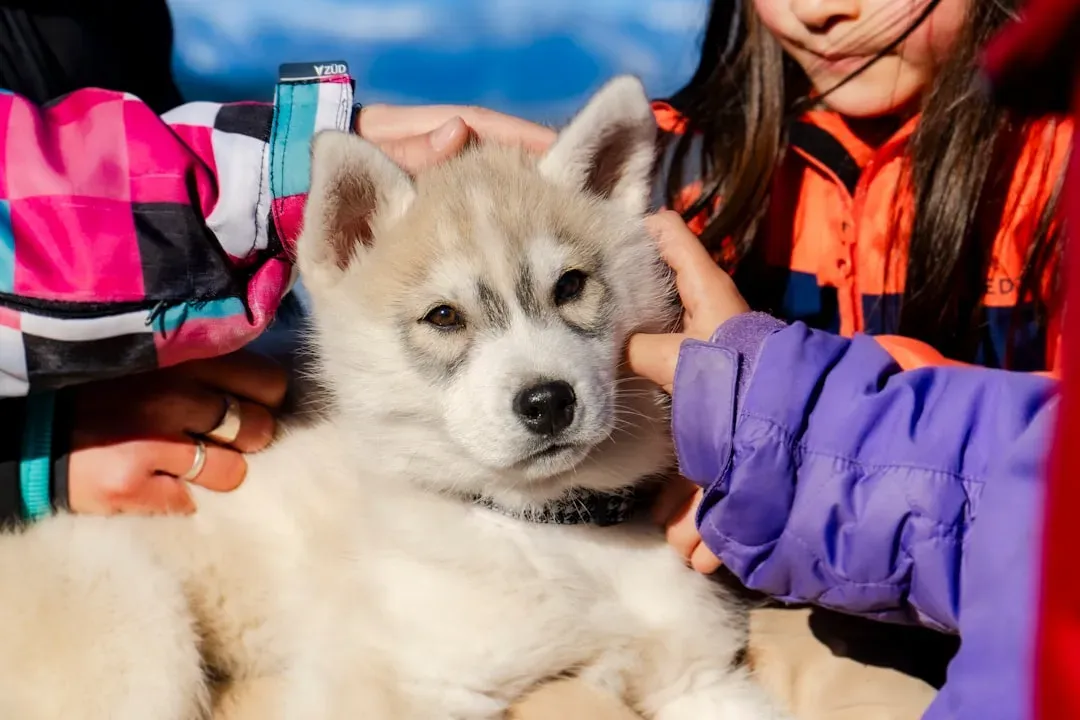
Familiar voices command dog attention, and they’re skilled at determining whether someone is a friend or adversary. Within your household, your dog has figured out who makes the rules, who gives the most treats, and who’s the softest touch for extra attention.
They navigate family dynamics with surprising sophistication. Dogs often behave differently with different family members because they’ve learned each person has different expectations and boundaries. They’re not being manipulative – they’re being adaptable.
They Know When Something Doesn’t Belong
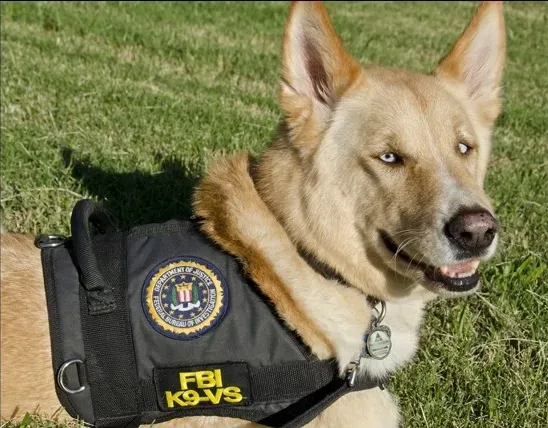
Dogs have excellent memory for their environment. When something new appears in your home or something familiar is missing, they notice. That new piece of furniture, the suitcase by the door, or the absence of a family member – none of it escapes their attention.
This vigilance is part of their protective instinct but also reflects their cognitive mapping abilities. They maintain a mental model of what their territory should look and smell like, and deviations trigger investigation.
They Understand Your Relationship with Other Pets
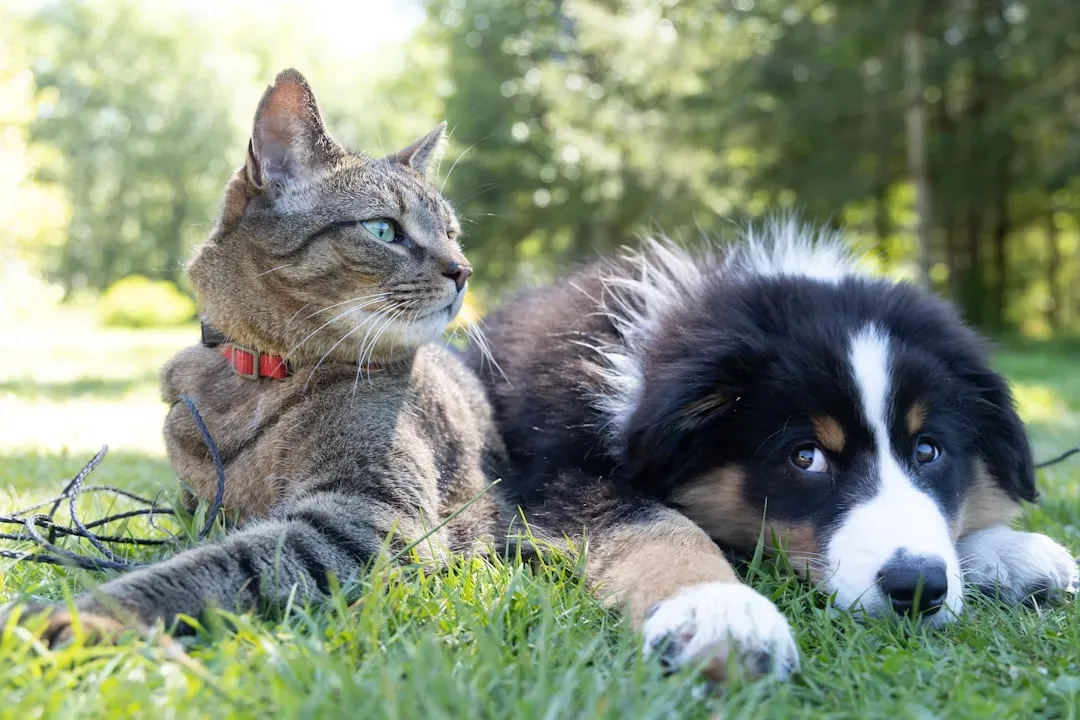
If you have multiple pets, your dog has observed how you interact with each one. They notice if you give more attention to the cat, if you’re gentler with the puppy, or if you play differently with each dog.
Dogs are social animals who form attachments with people and other animals, but they don’t form attachments to everyone they interact with, including other pets in the home. They’re selective about their bonds, and they’re definitely keeping score of how affection is distributed.
They Respond to Your Energy Level
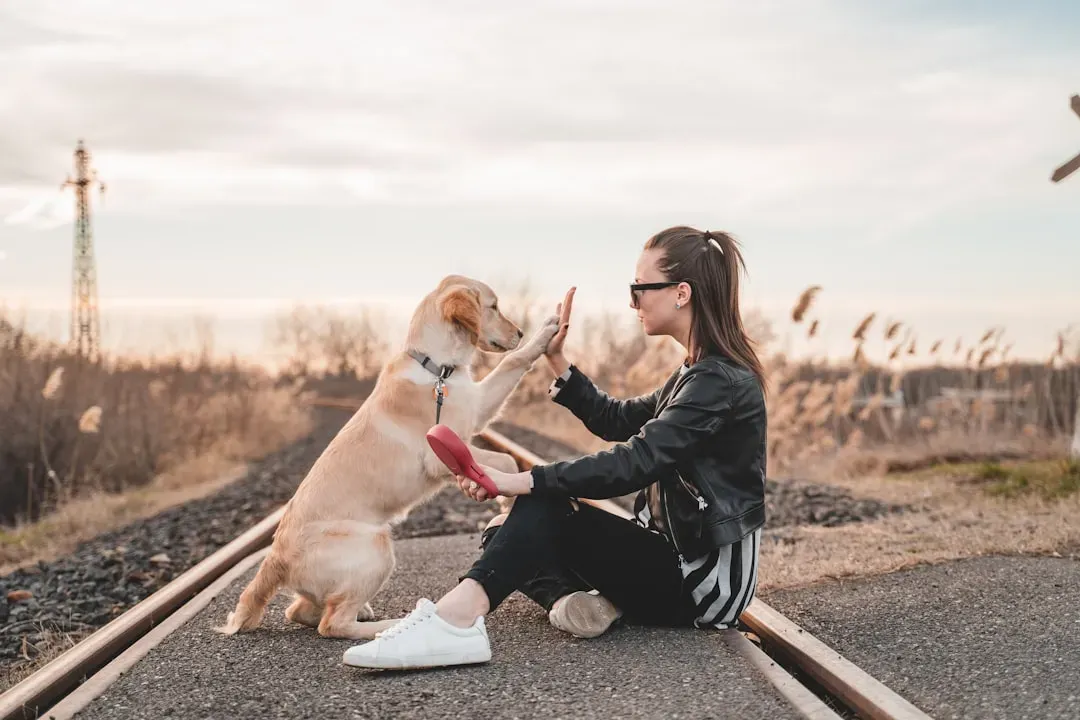
When you’re energized and playful, your dog mirrors that excitement. When you’re exhausted and just want to relax, most dogs will dial down their energy too. Dogs perceive differences in human emotion and behave differently depending on their owner’s emotional state.
This emotional synchronization strengthens your bond and makes living together more harmonious. Your dog isn’t just coexisting with you – they’re actively trying to match their energy to yours, creating a more compatible dynamic.
They Know You Love Them
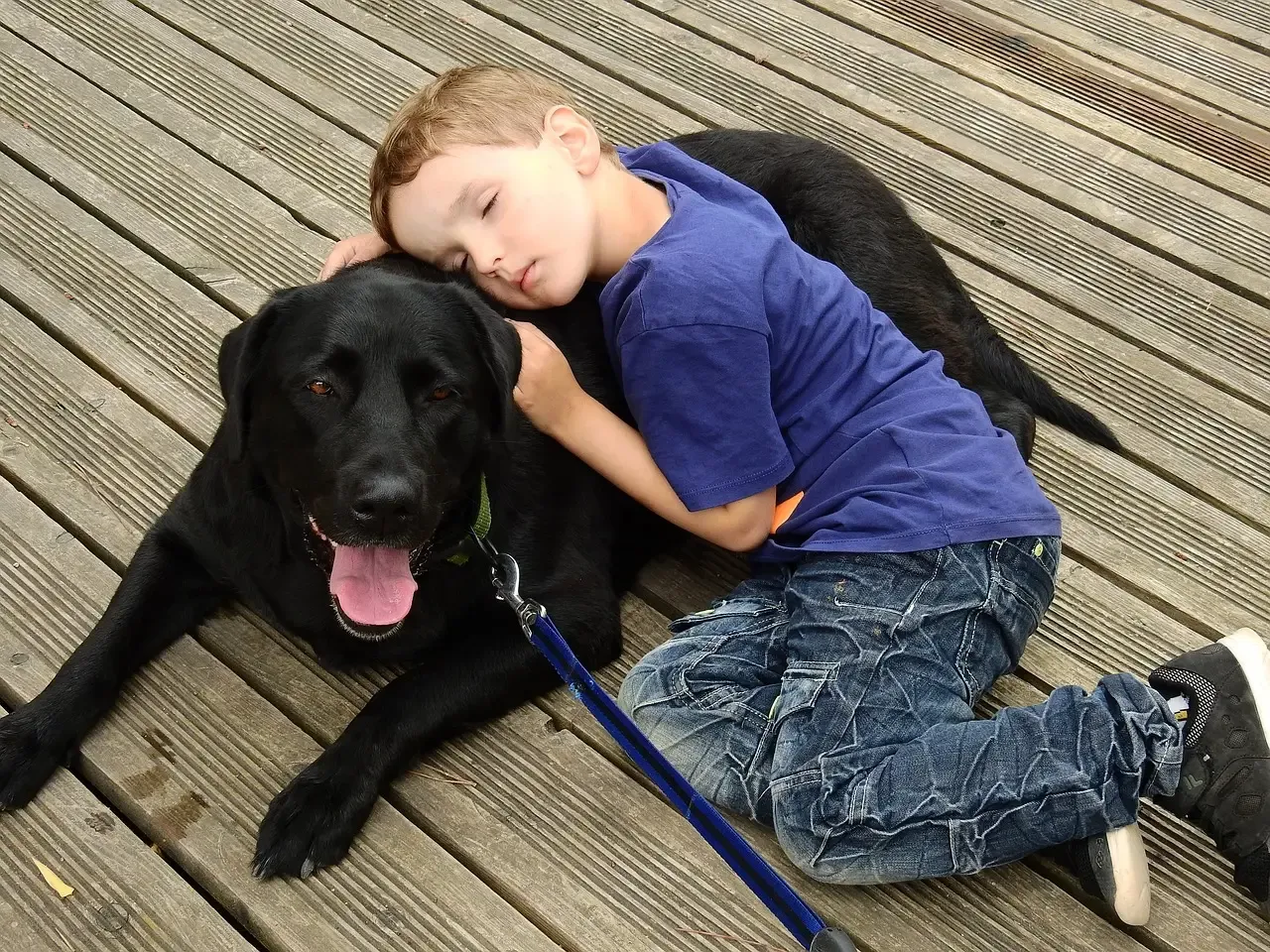
Seeing a familiar human face activates a dog’s reward centers and emotional centers. When you look at your dog with affection, speak to them lovingly, and show them physical affection, they understand what it means. The feeling is mutual – science confirms it.
Thousands of years living as human companions have fine-tuned brain pathways in dogs for reading human social signals, with dog brains potentially uniquely optimized to love and understand humans. The bond you share isn’t one-sided or imaginary. Your dog genuinely comprehends that they’re loved and valued, and they return that feeling in their own wonderful way.
Conclusion
The relationship between humans and dogs is built on layers of understanding that run deeper than commands and treats. Your dog has been quietly observing, learning, and adapting to you in ways that reveal remarkable cognitive abilities and emotional intelligence. Our dogs are smart, they understand us, they respond to our requests.
Every glance, every tail wag, every quiet moment of companionship is part of an ongoing conversation between you and your dog. They see you more clearly than you might realize, and that understanding forms the foundation of one of the most rewarding relationships you’ll ever have. What surprises you most about what your dog knows about you? We’d love to hear your stories in the comments.