
You’ve probably noticed it before. A sudden pause mid-walk, a head tilting at a familiar sound, or the way your dog’s entire face lights up when they catch a scent from years ago. It’s almost like they’re transported back in time, reliving something we’ve completely forgotten. Dogs don’t experience memory quite the way we do, and honestly, that’s what makes their version so much more fascinating.
We humans tend to file away memories like photographs in an album, recalling exact details on command. Dogs work differently. Their world is painted in emotions, scents, sounds, and sensations that linger far longer than we realize. Their memory links scents and voices to comfort, love, happiness, and food, creating associations that can endure for years. So let’s dive into the remarkable, sometimes heartbreaking, always beautiful things your dog remembers long after you’ve moved on.
Your Unique Scent Stays with Them Forever
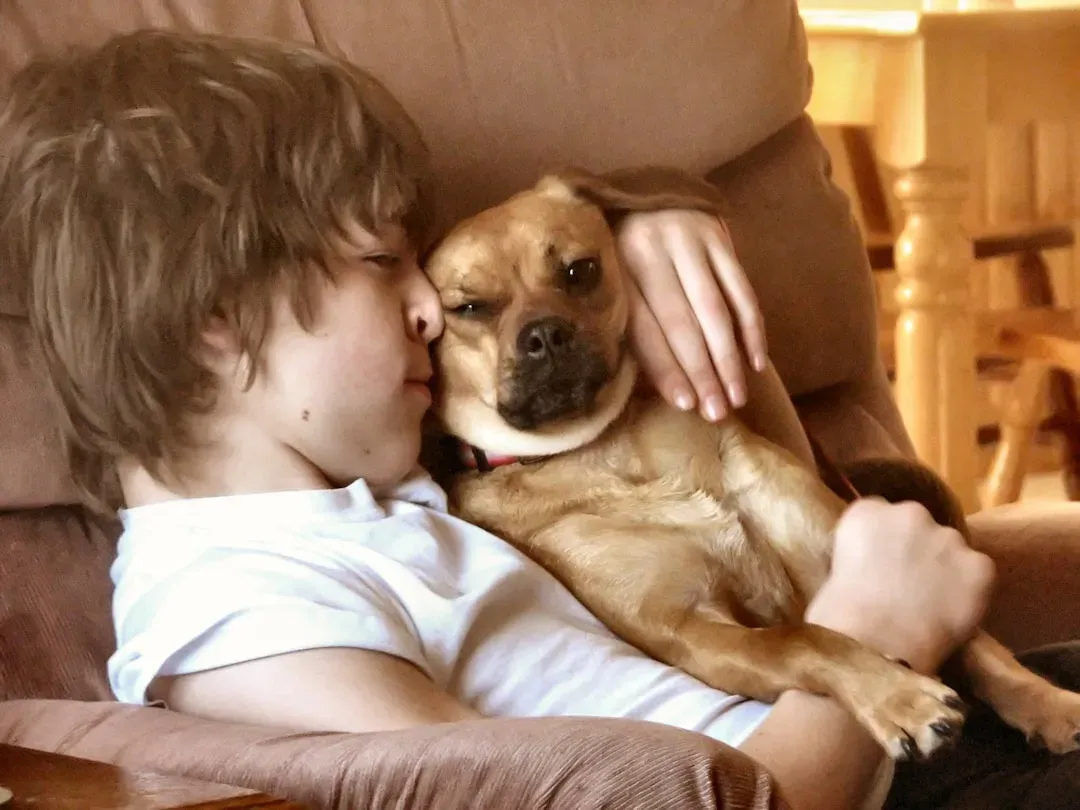
Let’s be real, your dog knows exactly how you smell. Not in a weird way, but in the most profound, loyal way imaginable. Dogs have a sense of smell estimated to be between 10,000 to 100,000 times more sensitive than humans, allowing them to form strong scent associations with individuals. When you hug your dog, handle their toys, or even just walk past them, you’re leaving an invisible signature they’ll never forget.
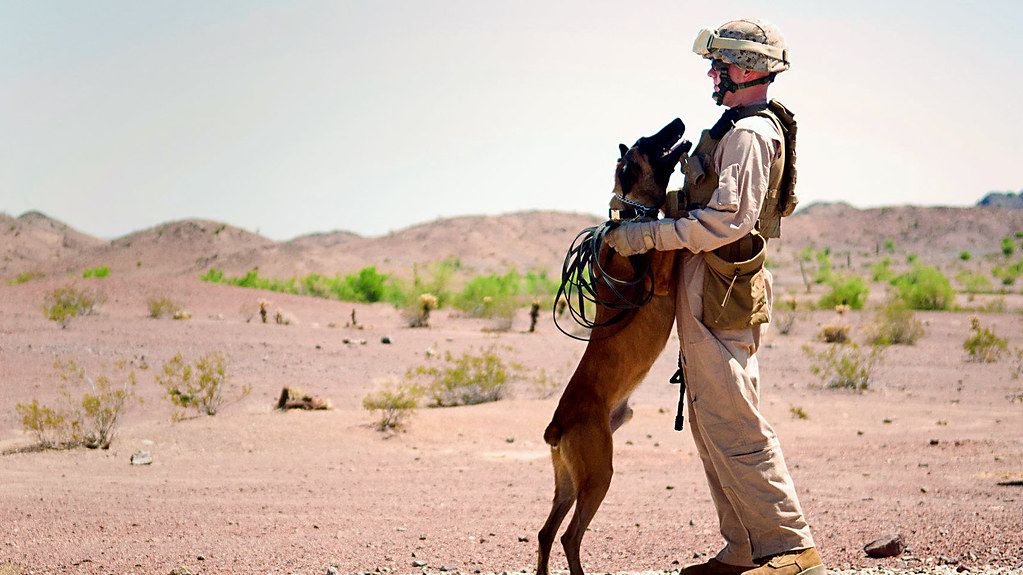
Dogs remember their owner’s scent forever, meaning even if life pulls you apart for years, that olfactory imprint remains. Think about reunion videos where dogs see their owners after military deployment. The recognition is instant, primal, joyful. Your scent is their anchor to you.
The Sound of Your Footsteps Coming Home
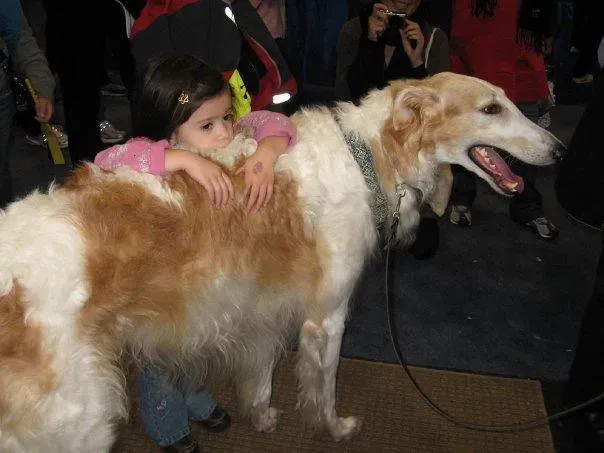
Ever wonder how your dog knows you’re home before you even open the door? It’s not magic. Dogs have an extraordinary ability to recognize the unique rhythm and sound of your footsteps. Whether you’re wearing boots or sneakers, walking quickly or slowly, your dog has memorized the acoustic pattern of your approach.
They don’t just hear footsteps. They hear YOUR footsteps. This auditory memory is tied to positive emotions like excitement, safety, and love. Dogs associate certain times of the day with certain events, such as understanding they get a long walk outside as soon as you get home from work at the same time every weekday. That’s why they’re already waiting at the door, tail wagging, heart full.
The Face of Their First Family
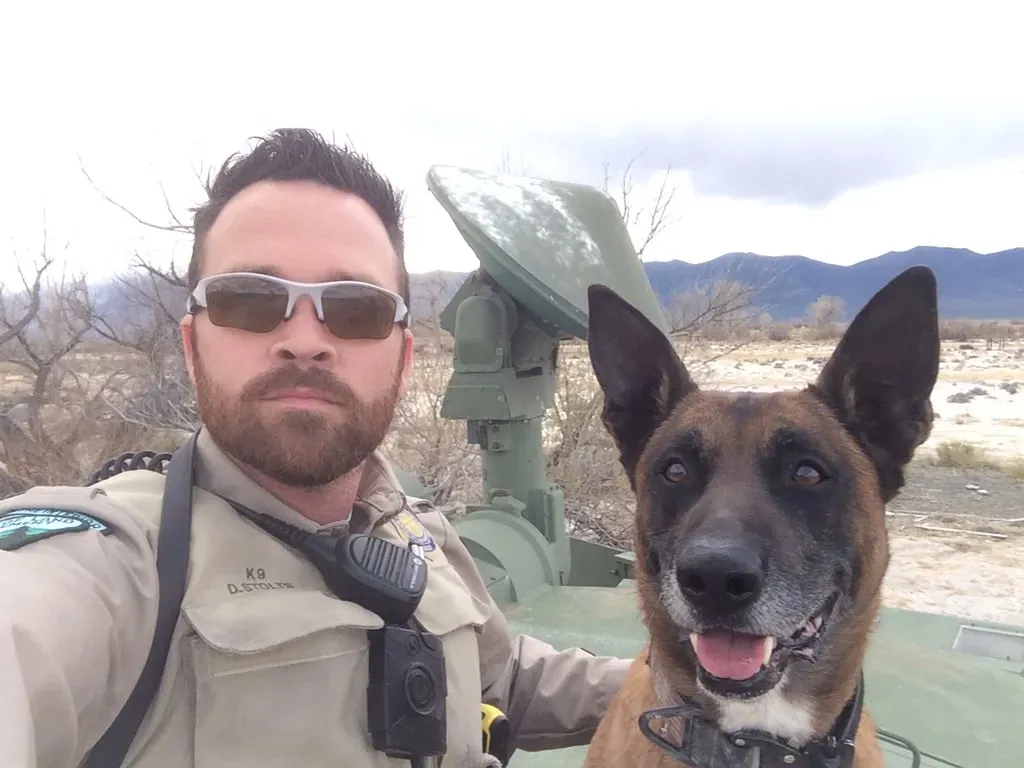
Things a dog remembers from puppyhood can be expressed in their mannerisms later in life, which may explain how dogs who have been abused early in life might be reactive toward people when they are older due to the association between an event and the pain they experienced. Adopted dogs often carry memories of previous owners, whether those memories are warm or painful.
A 2020 study found that dogs can recognize their owners through photographs, suggesting their visual memory is sharper than we thought. Dogs don’t forget faces easily. If your rescue dog flinches at certain gestures or lights up around specific types of people, it’s because they remember.
Their Littermates and Mother’s Scent
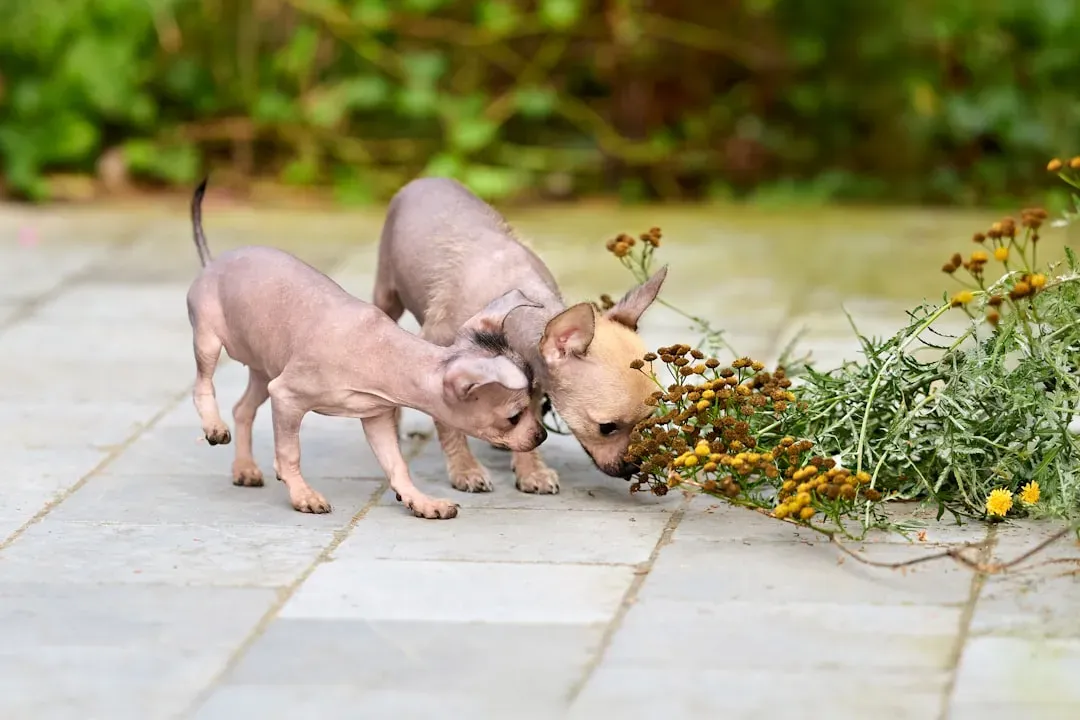
Puppies are separated from their mothers and siblings usually between eight and twelve weeks old. You’d think they’d forget quickly, given how young they are. You’d be wrong. Research showed that dogs can remember their mothers up to 2 years after being separated from them as puppies, with 37 of 49 former puppies spending more time sniffing a cloth scented by their mother when brought together again.
Scent memory is powerful. The scent of a littermate or the sound of a mother dog’s bark can cue a dog to remember events or other dogs from their early life. If your dog ever meets a sibling years later, don’t be surprised if there’s instant recognition and a flurry of sniffing.
Commands Taught in a Different Language
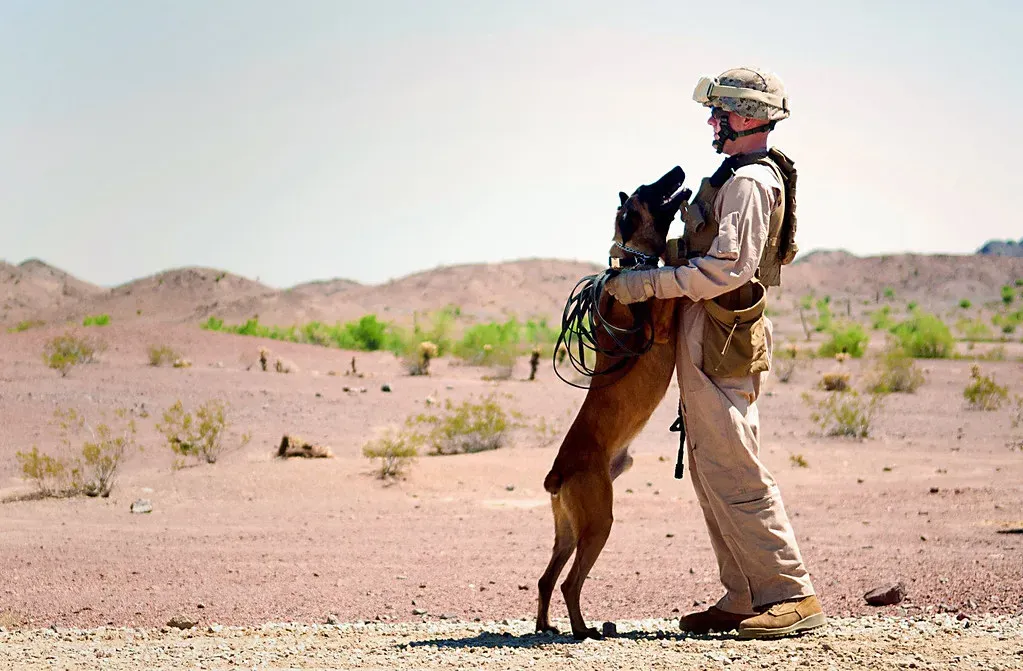
Here’s something that blew my mind when I first read about it. A dog named Feliks had not received commands spoken in Russian since the age of only about 18 months when his original owner died, yet more than a decade later when nearly 12 years old, he was responding to commands in Russian that he had not practiced at all since he was young. That’s over ten years of dormant memory suddenly reactivated.
A dog’s ability to respond to verbal commands is likely a permanent memory, and certain actions that a dog does not practice regularly can still be retained and then repeated over 10 years later. So if you taught your puppy to sit in Spanish, they’ll probably remember it even if you switch to English for a decade.
Places Where They Felt Fear or Pain
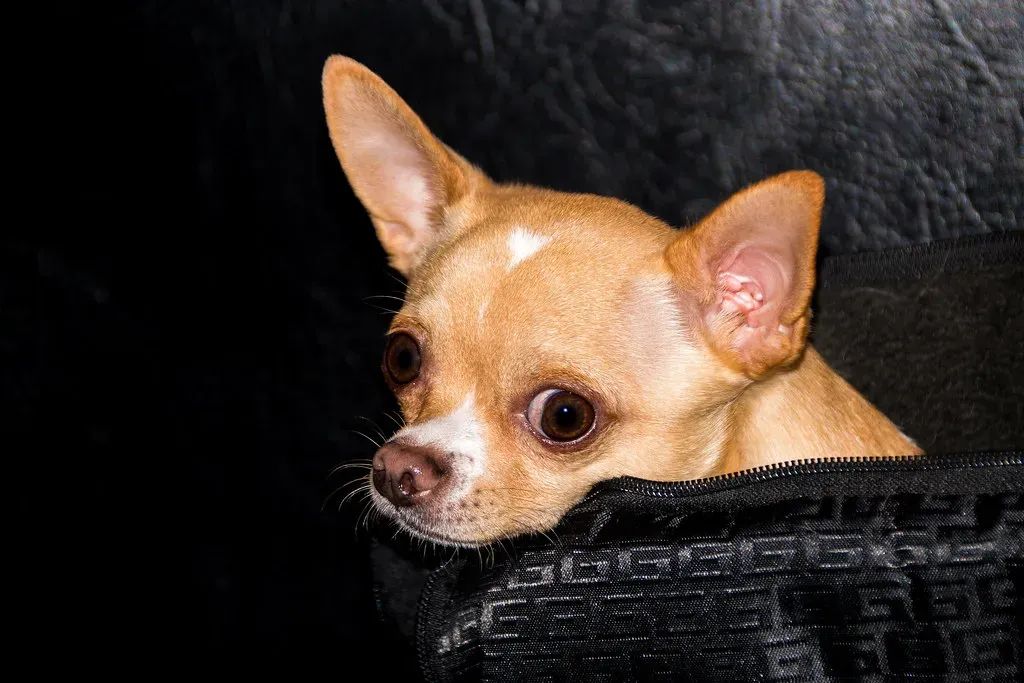
Dogs remember traumatic locations with unsettling accuracy. If your dog was attacked at a particular park, bitten by another dog on a specific street corner, or had a painful vet visit, they will remember that place. Negative associations tend to last longer in your dog’s memory than positive ones, which is something important to keep in mind during training and socialization.
A dog who lived in unhappy circumstances may associate negative emotions or anxious behavior with certain objects or locations. This is why desensitization and counter-conditioning are so crucial for fearful or reactive dogs. You can’t just erase the memory, but you can layer new, positive experiences on top of it.
The Route to Their Favorite Park
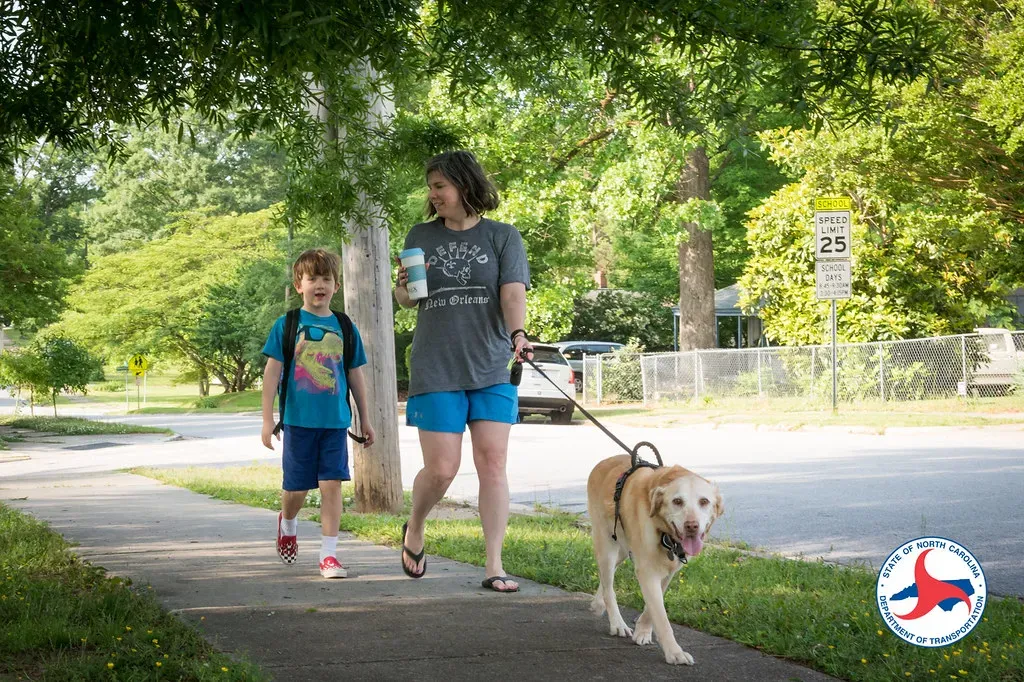
Take a different turn on your usual walk and watch your dog’s reaction. They know. They know exactly where you’re supposed to go. Dogs build mental maps of their world through repeated experience, and they remember routes to places they love. Whether it’s the dog park, a friend’s house, or the pet store, your dog has that journey memorized.
This spatial memory isn’t just practical. It’s emotional. The anticipation builds as they recognize familiar landmarks, smells, and sounds along the way. Their excitement grows with every block because they remember what’s waiting at the end.
People Who Gave Them Treats
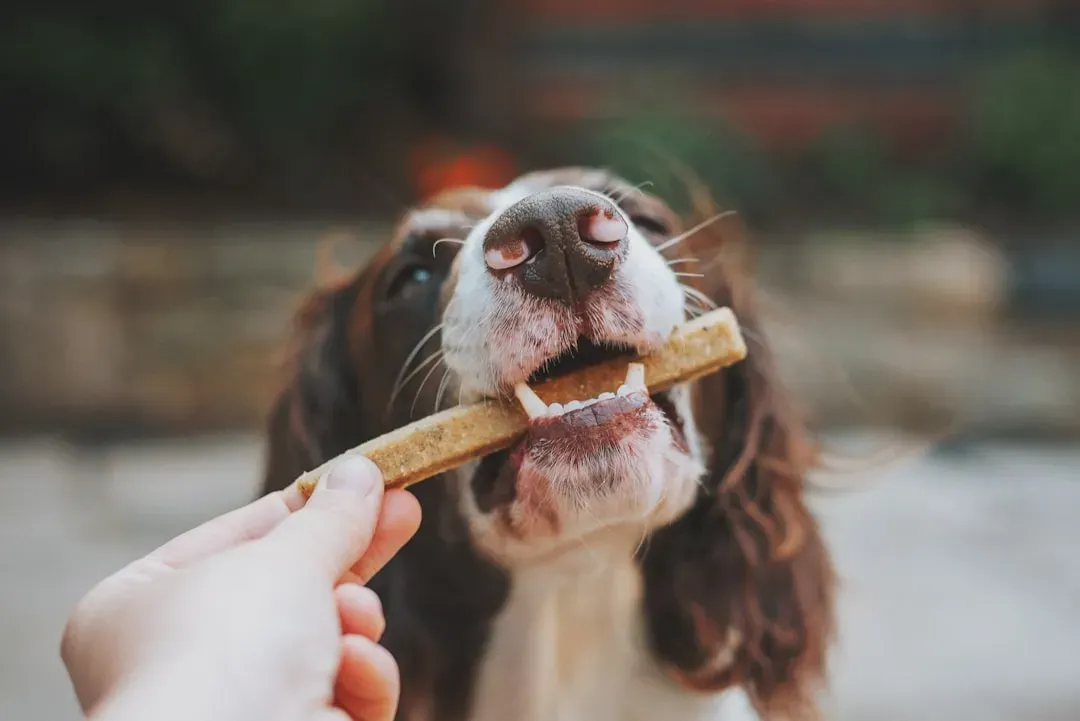
When you have a house guest over, your dog might not remember the person, but they will remember an association they have made, such as giving them a treat or attention upon arrival. If your friend visited once six months ago and slipped your dog some bacon, I can almost guarantee your dog will remember them.
This associative memory is why positive reinforcement training works so well. Dogs connect actions with outcomes. Stranger equals treats equals good feelings equals enthusiasm next time that stranger appears. It’s beautifully simple and incredibly effective.
The Tone of Your Voice When You’re Upset
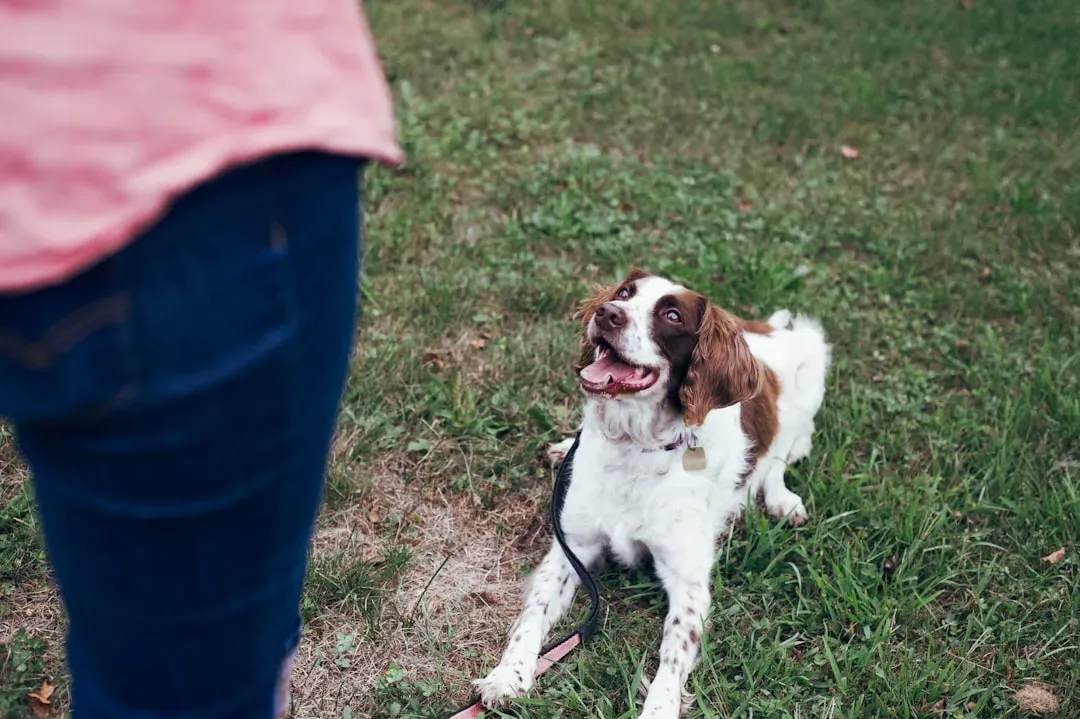
You don’t even need to raise your voice. Dogs are masters at reading vocal tone, and they remember what different tones mean. If your dog does something they shouldn’t and you reprimand them with a stern voice, they likely recognize that tone of voice with a negative consequence, and then they stop that behavior.
This is why so many trainers emphasize calm, consistent communication. Your dog remembers not just what you said, but how you said it. A harsh tone can create anxiety that lingers, while a warm, encouraging voice builds trust and confidence over time.
Where They Buried Their Favorite Toy
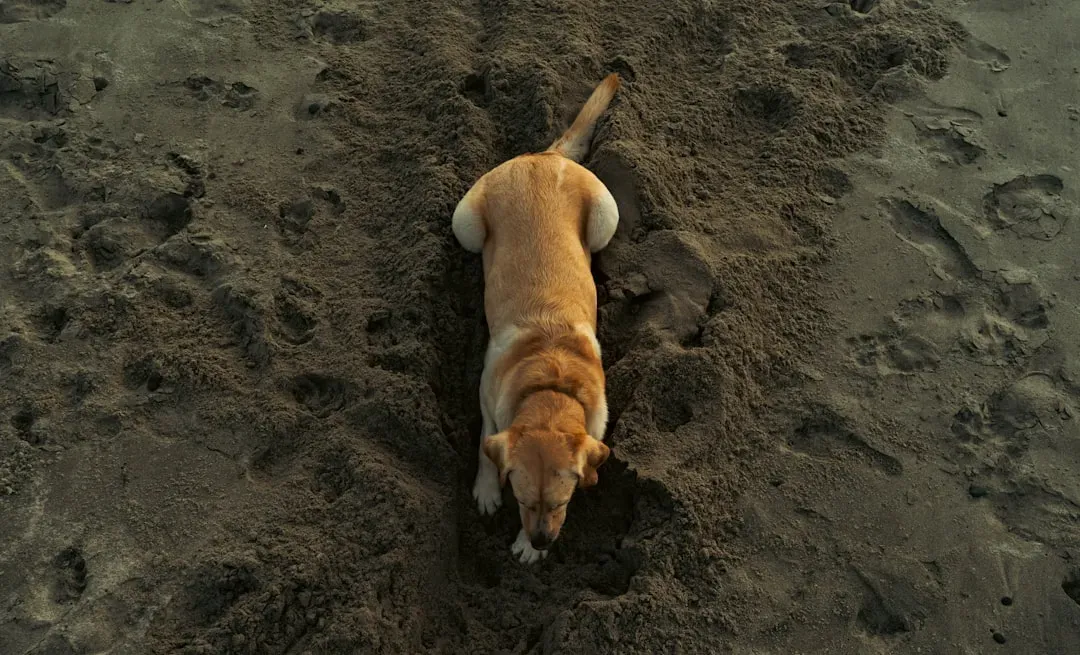
If you have a dog who buries things, you’ve probably marveled at their ability to retrieve those items weeks or even months later. This isn’t luck. Dogs have impressive spatial memory tied to scent, allowing them to remember exactly where they stashed their prized possessions.
Dogs possess remarkable long-term memory capabilities, allowing them to remember past experiences, locations, and individuals, and studies have shown that dogs can recall specific events, such as past encounters with other dogs or memorable outings with their owners, even after significant time has elapsed. So yes, that tennis ball buried under the rosebush last spring? Your dog knows exactly where it is.
The Time of Day You Usually Feed Them
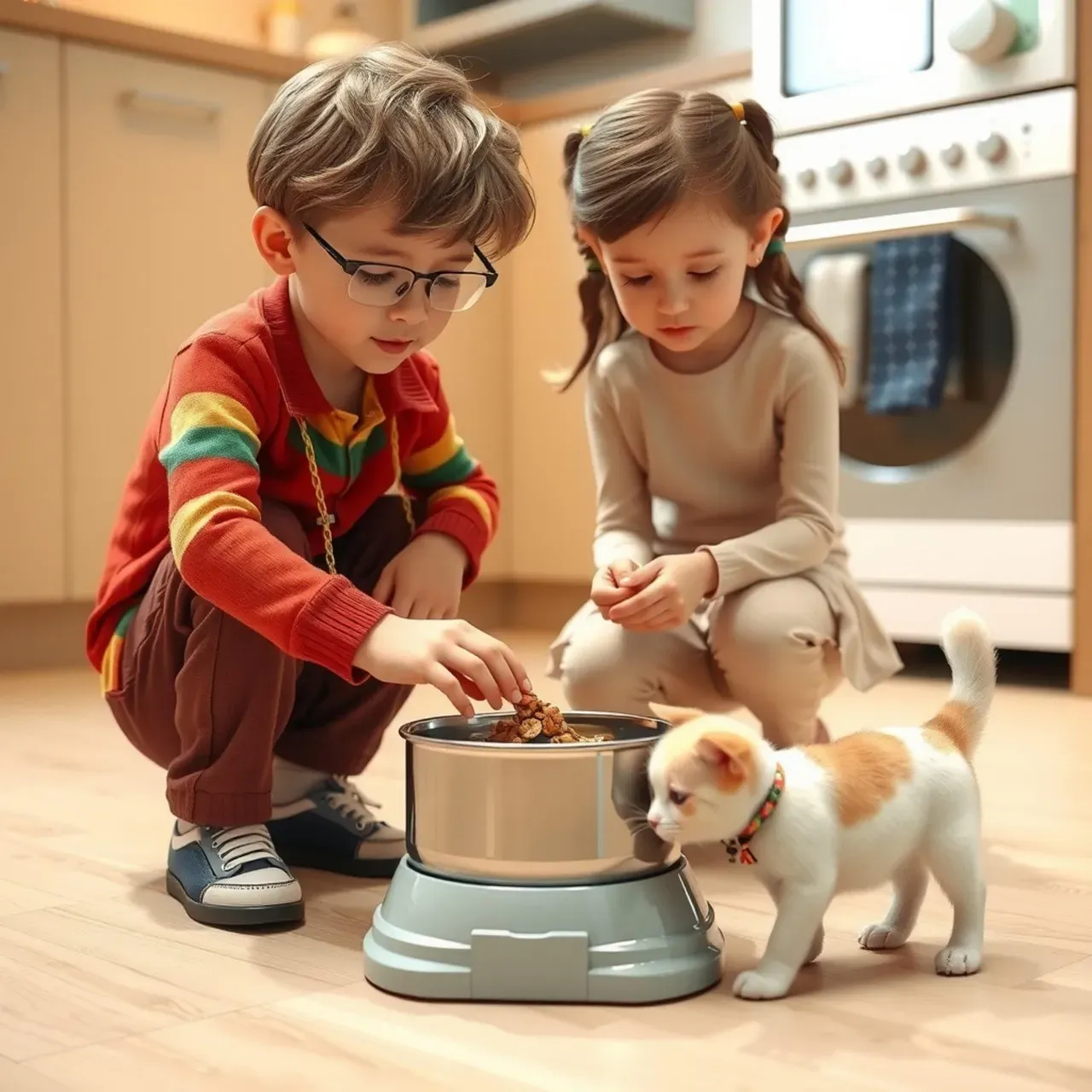
Dogs don’t read clocks, but they might as well. Their internal sense of timing is shockingly accurate. If you feed your dog at six o’clock every evening, you can bet they’ll start hovering around the kitchen at 5:45. They’ve memorized the routine down to the minute.
This time-based memory is linked to their circadian rhythms and associative learning. They notice patterns. The angle of sunlight, the sounds of the neighborhood winding down, your movements around the house. All these cues tell them dinner is coming, and they remember.
Other Dogs They’ve Met and Played With
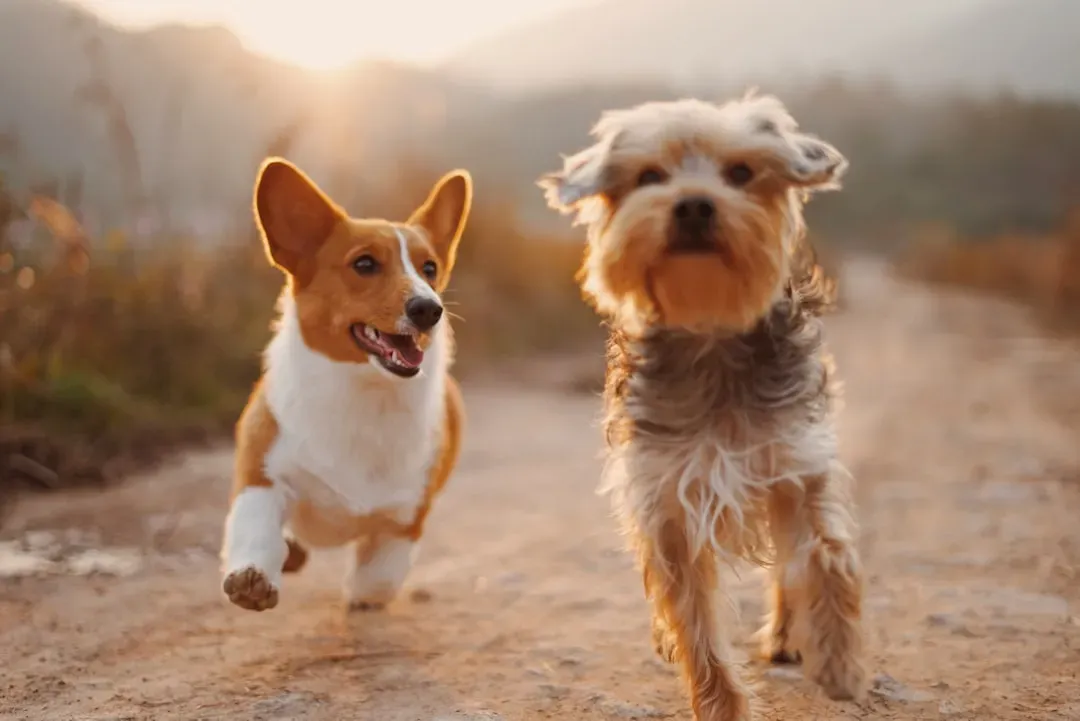
Dog friendships are real, and dogs remember their pals. Whether it’s a regular playmate from the dog park or a neighbor’s dog they see occasionally, dogs form social memories of other dogs. They remember who was fun, who was aggressive, who shared toys, and who didn’t.
These memories influence future interactions. A dog who had a positive experience with a golden retriever might approach other goldens with enthusiasm. Conversely, a negative encounter with a specific breed or size of dog can create lasting wariness. Social memory shapes their behavior in profound ways.
The Exact Spot Where Something Exciting Happened
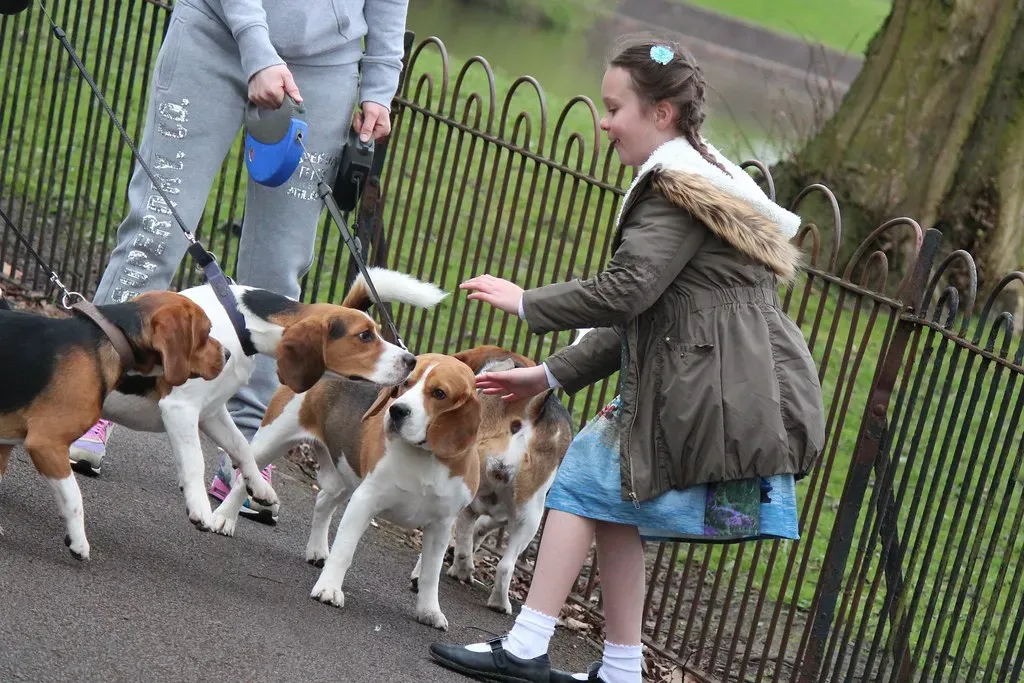
Maybe they found a dead squirrel once. Maybe they met another dog and had the play session of their life. Whatever it was, dogs remember locations where exciting things happened. You’ll notice them pulling toward that spot on walks, sniffing intensely, looking around expectantly.
Dogs have something similar to episodic memory, suggesting they can recall specific events tied to particular places. That’s why your dog might suddenly act animated in a seemingly random location. To them, it’s not random at all. It’s the scene of a remembered adventure.
How You Looked When You Left Them
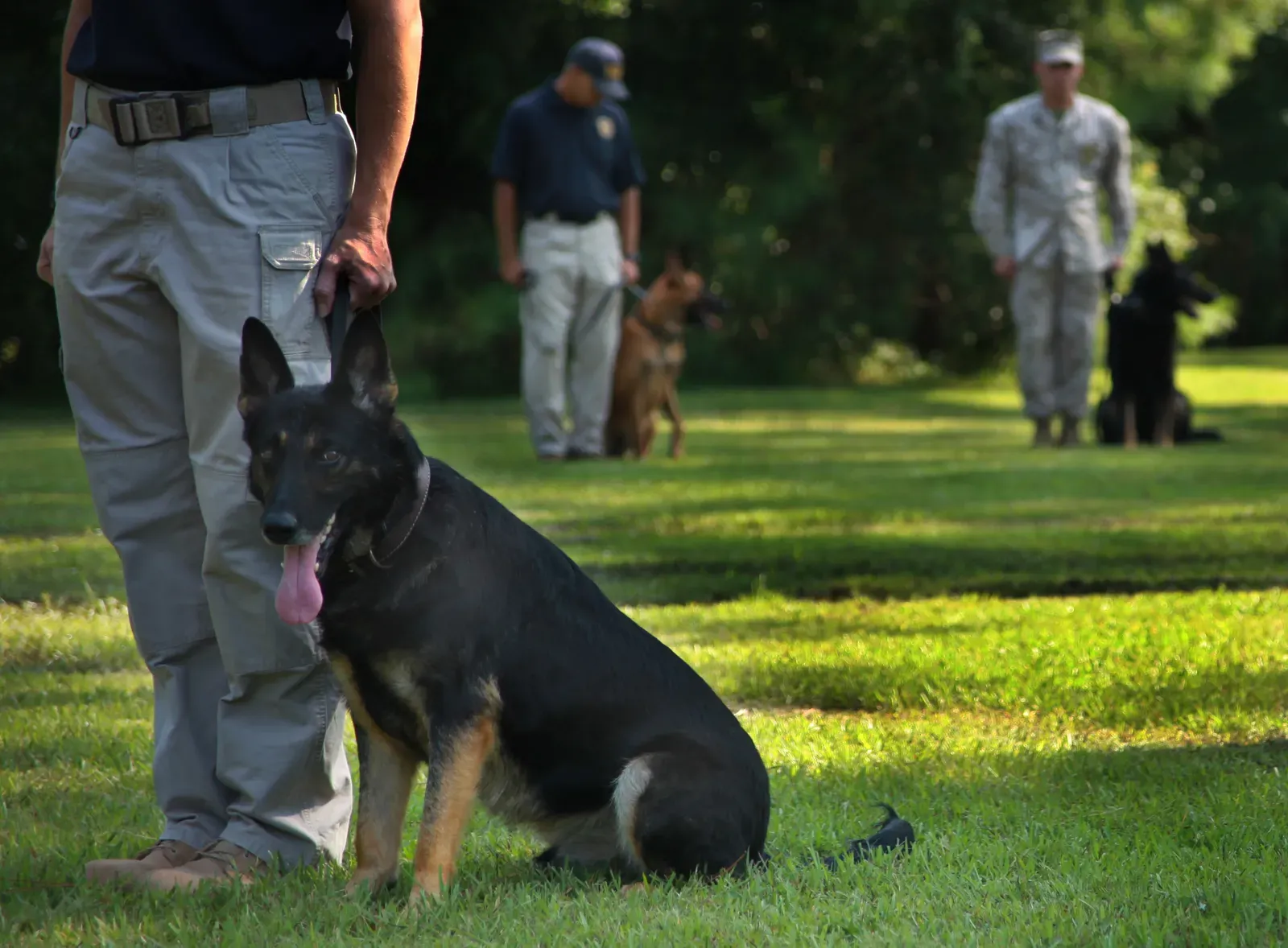
This one gets me. Dogs remember what you were wearing, how you smelled, and your emotional state the last time you left. If you’ve ever returned from a trip to find your dog acting clingy or anxious, it’s partly because they remember the last goodbye.
Most researchers believe dogs can remember important people and significant events in their lives for years, perhaps until death, including your scent, your face, and your voice, which they associate with happiness, love or snuggling. They don’t understand time the way we do, but they remember emotional moments vividly.
Bad Experiences at the Vet’s Office
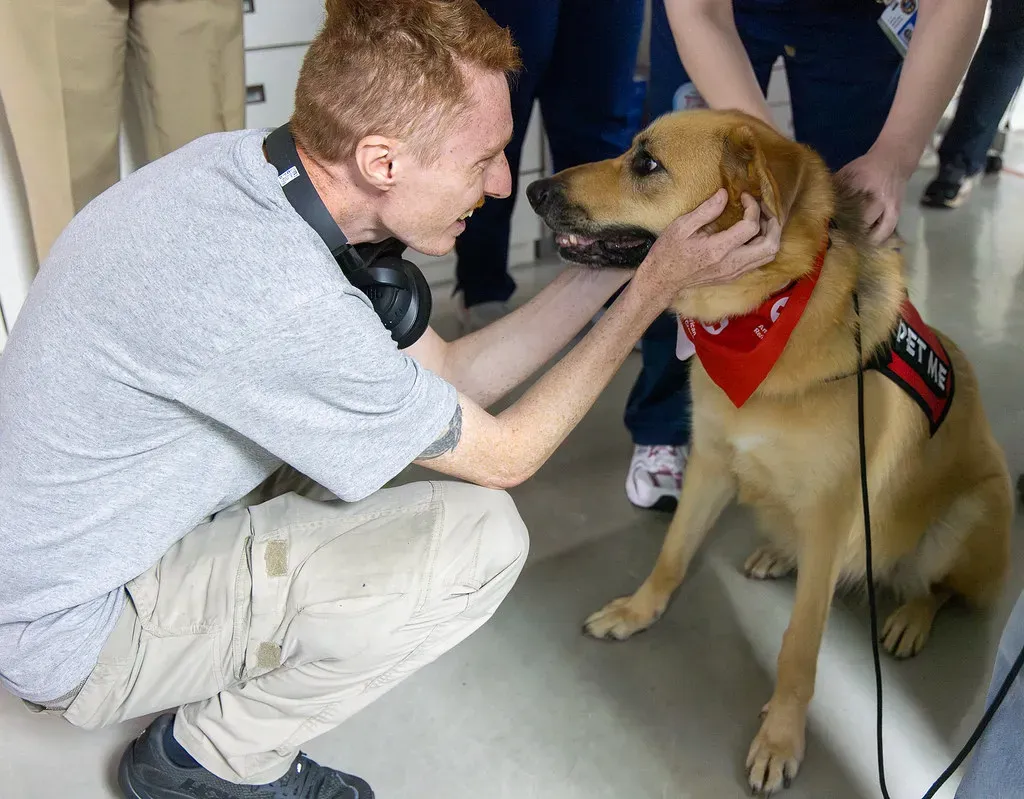
Let’s be honest, most dogs despise the vet. It’s not personal against the veterinarian. It’s because dogs remember. They remember the cold table, the unfamiliar smells, the discomfort of being restrained, and perhaps the pain of vaccinations or treatments.
If your dog dislikes going to the vet, he may become fearful every time he gets in the car, associating it with the unpleasant vet visits. This is why many vets now recommend “happy visits” where you bring your dog in just for treats and pets, building positive associations to counterbalance the negative memories.
The Feeling of Your Hand Petting Them
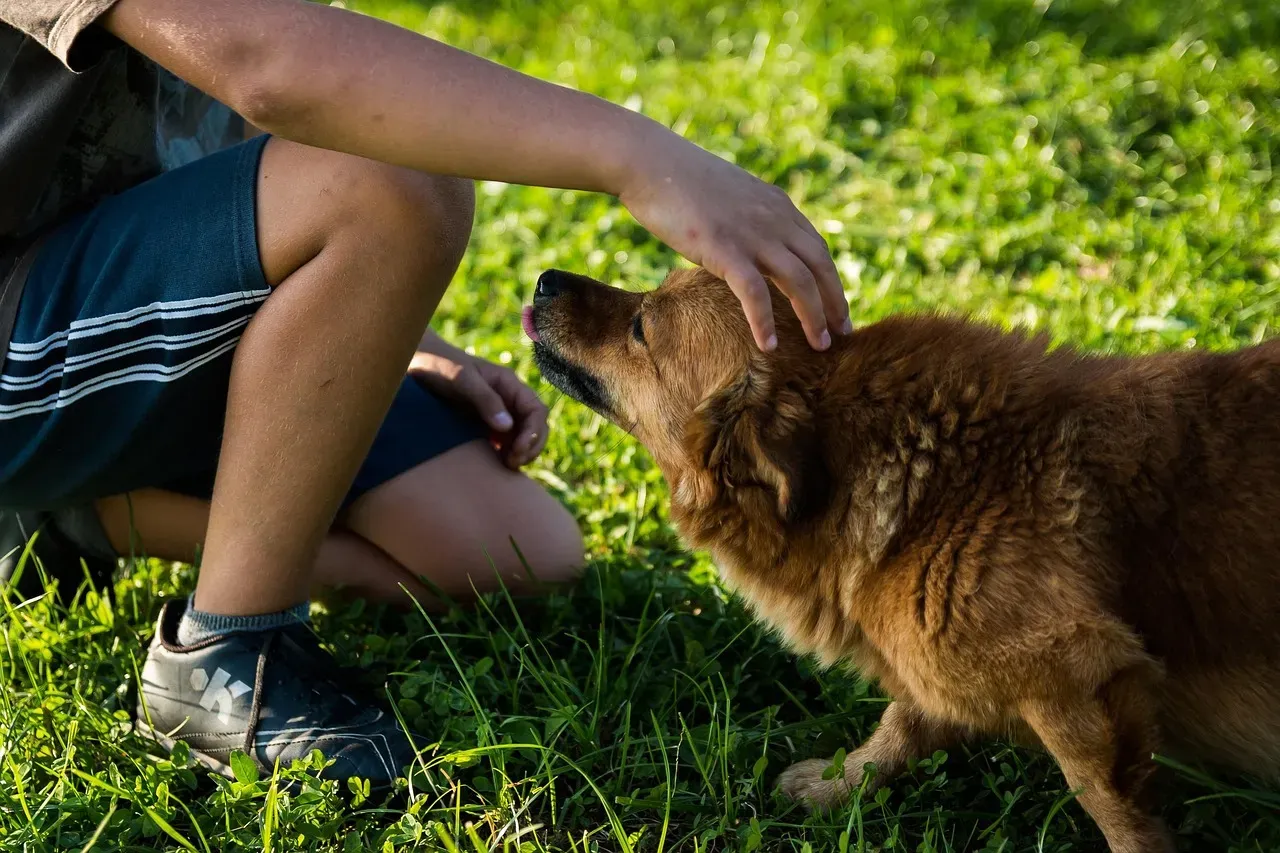
Touch is a powerful memory trigger. The way you pet your dog, where you scratch them, the pressure of your hand, all of this gets encoded in their memory as comfort and love. These emotions become associated with you, which helps build a positive bond with your dog.
When you’re away, dogs don’t just miss your presence. They miss the specific sensation of your touch. That’s why reunions often involve them pressing against you, seeking that familiar comfort they’ve been remembering and longing for.
Strangers Who Were Unkind to Them
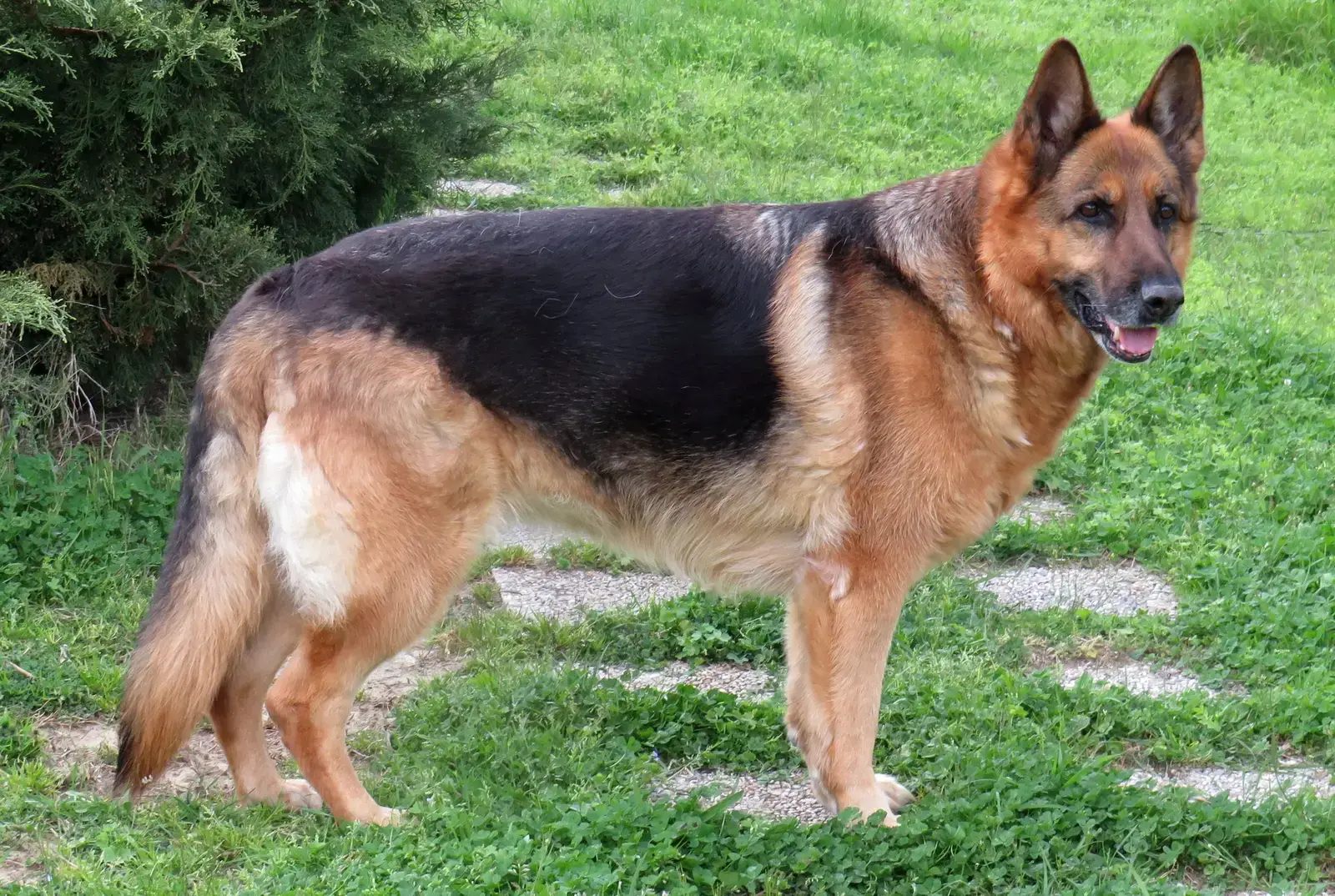
Dogs are incredibly perceptive about people’s intentions and energy. If someone was rough with them, ignored their boundaries, or showed hostility, your dog will remember. They might react with avoidance, barking, or anxiety when that person appears again, even if it’s been months.
This protective memory serves an evolutionary purpose. Remembering who posed a threat helped their ancestors survive. Your modern dog still carries that survival instinct, using memory to navigate social situations and keep themselves safe.
The Joy of Car Rides to Fun Places
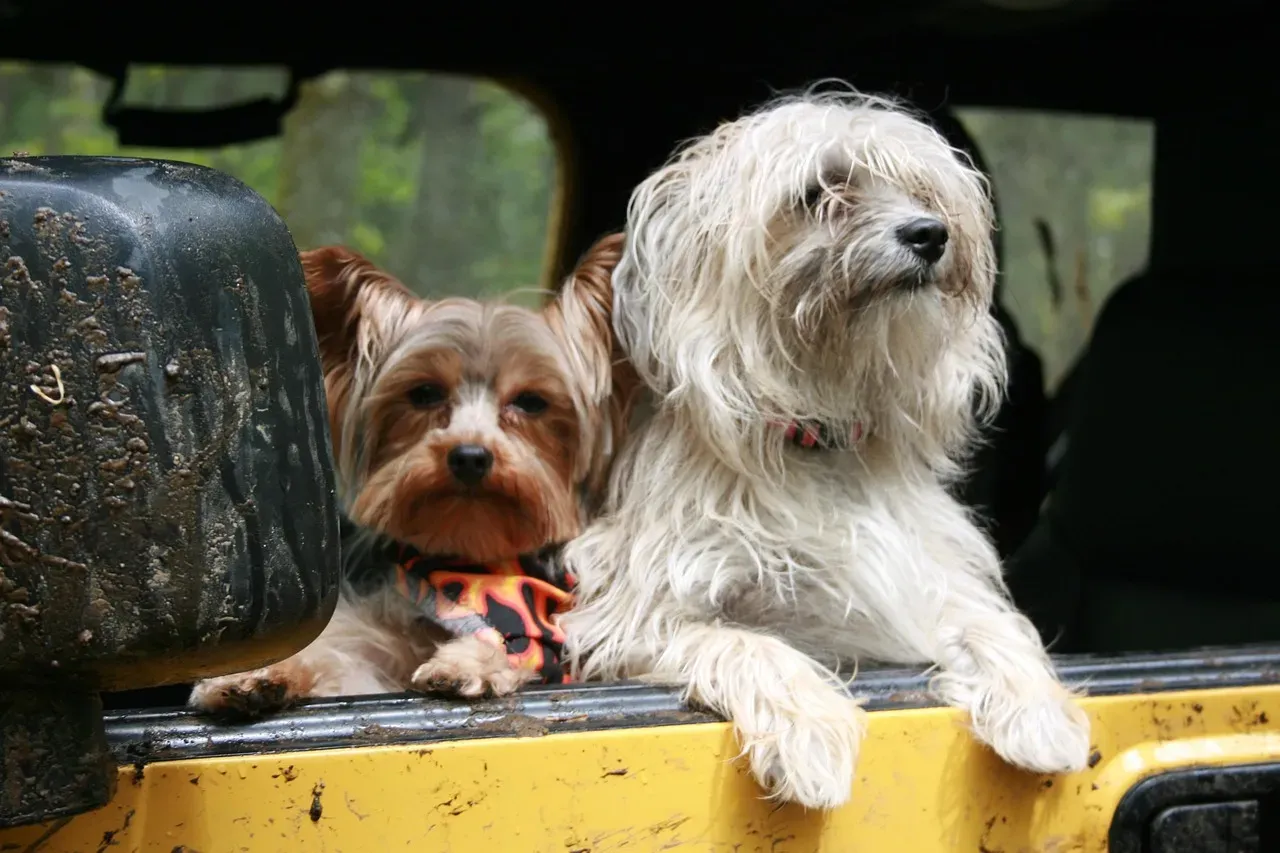
Not all car rides end at the vet. Some lead to hiking trails, beaches, or visiting beloved friends. Dogs remember these positive journeys, and they’ll show excitement the moment you head toward the car if they associate vehicles with adventure.
The key is variety and positive reinforcement. If most car rides are pleasant, your dog’s memory bank fills with good associations. They remember the wind in their face, the new smells, the joy of exploration. And they can’t wait to do it again.
Tricks They Learned as Puppies
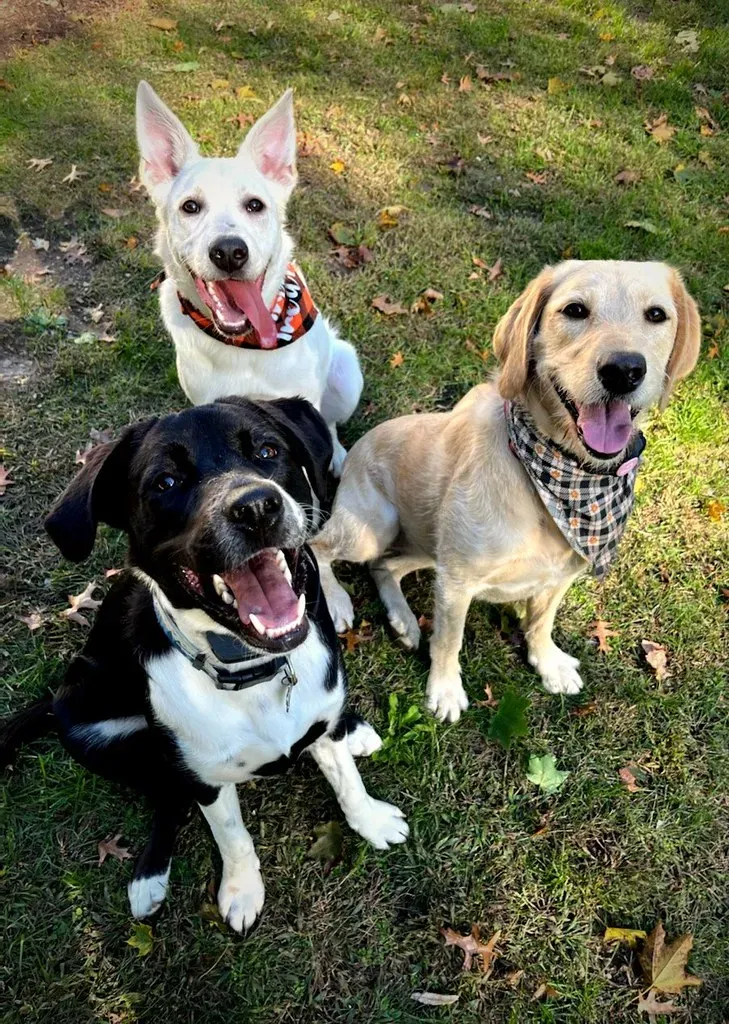
Long-term memories help your dog remember tricks such as rolling over or giving their paw. Even if you haven’t asked them to perform a trick in years, many dogs can still do it when prompted. Muscle memory combined with mental recall makes old tricks surprisingly durable.
This is encouraging news for training. The effort you put into teaching your dog isn’t wasted. Those lessons become part of their permanent knowledge base, accessible even after long periods of disuse. Your puppy class investment pays lifelong dividends.
You, Even After Years Apart
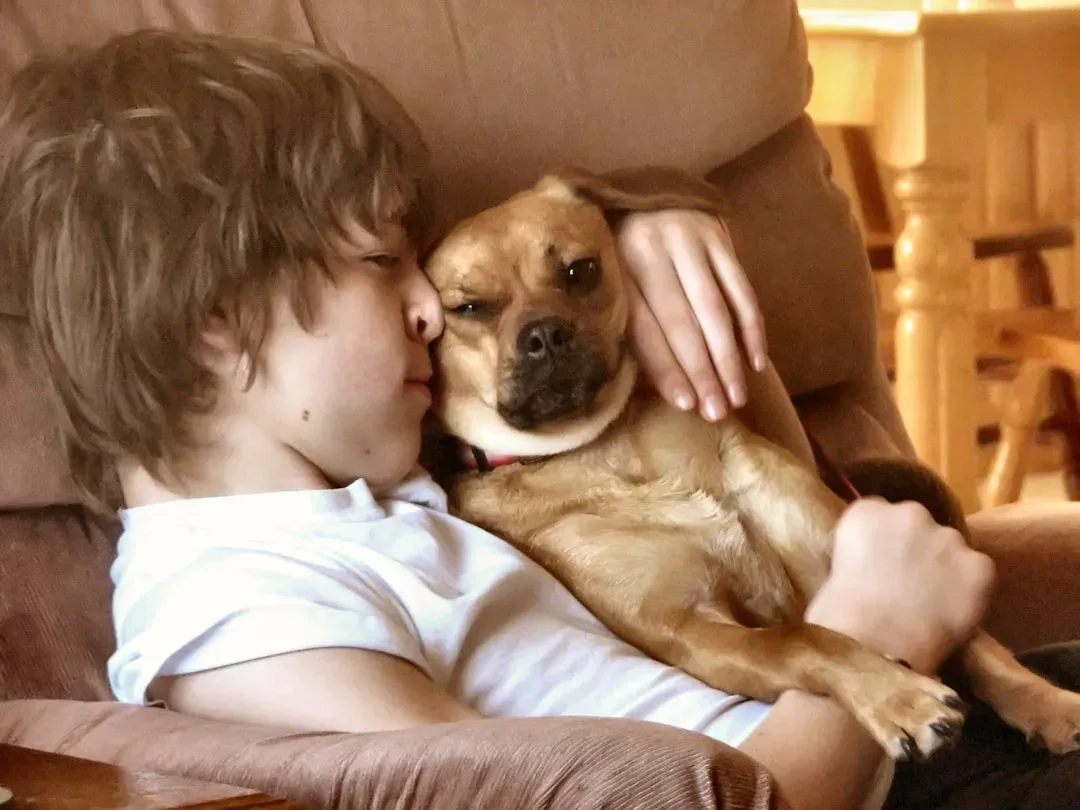
This is perhaps the most moving thing on this list. Experts believe that dogs have been shown to remember owners after long periods of separation, although it does sometimes take a good sniff, a good look, and some closeness for the pup to figure it out. Dogs can remember owners for years, sometimes after five or more years of separation.
Your dog will never forget you, as canines remember people their entire lives, so even if you are apart for two days or two years, a dog always knows who you are. The bond between dog and human transcends time and distance. They carry you in their memory, in their hearts, waiting for the moment you return.
Conclusion
Our dogs live in a world woven from scents, sounds, emotions, and associations that we often overlook. While we get caught up in the busy rush of daily life, forgetting small moments and faces from our past, our dogs hold onto these details with remarkable tenacity. They remember who loved them, who hurt them, where joy happened, and where fear struck. Their memory isn’t just functional. It’s deeply emotional, connecting them to their experiences and to us in ways that are both humbling and beautiful.
Understanding what your dog remembers can transform how you interact with them. It reminds us to create positive associations, to be patient with their fears, and to cherish the bond that memory makes unbreakable. So the next time your dog pauses on a walk, sniffing a spot you’ve long forgotten, remember they’re revisiting a moment that mattered. And in their own remarkable way, they’re honoring a memory that shaped who they are. What memory do you think your dog treasures most? Have you noticed them remembering something you’d completely forgotten?


