
You ever look into your dog’s eyes and wonder what they’re really trying to tell you? That sideways glance, the sudden lip lick, the weird freeze before they bolt across the room. Truth is, our dogs are constantly speaking to us. Problem is, we’re not always listening the right way.
Dogs aren’t being stubborn or weird when they act out or shut down. They’re communicating in the only language they’ve got. Most of what we label as misbehavior or anxiety is actually a desperate attempt to get us to understand something important.
Here’s the thing: dogs are brilliant at reading us. Through domestication, dogs have become particularly adept at reading human facial expressions. Yet somehow, we’re still struggling to understand them. Let’s change that.
So let’s dive in and explore what your dog really wishes you knew.
That Wagging Tail Doesn’t Always Mean Happiness

This one throws people off constantly. You see a tail wagging and assume everything’s great, right? Not quite. Many pet owners assume that a wagging tail always indicates happiness, but canine body language is more complex. The way a dog wags its tail can reveal a wide range of emotions, from excitement and friendliness to nervousness or even aggression.
The truth is way more nuanced. In general, the higher the dog’s tail and the faster the wag, the greater the level of arousal. While a very high tail indicates high arousal, a very low-wagging tail most often denotes fear and appeasement. Picture this: your pup’s tail is up high, stiff, wagging rapidly. That’s not joy, friend. That’s intense emotion, possibly agitation or even a warning.
Meanwhile, a high, stiff wag can mean the dog is agitated or aroused, and if the dog’s body is stiff with their body positioned forward and their ears are up or forward, proceed with caution. Contrast that with a loose, wide, sweeping wag at a mid-level height. That’s your happy dog signal. Context matters hugely here.
There’s even research showing dogs tend to wag their tails more to the right when they’re feeling positive about something, such as interacting with their owner, and tails wagged more to the left when dogs faced something negative. Wild, right? Your dog’s tail is basically a mood ring if you know how to read it.
We’re Speaking Different Languages and Missing Their Stress Signals
Dogs don’t complain out loud when they’re uncomfortable. Instead, they show us through subtle body cues that most people completely miss. Some common signs of stress in dogs that we often miss are lip licking when there are no food or treats present and dogs use these signals to tell us that they are uncomfortable, nervous, or afraid.
People yawn when they’re tired or bored, but dogs yawn when they’re stressed, and according to Turid Rugaas, dogs use yawning to calm themselves in tense situations and to calm others, including their owners. So next time your dog yawns during a training session or when visitors arrive, pause. They’re not being rude or sleepy. They’re telling you they need a break.
Then there’s the look-away. We interpret it as guilt or ignoring us. Actually, dogs that display submissive postures towards their owners are likely responding to discernible human body language or past association with punishment and are attempting to lessen predictable forthcoming punishment based on previous experience. It’s appeasement, not defiance. They’re saying “please don’t be mad” not “I don’t care.”
Whale eye, or the dog’s head turned away but eye stays fixed which causes you to see the white of their eye, scratching when the dog has no skin issues or fleas, and shaking off when the dog is not wet or has not just rolled in grass are all stress signals we routinely overlook. Learning these signs isn’t just helpful, it’s essential for keeping everyone safe and happy.
Boredom and Lack of Mental Stimulation Are Literally Painful for Us
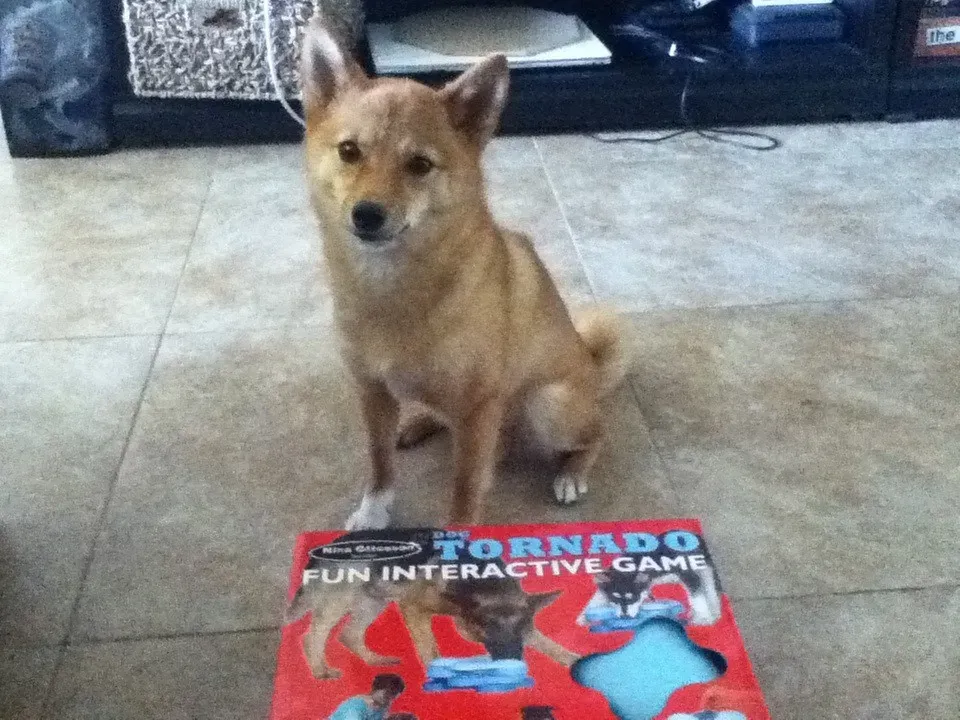
Let’s be real: a tired dog isn’t just a physically exhausted dog. It’s a mentally satisfied one. Mental stimulation is just as important for dogs as physical exercise, and mental exercises can actually make dogs even more tired than physical exercise. Think about it. Your dog’s brain is wired for problem-solving, hunting, sniffing out information, working alongside you.
When dogs don’t get that mental workout, things spiral fast. Many behavior challenges, including anxiety, barking, destructive chewing, and reactivity, are linked to boredom and mental under-stimulation, and dogs are problem-solvers by nature, and when they don’t get enough mental input, their brains start generating stress responses. Your couch cushions didn’t stand a chance.
Canine wellness depends significantly on both mental and physical stimulation. Enrichment is any activity that engages a dog’s mind to meet their natural needs, usually involving searching, problem-solving skills and new sensory stimulation, and these sorts of activities stimulate dogs in a way that can reduce stress and dog anxiety, boredom and the destructive behavior that comes from it by improving cognitive function. Even simple stuff works wonders.
Try hiding treats around the house, changing up your walking route so they get new smells, or grabbing a puzzle toy from the pet store. The key to a happy and healthy dog is regular enrichment and allowing them to engage in their innate behaviors, such as playing, chasing, smelling, chewing and scavenging, and by allowing your dog to engage in these behaviors, you allow them to be physically, emotionally and mentally satisfied. Honestly, fifteen minutes of mental games can do more than an hour-long walk sometimes.
Physical Touch Isn’t Always Comforting to Us
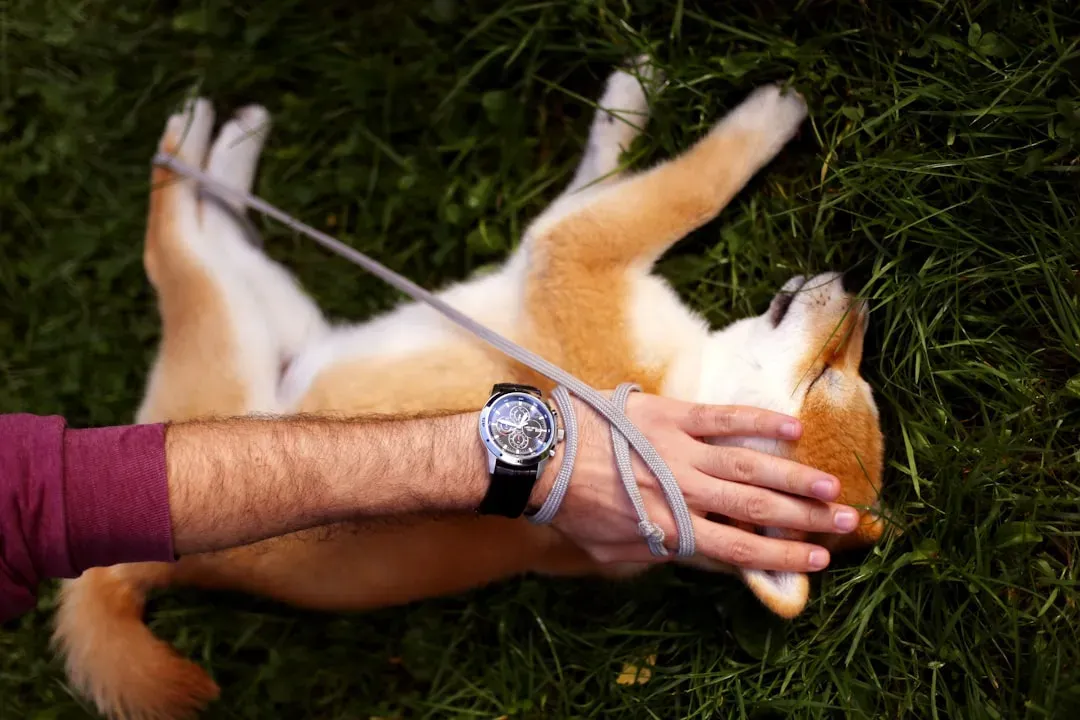
This might sting a little, but hear me out. We love petting dogs. Hugging them. Squeezing their faces. Most dogs? They tolerate it because they love us. That doesn’t mean they enjoy it. Humans tend to initiate and maintain physical contact with dogs with a higher frequency and longer duration, as it is a typical feature of human-human communication, and for this reason, some dogs may appear less relaxed during human-dog tactile interaction, tolerating physical contact or displaying a withdrawal behavioral response.
Think about how we greet dogs. We lean over them, stare into their eyes, reach for their heads. In dog language, that’s pretty threatening behavior. Dogs greet each other by approaching from the side, sniffing, keeping things calm and indirect. When strangers bend down and go straight for a pat on the head, many dogs freeze or lean away. We just don’t notice.
Watch for the signs your dog actually wants affection versus just putting up with it. A loose and relaxed body, open relaxed mouth, and relaxed eyes tell you that allowing the petting is okay, and if you see any signs of discomfort in your dog, tell the person that your dog would rather not be petted at the moment. It’s okay to advocate for your pup’s boundaries.
Some dogs adore belly rubs, others feel vulnerable and scared in that position. If the dog’s tail is tucked and their lips are stiff while they’re lying on their back, the dog might be scared, and some dogs will solicit attention by rolling over but then become fearful or defensive, feeling that this position is not safe, and the dog might even panic and start snapping. Respect what your individual dog is telling you, not what you think all dogs should like.
Routine and Predictability Make Us Feel Safe

Dogs aren’t fans of surprises the way we might be. They thrive on knowing what comes next. Routine plays a central role in a dog’s sense of security, and consistent meal times, activity periods, and rest help dogs understand what to expect from their day, and when routines disappear abruptly, stress and confusion often follow. Your dog’s not being rigid or difficult. They’re wired for patterns.
I know life gets chaotic. Work schedules shift, plans change, guests drop by unexpectedly. But from your dog’s perspective, that unpredictability is genuinely stressful. Dogs rely on structure to feel emotionally grounded. When you feed them at roughly the same time, walk at similar hours, and keep bedtime consistent, you’re giving them a framework they can trust.
Structure brings comfort, and a typical day includes morning potty breaks, supervised playtime, enrichment activities, rest periods, and one-on-one attention, and balanced routines help dogs settle in quickly and feel at ease. Even small rituals matter. That morning snuggle before you leave, the evening wind-down routine before bed. These aren’t just cute habits, they’re emotional anchors for your pup.
When routines must change, try easing your dog into it gradually if possible. Sudden shifts can trigger anxiety or behavior changes. Dogs aren’t being difficult when they struggle with change, they’re being honest about their emotional needs.
We Understand You Way Better Than You Understand Us
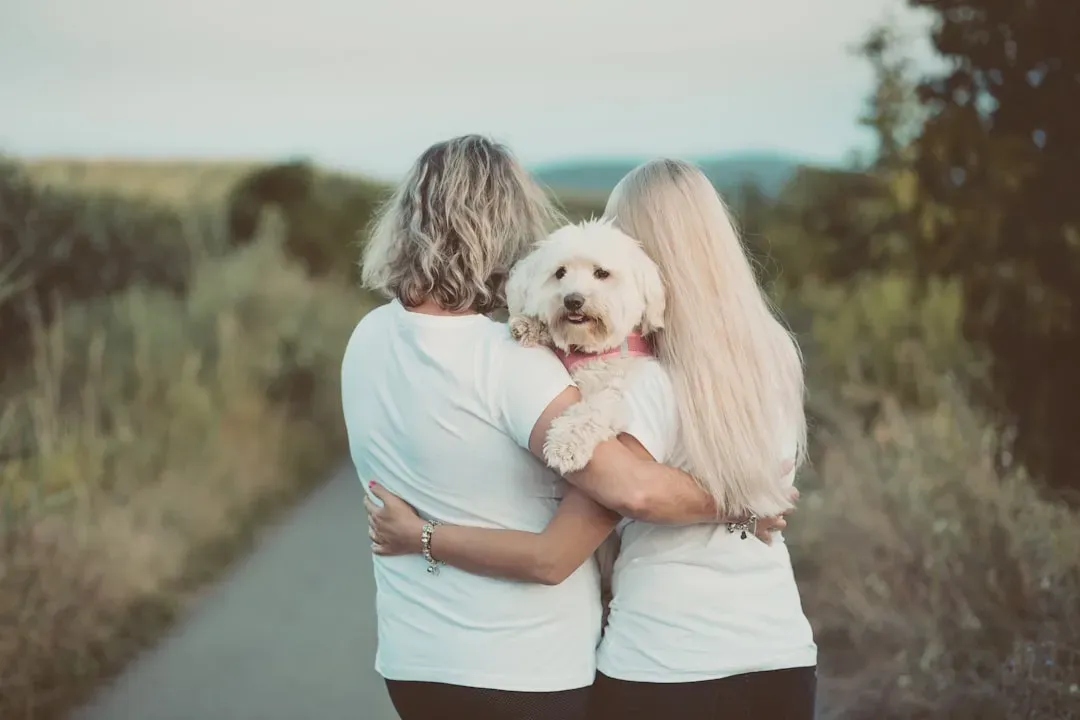
Here’s something humbling: Dogs may be quite effective communicators but they still only know how to express themselves with their own canine communication, and new insights and research is revealing how dogs read our subtle cues, emotions and intentions suggest that our canine best friends really understand us far better than we understand them. They’re reading our body language, facial expressions, tone of voice, even our scent, constantly.
Dogs rely on the gestures of humans more than verbal cues, most importantly eye contact, and a human-dog gaze helps dogs establish stronger relationships by being able to communicate better with humans, as well as other dogs. Your dog knows when you’re sad before you’ve even processed it yourself. They pick up on tension in your shoulders, changes in your breathing, the way you move through a room differently when you’re stressed.
Meanwhile, we’re over here completely missing half of what they’re telling us. Dogs communicate with us in a variety of different ways but often we humans miss their signals, and to be responsible pet owners and guardians we must be sure that we know what to look for and how to interpret what we see. It’s kind of embarrassing when you think about it. They’ve spent thousands of years learning our language, adapting to our world.
The least we can do is meet them halfway. When your dog knows that you understand them, their trust towards you increases, and in turn, your bond becomes stronger. Learning canine body language isn’t just about preventing bites or behavior problems, though that’s important. It’s about honoring the relationship and actually hearing what your best friend is saying to you every single day.
Our Genetics Shape Our Behavior More Than You Think
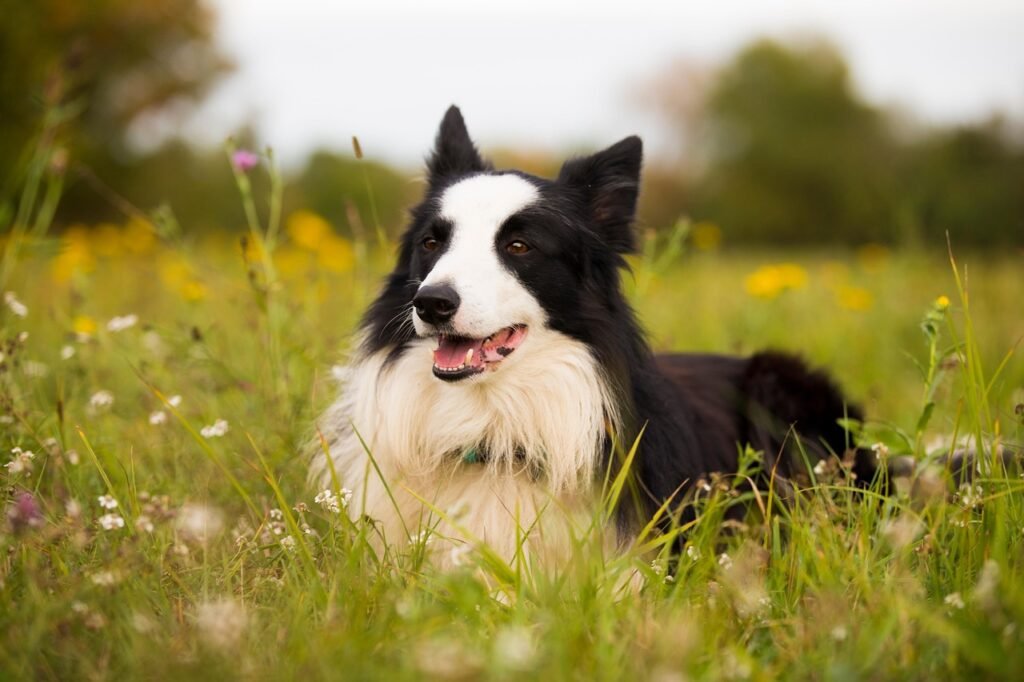
Not every dog is built the same. A Border Collie staring at your kids while they run isn’t being “intense.” A Beagle following its nose into the bushes isn’t being “stubborn.” They’re being exactly what centuries of selective breeding designed them to be.
Breed tendencies are deeply rooted. Herding dogs herd. Scent hounds track. Terriers dig. Working breeds guard and patrol. When we punish a dog for expressing instinct instead of channeling it, frustration builds on both sides.
Your dog wishes you understood this: they’re not trying to annoy you. They’re fulfilling programming older than your family tree. Instead of fighting those instincts, redirect them. Give the herder structured games. Give the sniffer long scent walks. Work with the blueprint, not against it.
Punishment Confuses Us More Than It Teaches Us
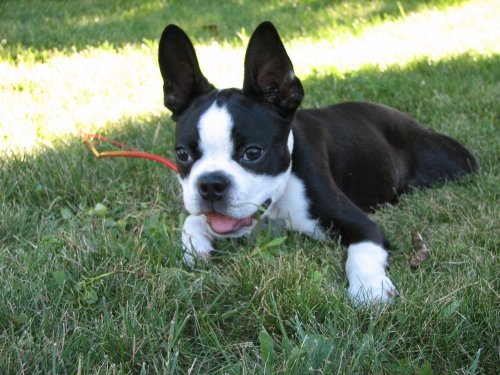
When you yell after we chew the shoe… we don’t connect it to something we did an hour ago. Dogs live in the present. Correction only works if it’s immediate and clear — and even then, harsh reactions often create fear rather than understanding.
Many behaviors we label as “guilt” are actually appeasement signals. That lowered head, tucked tail, sideways glance? It’s not confession. It’s “Please don’t be upset.”
What dogs wish we understood is simple: show us what to do instead. Reward the behavior you want. Guide us. Be consistent. Fear might stop behavior temporarily, but trust builds lasting change.
We Need Real Rest — Not Constant Stimulation

Dogs sleep a lot. Adult dogs average 12–14 hours a day. Puppies and seniors need even more. But rest doesn’t always mean collapse-from-exhaustion sleep.
Many dogs in busy households never fully relax. Constant noise, visitors, kids, TV, movement — it keeps their nervous systems slightly elevated. Over time, that can increase reactivity and anxiety.
Your dog wishes you knew that quiet time isn’t laziness. It’s regulation. A safe corner. A predictable nap routine. A calm household rhythm. Sometimes the most loving thing you can give your dog isn’t another toy — it’s peace.
Final Thoughts
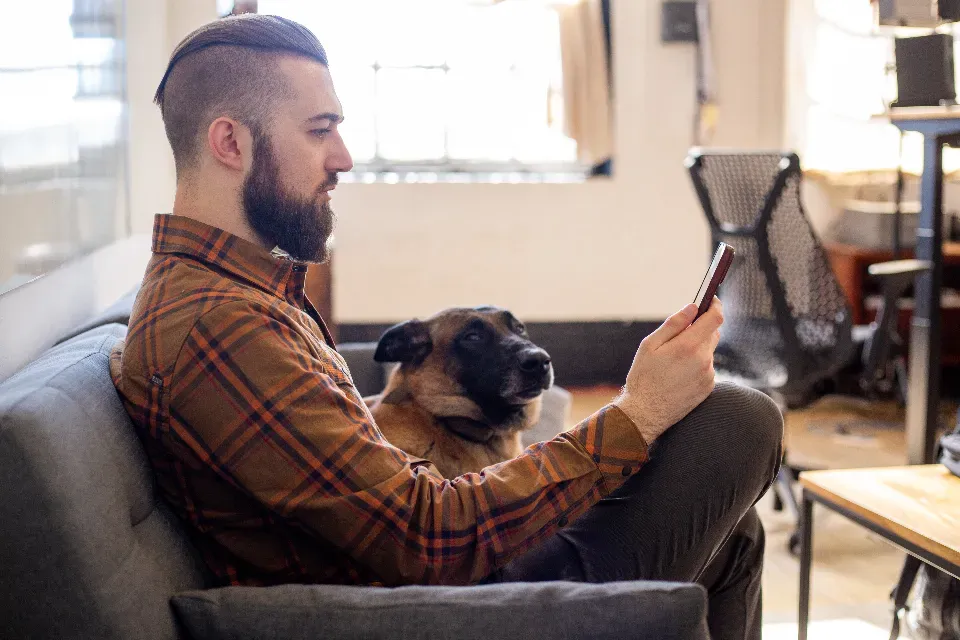
Dogs aren’t mysterious creatures with impossible-to-understand behaviors. They’re just speaking a different language than we are. Once you start paying attention to their signals, the tail positions, the subtle stress cues, the need for mental stimulation and routine, everything starts making sense. Your dog isn’t being difficult or weird. They’re being a dog, and they’re hoping you’ll take the time to listen.
The beautiful thing? Dogs are incredibly forgiving teachers. They’ll keep showing us their signals, keep trying to communicate, keep loving us even when we miss the mark. Learning to understand them better isn’t just about being a responsible owner. It’s about deepening one of the most profound relationships we’ll ever have.
What surprised you most about what dogs really want us to know? Drop a comment below and share your thoughts.


