
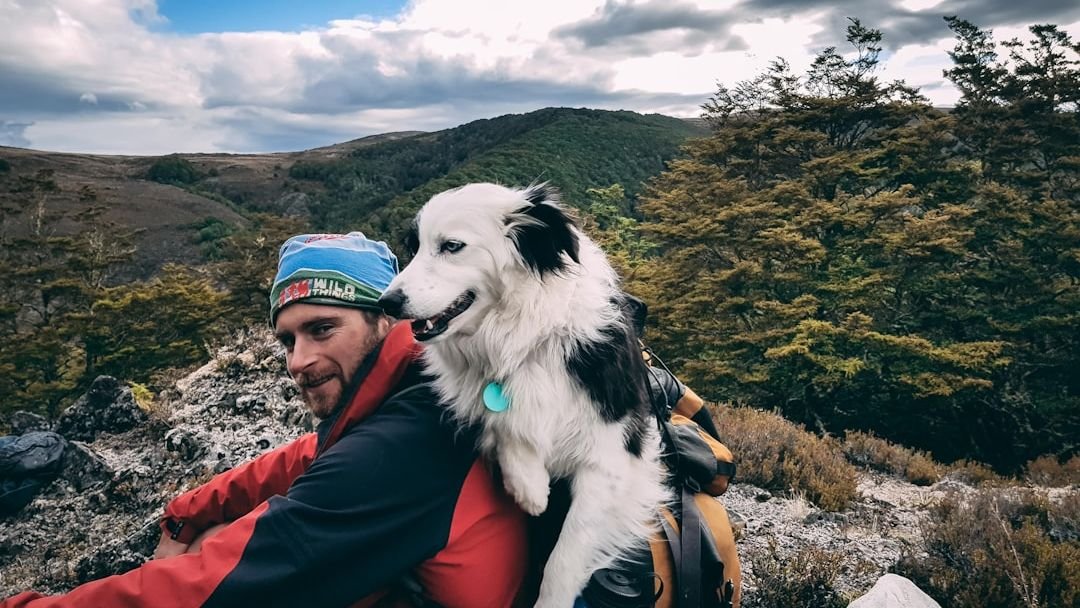
Ever looked into your dog’s eyes and wondered what’s going on behind them? Those soulful glances aren’t just random moments. Your furry companion stores away certain experiences in a way that shapes their entire emotional world. Let’s be real, our dogs might forget where they buried that bone ten minutes ago, but the truly meaningful moments with you stick around much longer than you’d ever guess.
The emotional bond between a dog and their human significantly enhances memory retention, and dogs can remember owners for years, sometimes after five or more years of separation. Think about it. Your pup isn’t keeping a mental diary of every walk or meal, yet somehow they light up at the sound of your car pulling in the driveway years later. So what makes the difference between a fleeting moment and one etched forever in their heart? Emotional intensity matters way more than repetition here.
Recent studies suggest that dogs may possess a form of episodic-like memory, which allows them to recall specific past events linked to their experiences, enhancing the emotional bond between dogs and their owners. This isn’t about training tricks or commands. These are the quiet, sometimes unexpected instants that define your relationship. Let’s dive into the six moments your dog treasures most.
The Day You First Brought Them Home

Picture this: a scared puppy or anxious rescue dog entering unfamiliar territory for the very first time. Everything smells different. Every sound is strange. Then you show up offering warmth, patience, and safety.
The emotional bond between a dog and their human significantly enhances memory retention, dogs can remember owners for years, sometimes after five or more years of separation, and they associate scents and voices with comfort and love, strengthening their ability to remember people. That initial experience sets the tone for everything that follows. Your dog forms associations immediately. Your voice becomes their safe harbor. Your scent becomes home. The memory might fade in detail, but the feeling of being rescued or chosen never disappears entirely. It becomes woven into who they are with you.
Dogs are particularly adept at remembering emotional experiences because their amygdala, the part of the brain that processes emotions, is highly active, and positive reinforcement during training can create strong, lasting memories. That first night curled up together? The tentative trust building over those early days? Dogs don’t replay events like we do, but they carry the emotional imprint. This moment becomes the foundation of your entire bond.
When You Comfort Them During Fear
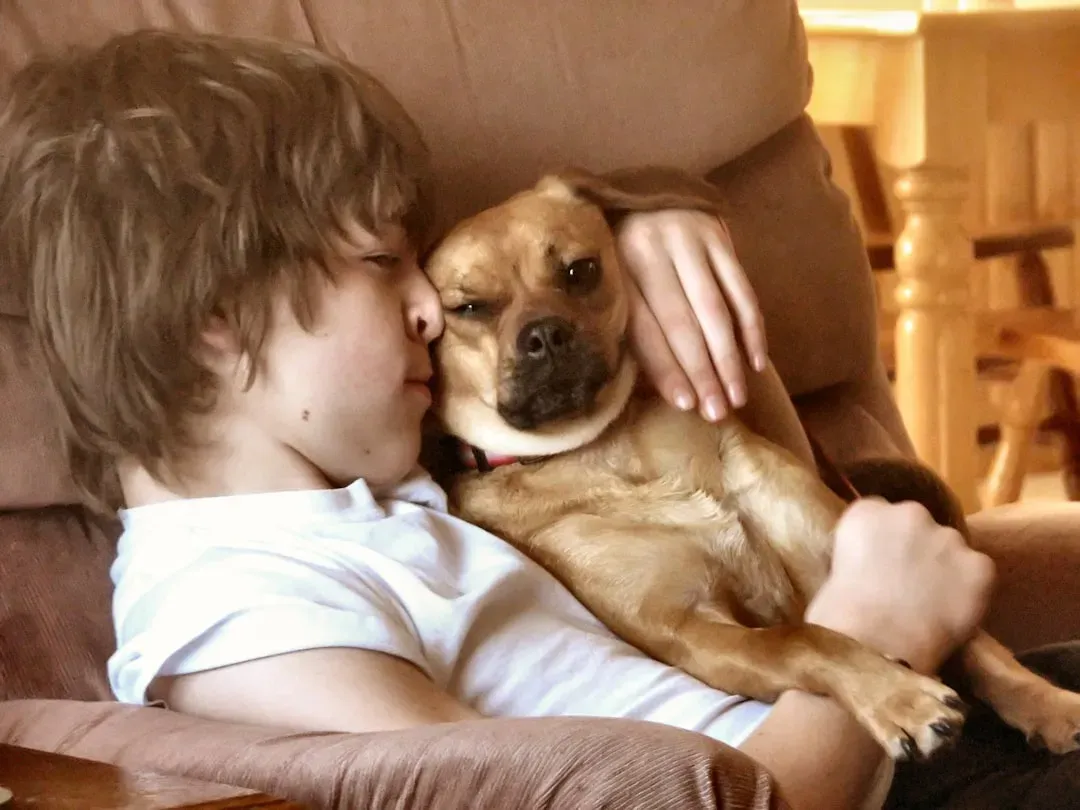
Thunderstorms. Fireworks. Vacuum cleaners. Whatever the trigger, panic floods your dog’s system with stress hormones. Their world becomes terrifying.
Then you’re there. You sit close. Maybe you stroke their fur softly or speak in calm, reassuring tones. One of the most amazing things about dogs is their ability to read human emotions, and if you’ve ever had a bad day and noticed your dog staying close to you, it’s because they can sense something is wrong. This street runs both ways. When they’re frightened and you provide comfort, that memory gets emotionally amplified.
Unlike humans who can consciously choose to remember, dogs rely on emotional intensity and repetition to cement experiences, emotion acts as the memory’s amplifier, and a dog’s first thunderstorm creates a stronger memory than their hundredth meal because fear floods the brain with stress hormones that enhance encoding. Here’s the thing though: your presence during their darkest moments doesn’t just ease immediate fear. It teaches them they can count on you when everything falls apart. That lesson sticks. Dogs who know their person will show up during scary times develop deeper trust. It’s not about eliminating the fear entirely. It’s about never facing it alone.
The Reunion After Separation
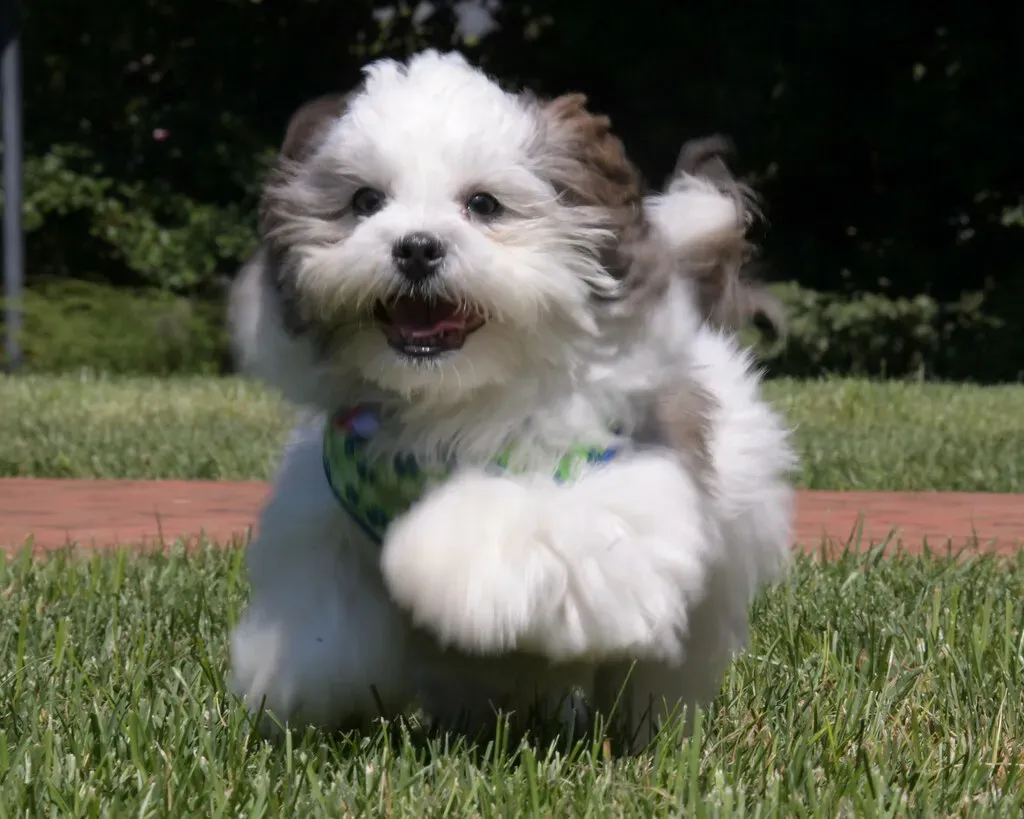
Whether you’ve been gone five minutes or five months, the ecstatic greeting remains a sight to behold. Tail wagging at full speed. Happy whines. Sometimes even tears of joy.
When owners return after a long absence, many dogs display immediate signs of recognition and joy such as tail wagging, jumping, barking with excitement, or even crying from emotion, and these behaviors highlight their emotional memory and attachment. I think people underestimate how profound these reunions feel for dogs. They experience time differently than we do. Minutes can feel endless to them when their attachment figure vanishes. The relief and joy when you reappear isn’t performative. It’s genuine celebration.
Though dogs have a limited short-term memory, their long-term memory involving people is impressive, and there are numerous cases where dogs, separated from their owners for 5 to 10 years, showed instant recognition upon reunification. Even after years apart, that rush of recognition floods back. Your scent triggers memories. Your voice unlocks emotions stored deep in their brain. Every reunion reinforces that you always come back. Every return strengthens the trust. These aren’t just happy moments. They’re proof that your bond transcends time and distance.
Quiet Moments of Physical Closeness
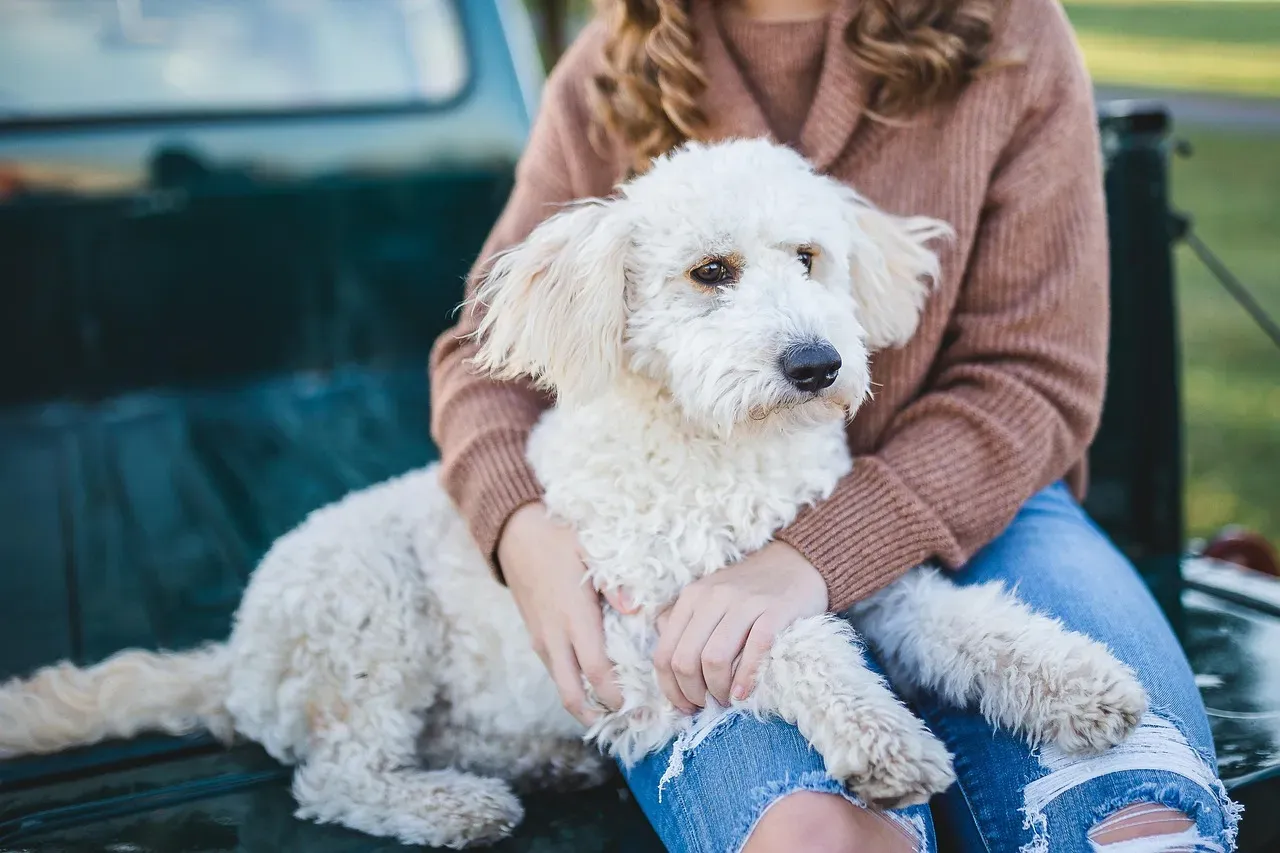
Not every treasured memory involves drama or excitement. Sometimes it’s the simplest thing: you sitting on the couch reading, your dog’s head resting on your lap.
When dogs see or smell their owners, their brain releases oxytocin, the hormone of love and bonding, which is the same hormone that strengthens the connection between mothers and infants. Those calm, peaceful moments together activate powerful bonding chemistry. Your dog isn’t doing anything special. You’re not playing or training. You’re just being together.
A 2015 study in Japan found dogs and humans were engaging in cross-species gaze-mediated bonding using the oxytocin system, and when humans and dogs stare into each other’s eyes, they each register a spike of oxytocin. That quiet eye contact while you stroke their ears creates biological connection. The stillness matters as much as the action. Dogs treasure these moments because they’re pure presence without demand or expectation. You’re choosing to be with them simply because you want to be. That registers deeply. It tells them they matter beyond what they can do for you.
Adventures and New Experiences Together
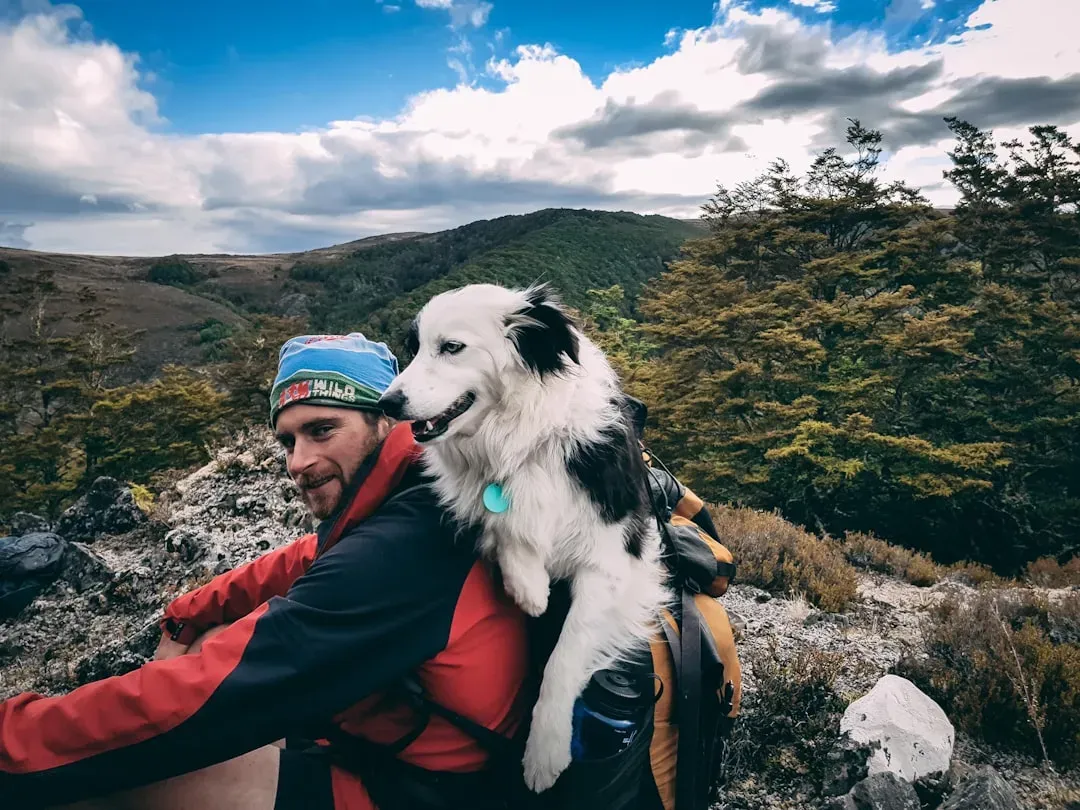
That hike where they discovered a stream for the first time. The beach trip where they ran through waves. The car ride to somewhere new where they stuck their head out the window, ears flapping in the wind.
The emotional weight of experiences significantly impacts how long dogs remember things, and positive experiences such as engaging playtime, tasty treats, or affectionate moments with their owners create strong emotional associations that enhance memory retention. Novel experiences with you create particularly vivid memories because they combine sensory richness with emotional intensity. Your dog isn’t just exploring a new place. They’re exploring it with their favorite person.
Here’s what makes these adventures special: shared joy amplifies the experience for both of you. The emotional connections dogs form with humans significantly impact their memory, and positive interactions such as playtime, feeding, and affection strengthen the bond and enhance a dog’s ability to remember a person. When you laugh at their antics or share their excitement, that emotional feedback loop deepens the memory. Years later, returning to that beach or trail might trigger recognition. The place becomes sacred because you experienced it together. These aren’t just fun outings. They’re stories your dog carries with them.
Your Consistent Daily Rituals
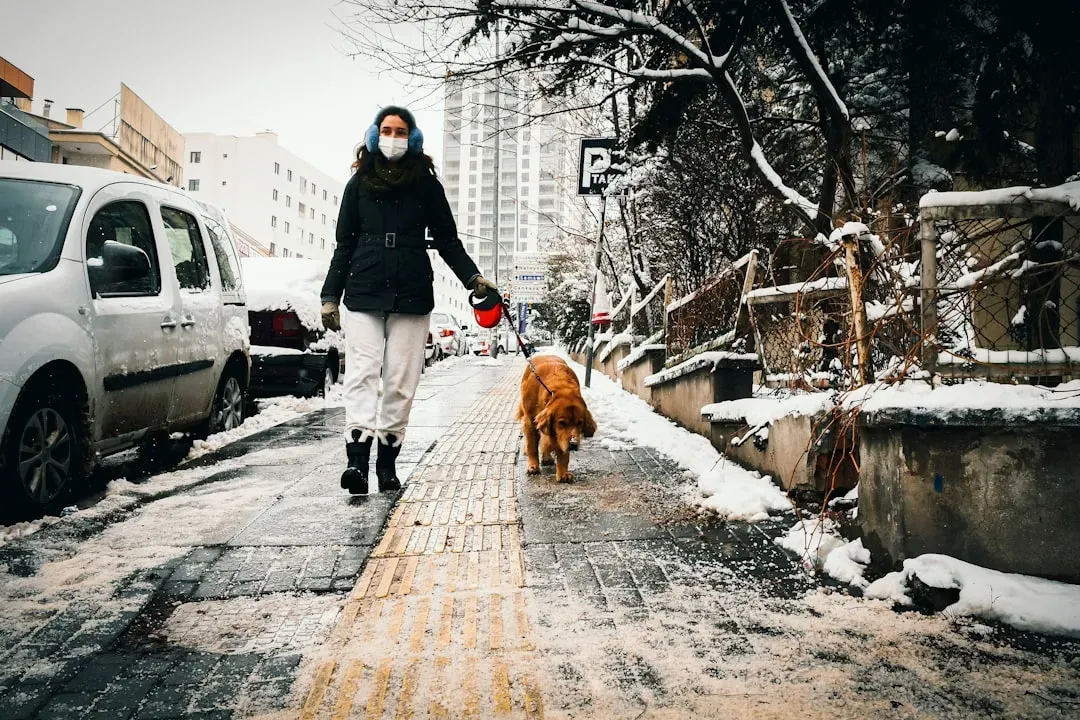
Morning coffee with your dog at your feet. The specific way you say “ready for a walk?” before grabbing the leash. That nightly routine before bed where you give them one last scratch behind the ears.
Regular, positive interactions through routine walks, play sessions, or quiet time together enrich a dog’s associative memory, and simple rituals like greetings or shared activities provide the emotional glue that reinforces your bond. Consistency creates security. Dogs thrive on predictable patterns because they signal stability in their world. These rituals might seem mundane to you, but for your dog they represent something much deeper.
Dogs have an associative memory, meaning they remember people, places, and experiences based on the association they make with them, and things like your scent and your voice will be associated with comfort, love, happiness, and food, thus them remembering who you are by associative memory. Every repeated interaction strengthens the neural pathways connecting you to positive feelings. The ritual itself becomes treasured not because it’s exciting, but because it’s reliably, comfortingly yours together. That morning greeting? The way you always check on them before leaving? These small, repeated moments of connection accumulate into a lifetime of trust and love.
The First Time You Truly Understood Them
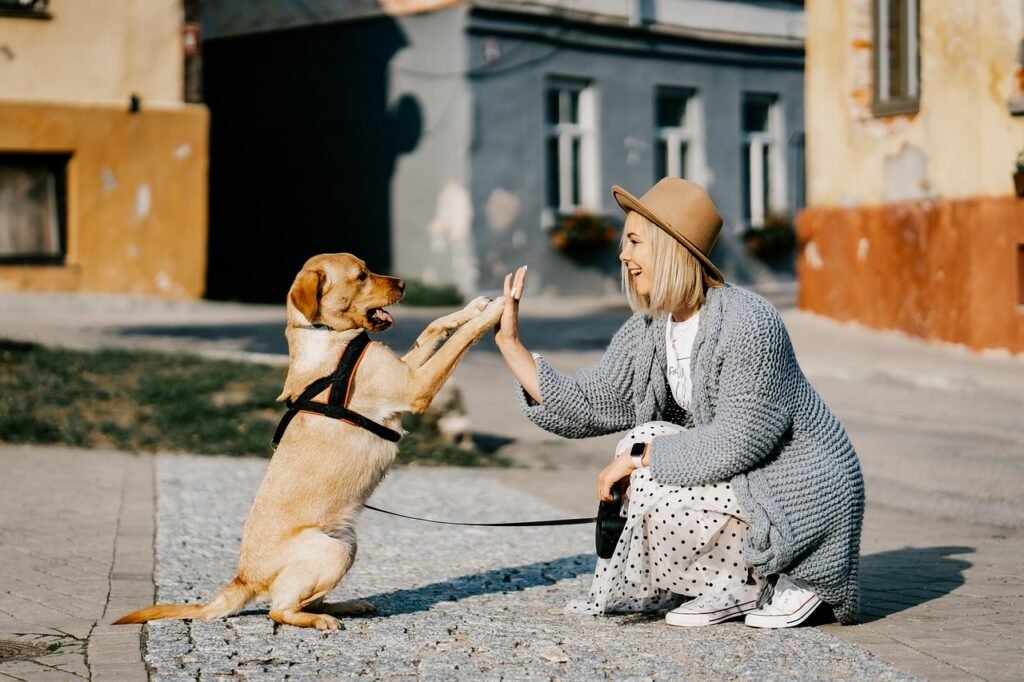
There comes a moment when something clicks. You recognize the subtle difference between their “I need to go out” bark and their “I’m bored” sigh. You notice the nervous ear flick before guests arrive. You respond correctly.
Dogs feel understood in ways we often underestimate. When you consistently respond to their cues, their stress lowers and trust deepens. Being understood is safety. And safety, to a dog, is everything.
That moment when communication becomes mutual instead of guesswork? It tells your dog they don’t have to struggle to be heard. That emotional relief becomes part of their memory of you.
The Day You Defended Them
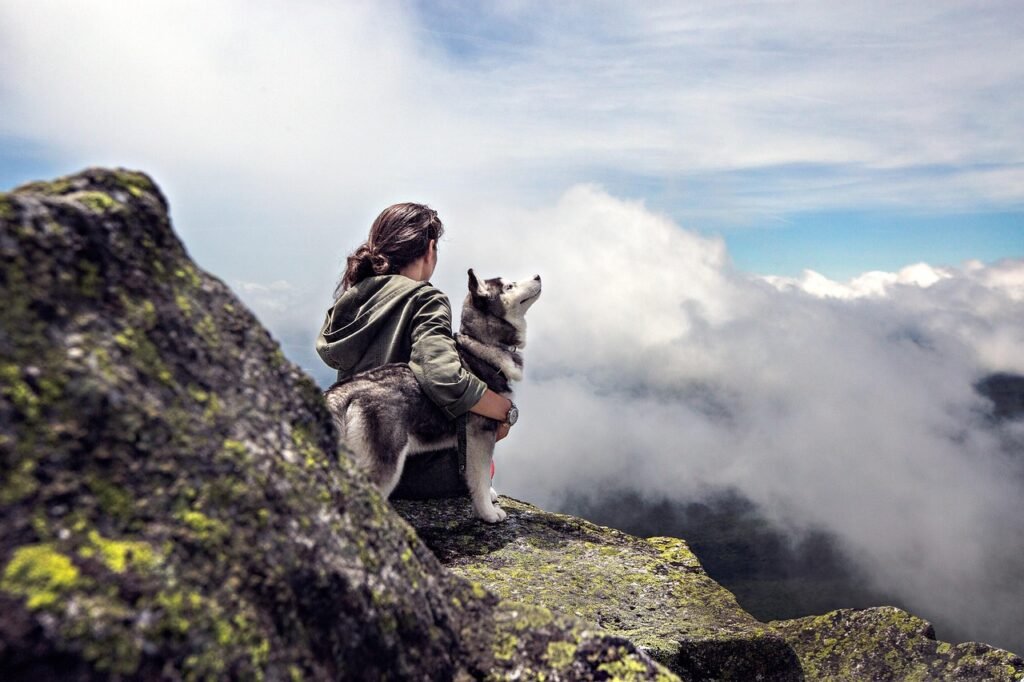
Maybe someone approached too quickly. Maybe another dog acted aggressively. Maybe a stranger raised their voice. And you stepped in.
Dogs are incredibly attuned to social dynamics. When you advocate for them — calmly but firmly — you show them they don’t have to handle the world alone.
Protection builds profound trust. In their eyes, you become not just companion, but guardian. That shift changes the emotional structure of your relationship permanently.
The Time You Chose Them Over Something Else
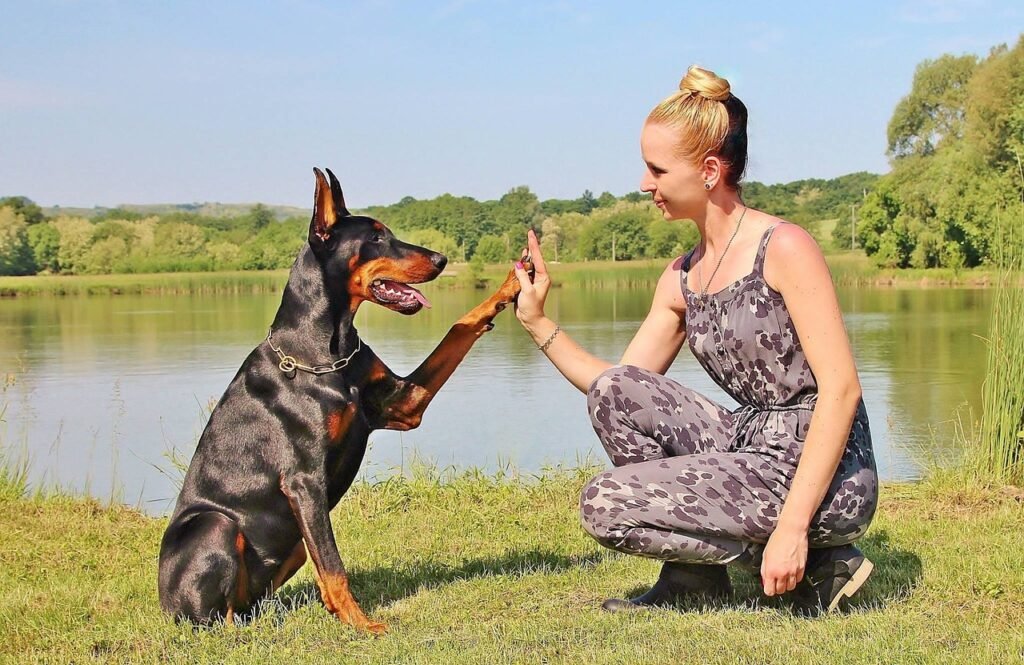
You canceled plans because they were sick. You left a party early to let them out. You skipped a trip because they needed care.
Dogs don’t understand the logistics of your decision — but they feel the outcome. They notice when you show up consistently, especially when it would’ve been easier not to.
Your presence during vulnerable moments reinforces something powerful: “I matter.” That sense of priority settles deeply into their emotional memory.
The Day They Were Sick and You Stayed Close
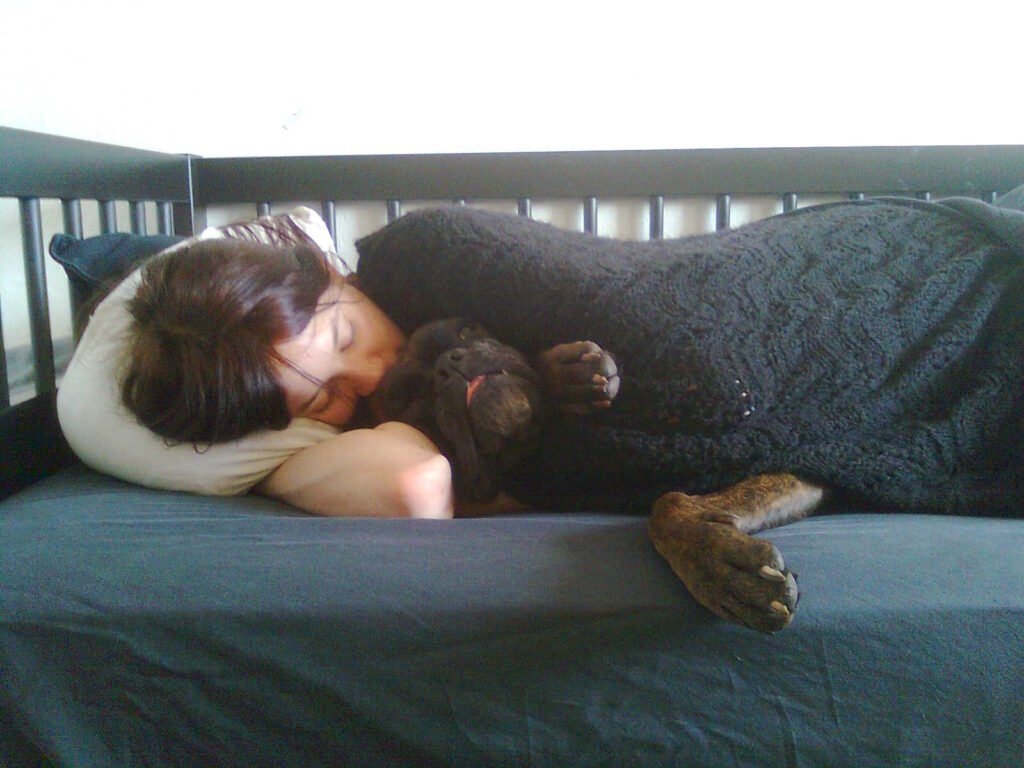
Illness makes dogs quieter, slower, more fragile. Their world shrinks.
If you’ve ever sat on the floor beside them during a rough night… or gently hand-fed them when they wouldn’t eat… that closeness leaves an imprint.
When a dog feels physically weak, emotional reassurance becomes amplified. Your scent, your touch, your voice during those moments becomes associated with recovery and comfort. That memory lingers long after the illness passes.
The Moment You Celebrated Them
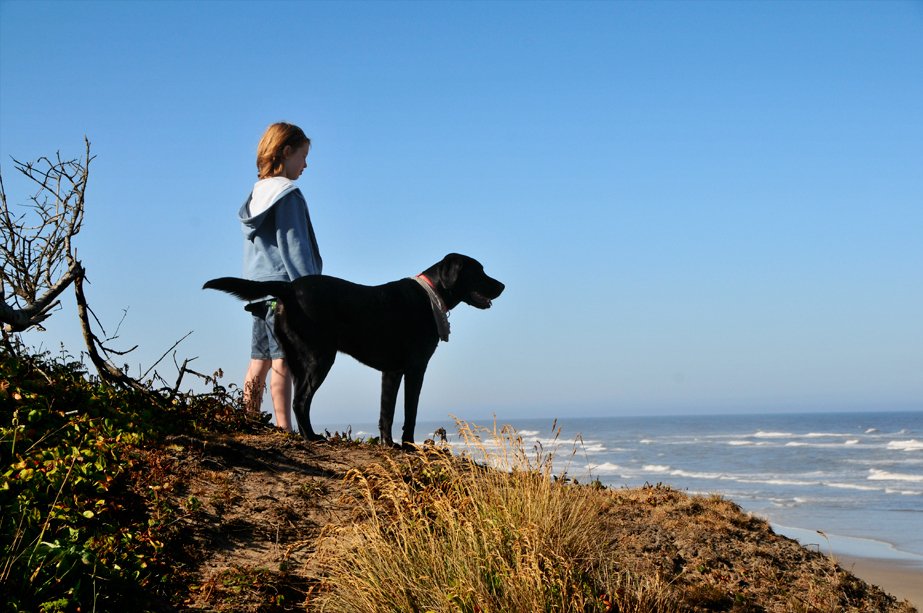
That over-the-top birthday photo. The “Who’s a good dog?!” dance in the kitchen. The proud praise after mastering a new trick.
Celebration is emotional intensity wrapped in joy. Dogs may not understand birthdays or milestones, but they absolutely understand enthusiasm directed at them.
When your face lights up because of them, their brain registers something important: “I bring happiness.” That association strengthens identity and attachment.
The Final Season of Slower Walks
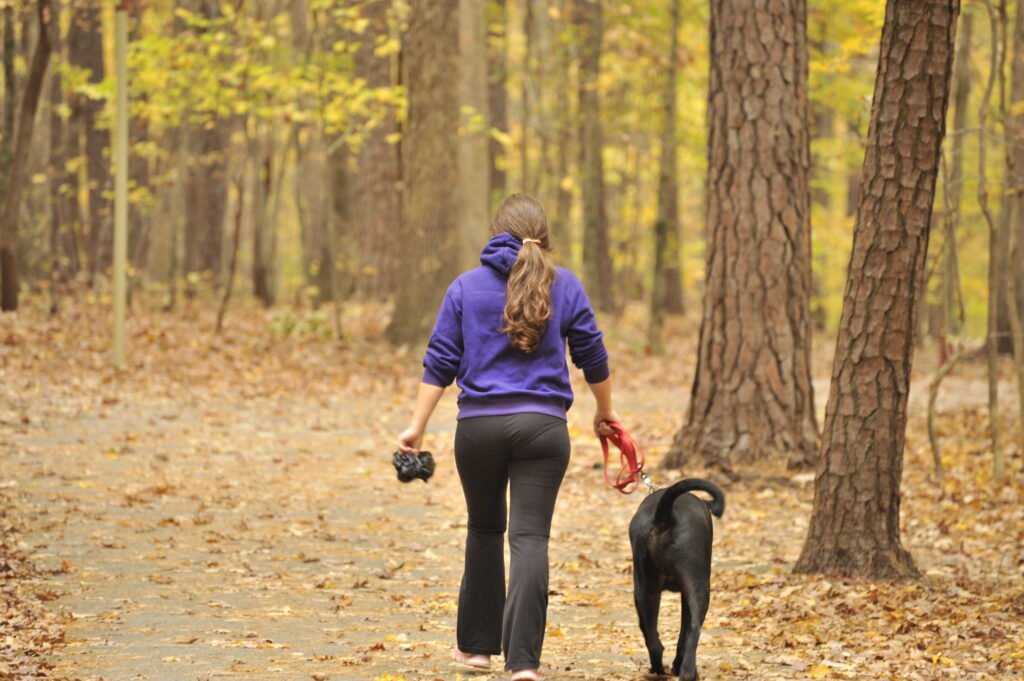
As dogs age, the adventures change. The long hikes become shorter strolls. The zoomies become gentle tail wags.
But if you slow down with them — matching their pace instead of rushing them — that quiet companionship becomes deeply meaningful.
Older dogs often seek closeness over stimulation. When you sit beside them, stroke their graying muzzle, and simply stay… those calm, steady moments form some of the strongest emotional anchors of all. In the final chapters of life, presence matters more than excitement.
While dogs may quickly forget mundane details, their emotional memories can last a lifetime. The rescue that first day. The comfort during fear. The joy of reunion. The peace of quiet togetherness. The thrill of shared adventures. The security of daily rituals. These aren’t just pleasant experiences. They’re the building blocks of your dog’s emotional world.
So next time you’re tempted to skip that evening cuddle session or rush through your morning routine, remember: you’re not just going through the motions. You’re creating memories your dog will carry until their very last day. The moments you share don’t just pass by. They become part of who your dog is, shaping how they see you, trust you, and love you.
What moment do you think your dog treasures most? Have you noticed them light up at certain reminders of your shared experiences? The beauty of this bond is that it’s never too late to create more treasured memories together.


