
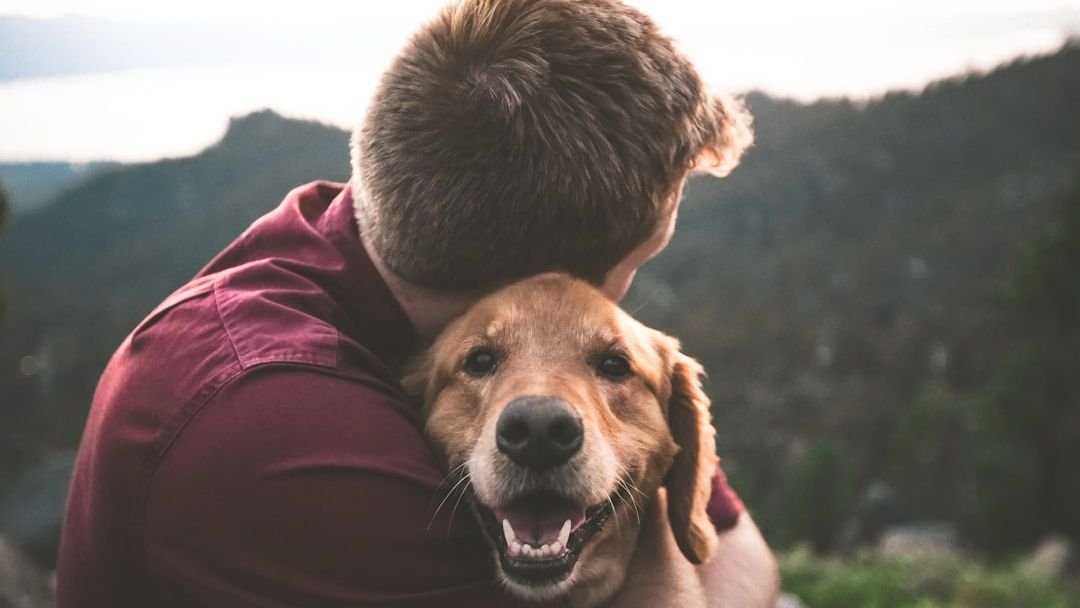
Every dog lover knows that moment when your pup greets you at the door, tail wagging so hard their entire body shakes. We recognize this obvious display of affection easily. Yet our dogs are expressing love in countless smaller ways throughout the day that most of us completely miss.
Dogs speak a language without words, one built on body postures, gentle touches, and fleeting glances. While we’re busy looking for big gestures, our furry companions are whispering “I love you” in dozens of subtle ways that often go completely unnoticed. Learning to recognize these quieter signals can transform your relationship, helping you appreciate just how deeply your dog cares for you.
The Soft Gaze That Releases Love Hormones
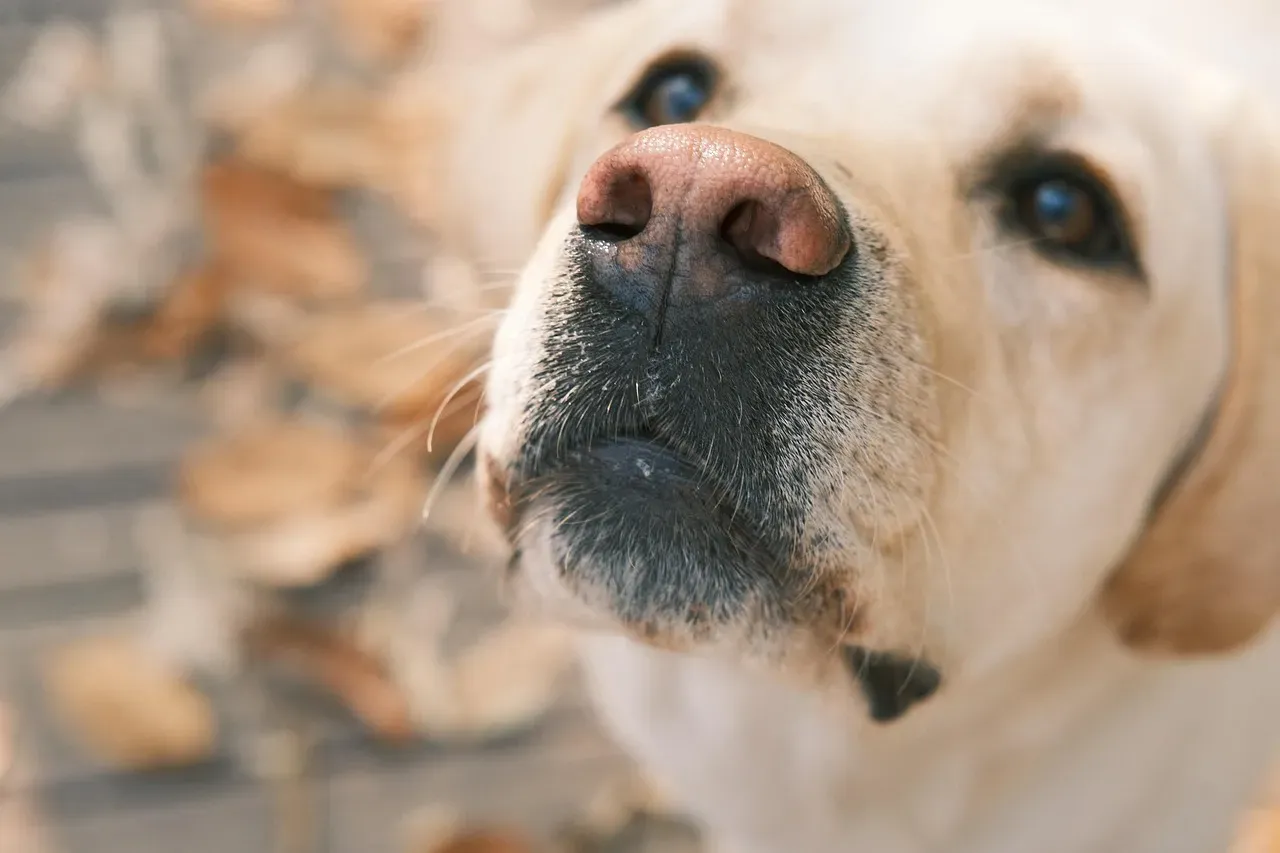
Studies show that domesticated dogs have learned to use eye contact differently than their wild ancestors, and soft eye contact is a special way that our dogs communicate with us, the same way humans connect with each other. When your dog looks at you with relaxed, almond-shaped eyes, something remarkable happens in both your brains.
Research reveals that when your dog gazes into your eyes, it releases oxytocin, the “love hormone,” in both of you, creating a feeling of emotional bonding and connection. This isn’t just affectionate behavior. It’s the same biological response that occurs between human mothers and their babies, cementing your role as your dog’s most important person.
The key difference between loving eye contact and uncomfortable staring lies in the context. A soft, gentle gaze with a relaxed face signals trust. Your dog might hold your eyes for just a few seconds before looking away, then returning. It’s subtle, tender, intimate.
Eye contact is something many overlook as a given, yet sustained eye contact is a sign of love from your pooch, and dogs are much less likely to make eye contact when they’re uncomfortable or stressed.
Leaning Their Full Weight Against You
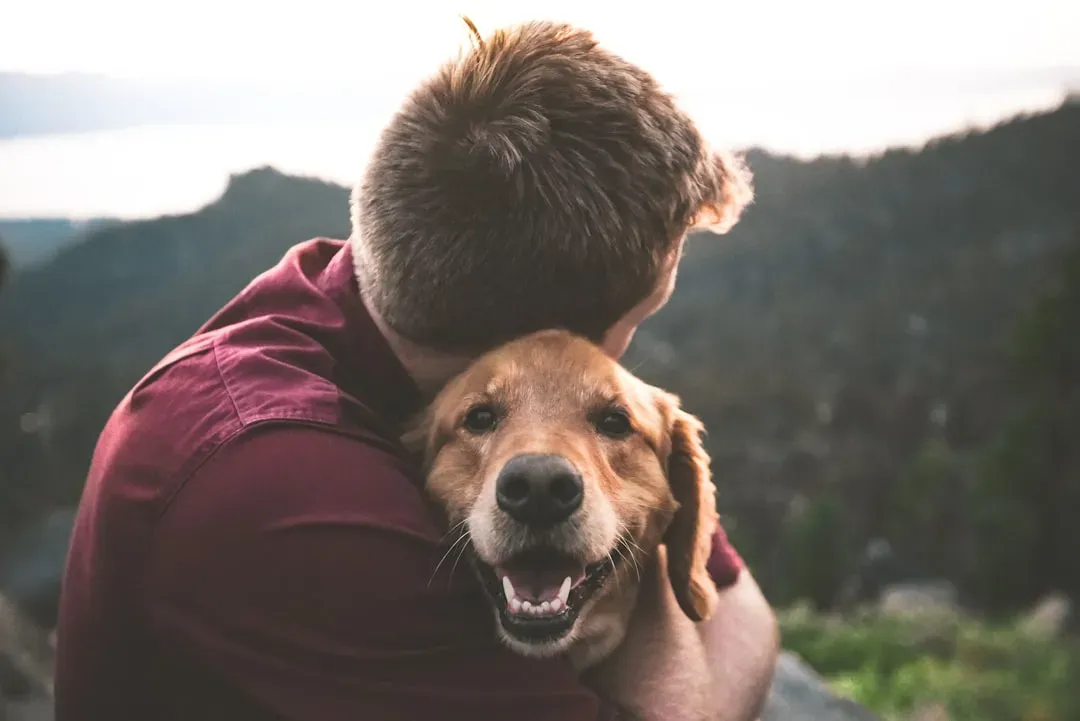
Ever noticed your dog pressing their body firmly against your legs while you’re standing in the kitchen? This isn’t just your pup being in the way. When your dog presses their body against your leg or sits on your foot, this physical closeness is not a sign of dominance, but rather a sign of emotional reassurance.
Touch reinforces bonds and trust in canine social behavior, and you may notice puppies sleeping in heaps or adult dogs resting side-by-side, so when your dog leans on you, consider it as a sign that they are seeking comfort. Think of it as the canine equivalent of a full-body hug. Your dog is saying they feel safe with you, protected, completely at ease.
This behavior is particularly common during moments of uncertainty or when your dog simply wants to feel connected to you. The bigger the dog, the more noticeable this gesture becomes. When dogs lean into you, they’re looking for closeness and security, and this behaviour often occurs when they’re seeking reassurance or simply enjoying the physical connection.
Bringing You Their Broken Toys
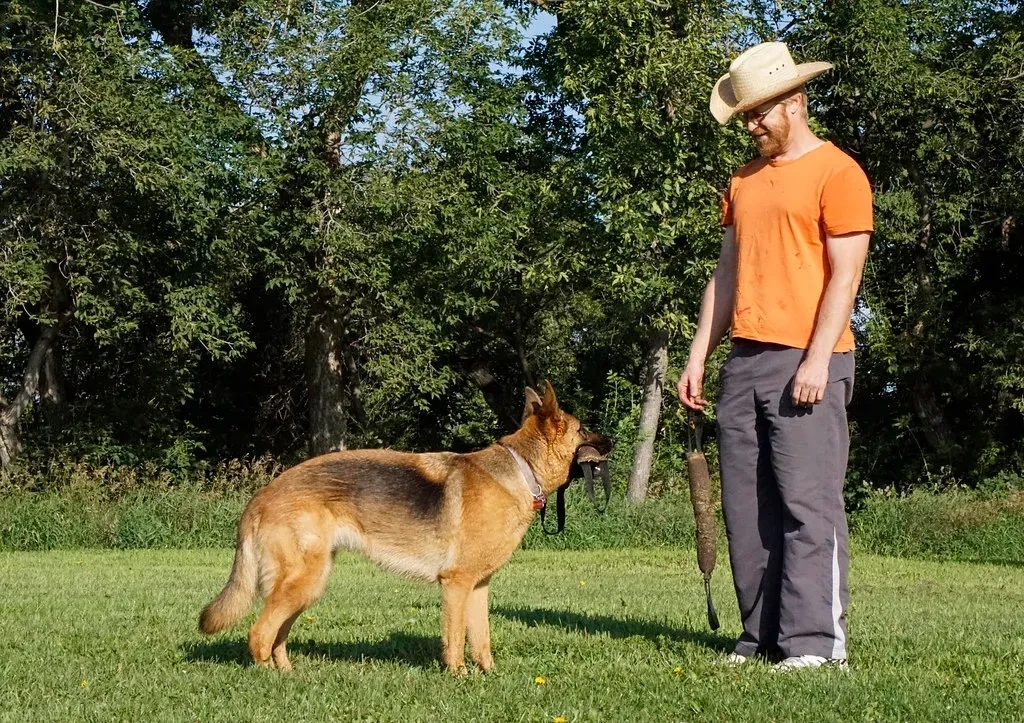
When your dog brings you their favorite toy, this behavior is an invitation to play and a sign of affection, showing they trust you with their prized possessions, and they enjoy spending time with you. Most owners understand this. What many miss, though, is the deeper significance when your dog brings you a damaged or broken toy.
When a dog brings you a broken toy, it’s not random – they’re handing over something precious because they trust you to help, and that’s love and teamwork. Your dog sees you as capable, intelligent, someone who can fix what’s important to them. In their world, this is an enormous compliment.
This gesture reveals how much faith your dog places in you. They’re not just sharing their belongings. They’re asking for your help with something valuable, demonstrating a level of trust that goes beyond simple companionship.
The “Greeting Stretch” Reserved Just for You
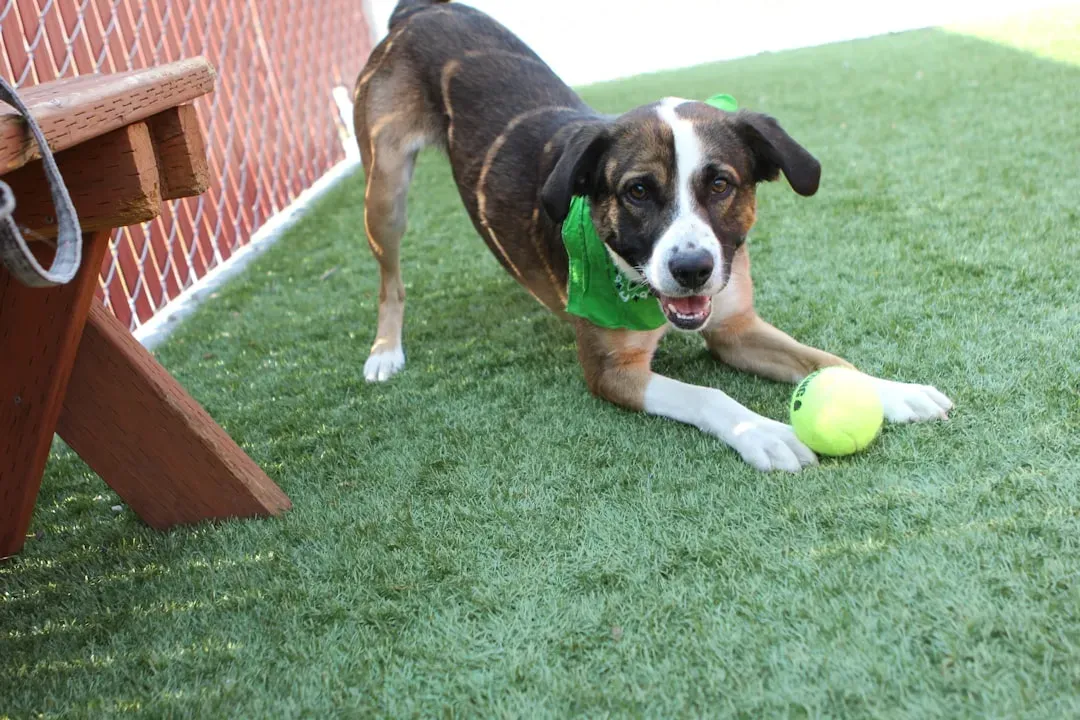
Described in Brenda Aloff’s book “Canine Body Language, A Photographic Guide,” a dog’s greeting stretch is your dog’s way of letting you know you are their “special person.” This is that adorable downward dog pose your pup does when you walk through the door, front legs extended, rear end up in the air.
Most people mistake this for a simple stretch or play bow. While play bows certainly signal happiness, the greeting stretch is different. It happens specifically when your dog sees you after being apart, even if just for a few minutes. The timing matters.
This movement is your dog’s body literally opening up to you, showing vulnerability and excitement simultaneously. It’s not something they do for just anyone. Watch carefully next time you come home. If your dog performs this ritual consistently for you, it’s a clear declaration that you hold a special place in their heart.
Checking In on You From Other Rooms
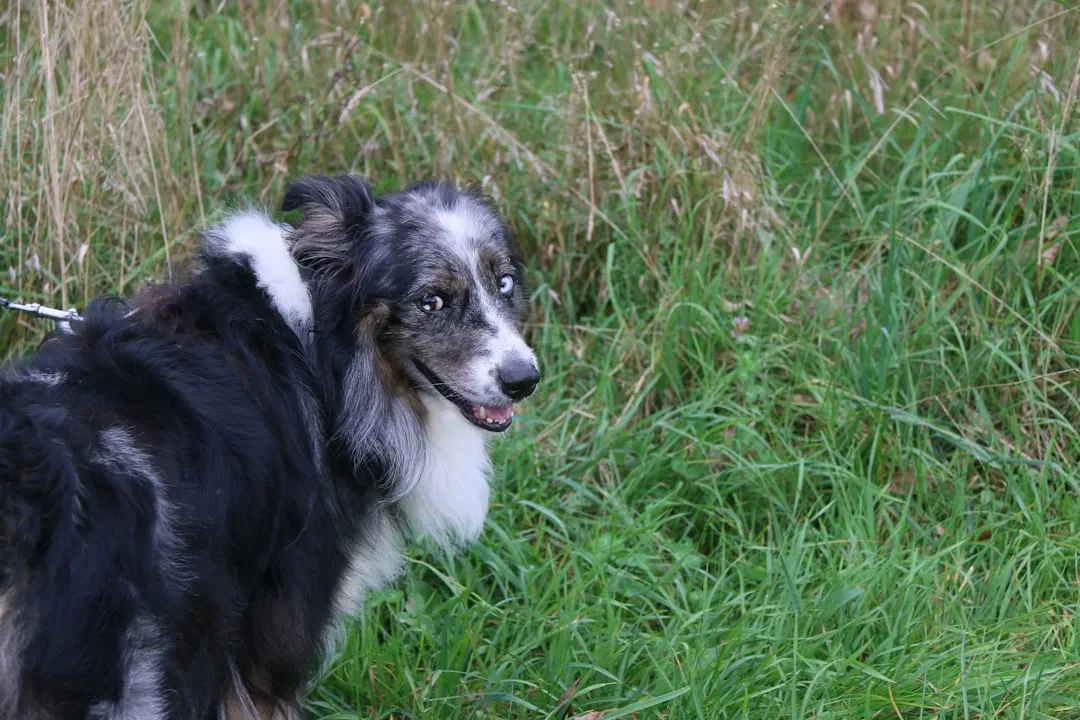
Does your dog wander off to another room, only to return moments later just to glance at you before leaving again? When your dog checks in on you while you spend time apart, this behavior is meant to show you how much your dog loves and cares for you, with the simple explanation being that they want to know you’re okay.
This subtle behavior often gets dismissed as random wandering or restlessness. In reality, your dog is monitoring your whereabouts and wellbeing. Dogs may check in because they recognise you as the leader of their pack, and knowing where you are and that you’re okay is comforting to your dog as it means that all is well with their leader.
Think about it from their perspective. You’re the most important being in their universe. Even when engaged in their own activities, they need to confirm you’re still there, still safe, still accessible. These periodic check-ins are love notes, silent reassurances that the most important relationship in their life remains intact.
Nuzzling and Burying Their Head in You
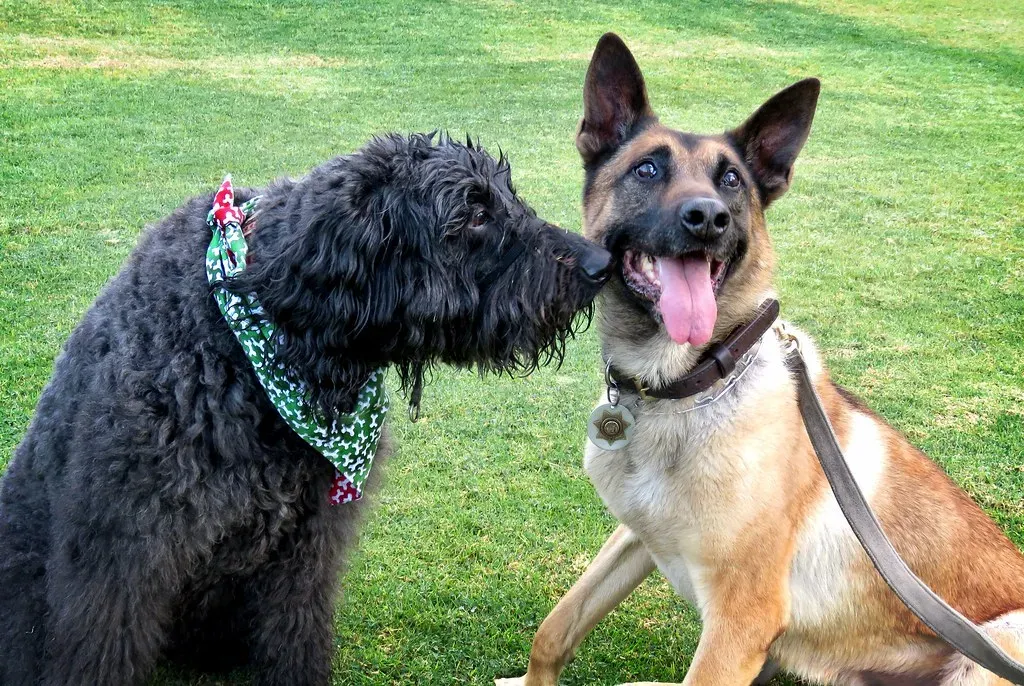
Nuzzling is a way for canines to express love, though in some situations, depending on the context, it can also signal anxiety, and they may bury their head in you for security. When your dog pushes their nose into your hand, presses their head against your chest, or burrows their face into your lap, pay attention to the surrounding context.
Dogs are very intuitive, so their desire for physical touch may not always be about their own wants or needs – when they nudge you for attention and you are sad or distressed, your dog may pick up on this, and nudging you to help comfort you shows how much they love and care for you.
This gentle gesture represents one of the most tender forms of canine affection. Your dog is initiating contact in a vulnerable way, seeking closeness without demanding anything. It’s quiet, unassuming, easily overlooked when you’re distracted by your phone or television.
These moments deserve your full attention. When your dog nuzzles you, they’re choosing connection over everything else happening in their environment. That choice is profound.
Conclusion
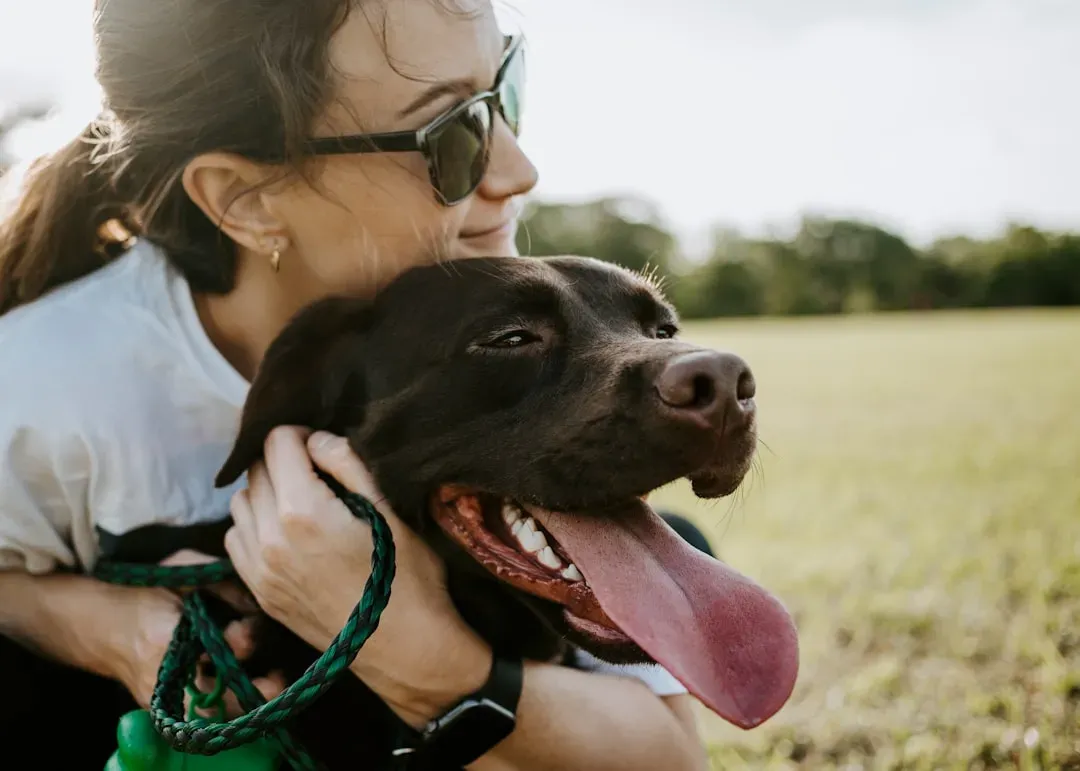
Our dogs are constantly speaking to us in a language that doesn’t require sound. While we celebrate the obvious displays of affection like enthusiastic greetings and tail wags, we often miss the quieter declarations of love happening throughout each ordinary day. These subtle gestures, the soft gaze, the gentle lean, the broken toy presented like a gift, reveal the depth of the bond our dogs feel with us.
Learning to recognize these overlooked expressions of love enriches our relationship with our canine companions immeasurably. Once you start noticing these signals, you’ll realize your dog has been telling you “I love you” far more frequently than you ever imagined. The more you acknowledge and reciprocate these quiet moments, the stronger your connection becomes.
What subtle signs of love have you noticed from your dog that others might miss? Share your observations in the comments below.


