
6 Ways Your Dog Protects You Without You Ever Realizing
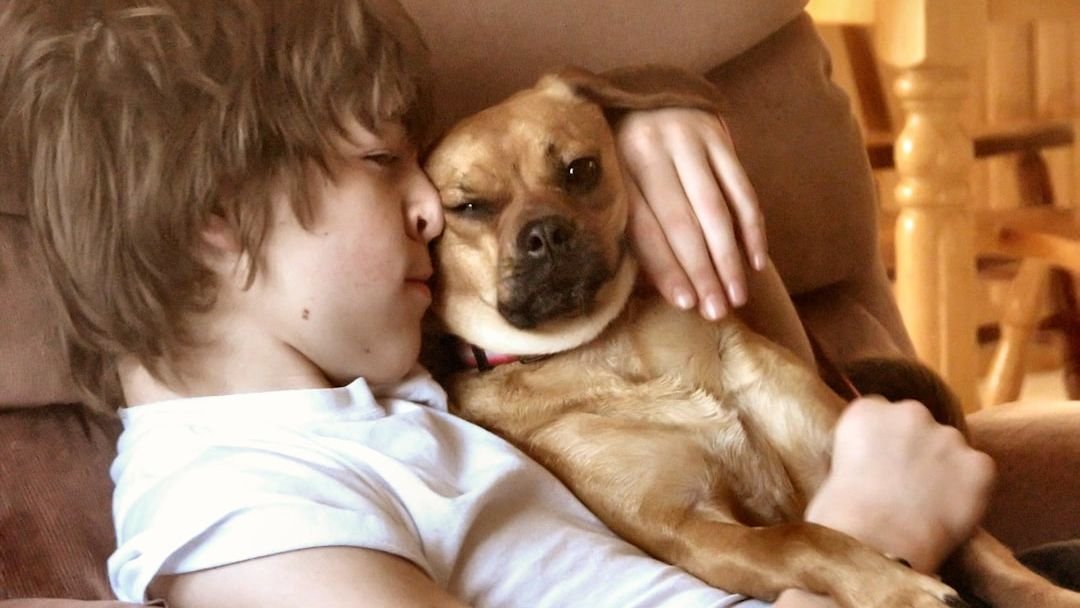
Have you ever caught your dog staring at the front door for no obvious reason? Maybe they’ve nudged you awake at night, or refused to let a stranger get too close during your morning walk. These moments might seem random, quirky even. Yet they’re anything but.
Your dog is wired to protect you in ways so subtle, so instinctive, that most of us never notice until something clicks. Think about it for a second. They’re not just pets lounging around for treats and belly rubs. They’re vigilant, deeply tuned-in companions watching over you every single day.
They’re Reading Danger Before You Can
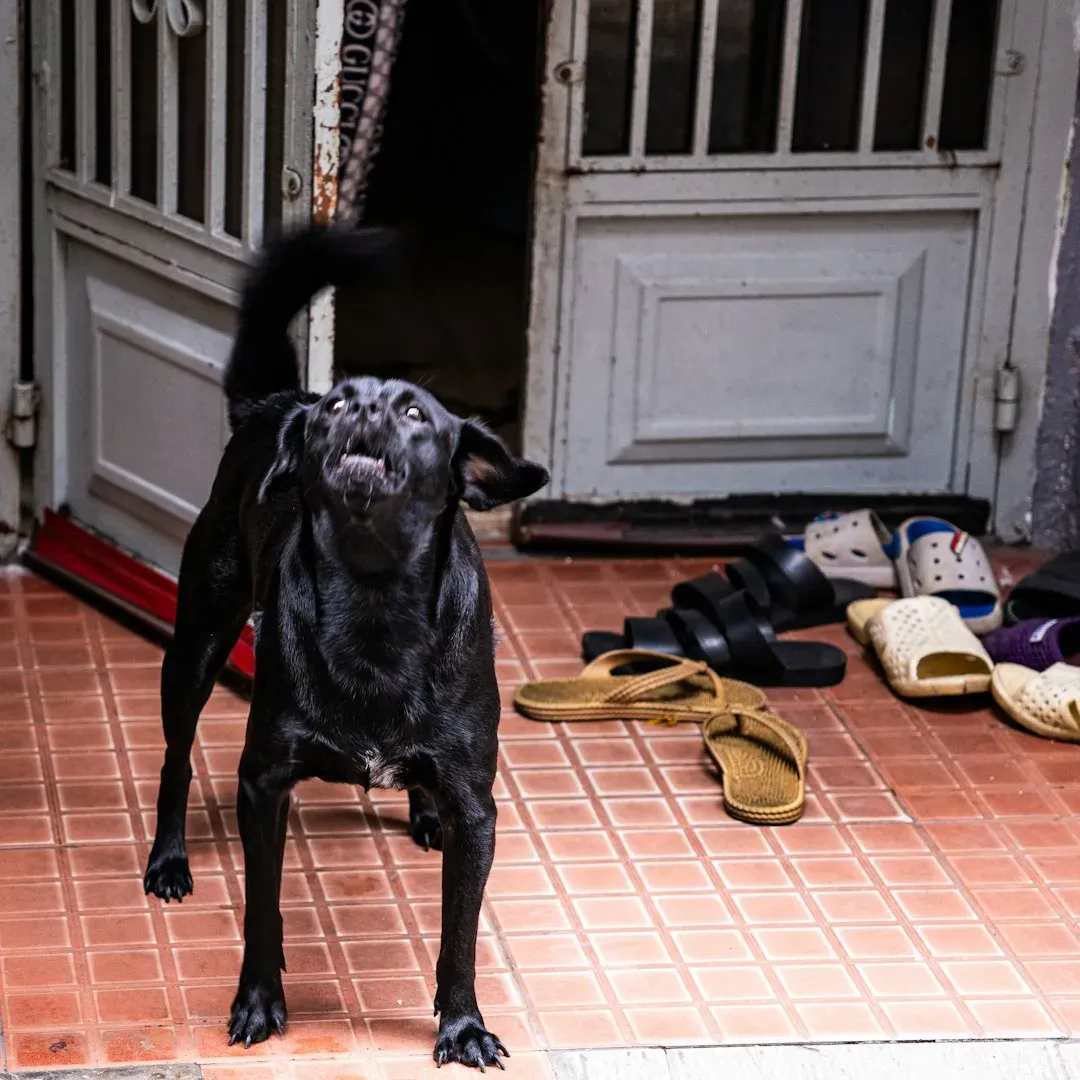
Dogs use their extraordinary senses to pick up on things we might miss, with hearing much better than ours – they can hear sounds from farther away and at different pitches. It’s honestly kind of wild when you think about it. While you’re scrolling through your phone or daydreaming, your dog is processing a whole symphony of information you can’t even detect.
Highly trained dogs possess an acute awareness of their surroundings and can detect subtle changes in human behavior that may indicate malicious intent. Even if your dog isn’t formally trained, those instincts kick in naturally. They’ll pick up on body language, tone shifts, or unusual movements that set off internal alarm bells. You might dismiss a passerby as harmless, yet your dog’s already calculated whether that person is a threat.
This ability isn’t just about strangers on the street. Dogs have keen senses and often alert their owners to unusual activity or noises the human ear might not detect, whether through barking, becoming visibly alert, or nudging their owner. That random bark at three in the morning? Probably not random at all.
They Sense When You’re Sick or Struggling
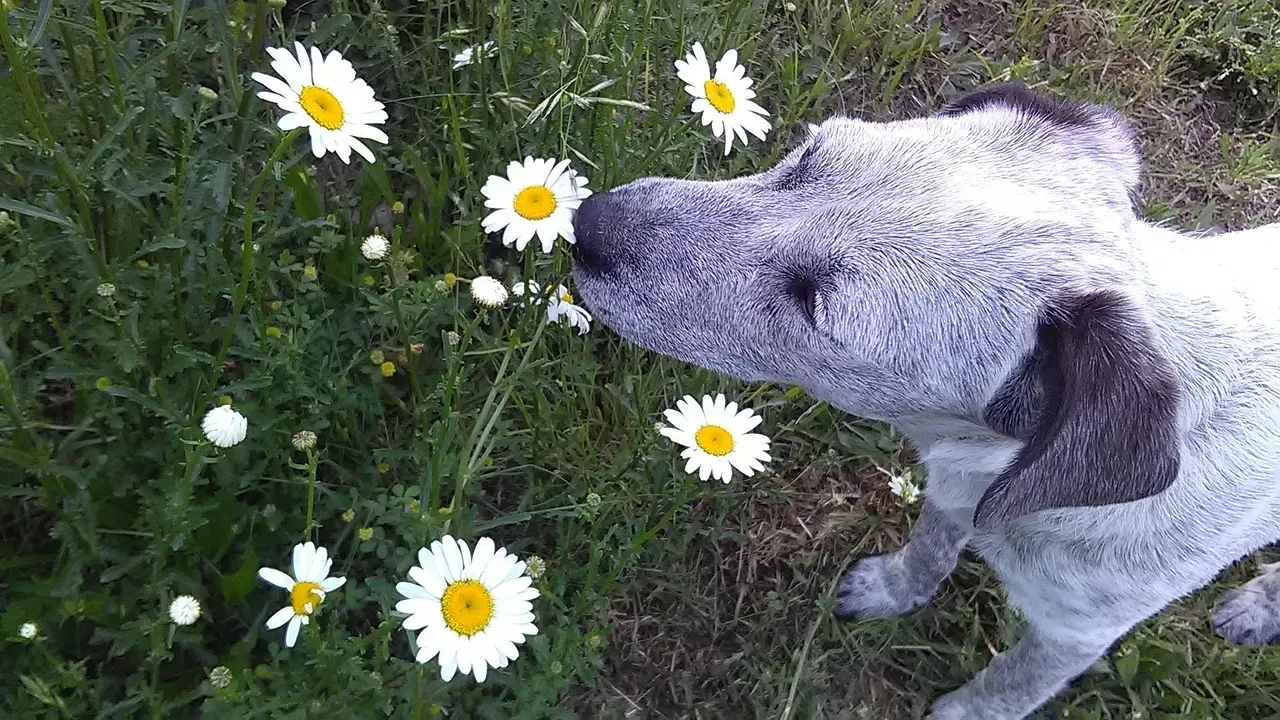
Here’s where it gets really fascinating. Dogs can detect cancer, diabetes, and seizures because illness results in chemical changes in the body and changes in hormones detectable by the dog’s extraordinary sense of smell. Let that sink in for a moment. Your dog can literally smell sickness before you even feel symptoms.
Dogs smell up to 10,000 times better than us with about 220 million scent receptors, whereas humans have a mere 5 million, and they inhale in short breaths up to 300 times a minute. They’re picking up on volatile organic compounds your body releases when something’s off. It’s like having a personal health monitor with fur and a wagging tail.
When a normally active owner gets in bed in the middle of the day or takes to the couch and doesn’t move, the dog knows something isn’t quite right, depending on the illness and the symptoms the owner exhibits. Maybe your dog has curled up beside you when you’ve been under the weather, refusing to leave your side. That’s not coincidence. That’s them standing guard over you during vulnerability.
They Position Themselves as Your Shield
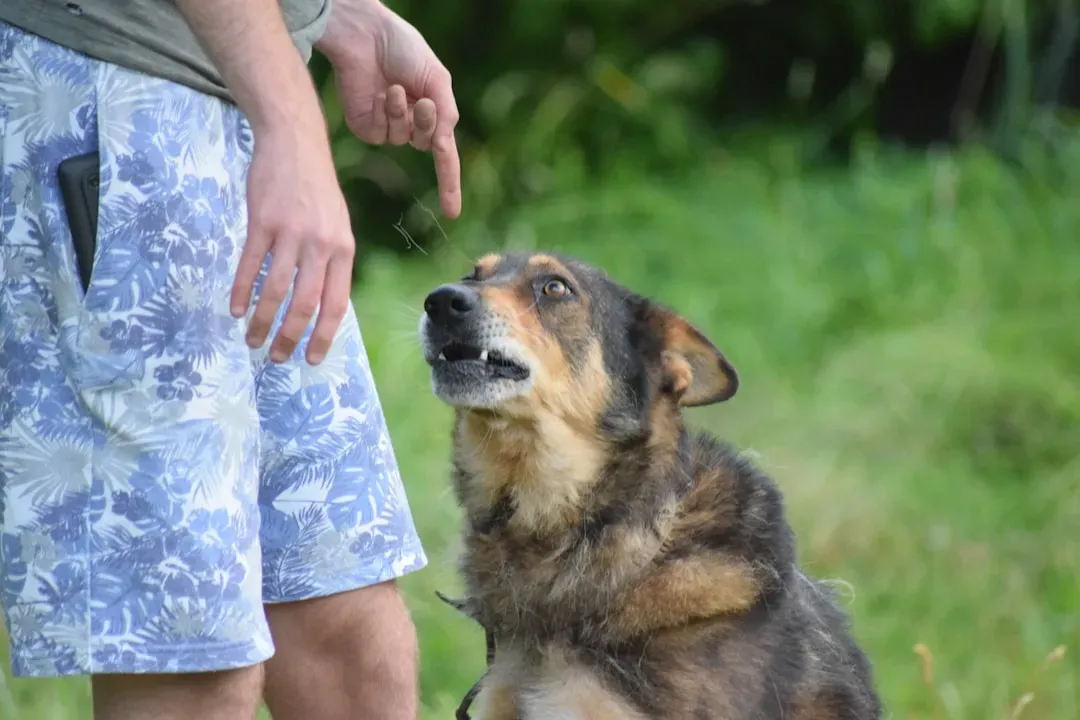
Body blocking is a protective behavior where a dog positions itself between its owner and a perceived threat, such as standing in front of you when someone approaches. Pay attention next time you’re out walking and a stranger gets close. Does your dog subtly shift positions?
Dogs often position themselves between you and what they perceive as a danger, such as if a stranger approaches you on a walk, your dog might stand in front of you to block access. It’s a quiet, instinctive move. They’re not being aggressive or territorial in that moment – they’re simply putting themselves in harm’s way first.
Some people mistake this for clinginess or bad behavior, especially indoors. Yet there’s often something deeper happening. They’re creating a physical barrier, a living fence between you and whatever has triggered their protective instincts.
They Guard You While You Sleep

Many dogs naturally protect their owners while they sleep due to their instinct to guard their pack and territory. Ever notice how your dog chooses a specific sleeping spot? Dogs that sleep facing the door or between you and the entrance are positioning themselves to intercept any potential threat.
Dogs stay awake longer than necessary, occasionally with ears perked or tail twitching, and some interrupt their own rest if they sense unfamiliar activity nearby. Sleep is when you’re at your most vulnerable. Your dog knows this on an instinctive level.
In the wild, dogs are pack animals and sleep in groups, taking turns keeping watch to ensure the safety of others. Your bedroom might not be the wild, yet that ancient programming remains intact. They’re not just napping beside you for warmth or company. They’re on duty.
They Alert You to Environmental Threats
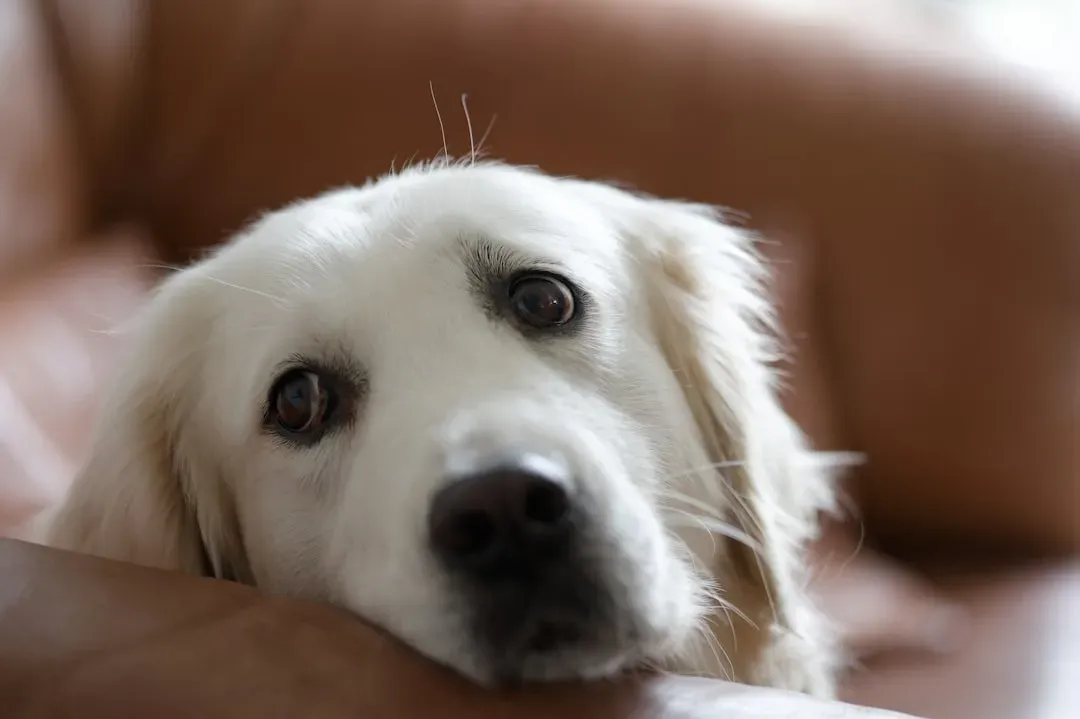
Dogs are known to have a heightened sense of awareness when it comes to natural disasters such as earthquakes, tornadoes, or hurricanes, with their acute hearing and sensitivity to changes in the environment allowing them to detect seismic vibrations or shifts in air pressure. It sounds almost like a superpower, right?
Dogs’ sensitive hearing allows them to pick up on the high-frequency sounds that precede a storm, while changes in air pressure may also alert them, causing many dogs to act nervous or restless hours before a storm strikes. If your dog suddenly becomes anxious for no clear reason, don’t brush it off. They might be picking up on something brewing that you can’t yet sense.
Some dogs can sense the presence of smoke or other signs of fire and alert their owners to danger with their sharp sense of smell allowing them to detect the faintest odor of smoke. Honestly, we often underestimate just how much they’re monitoring our environment. They’re not being paranoid. They’re being protective.
They Respond to Your Emotional State
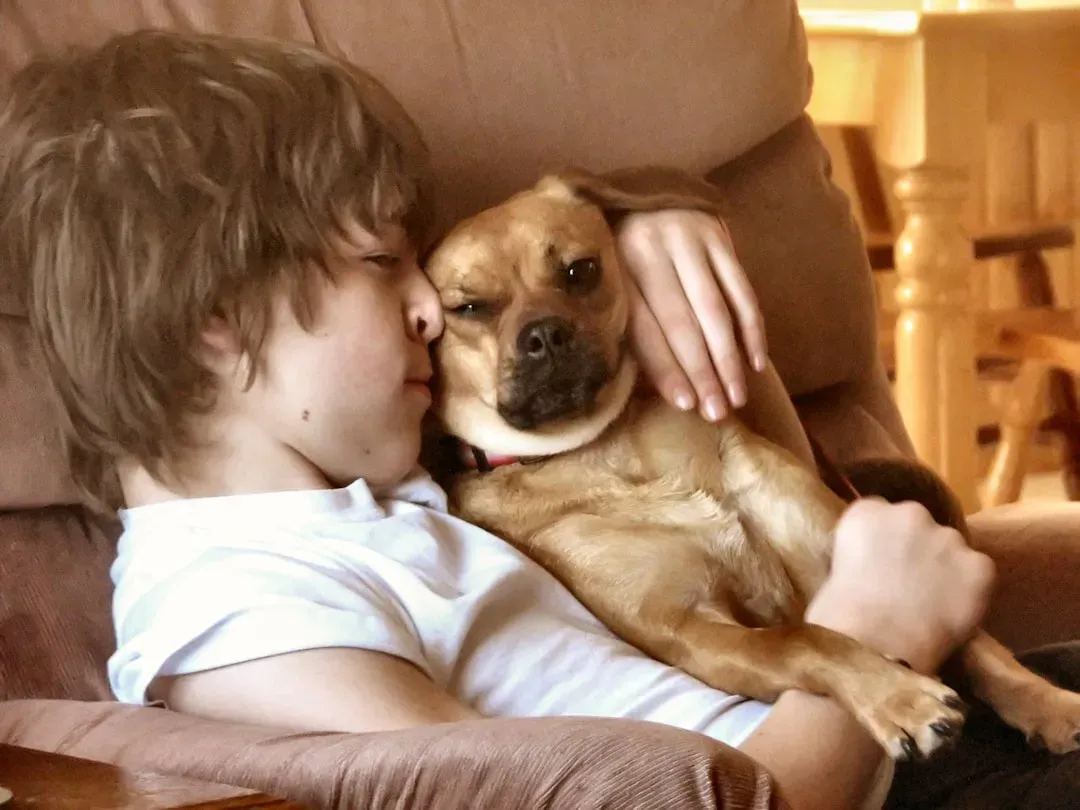
Dogs have a unique ability to sense when their owners are experiencing mental health struggles such as anxiety, depression, or PTSD, with their acute perception of body language and emotional shifts. This one hits differently because it’s not about physical danger. It’s about emotional protection.
When they sense their owner is upset, dogs may offer comfort by staying close, licking their face, or acting protectively, highlighting the deep bond dogs share with their humans. They’re not just reacting to what you say or do. They’re reading the energy you’re putting out, the micro-expressions you don’t even realize you’re making.
Your dog becomes a living anchor during tough moments. Maybe you’ve had a rough day and your dog just won’t leave your side, gently pressing against your leg or resting their head on your lap. That’s deliberate. That’s them telling you they’ve got your back, even when the threat isn’t something they can bark at or chase away.
Conclusion
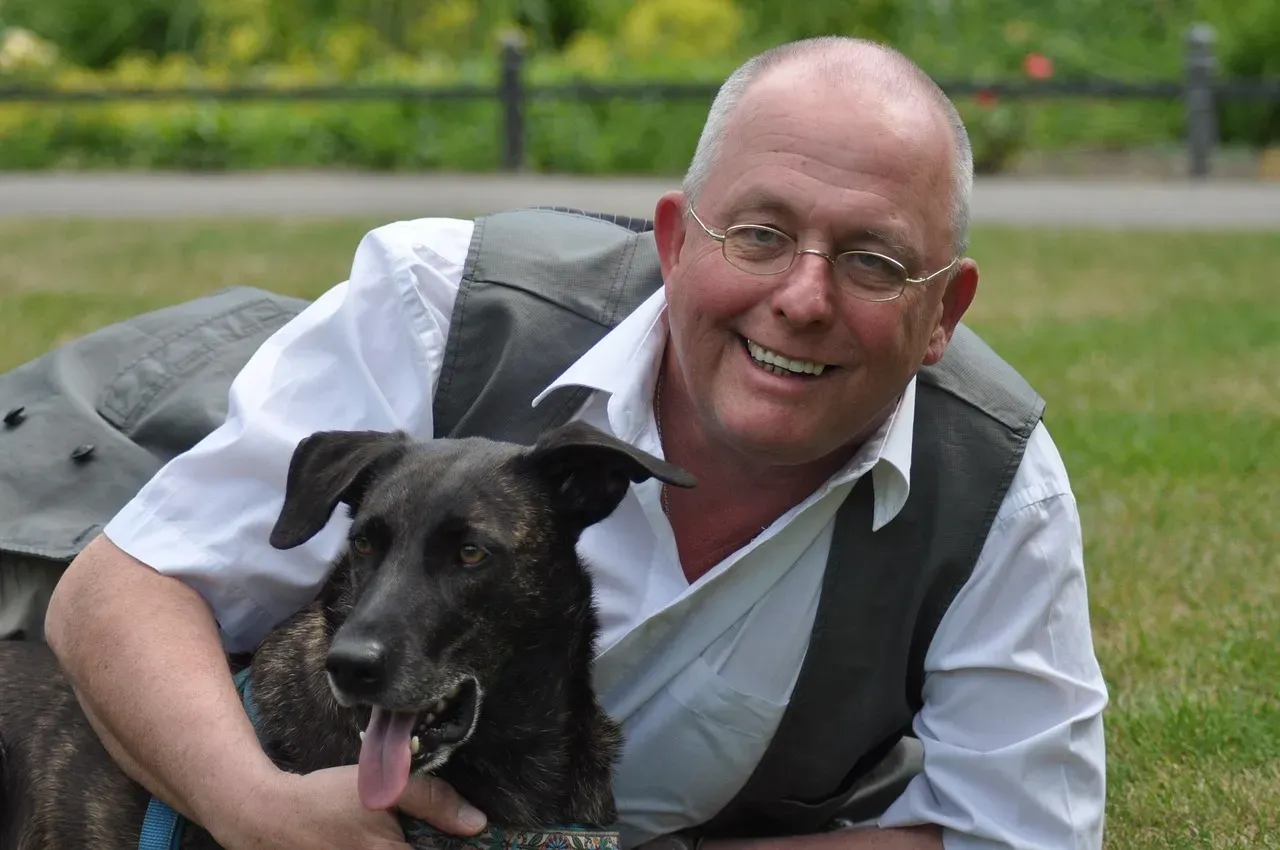
Your dog’s protective instincts run deeper than most of us ever realize. From detecting illness before symptoms appear to positioning themselves as shields during walks, they’re constantly working behind the scenes to keep you safe. It’s woven into their DNA, this need to guard their pack.
Next time your dog does something that seems a little odd – staring at nothing, refusing to settle down, or sticking unusually close – pause for a second. They might be picking up on something you can’t. These aren’t just pets. They’re protectors, companions, and silent guardians rolled into one furry package.
What do you think? Has your dog ever done something that made you realize they were protecting you? Share your story in the comments.