
6 Dog Breeds Known for Their Jaw Power
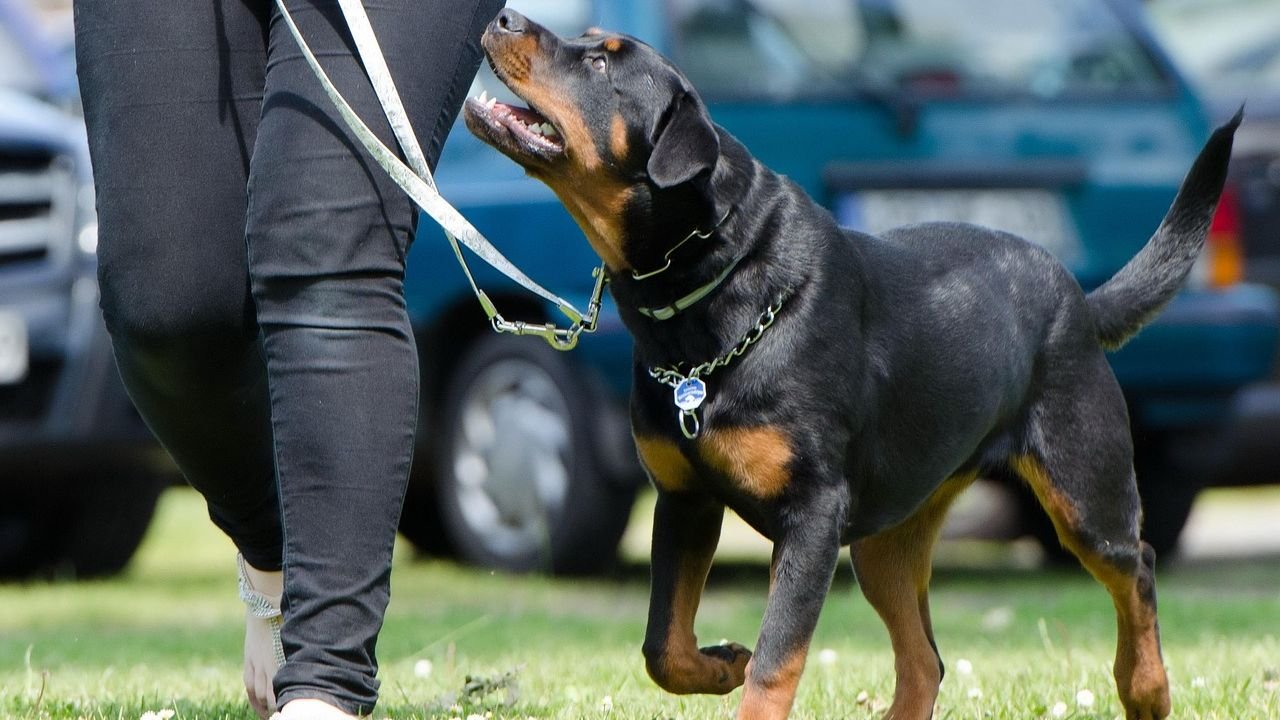
You hear a lot of talk about bite force when it comes to dogs. Maybe you’ve wondered which breeds truly pack the most powerful chomps, or perhaps you’re considering bringing a strong-jawed breed into your family. It’s a fascinating topic, honestly, and one that’s worth exploring beyond the sensational headlines. Jaw power is about much more than aggression. It’s about history, anatomy, purpose, and the roles these magnificent canines were bred to fulfill over centuries.
When we talk about powerful jaws, we’re really talking about breeds that were developed for demanding work. Whether it’s guarding livestock from predators in rugged mountain terrain or protecting families and property, these dogs needed strength to match their bravery. What’s interesting is that strong bite force doesn’t automatically mean danger. In fact, many of the breeds with the most impressive jaw strength are known for being gentle giants with their families, protective without being aggressive, loyal without being unpredictable. So let’s dive into the six breeds that stand out for their remarkable jaw power and learn what makes each one so special.
Kangal: The Undisputed Champion of Bite Force
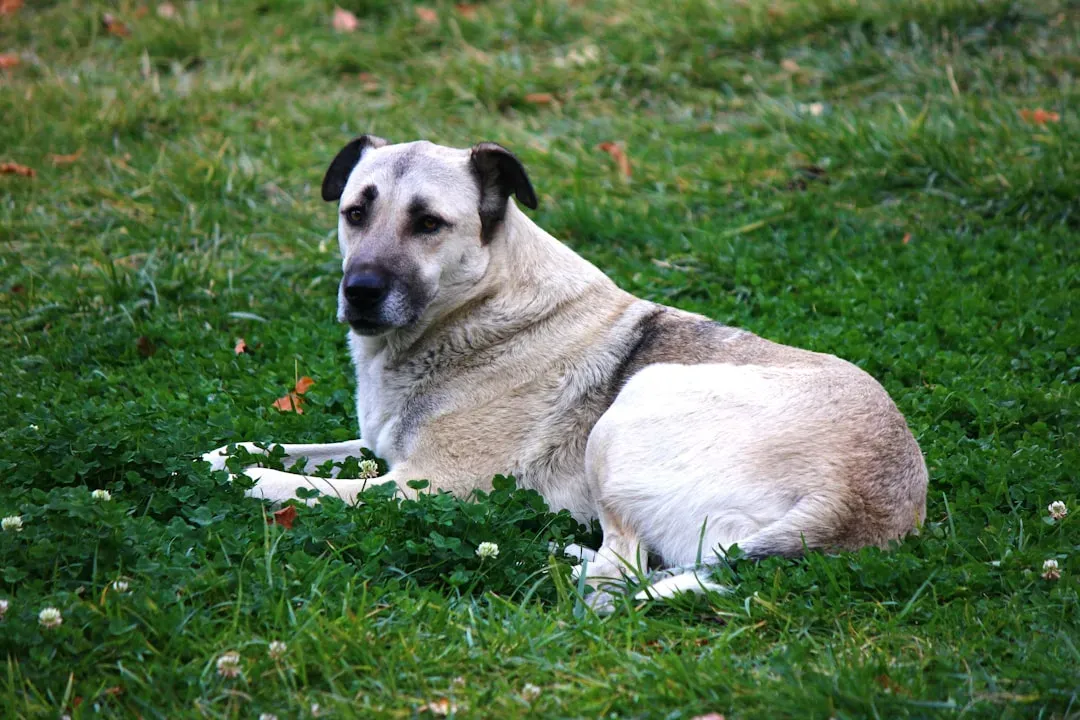
The Kangal holds the crown for the strongest bite force among all dog breeds, with an estimated bite force ranging from 700 to 750 PSI. That’s right, this Turkish guardian breed can deliver more jaw pressure than a lion. Think about that for a moment.
Bred in the Anatolian mountains of Turkey to protect sheep from predators such as wolves, bears, and jackals, the Kangal needed every bit of that power. These dogs weren’t just deterring threats. They were actively defending flocks in harsh, unforgiving terrain where failure meant the loss of livestock that communities depended on for survival. A Kangal typically weighs between 100 to 130 pounds and is all muscle.
What I find remarkable about Kangals is their temperament. Kangals are known to be gentle and affectionate with their families, despite possessing such formidable strength. They’re calm, measured, and incredibly loyal. While they generally do not exhibit aggressive behavior toward people, the Kangal is an excellent guard dog that will viciously defend its territory from predators. This breed teaches us that strength and gentleness can coexist beautifully when proper breeding, training, and socialization come together.
Cane Corso: The Italian Powerhouse
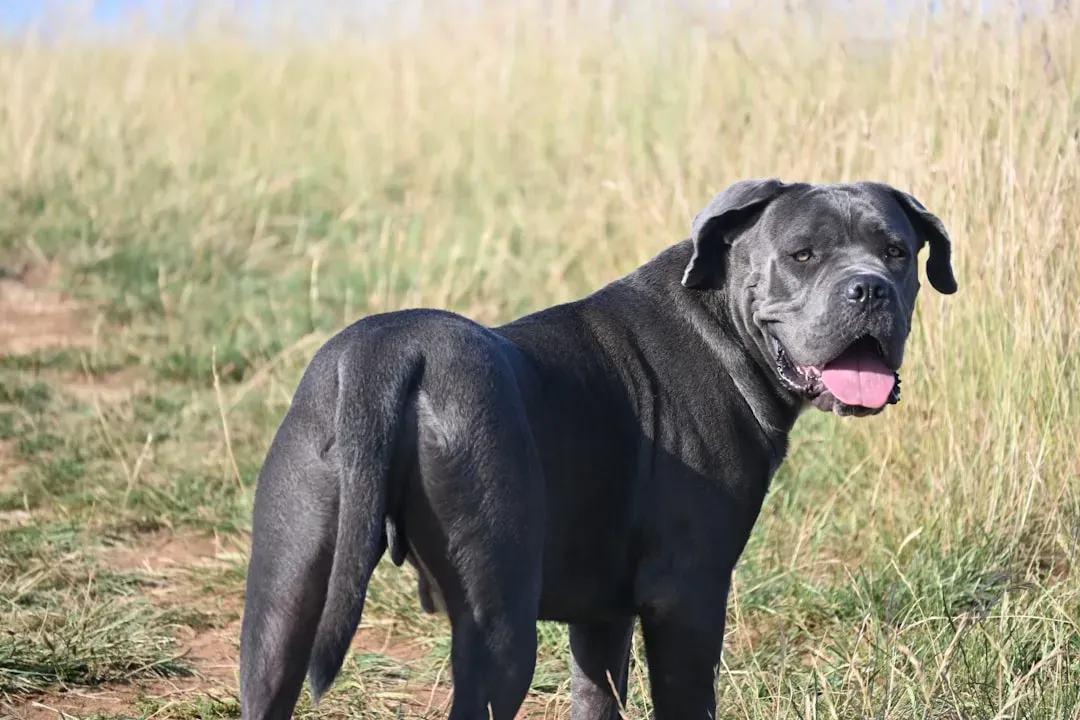
The Cane Corso has a bite force of 700 PSI, giving it some of the strongest jaw strength in the dog world. Originating from Italy, this mastiff-type breed has a fascinating history that spans warfare, hunting, farming, and protection. These aren’t lap dogs, that’s for sure.
These protective dogs were bred to guard farms, but Cane Corsos are now used as hunting, guardian, and law enforcement dogs in Italy. When you look at a Cane Corso, their muscular build and broad head immediately signal strength. Yet here’s the thing that surprises many people: despite their imposing appearance and powerful jaws, most modern Cane Corsos are devoted family companions when raised properly. Like any dog, and particularly those on this list, early socialization and training are essential to ensure the Cane Corso’s bite force is only ever used on chew toys.
The breed nearly went extinct by the mid-twentieth century, but dedicated fanciers revived it. Today’s Cane Corsos maintain that protective instinct and physical power while also displaying loyalty and affection toward their families. They need experienced handlers who understand their needs for mental stimulation, consistent boundaries, and plenty of exercise. When those needs are met, they’re remarkable companions.
Mastiffs: Gentle Giants with Serious Strength
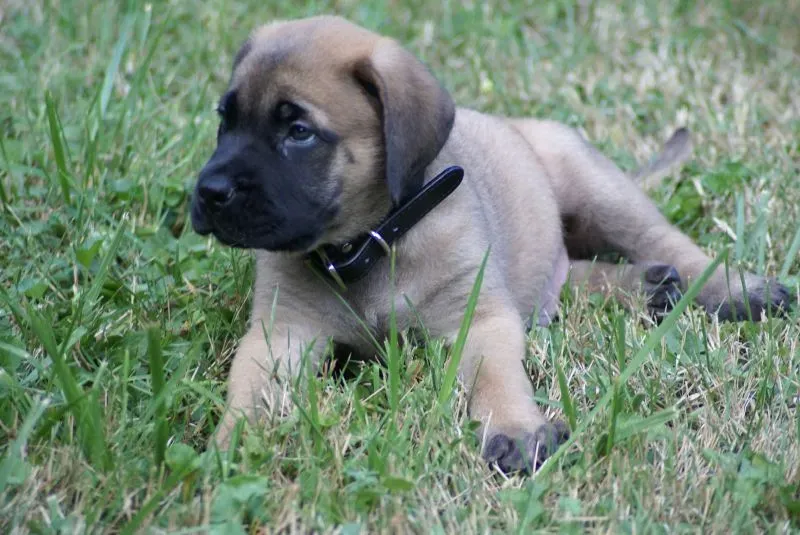
Mastiffs, including the English and French varieties, have a bite force ranging from 556 to 700 PSI. The sheer size of these dogs is staggering. Some English Mastiffs weigh over 200 pounds, making them among the largest dog breeds in the world.
Mastiffs are descendants of large war dogs originally used by the ancient Greeks and Romans. Can you imagine these massive canines marching alongside armies? Their history is as impressive as their physical presence. According to the American Kennel Club, the English Mastiff dates back to at least 55 B.C.E., and in Medieval England, English mastiffs were used as war dogs, big game hunters and guard dogs.
Despite all that power and intimidating size, here’s where Mastiffs really surprise people: Today, the English mastiff is known as a “gentle giant,” and despite their size, many people believe English mastiffs make great family pets with proper training. They’re typically calm, patient, and protective without being aggressive. Fortunately, English Mastiffs are safe around families and children, with none of the quirks that make us wary of some other breeds. They’re more likely to use that impressive chew power on their favorite toys than anything else. Let’s be real, a dog this size requires commitment, space, and understanding of their health needs, but in return, they offer unwavering loyalty and surprisingly gentle companionship.
Rottweiler: The Loyal Protector
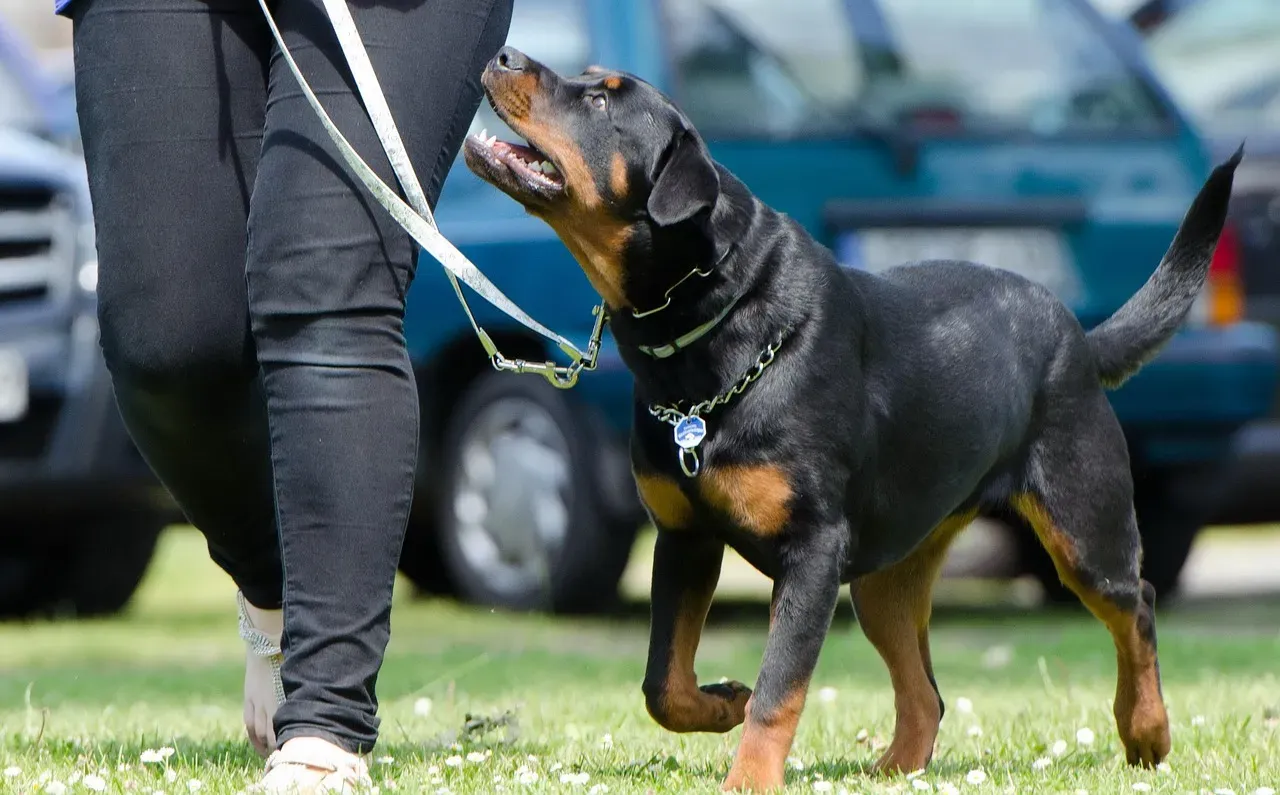
The average Rottweiler has a bite force of 328 PSI. While that’s lower than some of the breeds we’ve already discussed, it’s still incredibly powerful and deserving of respect. Rottweilers have a reputation that precedes them, sometimes unfairly, but understanding their true nature is important.
The Rottweiler is an ancient breed originally used for herding cattle to market. Over time, their roles expanded into protection work, police duties, and family guardianship. While Rottweilers are extremely family-oriented, good-natured and friendly, in the instant they or a loved one is threatened, they become a heavy-duty protection machine with a jaw strength and bite force of 328 PSI.
What makes Rottweilers special isn’t just their strength. It’s their intelligence, trainability, and deep bond with their families. They’re not dogs that do well with inconsistent leadership or lack of socialization. However, when raised in loving homes with clear boundaries, regular exercise, and proper training, they transform into devoted, playful companions. I think one of the biggest misconceptions about Rotties is that they’re naturally aggressive, but that simply isn’t true. Rotties are eager to please and respond well to training, early socialization and good leadership, making them popular family pets. They need structure and purpose, sure, but that’s true of many working breeds.
American Pit Bull Terrier: Misunderstood and Powerful

The American Pit Bull Terrier has a bite force of 235 pounds per square inch. Before you react to the breed name, hear me out. There’s probably no breed more misunderstood or unfairly maligned than Pit Bulls, and it’s time we separate fact from fiction.
It turns out that the Pit Bull’s bite exerted less pressure than both German Shepherds and Rottweilers when tested. The average bite strength of pitbull-type dogs has been measured to be 235psi, which is 28% lower than the average bite strength of 325psi across the breeds tested. So while their bite is certainly strong, it’s not exceptional compared to other medium to large breeds. The myths about locking jaws? Scientific research found that the American Pit Bull Terriers did not have any unique mechanism that would allow these dogs to lock their jaws, with no mechanical or morphological differences between pitbull-type dogs and other dogs.
What Pit Bulls do have is determination, athleticism, and an incredibly affectionate nature when properly raised. Pitbulls are impressively happy, playful, courageous, loyal, and friendly dogs who love people, and once you’ve become a fur parent of a pit bull, you’ll wonder how you ever managed without one. The key, as with any powerful breed, is responsible ownership. That means socialization from puppyhood, consistent training, meeting their exercise needs, and providing them with structure and love. It’s hard to say for sure, but I believe much of the negative reputation comes from irresponsible ownership rather than anything inherent to the breed itself.
Akita: The Dignified Guardian from Japan
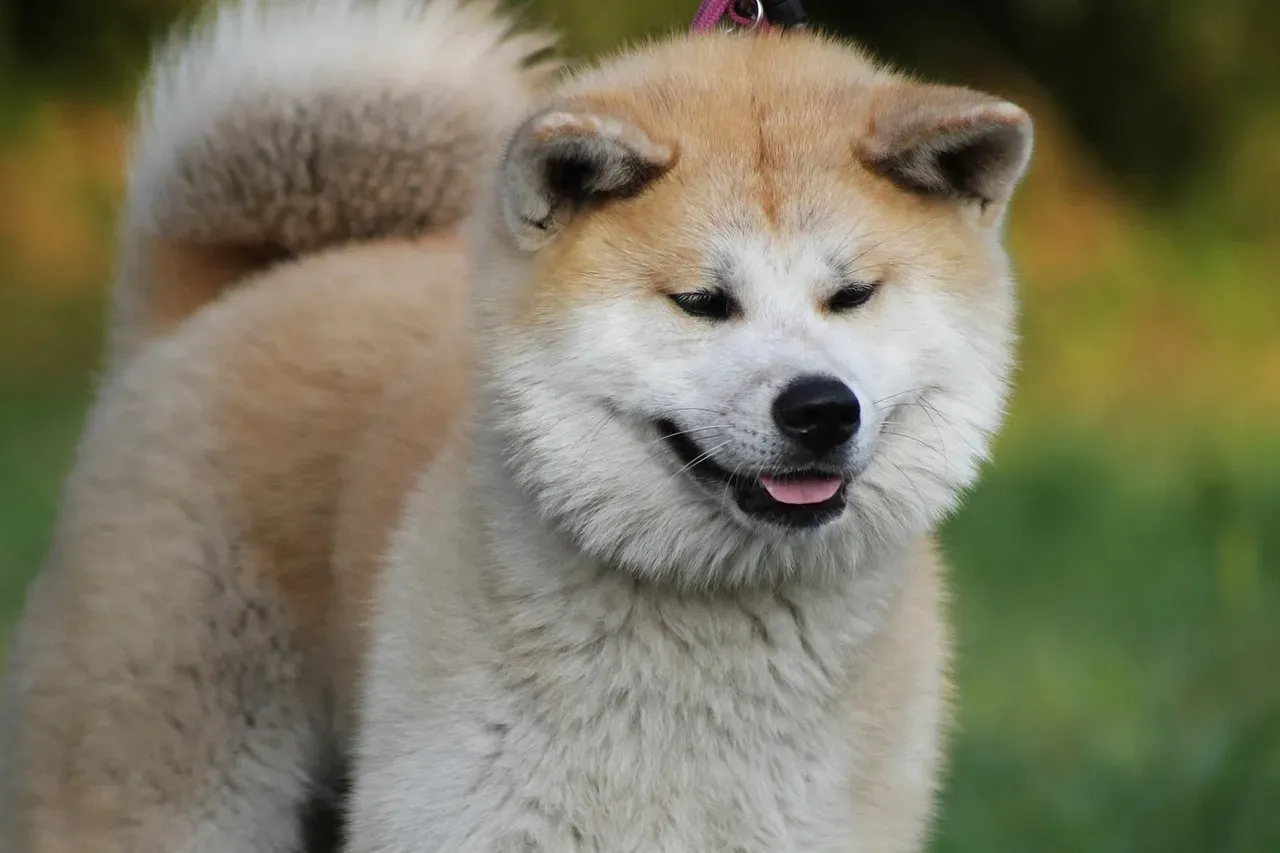
Akitas have a bite force that can range between 350 and 400 PSI. This Japanese breed brings together strength, loyalty, and a dignified bearing that commands respect. They’re not the playful goofballs you might find in some other breeds. Akitas carry themselves with a certain seriousness.
Akitas are popular pets in Japan for being protective of their families, and they are big fluffy breeds that tend to be standoffish when it comes to people they don’t know while turning around and displaying their silly nature to their owners. That contrast is really what defines them. With strangers, they’re reserved and watchful. With their families, they’re devoted and surprisingly playful. The Akita is a powerful and sturdy breed, originating from Japan and bred for hunting, later refined in the US for protective roles, with their wide head, muscular body, and strong jaws contributing to their ability to yield great force with their bites if needed.
Here’s the thing with Akitas: they’re not beginner dogs. They need experienced handlers who understand their independence, their protective instincts, and their need for proper socialization from an early age. Despite the intimidating look of an Akita, they are calm and extremely loyal, though proper training and socialization are essential so their strength can be channeled in positive ways. When those needs are met, Akitas become steadfast guardians and loyal family members. They won’t be everyone’s cup of tea, but for the right owner, they’re extraordinary.
Conclusion
Jaw power in dogs tells a story that goes far beyond numbers and PSI measurements. It speaks to the remarkable partnership between humans and canines, where selective breeding created dogs capable of specific, demanding jobs. Whether protecting livestock in Turkish mountains, guarding Roman armies, or herding cattle through European towns, these breeds needed strength matched with intelligence, loyalty, and temperament.
What strikes me most about these powerful breeds is how many of them are gentle, affectionate family members when raised with love, structure, and proper training. Strength doesn’t equal danger. Powerful jaws don’t predict aggression. Responsible ownership, early socialization, consistent training, and meeting a dog’s physical and mental needs matter far more than breed alone. These magnificent animals deserve our respect, understanding, and commitment to being the best guardians they can have. What do you think? Has learning about these breeds changed your perspective? Share your thoughts in the comments.