
6 Mistakes People Make When Petting a Dog
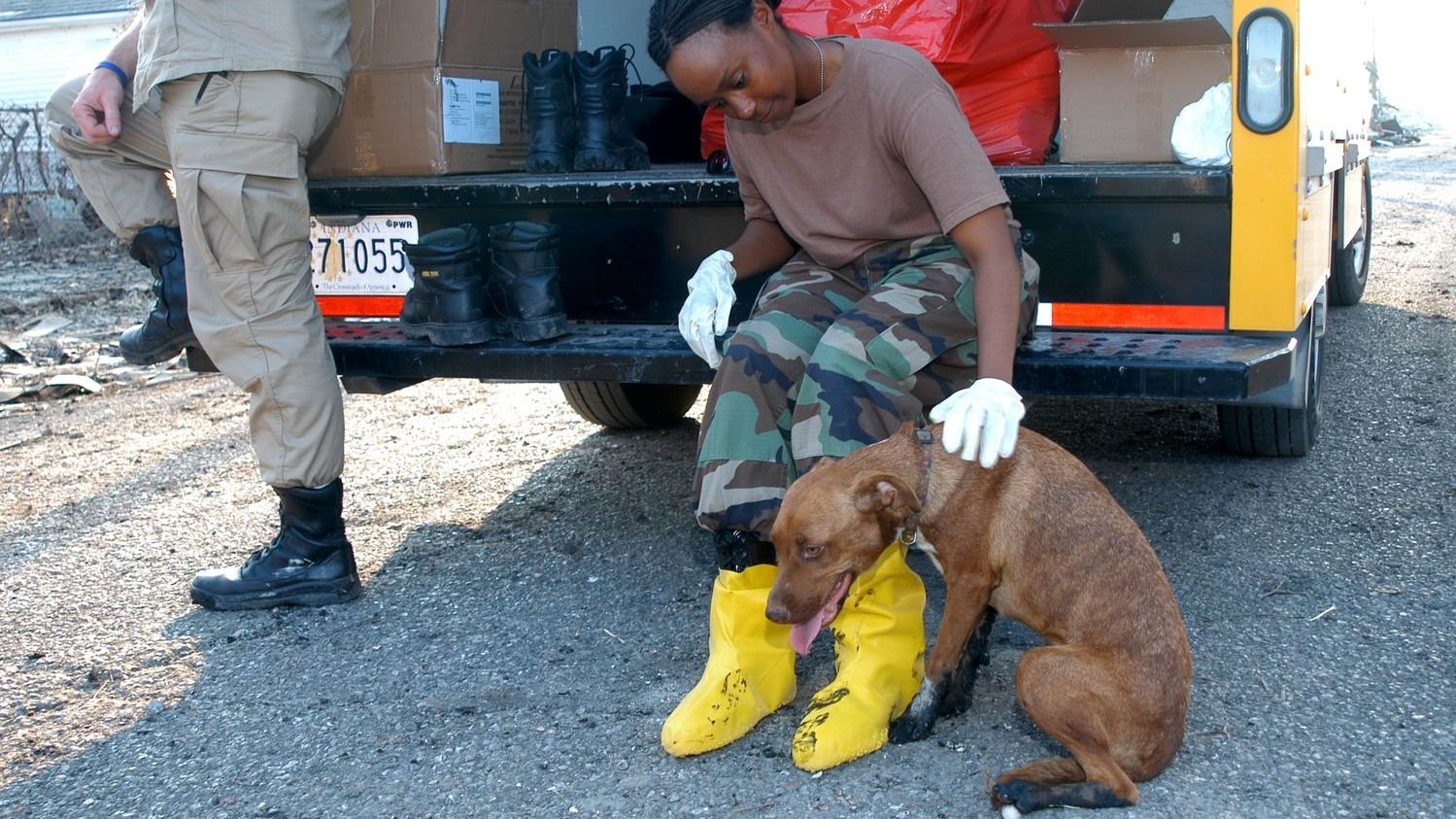
We love our dogs. We truly do. There’s this overwhelming urge that takes over when we see that wagging tail, those soulful eyes, that irresistible furry face. We want to reach out, connect, shower them with affection. It’s one of the purest joys of sharing our lives with canines.
Here’s the thing, though. Sometimes our best intentions get a little lost in translation. Dogs speak a different language than we do, one written in body postures, subtle shifts in weight, the position of an ear. When we misread those signals or ignore them altogether, our gestures of love can actually create stress, fear, or even lead to a defensive reaction. Let’s dive into the most common dogs, so you can build stronger, safer, and more joyful connections with every pup you meet.
Going Straight for the Head
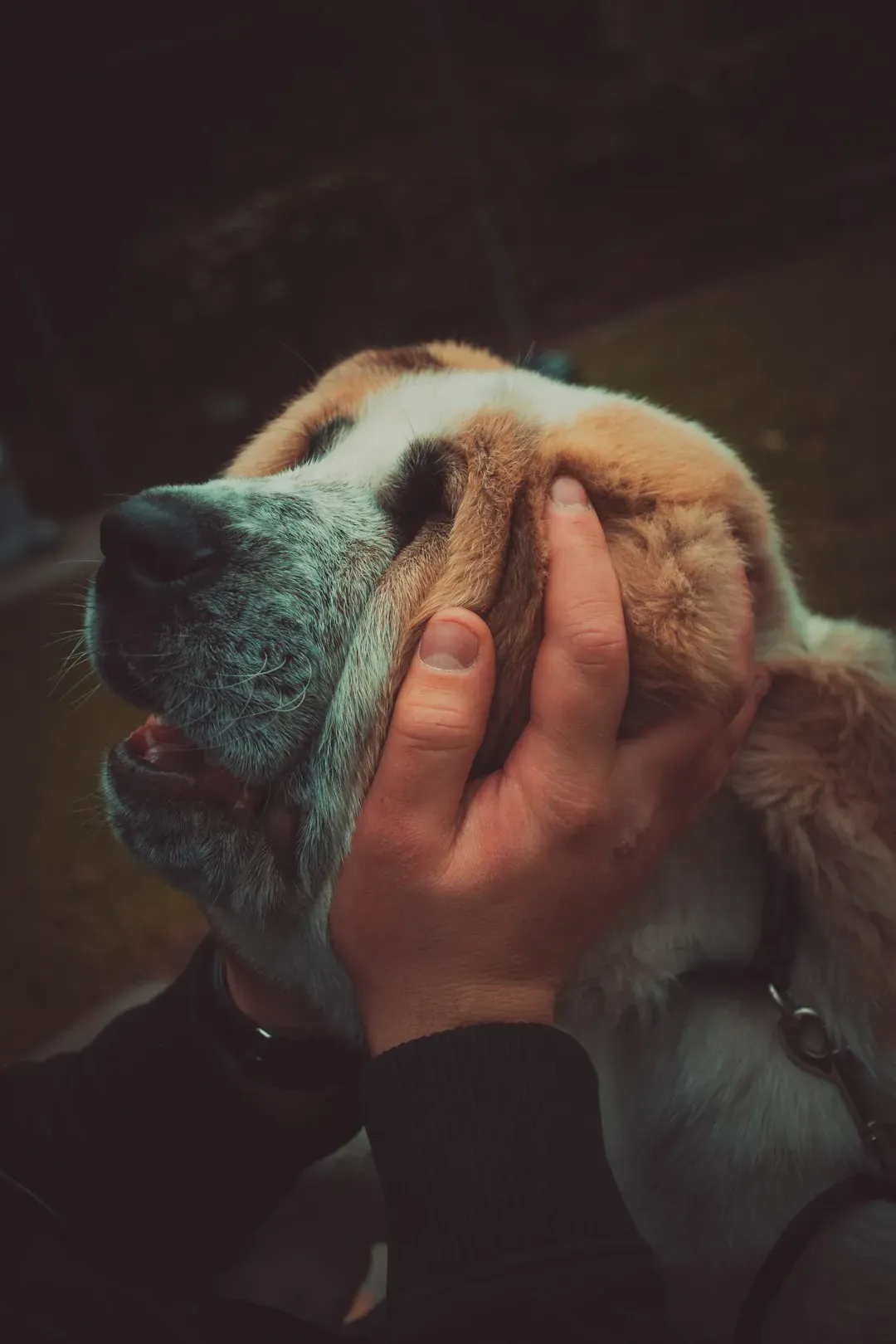
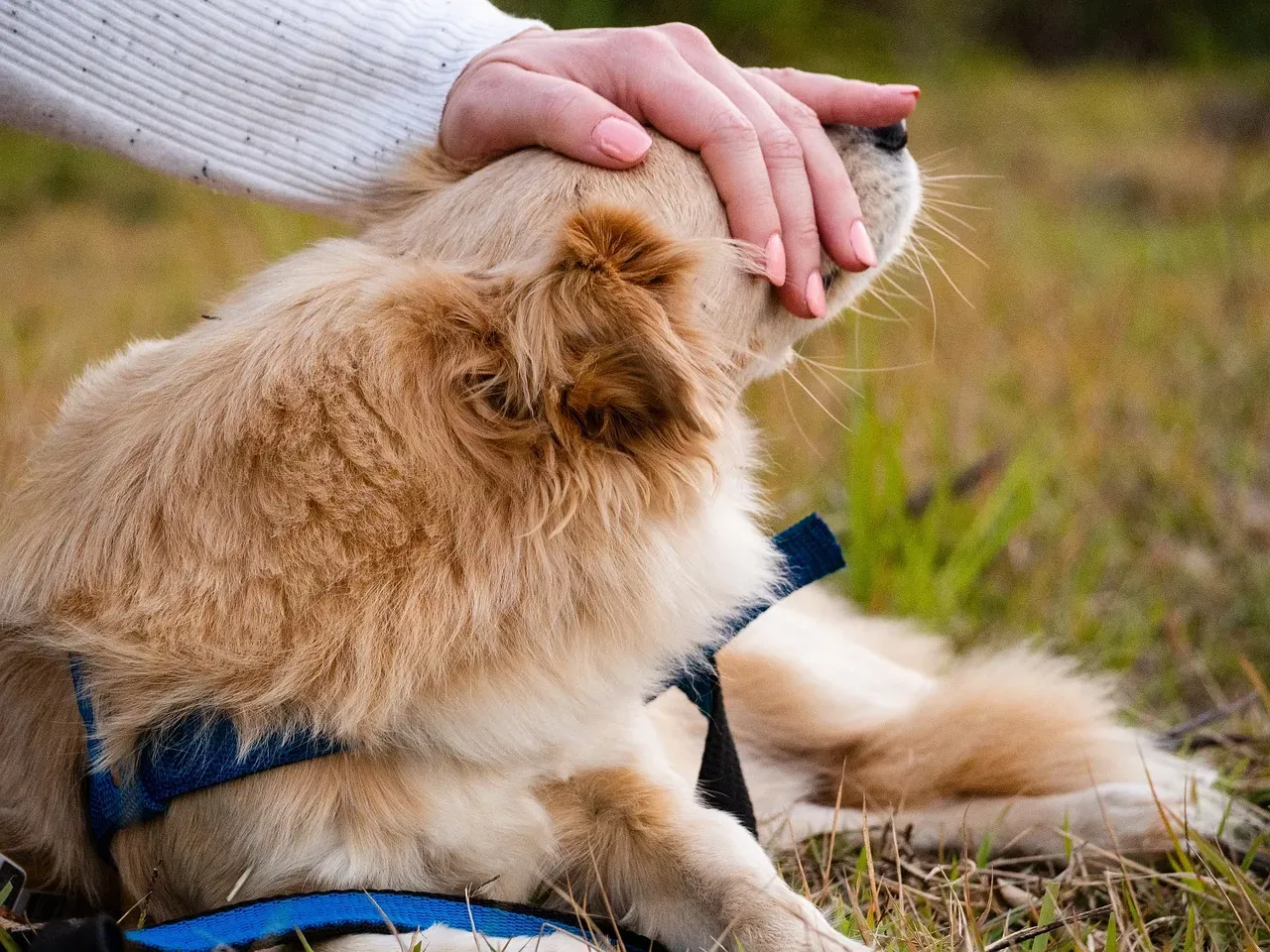
Think about how many times you’ve seen someone reach over a dog’s head to give them a pat. It happens constantly. The one thing you should never do is immediately start patting the dog’s head, as this can be seen as a dominant, aggressive gesture because dogs generally keep their nose to the ground and might think it’s a bigger dog attacking.
Picture this from the dog’s perspective. They can barely see what’s coming at them from above. That hand descending toward their skull can feel threatening, even if your intentions are pure. Many dogs find going straight for the top of their head intimidating. Instead, approach from the side and aim for less vulnerable areas like the chest, shoulders, or under the chin. You’ll likely notice the dog relaxes immediately when you respect their comfort zone.
Ignoring Body Language Signals
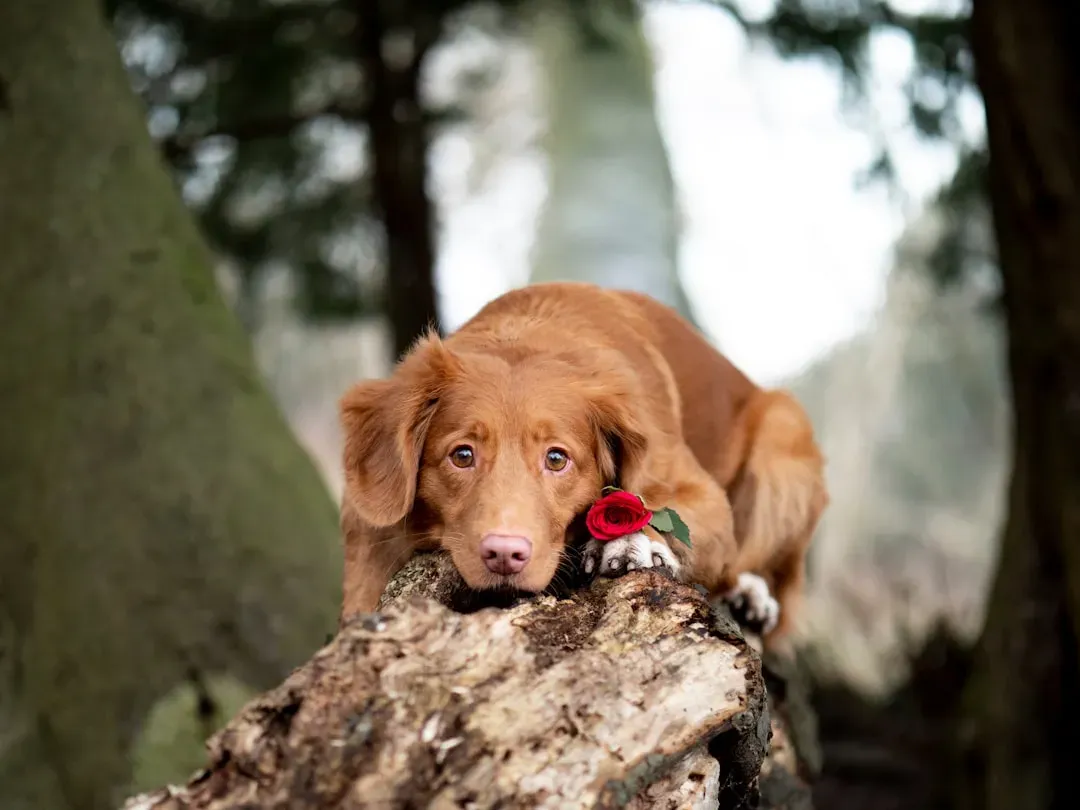
Dogs are talking to us all the time. The problem is, we’re not always listening. If a dog stiffens, turns away, squints, or freezes in place, that’s your cue to stop, as these can be warning signs that are often mistaken for calm behavior. Yet so many of us just keep petting, convinced the dog is fine because they haven’t growled or snapped.
Let’s be real here. By the time a dog growls, they’ve usually given you about ten other signals that you missed. The top three calming signals owners should be on the lookout for are lip licking, yawning, and shaking off. These aren’t random behaviors. They’re your dog’s way of saying they’re uncomfortable, anxious, or overwhelmed. Watch for whale eye (when you see the whites of their eyes), ears pinned back, or a dog who keeps turning their head away from you. Those subtle cues deserve your attention and respect.
Petting to Reinforce Unwanted Behavior
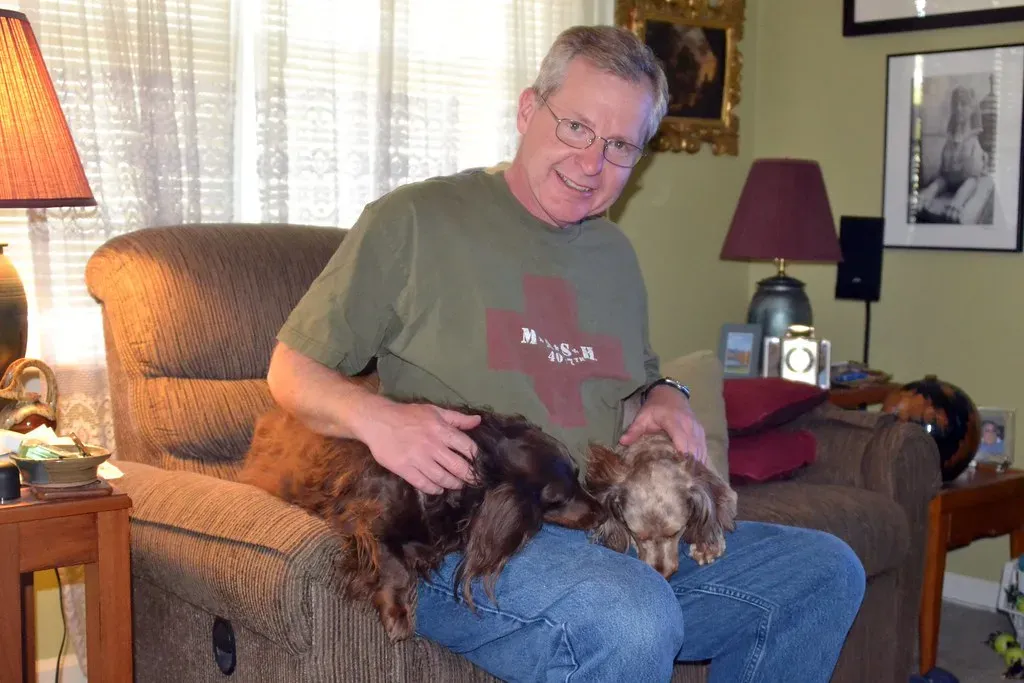
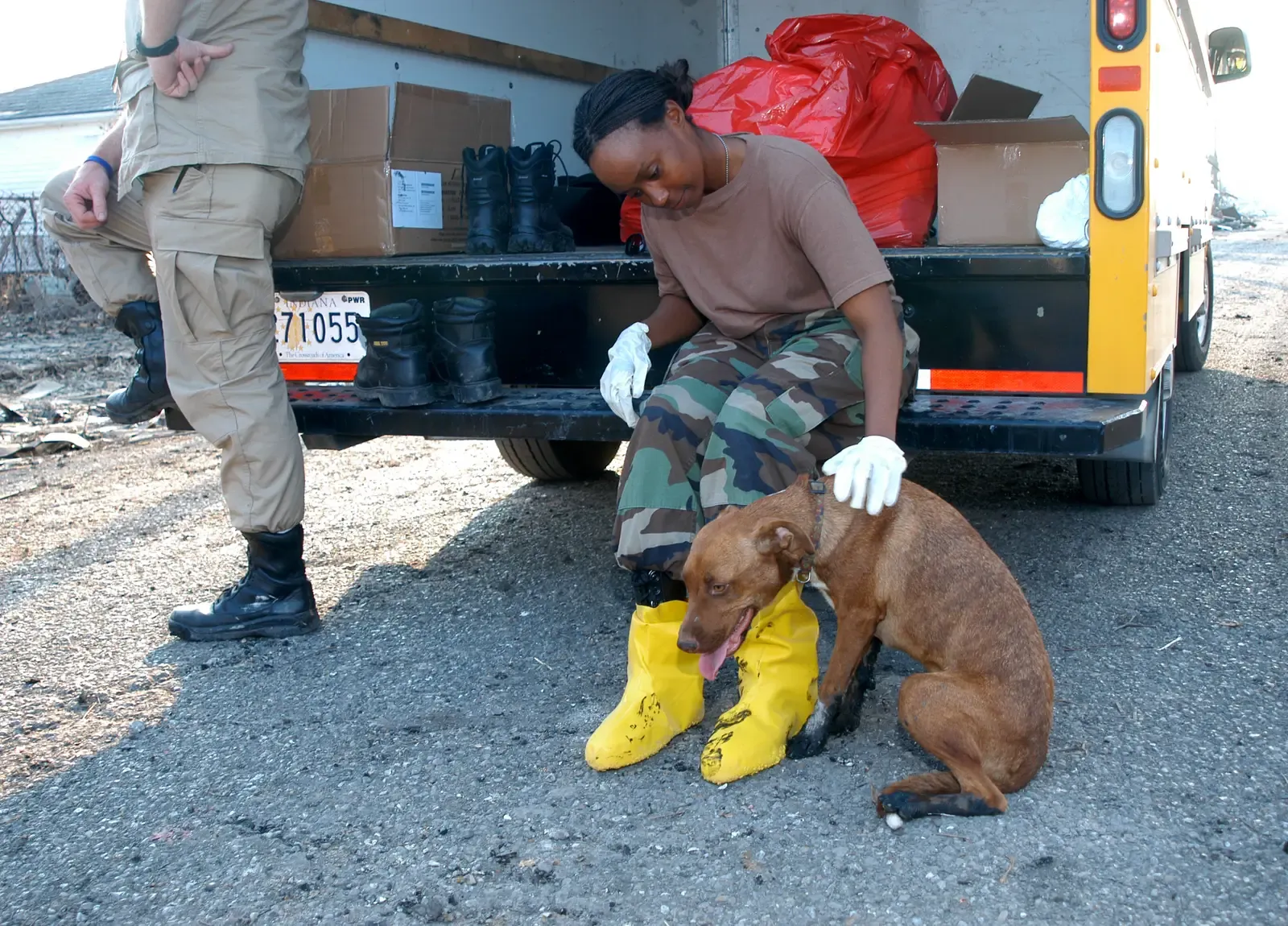
You walk in the door after work and your dog goes absolutely bananas. Jumping, barking, spinning in circles. What do most people do? They immediately start petting and saying hello, thinking they’re just showing love. At any moment that you give your dog praise or petting, you are positively reinforcing them for whatever behavior they are exhibiting at that specific moment, which means if your dog is jumping or barking and you pet them, you are encouraging them to do more of that behavior.
The same goes for fearful situations. When your dog cowers at the vet or pulls away from a stranger, your instinct might be to comfort them with gentle touches and soothing words. When your dog displays fearful behavior around new objects, people, or situations, resist the urge to comfort them with gentle touches, as this response can inadvertently reinforce their fearful state and create lasting phobias. Wait for calm, confident behavior before offering affection. Your timing matters more than you might think.
Approaching Without Permission
This one drives me a little crazy, honestly. Experts strongly advise against petting unfamiliar dogs, as there’s simply no way for a stranger to know how a dog will interpret the contact, and a friendly reach from a human may feel threatening to a dog. Not every dog out there is comfortable with strangers, even if they look adorable and approachable.
Even if a dog walks up to you or sniffs your legs, that doesn’t mean it’s inviting physical contact. Sniffing is investigation, not necessarily an invitation. Always ask the owner first if their dog is friendly and open to interaction. Then, let the dog come to you. Extend your hand slowly, palm down, and wait. If the dog approaches, sniffs, and seems relaxed, you can try a gentle pet on the chest or shoulder. If they back away or show hesitation, respect that boundary and move on.
Touching Sensitive Areas Too Soon
Dogs generally did not like being pet on the top of the head, or having their paws and hind legs touched. It’s generally a good idea to avoid petting or grabbing a dog’s tail, feet, legs, head and ears, especially when you’re still building trust with a new dog.
Think of these areas as personal space for dogs. Their paws are incredibly sensitive, their tail is an extension of their spine, and their ears can be tender. Veterinary behaviorists caution against touching a strange dog’s belly because it’s such a vulnerable area, as in some cases, a dog might reveal his tummy to show that he’s feeling intimidated. Start with neutral zones like the chest, shoulders, or the side of the neck. Once you’ve established a relationship of trust, a dog may allow you access to more sensitive areas. Let them guide you.
Using Rough or Vigorous Petting
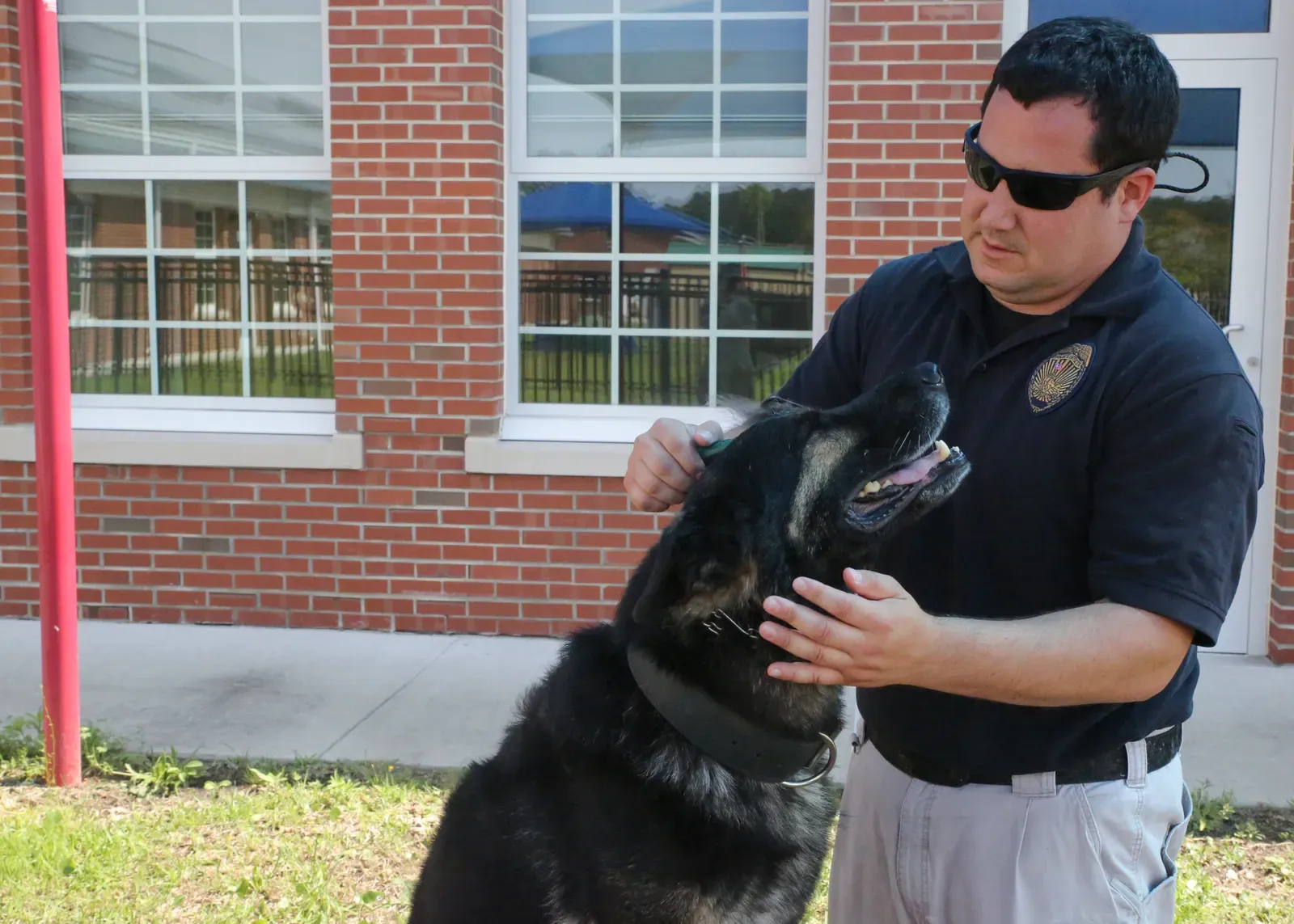
We’ve all seen it. Someone gets so excited about a dog that they start vigorously rubbing their head, scrunching their neck with both hands, or giving them enthusiastic slaps on the sides. People take two hands, scrunch the dog’s neck, scratch their ears, thinking that is enjoyable to them, but it’s too much. It’s overwhelming, not relaxing.
When we’re very vigorous with them, that’s an invitation to play, and it’s not relaxing at all. If you want to help a dog feel calm and safe, use slow, gentle strokes in the direction of their fur. Watch their body language closely. Are they leaning into your hand, or pulling away? Are their eyes soft, or are they showing tension? Dogs will tell you what feels good if you pay attention. Gentle, mindful touch builds connection far better than enthusiastic roughhousing during petting sessions.
Conclusion
isn’t just about what makes us feel good. It’s about honoring their needs, reading their signals, and creating moments of genuine connection built on trust and respect. When you slow down, observe, and respond to what your dog is actually telling you, everything changes. The bond deepens. The trust grows. The relationship becomes richer.
These six mistakes are incredibly common, but they’re also completely fixable. Start paying attention to body language. Wait for permission. Respect boundaries. Approach thoughtfully. Your dog will thank you for it in their own special way – with relaxed sighs, soft eyes, and that unmistakable peace that comes when they feel truly safe with you. What changes will you make the next time you reach out to pet a dog?