
8 Ways Your Dog Says Goodbye Before You Realize It
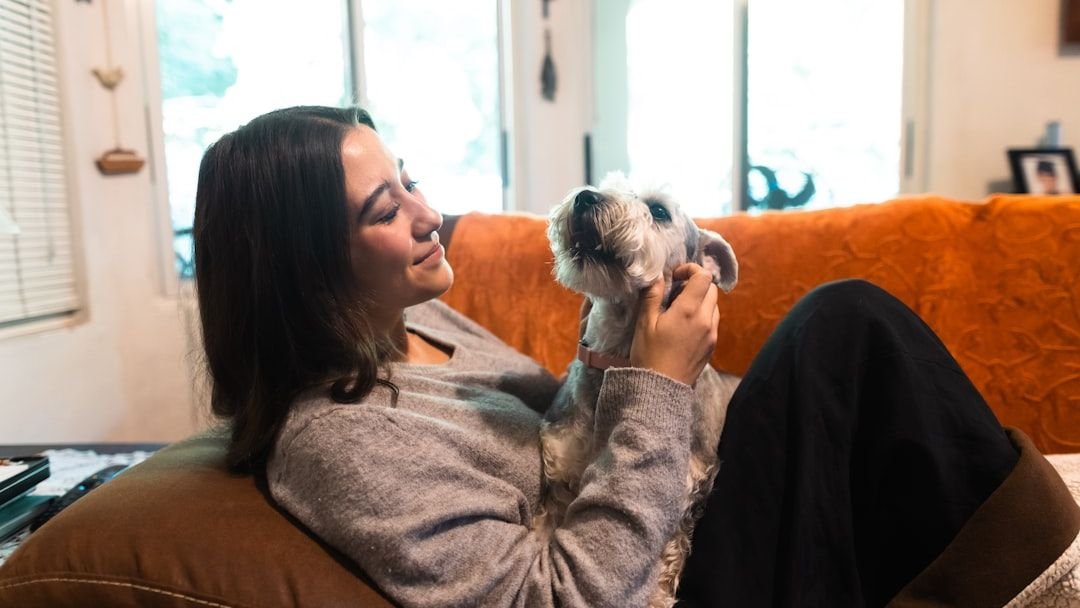
Have you ever noticed your dog acting differently and brushed it off as just another quirky moment? Maybe they lingered a bit longer by your side one evening, or their eyes seemed to hold yours with unusual intensity. We often miss the subtle signals our dogs send us, especially when those signals carry profound meaning. Dogs can’t tell us in words when something monumental is happening, but they communicate in ways that are both heartbreaking and beautiful if we know what to watch for.
The truth is, our dogs often begin saying goodbye long before we’re ready to acknowledge it. They give us signs that whisper rather than shout, and understanding these moments can help us treasure the time we have left while ensuring they feel safe, loved, and comfortable. Let’s explore the ways your dog might be telling you something you need to hear.
They Seek Solitude in Unexpected Places

When dogs feel weakened and unable to protect themselves, they become incredibly vulnerable, and by hiding, they’re doing the only thing they can to stay safe. You might find your once-social companion retreating to quiet corners, under beds, or behind furniture. Wild canines like wolves often distance themselves from the pack when sick or injured to avoid attracting predators, and domestic dogs may retain this survival instinct even in a safe home.
This behavior isn’t rejection. If your dog hides at the end of his life, it’s not because he didn’t love you or consider you his best friend – he was just following an instinct as a dog to hide for protection. I’ve watched dogs who spent their entire lives glued to their owners suddenly seek isolated spaces. It’s one of the most ancient ways they communicate vulnerability, rooted deep in their DNA.
Their Eyes Tell Stories You’ve Never Heard Before

Many pet owners report that their dogs make prolonged eye contact as if trying to communicate something profound, which can be seen as a final connection or farewell. There’s something different about these moments – the gaze is deeper, more intentional, almost as if they’re memorizing your face. A once vibrant tail may become still, or engaged eyes might appear distant, both possible signs of an inner knowing that their time is near.
Your dog might hold your gaze longer than usual during normal activities like feeding time or evening cuddles. These aren’t random moments. They’re deliberate attempts at connection, a silent conversation happening between two souls who’ve shared countless memories. Pay attention to these exchanges because they’re gifts wrapped in fur and love.
Sudden Bursts of Energy That Confuse You
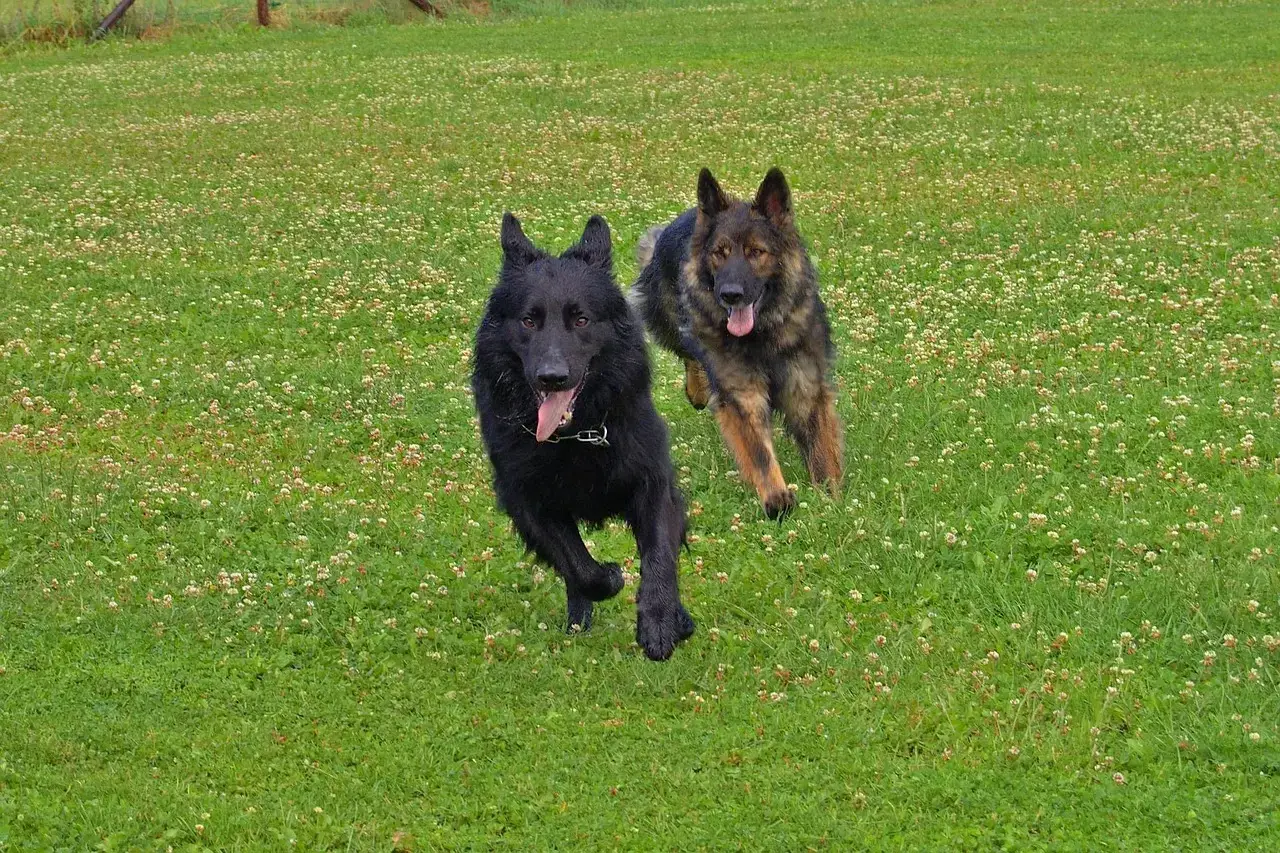
Here’s something that catches people off guard every single time. It’s not uncommon for dogs to have a sudden burst of energy before they pass away – a phenomenon often called the “last bloom” or “rally” that can be confusing and misleading, giving pet owners false hope of recovery.
One day your lethargic senior dog might suddenly act like a puppy again, playing with toys they’d ignored for months or enthusiastically greeting you at the door. It feels like a miracle, like they’ve turned a corner. The reality is more bittersweet – this rally is often their body’s final surge before decline. Cherish these moments without letting them lull you into false security about what’s coming.
They Become Either Impossibly Clingy or Unusually Distant
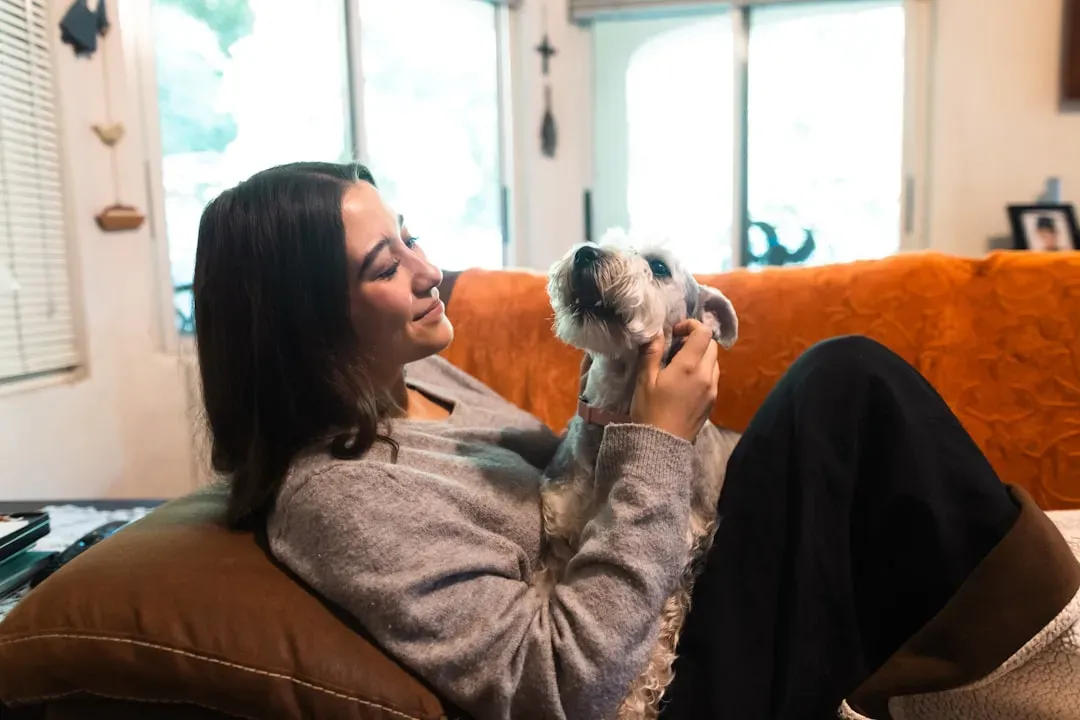
A typically independent dog might become more attached to their owner, seeking constant cuddles and attention, and this heightened need for closeness could be their way of feeling secure and comforted during a time of vulnerability. Conversely, some dogs do exactly the opposite. Some dogs seek out the comfort and company of their humans to the point of clinginess, while others become more solitary and seek quiet corners to be alone – some dogs even seem to know when they are about to die and wander off to a secluded location.
These contradictory behaviors are both forms of goodbye. The clingy dog is seeking reassurance and connection for their final chapter, while the distant one is following ancient instincts about vulnerability. Neither behavior reflects how much they love you – both are simply different responses to the same internal awareness.
Their Appetite Changes in Puzzling Ways
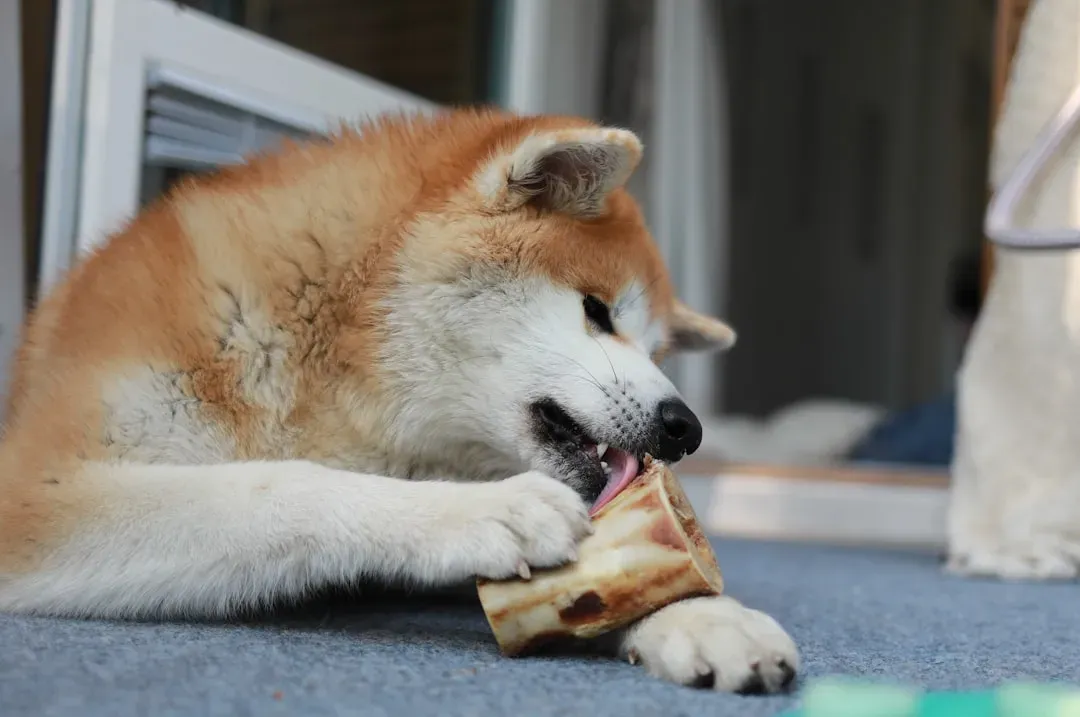
A common sign that a dog is close to death is when they start refusing to eat or becoming fussy with certain foods – if they feel sick or take medication that causes a loss of their sense of smell or taste, the pet may also lose their appetite. You might find yourself offering every treat and favorite food imaginable, only to have them turn away disinterested. They may experience a sudden loss of appetite or significantly decrease their food intake, indicating their body is shutting down.
Sometimes dogs will nibble just to please you, taking a few bites before walking away. It’s hard not to feel hurt or worried, watching someone who once devoured meals with gusto now treat food like an afterthought. This isn’t pickiness – it’s their body’s way of preparing for what comes next.
They Withdraw from Activities That Once Brought Joy

Lying in one spot, not interested in toys or walks, barely acknowledging family members – in other words, just not acting like themselves. The ball that once sent them into frenzies of excitement now rolls past unnoticed. There could be a noticeable reduction in energy or interest in play.
Let’s be real – watching your dog lose interest in the things that defined their personality is gutting. The retriever who won’t retrieve, the social butterfly who ignores other dogs, the adventurer who won’t venture past the front porch. These changes aren’t laziness or boredom. They’re conservation of precious energy and a shift in priorities as comfort becomes paramount.
Restlessness and Sleep Pattern Disruptions Take Over

Some dogs will become restless, wandering the house and seeming unable to settle or get comfortable, while others will be abnormally still and may even be unresponsive – your dog’s sleeping patterns may change. You might hear them pacing at odd hours, unable to find peace. Restless dogs can also suffer from changes in sleep patterns.
Night becomes day and day becomes night for some senior dogs approaching their final time. They might seem confused about when to sleep, anxiously moving from room to room searching for something only they understand. Creating quiet, comfortable spaces with familiar blankets and your scent nearby can offer some solace during these unsettled hours.
Physical Weakness Becomes Impossible to Ignore
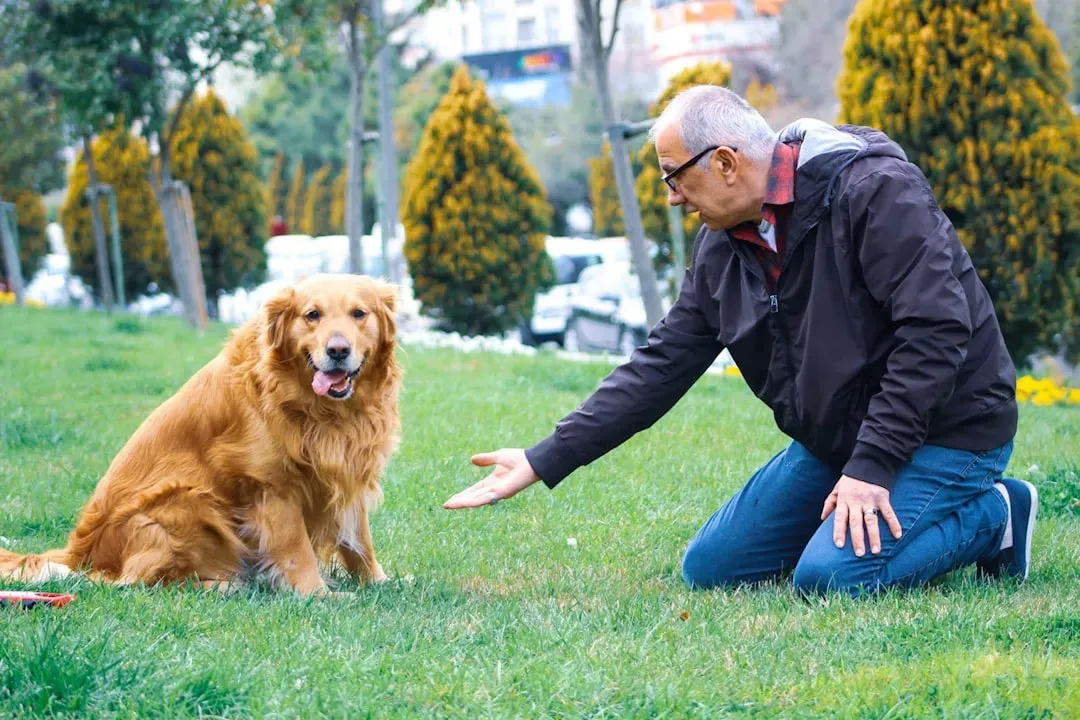
You may see a notable loss of strength and difficulty standing or walking. The dog who once bounded up stairs now struggles with a single step. Dogs will listen to their bodies which is one of the reasons why they hide when they feel like they are about to die – your dog knows that he is weak and will not be able to protect himself, so dogs hide to feel safe since they feel vulnerable to predators.
This physical decline is perhaps the most visible goodbye. Legs that tremble, bodies that collapse after short walks, the struggle to rise from a favorite sleeping spot. It’s hard to say for sure what they’re thinking in these moments, but their bodies are speaking volumes. They need extra support now – ramps instead of stairs, closer water bowls, softer beds. Adapting your home shows them they’re still valued members of the pack despite their changing abilities.
Conclusion
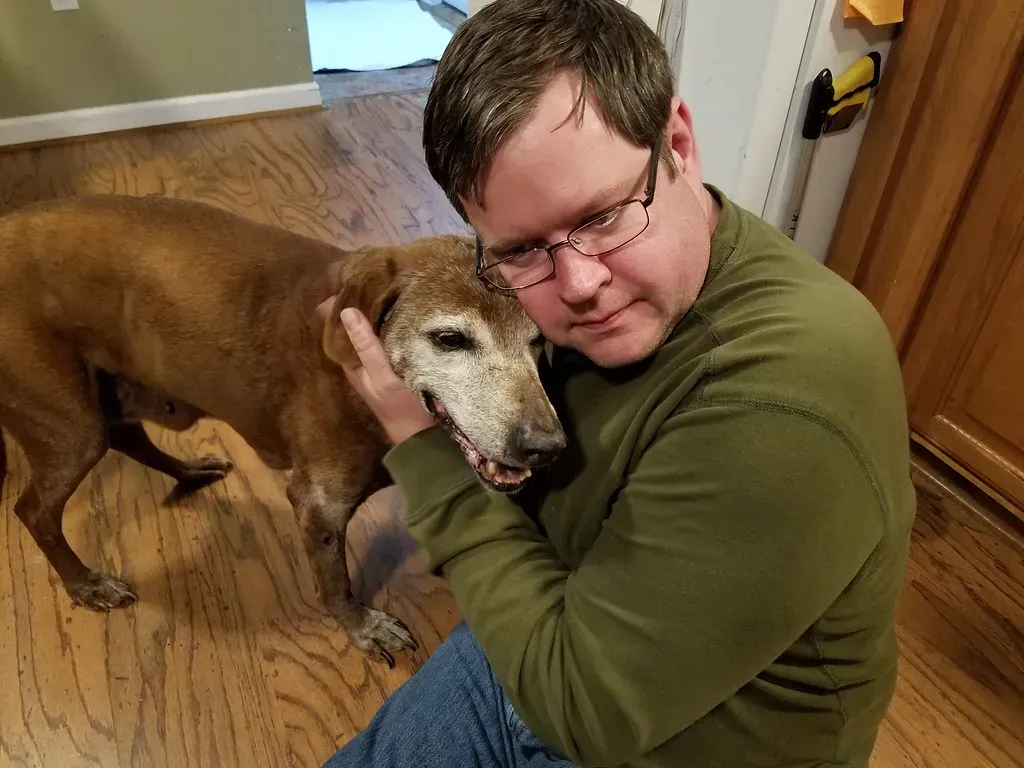
Recognizing these signs isn’t about giving up hope or rushing difficult decisions. It’s about honoring the relationship you’ve built and ensuring your dog’s final days are filled with dignity, comfort, and love. Dogs give us everything they have for their entire lives, and the least we can do is pay attention when they’re trying to communicate during their most vulnerable time.
What would you do differently if you recognized these signs earlier? Share your experiences and thoughts in the comments.