
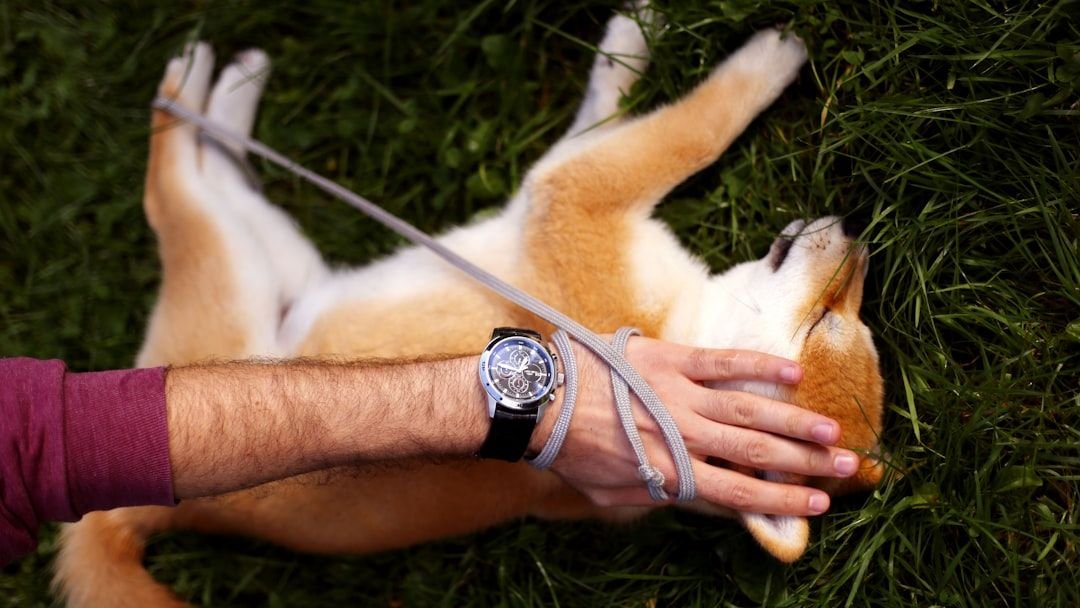
You know that moment when you spot a fluffy tail wagging in the distance and your heart does a little flip? Maybe you’re at the park, or passing a neighbor walking their dog, and every instinct screams “Must. Pet. Dog. Now!” I get it. Dogs are irresistible magnets of joy wrapped in fur.
Here’s the thing though. While we might think we’re spreading love and good vibes with our enthusiastic head pats and bear hugs, our canine friends might be telling a very different story. They’re speaking to us constantly through their body language, and honestly, we’re not always listening. Some of the most common ways people greet and pet dogs can actually stress them out, frighten them, or even put both human and pup in danger. Let’s dive into the mistakes that even the most well-meaning dog lovers make, so you can build better, safer connections with every four-legged friend you meet.
Going Straight for the Head
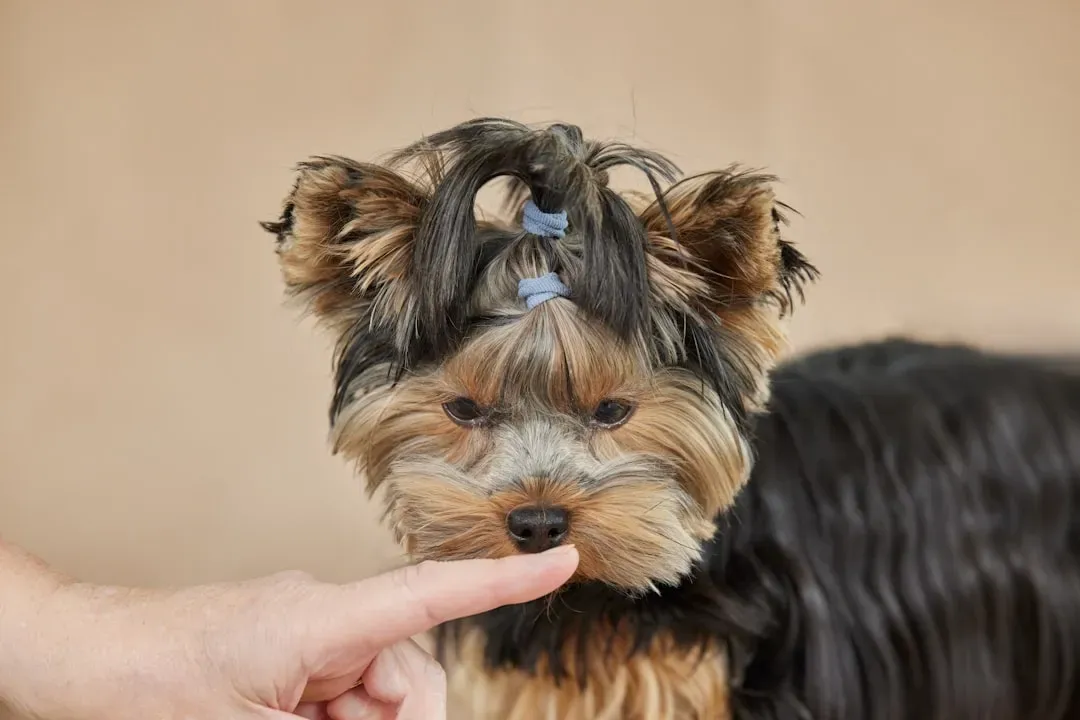
Picture this: a stranger’s hand suddenly looms over your head and lands right on top of your skull. Not exactly comforting, right? Most dogs dislike pats on the head, yet it’s probably the most common petting gesture humans make. When you reach over a dog’s head, you’re entering their space from above, which is frightening to many dogs.
Dogs generally did not like being pet on the top of the head, according to research on canine touch preferences. Instead, restrict your pats to the dog’s side, neck, back, or chest. These areas feel less threatening and more pleasant for most dogs. Think of it like this: you’re not claiming dominance over them, you’re joining them as a friend.
Skipping Permission from the Owner
Let’s be real. Just because a dog is out in public doesn’t mean they’re open for business. You should always ask permission from a dog’s owner before greeting their dog. Something as simple as asking “Can I say hello to your dog?” makes all the difference.
There may be valid reasons why an owner says no, such as the dog is shy or in training, not feeling well, or simply not enjoying interactions with strangers. Maybe that gorgeous German Shepherd is recovering from surgery, or perhaps the little terrier is working through fear-based reactivity with a trainer. The owner knows their dog best, and not all owners accurately read their dog’s emotional state, but they still deserve the courtesy of consent. Plus, teaching kids this habit early prevents so many potential bite incidents down the line.
Ignoring the Dog’s Body Language
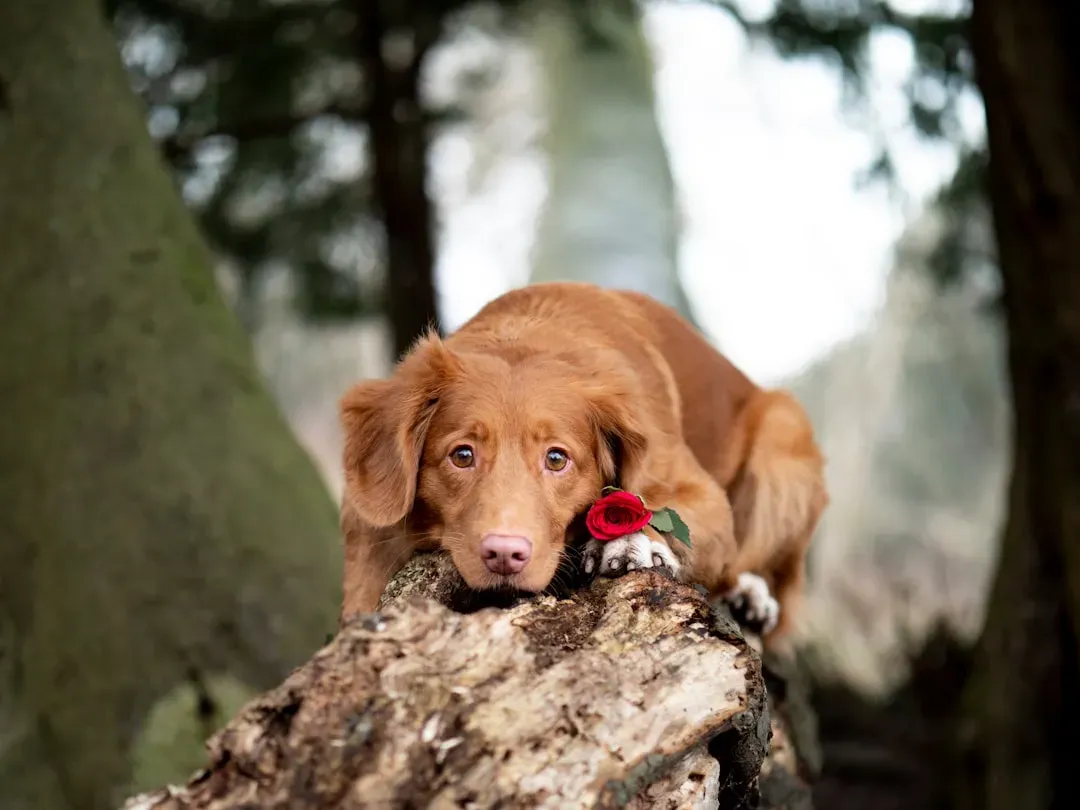
Dogs are constantly talking to us, just not with words. Early signs of stress include yawning, nose licking, averting their gaze, or head turning. Many people are oblivious to these subtle signals and may persist in petting, which can escalate a dog’s discomfort into fear or even aggression.
If a dog stiffens, turns away, squints, or freezes in place, that’s your cue to stop. These aren’t signs of a calm dog enjoying your attention. They’re red flags. A truly relaxed dog will lean into you during petting, their body loose and wiggly. If you see whale eye (whites of the eyes showing), lip licking, or a tucked tail, back off immediately and give that pup some space. Your ego can handle it, and the dog will thank you.
Hugging and Restraining
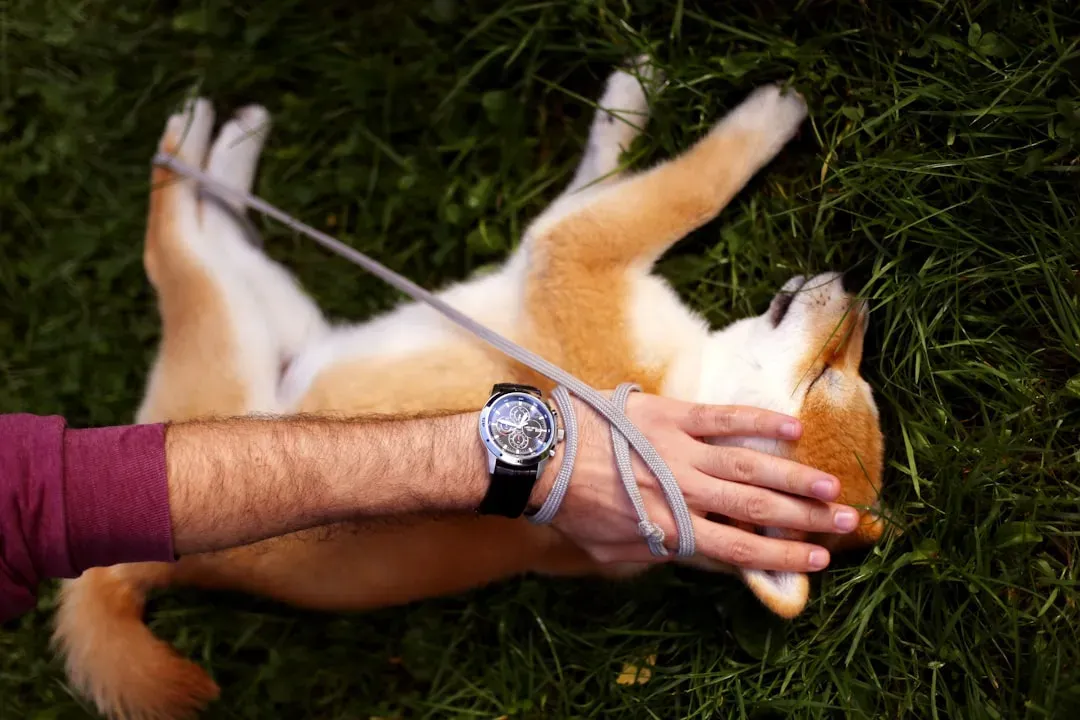
I know, I know. Hugging your dog feels like the most natural expression of love in the world. The problem? Most dogs dislike hugs, especially from strangers. Hugging, kissing, and patting roughly is too familiar and disliked by many dogs.
Humans tend to exhibit human communicative gestures of affection to their dogs, including hugging, touching, kissing and restraining them, which can cause feelings of discomfort, anxiety, fear, distress, and confusion in a dog. When you wrap your arms around a dog, you’re essentially trapping them. They can’t escape if they feel uncomfortable, and that loss of control can trigger a defensive reaction. Placing an arm or hand over the dog’s back can mirror dominance challenges that can trigger defensive reactions. Save the hugs for dogs you know well who actively seek that kind of contact.
Approaching Too Fast or Head-On
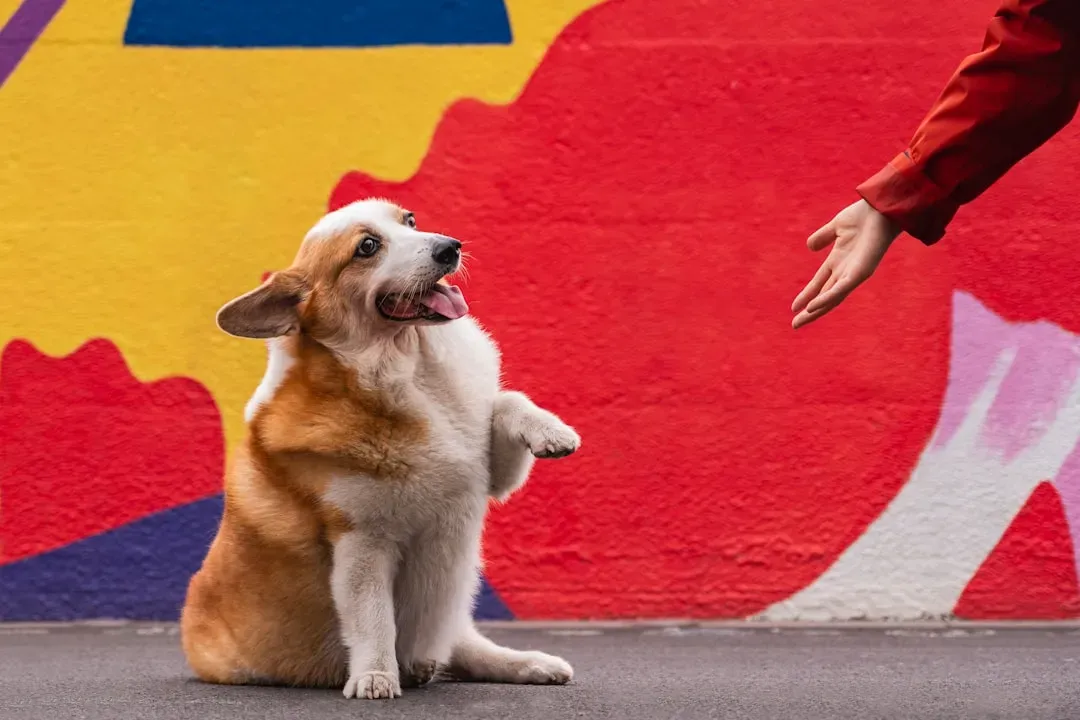
Rushing up to a dog with arms outstretched might work in the movies, but in real life, it’s a recipe for trouble. In dog language, head-on approaches and direct eye contact are threatening. Dogs naturally greet each other with curved, sideways approaches, not straight-line charges.
Rushing toward a dog may be viewed as an attack and cause them to go on the defensive. Instead, turn your body slightly to the side and look at the dog with your peripheral vision. Let the dog come to you at their own pace. Let the dog approach at his own rate. Give them the power to decide whether they want to interact. Honestly, if a dog chooses to come sniff you, that connection means so much more than forcing yourself into their space.
Staring Directly into Their Eyes
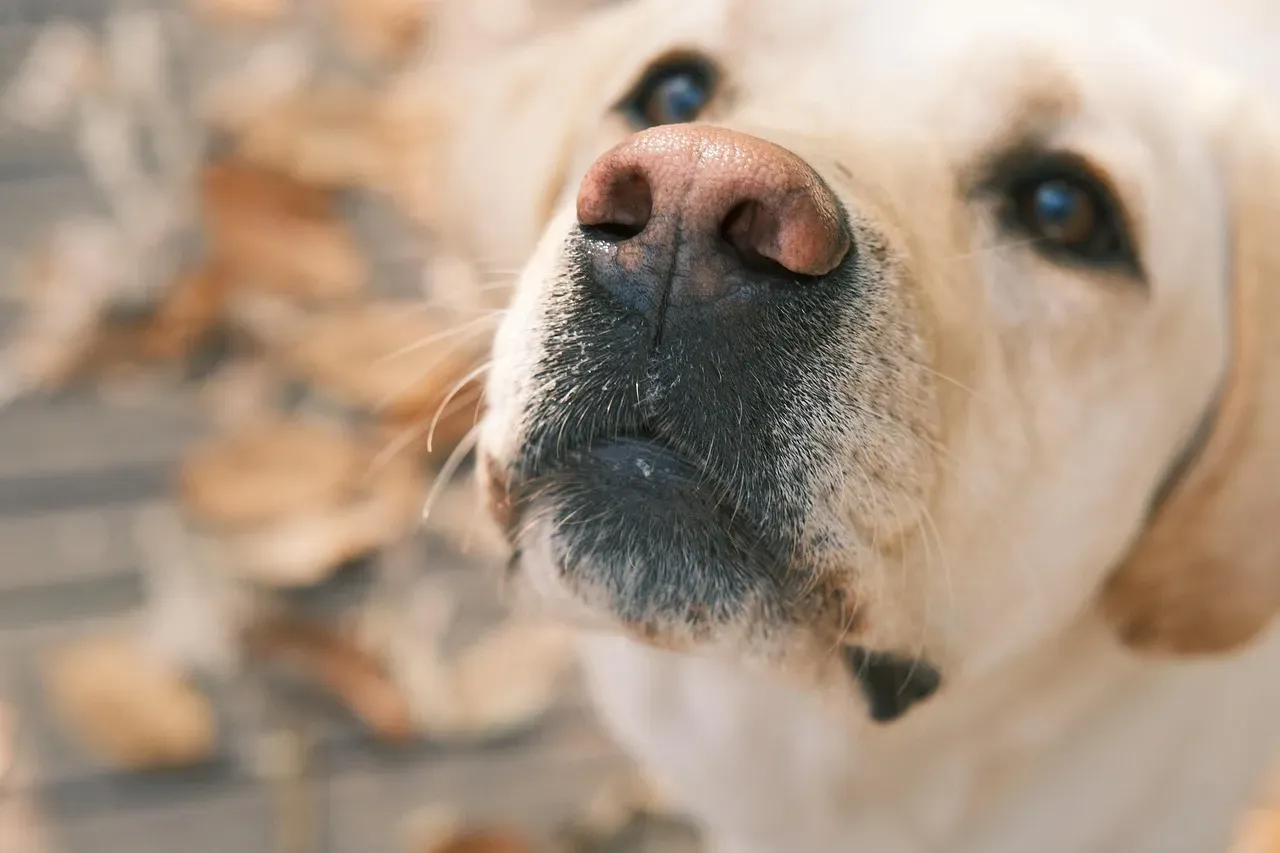
Eye contact between humans often signals trust and connection. Between dogs, though? It’s a whole different conversation. In dog body language, direct eye contact can be seen as rude and is normally used to warn or threaten. Direct eye contact can be interpreted as a challenge and make a dog uncomfortable or react aggressively.
Try to avoid direct eye contact by turning your head away ever so slightly and using your peripheral vision instead. This tells the dog you’re not a threat. If you do make eye contact, do so for short periods, with ever so slightly squinted, softened eyes or blink slowly. It’s a small adjustment that makes a massive difference in how safe a dog feels around you.
Petting While the Dog is Eating, Sleeping, or Playing
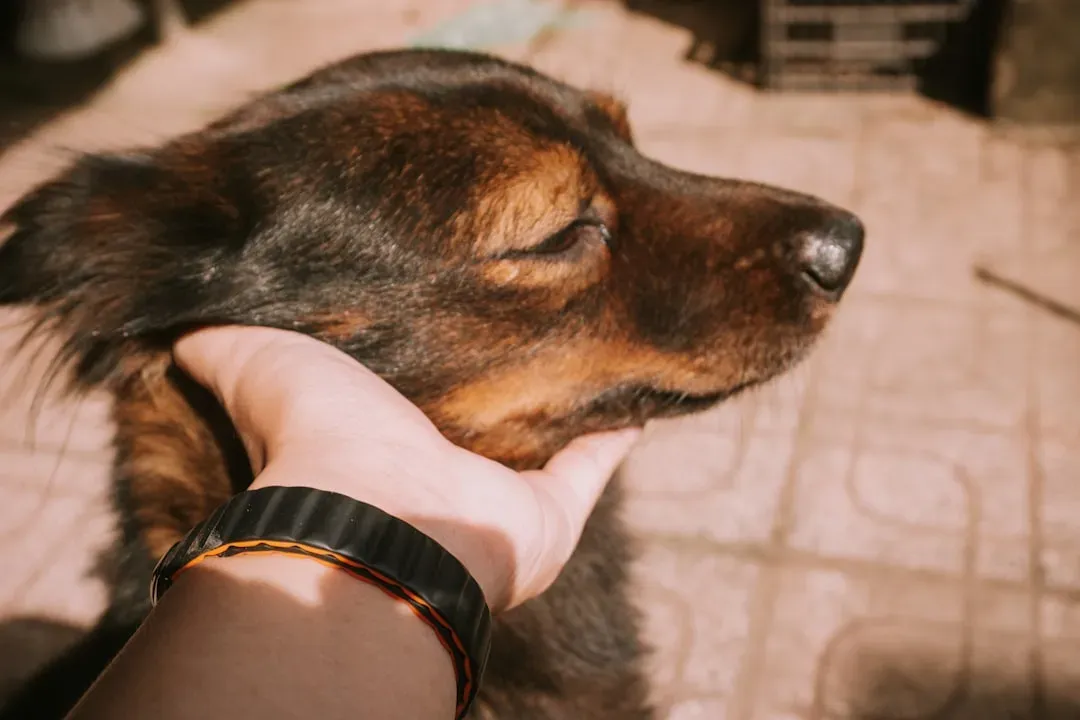
Timing is everything. Always avoid waking a sleeping dog with touch or during misbehavior, as both can create negative associations. Think about it: would you want someone poking you awake from a deep sleep or interrupting your favorite meal?
For many dogs being pet is a stressor, especially when the dog is restrained in some way or disturbed from resting. A dog who’s chewing a bone or deeply engaged in play might not appreciate your hand suddenly landing on their back. They could startle, snap, or develop negative associations with touch. Wait for calm, neutral moments when the dog is aware of your presence and receptive to interaction. Respect their downtime like you’d want yours respected.
Touching Sensitive Areas
Not all body parts are created equal when it comes to petting. Dogs generally did not like having their paws and hind legs touched. Ears, tails, muzzles, and legs are often sensitive spots that many dogs would rather you avoid, especially if you’re a stranger.
Children should avoid touching sensitive areas like the ears, mouth, legs, and tail. Some dogs tolerate this from their families but definitely not from new people. Ask the owner if their dog has a favorite spot for petting. Most dogs enjoy gentle scratches on the chest, shoulders, or the base of the tail. Pay attention to where the dog leans into your touch and where they pull away. They’re literally showing you their preferences.
Assuming a Wagging Tail Means a Happy Dog
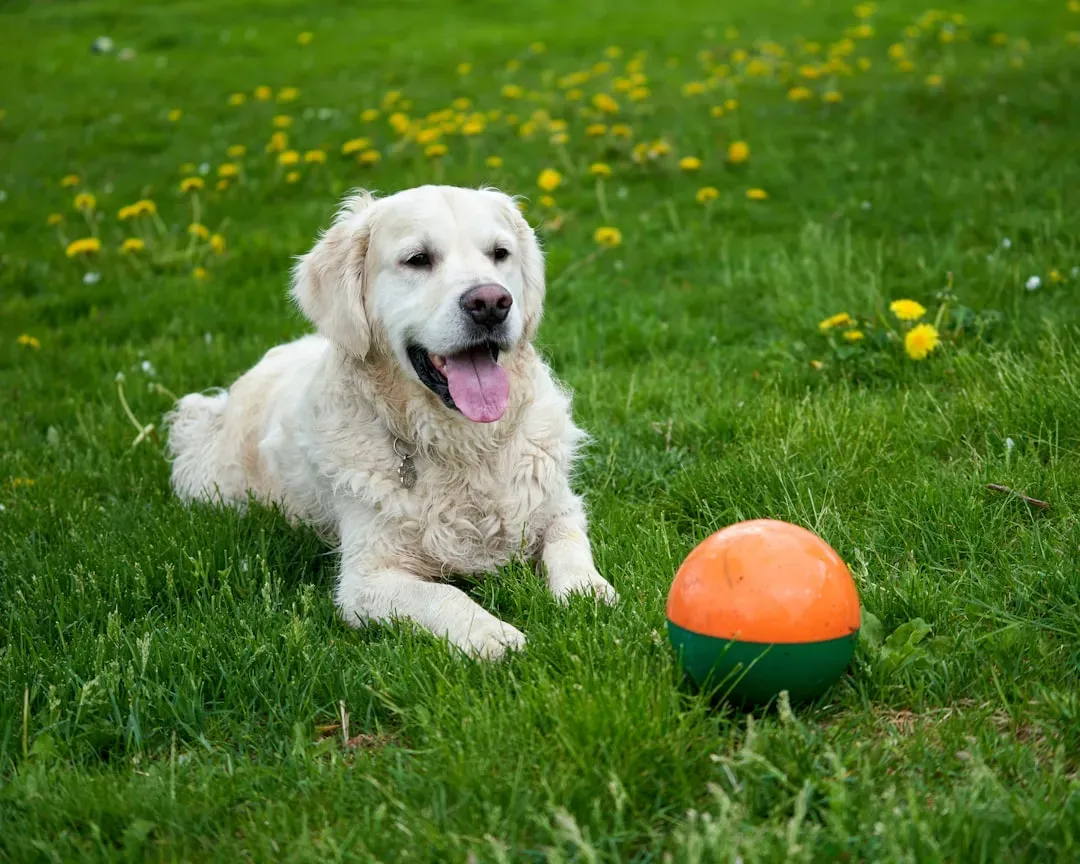
This might be the biggest misconception in the dog world. All a wagging tail means is that the dog is emotionally aroused. A tail wagging low in short strokes or just at the tip is a sign of nervousness; a wagging tail does not mean a dog is necessarily happy.
A faster, twitch-like wag indicates a higher level of arousal, possibly in a negative way. Context matters enormously. A tail held high and stiff while wagging quickly could signal alertness or even potential aggression. Meanwhile, those big, sweeping wags that involve the whole back end? That’s usually genuine happiness. Look at the whole dog, not just one body part. Are their eyes soft? Is their mouth relaxed? Is their body wiggly or stiff? The full picture tells the real story.
Conclusion
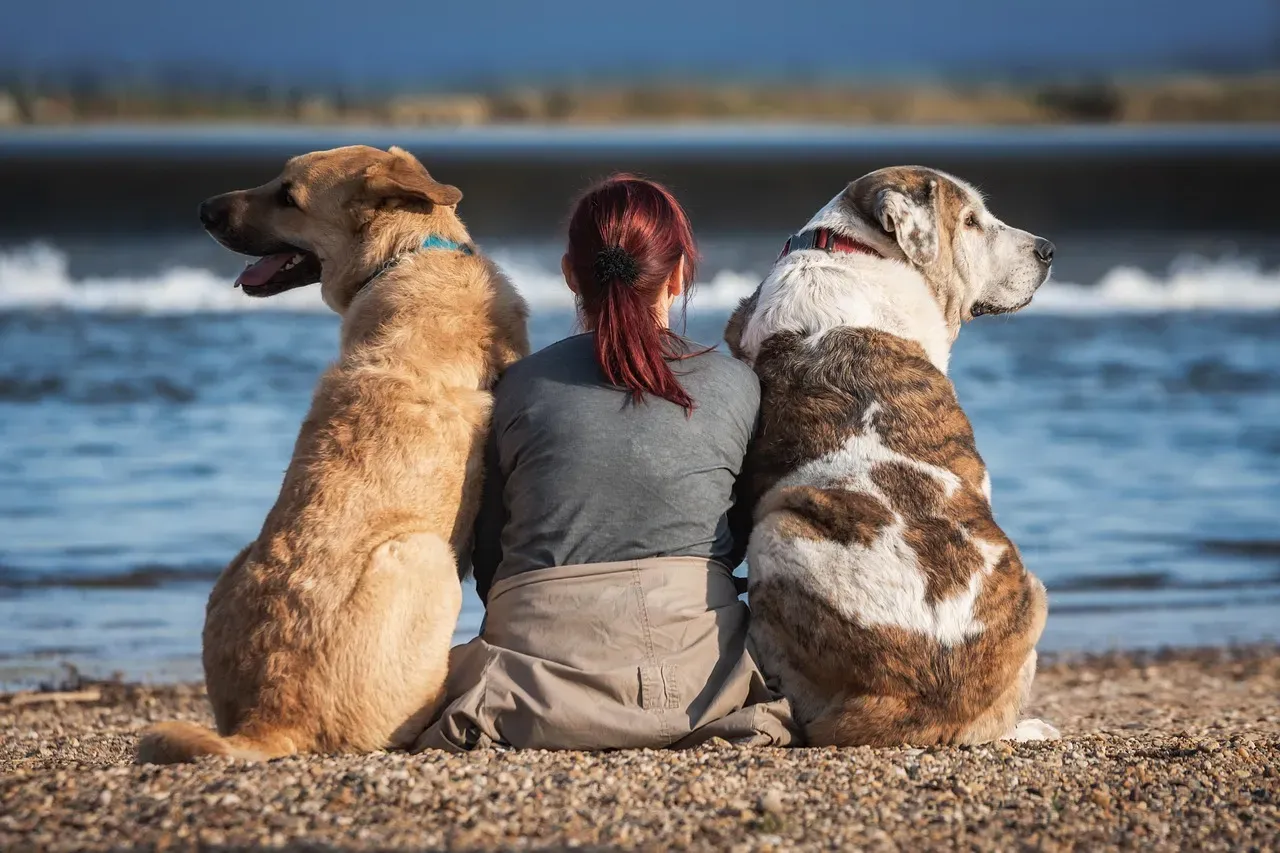
Learning to pet dogs properly isn’t just about being polite. It’s about safety, respect, and building genuine trust with animals who can’t use words to tell us how they feel. Every time you honor a dog’s boundaries, read their signals, and adjust your approach, you’re not just avoiding a bite, you’re showing that dog they can trust humans.
These nine mistakes are incredibly common, but they’re also completely fixable. Next time you meet a dog, pause for a moment. Ask permission. Let them approach you. Watch their body language. Pet them on their chest or shoulders instead of their head. Make these small shifts, and you’ll notice dogs respond to you differently, more openly, more comfortably.
What’s been your biggest aha moment about dog body language? Have you ever had a dog tell you “no thanks” and you actually listened? Share your stories in the comments.


