

Picture this: you’re winding down after a long day, maybe settling into your favorite chair with a warm cup of tea, when suddenly your dog launches into another barking symphony. The doorbell, a passing squirrel, a leaf tumbling across the yard, sometimes seemingly nothing at all. It feels relentless, doesn’t it?
You’re not alone in this struggle, trust me. Nonstop barking is one of the most common challenges dog parents face, and it can leave you feeling frustrated, helpless, and maybe even a little guilty. Here’s the thing though: your dog isn’t trying to drive you up the wall. They’re communicating something important, even if it sounds like chaos to our human ears.
So let’s dive in and explore exactly what your pup is trying to tell you, and more importantly, how you can help them find their calm.
Understanding Why Your Dog Just Won’t Stop Barking

Let’s be real: before you can calm the barking storm, you need to figure out what’s causing it. Barking is one of many forms of vocal communication for dogs, and because barking serves a variety of functions, you must identify its cause and your dog’s motivation for barking before you can treat a barking problem.
Your dog might be sounding the alarm about a perceived threat, whether that’s the mail carrier who “invades” your property daily or another dog walking past. Territorial barking is motivated by the perceived need to protect space, whether it’s your house, yard or car. On the flip side, maybe your furry friend is just plain bored or lonely. Dogs are social animals, and they may bark out of boredom or loneliness if left alone for long periods of time, as a way for them to seek attention or express frustration.
Loud noises, unfamiliar environments, or being left alone can cause fear-induced barking, and dogs might bark excessively if they’re feeling anxious or scared. I think what surprises most people is how many different emotions can trigger the same behavior. Pain or medical issues can also be culprits, which is why a vet check should always be your first step if the barking seems sudden or unusual.
The Power of the Quiet Command

Teaching your dog a “quiet” cue is like giving them a verbal off-switch. It takes patience, sure, but honestly, it’s one of the most valuable tools in your training toolkit.
A popular method of curtailing excessive barking is teaching the “quiet” command, using a calm, firm voice to tell your dog to be “quiet” and positively reinforce correct behavior with treats and affection. Start small during training sessions. For example, if your dog barks while playing, stop the game, wait for three full seconds of quiet, then mark and feed the dog a treat or resume playing to reinforce quiet.
The magic happens through repetition. When your dog barks and then stops, give them a high-value treat, even if they have only stopped barking for a moment, and each time your dog barks and is silent, wait a bit longer before treating. Think of it as rewarding the silence you want to see more of.
Once your pup gets the hang of it, you can introduce the actual word “quiet” right before they naturally stop barking. Over time, they’ll make the connection, and you’ll have a command that actually works when you need it most.
Managing Their Environment to Reduce Triggers

Sometimes the simplest solution is just removing what sets your dog off in the first place. I know it sounds almost too easy, but managing your dog’s environment can dramatically cut down on unnecessary barking.
To manage your dog’s behavior, you’ll need to block his ability to see people and animals, and removable plastic film or spray-based glass coatings can help to obscure your dog’s view of areas that he observes and guards from within your house. Closing curtains, moving furniture away from windows, or even playing white noise can make a massive difference. Play music or leave the television on to mask outdoor noises.
For dogs who go bonkers in the yard, supervision is key. If your dog most often barks territorially in your yard, keep him in the house during the day and supervise him when he’s in the yard so that he can’t just bark his head off when no one’s around, because if he’s sometimes able to engage in excessive alarm barking, that behavior will get stronger and harder to reduce. Think of it this way: every time your dog practices the unwanted behavior without intervention, it becomes more ingrained.
Exercise, Mental Stimulation, and the Tired Dog Theory

Here’s something I genuinely believe: a tired dog is usually a quieter dog. Physical exercise alone won’t always cut it though. Your pup needs mental workouts too.
Give your dog daily mental and physical exercise to wear them out a bit, as mental stimulation, like a little training, often tires dogs out quickly. We’re talking puzzle toys, scent games, training sessions that challenge their brain. Honestly, fifteen minutes of focused mental activity can sometimes exhaust a dog more than an hour-long walk.
Bored dogs need more exercise and something to do, as a tired dog is a good dog, so get them out to play, take them to the dog park, or go for a walk. The goal is to meet your dog’s needs before they resort to barking out of sheer frustration or excess energy. Give them jobs to do, tricks to learn, games that engage their natural instincts.
Desensitization and Changing Your Dog’s Emotional Response
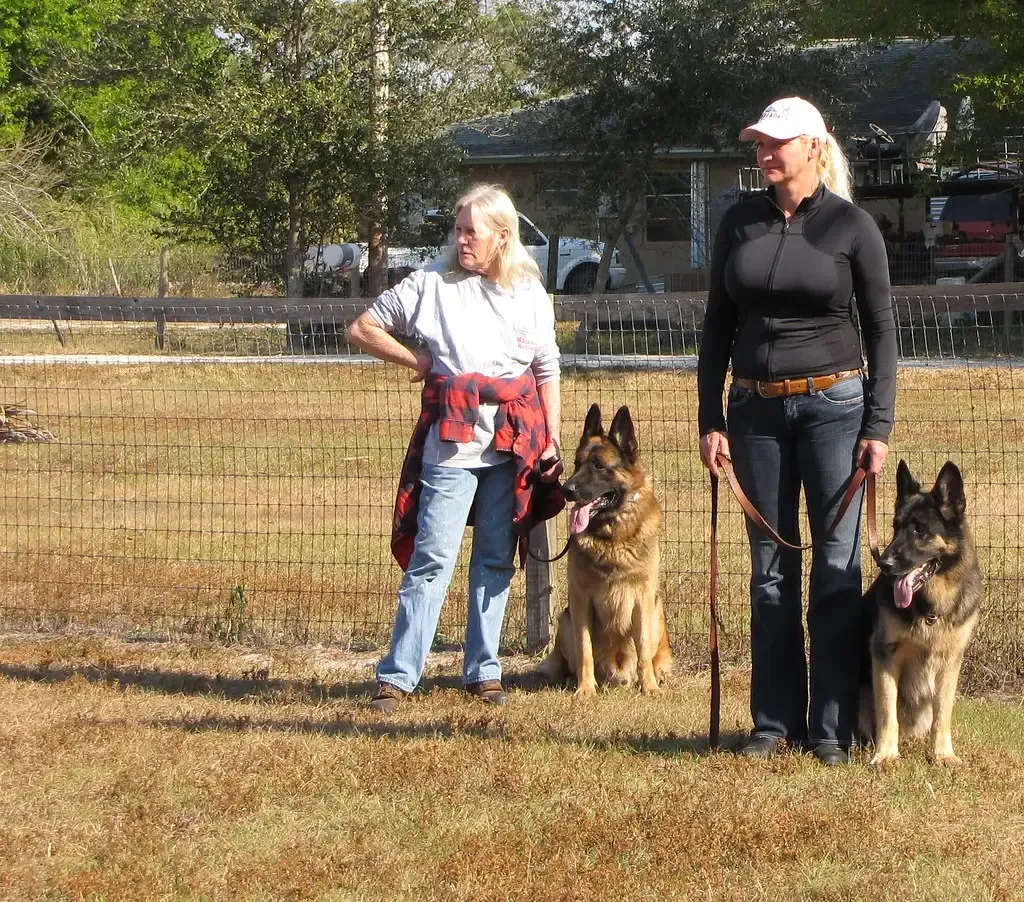
This technique requires time and commitment, but it can genuinely transform how your dog reacts to their triggers. The idea is to gradually change their emotional response from “threat alert!” to “oh, that means good things happen.”
If your dog barks at specific triggers, gradually get your dog accustomed to whatever is causing them to bark by starting with the stimulus at a distance far enough away that they don’t bark when they see it, feeding them lots of good treats for maintaining eye contact with you and not barking, then moving the stimulus a little closer and feeding treats. The distance is crucial here. Too close too fast, and you’ll just trigger the barking you’re trying to prevent.
If you want to stop a dog from barking territorially at people passing by your home, you need to change the dog’s perception of the people into a positive one. When scary stranger equals tasty chicken treats, your dog’s brain starts making new associations. It won’t happen overnight. You might need weeks of consistent practice, but the payoff is a calmer, more confident dog who doesn’t feel the need to sound the alarm at every little thing.
Conclusion

Calming a dog who barks nonstop isn’t about finding a quick fix or magic solution. It’s about understanding what your furry companion is trying to communicate and giving them better ways to express themselves. It will take some time to teach your dog to bark less, and it’s just not realistic to expect a quick fix or to expect that your dog will stop barking altogether, as your goal should be to decrease, rather than eliminate, the amount of barking.
Remember, barking is natural canine behavior. Your job isn’t to eliminate it entirely but to manage it in a way that works for both of you. Whether it’s teaching that invaluable “quiet” command, managing the environment to reduce triggers, ensuring your pup gets enough exercise, or slowly desensitizing them to their barking triggers, you have options.
Be patient with your dog and yourself. Consistency matters more than perfection. What worked for your neighbor’s Labrador might not work exactly the same way for your terrier mix, and that’s perfectly okay. Did this give you some new ideas to try? What’s been your biggest challenge with your barking buddy?


