
15 Things Only Dog Owners Over 50 Truly Understand
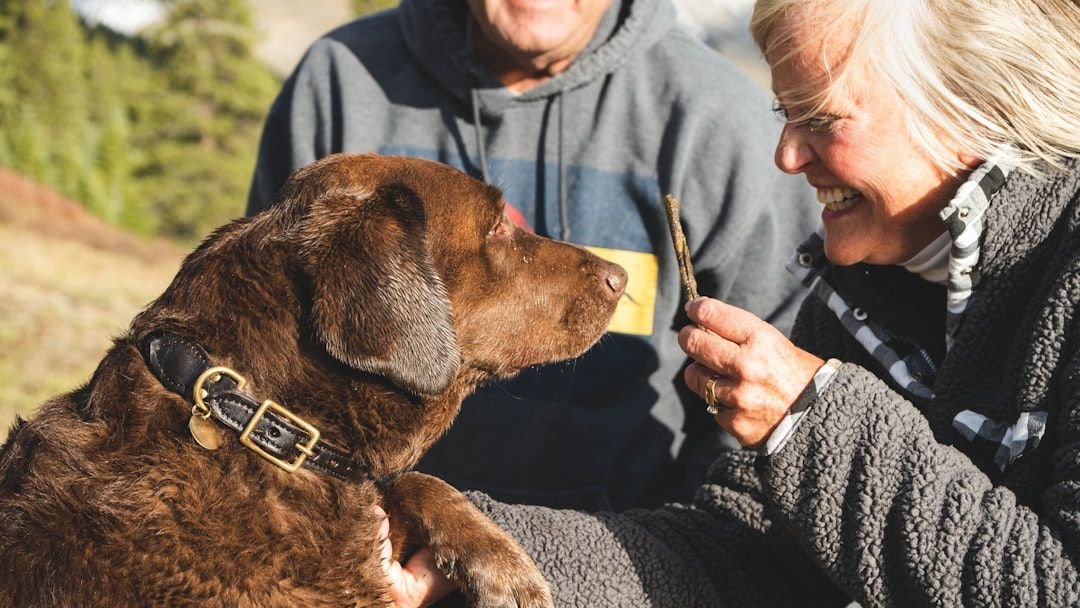
There’s something remarkable about the bond that forms between dogs and their people after we cross that fifty mark. Life shifts, priorities realign, and suddenly the simple presence of a warm nose nudging your hand feels more precious than ever. If you’ve reached this stage with a canine companion by your side, you already know what I’m talking about.
Those of us who’ve hit our golden years alongside our four-legged friends understand dimensions of the human-dog connection that younger owners have yet to discover. It’s not just about having a pet anymore. It becomes something deeper, something healing, something almost sacred. Let’s explore what makes this time so profoundly special.
The Healing Power of Slowing Down Together
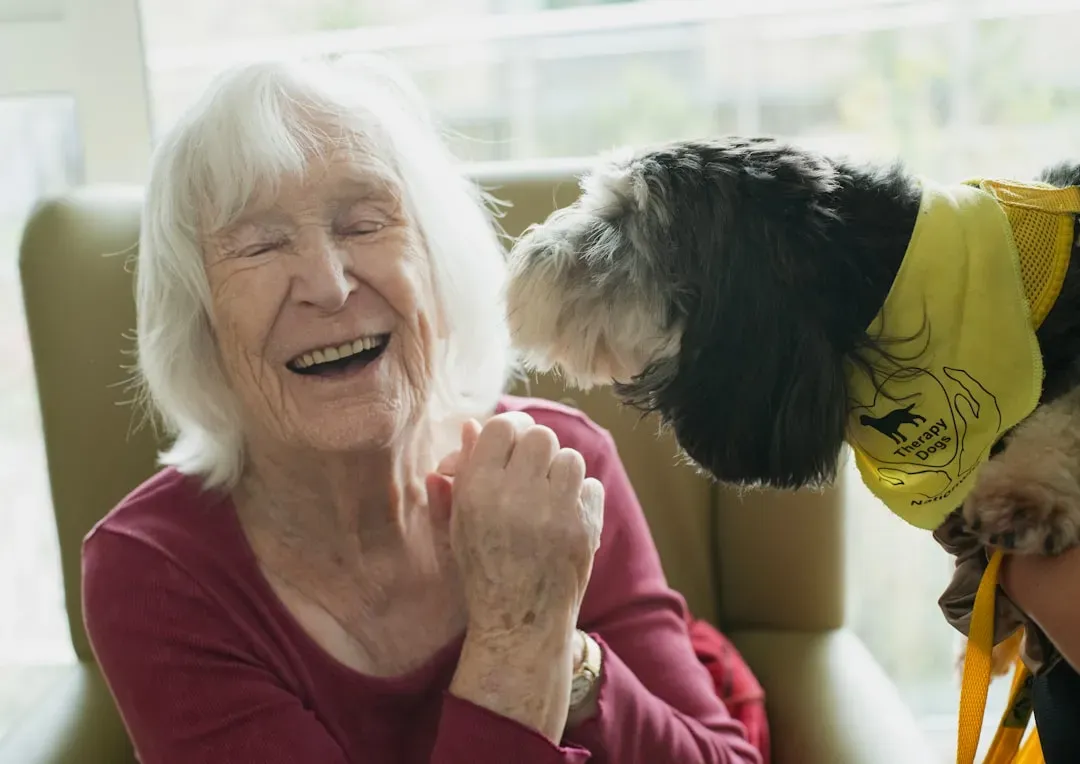
When you reach your fifties and beyond, you begin to appreciate the beauty of a slower pace. Your dog seems to sense this transition instinctively. Those frantic fetch sessions might give way to leisurely strolls where you both stop to investigate every interesting scent or simply sit together in the yard. Research indicates that dog ownership and cat ownership are related to less deterioration in physical functioning as older adults age.
Morning rituals take on new meaning. You’re no longer rushing out the door juggling work, kids, and a million obligations. Now, you can truly savor that first cup of coffee with your dog’s head resting on your knee. These quiet moments become meditation in motion, a reminder that life doesn’t always need to be urgent. Sometimes the greatest gift is simply being present with a creature who loves you unconditionally, no matter how gray your hair has gotten or how your joints protest on rainy mornings.
They Notice Your Health Changes Before You Do
Here’s something that catches many of us off guard. Dogs possess an almost supernatural ability to detect shifts in our physical condition. Studies show that dog-owning seniors have lower blood pressure and lower cholesterol than their petless peers, and having a dog also reduces the risk of heart attack. They seem to know when something’s off before we’ve even acknowledged it ourselves.
I’ve heard countless stories from friends whose dogs became clingy or behaved differently right before a health episode. They’ll refuse to leave your side, gently pawing at you, or staring with those knowing eyes. It’s both eerie and comforting. Whether you’re dealing with fluctuating blood sugar, cardiac issues, or simply feeling under the weather, your dog acts as an early warning system wrapped in fur.
Daily Walks Become Non-Negotiable Medicine
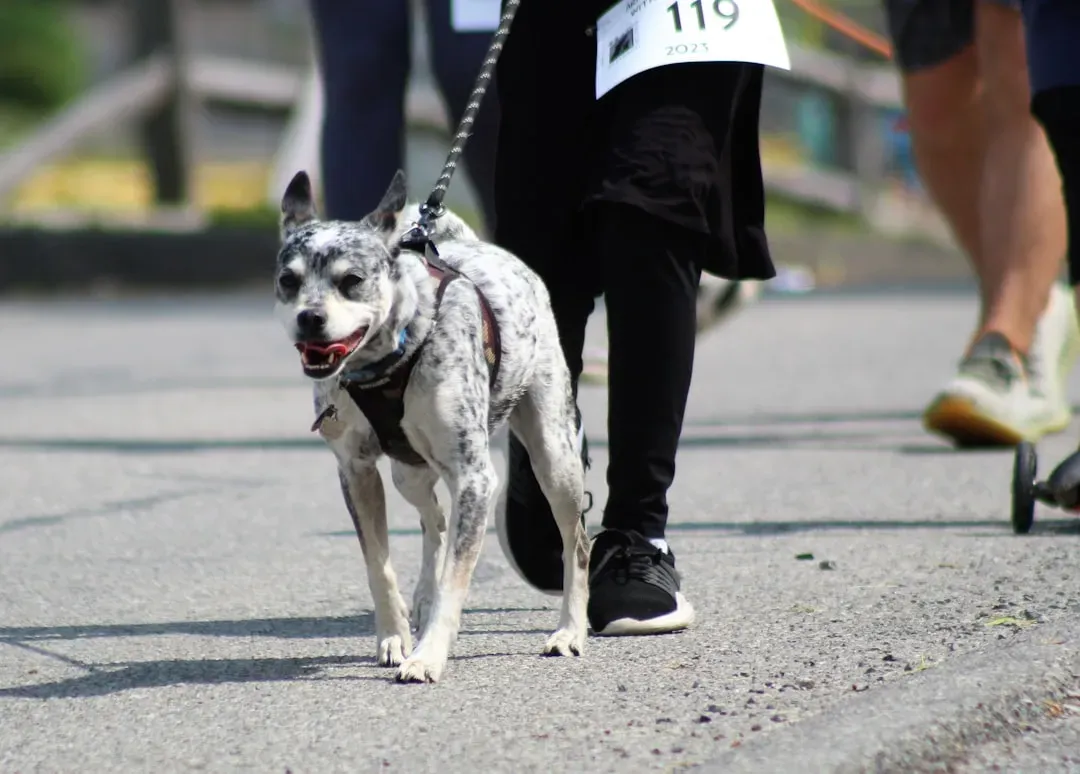
Let’s be real about this. When you’re over fifty, it becomes ridiculously easy to skip exercise. Tomorrow always seems like a better day to start that fitness routine. Except when you have a dog, there is no tomorrow. Those expectant eyes and that wagging tail create the most effective personal trainer imaginable. Research found that people who own a dog walk 22 minutes longer on average than those who do not have a dog.
Rain or shine, your dog needs that walk, which means you’re getting consistent, moderate exercise whether you feel like it or not. This daily commitment helps maintain mobility, keeps joints from stiffening, and provides cardiovascular benefits that become increasingly crucial as we age. The accountability factor is massive. You might talk yourself out of a gym session, but disappointing your devoted companion? That’s a different story entirely.
They Fill the Void When the House Gets Quiet
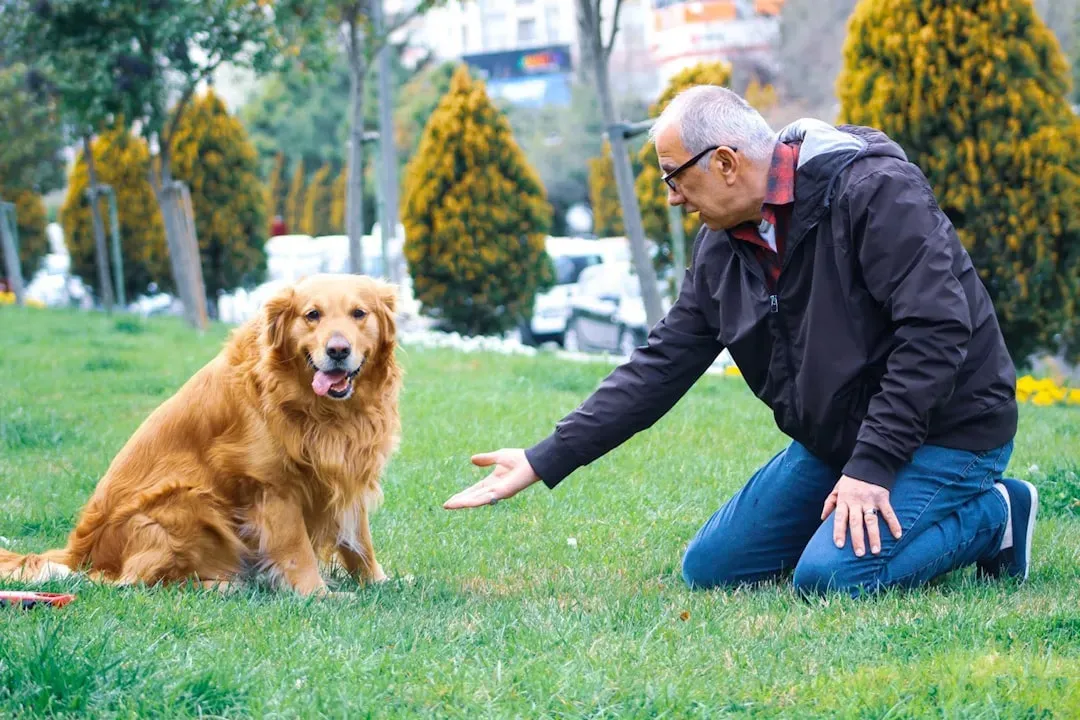
Empty nest syndrome hits hard. Kids move away, careers wind down, and suddenly the house that once buzzed with activity feels cavernously silent. Seniors get lonely as they age, grown children move away, and partners and friends pass away, but pets serve as a buffer against loneliness. Your dog doesn’t just fill the silence; they create a new rhythm to your days.
There’s someone who needs you, who celebrates your arrival home like you’ve been gone for years instead of twenty minutes. The sense of purpose this provides cannot be overstated. Many dog owners over fifty report that their pets give structure and meaning to days that might otherwise blur together. Retirement should be liberating, but it can also feel adrift without direction. A dog anchors you with routines, responsibilities, and a heartbeat that reminds you that you matter deeply to at least one living soul.
The Social Connections Are Surprisingly Powerful
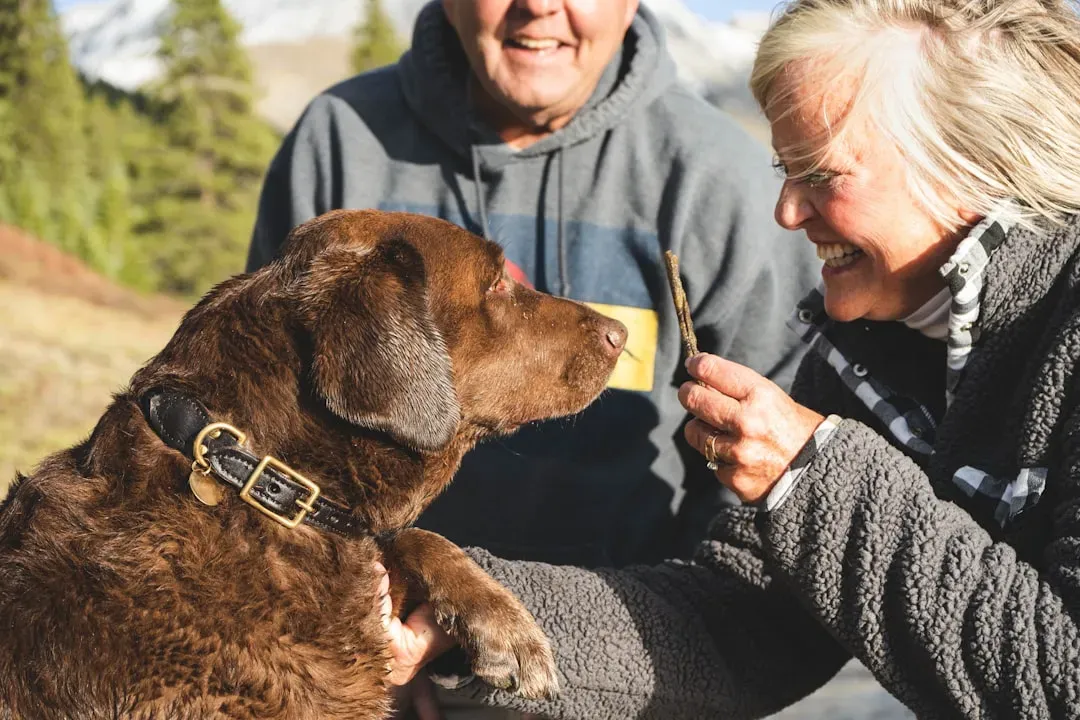
Something magical happens when you walk a dog past your fifties. Strangers actually talk to you. Dog owners are 60% more likely to engage in conversations with strangers, which shows how dogs can naturally facilitate social connections. Suddenly you’re part of an informal community of fellow dog lovers, exchanging stories at the park or on the sidewalk.
This social dimension becomes increasingly valuable as traditional social networks sometimes shrink with age. Dog parks become social hubs, regular walking routes lead to friendships with neighbors you’d otherwise never meet, and veterinary visits offer opportunities for connection. For those living alone or experiencing reduced mobility that limits social outings, these dog-facilitated interactions can be a lifeline against isolation. It’s hard to feel invisible when you’re walking a creature that makes people smile.
They Don’t Care About Your Wrinkles or Gray Hair
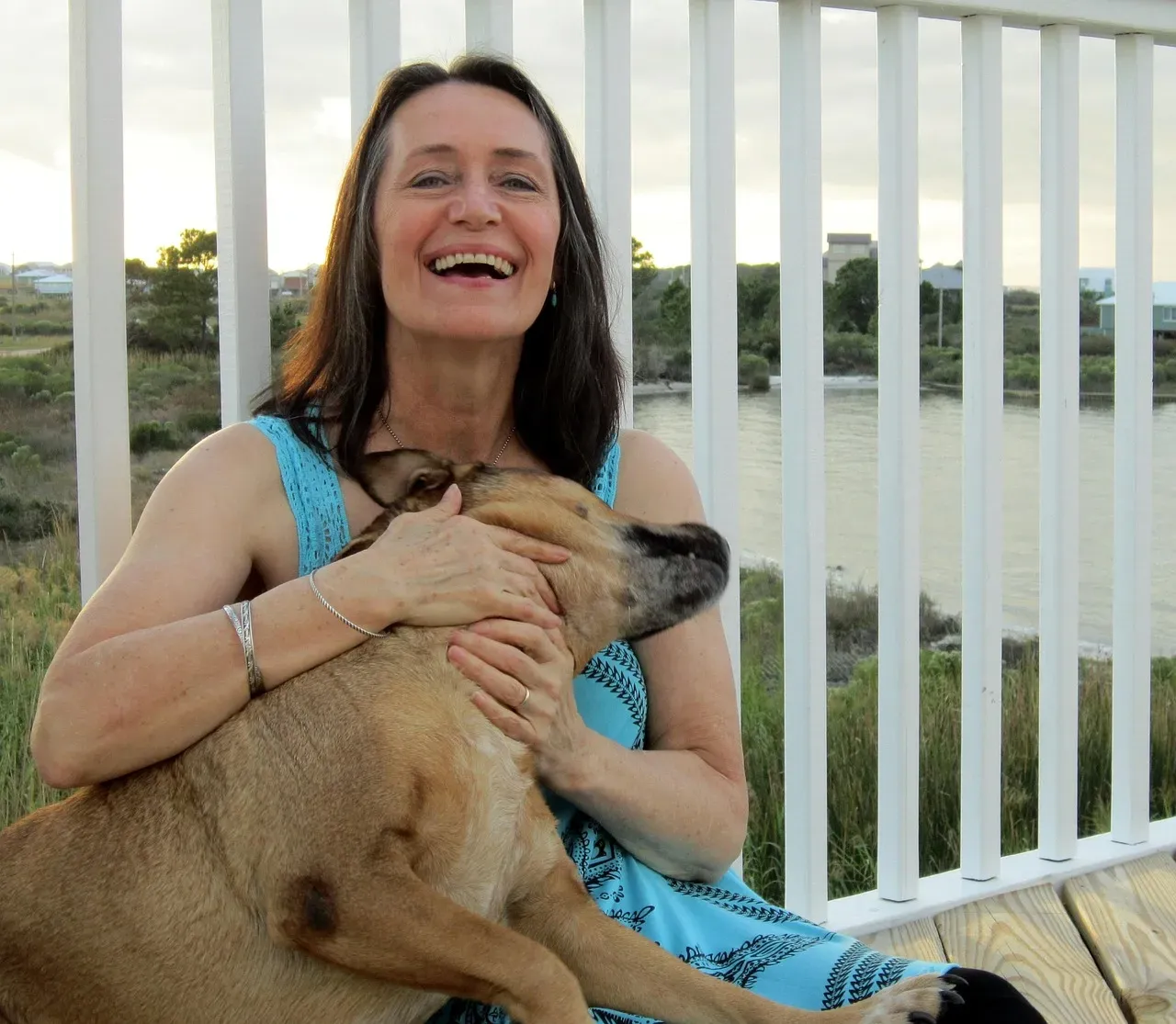
Society can be cruel about aging. We’re bombarded with messages about staying young, fighting wrinkles, covering gray. Your dog couldn’t care less about any of that superficial nonsense. To them, you’re absolutely perfect exactly as you are. Petting a dog causes your body to release oxytocin, often called the “love hormone,” reducing stress and alleviating negative feelings including depression, grief, or anxiety.
There’s something profoundly healing about being loved without conditions or judgments. Your dog doesn’t notice if you’ve gained weight, if your hair is thinning, or if you need reading glasses now. They love the essence of you, the soul beneath the aging exterior. This kind of acceptance can actually improve how we feel about ourselves during a life stage when self-esteem sometimes takes hits from societal ageism.
Understanding the Grief of Their Aging Process
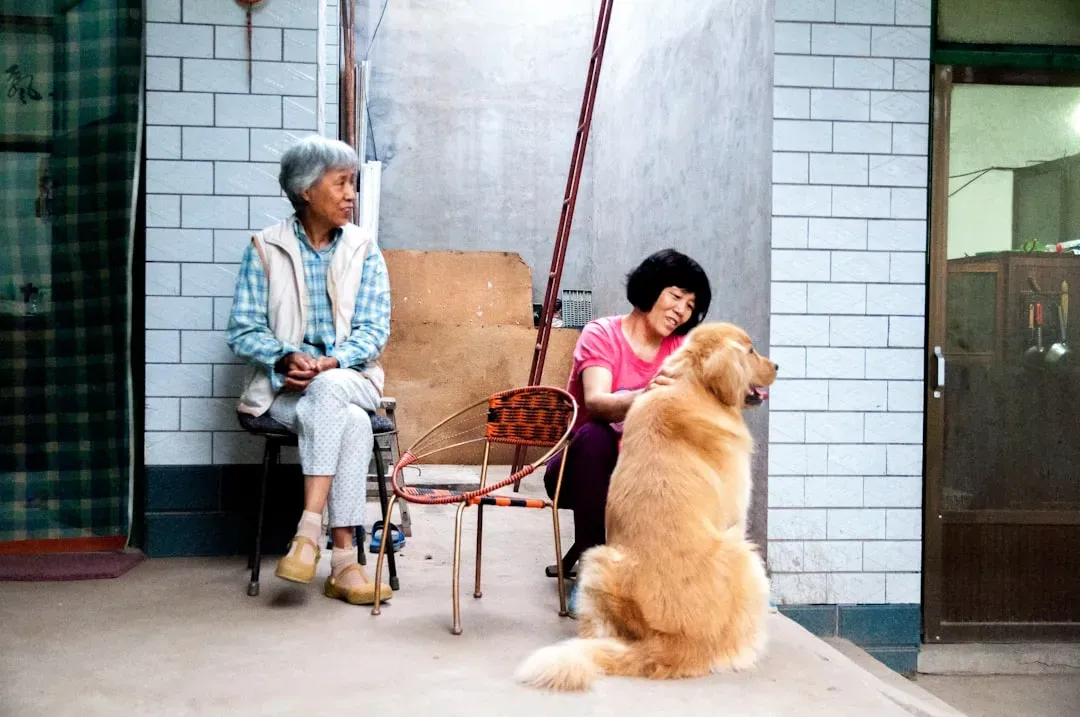
This one’s tough to discuss, but it’s part of the reality. When you adopt a dog in your fifties or later, you’re acutely aware of the timeline. You’ve likely already experienced the loss of previous pets, and you understand all too well that these precious companions have shorter lifespans than we do. Watching your dog age alongside you brings a bittersweet awareness.
You notice their muzzle graying, their pace slowing, and you recognize these signs because you see them in yourself. There’s a shared understanding of mortality that younger owners might not fully grasp yet. This knowledge makes every moment feel more precious. You don’t take a single walk for granted because you understand how finite they are. The companionship takes on layers of meaning that can only come from this mutual journey through life’s later chapters.
They Keep You Grounded in Routine

Retirement or reduced work hours can disrupt the structure that once defined your days. Without external schedules imposing order, some people struggle with the freedom. Dogs play a crucial role in establishing daily rhythms, as the responsibility of caring for a dog, like feeding, walking, and grooming, creates a structured routine. Your dog won’t let you sleep until noon or skip meals.
Feeding times, walk schedules, and play sessions create a framework that keeps you engaged with life. This structure provides mental health benefits that research continues to validate. Having consistent routines helps combat depression and gives purpose to each day. There’s comfort in predictability, especially during life transitions. Your dog’s needs keep you connected to time and responsibility in ways that feel manageable rather than overwhelming.
The Financial Reality Hits Differently Now
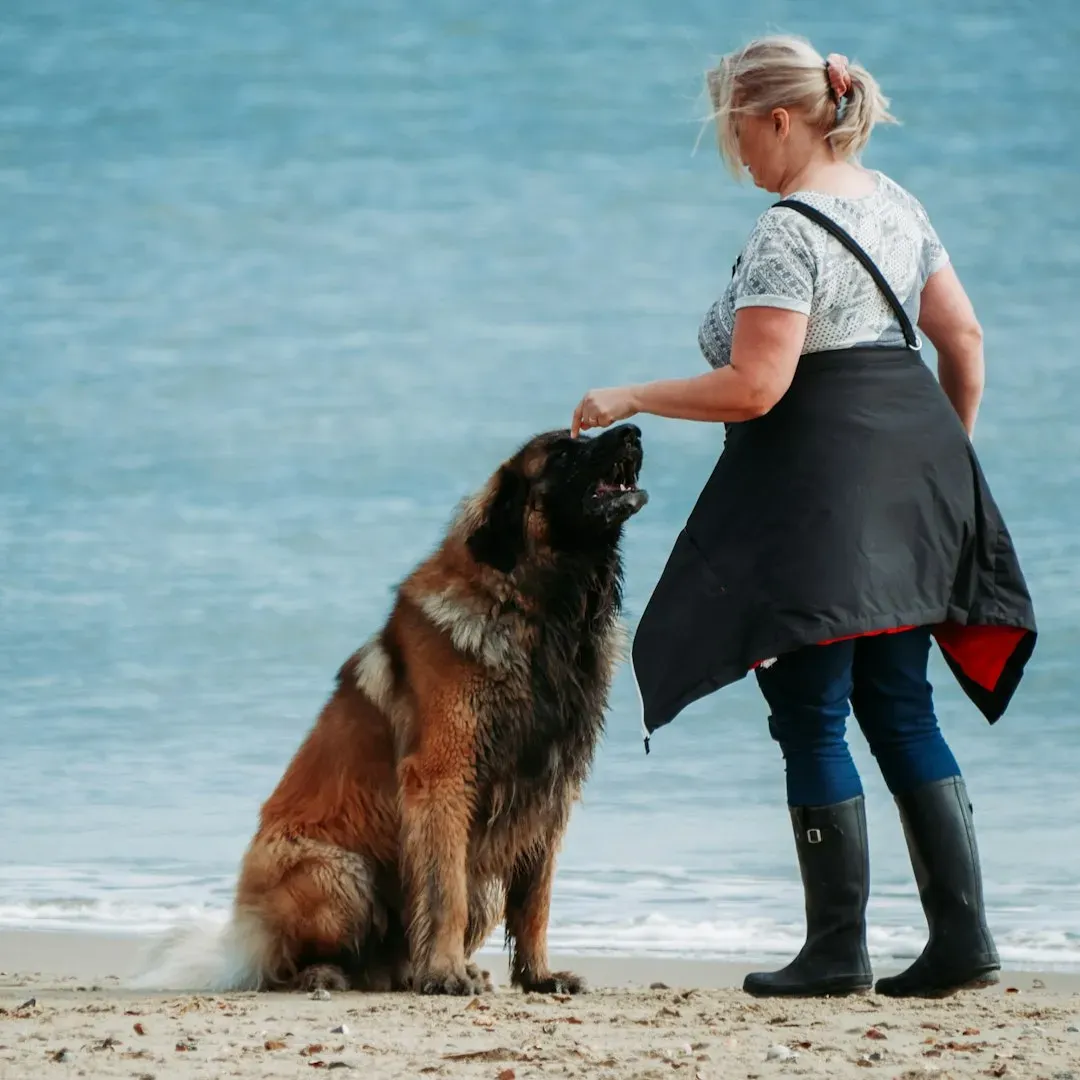
When you’re on a fixed income or managing retirement savings, veterinary expenses take on new weight. Regular checkups, medications for aging dogs, and unexpected health crises can strain budgets in ways they didn’t during your earning years. Yet somehow, dog owners over fifty consistently prioritize their pets’ wellbeing, adjusting their own spending to ensure their companions receive proper care.
This demonstrates the depth of commitment that develops. You might cut back on dining out or postpone that vacation, but skipping your dog’s necessary treatment isn’t an option you’ll seriously consider. The cost-benefit analysis is clear in your mind. The emotional and physical health benefits your dog provides far exceed the financial investment. Studies have shown that the bond between people and their pets is linked to several health benefits, including decreased blood pressure, cholesterol levels, and triglyceride levels. That’s worth more than any recreational spending.
They Help Process Loss and Grief

By the time you’ve lived five decades or more, you’ve inevitably experienced significant losses. Friends, family members, perhaps a spouse. For seniors, people living alone, or those dealing with loss, pets can be a lifeline, as their presence not only reduces feelings of isolation but also encourages social interaction. Your dog becomes a companion through grief in ways that even well-meaning humans sometimes can’t match.
Dogs allow you to grieve without judgment. They sit with you through tears, never telling you to move on or get over it. Their steady presence provides comfort when words fail. For widows and widowers particularly, having a dog in the house eases the transition to living alone. The house doesn’t feel as empty. You’re not talking to yourself; you’re talking to your dog. There’s still warmth, still life, still a reason to get up in the morning.
Your Patience and Wisdom Make You Better Trainers

Here’s an unexpected benefit of age. The patience and emotional regulation you’ve developed over decades make you exceptionally capable of training and understanding dogs. You don’t sweat the small stuff like you might have in your thirties. A chewed shoe or an accident in the house doesn’t trigger the same frustration.
You’ve learned that consistency beats intensity, that calm persistence accomplishes more than angry reactions. This wisdom translates beautifully into dog training. Dogs are drawn to calm, gentle, and consistent people, and seniors often provide affection, patience, and predictable routines, which dogs naturally respond to with trust and love. Many dog trainers note that older clients often have the most success because they bring emotional maturity to the process. Your dog benefits from your life experience in ways neither of you might consciously recognize.
The Cognitive Benefits Are Real and Measurable
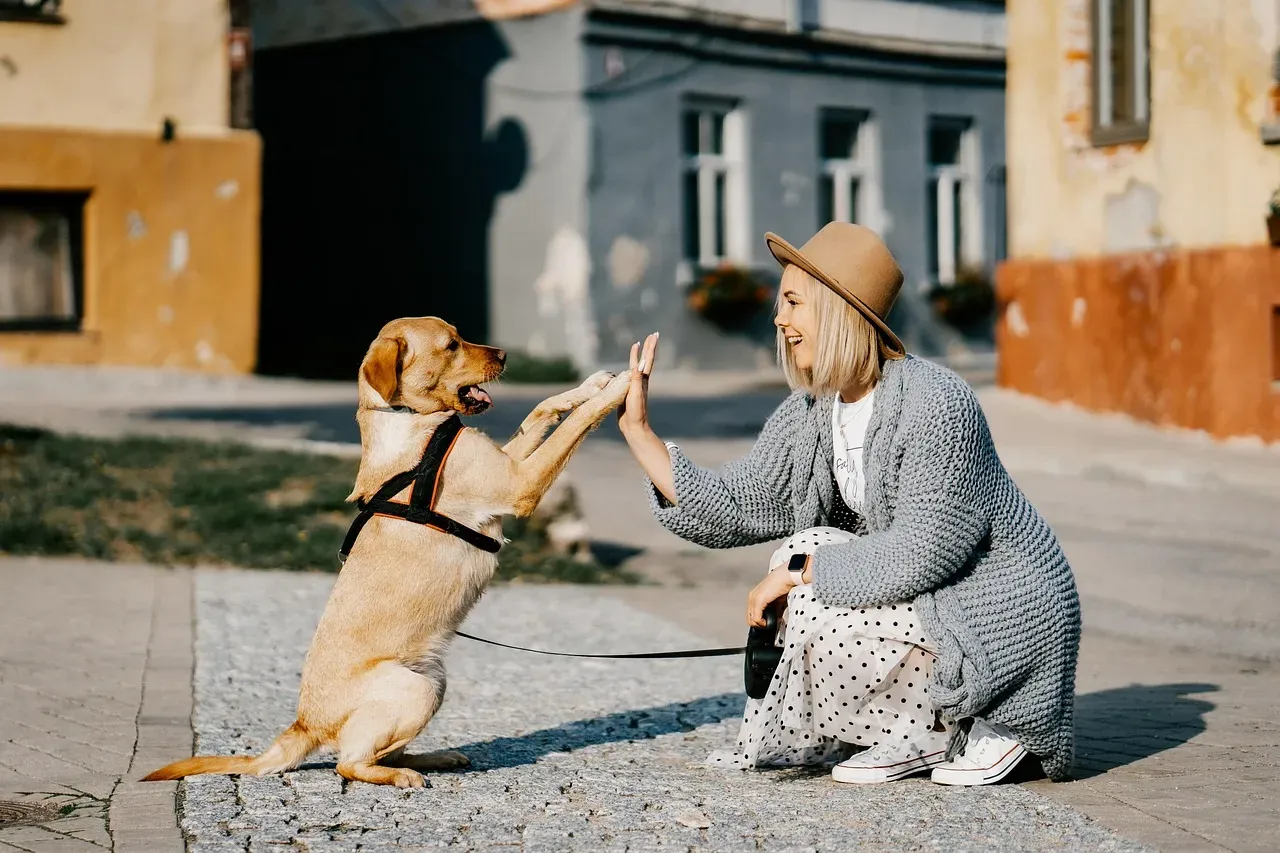
This isn’t just feel-good speculation. Recent studies find that pet ownership can help slow cognitive decline and prevent dementia in older adults, with dog owners having a lower risk of dementia compared to non-dog owners. Caring for a dog exercises your brain in multiple ways – remembering medication schedules, planning walks, monitoring behavior changes, and engaging in the problem-solving that pet ownership requires.
The mental stimulation combined with the physical activity and social engagement creates a powerful combination for brain health. Pet ownership and regular contact with pets are associated with better cognitive status compared with those who did not own pets or had no regular contact with pets independent of age. The simple act of training, playing, or even just observing your dog keeps your mind active and engaged with the present moment. It’s like a daily cognitive workout disguised as companionship.
They Make You Less Afraid of Aging
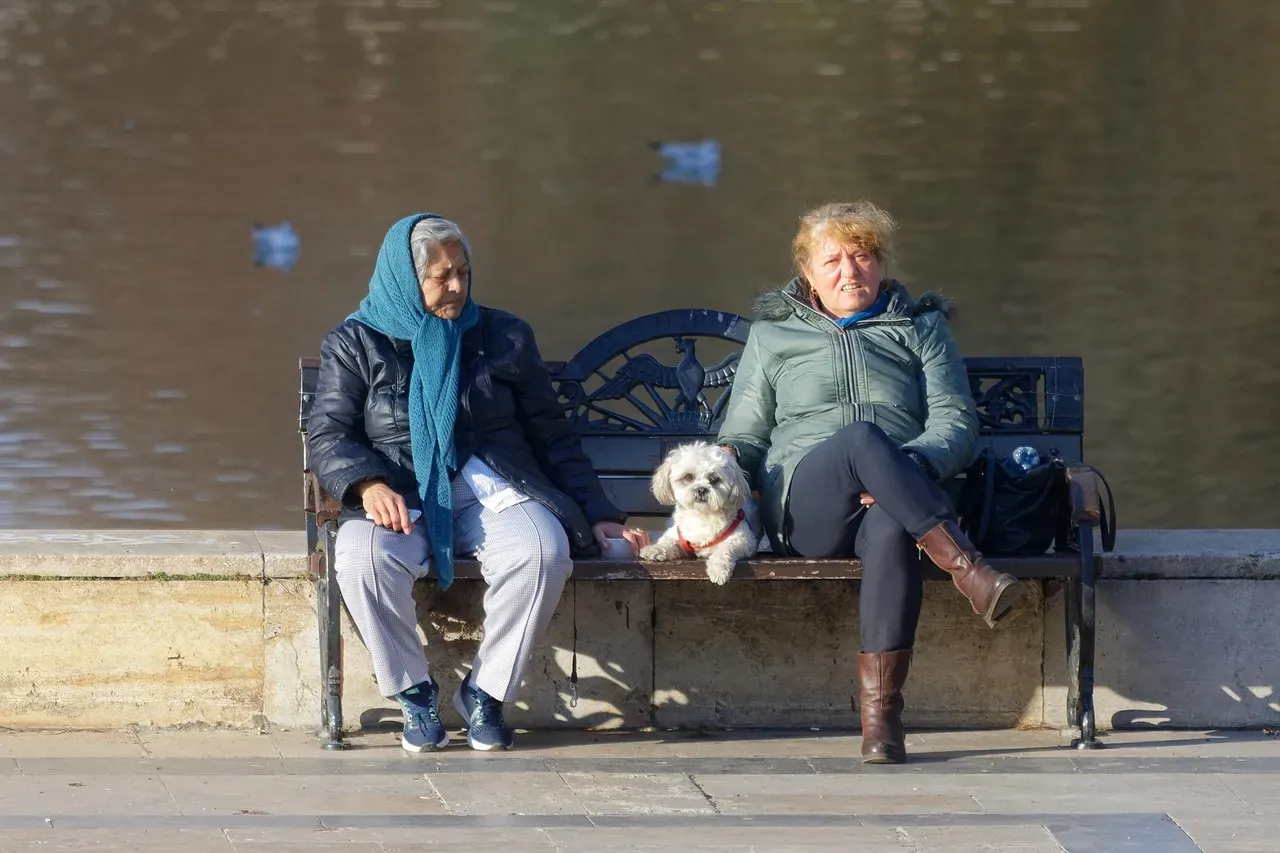
Watching your dog age with grace and dignity teaches profound lessons. Dogs don’t catastrophize about getting older. They adapt to limitations with remarkable resilience. When arthritis slows them down, they adjust their pace but continue to find joy. When hearing fades, they rely more on other senses. This acceptance without bitterness offers a model for our own aging process.
Your dog shows you that slowing down doesn’t mean life is over. That needing help isn’t shameful. That joy exists even when capabilities diminish. These lessons sink in through observation and shared experience in ways that all the self-help books in the world can’t match. You find yourself approaching your own physical changes with more compassion and less fear, partly because your dog has shown you how.
The Mutual Comfort of Two Old Souls

There’s something particularly touching about a senior dog and a senior human keeping each other company. You understand each other’s need for frequent naps. Neither of you judges the other for moving more slowly or needing extra time to get going in the morning. Researchers found that both the owners’ and dogs’ heart rate variability were likely to match during interactions, so when the owner was relaxed or stressed, so was the dog, and vice versa.
This synchronicity creates a profound sense of companionship. You’re both in the autumn of your lives, making the most of each season. There’s no pretense, no performance. Just two beings who’ve accumulated some years sharing space and affection. Many dog owners over fifty report that adopting a senior dog created the most perfect match because both were looking for peaceful companionship rather than adventure, understanding rather than excitement.
They Keep You Connected to Simple Joy

Perhaps this is the most beautiful thing of all. Dogs have this gift for finding happiness in the smallest things. A sunny spot on the floor. A favorite toy retrieved from under the couch. The sound of your footsteps approaching. Research has found that older adults who reported owning a pet were 36% less likely to report loneliness than older adults who don’t have pets. This enthusiasm for life’s simple pleasures is contagious.
When you’ve lived long enough to experience disappointments, losses, and the ways life doesn’t always turn out as planned, you need reminders that joy still exists in uncomplicated forms. Your dog provides this daily. Their excitement over an ordinary walk shows you that ordinary can be extraordinary when you’re fully present for it. They teach you that happiness doesn’t require grand gestures or major events. Sometimes it’s just about being outside together, breathing the same air, grateful for another day. After fifty years of living, that’s a lesson worth learning over and over again.
Conclusion
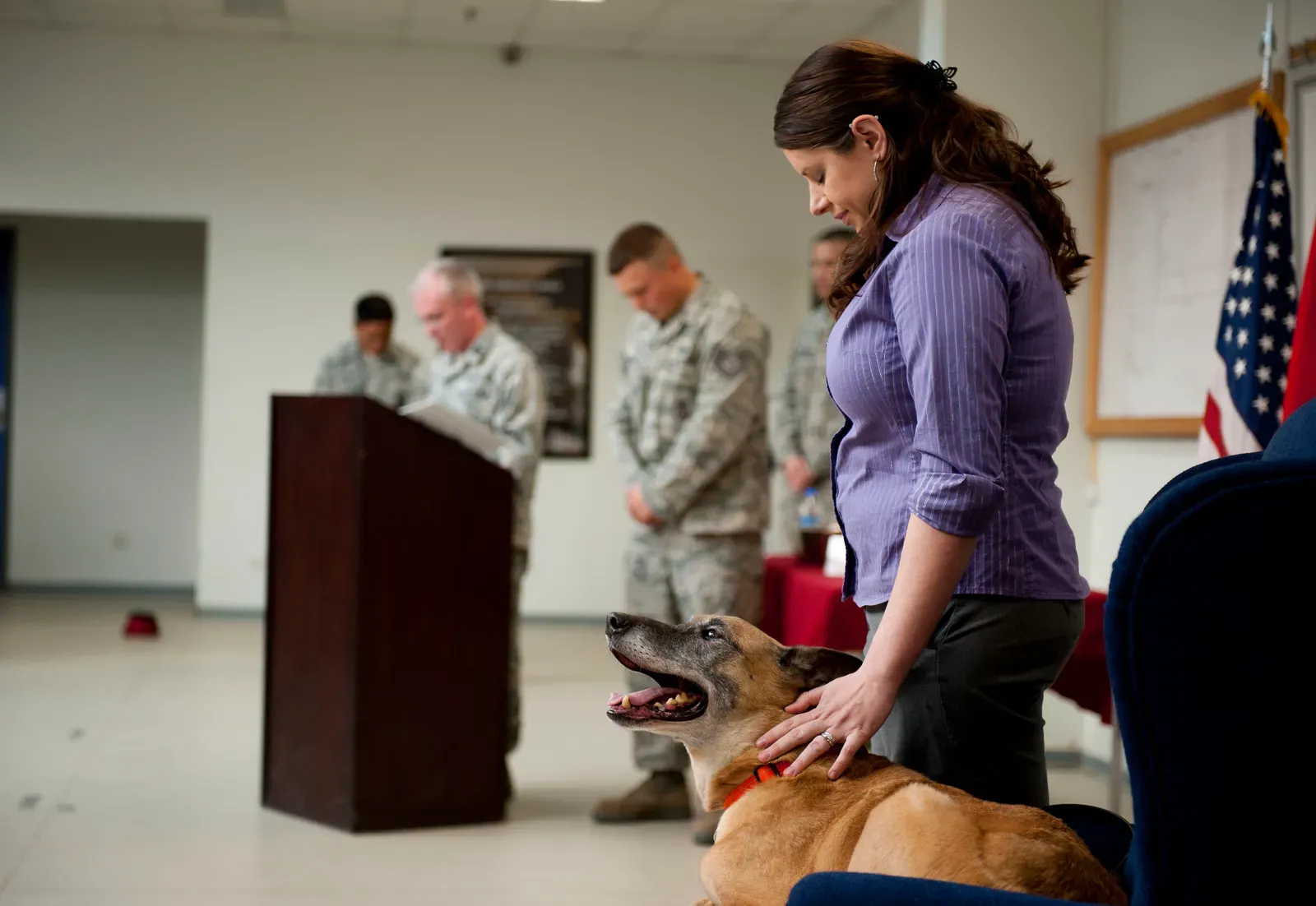
The relationship between dogs and their owners over fifty is something truly special. It’s built on mutual understanding, shared rhythms, and the wisdom that comes from life experience. These aren’t just pets; they’re companions through one of life’s most profound transitions. They offer health benefits, emotional support, social connections, and daily purpose wrapped up in fur and unconditional love. For those of us lucky enough to experience this bond, we know we’re not just caring for a dog – we’re sharing our golden years with a soul who makes every day brighter simply by existing.
What has your dog taught you about aging gracefully? The lessons are everywhere if we’re paying attention.