
10 Dangerous Dog Breeds Prone to Aggressive Playing: What Owners Need to Know
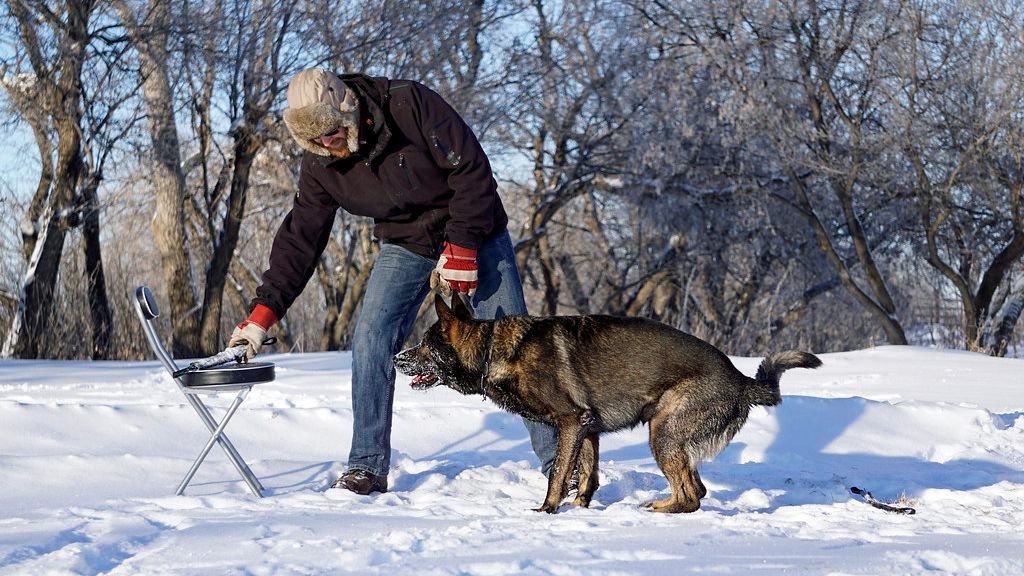
There’s nothing quite like watching dogs play at the park, right? The energy, the joy, the boundless enthusiasm. Yet, as any seasoned dog owner knows, that thin line between playful roughhousing and genuine aggression can be tricky to navigate. I’ve been asked countless times whether certain breeds are naturally more intense during play, and honestly, it’s a question worth exploring.
Some dogs play differently than others. Certain breeds were developed for jobs requiring power, intensity, and relentless drive, traits that can show up during playtime in ways that might surprise you. This doesn’t mean these dogs are bad or inherently vicious. Rather, it means their play style can be overwhelming, intimidating, or even dangerous if not properly understood and managed. Let’s dive in and explore which breeds are prone to aggressive playing, what signs to watch for, and how you can keep everyone safe while still letting your dog be a dog.
American Pit Bull Terrier: The Tenacious Powerhouse
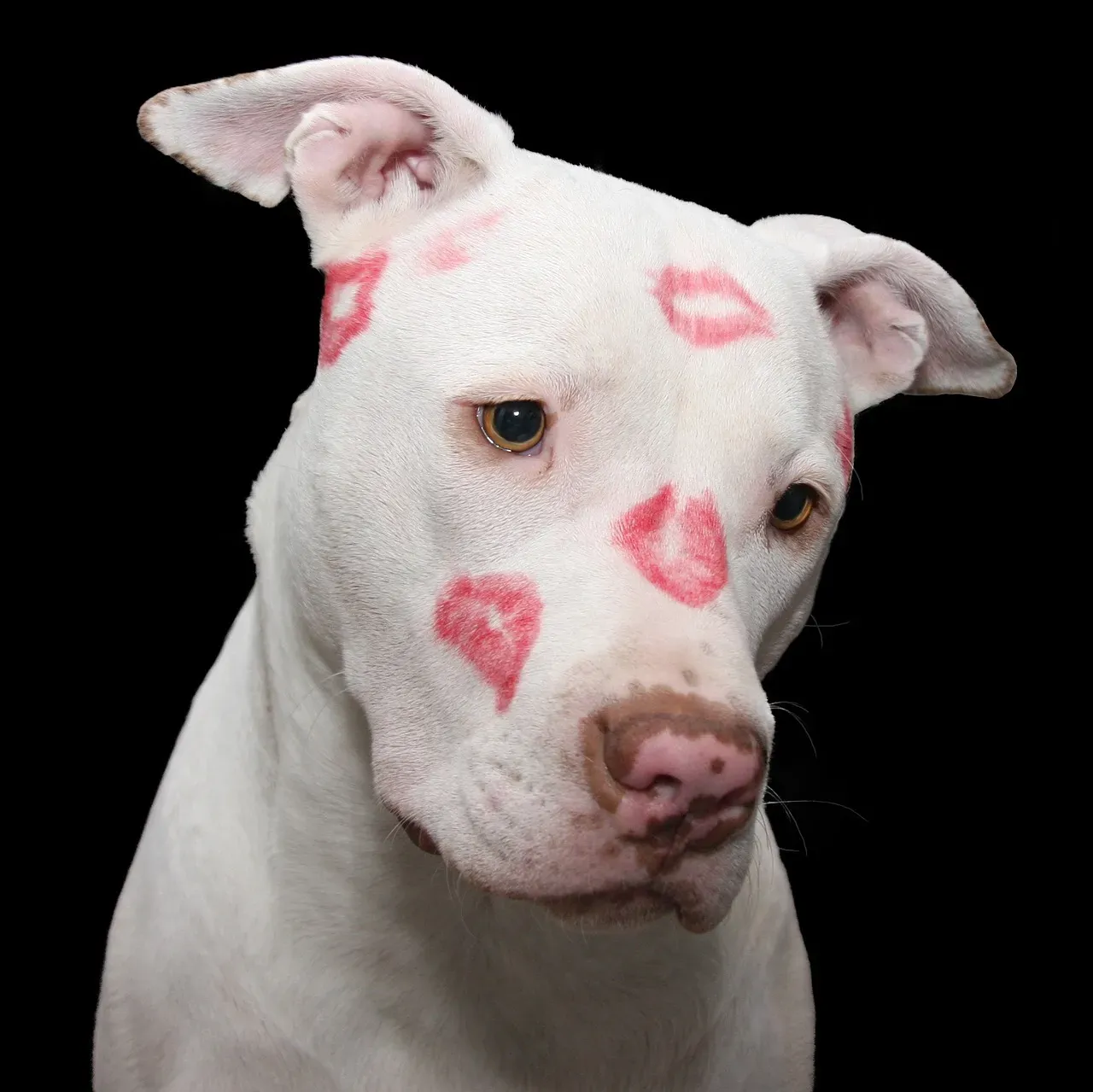
American Pit Bull Terriers are known for being tenacious and determined canines, characteristics that can often lead to aggressive behavior and the courage to engage in fights. During play, these dogs can exhibit an intensity that smaller or less confident dogs find overwhelming. Their muscular build and strong jaw give them a physical advantage that can turn a game into something more serious without proper supervision.
Because of their genetics, bully breeds in particular are prone to latching onto other dogs during play-fights. This doesn’t necessarily signal aggression, but it does require an experienced owner who understands when to step in. With proper training and socialization, these dogs can be incredibly loving and affectionate pets. Yet, their natural strength and determination mean owners need to remain vigilant during all interactions.
Rottweiler: Gentle Giant or Overwhelming Force?
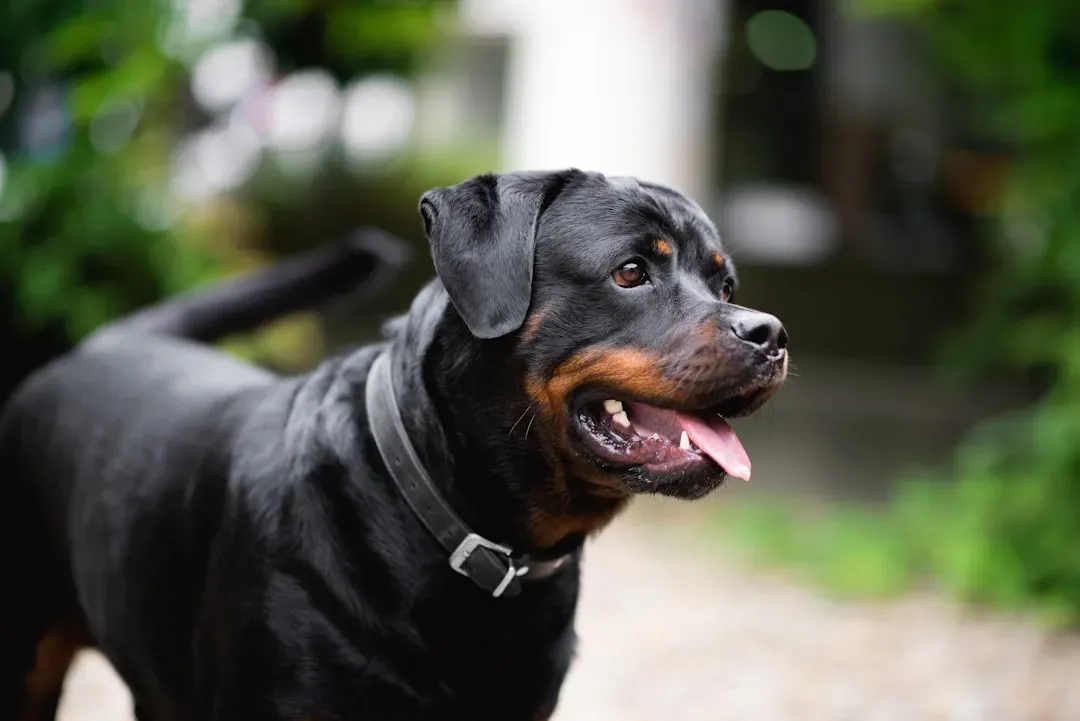
Rottweilers can be loving, affectionate family dogs or aggressive protectors, depending on their upbringing, and their thick, stocky frame can top 150 pounds while being naturally protective and territorial. During play, a Rottweiler’s sheer size alone can be intimidating, especially when they’re romping with smaller breeds.
Their history as cattle drovers means they’re used to physical work and can play quite roughly. A Rottweiler might barrel into another dog with full enthusiasm, not realizing their weight gives them an unfair advantage. The key here is early socialization and teaching impulse control. Owners need to watch for signs that play is becoming too one-sided, where the Rottweiler dominates without giving their playmate a chance to retreat or rest.
German Shepherd: The Intense Guardian
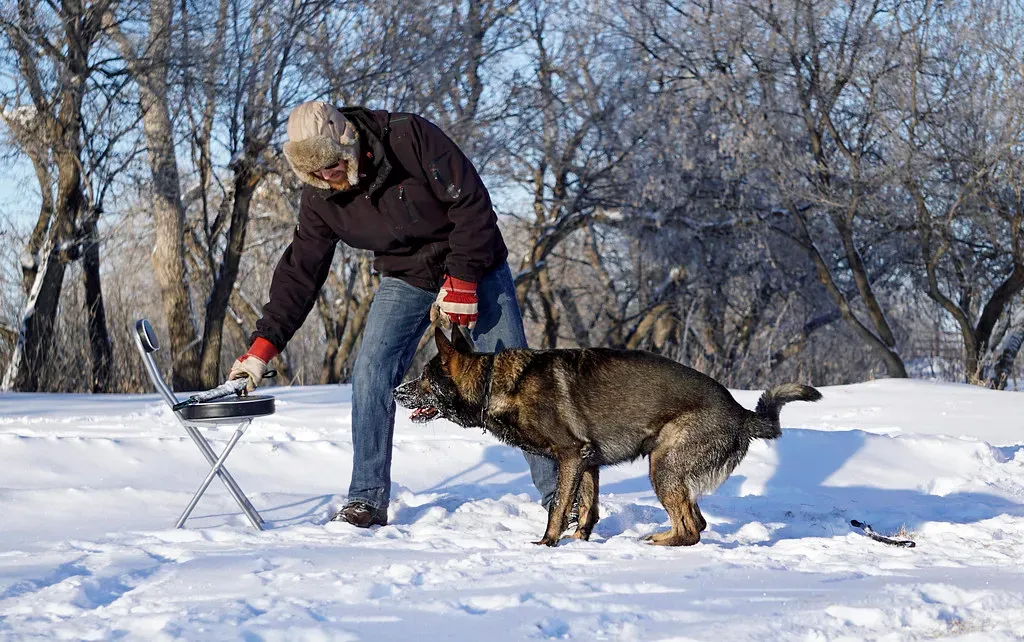
German Shepherds are also highly intelligent working dogs that have fulfilled a variety of roles as police, guide, and search-and-rescue dogs, and their regal stature and intensity can make them appear intimidating at a glance. When German Shepherds play, they bring that same intensity and focus. Their natural wariness of strangers can sometimes translate into protective behavior during play sessions with unfamiliar dogs.
They require consistent training and socialization to prevent aggressive tendencies, especially around other pets and smaller animals. A German Shepherd’s play can quickly escalate from friendly to territorial if they perceive a threat to their family or space. Their high energy and intelligence mean they need outlets for both physical and mental stimulation, otherwise that intensity can manifest in ways that make other dogs uncomfortable.
Doberman Pinscher: The Alert Protector
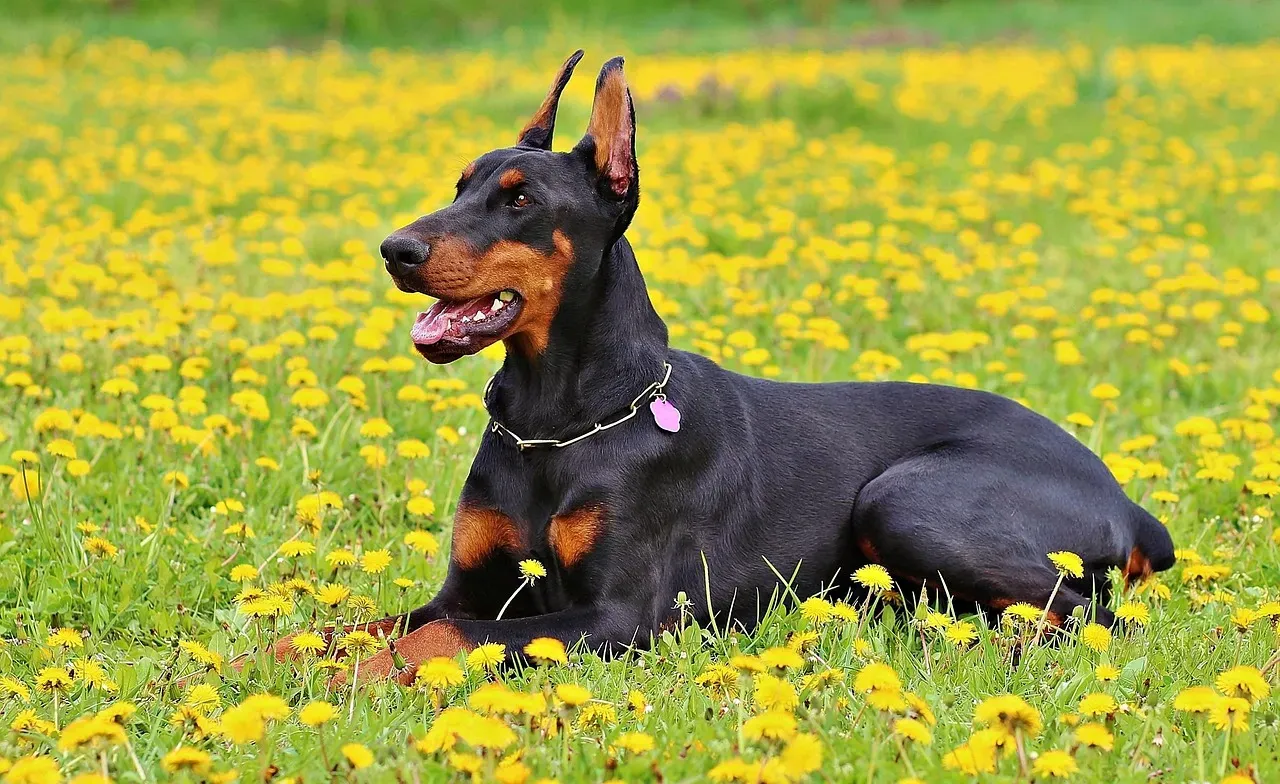
Doberman Pinschers are among the most intelligent dog breeds, and their keen intellect has led to their frequent use as police and guard dogs, but unsocialized Doberman Pinschers tend to be highly suspicious of strangers and may respond accordingly if they feel their home or family is threatened. During playtime, this suspicion can emerge as stiff, overly intense behavior that other dogs read as confrontational.
Their sleek, powerful build combined with quick reflexes makes them formidable playmates. Dobermans often engage in what looks like aggressive play, with fast movements and persistent mounting or wrestling. Honestly, it can be startling to watch if you’re not familiar with the breed. Early socialization helps tremendously, teaching them appropriate boundaries and helping them read other dogs’ signals more accurately.
Siberian Husky: The High-Energy Chaser
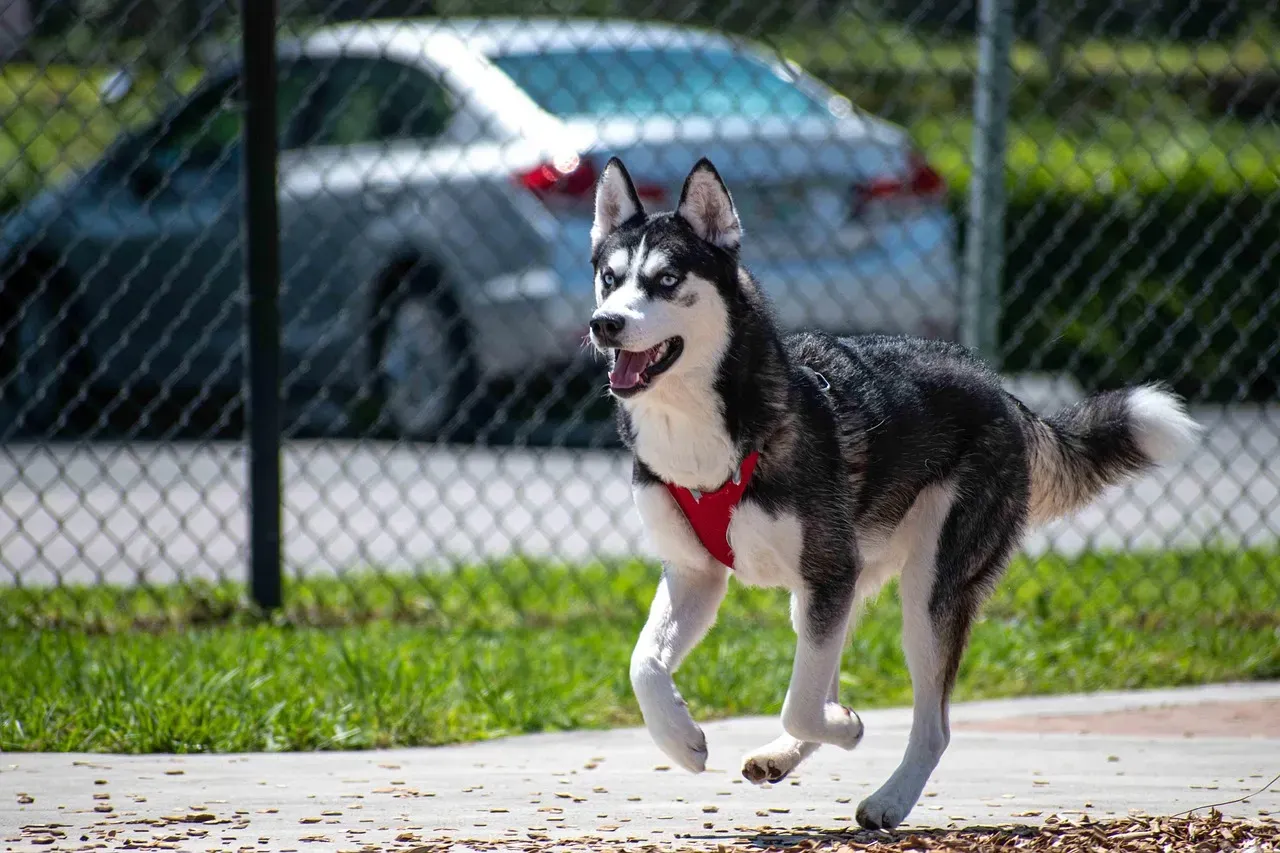
Siberian Huskies were responsible for 26 deaths between 2014 and 2020. While Huskies are often seen as friendly and outgoing, their high prey drive and pack mentality can make playtime intense. These dogs were bred to run for miles pulling sleds, which means they have energy reserves that seem endless.
Alaskan malamutes have a strong prey drive and can be aggressive toward smaller animals. The same applies to Huskies. During play, they might chase relentlessly, nip at heels, or become overly rough when excited. Their vocalizations, including howls and dramatic growls, can sound alarming even when they’re just having fun. The challenge with Huskies is ensuring they get enough exercise so their play doesn’t become overstimulated or predatory.
Chow Chow: The Aloof Defender
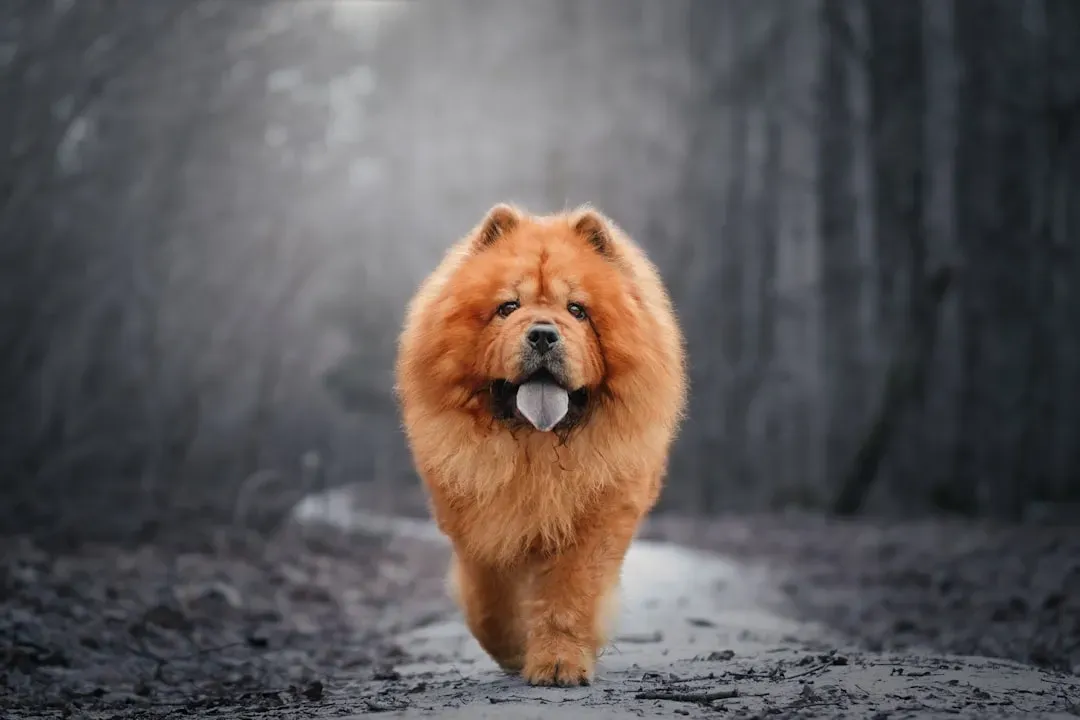
Fluffy but fierce, the Chow Chow is more than just a cute face, and known for their loyalty to family, Chow Chows can become aggressive if they feel threatened or are startled unexpectedly. Unlike other breeds that play enthusiastically, Chow Chows tend to be more reserved and less tolerant of rough play from other dogs.
Early socialization and training are essential to prevent territorial behavior and dog bites. When a Chow Chow does engage in play, they might suddenly switch from tolerant to defensive if another dog pushes boundaries. Their thick fur can make it hard to read their body language, and their naturally serious demeanor means they don’t always give clear play signals. This breed requires owners who understand their unique temperament and can advocate for them in social situations.
Belgian Malinois: The Relentless Worker
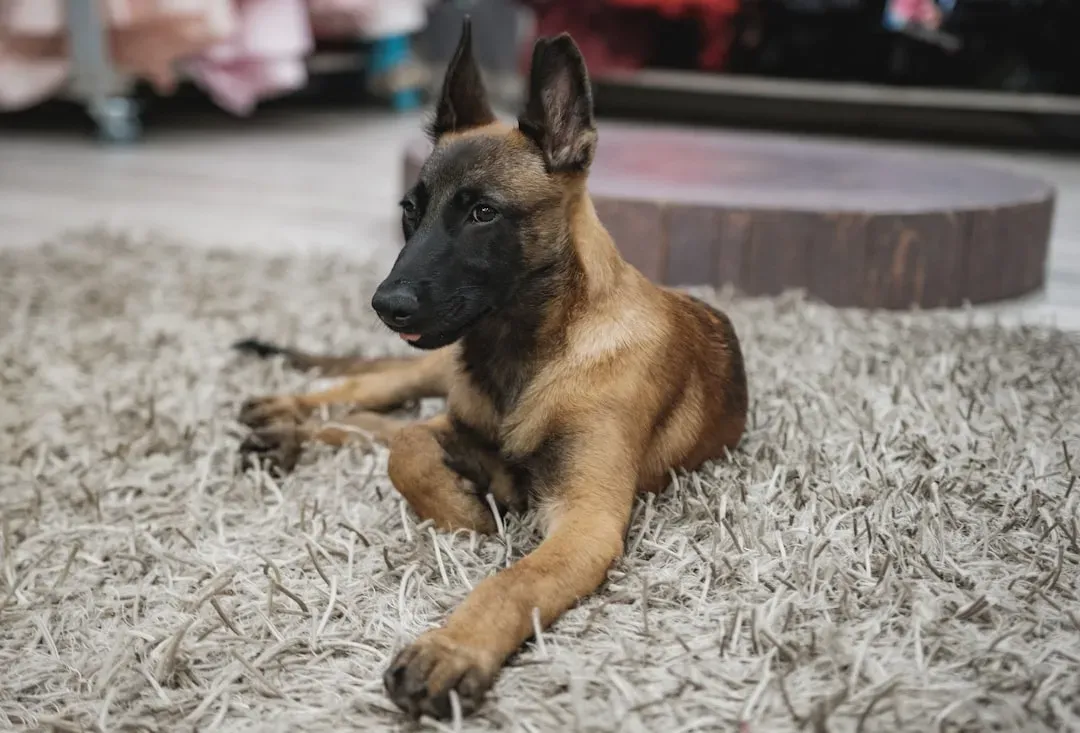
Many Dobermans, Malinois, German Shepherds, Boxers and Bulldogs, for example, love roughhousing, and they have the tendency to persistently mount other dogs and wrestle them to the ground. The Belgian Malinois is essentially a working machine with a relentless drive that doesn’t turn off easily. Their play can be extraordinarily intense, combining speed, strength, and persistence in ways that overwhelm most other dogs.
The speed, strength and motor skills of a Pitbulls or a Belgian Malinois makes them win every play-fight with ease, but these breeds’ typically rough play behaviour is too much for most other canines. Malinois were bred for police and military work, and that intensity carries over into everything they do. They need experienced handlers who can provide structure and teach them when to dial it back. Without proper outlets, their play can cross into overstimulation and reactivity.
American Bulldog: The Stocky Athlete
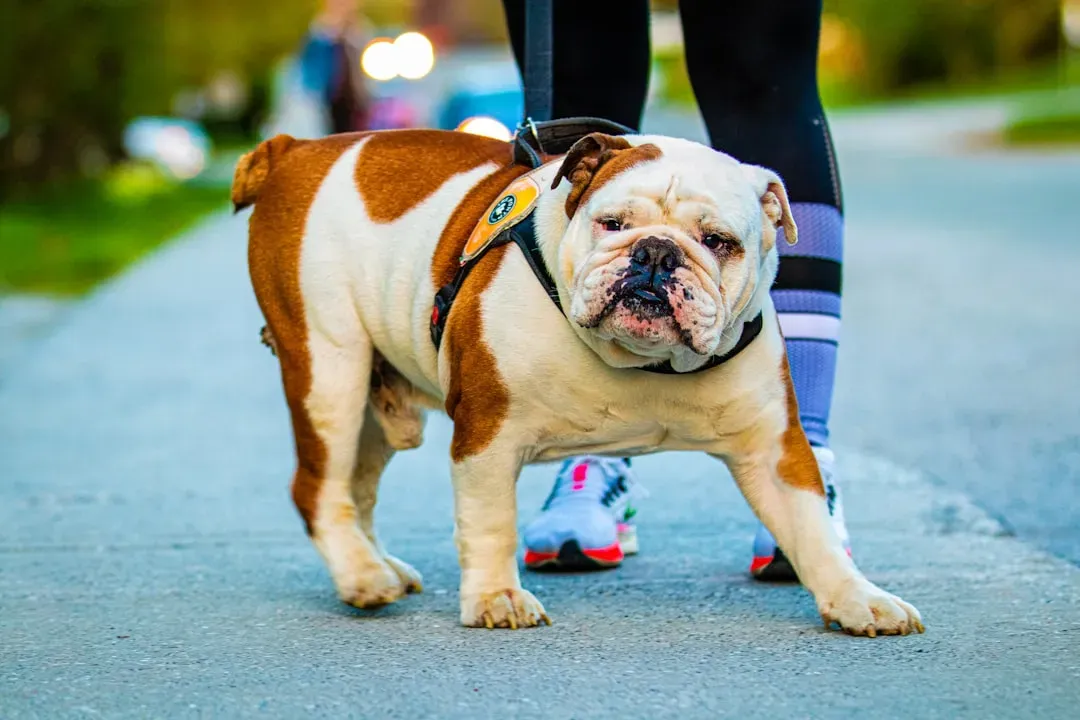
Stocky and muscular, American Bulldogs were originally bred as all-purpose farm dogs, often used to hunt and catch wild boar, and without proper training and early socialization, American Bulldogs can exhibit aggressive behavior due to their strong protective instincts. Their powerful build and natural athleticism make them impressive playmates but also potentially dangerous ones.
American Bulldogs can play with such physical intensity that smaller or less confident dogs become frightened. They love to body-slam, wrestle, and engage in prolonged tug-of-war battles. While this is natural behavior for the breed, it requires owners to monitor play closely and intervene when things get too rough. Teaching a solid recall and “settle” command is crucial for this breed.
Presa Canario: The Imposing Guardian
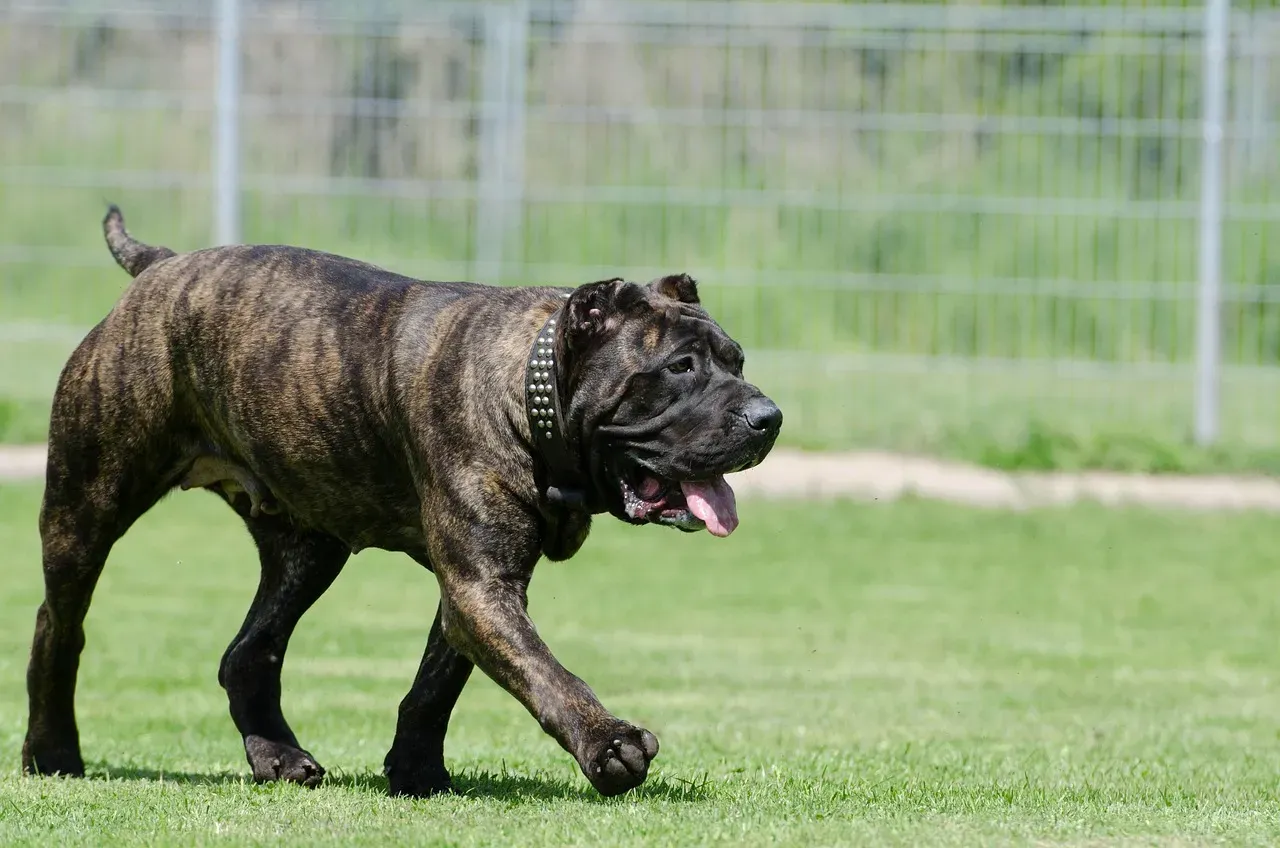
With its powerful bite and assertive temperament, the Presa Canario has a fearsome reputation due to its strong protective instincts and potential for aggression if not properly trained, and without early-age training and consistent guidance, they can become a serious threat to other dogs and even human beings. This is not a breed for novice owners, and their play can quickly become domineering.
These dogs typically require constant training, socialization, and routine daily exercise to avoid unwanted behaviors. During play, a Presa Canario might use its size and strength to control other dogs, refusing to allow them to retreat or take breaks. This bullying behavior, even if initially playful, can escalate into genuine conflict if not managed properly.
Cane Corso: The Confident Italian Mastiff
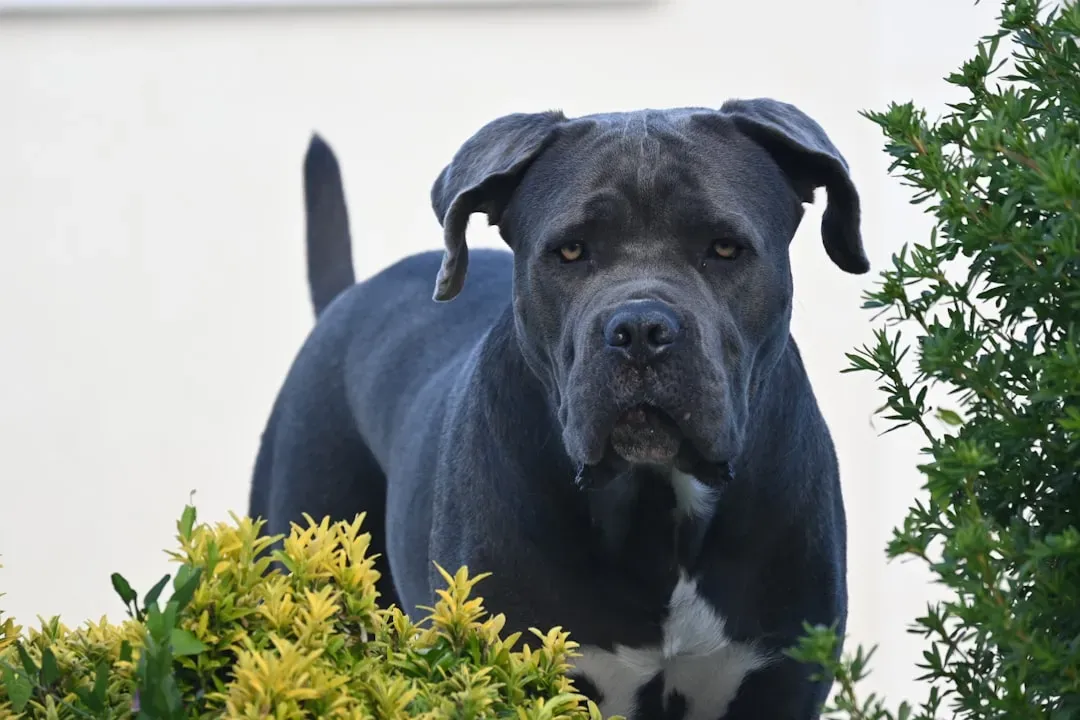
The Cane Corso is another breed that has in the past been used for hunting because of their aggressive nature, and Cane Corsos are highly unlikely to be friendly with strangers. These massive dogs possess both the physical power and the confident temperament that can make their play intimidating to other dogs.
Their natural guarding instincts mean they’re always assessing situations, even during play. A Cane Corso might suddenly shift from playful to protective if they perceive something as a threat, and that transition can happen faster than owners expect. They require firm, consistent training and plenty of positive socialization experiences from puppyhood onward. Without it, their play style can become possessive or territorial.
Wolf Hybrids: The Unpredictable Wild Card
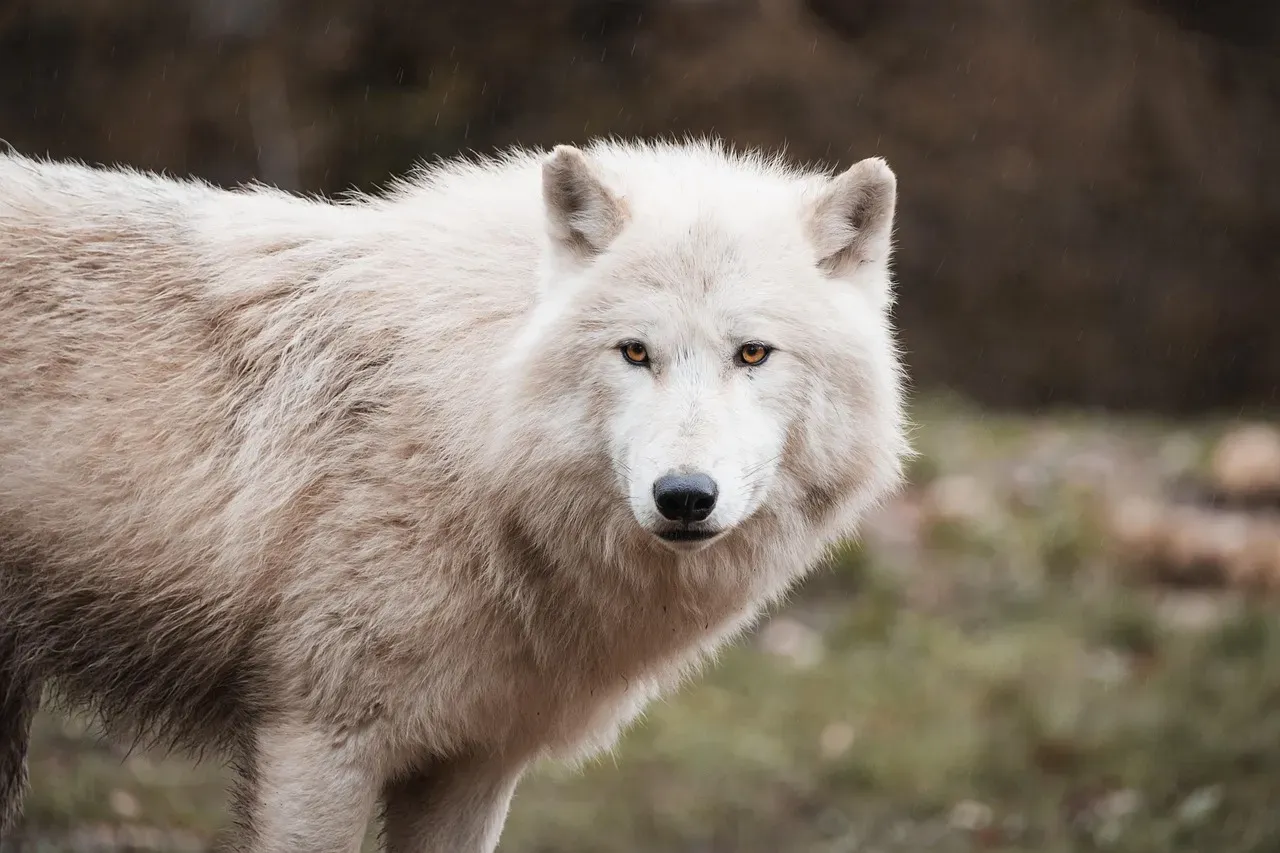
Mixing domestic dogs with wolves creates unpredictable results, and wolf hybrids retain a strong instinct to roam and hunt, and while some are kept as pets, they are not considered safe around children or other animals. Their play behavior can mimic wild animal interactions, which is fundamentally different from typical domestic dog play.
Wolf hybrids don’t always understand or follow normal canine social cues, which makes their play confusing and potentially dangerous for other dogs. They might engage in predatory stalking behaviors that look like play but have a different underlying motivation. These animals require specialized handling and are illegal in many areas for good reason. Their behavior simply isn’t predictable enough for safe socialization in typical dog environments.
Conclusion: Understanding Your Dog’s Play Style Matters
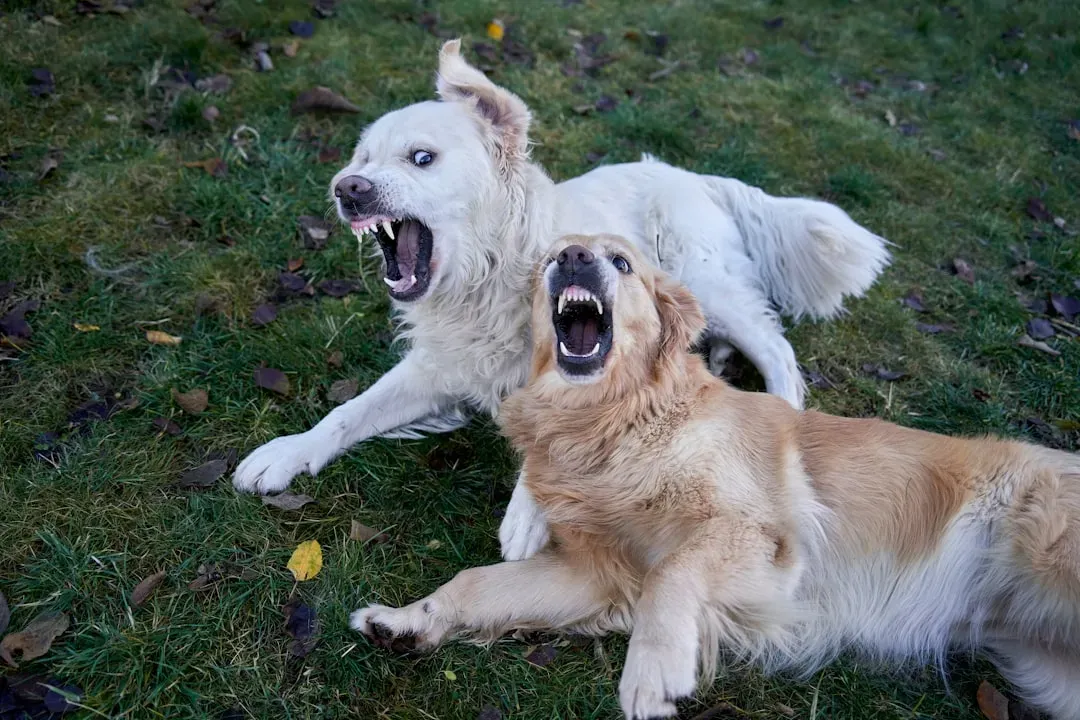
Here’s the thing that matters most. Breed is not the sole determinant of a dog’s behavior, as genetics, training, socialization, and environment all play critical roles. While certain breeds have tendencies toward intense or rough play, individual dogs within those breeds vary tremendously. Large variations exist in all behavioural tendencies within both groups and within each breed studied, indicating that breed alone is not a reliable predictor of individual behavioural tendencies.
The breeds we’ve discussed aren’t inherently dangerous or bad. They simply require knowledgeable, committed owners who understand their play styles and can provide appropriate outlets, training, and supervision. Responsible ownership, focused on providing proper training and socialization, is the key to preventing aggression in any dog.
If you own one of these breeds, stay vigilant during play sessions. Learn to read body language, both your dog’s and others’. Intervene early when play becomes too intense, and never let your pride prevent you from removing your dog from a situation that’s escalating. Remember, preventing a problem is always easier than fixing one after it happens.
What’s your experience with intense players? Have you found strategies that work particularly well for managing rough play? Your insights could help another owner navigate these same challenges.