
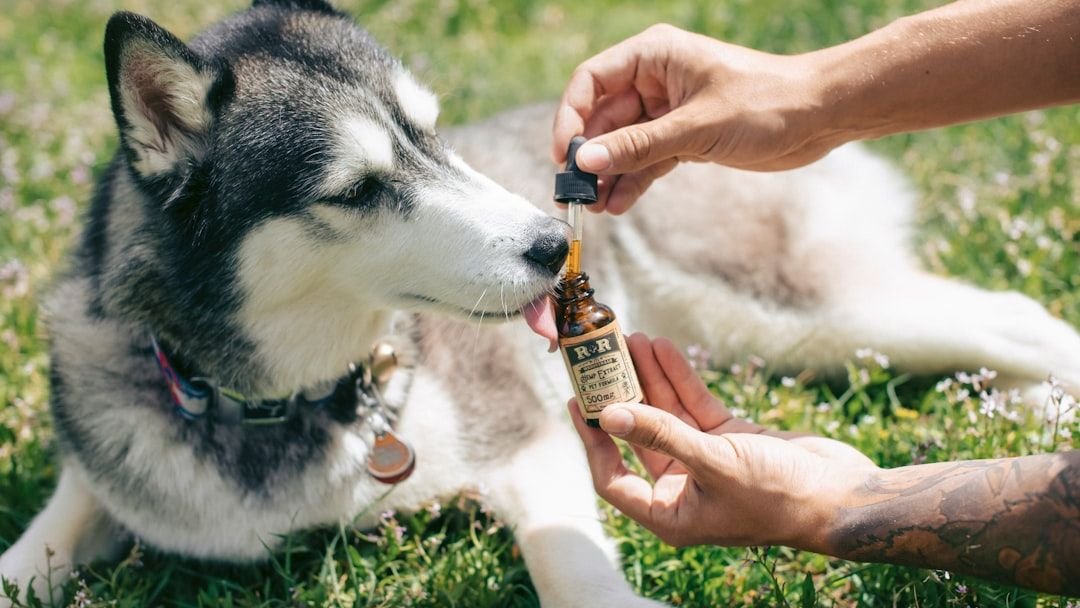
There is something almost magical about watching a dog grow old beside you. The grey muzzle that slowly replaces the velvet-soft fur of their youth. The way they still wag their tail when you reach for the leash, even if they take a little longer to rise from their bed. Senior dogs carry with them a lifetime of loyalty, joy, and unconditional love, and honestly, they deserve every bit of care we can give in return.
The truth is, aging looks different for every dog. The age at which a dog is considered a senior can vary depending on breed and size. Generally, smaller breeds tend to have longer lifespans and may be considered seniors around seven to nine years, while larger breeds may reach their senior years sooner, around five to seven years. Understanding those shifts, and knowing how to respond to them, can make an enormous difference to your dog’s quality of life. So let’s dive in.
1. Rethink What Goes in Their Bowl
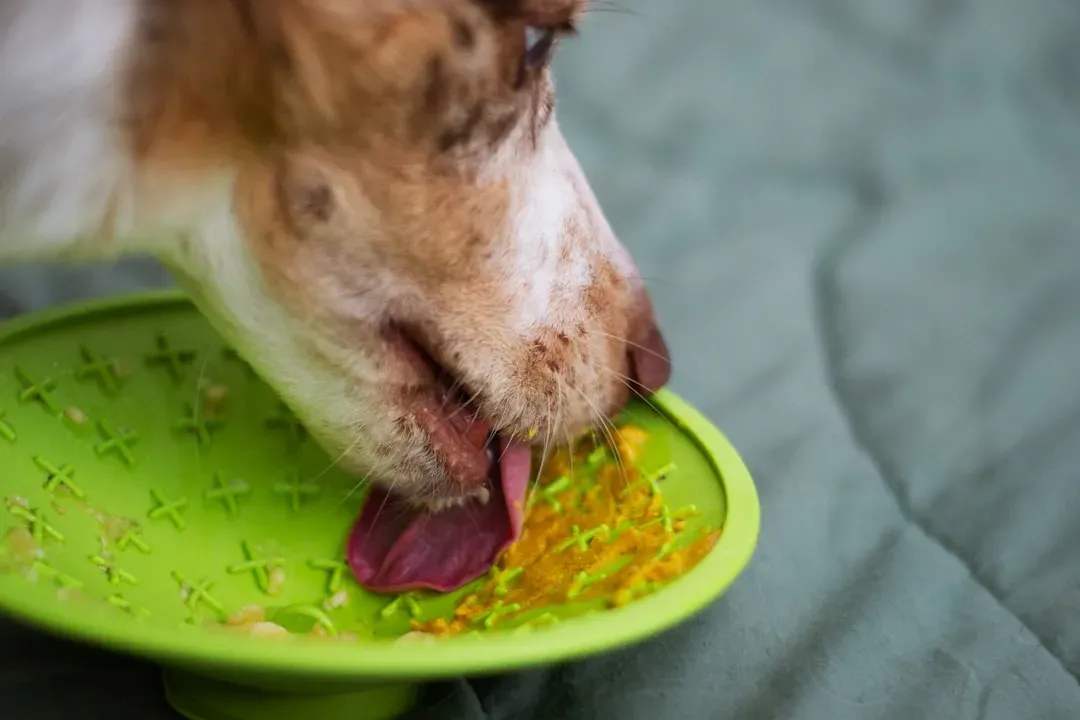
Here’s something that surprises a lot of dog owners: what your senior dog needs to eat is genuinely quite different from what fueled them through their younger years. Seniors have different nutritional needs to younger dogs, including needing food that is easier to digest, different amounts of calories, and certain nutrients to help them age well. Think of it like switching from a high-performance sports fuel to something cleaner and more efficient.
Choose a high-quality senior dog food that is lower in calories but rich in nutrients like fiber, antioxidants, and omega-3 fatty acids. These nutrients help with joint function, heart health, and digestion. Weight gain is a major concern for senior dogs, as it has a huge impact on quality of life, increases the risk of many diseases, and can take years off their life. As they slow down and become less active, they will need fewer calories.
Measure meals precisely and weigh your dog regularly to ensure they stay in a healthy weight range. Avoid free-feeding; instead, feed controlled portions twice a day to manage metabolism and prevent obesity. A small daily habit like this is one of the simplest and most powerful things you can do for your older dog.
2. Keep Moving, Just Move Smarter
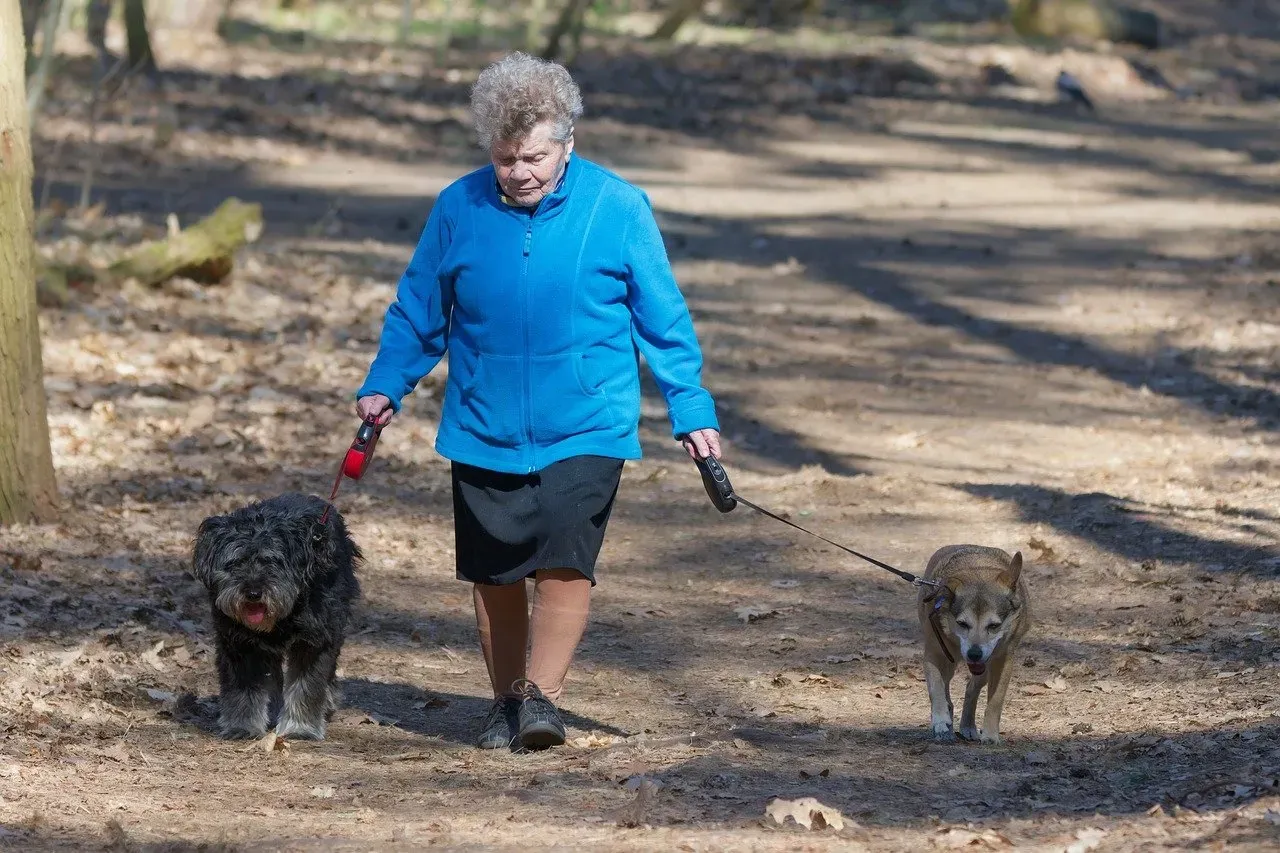
Let’s be real. Watching your once-zoomies-obsessed dog slow down can feel heartbreaking. But slowing down does not mean stopping altogether. Regular exercise is essential for keeping your aging dog physically and mentally fit. While their exercise requirements may decrease compared to their younger years, it is still important to provide them with daily opportunities for movement. Low-impact exercises such as walking, swimming, or gentle play can help maintain muscle tone, joint flexibility, and overall wellbeing.
Instead of taking one 30 to 40 minute walk per day, try walking 15 to 20 minutes twice a day. It is a small shift that keeps the joints moving without putting excess strain on an aging body. Even senior pets need appropriate exercise. Physical activity increases blood flow to the brain, reduces stress hormones, and stimulates the release of brain-derived neurotrophic factor, a protein that supports neuron health and function. So that gentle daily walk? It is doing far more good than you might think.
3. Give Their Brain a Daily Workout

Most people think about their dog’s body when they think about aging. Far fewer think about the brain. That is a gap worth closing, because your senior dog’s cognitive health needs as much attention as their physical well-being. Mental stimulation helps prevent cognitive decline and keeps their minds active, reducing the risk of canine cognitive dysfunction syndrome.
Cognitive dysfunction syndrome affects approximately 68% of dogs by age 15 to 16. I know it sounds alarming, but it does not have to be inevitable with the right care. The “use it or lose it” principle applies to pet brains too. Puzzle feeders, new toys, gentle training sessions, and novel experiences all help maintain cognitive function by creating new neural connections.
Puzzle toys, scent games, and new tricks keep cognitive functions sharp and prevent boredom. Interactive play strengthens your bond and encourages curiosity. Even something as simple as hiding a few treats around the house for your dog to sniff out counts as meaningful mental exercise. Little moments. Big impact.
4. Make Vet Visits a Non-Negotiable
I know vet visits are not exactly anyone’s favorite outing. They can be stressful, and yes, sometimes expensive. Still, there is almost nothing more important you can do for your aging dog than keeping up with regular checkups. Twice-yearly vet visits with senior panel bloodwork can help catch issues early. Common concerns include arthritis, dental disease, cognitive changes, and weight changes.
With age, organs such as the heart, kidneys, and liver may not function as efficiently. Routine wellness exams twice a year can help detect problems early. It is recommended that screenings always include a physical exam, complete blood count, chemistry panel, and urinalysis.
Think of bi-annual vet visits the way you think of oil changes for your car. Skip them too long and small issues quietly become big problems. Aging is a slow and gradual process, and changes can be subtle, so it is important to keep a close eye on your dog’s health and behavior, and discuss any changes you notice with your veterinarian. Your vet is your best partner in this season of your dog’s life.
5. Protect Those Teeth Like Your Dog’s Life Depends on It
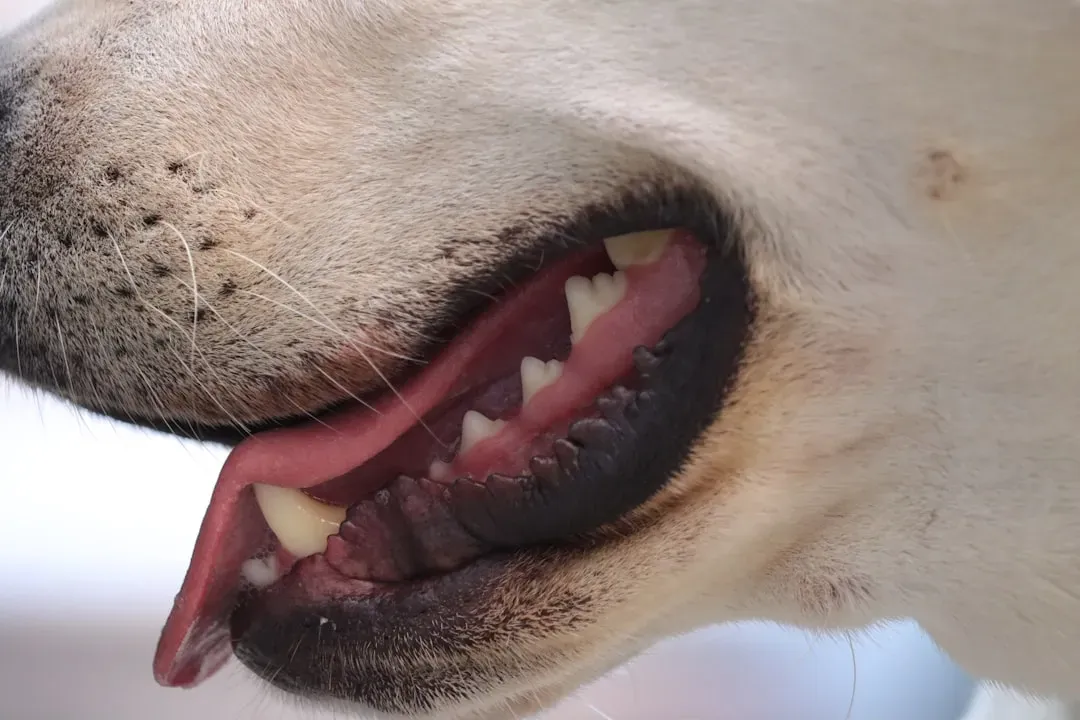
Dental health is one of the most underrated aspects of senior dog care. It is easy to overlook, especially when your dog seems otherwise fine. Dental issues are common but often overlooked in senior pets. Plaque buildup can lead to gum disease, pain, and infections that affect internal organs.
Here is something that might genuinely shock you: it is important to keep up with oral hygiene as tartar buildup can lead to infection. Aside from problems directly affecting the mouth, bacteria can pass into the bloodstream and directly affect the health of the heart and kidneys. One neglected tooth can silently threaten your dog’s entire body.
Brush your dog’s teeth regularly using pet-safe toothpaste, and schedule professional cleanings when necessary. Dental treats can also reduce tartar buildup while providing a tasty reward. If your dog resists brushing, start slow, use a finger brush, and make it a gentle ritual. A few minutes of dental care each week is a genuinely life-extending habit.
6. Make Home a Comfortable, Safe Sanctuary
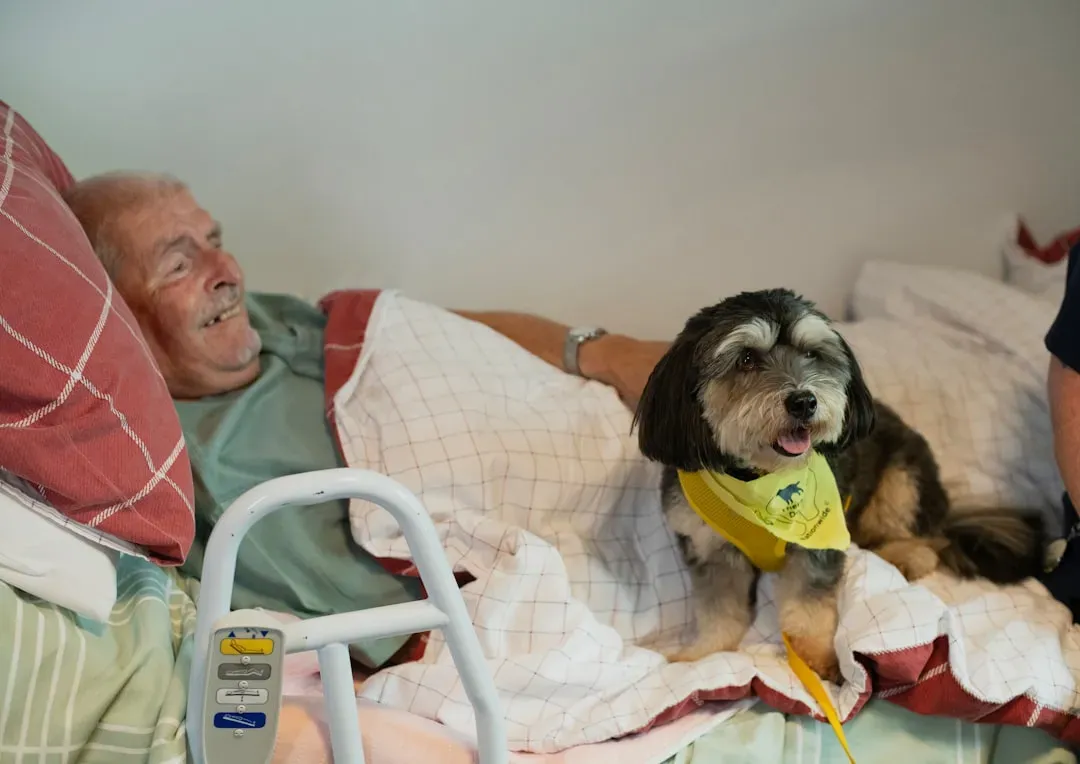
Your senior dog sees the world through a very different lens than they used to. An older dog may have trouble with stairs, jumping into the car, or just getting up after a nap. You might notice weakness in their back legs. These are not signs of stubbornness or laziness. They are signs that your home environment may need some thoughtful adjustments.
Aging often brings stiffness and reduced mobility. Support your dog’s joints with glucosamine and chondroitin supplements, orthopedic bedding, and non-slip flooring. Imagine how you would feel trying to walk on a slippery tile floor with aching joints. A simple non-slip mat placed in key areas of your home can genuinely change your dog’s daily experience.
You can make life at home more comfortable for your aging dog by raising your pet’s water and food bowls, making it easier for them to eat and drink without bending over as far. Properly clipped toenails are also essential. Long toenails may cause your dog to stand or walk abnormally, resulting in pain or accelerating arthritis. Small tweaks. Enormous relief.
7. Give Them Routine, Affection, and the Gift of Feeling Seen
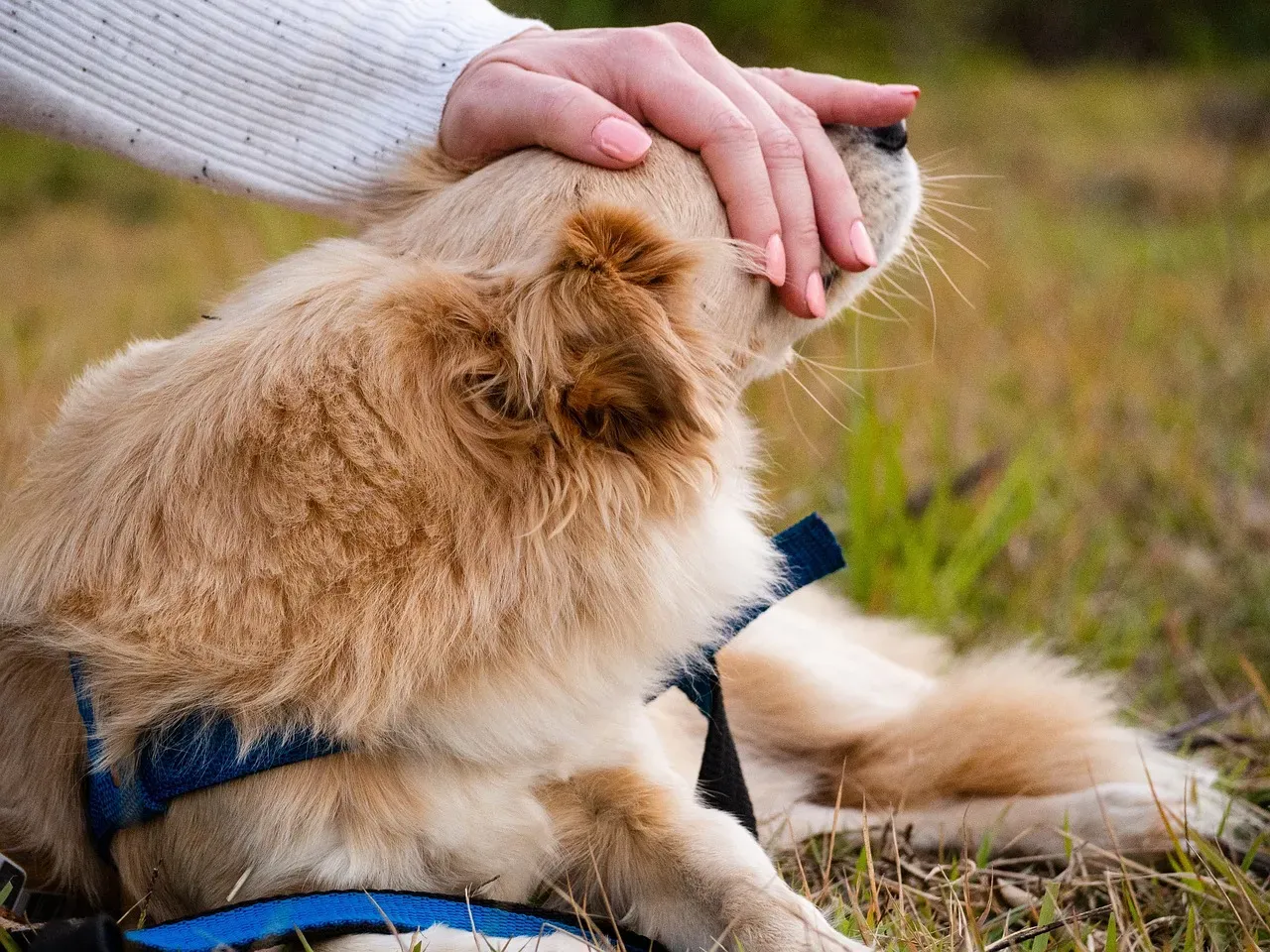
Here is the thing that no supplement or premium dog food can fully replace: the emotional security of feeling loved and understood. All dogs thrive on routine, but none more so than senior dogs. Particularly as their cognition begins to decline, predictability in their day-to-day life is incredibly important. It is very comforting for them to get up, be fed, go for walks, and enjoy playtime at similar times each day.
Behavioral changes may be one of the first signs of aging you notice. Dogs may become more irritable or reluctant to engage in their old favorite activities if they are struggling with pain or discomfort due to arthritis or another condition. When your dog seems withdrawn or grumpy, try not to take it personally. They might simply be hurting and need your patience more than ever.
The number one thing you can do to help your dog is to simply continue to show them love and patience. Your dog might be struggling with old age, but that does not mean they stopped loving you or your affection. In fact, they may need it more than ever. Sit with them a little longer. Let them sniff on walks. Notice the small moments of joy they still find every single day.
Conclusion: These Are the Golden Years, After All
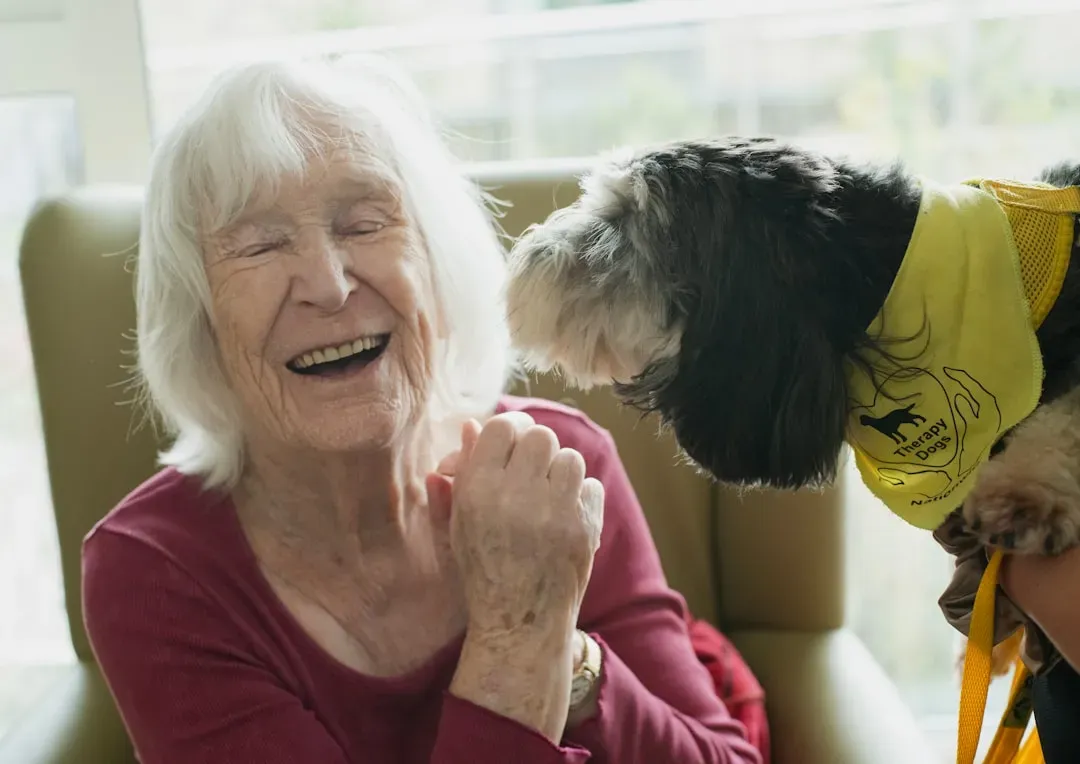
Caring for a senior dog is one of the most profound privileges of dog ownership. It asks more of us, yes. More attention, more patience, more intentionality. Still, what you get back is incomparable. A dog who feels safe, comfortable, and deeply loved will show you that in a hundred quiet, beautiful ways.
Caring for an aging dog means embracing change and nurturing with understanding. With proper nutrition, preventive care, exercise, and love, senior dogs can continue to thrive well into their golden years. You do not have to do it all perfectly. You just have to keep showing up for them.
After all, they never once stopped showing up for you. So, what small change will you make for your senior pup today?


