

There’s a moment every dog owner knows. You walk through the door after a brutal day, and before you’ve even set your bag down, there’s a wagging tail, bright eyes, and a warmth so immediate it almost feels unfair. No judgment. No questions. Just pure, unapologetic joy at the fact that you exist. Honestly, it’s the kind of welcome most of us never get from another human being.
We talk a lot about loving our dogs. We buy them sweaters, cook them special meals, and dedicate entire phone galleries to their goofy faces. Yet somehow, we still underestimate just how deeply and measurably they are changing our lives for the better. The science is staggering, the emotional reality even more so. Let’s explore the remarkable ways dogs give back to us far more than we ever give them.
The Chemistry of Unconditional Love: What Happens in Your Body Around a Dog

Here’s the thing most people miss – your bond with your dog isn’t just emotional fluff. It’s biological. The simple act of petting a dog releases oxytocin, a hormone associated with relaxation and bonding, fostering emotional resilience in humans. Oxytocin is the same hormone that flows between a mother and her newborn. That’s not a small thing. That’s your body treating your dog like family, because on a chemical level, that’s exactly what’s happening.
When our canine pals stare into our eyes, they activate the same hormonal response that bonds us to human infants. When a mother stares into her baby’s eyes, the baby’s oxytocin levels rise, causing the infant to stare back, which causes the mother to release more oxytocin. This positive feedback loop seems to create a strong emotional bond. What’s even more beautiful? Some research suggests our dogs also get that oxytocin rush, confirming that the love between us and our dogs is a two-way street. So the next time your dog locks eyes with you across the room, know that they’re not just looking at you. They’re bonding with you, biologically.
Playing with a dog can elevate levels of serotonin and dopamine, which calm and relax. Think of it like a natural mood supplement with zero side effects and infinite tail wags.
Your Heart Actually Works Better When You Own a Dog

Studies suggest that dog owners have lower blood pressure levels and improved responses to stress. Research has concluded that the bond between humans and dogs reduces stress, which is a major cause of cardiovascular problems. That’s not a coincidence. That’s your dog literally protecting your heart. I think we need to sit with that for a moment, because it’s extraordinary.
Pet owners have lower triglyceride and cholesterol levels, both indicators of heart disease, than those without pets. High social support and dog ownership were found to be two independent predictors of survival one year after a heart attack. That’s major. Not running three times a week. Not a green juice habit. Owning a dog.
Over 60% of dog owners meet the recommended weekly amount of exercise, getting either 150 minutes of moderate exercise or 75 minutes of vigorous exercise each week. One study found that dog owners walked their dogs, on average, seven times a week, totalling 220 minutes of exercise. Your dog is basically a personal trainer who never cancels on you.
Your Dog Is Reading Your Mind More Than You Realize

Pets have evolved to become acutely attuned to humans and our behavior and emotions. Dogs are able to understand many of the words we use, but they’re even better at interpreting our tone of voice, body language, and gestures. Let’s be real – that’s a level of social awareness that puts many humans to shame.
Beyond eye contact, dogs are surprisingly skilled at reading human body language and facial expressions. Experiments demonstrate that pet dogs can distinguish a smiling face from an angry face, even in photos. Remarkably, they can even sniff out emotions. In a 2018 study, dogs exposed to sweat from scared people exhibited more stress than dogs that smelled “happy” sweat. That’s right – your anxiety literally has a scent, and your dog is picking it up before you’ve said a word.
Dogs can respond functionally to emotional expressions and can use emotional information they obtain from others during problem-solving, meaning that acquiring information from faces and body postures allows them to make decisions. They’re not just reacting. They’re processing. They’re thinking about you.
Thousands of years living as our companions have fine-tuned dogs’ brain pathways for reading human social signals. While a dog’s brain may be smaller than a wolf’s, it may be uniquely optimized to love and understand humans. Evolution shaped them for us. Isn’t that something?
Dogs Anchor Us Emotionally – and Keep Loneliness at Bay

Dogs may impact social functioning by providing direct social support and a source of attachment bond, which in turn may contribute to better social and mental health by providing companionship. Acquiring a pet dog has been reported to reduce both short-term and long-term self-reported loneliness. In a world where loneliness has been declared a public health crisis, that matters deeply.
Interacting with a dog can alleviate stress, anxiety, and depression. Dogs provide love and support, becoming loyal confidants during challenging times. The simple act of petting a dog releases oxytocin, a hormone associated with relaxation and bonding, fostering emotional resilience. And here’s a relatable truth – sometimes you just need to vent to someone who won’t interrupt you, offer unsolicited advice, or judge you. Your dog is that someone.
A 2025 study had 43 dog owners perform stressful tasks, such as public speaking, with or without their pets present. Those whose dogs accompanied them showed lower spikes of cortisol, a hormone that rises under stress. The nonjudgmental character of the dog provides many feelings of comfort to humans, substantially reducing stress levels. Humans can talk, read, and fully express themselves in the presence of a dog without fear of judgment. That non-judgmental presence is rarer and more healing than we give it credit for.
Dogs Raise Better Humans – Especially Children
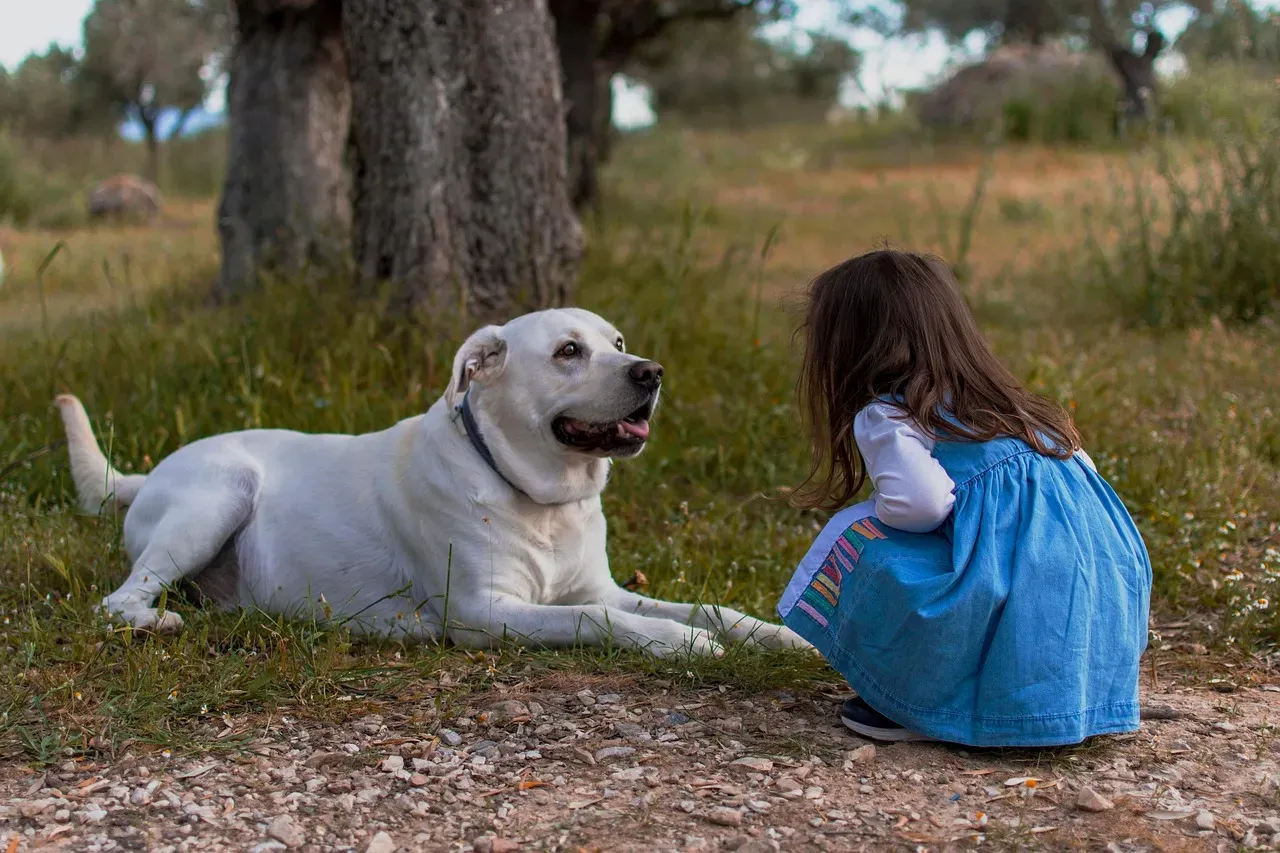
Growing up with a dog is like having a best friend, a teacher, and a therapist all in one fluffy package. Having a dog in the family can enhance emotional development in children. Interacting with a dog teaches children compassion, empathy, and responsibility. Studies have also shown that children who share their homes with dogs tend to have better social skills, enhanced emotional regulation, and a decreased risk of allergies and asthma.
The Human-Animal Bond Research Institute notes that the mere presence of a family pet during childhood can increase emotional expression and control in children, helping them regulate difficult emotions like anger, loneliness, or grief. Think of a child mid-meltdown, instinctively reaching for the family dog and just… calming down. Dogs caused children’s cortisol levels to drop significantly faster and to lower levels after a stressor. That’s not magic. That’s science.
Owning a dog isn’t just fun – it might also help keep your brain sharp as you age, according to a study published in 2025 in Scientific Reports. Researchers examined 18 years’ worth of data from 16,582 people aged 50 and older. Researchers found that people with dogs showed a slower decline in memory, including both immediate and delayed recall, compared with participants who didn’t own pets. The gift of a dog, it turns out, follows us across every stage of life.
A Final Thought: You May Never Fully Repay the Debt

Here’s an honest reflection after looking at all the evidence. We talk about taking care of our dogs. We fuss over their diets, their vet visits, their comfort. Yet study after study, from Harvard labs to Swedish population research, keeps arriving at the same conclusion. Dogs are, in many measurable and immeasurable ways, taking care of us right back.
The bond between humans and dogs is not only emotional but deeply biological. They sharpen our minds, strengthen our hearts, ease our loneliness, and model the kind of unconditional presence most of us spend a lifetime searching for in other people. Dogs thrive on routine, and having a pet can motivate owners to establish and maintain daily routines, encouraging owners to structure their days more effectively, which can lead to increased productivity and overall well-being.
So the next time your dog nudges your hand with their nose while you’re staring blankly at a screen, take a moment. Look back at them. Let the oxytocin flow. Remember that this creature has been shaped by tens of thousands of years of evolution for one remarkable purpose – to be right here, with you. Maybe the question isn’t how much dogs enrich our lives. Maybe it’s whether we truly deserve them. What do you think? Drop your thoughts in the comments – and give your dog a hug while you’re at it.


