
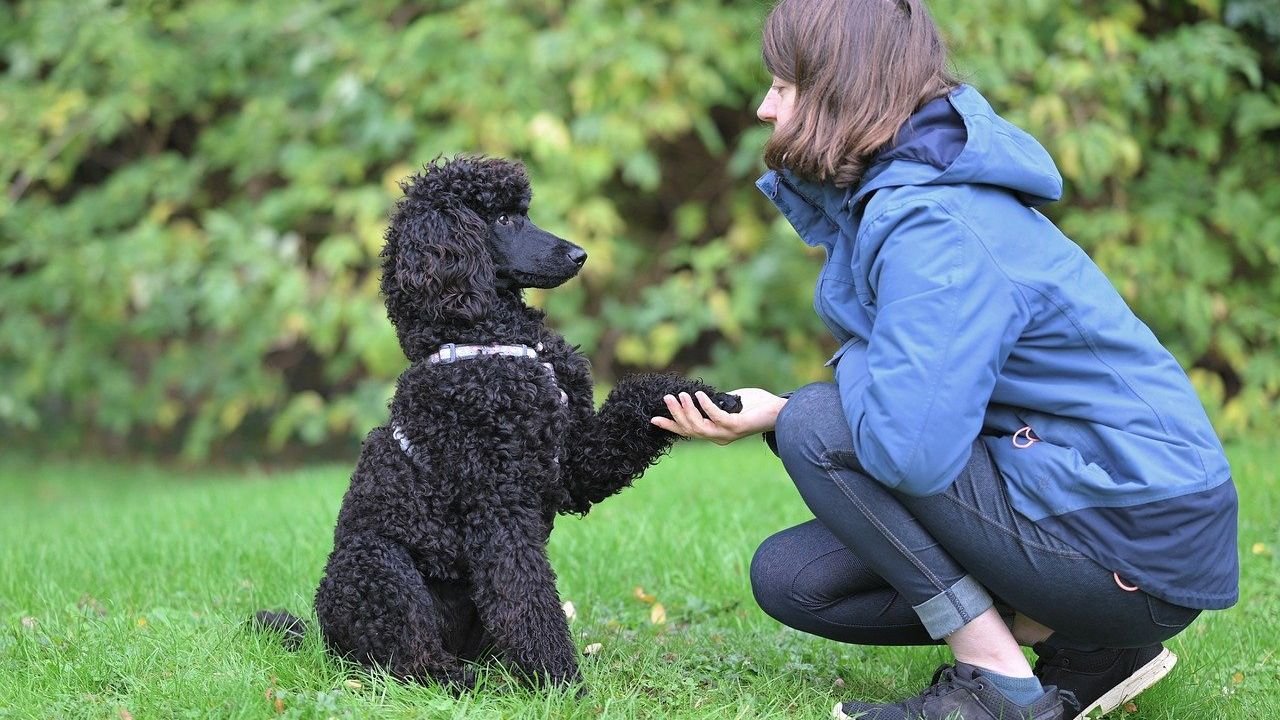
Most of us start training our dogs with a list. Sit. Stay. Come. Drop it. We imagine a perfectly behaved companion who does exactly what we say, exactly when we say it. And honestly? That fantasy is not wrong. But here’s where so many dog owners quietly lose the plot. They get so focused on the commands that they forget the creature at the other end of the leash. They forget that behind those brown eyes is an emotional, social being who desperately wants to understand you, not just obey you.
Training is not a performance. It is a conversation. It is trust, built one moment at a time. The science backs this up powerfully, and so do the millions of dog owners who have discovered that when you lead with connection, everything else falls beautifully into place. Let’s dive in.
Your Dog Is Not Trying to Dominate You
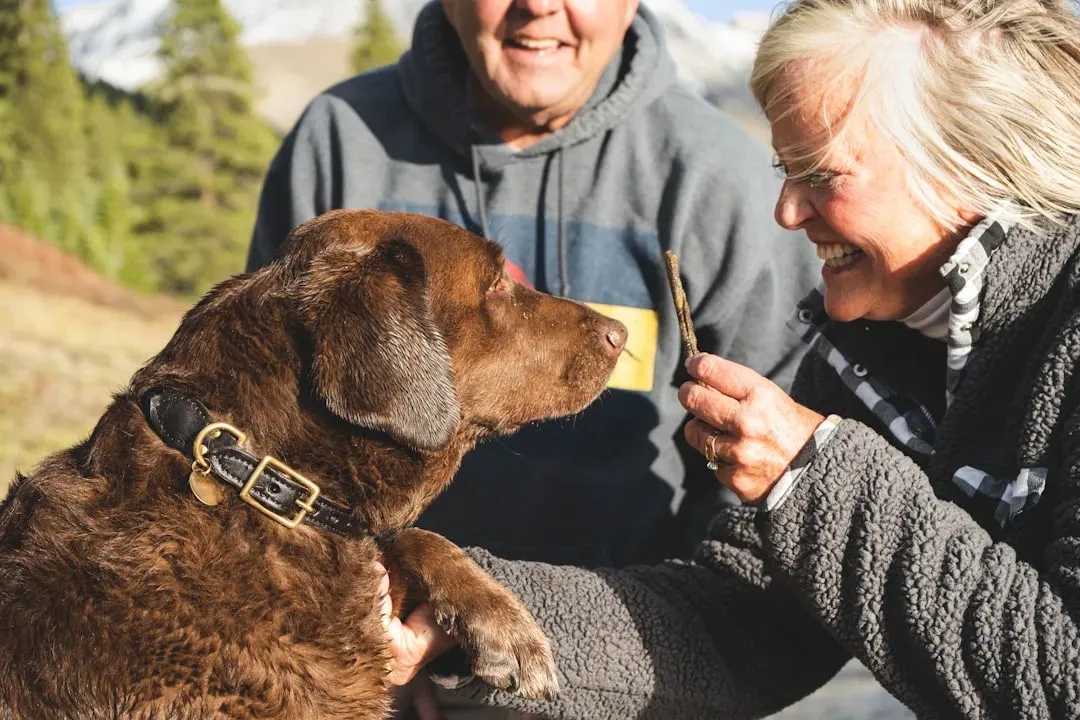
Let’s clear something up right away because this one still causes real damage. The old “alpha dog” theory, the idea that your dog is constantly scheming to take over as pack leader, has been thoroughly debunked by modern behavioral science. Dog trainers who latched onto early wolf research extrapolated that humans should act as pack leaders, but little thought was given to the major issues with this theory, including that alpha status in wolf packs was constantly challenged and usually maintained through aggressive conflict. In short, it was never a good model for your loving Labrador.
Training based on dominance theory was primarily punishment based, using choke or shock collars, alpha rolls, and yelling. Thankfully, opinions are changing, and people are beginning to lose interest in attempting to train their pets through aggressive conflict. Your dog pulling on the leash is not a power move. They are excited about the world. Your job is to guide them through it, not intimidate them into silence.
Dog training shapes how dogs live, learn, and connect with people. For pet parents, it means a well-behaved, confident companion. That confidence, though, only comes when your dog feels safe. Safe with you. That is the starting point of every meaningful training journey.
The Science of Learning: How Your Dog’s Brain Actually Works
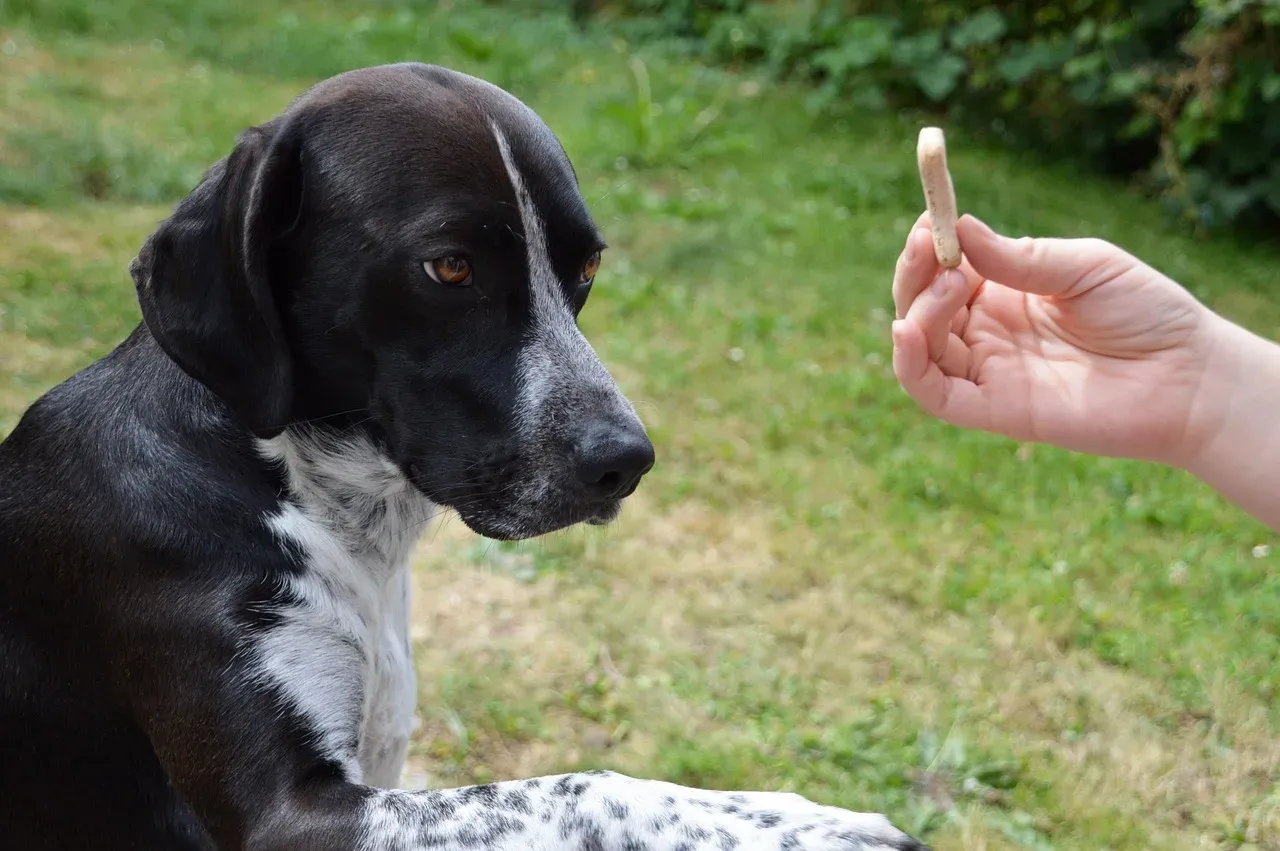
The canine brain contains specialized neural networks that process sensory information differently from humans. Neuroscientists have discovered that dogs rely heavily on associative learning, where they connect specific actions with immediate consequences. This means when a dog receives positive reinforcement like treats or praise, their brain creates strong neural pathways that encourage repeat behaviors. Think of it like carving a path through a forest. Every reward deepens the trail.
Neuroscientific research shows that positive reinforcement triggers the release of dopamine, a neurotransmitter associated with pleasure and motivation, making learning an enjoyable experience for dogs. This is huge. Your dog is not just learning a trick. They are experiencing genuine joy in the process. That changes everything about how you should approach a training session.
A study published in the “Applied Animal Behaviour Science” journal found that dogs trained with positive reinforcement were quicker to learn new tasks and commands compared to those trained with punishment-based methods. Additionally, dogs trained with positive reinforcement retained the learned behaviors for longer periods, indicating a stronger and more lasting learning effect. Faster learning. Longer memory. Happier dog. Honestly, it’s a no-brainer.
Why Punishment-Based Training Can Quietly Break Your Dog
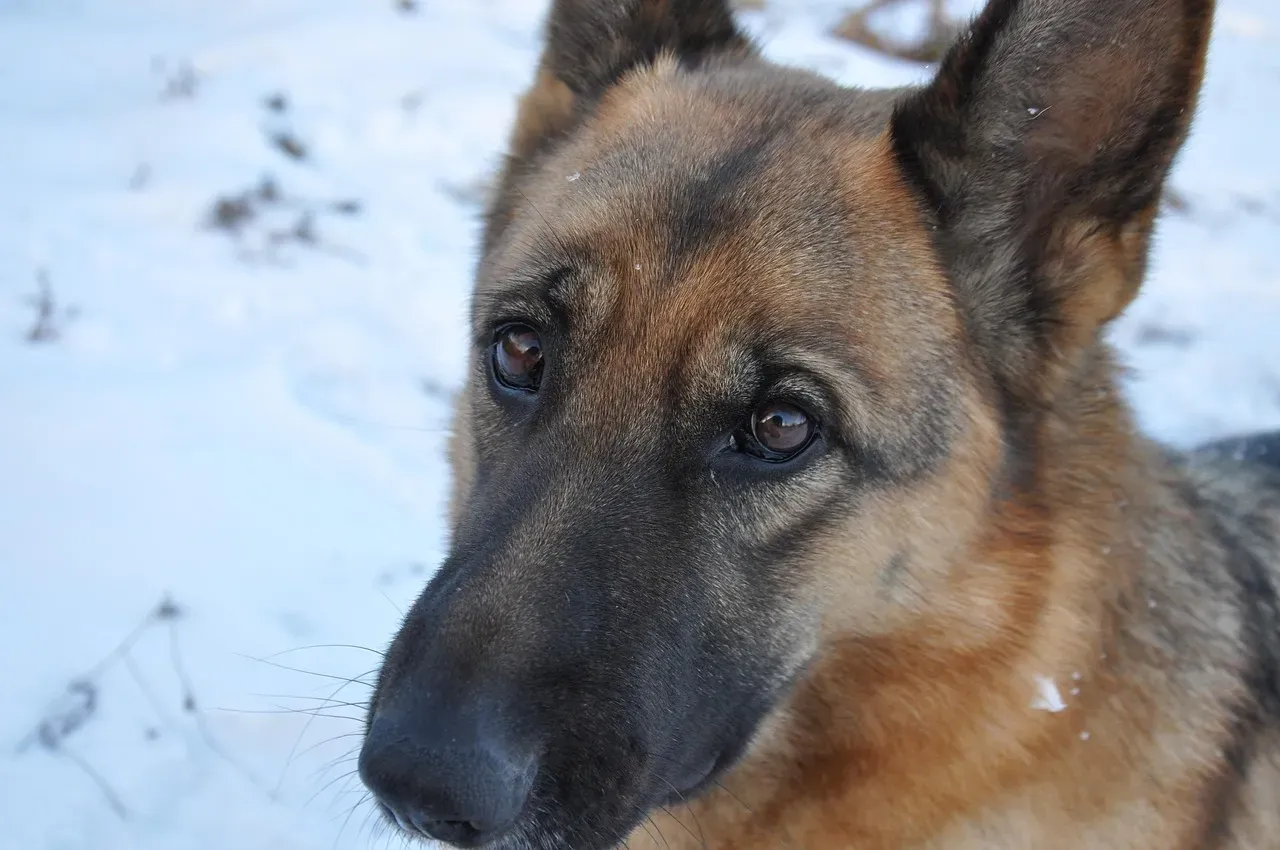
Here’s the thing about fear-based training. It can produce fast results in the short term. A dog who is startled into sitting will sit. But what you do not see immediately is what it costs. Aversive training techniques that rely on punishment or force have been shown to increase stress and potentially damage the human-dog bond. That damage builds invisibly, like cracks in a foundation.
In the first large-scale quasi-experimental study of companion dog training, researchers found that dogs trained with aversive stimuli displayed more stress behaviors during training, showed higher elevations in cortisol levels after training and, if trained exclusively with aversive methods, were more ‘pessimistic’ in a cognitive bias task. A pessimistic dog. Pause on that for a second. That is a dog who has begun to expect the world to go wrong.
Research from the National Center for Biotechnology Information highlights the critical importance of avoiding punishment-based training methods. Veterinary practitioners emphasize that certain training tools can pose significant risks to both dogs and their owners, potentially leading to behavioral complications and emotional distress. If your dog is shutting down, hiding, or showing their teeth during training, those are not signs of stubbornness. Those are distress signals, and they deserve your full attention.
What Connection-Based Training Actually Looks Like in Real Life
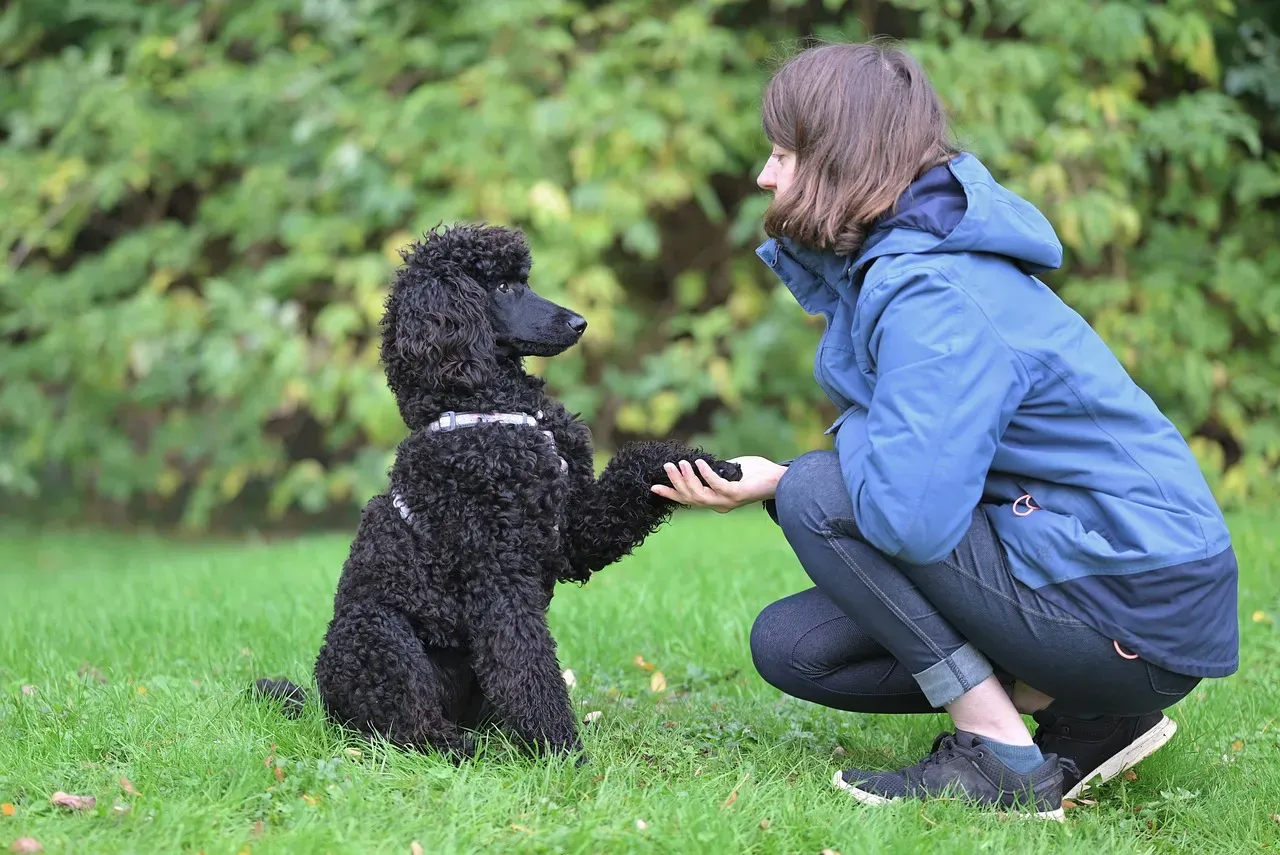
Bond-based training focuses on developing a deep, mutual bond between you and your puppy. Dogs who bond with us completely and unconditionally will seek to please us and can learn to make remarkably sophisticated decisions about their own behavior. This method prioritizes the relationship over obedience, emphasizing trust, understanding, and communication. The goal is to create a strong emotional connection where your puppy looks to you for guidance and security.
Practically speaking, this looks like short, joyful sessions rather than long, grinding ones. Establishing a calm and distraction-free space for training sessions is key. Short, engaging intervals of five to ten minutes are recommended, with frequent sessions to enhance focus and understanding without overwhelming your dog. Think of each session like a coffee date with a friend. Keep it warm, keep it fun, leave them wanting more.
Age, breed, and temperament play a big role in how your dog learns. Puppies may need shorter training sessions with more breaks, while older dogs might need to work on fixing or refining old habits. Some breeds are natural learners and enjoy structured training, while others might do better with a gentler approach. A confident dog might pick things up quickly, while a more anxious dog may need extra patience and encouragement. There is no one-size-fits-all. That is the beauty of it.
Building a Bond That Lasts: Oxytocin, Trust, and the Long Game
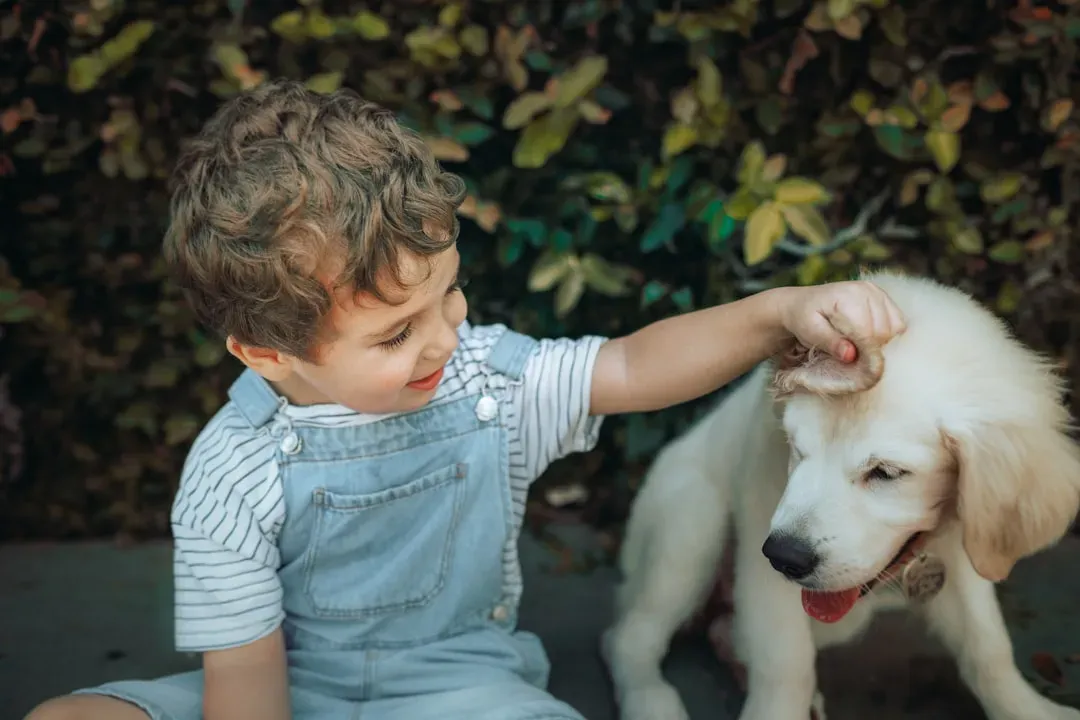
Both people and dogs release oxytocin, the hormone nicknamed “the love hormone.” It has a high impact on bonding and social practices. Every time you gather your puppy in your arms and start petting them, playing with them, or even just looking into each other’s eyes, you will both experience a rush of oxytocin. This exchange of oxytocin makes you feel more comfortable, calms you down, and helps you trust each other. Training sessions are literally chemistry lessons in love.
Research published in Applied Animal Behaviour Science found that dogs trained with positive reinforcement learn faster and form stronger bonds with their owners than those trained with aversives. The relationship you build during training sessions does not stay in the training session. It spills into your walks, your evenings on the couch, your dog’s confidence when meeting strangers. Every reward is a deposit into a trust account.
The key to lasting results is turning training into a lifestyle rather than a temporary effort. That is the real secret. It is not about the perfect sit or the flawless recall. It is about a dog who genuinely trusts you enough to look to you in any situation, certain you will show them the way.
Conclusion: Choose the Relationship, Every Single Time
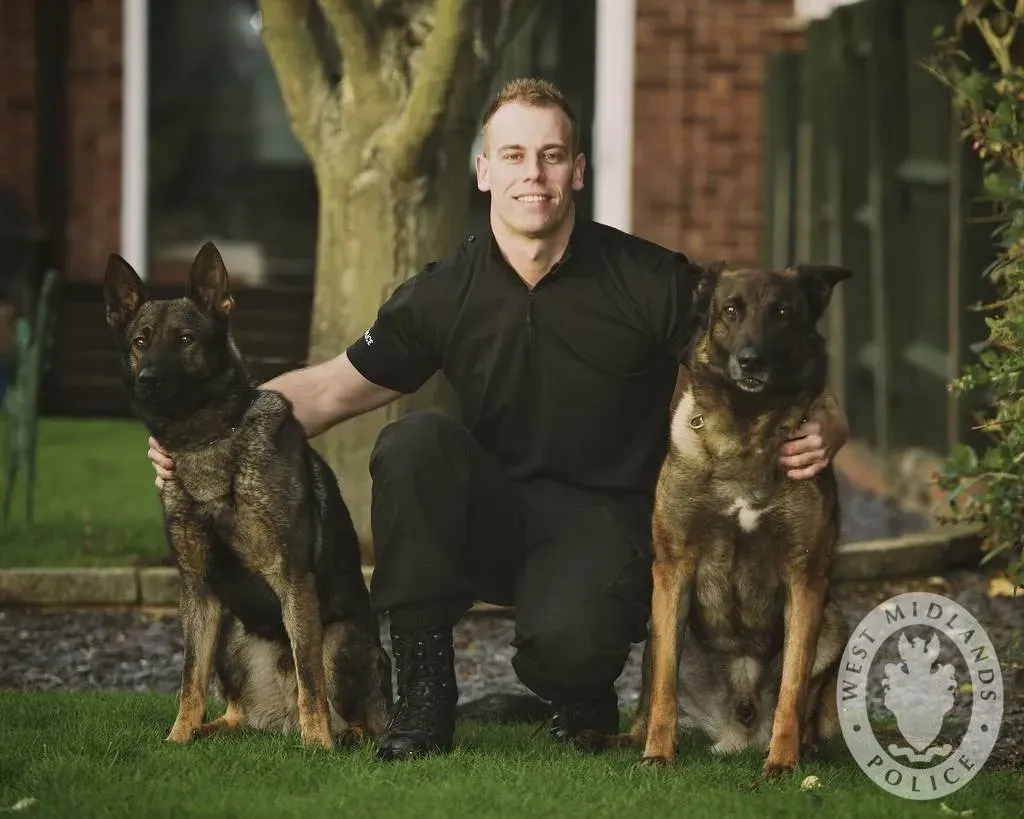
Here’s the truth that every seasoned dog lover eventually lands on. The dogs who thrive are not the most controlled ones. They are the most connected ones. Positive reinforcement not only trains a specific behavior but also fosters a deeper bond between the pet and the owner. Dogs trained with positive methods tend to be more trusting and less fearful. That is the dog you want sharing your home and your life.
Positive reinforcement is not merely about teaching your pet new tricks or behaviors. It is about understanding their emotions and needs and communicating in a language they understand. When you choose kindness in training, you build a relationship based on mutual respect and love. Your dog came into your life ready to adore you. All they need from you is the willingness to meet them halfway.
So the next time your dog makes a mistake during a session, take a breath. Redirect. Reward the good. Because that small, patient moment is not just training. It is the relationship you are building, one gentle choice at a time. What kind of connection do you want your dog to remember? Tell us in the comments below.


