
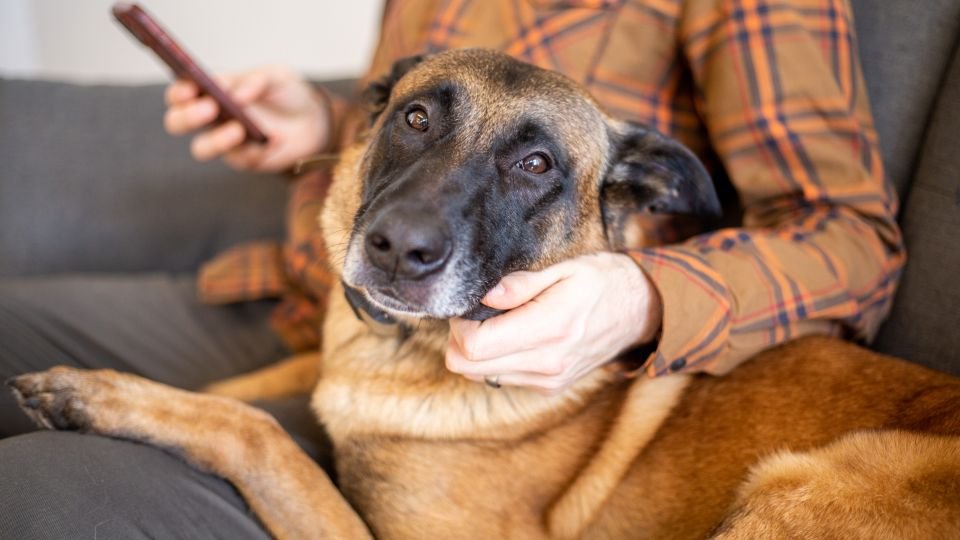
There is a moment every dog owner knows deeply and personally. You walk through the door after the worst day of your life, and before you can even set down your bag, a warm, wriggling creature is already telling you, without a single word, that your return is the greatest event of their entire day. No judgment. No conditions. Just pure, unfiltered joy that you exist.
Honestly, nothing in the human world quite replicates that feeling. For thousands of years, humans and dogs have shared an extraordinary relationship that goes far beyond simple pet ownership, and groundbreaking research continues to reveal just how unique and emotionally significant this bond truly is. What makes it so powerful? What does the science actually say? And how can understanding this bond help you become a better companion to your dog? Let’s dive in.
The Science Behind a Dog’s Unconditional Love
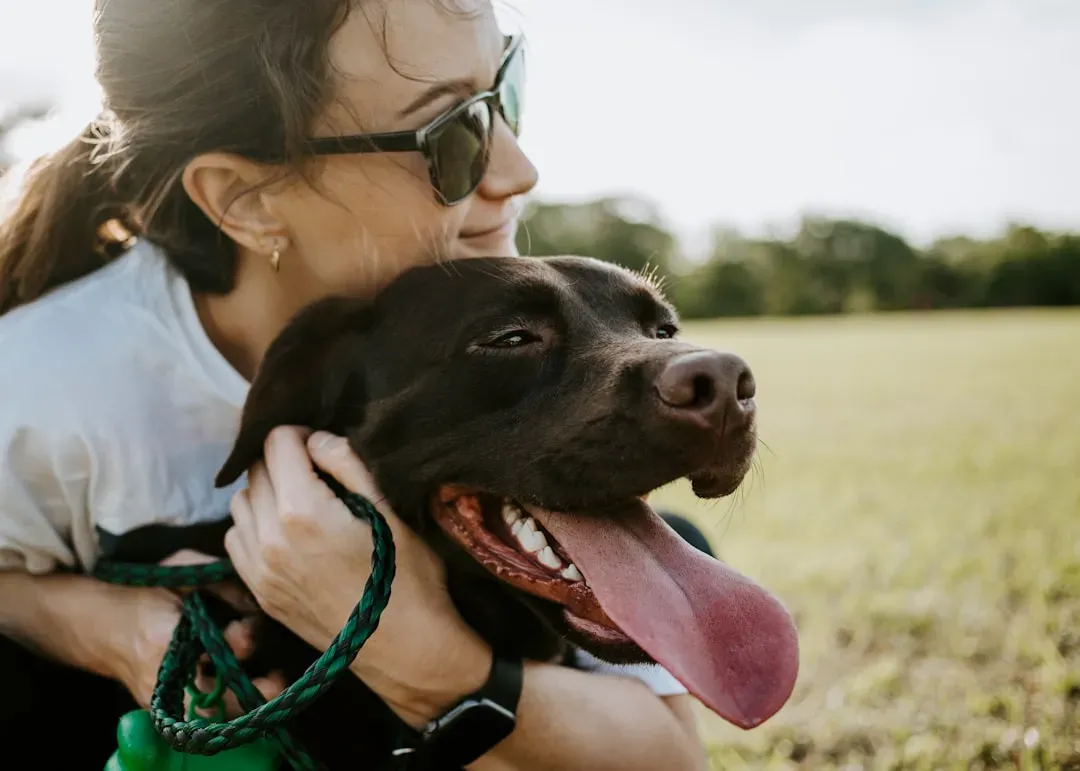
Let’s be real: most of us feel it long before science explains it. That deep pull you feel toward your dog is not imagined, and it is not just habit. The science behind our love for dogs is rooted in powerful biological mechanisms. When we interact with dogs, our bodies release oxytocin, often called the “love hormone,” which creates feelings of attachment and trust.
Research has shown that simply petting a dog lowers the stress hormone cortisol, while the social interaction between people and their dogs actually increases levels of the feel-good hormone oxytocin, the same hormone that bonds mothers to babies. Think about that for a second. The same chemistry that connects a parent to a newborn is firing in your brain when your dog curls up in your lap.
Similar brain activation was observed when participants viewed images of their own child but not when viewing an unfamiliar dog or child, suggesting human-dog bond formation uses similar brain networks to maternal bonding. It’s hard to say for sure what that means philosophically, but scientifically? Your dog genuinely lights up your brain the way family does.
Studies using MRI scans have shown that a dog’s brain responds positively to their human’s scent, even over food. So the next time someone tells you dogs only love you for the treats, you can politely prove them wrong with actual neuroscience.
Reading the Signs: How Your Dog Tells You They Love You
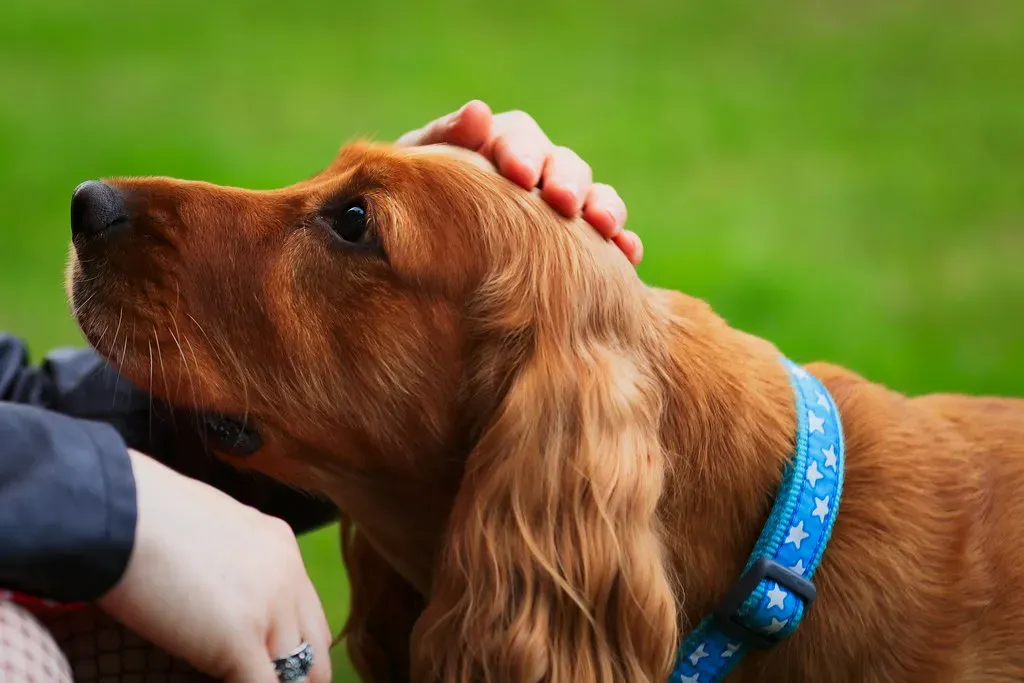
Dogs speak in a language that does not use words. It is written in wagging tails, soft eyes, and gentle weight leaned against your leg. The trick is learning to read it. Dogs communicate through body language. Tail wagging, especially with a loose, wiggly body and hind end, is a good sign that your dog is happy to see you and looking for affection.
Prolonged, gentle eye contact is a sign of trust and how dogs show affection. When they gaze into their owner’s eyes, oxytocin, the same hormone that bonds mothers and infants, surges within dogs and humans. So that long, soulful stare your dog gives you from across the room? That is not creepy. That is love.
When a dog leans on you, it’s a sign of affection and trust. By leaning on you, your dog is saying “I feel safe and secure with you,” and this behaviour is often seen in dogs who have a strong bond with their owners. Other clear behavioral cues include bringing you their favorite toy, sleeping near your feet, and following you from room to room.
Dogs often view their favorite person as their top source of comfort and security. When something unexpected happens, like a loud noise or a stressful situation, they instinctively turn to the person they trust most to help them feel safe. If you notice your dog coming to you in moments of fear, that is one of the deepest forms of trust a dog can show.
The Real Health Benefits of That Unconditional Love
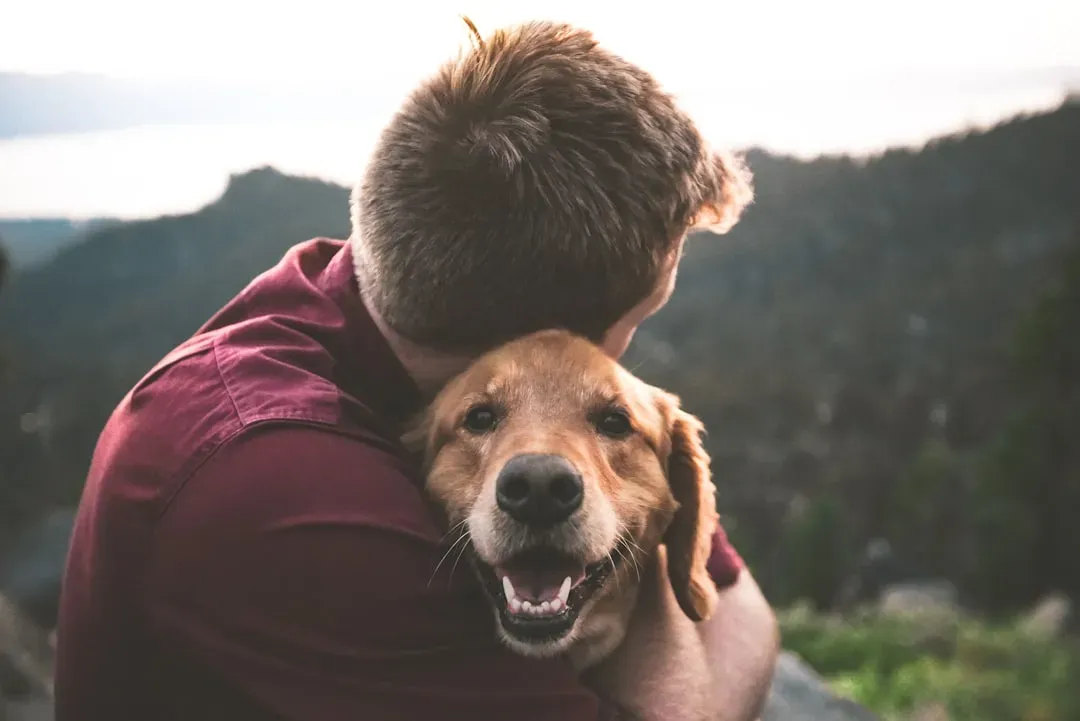
The benefits of loving a dog go well beyond the warm fuzzy feelings, and the health data is genuinely surprising. Dog ownership is associated with lower blood pressure, reduced stress levels, increased physical activity, and decreased risk of heart disease. Mental health benefits include reduced anxiety and depression, while social benefits include increased opportunities for interaction and stronger community connections.
According to the American Heart Association, heart attack survivors who live alone had a roughly one-third reduced risk of death if they owned a dog. Stroke survivors who lived by themselves had a notably reduced risk of death if they owned a dog. Dog owners are also significantly less likely to die from a heart attack or stroke than non-dog owners. Those are not small numbers. That is life-changing data.
Living and interacting with dogs also supports physical health. Walking them promotes regular exercise, improves cardiovascular function, increases respiratory capacity, and helps maintain a healthy body weight. Studies have also reported improved heart rate measures in young adults after just 15 minutes of interaction with dogs.
Studies show that simply petting a dog or cat lowers cortisol levels, the hormone responsible for stress. In addition, spending time with pets can increase the production of serotonin and dopamine, both known as “feel-good” chemicals. As a result, pet owners often experience lower blood pressure, improved heart health, and an overall sense of calm. Think of your dog as a walking, breathing wellness routine you actually enjoy.
Dogs as Healers: Loneliness, Mental Health, and Emotional Support

We are living through what many researchers now call a loneliness epidemic. Screens replaced porches, remote work replaced office friendships, and millions of people feel more isolated than ever. This is where dogs step in as something truly remarkable. Interacting with a dog can alleviate stress, anxiety, and depression. Dogs provide love and support, becoming loyal confidants during challenging times, and the simple act of petting a dog releases oxytocin, a hormone associated with relaxation and bonding, fostering emotional resilience in humans.
Life’s challenges, whether grief, illness, or personal struggles, can feel overwhelming. During such moments, pets often step in as silent healers. Their quiet companionship and intuitive responses to human emotions make them incredible sources of comfort. I think this is what sets dogs apart from almost any other form of support. They do not try to fix you. They just stay.
Caring for a dog may give seniors a sense of purpose and responsibility, which may lead to lower loneliness levels. Furthermore, people speak to their dogs in much the way they might speak to a young child, and even though these conversations are one-sided, they do provide the feeling of a meaningful social interaction.
One study found that dogs can help children with ADHD focus their attention. Researchers enrolled two groups of children diagnosed with ADHD into 12-week group therapy sessions. The first group of kids read to a therapy dog once a week for 30 minutes, while the second group read to puppets that looked like dogs. Kids who read to the real animals showed better social skills and more sharing, cooperation, and volunteering, and they also had fewer behavioral problems.
Deepening the Bond: Practical Ways to Love Your Dog Better
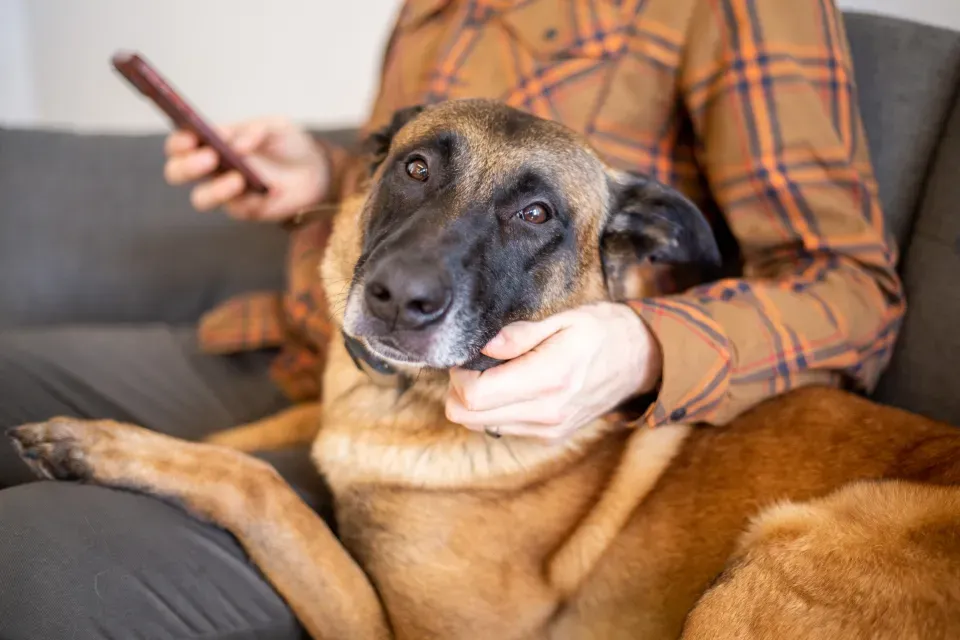
Understanding the bond is one thing. Actively nurturing it is where the real magic happens. The bond between dogs and their owners is a special one, and as you build a bond with your dog, you learn to communicate its love language through facial expressions, body language, and signs of affection. It’s important to take time and effort to engage with your dog and deepen the connection you share.
One of the best ways to communicate love to your dog is by sharing eye contact regularly. When a dog and human gaze at each other lovingly, the hormone oxytocin is raised in both species. It sounds so simple. A few seconds of soft, gentle eye contact can literally strengthen the biological bond between you and your dog. Try it tonight.
Key ways to strengthen the bond include regular positive training sessions, daily exercise together, maintaining consistent routines, providing mental stimulation through games, and spending quality one-on-one time through activities like grooming or relaxed petting sessions. Routine is a love language for dogs. When they know what to expect from you, they feel safe.
The key to nurturing this love is healthy communication and respect between you and your dog. When we learn what our dogs are telling us and respect those feelings and emotions, we empower our dogs to continue to communicate with us, and that level of communication will foster any bond. Honestly, that is good relationship advice for any species.
Conclusion: A Love That Asks for Nothing in Return
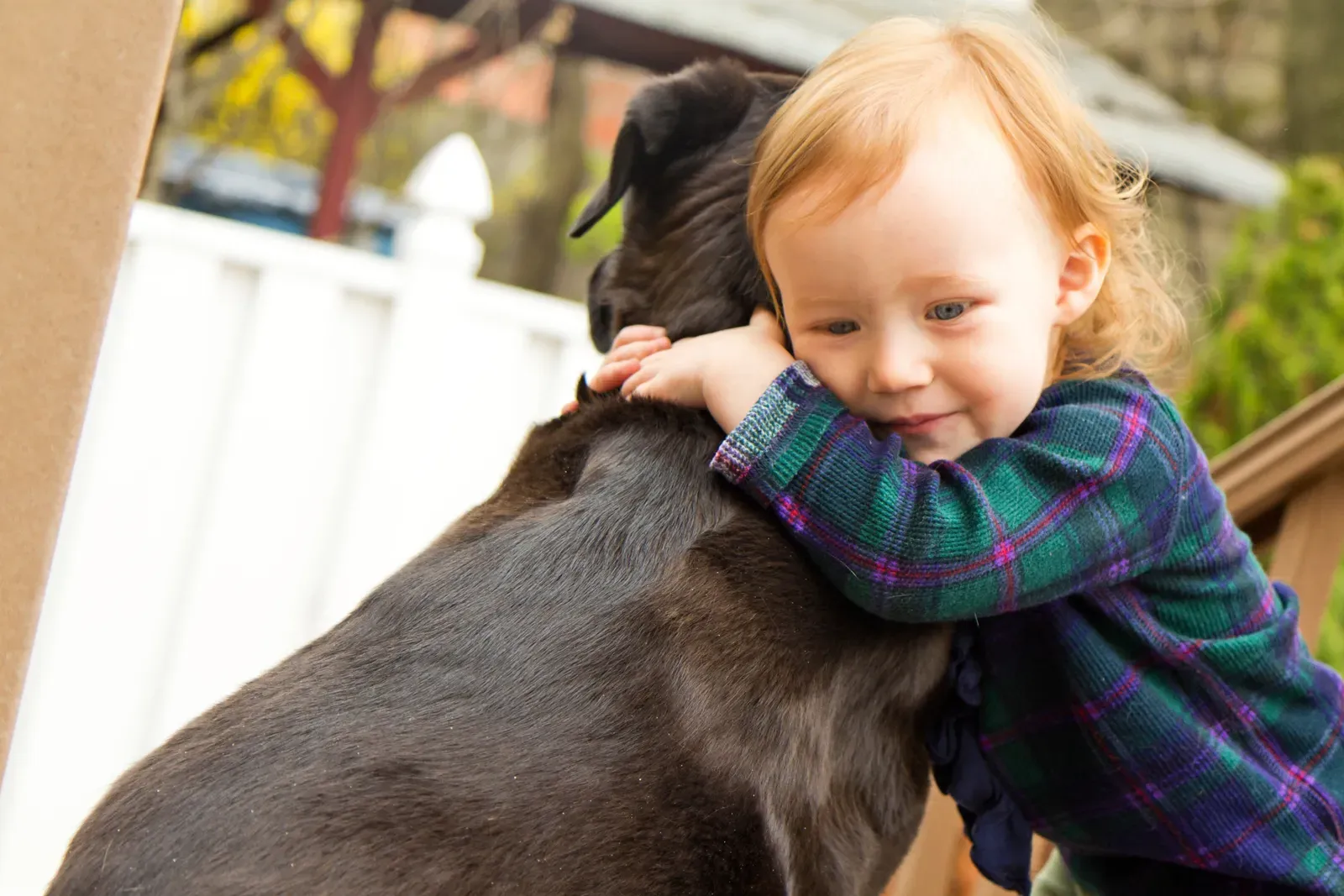
There is something quietly humbling about a dog’s love. One of the most psychologically significant aspects of the human-dog relationship is the unconditional acceptance dogs provide. Unlike human relationships, which can be complicated by expectations, judgments, and conditional approval, dogs offer consistent affection regardless of their owner’s mood, appearance, or circumstances.
In a world that often feels transactional, your dog is a daily reminder that love can exist without conditions, without scorekeeping, and without fine print. Unconditional love is rare, but pets give it freely every day. They listen without interrupting, comfort without asking for anything in return, and provide joy in the simplest ways. That is not nothing. That is everything.
The bond you share with your dog is one of the most well-documented, scientifically supported, emotionally profound relationships available to any human being. It deserves your attention, your time, and your presence in return. So the next time your dog looks up at you with those soft, trusting eyes, look back. Really look. Because that moment is mutual, and it matters more than you may realize.
What does your dog do that makes you feel most loved? Share it in the comments. We’d love to hear.


