
9 Delicious and Safe Human Foods You Can Share With Your Dog

Picture this: you’re sitting on the couch, snacking on something fresh and wholesome, and those big, soulful eyes are staring up at you. You know the look. Every dog owner does. The heart-melting “can I have some?” gaze that makes you want to share your entire plate. Honestly, it’s one of the sweetest things about loving a dog.
The good news? You don’t always have to say no. Some of the foods people eat can be introduced to a dog’s diet just fine, and even provide health benefits such as joint strength, better breath, and allergy immunity. The trick is knowing which ones actually help your pup, and how to serve them safely.
Always introduce new foods one at a time and in small quantities until you know how your dog responds. Think of it like a little taste test adventure you share together. So let’s dive into nine human foods your dog can genuinely enjoy, no guilt required.
1. Carrots: The Crunchy, Tooth-Cleaning Superfood

Let’s be real, few things are more satisfying than watching a dog go absolutely wild over a carrot. That enthusiastic crunch? Turns out it’s doing double duty. Chewing on carrots can help remove plaque from their teeth and promote good dental health, and they are also a good source of vitamin A, which is beneficial for a dog’s immune system, skin, and coat.
Cold or frozen carrots can also be helpful for teething puppies, giving them something to chew on and easing discomfort. Just remember to cut them into manageable pieces. Carrots can be a choking hazard for young dogs, so it’s important to cut them into small, manageable pieces to avoid any problems.
Carrots are also good for your dog’s eyes due to the high amount of beta-carotene. Think of them like nature’s dental chew and multivitamin rolled into one bright orange stick. Hard to beat that.
2. Apples: A Sweet, Fiber-Rich Treat With a Catch
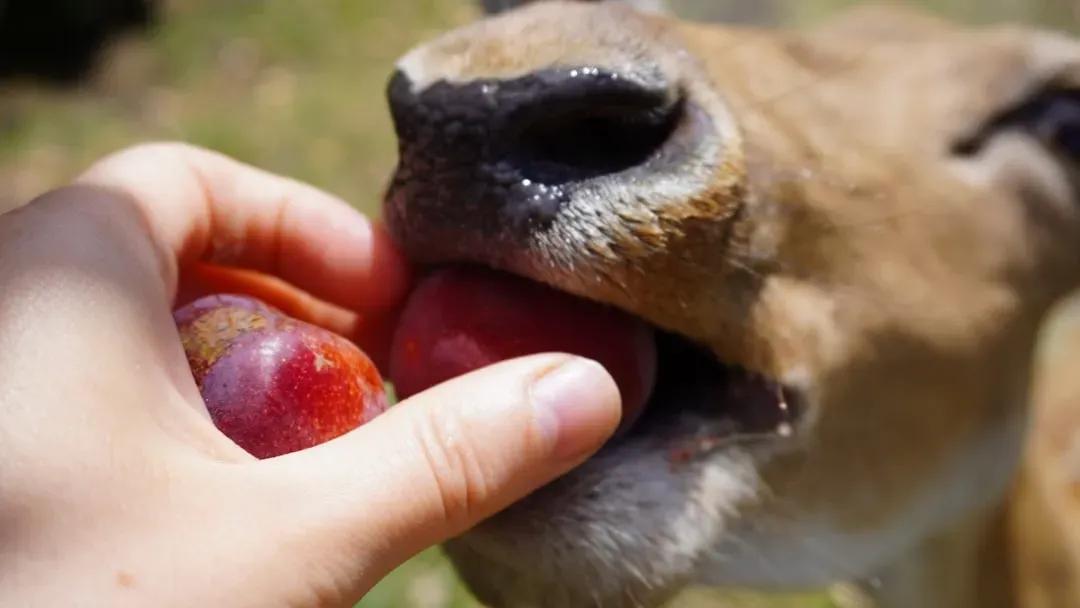
Crunchy, sweet, and brimming with nutrients, apples are a dog-friendly fruit that many pups enjoy. They’re low-calorie and rich in prebiotic fiber, which can help support a dog’s gastrointestinal health. That’s especially great for dogs prone to sluggish digestion.
Here’s the thing though: there’s one firm rule with apples. Do not feed your dog the core or the seeds. The core is a choking hazard, and the seeds are toxic. So slice up the flesh, skip the middle, and you’ve got yourself a wholesome little snack your pup will love.
Apples may also freshen your pup’s breath by helping to keep their teeth free of odor-causing plaque and tartar. Honestly, that alone might be reason enough to make apples a regular treat around your house.
3. Cooked Salmon: The Shiny-Coat Secret
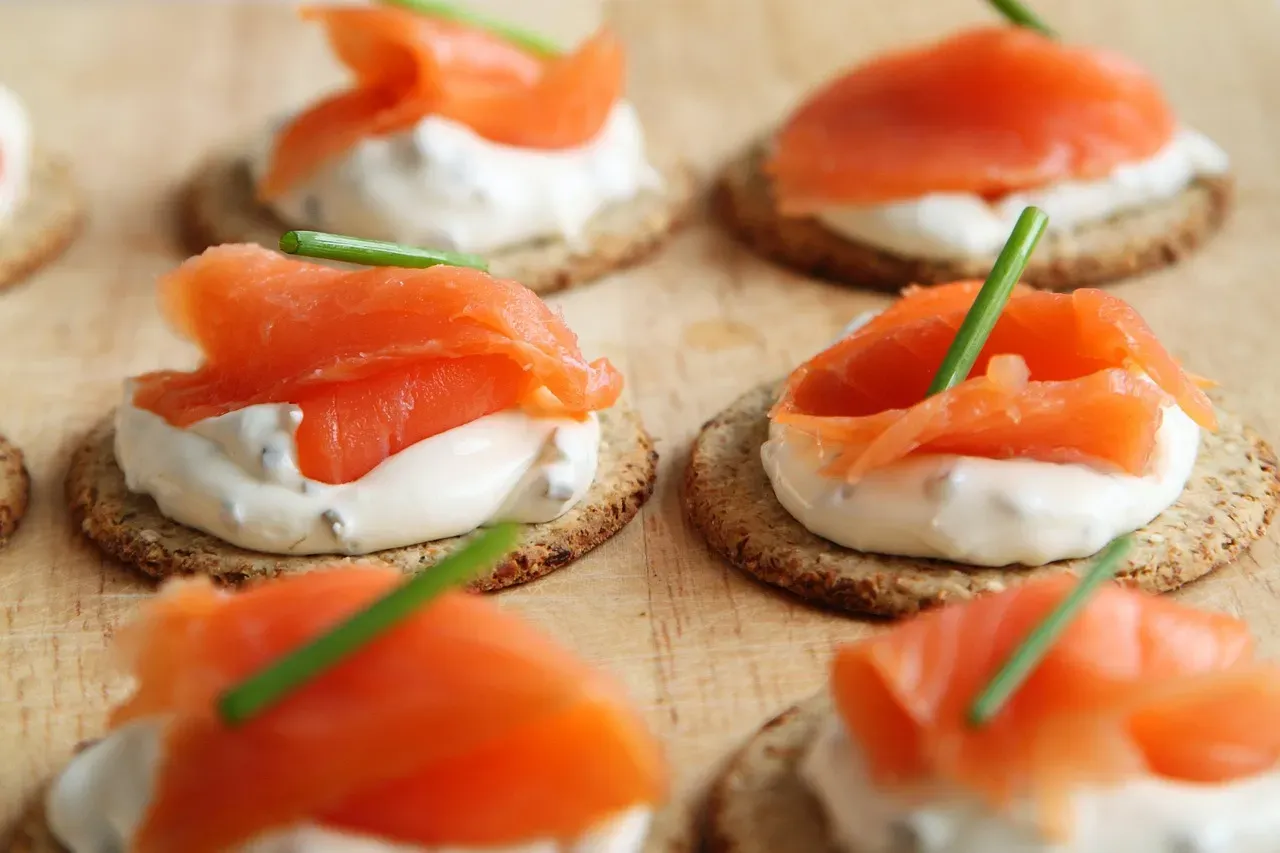
If your dog’s coat has been looking a little dull lately, salmon might just be the answer you didn’t know you were looking for. Dogs can benefit from salmon to help with joint health and reduce inflammation, and salmon can boost your dog’s immune system and help their coats look shiny. That’s a seriously impressive resume for one fish.
Never feed your dog uncooked or undercooked fish, only fully cooked and cooled, and limit your dog’s fish intake to no more than twice a week. Raw salmon carries real risks, so please, fully cook it first. Raw and undercooked salmon can contain the neorickettsia helminthoeca parasite, which can be fatal.
4. Blueberries: Tiny Berries, Enormous Benefits

I think blueberries might be the most underrated dog treat on the planet. They’re small, easy to serve, and packed with goodness. Blueberries are safe for dogs to eat and are a rich source of fiber, antioxidants, and phytochemicals. Toss a few on the floor and watch your dog sniff them around like they’re playing a game. Adorable.
Blueberries are a rich source of vitamins and antioxidants, like vitamins C, K, and A, which may reduce the likelihood of diseases, disorders, and age-related issues. For older dogs especially, this is a meaningful benefit. Think of blueberries as tiny little shields protecting your pup from the inside out.
5. Peanut Butter: The Classic Canine Crowd-Pleaser
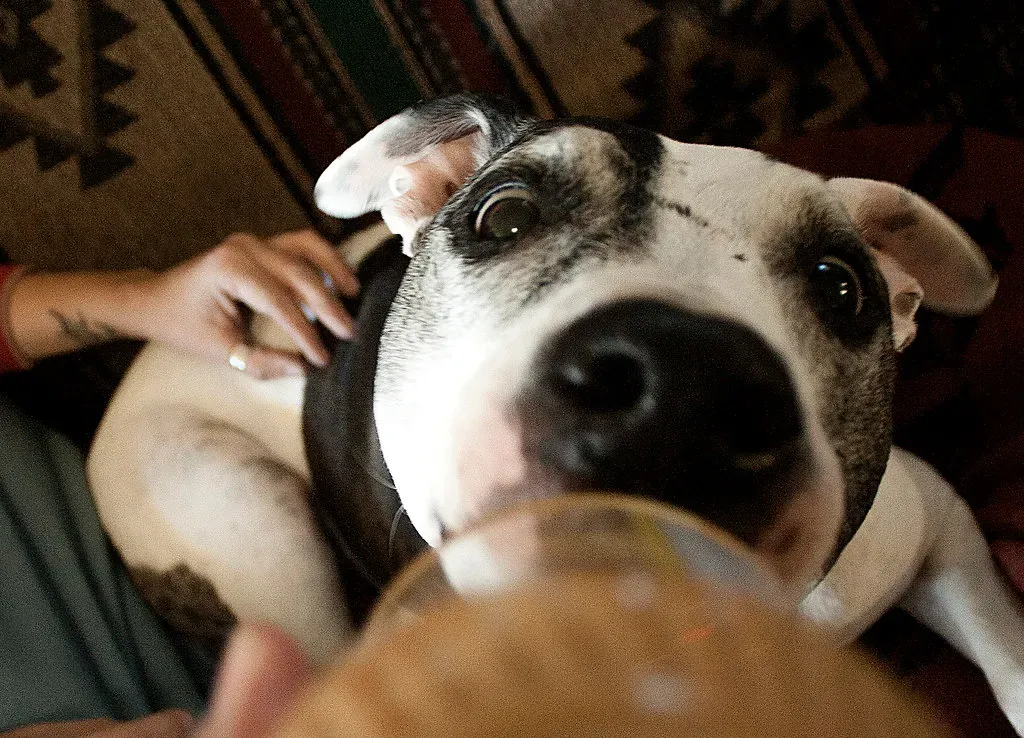
Is there a single dog on this planet that doesn’t lose their mind over peanut butter? I don’t think so. The good news is that it genuinely loves them back. Peanut butter can be an excellent source of protein for dogs and contains heart-healthy fats, vitamins B and E, and niacin.
Here is the one warning you absolutely cannot skip: read the label carefully to be sure the peanut butter does not contain xylitol, a sugar substitute that can be toxic to dogs. This is non-negotiable. Xylitol can cause low blood sugar and liver failure in dogs. Always check the jar, every single time.
Raw, unsalted peanut butter is the healthiest option. Stuff it in a Kong toy and you’ve just given your dog one of the most joyful experiences of their week. Simple things, big love.
6. Cooked Eggs: A Protein Powerhouse Your Dog Deserves

Eggs feel like such an ordinary kitchen staple, but for dogs, they’re genuinely impressive. Whether hard-boiled or scrambled, cooked eggs can be a good treat to share with your canine buddy, because eggs are a great source of protein, vitamin D, selenium, and riboflavin.
Eggs are also one of the best sources for essential fatty acids, which help keep your dog’s skin and fur healthy and shiny. So if your dog has been scratching or their fur looks lackluster, a cooked egg a few times a week could make a noticeable difference.
One firm rule: eggs should always be fully cooked before your pet consumes them. No seasoning, no butter, just plain and simple. Your dog won’t care about the presentation, trust me.
7. Plain Cooked Chicken: The Ultimate Comfort Food for Pups
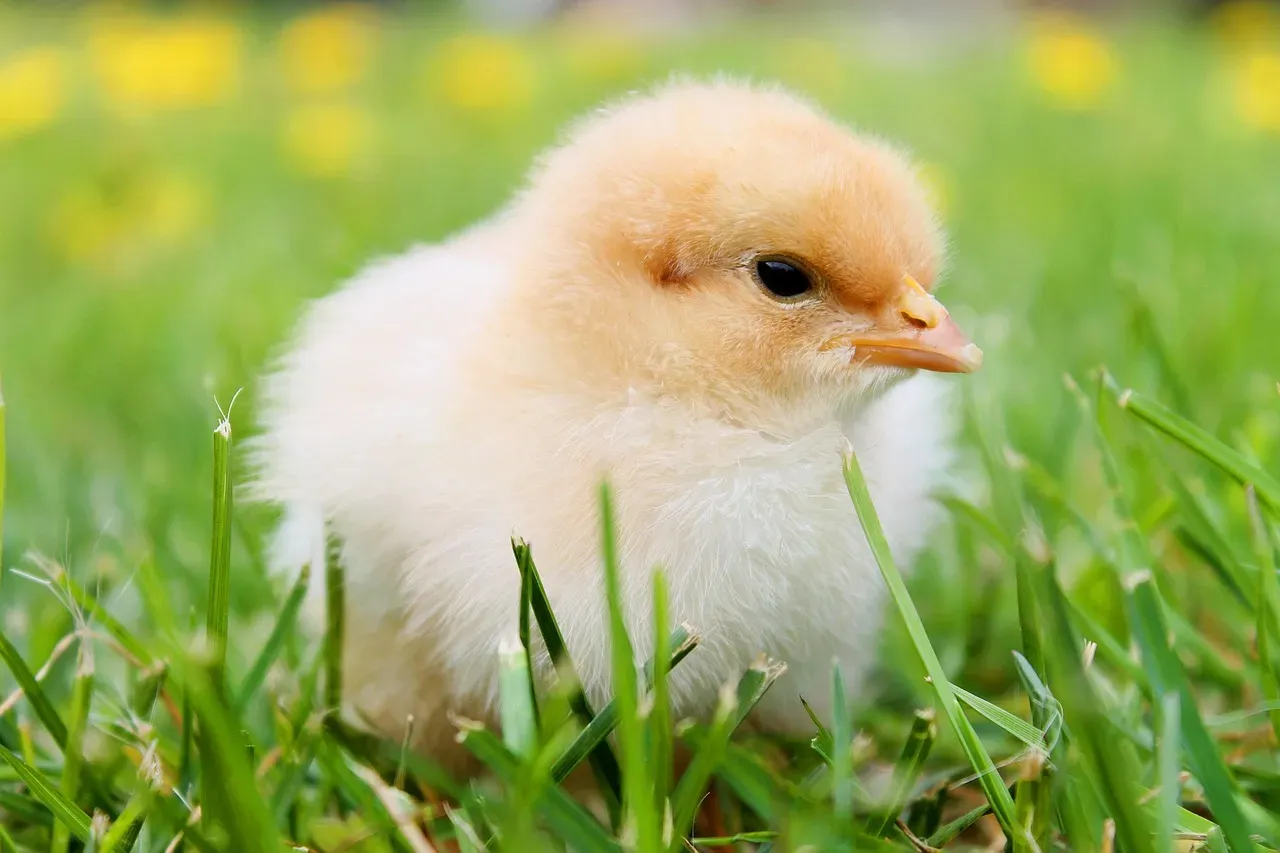
If your dog has ever had an upset stomach, chances are your vet already told you to try plain boiled chicken. There’s a reason for that. Chicken is a great source of protein for dogs and happens to be one of the most common ingredients found in commercial dog foods, both wet and dry.
Among chicken, turkey, and beef, the most balanced meat is chicken, as it is high in protein but also low in fat, which makes it the healthiest type of meat to serve canines. That’s a pretty compelling case for keeping some cooked chicken on hand as a regular treat or food topper.
When offering freshly cooked chicken to your dog as a snack, make sure it is prepared without spices and herbs. No garlic, no onion powder, no seasoning at all. Plain is not boring when it comes to your dog’s health.
8. Plain Cooked Pumpkin: The Gut-Health Hero

Here’s one that surprises a lot of dog owners. Pumpkin isn’t just for fall festivities. It’s actually one of the best things you can share with your pup, especially if their tummy has been acting up. Some veterinarians consider pumpkin a canine superfood because it is filled with fiber and micronutrients that can help correct and avoid digestive problems, and plain pureed pumpkin helps to naturally soothe the stomach.
Pumpkin is a good source of fiber and beta-carotene, which can help with digestion and improve the appearance of your dog’s coat. Pumpkin is also low in calories and fat, making it a good choice for dogs who are overweight or prone to weight gain.
Look for plain canned pumpkin at the grocery store, not pumpkin pie filling. Vets often recommend pumpkin when a dog is constipated or has other digestive issues, and you can give your dog some with their kibble to keep their digestive system running smoothly.
9. Watermelon: The Ultimate Summer Hydration Snack

Picture a hot summer afternoon, you’re sitting outside, slicing up a cold watermelon. Your dog is panting nearby, eyeing every move you make. Good news: you can absolutely share. Watermelon has a high water content, so it can help keep dogs hydrated, and it is also a good source of vitamins A, C, and B-6.
Still, there are two things to do before handing over a slice. Watermelon is safe for dogs to eat, but it is important to remove all the seeds first, as these can block the intestines. Chewing on the rind can also cause an upset stomach. So stick to the flesh, remove the seeds, and your dog is good to go.
Think of watermelon as nature’s sports drink for dogs. Hydrating, sweet, vitamin-packed, and entirely guilt-free when served correctly. On a warm day, it really doesn’t get better than that.
A Few Golden Rules Before You Share Your Plate
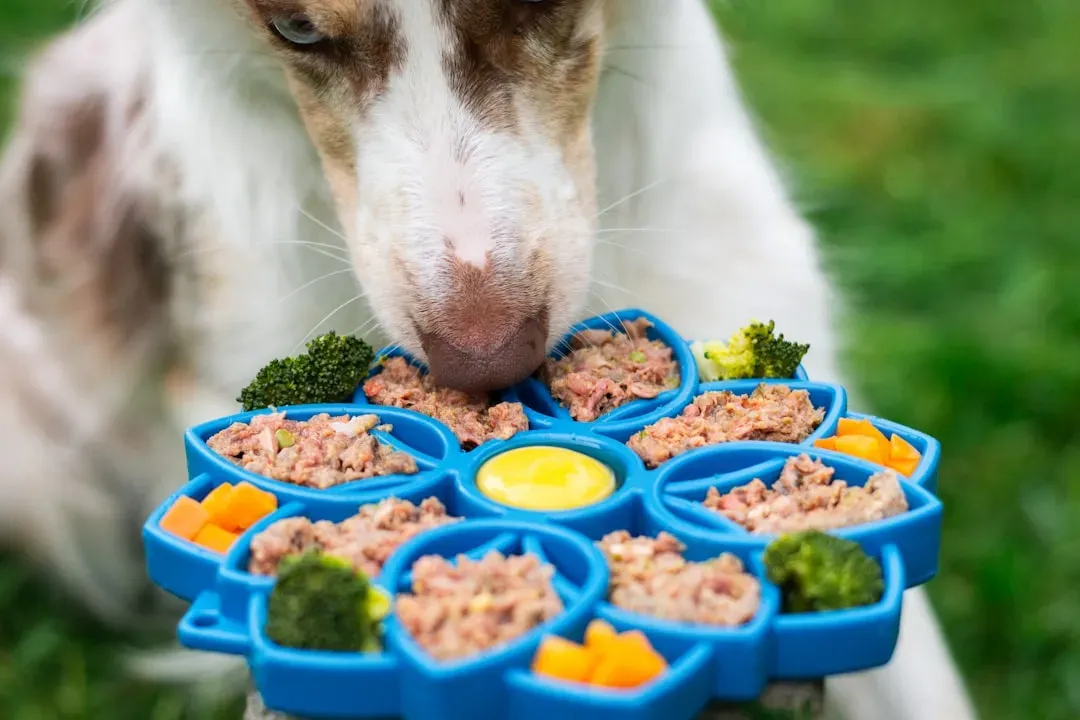
Before you head to the kitchen to start prepping dog snacks, there are a few important ground rules worth keeping close. If you plan on feeding your dog any human foods, avoid adding any seasonings, salt, sugar, oil, or butter while preparing it. Your dog doesn’t need the extra flavoring, even if their nose says otherwise.
Portion sizes matter far more than most people realize. Treats should only make up about 10% of your dog’s diet, even if those treats are mostly healthy whole foods. It’s easy to get generous when those eyes are begging, but moderation is truly an act of love.
Finally, always introduce new foods one at a time and in small quantities until you know how your dog responds, and if you have any questions or concerns about your dog’s diet, contact your veterinarian for guidance. Your vet is always your best ally when it comes to your pup’s nutrition journey.
Conclusion: Sharing Is Caring, When You Do It Right
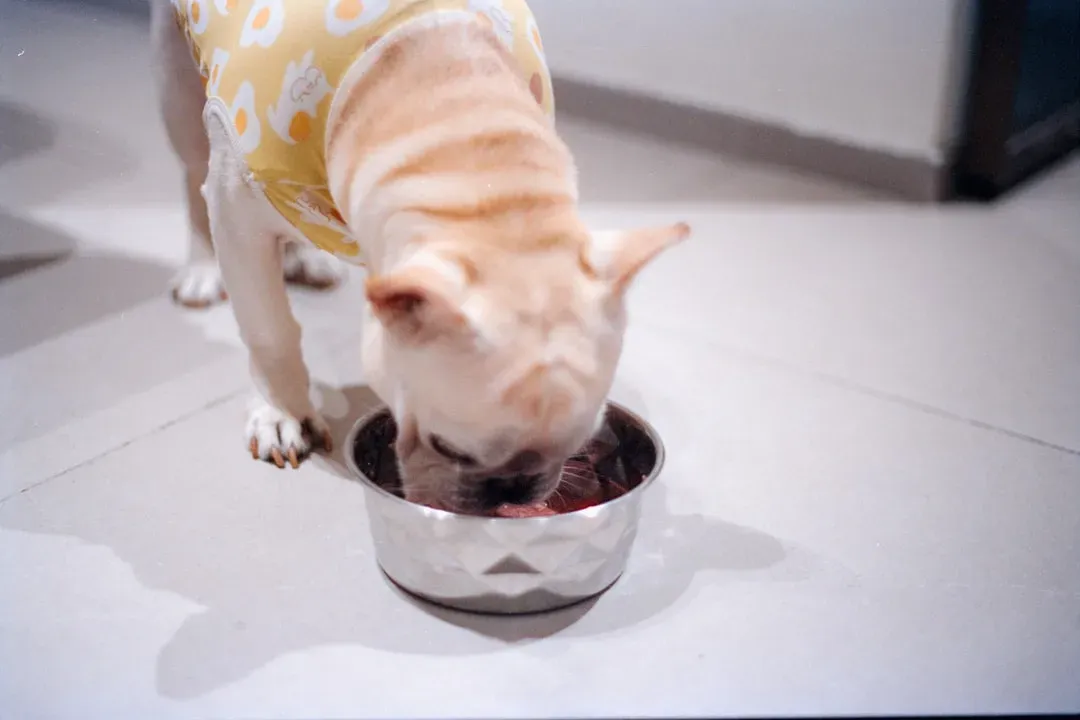
Loving a dog means paying attention to what goes into their body, just as much as the belly rubs and long walks. The nine foods in this list aren’t just safe; they’re genuinely nourishing options that can support your dog’s coat, gut health, immune system, and so much more.
The beauty of it all is how simple these foods are. Carrots, eggs, chicken, blueberries. Nothing exotic or complicated. Just real, whole foods, prepared plainly, shared with intention and love.
Your dog trusts you completely with every meal, every treat, every snack you drop their way. That trust is worth honoring. So the next time those eyes find yours across the kitchen, you’ll know exactly which foods to reach for. Which of these nine will you try sharing with your pup first?