
Your Dog Understands More Than You Ever Give Them Credit For

You walk in the door after the worst day of your life. You haven’t said a word. You haven’t cried. You haven’t made a single dramatic gesture. Yet somehow, your dog is already there, pressed gently against your leg, looking up at you with those deep, knowing eyes. How do they do that? It feels like magic, honestly. Like some warm, furry miracle that science couldn’t possibly explain.
Well, it turns out, science has a lot to say about it. And what researchers have uncovered in recent years goes far beyond the old “good boy knows sit and stay” narrative. Your dog is tuned in to you in ways that are, quite frankly, stunning. They’re reading your face, smelling your emotions, learning while they sleep, and navigating your social world with a level of emotional intelligence that most people never give them credit for. So let’s dive in.
Your Dog Is Reading Your Face Right Now
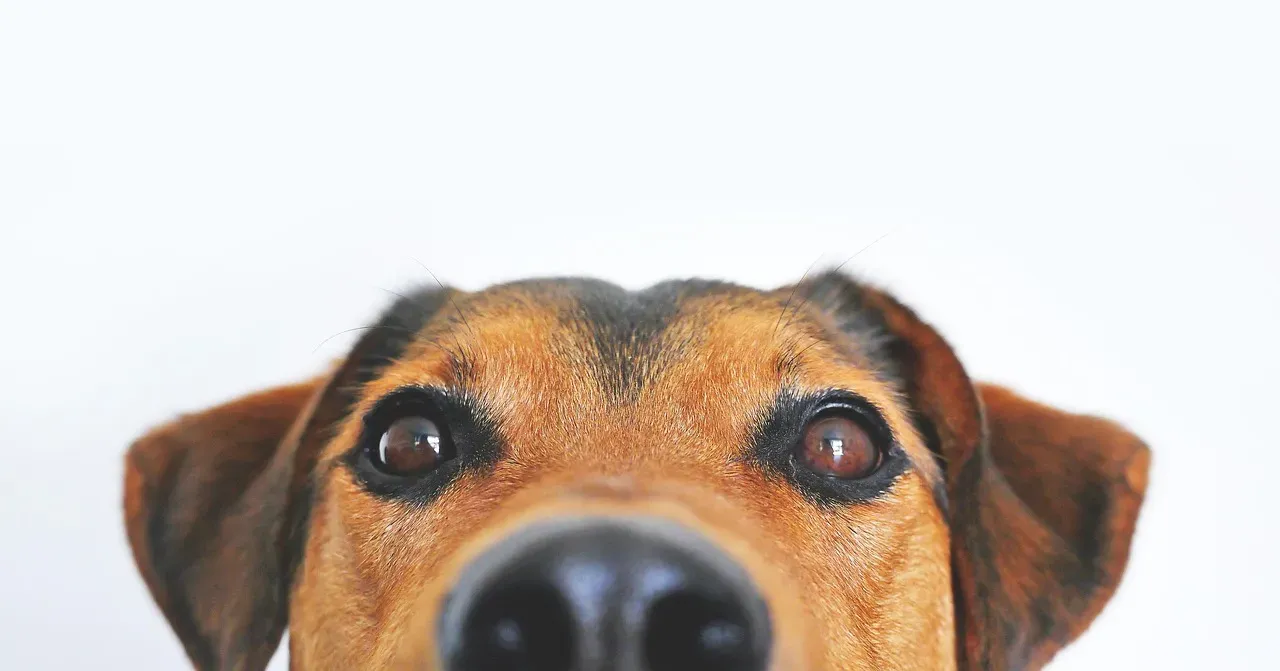
Here’s the thing about your dog staring at you across the room. They’re not just being cute. They’re actively processing your facial expressions, searching for clues about how you’re feeling and what might happen next. Beyond eye contact, dogs are surprisingly skilled at reading human body language and facial expressions, and experiments have demonstrated that pet dogs can distinguish a smiling face from an angry face, even in photos.
Think about that for a second. Photos. No tone of voice, no body movement, just a static image. Dogs have a dedicated region of the brain for processing human faces, which helps explain their exquisite sensitivity to human social cues. It’s not random. It’s neurologically wired in.
When shown images of human faces, dogs exhibit increased brain activity, and one study found that seeing a familiar human face activates a dog’s reward centres and emotional centres, meaning your dog’s brain is processing your expressions, perhaps not in words but in feelings. That’s not a pet. That’s a partner.
Dogs not only read our facial expressions, they also communicate with us using their own facial expressions, and scientists at Portsmouth University’s Dog Cognition Centre found that dogs produced far more facial expressions when a human was watching than when a human was not. So yes, that “puppy dog eyes” look? Your dog is doing it on purpose.
They Smell Your Stress Before You Even Know You Have It
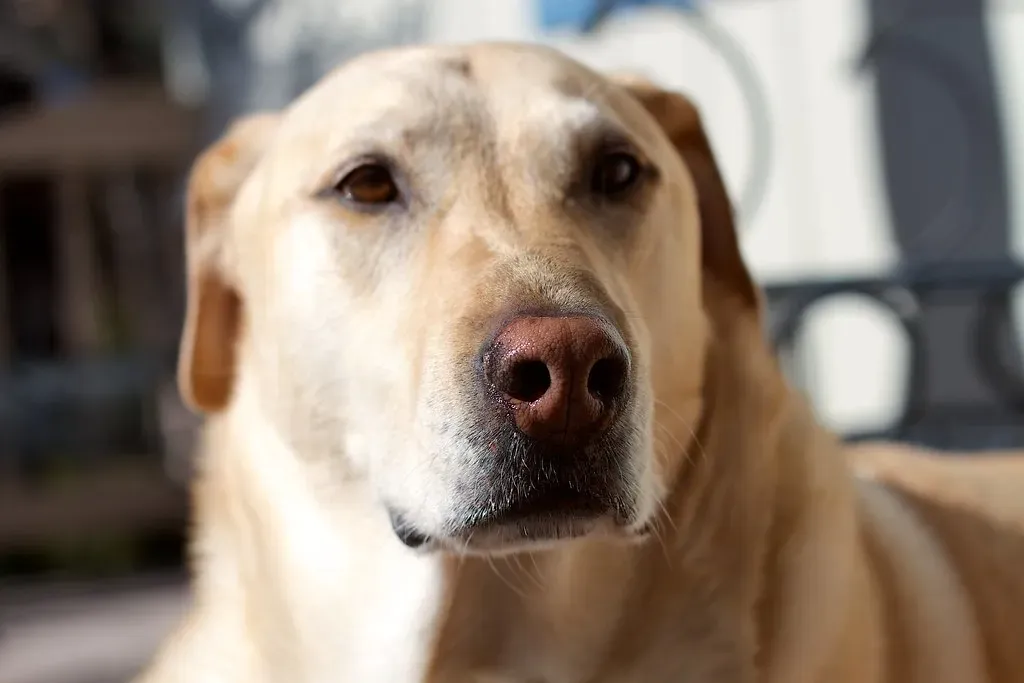
I know it sounds a little wild, but your dog literally smells your anxiety. Not in a vague metaphorical sense. In a real, biochemical, nose-to-the-air kind of way. Dogs have evolved to read verbal and visual cues from their owners, and previous research has shown that with their acute sense of smell, they can even detect the odor of stress in human sweat. Researchers have now found that not only can dogs smell stress, they also react to it emotionally.
New research suggests that the smell of human stress affects dogs’ emotions as well as their decisions, leading them to make more pessimistic choices. The study was published in the journal Scientific Reports and was the result of a partnership between the University of Bristol, Cardiff University and the British charity Medical Detection Dogs.
When exposed to stress odour, dogs were significantly less likely to approach a bowl placed at one of the three ambiguous locations compared to no odour, indicating possible risk-reduction behaviours in response to the smell of human stress. They’re not ignoring you when you’re stressed. They’re affected by it too.
Being stressed around your dog, or even just being around the smell of another person who is stressed, may have a negative effect on your dog’s mood and possibly even your relationship with your dog. That’s a gentle but important reminder to manage your own wellbeing, not just for yourself, but for them.
The Emotional Contagion Is Real and It Goes Both Ways
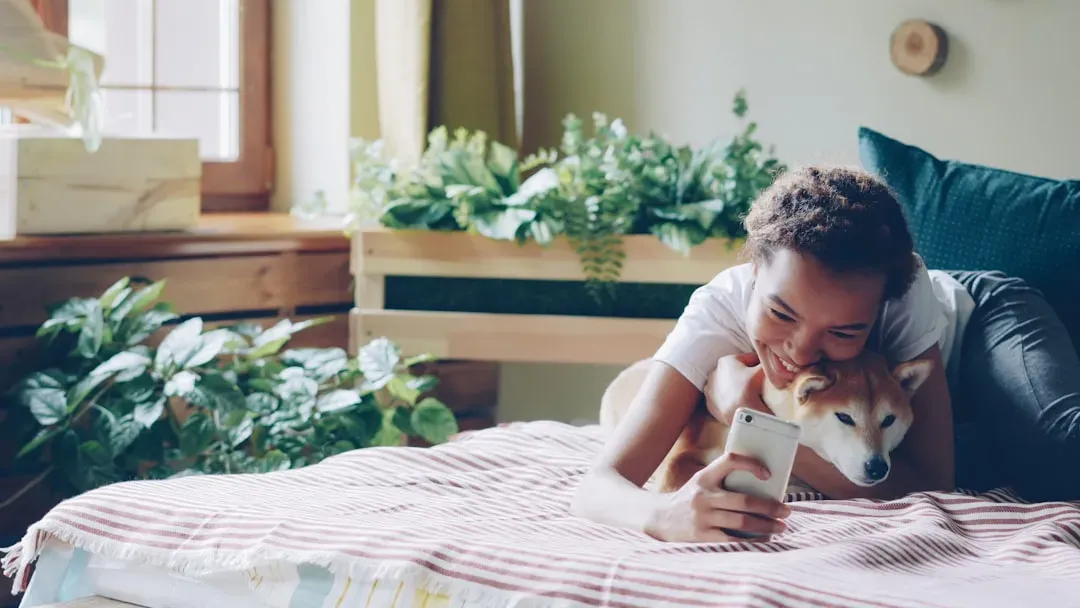
You’ve probably noticed your dog seeming sad when you’re sad, or extra bouncy when you’re in a great mood. That’s not coincidence. Dogs don’t just observe your emotions, they can “catch” them too. Researchers call this emotional contagion, a basic form of empathy where one individual mirrors another’s emotional state. A study found that some dog-human pairs had synchronised cardiac patterns during stressful times, with their heartbeats mirroring each other.
Heartbeats. Mirroring. Each other. Let that sink in for a moment.
Dogs and humans have been found to recognise each other’s emotional expressions, a skill that is crucial for evaluating the social motivations of others within the group and responding accordingly. In other words, your dog isn’t just reacting. They’re actively participating in the emotional life of your household.
Dogs have a knack for adapting to human behavior and emotions, and research has shown that dogs synchronize their behavior with both children and adults and produce significantly more facial movements when a human is paying attention to them. They’re not passive companions. They are emotionally engaged, right alongside you, every single day.
Your Dog Understands More Words Than You Think, and Learns While Sleeping

Let’s be real, most of us talk to our dogs constantly. And it turns out, they’re paying more attention than we assume. The canine ability to comprehend human body language and intonation is remarkable. Dogs know more than just “sit” or “stay” or “walk.” They can learn the meaning of many words and can grasp that meaning even better when we say those words in an appropriate tone.
Dogs process language much like humans do. The left side of the brain processes word meaning while the right side interprets intonation. Dogs, like humans, integrate both sides of the brain to arrive at a clearer meaning. They’re not just hearing sounds. They’re parsing language.
Here’s where it gets genuinely fascinating. Using polysomnography, researchers observed changes in brain activity during sleep after dogs performed a word-learning task. When dogs learned new words linked to familiar commands, their sleep EEG showed distinct patterns compared to a control task where no new words were learned. Their findings suggest that sleep, particularly during non-REM and REM stages, plays a role in consolidating new word associations in dogs.
Dogs learned a task, which altered their brain activity during sleep, then they performed better on the task afterward. Researchers concluded that the newly acquired information is re-processed and consolidated during sleep. So after a training session, the best thing you can do is let your dog rest. Their brain is still quietly working, locking in everything they learned from you.
We Are the Ones Who Often Get It Wrong
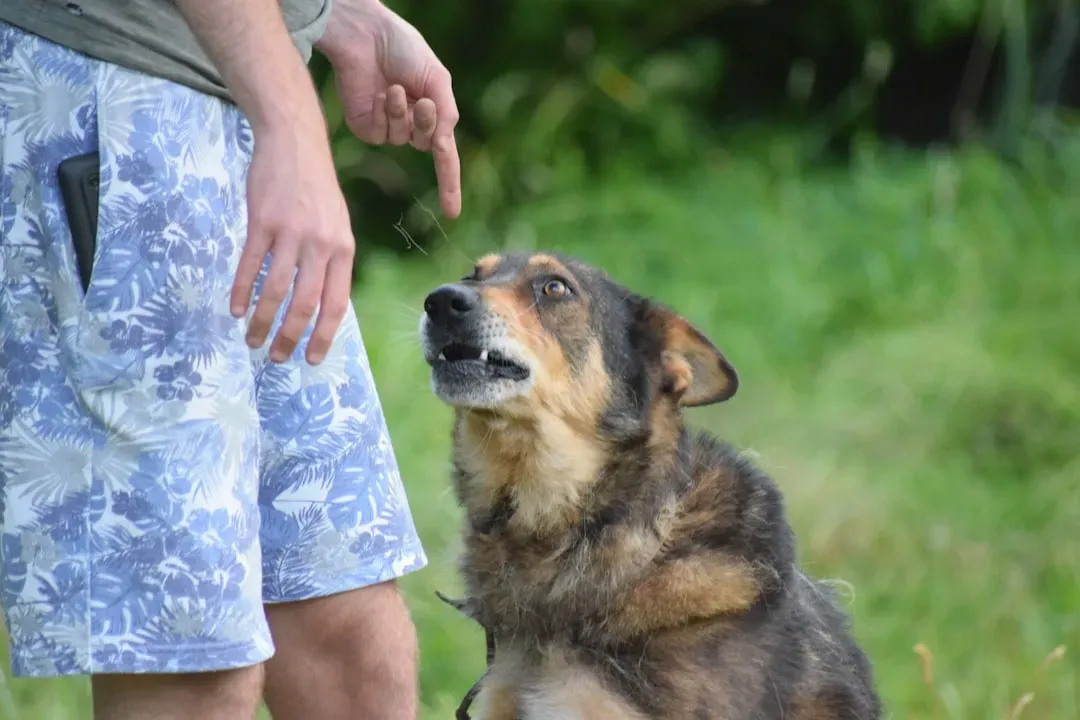
Here’s the part that might sting a little. While our dogs are working overtime to understand us, we’re often misreading them completely. Humans often misinterpret dogs’ emotions, primarily due to projecting human emotions onto them and focusing on situational context rather than the dogs’ actual behavior. We see what we expect to see, not what our dog is actually showing us.
Professionals are trained to decode specific postures and movements, such as tail wag direction and speed, muscle tension, lip licking, yawning, and gaze aversion. Most of us, though, glance at a wagging tail and assume happiness without reading the rest of the picture. That’s a bit like reading someone’s smile without noticing they’re shaking.
When dogs feel stressed, they’ll pointedly look away and avoid eye contact. People often interpret this as their dog ignoring them or being stubborn, but the dog is expressing discomfort. That “stubborn” dog at the vet who keeps looking away isn’t being difficult. They’re telling you they’re struggling.
Experiments showed that people judged dogs’ emotions based on the context of events rather than the dogs’ actions. Recognizing this bias and paying closer attention to individual dogs’ cues can improve understanding and strengthen the human-dog bond. The good news is, once you know this, you can change it. Slow down. Watch more. Judge less.
Conclusion: They Deserve More Credit, and More Attention
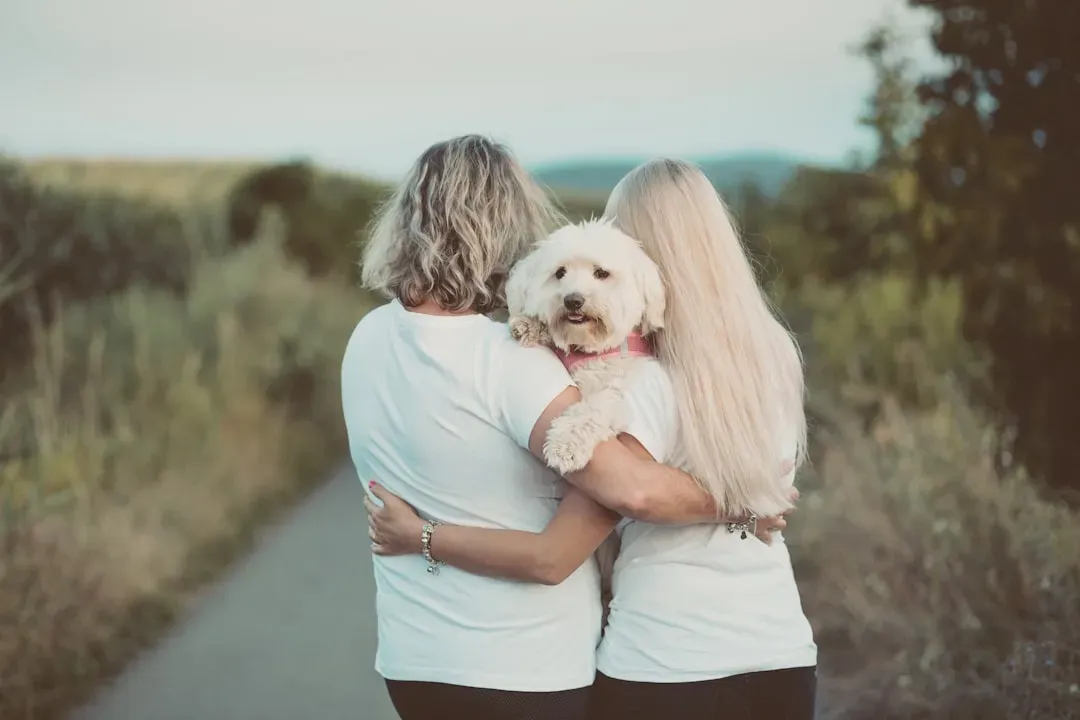
Your dog is not a simple creature waiting for food and a belly rub. They are emotionally intelligent, neurologically wired for human connection, and quietly working every single day to understand you better than you understand them. That head tilt when you speak? They’re processing. That lean against your leg when you’re sad? They felt something shift in the room. That big sigh when you finally sit down? They’ve been waiting for you, reading the whole day in your posture, your tone, your scent.
The science is clear. Thousands of years living as human companions have fine-tuned dogs’ brain pathways for reading human social signals. While your dog’s brain may be smaller than a wolf’s, it may be uniquely optimised to love and understand humans. That is an extraordinary gift, and it deserves an extraordinary response from us in return.
So learn their signals. Watch their eyes, their ears, their posture. Be the calm presence they deserve. Train with patience, rest with them, and never underestimate what’s going on behind those warm, watchful eyes. Your dog sees you more clearly than you might think. The question is, are you returning the favour?
What do you think about it? Share your thoughts and stories in the comments. We’d love to hear how your dog has surprised you.