
12 Fun and Easy Brain Games to Keep Your Dog Mentally Stimulated

You’ve walked your dog. You’ve filled the bowl. You’ve even tossed the ball around the backyard a dozen times. Yet somehow, your pup is still pacing, chewing on the furniture, or staring at you like you personally owe them something. Sound familiar? Here’s the thing most dog parents don’t realize: a physically tired dog is not always a mentally satisfied dog. Those are two very different things.
Mental stimulation reduces cortisol levels, the stress hormone, and promotes calm behavior. Cognitive enrichment also prevents boredom-related behaviors like excessive barking, destructive chewing, and anxiety. Think of your dog’s brain like a muscle. If you don’t use it, it gets restless. The good news? You don’t need fancy equipment or hours of free time to make a real difference. These 12 brain games are easy, effective, and honestly a lot of fun for you too. Let’s dive in.
1. The Sniff-It-Out Treasure Hunt
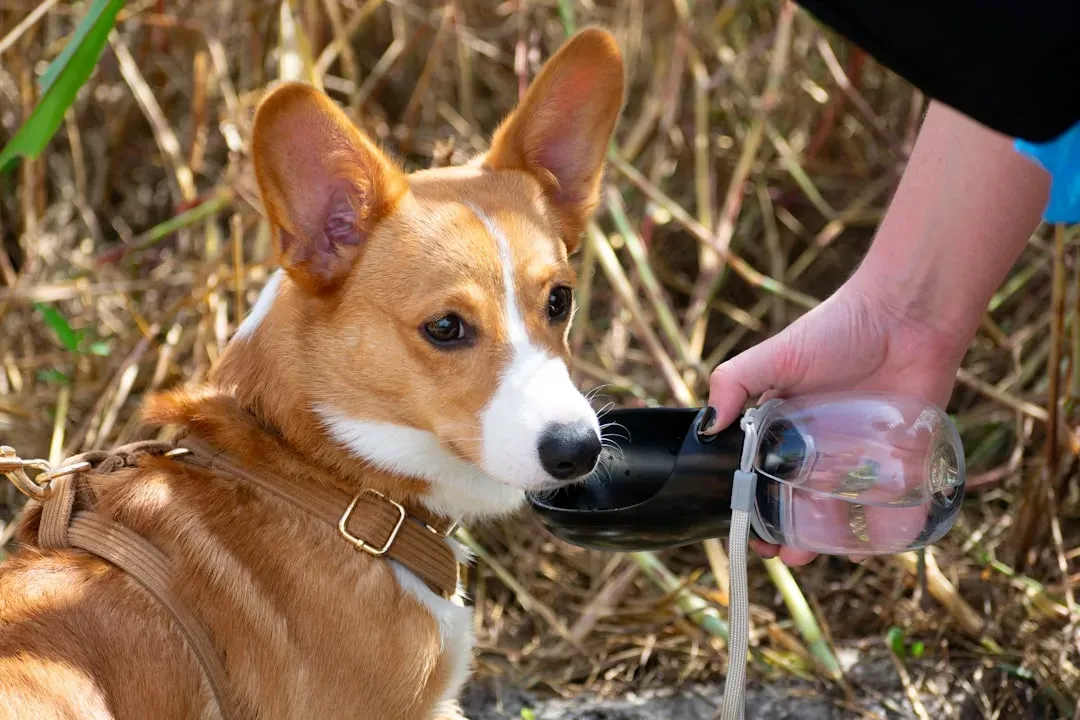
This is one of those games that costs absolutely nothing and delivers enormous results. It’s a great brain game to test your dog’s thinking skills. Simply hide pieces of your dog’s favorite treat around the house, or if it’s nice outside, the garden, and let them hunt for a tasty reward.
Scent work activates your dog’s natural foraging behavior and provides deep mental satisfaction. Studies show that just 15 minutes of scent work can be as tiring as a 30-minute walk. That’s a jaw-dropping return on such a simple investment of your time. Start with easy hiding spots and gradually make it more challenging as your dog gets better at the game.
2. The Classic Shell Game
Also known as the shell game, this fun dog brain game puts your dog’s concentration to the test. All you need are three cups and either a treat or play toy. Place the treat or toy under one cup and shuffle the cups around while your pup tries to follow which one holds the reward. Once you’re done shuffling, encourage your dog to choose a cup with their paw or nose. If chosen correctly, they’ll be rewarded with the treat or toy that was under the cup.
It sounds simple, and it is. But watch your dog’s face while they’re figuring it out. That focused, determined expression? That’s their brain firing on all cylinders. If your dog gets frustrated, make it easier. Success builds confidence and keeps the game fun.
3. Puzzle Toys and Feeders
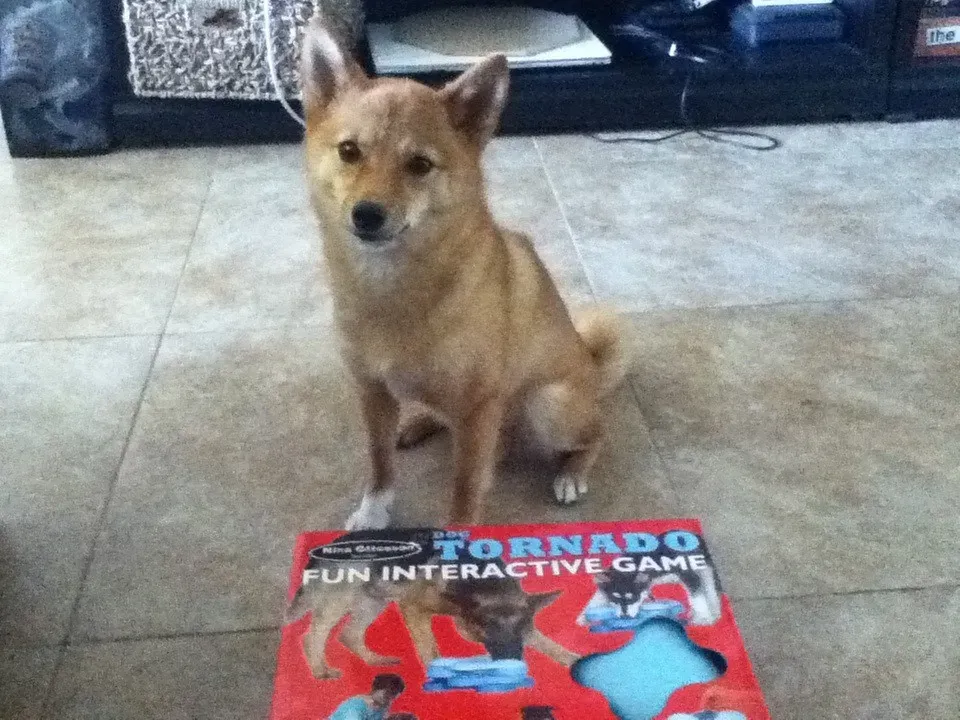
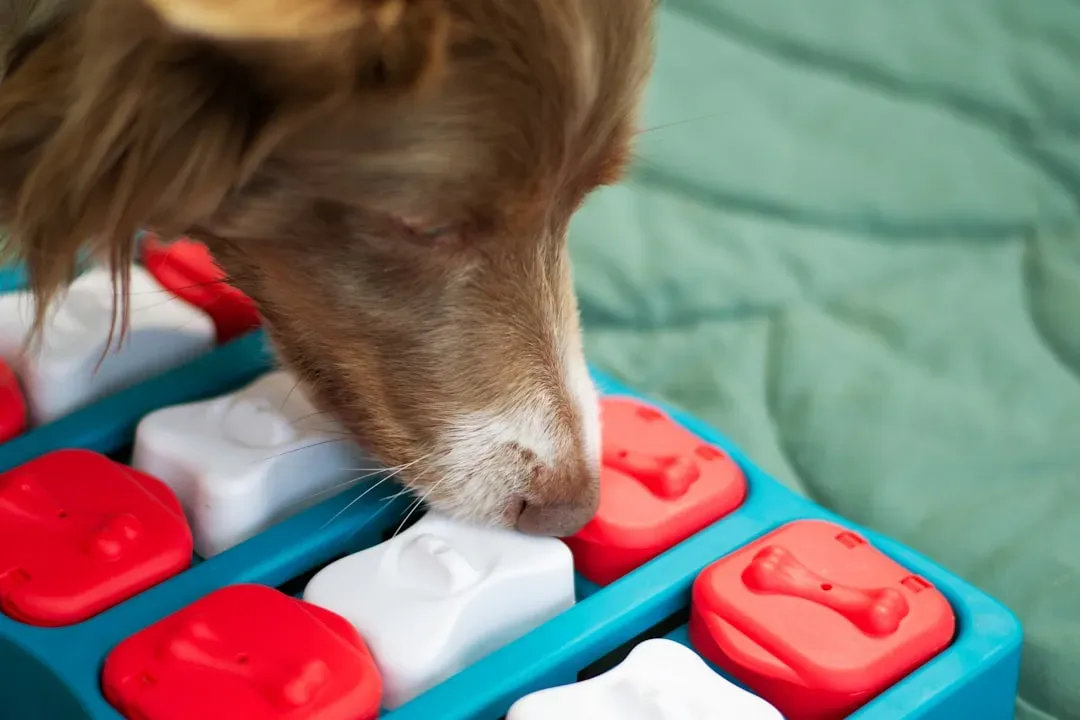
The objective of a puzzle toy is to have your dog use their brain to earn the reward. These interactive toys can improve your dog’s memory, as well as teach them to focus on a specific task for a period of time. Think of it like a crossword puzzle for your pup. The frustration is part of the fun, as long as it doesn’t overwhelm them.
When introducing a puzzle feeder, start with an easier model. This allows your dog to get used to the concept without frustration. Gradually, as your pet becomes more adept, transition to more complex feeders. Your dog will surprise you with just how quickly they level up.
4. Hide and Seek – With You as the Prize
Honestly, this might be my favorite game on the list because it combines training, bonding, and pure fun all at once. Ask your dog to sit and stay while you take your time finding the perfect hiding spot. When you’re ready, ask your dog to come and find you. Since dogs’ sense of smell is pretty incredible, it shouldn’t take very long for them to find you.
It’s great for improving your dog’s recall as well, which doesn’t hurt! When they track you down, make a huge deal out of it. Celebrate like they just won the Olympics. That excitement is exactly what keeps them engaged and motivated to play again.
5. The Muffin Tin Game
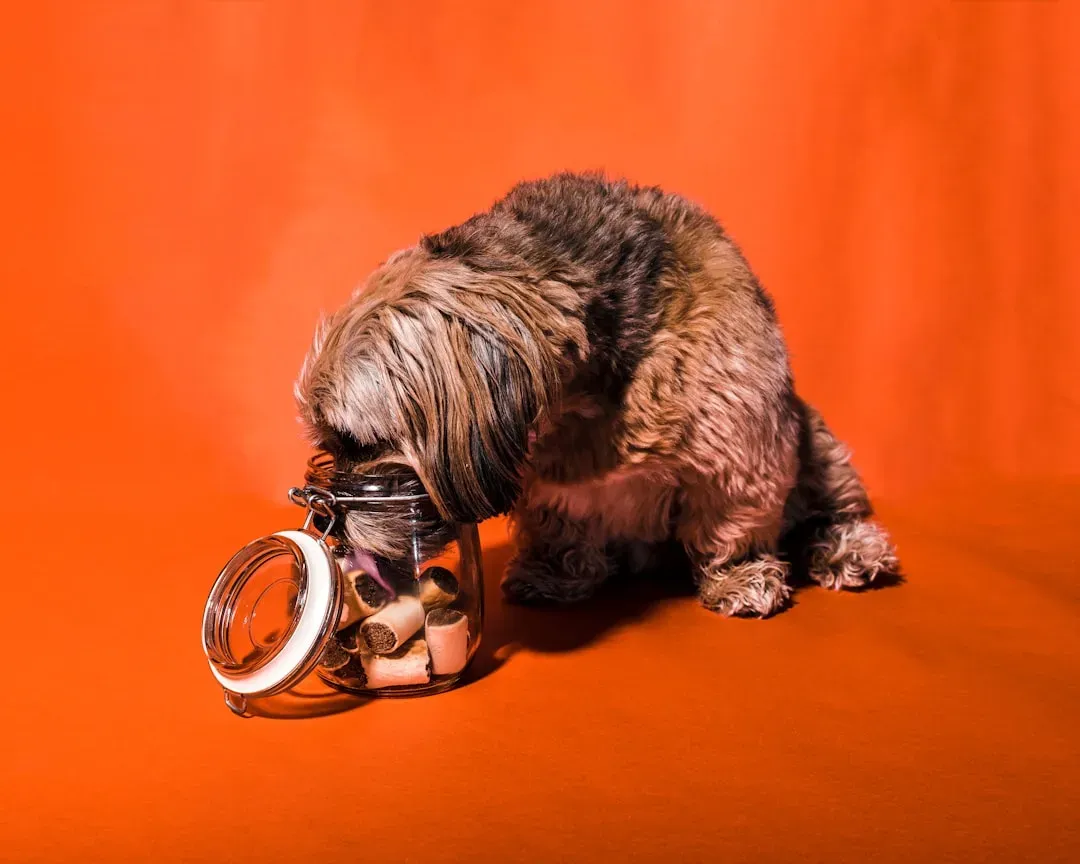
Let’s be real, this one is genius in its simplicity. Grab a muffin tin, drop a treat into each cup, and cover them all with tennis balls. Your dog has to figure out how to remove each ball to access the goodies underneath. Reasoning skills are essential for developing puppies and older dogs alike, and successful problem-solving is also a big confidence booster.
You can make this game easier by only filling a few cups, or harder by using a larger tin with more varied covers. It’s the kind of DIY enrichment that feels rewarding for both of you. Always supervise DIY enrichment activities and remove any pieces your dog might swallow.
6. Scatter Feeding Instead of a Bowl
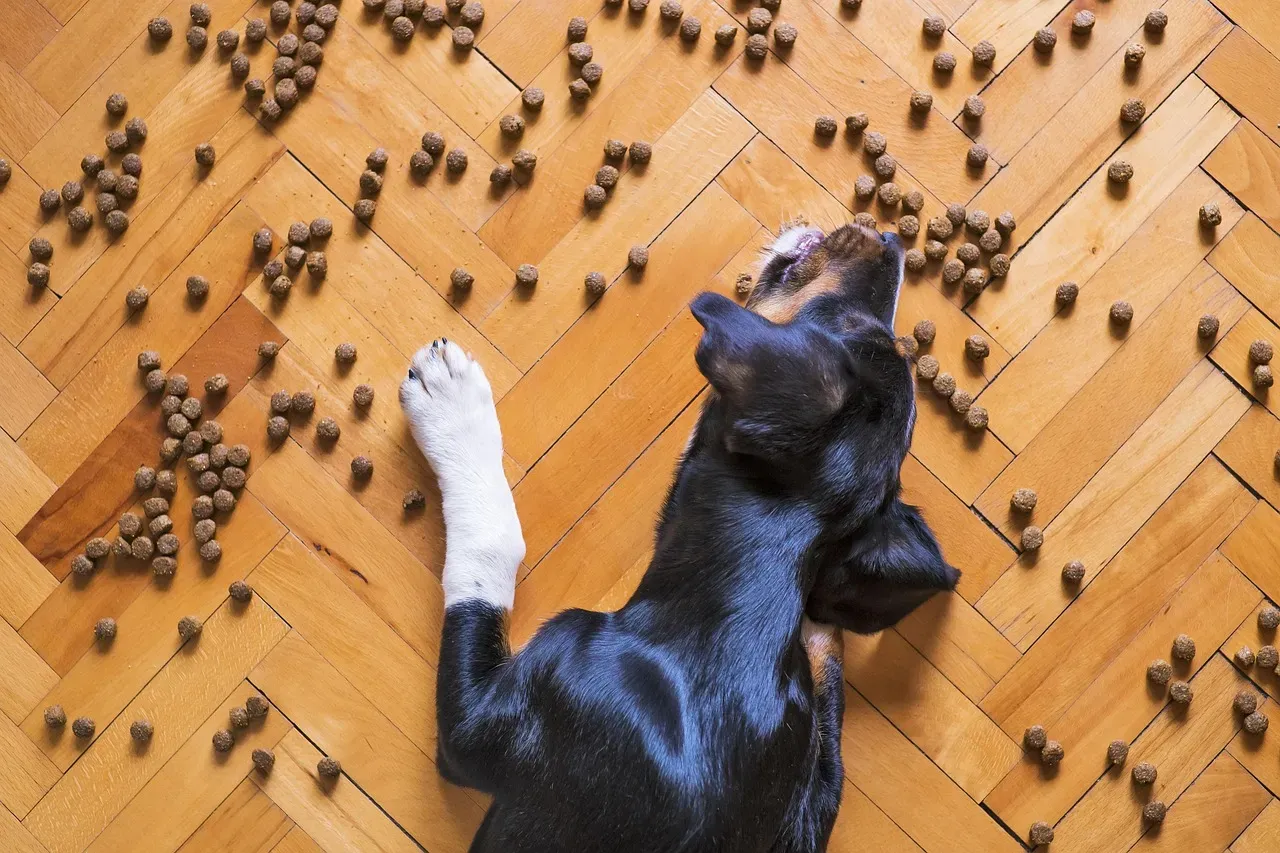
Swap out the boring food bowl at least a few times a week and watch your dog transform mealtimes into an adventure. Similar to a treasure hunt game, scatter feeding encourages your dog to use their sense of smell. By scattering pellets of food around the floor or throughout the garden, dogs are encouraged to use their nose to sniff out and scavenge for food – a much more engaging way of consuming food than simply eating out of their usual bowl.
Research shows that dogs who work for their food show increased satisfaction and reduced anxiety compared to dogs fed from traditional bowls. It’s such a small shift in routine, yet it taps into something deeply instinctual. Your dog is, at heart, a forager. Let them forage.
7. Trick Training Sessions
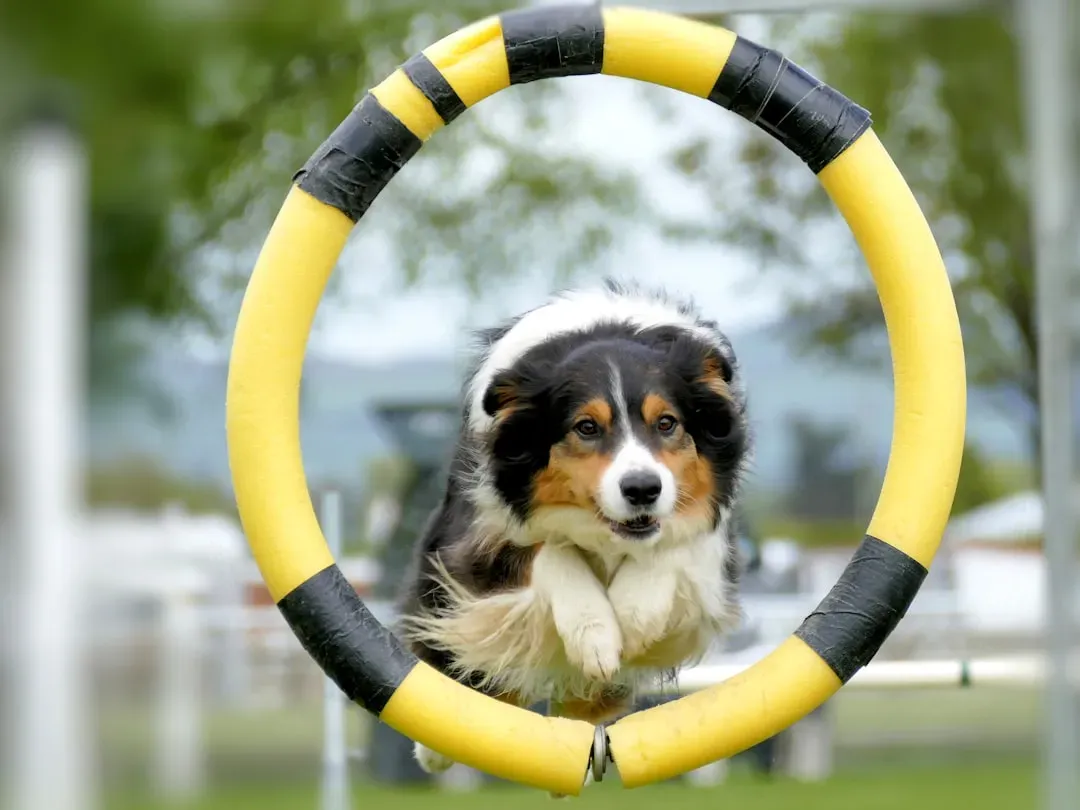
Teaching your dog a trick or two is a great way to spend quality time with them and get their brain working. Teach them to recognize objects, fetch your slippers, or roll over on command. These games will stretch your dog’s memory and attention. Short sessions of around ten to fifteen minutes are perfect and far more effective than marathon training marathons.
Teaching new tricks is one of the most effective dog enrichment activities because it combines mental stimulation with positive reinforcement training. Learning new behaviors creates new neural pathways, keeping your dog’s brain young and engaged. Think of it as enrolling your dog in a mini university, right in your living room.
8. The Snuffle Mat
A snuffle mat is a perfect item for curious dogs. This large, interactive nose work mat provides hours of mental stimulation and fun for your pet. You simply hide kibble or small treats in the fibres and let your dog sniff their way through the whole thing. It sounds low-key, and it is. That’s the point.
A snuffle mat is essentially a dog’s own hide-and-seek kibble or treat game. If you like to DIY, these are surprisingly easy to make at home. All you need is a rubber mat with holes and some fleece strips. It’s a rainy-day lifesaver that your dog will beg for every single time.
9. The Indoor Obstacle Course
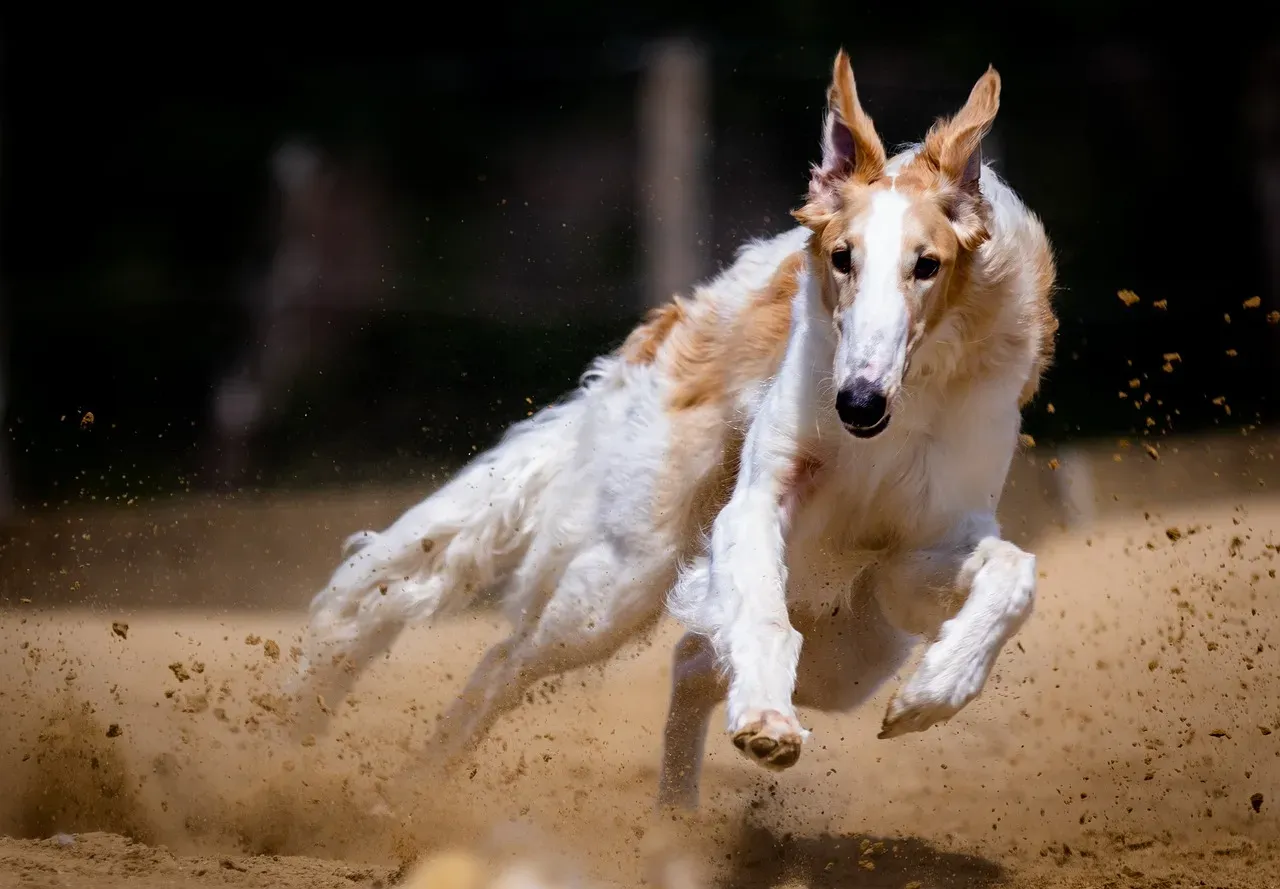
Agility can be a mentally and physically stimulating brain game for your dog. You can easily make an obstacle course out of common household objects that are safe for dogs. Set up your dining room chairs and have your dog weave through them, or set up a broom or mop to have them jump over. Your dog will be following your cues to get through the course, but they’ll be having so much fun that they won’t even realize you’re training them!
Agility isn’t just physical – it’s one of the best brain games for dogs because it requires planning, problem-solving, and body awareness. Your dog must remember the sequence, plan their movements, and respond to your cues, providing comprehensive mental stimulation. Start small, celebrate every success, and build up the complexity over time.
10. The Name Game – Teach Your Dog Object Names
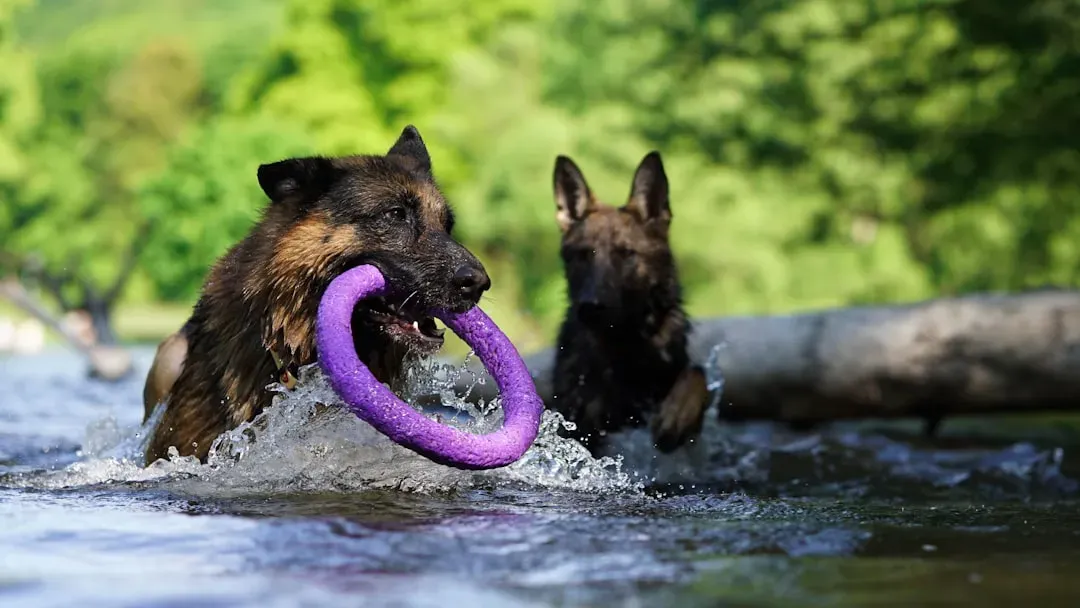
This impressive dog enrichment activity showcases your dog’s cognitive abilities while strengthening your communication. Start with one toy, give it a name, and practice asking your dog to fetch it specifically. Once they get it right consistently, introduce a second toy with a different name. The goal is to build a vocabulary of objects they can identify on command.
A Border Collie named Chaser learned over 1,000 object names, proving dogs’ remarkable language comprehension abilities. Now, I’m not saying your pup needs to match Chaser – but this game reveals just how much dogs are capable of understanding when we give them the chance to show us. It’s genuinely humbling.
11. The Eye Contact Focus Game
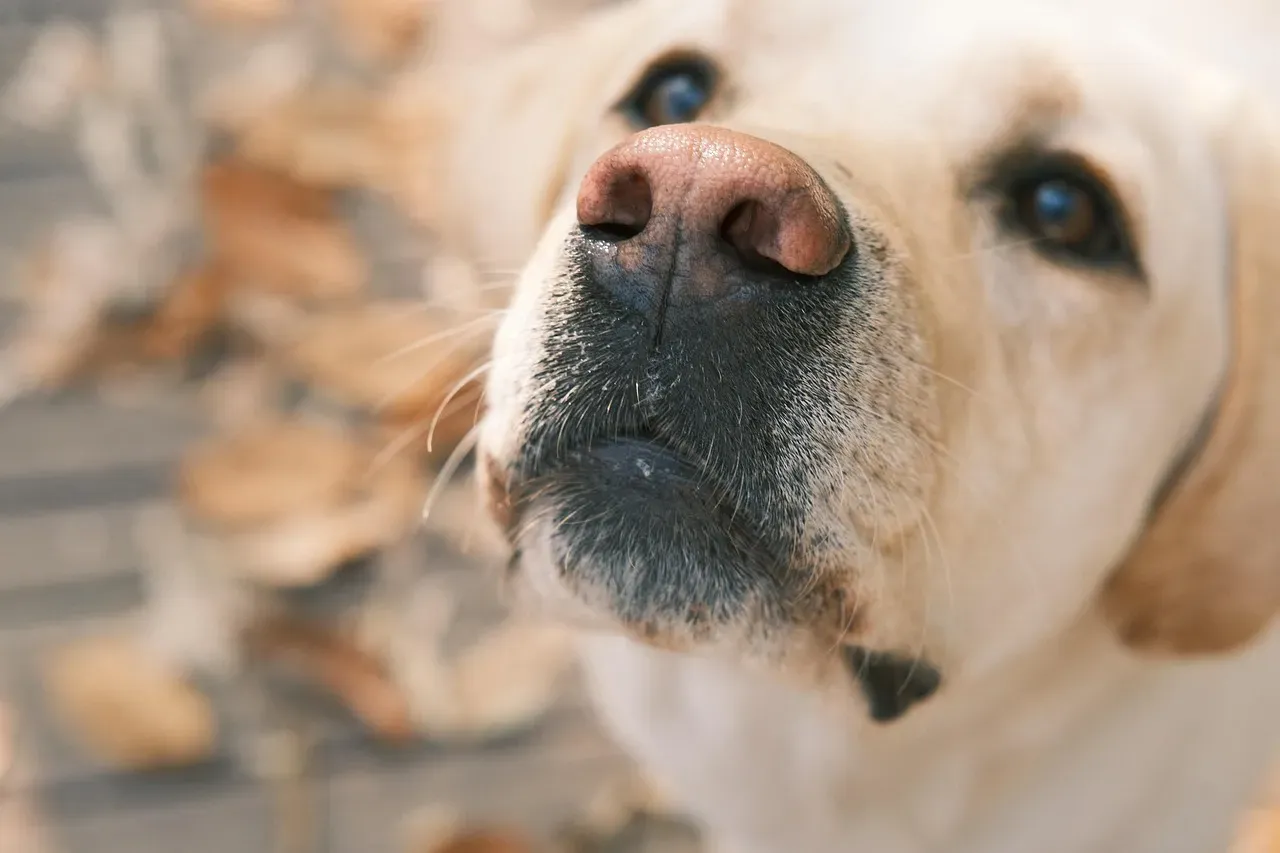
Teach your dog to give you eye contact. Hold a treat to your forehead or by your eye and ask your dog to look at you. Gradually phase out the food lure until you can use a hand signal and a verbal command to ask your dog to look at you. This sounds deceptively simple, but it takes real concentration and impulse control from your dog.
Not only does this basic behavior help you get your dog’s attention when they’re distracted, but eye contact also triggers a release of oxytocin in both you and your dog. Oxytocin is the hormone for attachment between parent and child. Scientists call these “eye hugs.” I think that might be the sweetest thing science has ever told us about dogs.
12. The Lick Mat Freeze Challenge
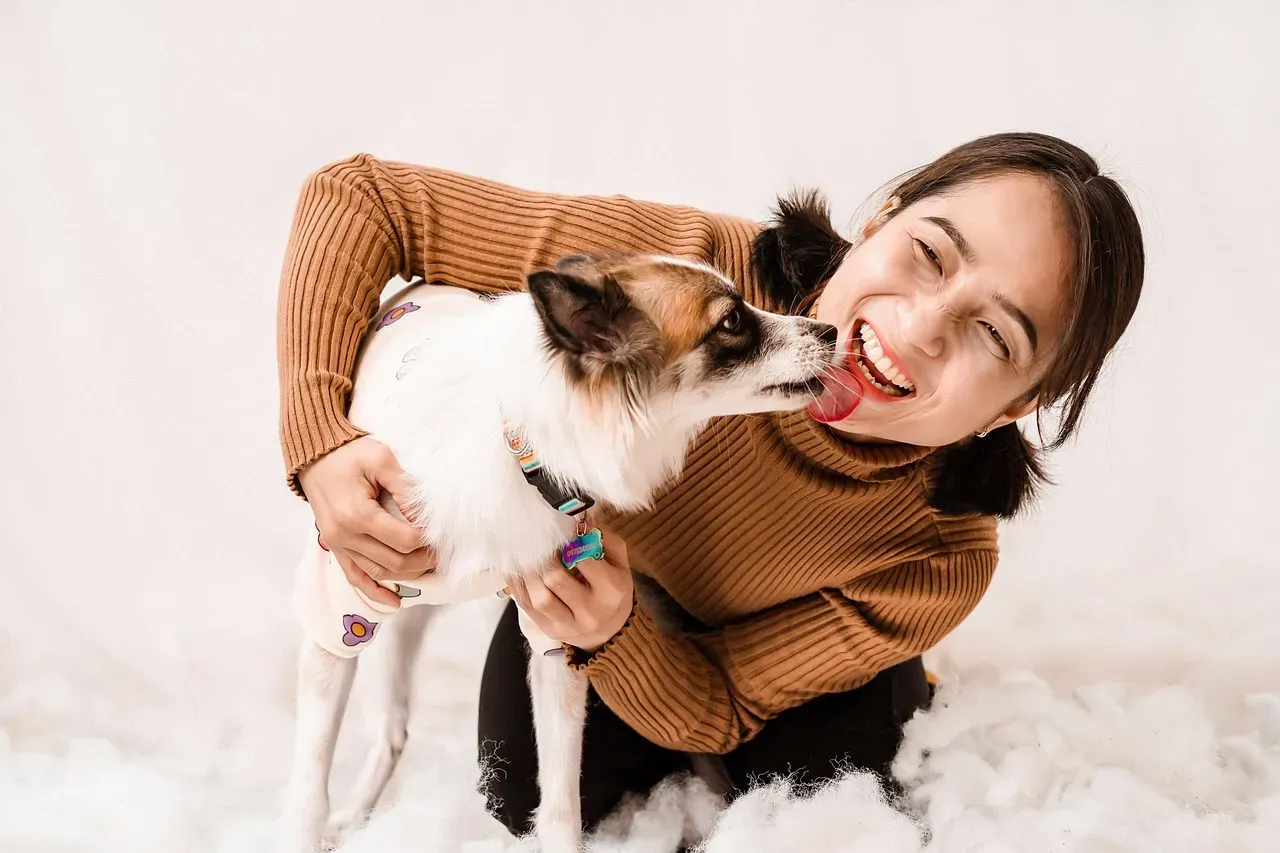
Lick mats are a fantastic way to provide both mental stimulation and a calming experience for your dog. Simply spread a layer of wet food over the textured surface of the mat and let your dog work to lick it clean. The repetitive licking engages their mind as they work to get every last bit of food. Peanut butter, mashed banana, plain yogurt, or wet dog food all work beautifully.
For an extra challenge, try freezing the lick mat for a couple of hours before giving it to your dog, which will make the activity last longer and keep them entertained for even more time. Lick mats are particularly great for dogs that eat too quickly, as they slow down feeding while offering enrichment at the same time. It’s also wonderfully soothing for anxious dogs. Consider this one a spa day disguised as a snack.
A Few Things to Keep in Mind

While vets tend to recommend between 20 and 30 minutes of mental stimulation a day, the amount your dog needs will depend on a number of factors including age, breed, size, and activity level. High-energy working breeds may need more, while older or smaller dogs may reach their limit sooner. Pay attention to your dog’s signals.
Mental stimulation can be more tiring than physical exercise, so watch for signs of mental fatigue such as yawning, looking away, or lying down. Multiple short sessions throughout the day are more effective than one long session. Also remember: all of these studies point to the fact that ageing seems to be slowed by mental and physical stimulation, and stopping these activities might actually lead to faster ageing in dogs. That’s reason enough to keep playing.
Conclusion: A Happier Dog Is a More Stimulated Dog
Here’s what I want you to take away from all of this. Your dog doesn’t just need exercise. They need challenges, discovery, problem-solving, and moments where their brain lights up with the satisfaction of figuring something out. Your dog is capable of learning throughout their entire life, and by using brain training games that require problem-solving, you can help create positive emotions and slow any mental deterioration.
None of these games require a big budget or a perfectly designed space. A muffin tin, a handful of kibble, three plastic cups, and your own willingness to get on the floor and play – that’s all it takes. Brain games are a great way to bond with your dog, plus they’re good for teaching basic manners. Mentally stimulating activities enrich your dog’s life by giving them something meaningful to do.
So the next time your pup is acting out, chewing the couch, or barking at the wall, try a game before you try a correction. You might be amazed at what a little mental enrichment can do. Which of these games are you going to try first? Drop it in the comments – your dog might thank you for it.