
8 Signs Your Dog Is Secretly a Genius (And How to Nurture Their Brilliance)

You look across the room and your dog is staring at you. Not the vacant, glassy-eyed kind of stare – the kind that feels like they’re reading your soul. You brush it off, maybe laugh a little. Then they do something that stops you cold: they bring you your shoes before you even reach for your keys. Sound familiar?
Here’s the thing – your dog might be smarter than you think. Way smarter. Scientists have suggested that dogs can be as smart as a 2-year-old child, and research on dog intelligence has demonstrated that our four-legged friends can learn in more complex ways than previously known. The tricky part? Canine genius doesn’t always look the way we expect. It’s quiet, practical, and sometimes a little mischievous. Let’s dive in and find out what your dog has been hiding behind those big, beautiful eyes.
1. They Solve Problems Like Little Engineers
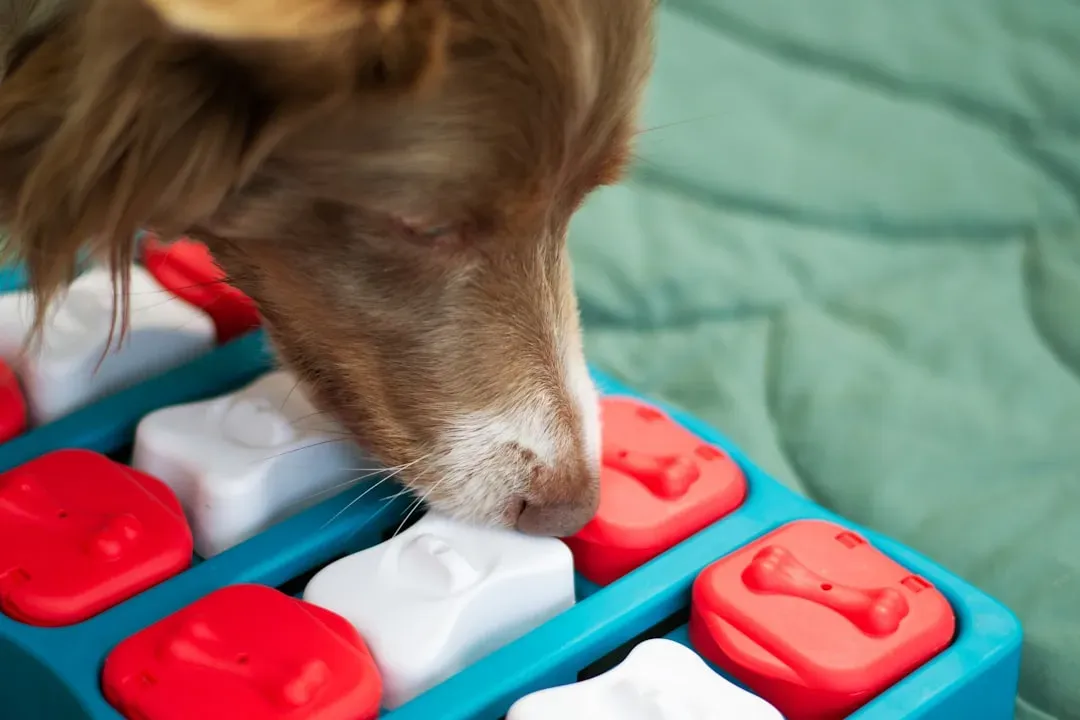
Does your dog figure out how to open the baby gate, pop the lid off the treat jar, or nudge a toy out from under the couch? That’s not stubbornness – that’s brainpower at work. Intelligent dogs excel at problem-solving, whether that is figuring out a puzzle toy or how to open the front door.
Some pups are fast learners in knowing how to open doors, gates, and even containers for accessing food. This kind of behavior highlights their ability to understand cause and effect, manipulate objects, and make decisions based on past experiences. Think of it like a tiny engineer testing every possible solution until the right one clicks. A simple home test? Try a puzzle toy – offer a toy that must be handled in a certain way to release a treat; dogs who do not take long to figure out how to get the treat are generally smart dogs.
2. They Remember Commands You Haven’t Used in Months

You taught your dog to “spin” about eight months ago. You forgot about it. They didn’t. A really smart dog will remember commands over time, even if they haven’t been used in a while. That’s not a lucky coincidence – it’s a reliable sign of long-term memory strength.
Studies have shown that dogs display many behaviors associated with intelligence. They have advanced memory skills and are able to read and react appropriately to human body language such as gesturing and pointing, and to understand human voice commands. If your dog still nails an old command on the first try, give them a treat. They’ve earned it – and honestly, so have you for teaching them so well.
3. They Read Your Emotions Before You Say a Word

Had a rough day? Your genius pup knew it the moment you walked through the door. Intelligent dogs are very good at sensing and interpreting your emotions. A smart dog will read your sadness and double up as an emotional support dog by taking steps to comfort you, such as cuddling up with you or refusing to leave your side until your tears dry.
This emotional attunement is one of the most beautiful – and most underappreciated – signs of canine intelligence. Studies suggest that dogs feel complex emotions, like jealousy and anticipation. Some research suggests that dogs may also feel more complex emotions, like jealousy and empathy. In one study, dogs became agitated when they saw another dog be rewarded for a behavior when they were not. That is remarkably human-like emotional awareness.
4. They Communicate With Impressive Precision
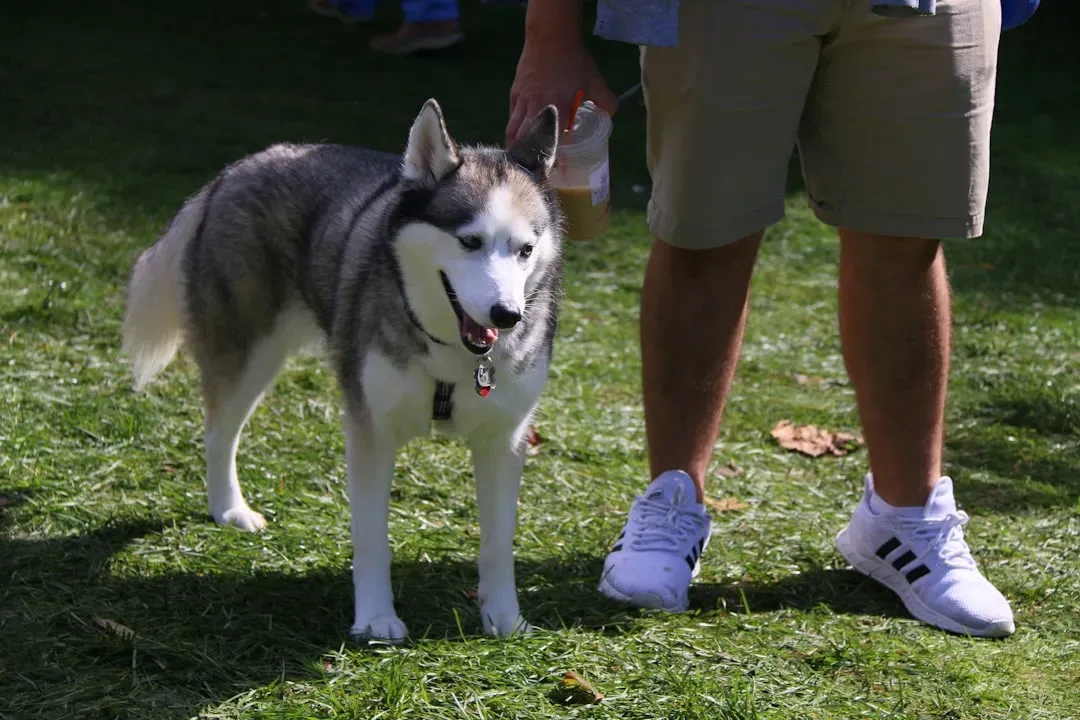
Every dog barks or whines. But a genius dog communicates with intention. Smart dogs communicate with greater precision by using distinctive sounds, body language, or even behaviors to deliver their points. For example, some dogs nudge their leash to let their owners know they wish to go out for a walk, while others might fetch their ball when it is time to play.
Dogs love attention, and smart dogs know how to get it. Intelligent dogs will place their head under your hand and bump it to prompt you to give them a scratch behind the ears, or they may even “pet” you as an example of how they want to be petted. It’s almost like living with a tiny, fur-covered negotiator – and honestly, they’re very good at it.
5. They Learn From Watching You (And Others)

You’ve probably caught your dog studying you like you’re the most fascinating documentary they’ve ever seen. Turns out, they’re actually learning. Puppies learn many behaviors by following the examples set by veteran dogs. What’s even more remarkable is that dogs can learn from observing humans as well. Having spent thousands of years interacting with humans, dogs are quite adept at understanding human messages even without training.
Dogs often imitate the actions of their humans or other animals, showing astounding learning abilities. Imitation is a sign of a dog’s ability to observe, understand, and replicate behaviors, which is often a sign of high intelligence. To nurture this, simply include your dog in everyday routines. Let them watch, let them engage. You’d be surprised how much they pick up just from being present.
6. They Pick Up New Words Faster Than You’d Expect
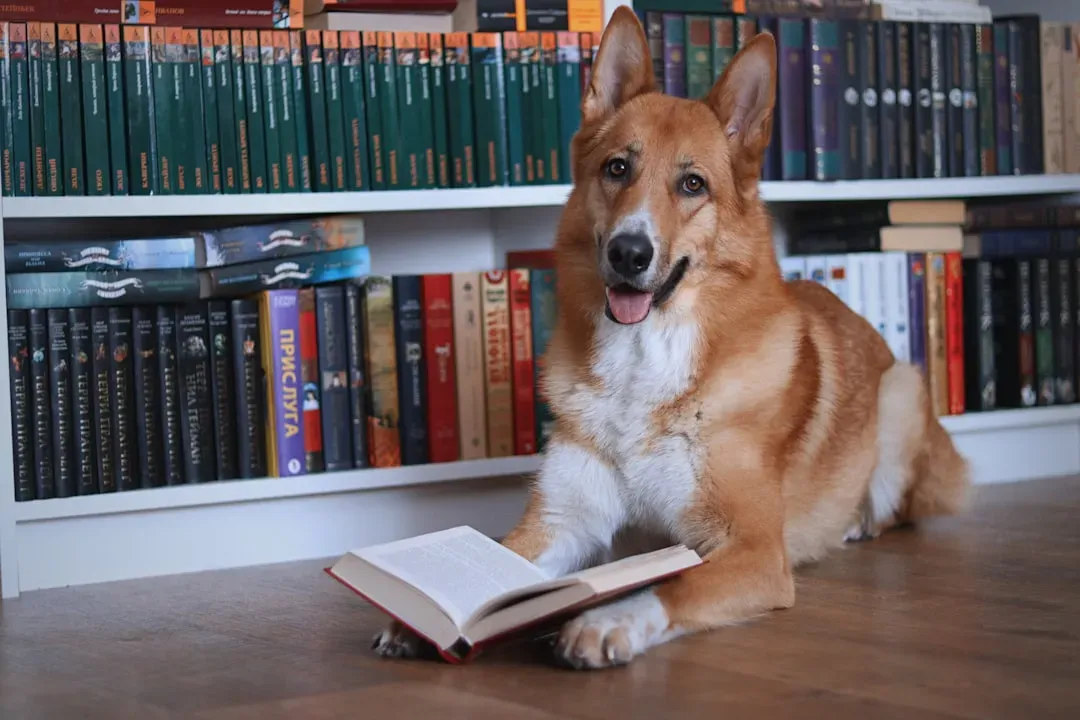
Your dog knows “walk,” “treat,” and “bath” – and the last one definitely produces a very different reaction. The average dog can learn around 165 words, while certain brainiacs can learn upwards of 200. In one study, a remarkable Border Collie named Rico knew the names of more than 200 items and could remember them for weeks. He also showed he could learn new objects by exclusion – he was able to infer the name of a new object just by recognizing it as one for which he didn’t have a name.
Gifted dogs who have a rare talent for learning lots of words for objects easily also turn out to be more playful than other dogs, a new study finds. So if your dog is both bouncy and brilliant, that’s no accident. You can expand your dog’s vocabulary by reliably pairing more words with outcomes – try words like “car,” “bed,” or “outside” and watch those adorable ears perk up with recognition.
7. They Notice Changes in Their Environment Instantly

Pull out a suitcase and watch your dog’s entire energy shift. That’s not anxiety for no reason – that’s sharp observational intelligence. Being highly observant is another characteristic that smart dogs share. When you pull out your suitcase, a smart dog recognizes that it’s a sign something is about to change, like you’re going on a trip. Dogs may show their understanding by trying to jump or hide in your suitcase, or they might stick unusually close to you.
This kind of environmental awareness is truly remarkable when you stop and think about it. Dogs can take in information from their environment through their senses, especially smell. Using this information, they can make informed decisions or store information for later. It’s less like a dog reading the room – and more like a tiny detective gathering evidence. Nurture it by narrating your daily routine to your dog; it deepens their contextual understanding over time.
8. They Get Into Trouble in Very Creative Ways

I know – this one stings a little. But honestly, the fact that your dog figured out how to open the fridge or escape the yard is actually a compliment to their cognitive horsepower. Smart dogs may get into trouble more often because of their outstanding skills. They might figure out how to get out of their crate or reach a forbidden item from the counter.
The solution isn’t frustration – it’s redirection. Dogs are incredibly smart animals, so mental stimulation is just as important for them as physical exercise. Mental exercises can actually make dogs even more tired than physical exercise. In fact, many destructive behaviors in dogs can be resolved simply by implementing mental exercises every day. Think of it this way: a bored genius is a dangerous genius. Give that brain something worthy to work on.
How to Nurture Your Dog’s Brilliance Every Day
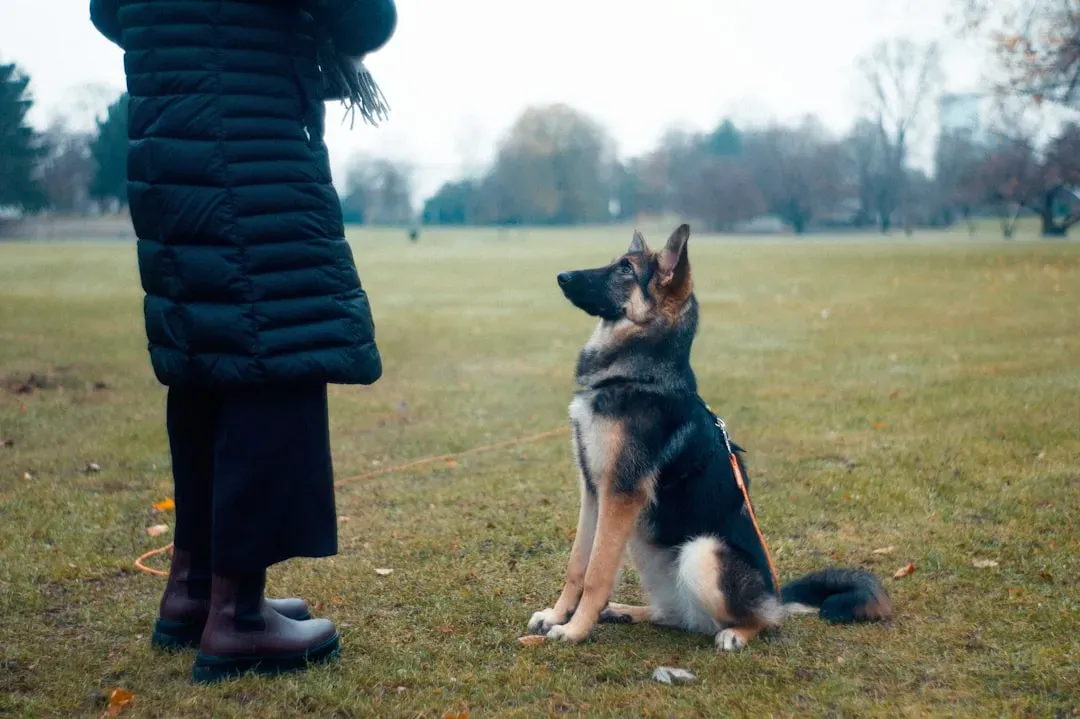
Recognizing your dog’s intelligence is the first step. The real magic happens when you actively support it. Dogs need at least 20 minutes of mental stimulation per day, though highly active or working breeds may need considerably more. Short bursts throughout the day are often more effective than one long session.
Puzzle toys and interactive toys typically have compartments where you can hide food, and your dog has to figure out how to access those tasty treats. There are countless puzzle toys with varying degrees of complexity. Similar to hide-and-seek games, interactive toys require critical thinking skills. They’re great for keeping your pup occupied for an extended time, distracting them from things that make them anxious, and mentally exhausting them. Dogs also receive a food reward when they play, leading to a dopamine release.
Agility training is not only a fun way for your dog to get some exercise, but it also challenges them to think fast and solve problems on the fly. In agility courses, dogs have to navigate obstacles like tunnels, jumps, and weave poles in the correct order. You don’t need a fancy facility – you don’t need a fancy setup to give your dog a taste of agility training. Using everyday household items, you can create a fun obstacle course in your yard or living room to keep your dog entertained.
You may not think of obedience training as mental enrichment, but every time your dog learns a new trick or command, they’re exercising their brain. Short 5 to 10 minute training sessions can do wonders for mental stimulation and confidence. Plus, it strengthens communication between you and your furry buddy. Keep it playful. Keep it positive. And never underestimate what your dog is capable of.
Conclusion: Your Dog Is Smarter Than You Think – And That’s Worth Celebrating

Living with a canine genius is one of the most rewarding experiences a dog parent can have. It asks more of you – more engagement, more creativity, more patience. But it gives back so much more in return. When dogs stay mentally engaged, they become more focused, responsive, and relaxed in daily life. By using smart training tips and positive reinforcement, owners can nurture maximum intelligence naturally. The result is a confident, well-behaved companion who enjoys learning, adapts quickly, and shares a deeper bond with the family.
So the next time your dog does something that makes you stop and think “wait – how did they figure that out?” don’t just laugh it off. Pay attention. That moment is a window into a brilliant mind that is constantly watching, learning, and loving you.
Your dog doesn’t just want belly rubs and dinner. They want to be understood. They want a challenge. They want to connect with you on a deeper level. The question isn’t really whether your dog is a genius – it’s whether you’re ready to rise to their level. What do you think – does your dog show any of these signs? Share your stories in the comments below!