
You love your dog. Of course you do. You buy the good treats, you snuggle on the couch, you talk to them like a tiny furry human. Yet somehow, despite all that love, your pup is still jumping on guests, barking endlessly, or begging shamelessly at the dinner table every single night.
Here’s a thought that might stop you in your tracks: what if you’re the one teaching them to do it? Not on purpose, obviously. Just quietly, accidentally, one well-meaning moment at a time. The truth is, many of the “problem behaviors” we struggle with in our dogs aren’t really the dog’s fault at all. Let’s dive in, because what you’re about to read might just change everything.
Your Dog Isn’t Being Naughty. They’re Being Logical.
Let’s start with the most important mindset shift of all, because honestly, once this clicks, everything else makes so much more sense. Many owners interpret unwanted behavior as intentional disobedience. In reality, dogs don’t operate from guilt, spite, or moral awareness. They operate from reinforcement history and habit.
Think of your dog’s brain less like a rebellious teenager and more like a very efficient scientist running experiments. If a dog jumps, pulls, steals food, or barks excessively, it’s because the behavior has worked for them in some way. Framing behavior as a learning issue, not a character issue, opens the door to real progress.
While many canine behaviors are simply instinctive, some of them are learned over time. In some instances where these learned behaviors start to cause issues, the dog isn’t the one who needs the training. It is the owner who needs the work, simply because they are unintentionally reinforcing the unwanted behavior through their own decisions and actions.
That’s not a criticism. It’s actually kind of empowering. Because if you created the pattern, you can also change it.
The Sneaky Ways Attention Becomes a Reward for Bad Behavior
Here’s the thing about dogs: attention is currency. It doesn’t matter much whether that attention is warm and loving or loud and frustrated. To your dog, both feel like a win.
The dog’s barking is reinforced by the owner’s yelling. Your dog doesn’t understand what you’re saying, they just know that when they “yell,” you “yell,” and now everyone yells, which is a very fun reinforcing game for your dog. It sounds almost funny when you put it that way. But that’s literally what’s happening every time you shout across the house for them to stop.
Another behavior that’s easy to accidentally reinforce with attention is your dog jumping up. When your dog jumps up and you pet them, they’re receiving positive reinforcement for the behavior. This is fine if you don’t mind your dog jumping up. But if it’s a behavior you don’t want, then you’ll want to stop reinforcing it by not giving them attention when they do so.
The fix sounds simple but feels oddly hard in practice: ignore the behavior completely. No eye contact, no touch, no scolding. Walk away like nothing happened. Reward calm behavior instead. It takes patience, but it works.
Inconsistency Is Quietly Ruining Your Training Efforts
Raise your hand if this sounds familiar. You don’t let the dog on the couch, except on rainy Sunday mornings. Or you tell your partner “no table scraps” but then slip the dog a piece of chicken when no one is looking. I know, I know. It’s hard to resist those eyes.
Dogs are smart, and they understand how they can repeat behaviors to get what they want. Consistency is absolutely imperative to achieving long-lasting results. Your dog isn’t trying to be difficult. They’re just following the rulebook you wrote without realizing it.
If you allow them to jump on the couch one day but scold them for it the next, they will struggle to understand what is expected. Consistency and repetition are the cornerstones of successful training. When everyone in the household follows the same rules, it prevents confusion and helps the dog develop reliable behaviors.
This is especially crucial in households with multiple people. If different family members use different commands or allow behaviors that others correct, it sends mixed signals to your dog. Ensuring that everyone in the household follows the same training approach, including using the same words, gestures, and rules, is crucial for reinforcing good behavior and preventing confusion. Think of it like this: you can’t teach someone a new language if half the class is teaching Spanish and the other half is teaching French.
Rewarding the Wrong Moment Without Knowing It
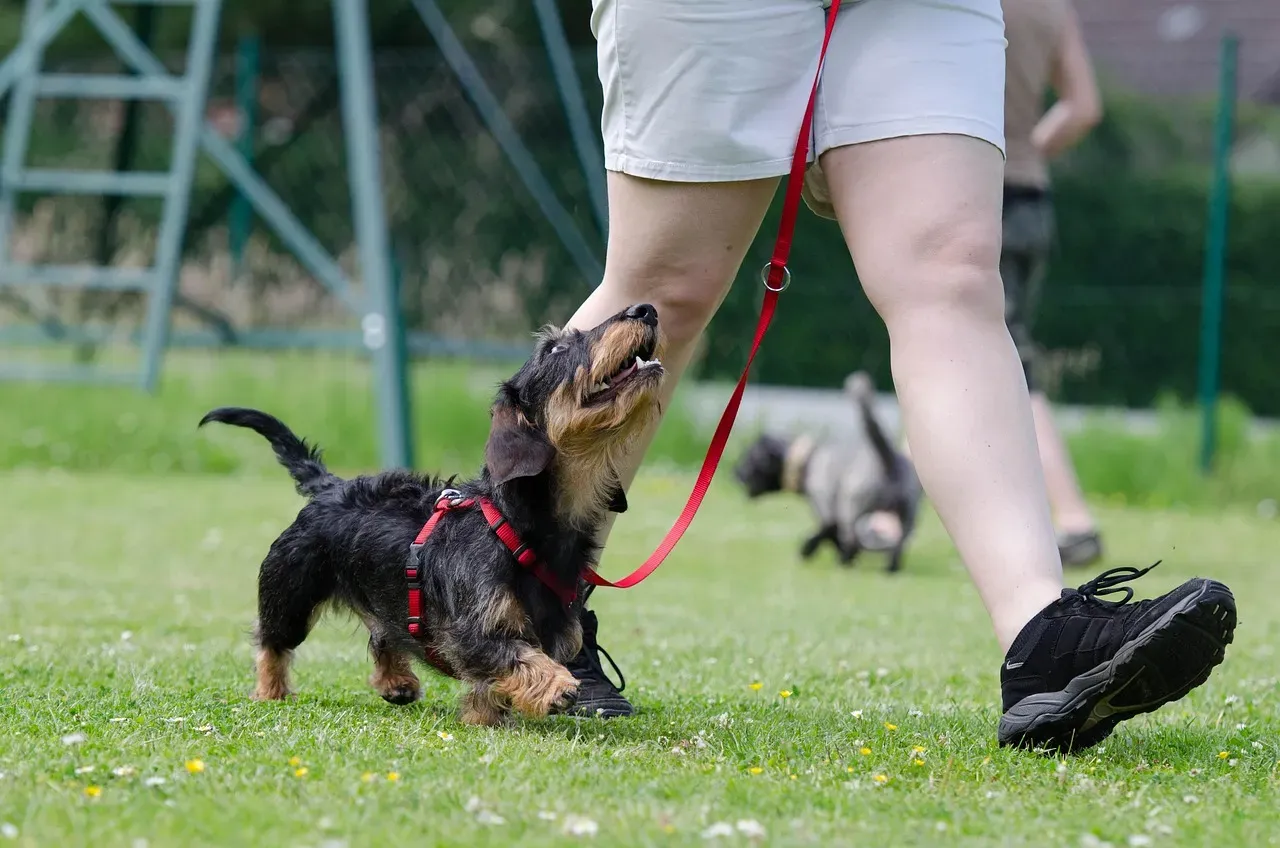
Timing is everything in dog training. Like, genuinely everything. A reward that arrives even two seconds too late can accidentally teach your dog something completely different from what you intended.
Reinforcement must immediately follow the behavior. If there is any delay, you run the risk of the pet engaging in another behavior while you are administering the reinforcement. Imagine telling your dog to sit, then fishing around in your pocket for a treat while they’ve already stood up and started sniffing the floor. You just rewarded the sniffing, not the sit.
Whatever your dog is doing when they get a reward will be reinforced. For example, if you ask your dog to lie down, but they’re sitting again when you give them their cookie, you’ve really reinforced sitting. Think carefully about what your dog is doing or how their body is positioned when you give treats, then time the delivery at the correct moment.
A simple tool like a clicker can help bridge that timing gap perfectly. Using a marker like a clicker or a word like “yes” can help bridge the gap between the dog’s behavior and the goodies, but the quicker you are, the better. Even just training yourself to say “yes!” the exact second your dog does the right thing makes a surprising difference.
The Path Forward: Redirecting, Not Just Correcting
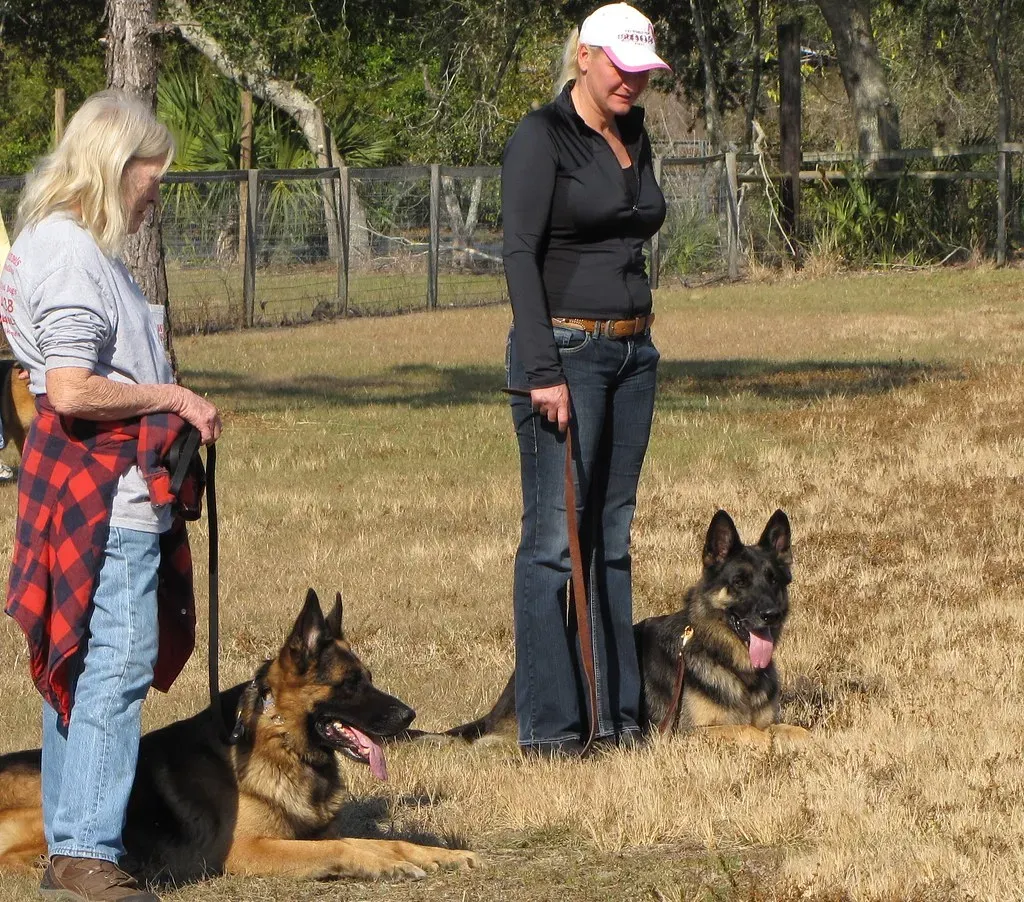
So what do you actually do when you realize you’ve been accidentally building bad habits for months? First, breathe. It’s fixable. Dogs are remarkably adaptable creatures, and with the right approach, behaviors can shift faster than you might expect.
If you find yourself in a situation where you realize you’ve accidentally built a reinforcement history for a behavior you don’t want, the easiest way to begin to shift your dog’s behavior is to reinforce a different and incompatible behavior. In other words, don’t just stop the bad. Replace it with something good. Teach your dog what to do instead.
Owners should determine what’s reinforcing the undesirable behavior, remove that reinforcement, and reinforce an alternate appropriate behavior instead. This leads to a better understanding of why animals behave as they do and leads to a better relationship with the animal. It’s detective work, really. Ask yourself: what does my dog get out of this behavior? The answer tells you everything.
Positive reinforcement is correlated with a reduction in behavior problems and can be used to change difficult behaviors. Positive reinforcement training can also improve an animal’s overall quality of life and improve learning, while reducing the risk of future behavior problems. That’s not just feel-good philosophy. That’s science. And it’s very good news for you and your dog.
Conclusion: The Most Loving Thing You Can Do Is Pay Attention
Here’s the beautiful truth underneath all of this: the fact that your dog learned these behaviors from you means your dog is watching you, responding to you, and deeply connected to you. That’s not a problem. That’s actually the foundation of everything good in your relationship.
Reinforcement history refers to the frequency or number of times that a particular behavior your dog does has been reinforced. Dogs thrive on routine and reinforcement, so the more they rehearse a behavior, the more likely it is to be repeated. This can be used to our advantage for training everything from basic manners to advanced sports.
You have more power here than you realize. Every walk, every meal, every moment your dog looks to you for a cue is a chance to build something better. The bad habits aren’t a life sentence. They’re just a starting point.
So the next time your dog does something that makes you sigh, pause before you react. Ask yourself: am I about to reward this without meaning to? That one little question could honestly be the turning point you’ve both been waiting for.
What’s one habit your dog has that you’re now seeing in a whole new light? Share it in the comments – because chances are, you’re not alone in this.


