
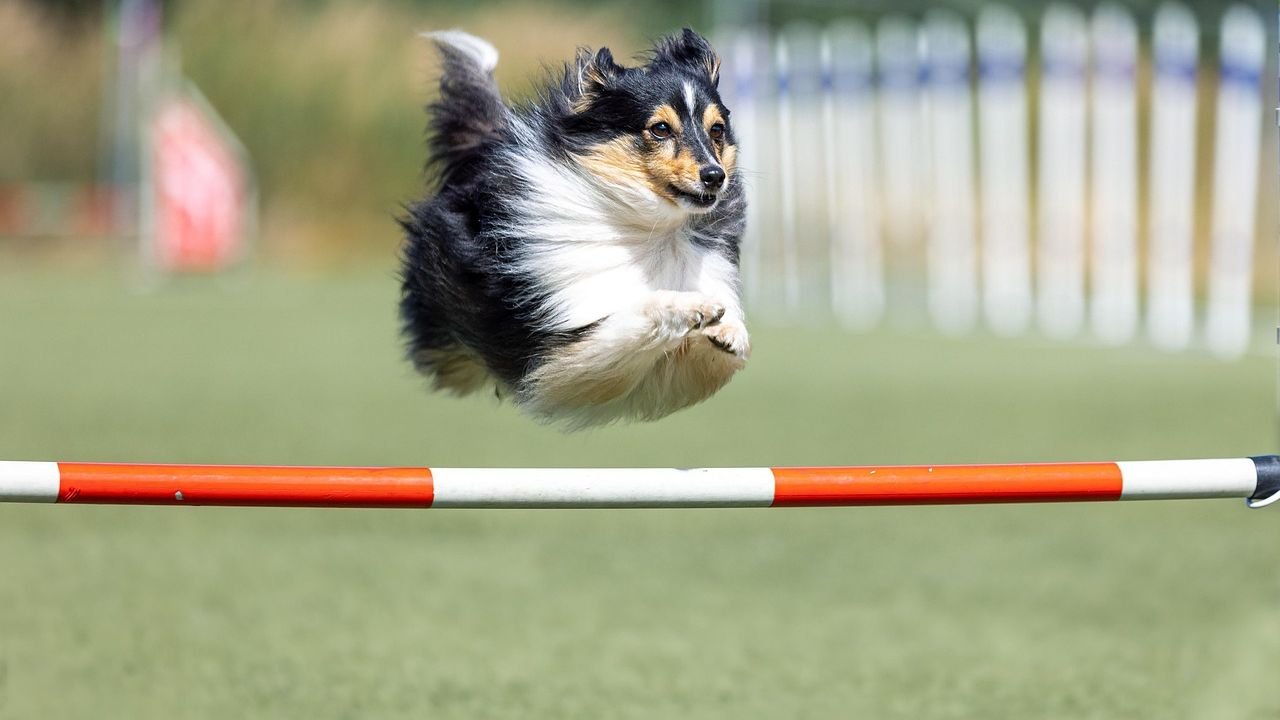
You adopted that fluffy bundle of chaos, and now you’re standing at the door, leash in hand, wondering if one lap around the block was enough or if your dog is silently judging you for cutting the walk short. Honestly, you’re not alone. Every dog parent faces this question, and the answer is more layered than most people expect. Your dog’s daily exercise needs are shaped by a fascinating mix of biology, breed history, age, and personality.
The good news? You don’t need a PhD in canine science to get it right. You just need the right guide. So let’s dive in.
It’s Not One Size Fits All: Why Every Dog Is Different
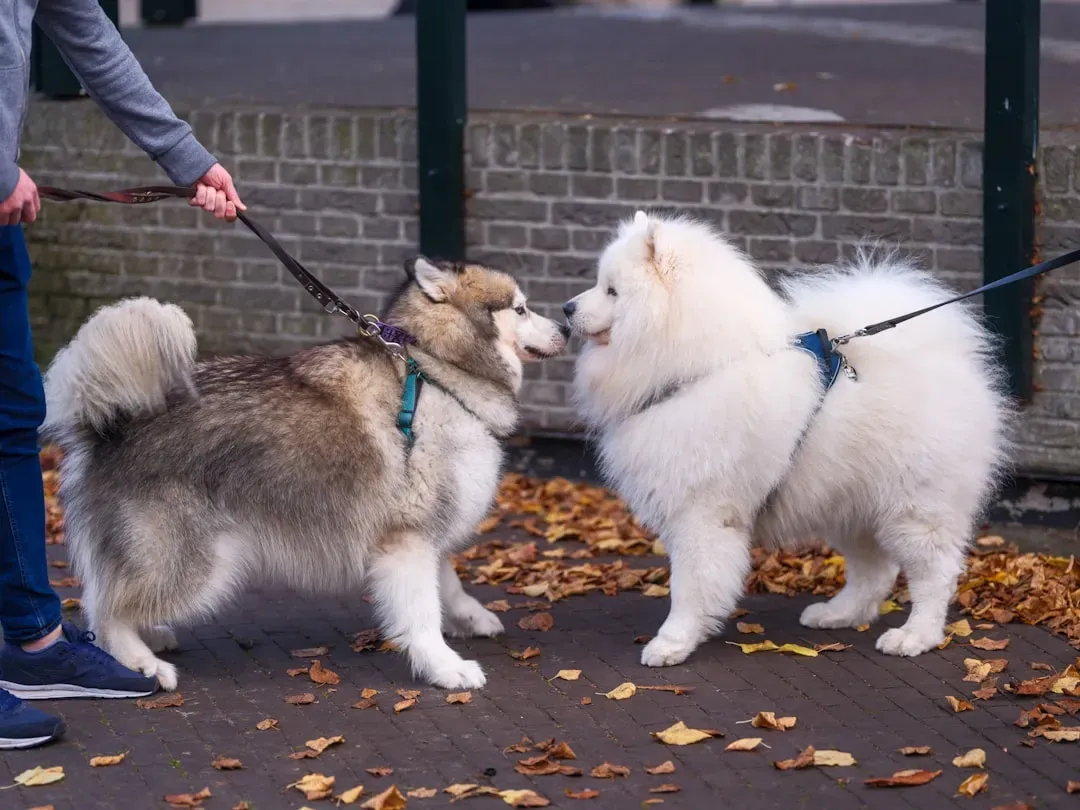
Here’s the thing people rarely tell you when you first bring a dog home: the exercise requirements of your neighbor’s Border Collie have almost nothing to do with what your Basset Hound actually needs. Some breeds need a minimum of one to two hours of exercise per day, while working breeds need significantly more. That’s a massive range, and the gap matters enormously for your dog’s wellbeing.
Exercise needs vary by dog, and their breed, age, health, and personality all come into play. Small or low-energy breeds might only need 30 minutes of exercise a day, while other pups could sometimes require two hours or more. Think of it like comparing a marathon runner to someone who just wants a daily stroll. Neither is wrong; they’re just wired differently.
Exercise isn’t a one-size-fits-all approach. For example, Beagles often enjoy tracking games and nosework, while Terriers and Dachshunds typically love activities where they can dig, chase, and channel their prey drive. Leaning into those instincts makes exercise more fun for both of you.
Breed and Size: What Your Dog’s DNA Is Telling You
Your dog’s breed heavily influences the level of physical activity they need. High-energy breeds require a lot more exercise than lower-energy breeds. It’s almost like the exercise dial is pre-set in their genetics. A Siberian Husky descended from sled dogs covering dozens of miles daily simply cannot be satisfied with a twenty-minute mosey around the block.
If you want an avid running partner or a long-distance hiker, a Siberian Husky, Border Collie, Australian Shepherd, or Belgian Malinois might be your ideal active companion. Working, sporting, and herding breed dogs typically require higher intensity or longer duration, sometimes up to two or three hours of exercise per day. That is a serious daily commitment worth knowing before you pick a breed.
A dog’s size also makes a difference, though not always in the way you might think. Bigger dogs don’t necessarily need more exercise, and they often require gentler movement for their large frames. Giant breeds like Great Danes, Newfoundlands, and Saint Bernards are prone to hip and joint issues. Low-impact activities, such as short walks, swimming, or treadmill sessions, can keep them active without adding strain.
Age Matters More Than You Think: Puppies, Adults, and Seniors

Puppies generally have more energy than adult dogs and so require more exercise in short bursts. Since puppies are constantly growing, including several short walks or play sessions throughout the day is a safer choice than going for one really long walk, as this can be too hard on your puppy’s developing body. Think small and frequent, not long and exhausting.
A helpful rule of thumb for puppy walks? Puppies can generally walk five minutes for every month they have aged, up to twice per day. So if you have a three-month-old puppy, try a fifteen-minute walk once per day, and work toward increasing to two times each day. Simple, practical, and kind to growing joints.
On the other end of the spectrum, older dogs need our patience and attention. Senior dogs have similar requirements to puppies: short sessions and low-impact movement, to protect them as they age. Senior dogs may also struggle with declining senses, such as poor eyesight and hearing, which add a layer of risk to high-speed exercises. A slow, sniff-heavy stroll can be deeply satisfying for an older dog, even if it doesn’t look impressive.
Warning Signs: Too Little or Too Much Exercise
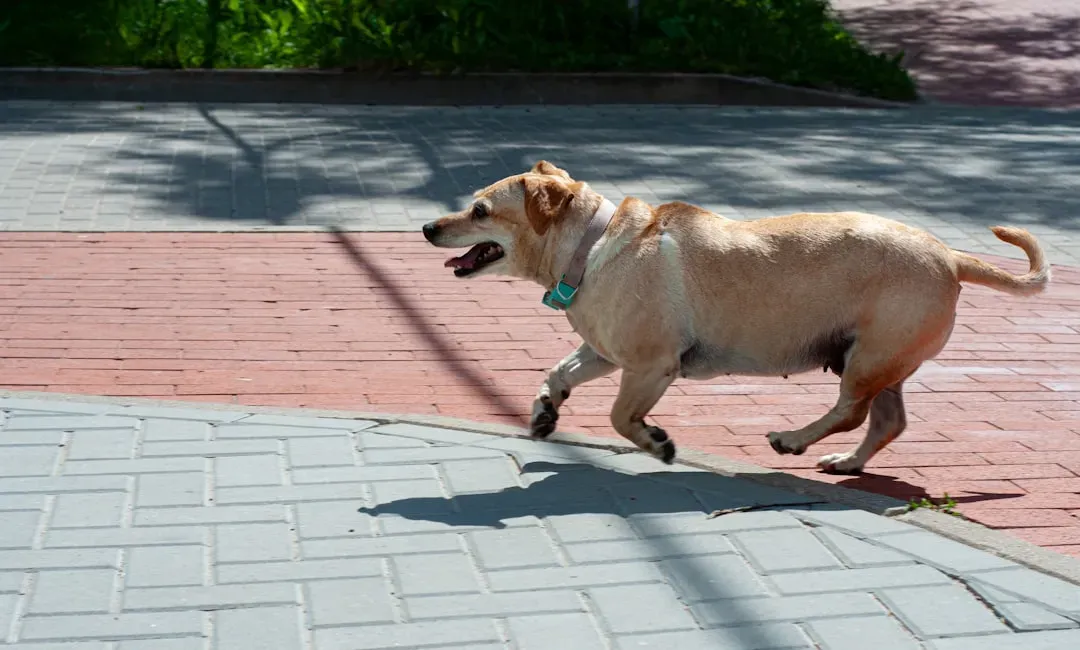
Your dog is always talking to you. The trick is learning the language. If your dog is constantly running around the house, pacing, or struggling to settle down, they may not be getting enough physical activity. Dogs with pent-up energy often turn to zoomies, excessive barking, or jumping on furniture as a way to burn it off. Chewing furniture, digging up the yard, or tearing apart household items can be signs of boredom and frustration. Many dogs act out when they have too much energy and no outlet for it.
On the flip side, too much exercise carries its own very real dangers. You can over-exercise your dog, and some signs of that include excessive panting or drooling and a reluctance to continue walking. Dogs with too much exercise can become injured, so you may see torn paw pads, irritability or unwillingness to play, or even limping or stiffness when trying to be active.
One pattern that vets see all the time is what experts call “weekend warrior syndrome.” Many pet parents work all week and try to fit in a week’s worth of exercise into two days off. This is not good for the dog because they are usually not properly conditioned but will push through warning muscle and joint pain and fatigue for playtime. Consistency beats intensity every single time.
Beyond the Walk: Creative Ways to Keep Your Dog Moving
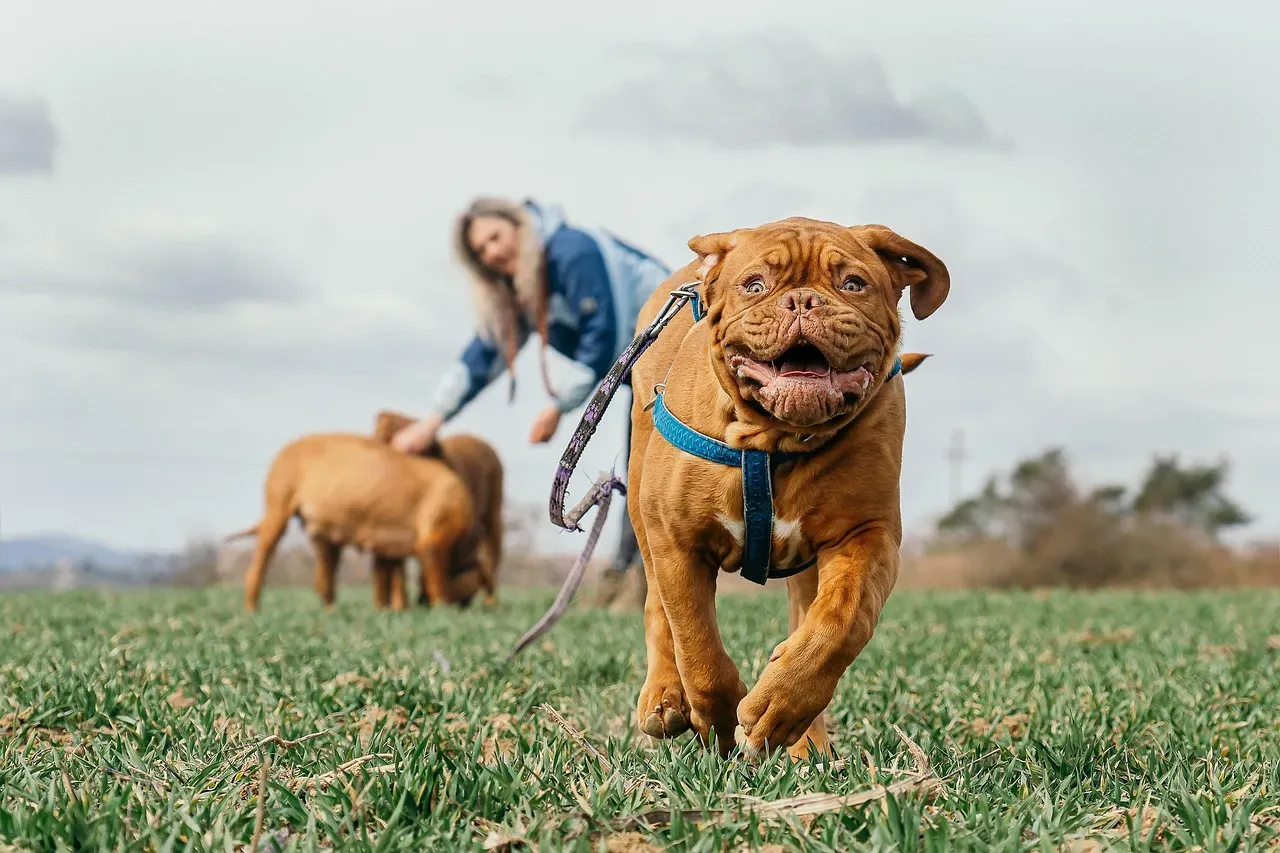
I think this is where things get really fun. A slow, meandering walk that includes sniffing and exploring is great for a dog’s mental health. Swimming is a great option if your dog likes the water and, as an added benefit, is easy on their joints. Sniff walks, in particular, are wildly underrated. Letting your dog lead with their nose is practically a spa day for their brain.
Training should be an essential part of every dog’s daily routine. It helps keep your dog’s mind active, reinforces commands, prevents boredom, and is a great way to bond. Even ten minutes of focused trick training at home counts more than people realize. It’s exercise for the brain, and a mentally tired dog is a happy dog.
Mental exercise through brain games is a great addition to any dog’s routine and is especially important if you have a breed that needs more mental stimulation, such as a working dog. Feeding puzzles and snuffle mats are perfect for this. On days when the weather is terrible and a long walk just isn’t happening, these tools can genuinely save your sanity and your sofa cushions.
Conclusion: Listen to Your Dog, Then Listen Some More
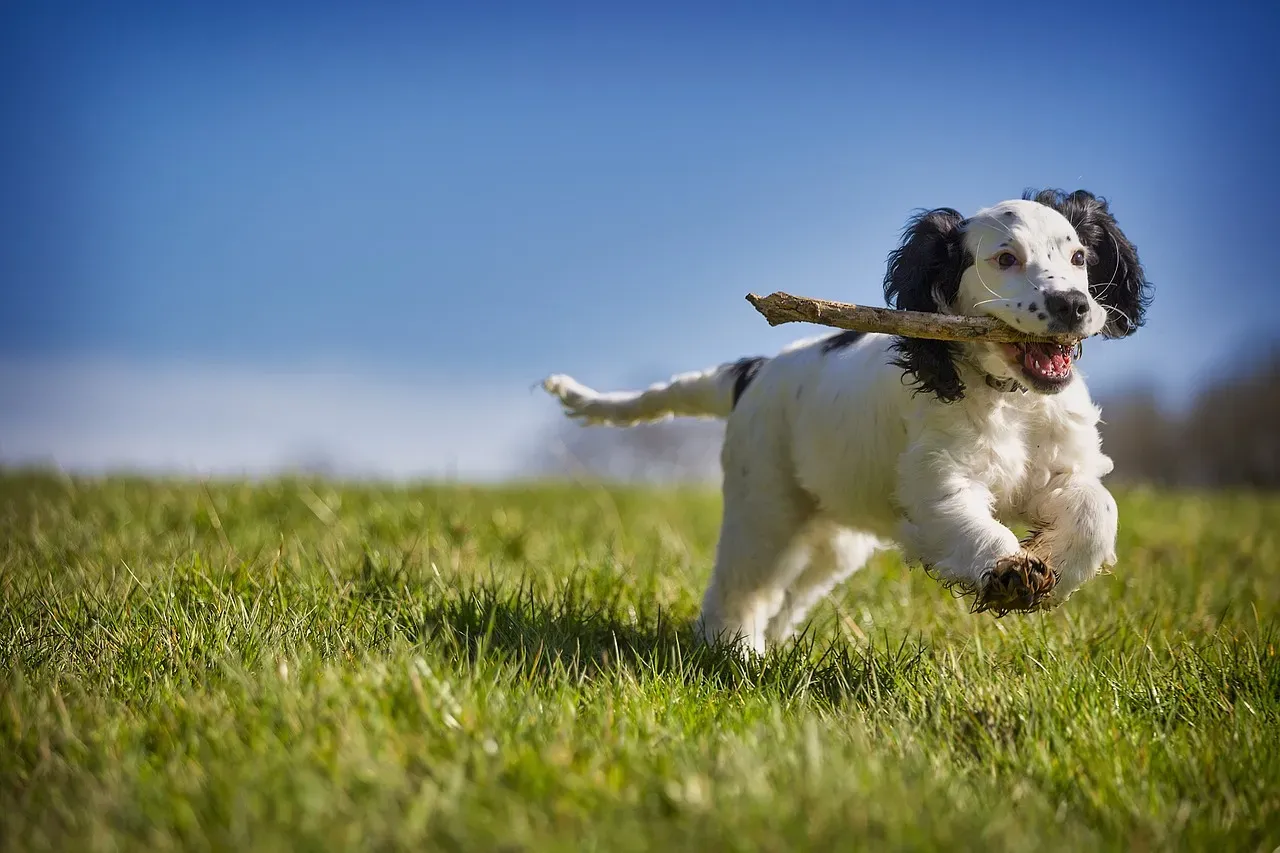
The honest truth is that the “right” amount of exercise is not a fixed number you can google and apply blindly. It’s a conversation you have with your dog every single day. Watch their energy levels at home. Notice how they act after a walk. Things to look for that indicate your dog is getting enough exercise include being relaxed at home, sleeping soundly, having an ideal body condition and visible muscle, and enthusiastically engaging in play, not being overtired or frantic.
If something feels off, trust that feeling. If something still feels off, it’s probably best not to ignore it. Talk to your vet if you notice exercise intolerance: if your dog tires unusually quickly, struggles to keep up, limps after exercise, or avoids it altogether, they might have pain, injury, or an underlying health condition. Your vet is your best partner in building a routine that truly fits.
You became a dog parent because you love deeply. Matching your dog’s exercise needs to who they actually are, not who you imagined them to be, is one of the greatest acts of love you can offer. So get outside, stay curious, and keep watching that tail. It will always tell you the truth. What changes are you thinking of making to your dog’s daily routine after reading this? We’d love to hear from you in the comments!


