
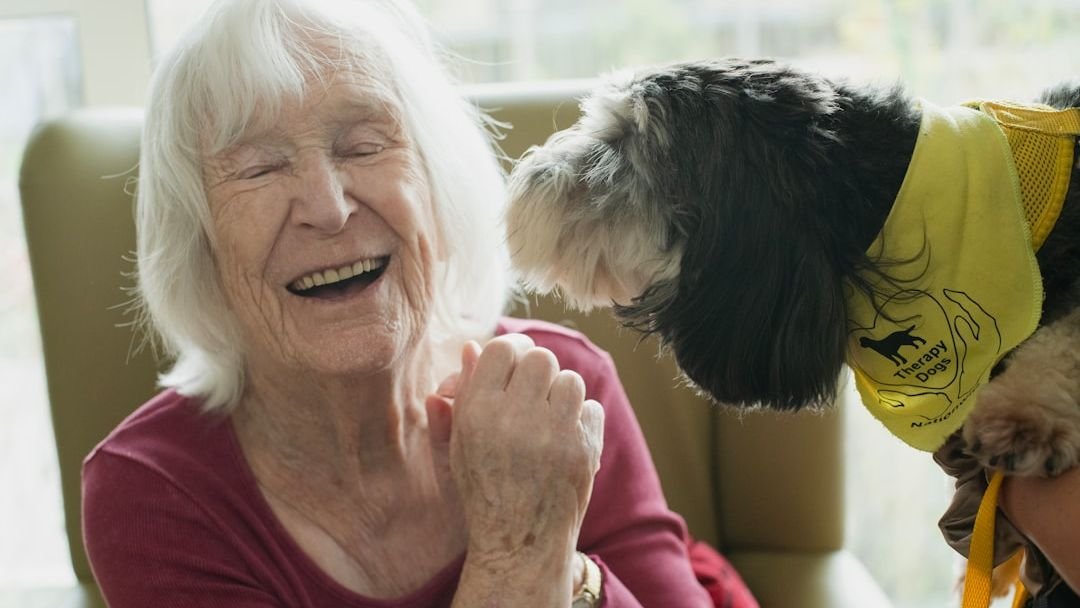
There’s something almost magical that happens the moment a dog curls up beside you on the couch. You didn’t ask for it. You didn’t plan it. It just happens, and suddenly the noise in your head gets quieter. For people over 50, that quiet can mean everything.
Life past 50 carries a particular kind of weight. Kids leave home. Careers shift or end. Friendships thin out. And the body, well, it starts to remind you it has opinions. Yet millions of people in this season of life have discovered something extraordinary sitting right at their feet, breathing warm air onto their hands, and wagging its tail with absolutely zero agenda. Science is now catching up to what dog lovers have always known. Let’s dive in.
1. Dogs Flood Your Brain With Feel-Good Chemicals
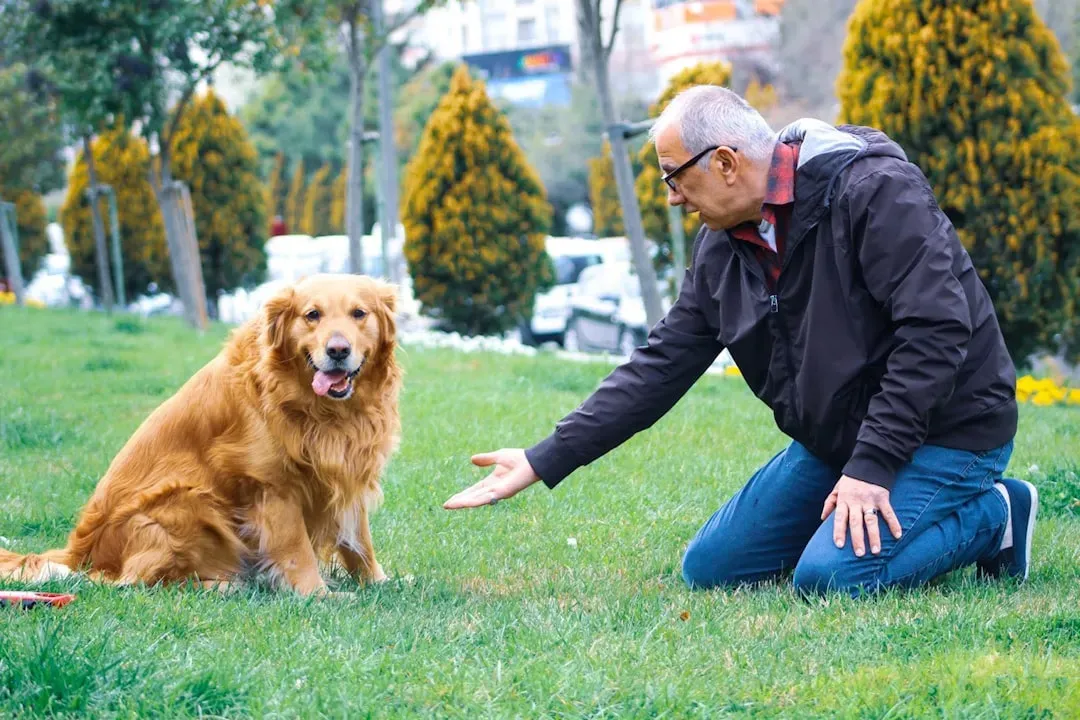
Here’s the thing about dogs and your brain chemistry. They’re basically furry pharmacies. Research has shown that simply petting a dog lowers the stress hormone cortisol, while the social interaction between people and their dogs actually increases levels of the feel-good hormone oxytocin, the same hormone that bonds mothers to babies. That is not a small thing. That is your nervous system shifting gears in real time.
Positive interactions with pets trigger the release of oxytocin, endorphins, and prolactin (a nurturing hormone) in humans, while stress hormones like cortisol go down. The beautiful part? These positive chemical changes are happening in your pet too. It truly is a two-way street of healing.
2. They Give You a Reason to Get Up Every Single Morning
The responsibilities of pet ownership motivate older adults to “get up and do things every day,” which assists in developing a routine. When retirement or an empty nest strips away that daily structure, the psychological drift can be surprisingly painful. A dog fixes that immediately, non-negotiably, and often loudly.
The responsibility of owning a pet can seem overwhelming at first, but it is a great way to add structure to your daily routine. Establishing healthy routines for a pet such as daily walks, healthy meals and active playtime provides many pet parents with a sense of purpose and accomplishment. Purpose, honestly, is one of the most underrated health supplements out there.
3. They Slash Feelings of Loneliness
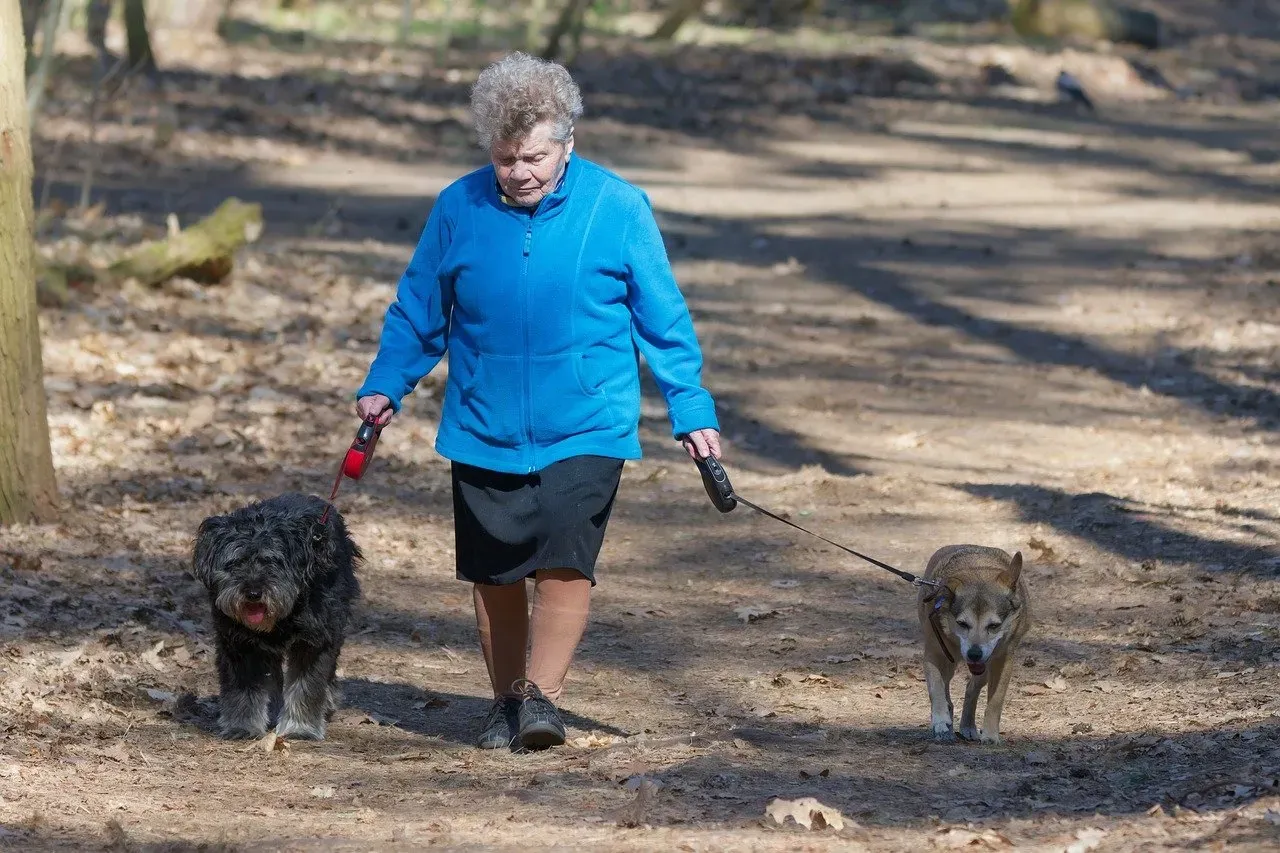
Loneliness after 50 is not just uncomfortable. It is genuinely dangerous to your health. The aging process is associated with a growing risk of stressors common in later life, which can lead to loneliness and greater dependency on others for social and emotional needs. Pets can play a pivotal role in providing various mental health benefits by protecting against loneliness and depression.
Interacting with pets can reduce feelings of loneliness and isolation commonly experienced by seniors. Think of your dog as a living, breathing antidote to silence. The literature suggests that pets may play a beneficial role in providing social support and companionship, particularly for older adult individuals who live alone.
4. Dogs Protect Your Aging Brain

This one genuinely surprised me when I first read the research. Pets offer a range of benefits for our physical and mental health, and several recent studies add to the list, finding that pet ownership can help slow cognitive decline and prevent dementia in older adults. Let that sink in for a second.
Dog owners who regularly walked their dogs and were not experiencing social isolation had a significantly lower risk of dementia. For older adults, particularly those living alone or with cognitive impairment, interaction with dogs stimulates memory, communication, and a sense of purpose. Your dog might literally be keeping your mind sharper.
5. They Reduce Anxiety and Depression Symptoms

Being with your dog can ease symptoms of depression and anxiety while giving you a boost of dopamine and serotonin, the feel-good chemicals. For anyone managing the low-grade anxiety that often accompanies midlife transitions, this is remarkably good news. No prescription required.
Pet therapy helps to reduce feelings of depression, anxiety, and loneliness, which are common struggles among elderly populations. Interacting with animals triggers biological responses that enhance mood and promote overall emotional well-being. Animal contact can release mood-enhancing chemicals like endorphins and oxytocin, while simultaneously decreasing stress hormones such as cortisol.
6. Walking Your Dog Keeps You Physically and Mentally Fit

You simply cannot own a dog and stay sedentary. It is biologically impossible. Over 60% of dog owners meet the recommended weekly amount of exercise, getting 150 minutes of moderate exercise or 75 minutes of vigorous exercise each week. For people over 50, that statistic alone is remarkable.
Dogs naturally pull humans into stress-buffering behaviours like walking, routine, physical touch, and social interaction. Exercise and mental health are deeply linked, and your dog is an enthusiastic, furry personal trainer who never cancels on you. Walking them promotes regular exercise, improves cardiovascular function, increases respiratory capacity, and helps maintain a healthy body weight.
7. They Turn Strangers Into Friends

Dogs are social magnets. Walk any dog down any street and watch what happens. People smile. People stop. People talk. Dog parents report the most social interaction of all pet owners, and research shows many people meet their neighbors through their animal companions. After 50, when social circles tend to shrink, this matters enormously.
The increased socialization that comes from pet ownership leads to a sense of belonging in communities and positively impacts mental health. Think about your dog as a social passport. One simple walk, and suddenly you know your neighbor’s name, their dog’s name, and probably their entire life story.
8. They Provide Comfort During Grief and Loss

Grief is a constant companion in your 50s and beyond. The loss of parents, partners, friends, and beloved roles can feel overwhelming. The consistent affection of a pet can be deeply reassuring, particularly during times of emotional difficulty. For seniors coping with grief or major life transitions, a pet’s loyalty and presence can provide comfort and stability.
The human-canine connection highlights a consistent truth: across settings and generations, dogs offer companionship, stability, and reliable emotional support. There is something profound about a creature that simply stays beside you, asks nothing, and somehow knows. Dogs have an uncanny ability to sense when you are hurting, and they lean in rather than back away.
9. They Create a Powerful Sense of Purpose
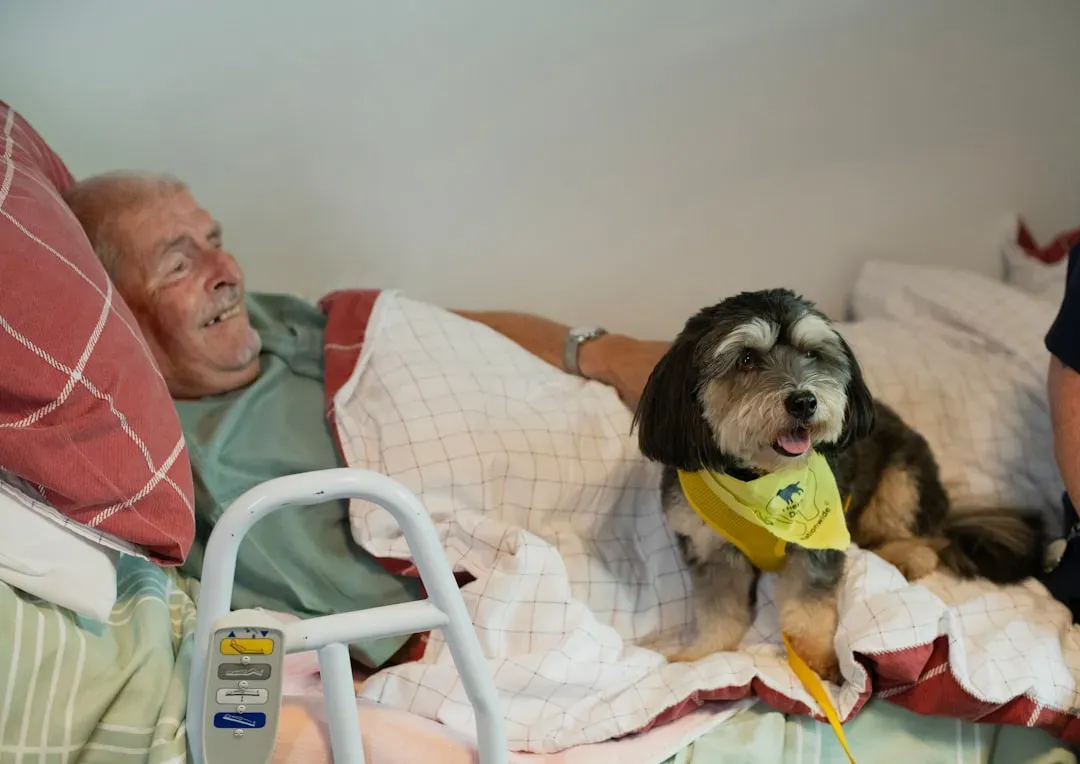
The unconditional love and loyalty of a pet can greatly improve the emotional well-being of seniors, offering a sense of purpose and meaning in their lives. Purpose is not something you can easily manufacture. It has to be felt. Caring for another living being creates it almost automatically.
Owning a pet has been compared to parenting, and research on older adults shows that parenting and caring for a pet are both socially valuable and meaningful. These factors help avoid feeling “useless” and increase self-esteem by creating a strong sense of purpose. That is not a small gift at any age.
10. They Lower Your Blood Pressure Naturally
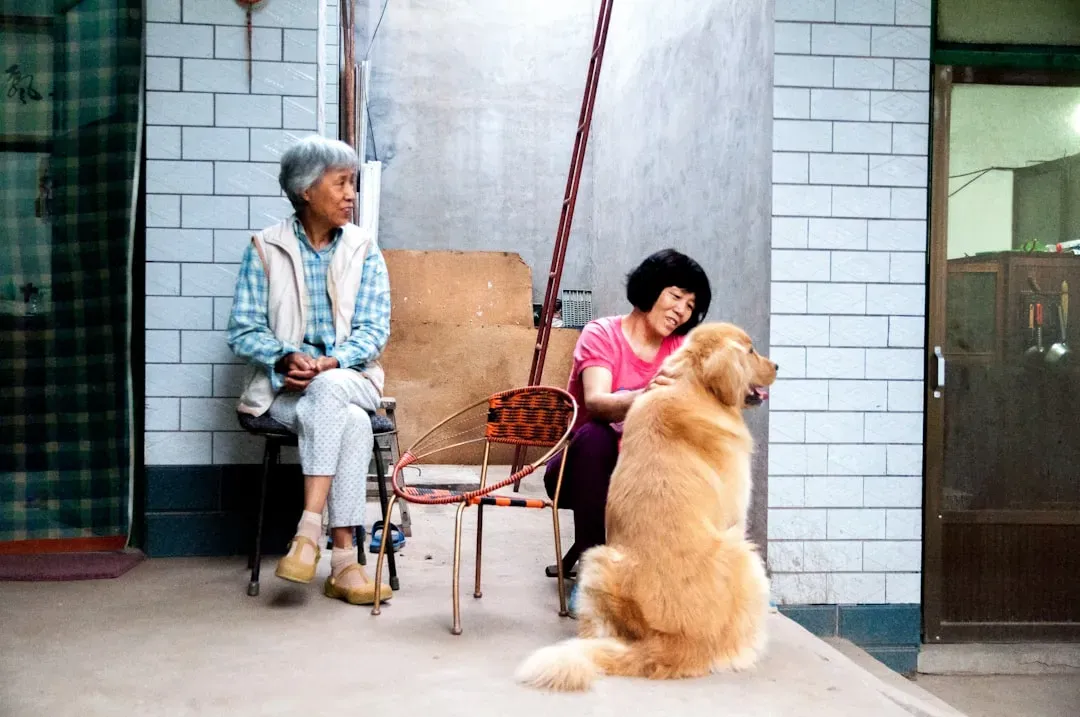
I know it sounds crazy, but simply having a dog in the room can change your physiology. Just the presence of animals significantly improves blood pressure. Pet owners typically have a lower resting blood pressure than people who don’t own pets. For adults over 50 managing cardiovascular health, this is a genuinely important finding.
Studies have shown that spending time with animals can lower blood pressure, decrease stress levels, and even boost immunity. Managing blood pressure through medication alone is a frustrating, often incomplete process. A dog is not a replacement for medical care, of course, but it is one of the most pleasant complementary tools science has ever studied.
11. They Support Emotional Regulation
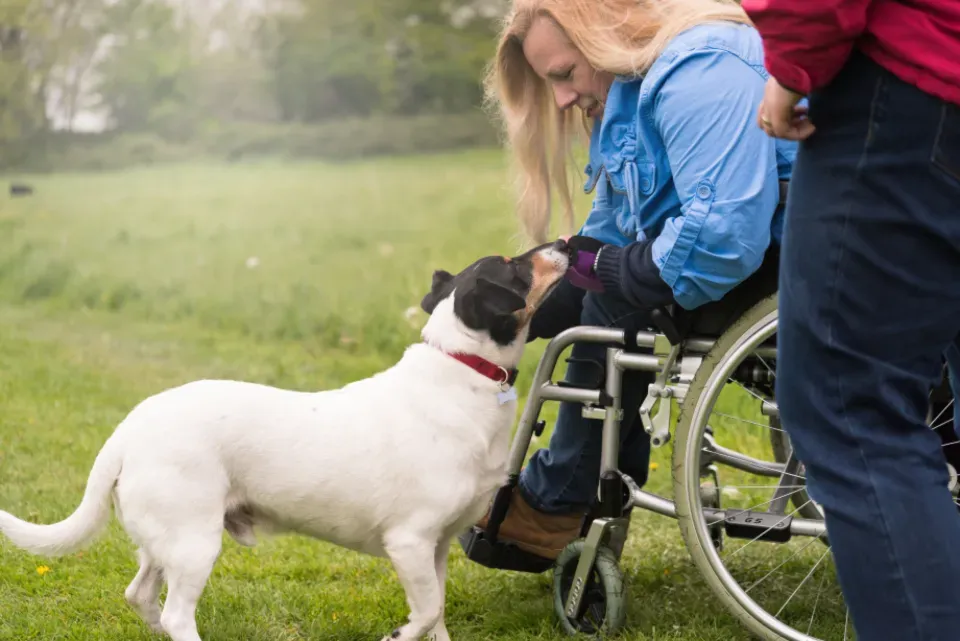
Emotional regulation, the ability to manage your feelings rather than be swept away by them, becomes increasingly important as life grows more complex. Scientific studies show that interaction with animals boosts levels of oxytocin, the hormone associated with bonding and well-being, while reducing cortisol and other markers of stress. This hormonal shift can lead to improved mood, reduced anxiety, and enhanced emotional regulation.
Their presence encourages a sense of responsibility and supports self-esteem by building confidence and improving self-perception. Pets also help facilitate emotional expression and strengthen social bonds, as many individuals share thoughts or feelings with animals that they do not express with others. Sometimes, the most important conversation you have all day is with a dog who cannot answer back.
12. They Help Slow Cognitive Decline in Alzheimer’s Patients
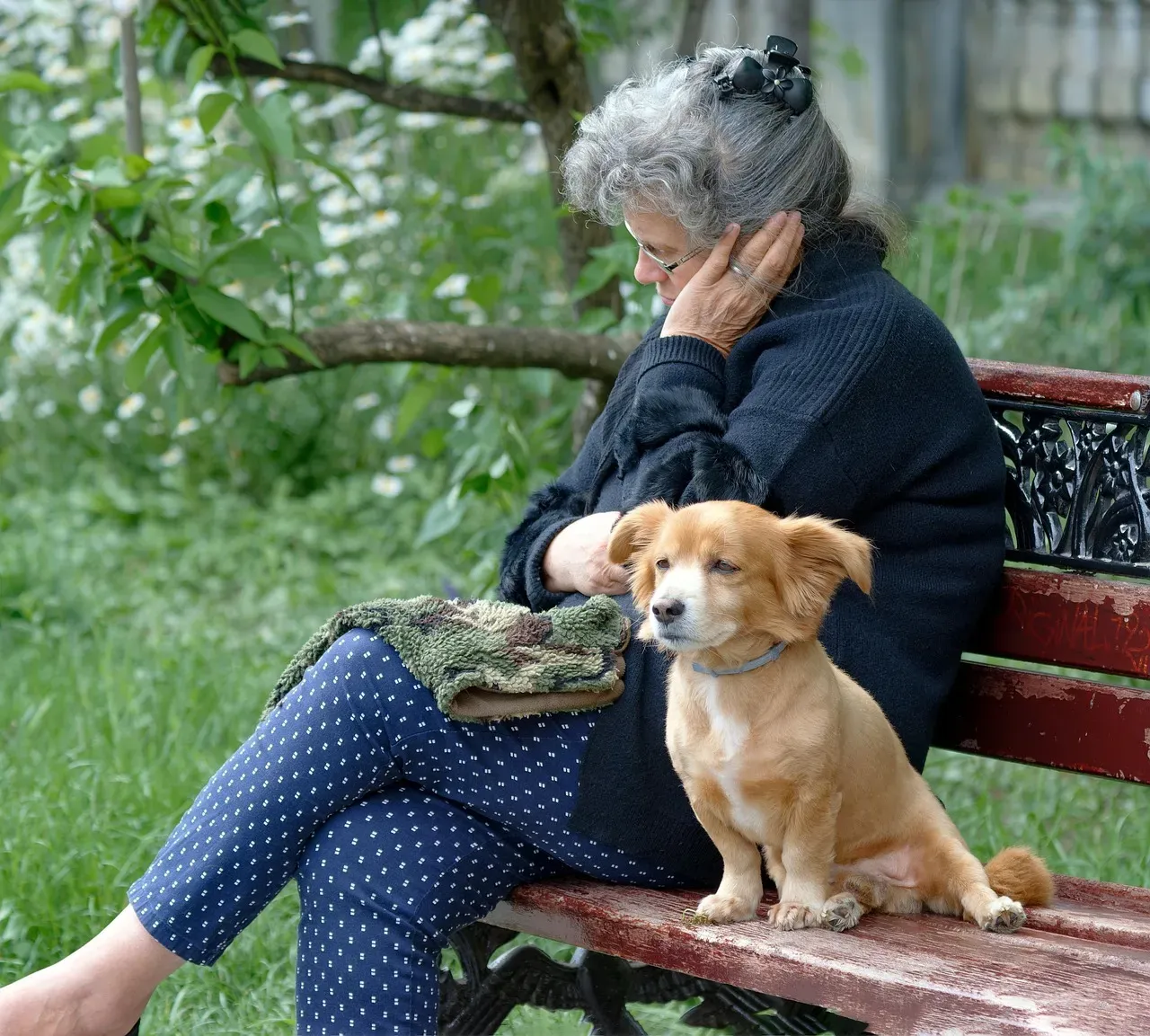
The research here is genuinely moving. A study looked at the impact of pet ownership on daily activity function among adults with Alzheimer’s disease. Researchers in Finland followed a group of more than 220 older adults with mild Alzheimer’s who were living in their homes in the community over a five-year period. Pet owners had significantly better daily activity function and slower disease progression compared to non-pet owners.
Pet interaction stimulates cognitive functions, supporting memory and communication skills, and is especially helpful for seniors facing cognitive decline or dementia. Improved mood and reduced agitation in dementia patients is one of the most consistently observed benefits across care settings worldwide. That is transformative for families as much as for patients.
13. They Build a Comforting Sense of Safety

Pet owners report their animals can lift their moods by being a “constant” in their lives. Life past 50 can feel unpredictable. Health changes, family shifts, finances. Against that backdrop, a dog’s constancy is deeply grounding. They are always there, reliably themselves, every single day.
Research shows that pets provide comfort and safety, social inclusion and participation, purposeful routine and structure, and a meaningful role for older adults. Dogs don’t care what you accomplished today. They care that you’re home. That unconditional acceptance is rarer and more powerful than people realize.
14. They Encourage Mindfulness Without Any Effort

Dogs live entirely in the present moment. They have no regrets about yesterday, no anxiety about next Thursday. And when you are truly paying attention to your dog, you are in the present moment too. One way we can all be more mindful is by taking note of the small things around us, and pets are good practice.
Mindfulness has been extensively researched as a tool for managing anxiety and depression in older adults. A biological mechanism through which dog interaction may positively impact human wellbeing is via stress reduction and improvement in positive affect. Your dog is essentially a four-legged mindfulness instructor, and the session starts the moment you walk through the door.
15. They Improve Self-Esteem and Confidence

Let’s be real. Feeling needed is one of the most powerful confidence boosters there is. The routine of caring for animals fosters responsibility, self-esteem, and emotional resilience. When a dog depends on you, looks to you, and responds to you, it quietly reinforces your sense of competence and worth.
The role of pet ownership may benefit community-dwelling older adults by providing a meaningful role and a sense of purpose. These benefits may also increase resilience in older adults against mental health disorders, which may positively influence their mental health outcomes. Resilience, especially emotional resilience, is one of the greatest gifts you can give yourself after 50.
16. They Reduce Stress During Major Life Transitions

Retirement. Widowhood. Moving to a smaller home. These transitions can feel like the ground shifting beneath your feet. The calming effect of a dog’s presence and touch becomes particularly powerful during stressful moments, say, after a long day or during periods of emotional strain.
Research and real-life experiences consistently show that dogs play a transformative role in human well-being, affecting everything from mental health and emotional resilience to physical wellness and social connection. Major life transitions are exactly the moments when a dog shifts from companion to anchor. Their routine becomes your lifeline, and honestly, that is not an exaggeration.
17. They Keep You Socially Active and Connected to Community

Social isolation after 50 is one of the most significant predictors of poor mental health outcomes. The positive impact of the human-animal bond for mental well-being has been validated through decades of scientific research. A huge part of that impact comes from the social ripple effects that dog ownership creates.
Pet ownership can provide essential social and emotional support for older adults. Older adults who own pets report a reduction in stress and loneliness. They also experience an increase in activity and overall quality of life. Dog parks, training classes, vet waiting rooms. They are all surprisingly vibrant social ecosystems for adults over 50.
18. They Improve Heart Health in Measurable Ways

Your heart loves your dog, in more ways than one. Research from the University of Maryland shows that pets can improve heart health by reducing stress and blood pressure. Regular exercise, such as walking your dog, also lowers your risk of heart disease. After 50, protecting your cardiovascular system becomes one of your most important health priorities.
Research shows that pet therapy contributes to better cardiovascular health, including decreased blood pressure and faster recovery from stress. Think of daily dog walks as cardiac rehabilitation that also happens to be deeply enjoyable. It is hard to name another health intervention with that kind of track record and that kind of wagging tail at the finish line.
19. They Offer Consistent Companionship Without Judgment

One of the most quietly painful aspects of aging is the fear of being a burden. Dogs erase that fear completely. The unconditional love and non-judgmental nature of pets create a lasting bond that fosters emotional well-being and mental resilience in seniors. Your dog does not judge your mood, your decisions, or your appearance. They simply love you.
Dogs provide infinite amounts of companionship, combatting feelings of loneliness, sadness, and other depressive thoughts and feelings. Pets can relieve stress, reduce anxiety, and ease loneliness in humans. In a world that often grows noisier and less personal with age, the silence of a dog’s steady companionship is genuinely extraordinary.
20. They Give Your Immune System a Quiet Boost
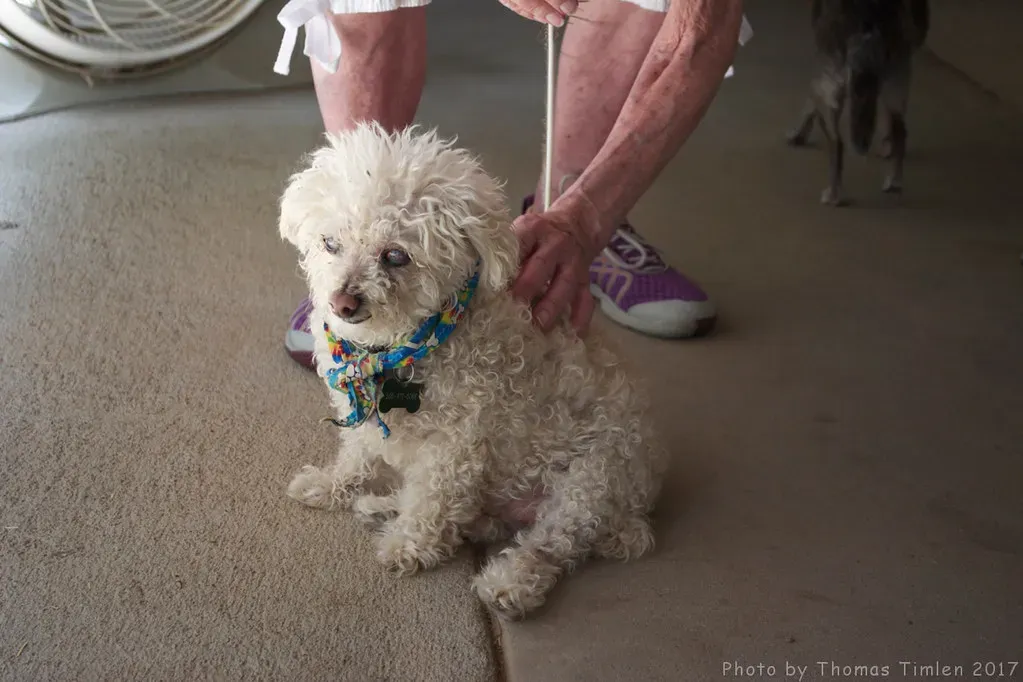
Here is one most people do not expect. Studies have shown that spending time with animals can lower blood pressure, decrease stress levels, and even boost immunity. Chronic stress is one of the most potent suppressors of immune function, and since dogs reduce stress so consistently, the downstream immune benefits are a natural consequence.
The Human Animal Bond Research Institute issued a new report in 2025 highlighting the role of companion animals for improved mental health, focused on providing data, insights, and best practices to move society toward more widespread awareness of the benefits of pets. As research continues to evolve, one thing remains clear. The bond between a dog and a person over 50 is not just heartwarming. It is genuinely, measurably healing.
Final Thoughts: Your Dog Is Doing More Than You Know

It is easy to assume your dog is just happy to be alive, bounding around without a care. Yet beneath all that tail-wagging and nose-nudging is something profoundly purposeful. For people navigating the rich, complex terrain of life after 50, a dog is not a luxury. Honestly, based on everything science is showing us, a dog might be one of the most effective mental health tools available.
The benefits are not theoretical. They are chemical, neurological, cardiovascular, social, and deeply human. A dog teaches you to slow down, show up, connect, and care, every single day without fail. Pet ownership may benefit community-dwelling older adults by providing companionship, giving a sense of purpose and meaning, reducing loneliness and increasing socialization. These benefits may also increase resilience in older adults against mental health disorders, which may positively influence their mental health outcomes.
So the next time your dog stares up at you with those warm, unblinking eyes, know this. They are not just asking for a walk. They are offering you something far more valuable. Did you ever imagine a wagging tail could be this good for your mind? What do you think? Share your own dog story in the comments below.


