

If you’ve ever Googled “how to train my dog,” you already know the internet is a wild place. Some advice is gold. Some of it, honestly, should’ve been buried a long time ago. The tricky part is that a lot of the bad stuff still sounds weirdly convincing, especially if it’s coming from an old-school trainer, a well-meaning relative, or a dramatically edited TV show.
Here’s the thing about dog training: it has genuinely evolved. The science has moved, and it’s moved fast. What worked in a 1960s military kennel has no place in a loving family home in 2026. Your dog deserves better, and so do you. Let’s dig into five of the most stubborn outdated techniques still floating around, and why letting them go will change everything for the better. Let’s dive in.
1. The “Alpha” Myth: You Are Not Your Dog’s Pack Leader

Picture this: someone tells you to eat before your dog, never let them walk ahead of you, and absolutely do not let them on the sofa, because otherwise your dog will think they’re the boss. Sound familiar? This is dominance theory, and it has been thoroughly dismantled by modern science.
Back in the 1940s, a zoologist named Rudolph Schenkel observed captive, unrelated wolves housed together and concluded that alpha wolves maintained their dominance through aggression. Trainers then applied this idea to dogs, which was, to put it kindly, a massive leap in logic. Field biologist L. David Mech later showed that wild wolf packs are actually family units led cooperatively by parents, not by violent alphas, and Mech himself has since called the term “alpha” misleading and outdated.
Modern science also recognizes that domestic dogs differ greatly from wolves. Dogs evolved alongside humans, so applying wolf pack models to dogs ignores their unique biology and lifestyles. Think of it this way, trying to treat your dog like a captive wolf is a bit like parenting your teenager based on how lobsters behave. The comparison just doesn’t hold.
Dogs trained using intimidation may comply in the moment due to fear rather than a true understanding of what is being asked of them. That’s not training. That’s just stress with temporary results. Your dog doesn’t need a boss. They need a guide they can trust.
2. Rubbing Their Nose in It: The Potty Training Myth That Won’t Die

Almost every dog owner has heard this one. Your puppy has an accident on the carpet, and someone nearby says, “Rub their nose in it so they know what they did.” It feels intuitive, almost logical. Spoiler: it is neither.
Dogs live in the moment. For them to understand cause and effect, your response has to happen as the behavior is happening, within a couple of seconds. They don’t link the nose-rubbing to peeing inside. To your dog, you’re upset “out of the blue.” The lesson your dog actually learns? “My human sometimes gets scary near pee.” That’s not what we’re going for.
Dogs who are punished this way are more likely to avoid toileting within sight of their owners, as they learn their owners are unpredictable and scary. This presents issues because your puppy will be worried about peeing in front of you, even outdoors, which can lead to unsuccessful trips outside, only for your dog to hide from you indoors and toilet where they shouldn’t.
Puppies have a limited ability to control their bladder, and accidents are a normal part of the house-training process. The most important thing is to catch your puppy in the act and redirect them to the appropriate spot. Reward every successful outdoor trip with genuine praise and a treat. That’s the whole game, right there.
3. “Flooding” a Fearful Dog: Facing Fears the Wrong Way

Here’s a scenario a lot of dog owners have tried. Their dog is terrified of other dogs at the park. So they bring them to the park and wait it out, thinking eventually the dog will “just get used to it.” This approach is called flooding, and it can cause serious emotional harm.
Flooding is a very slippery slope. Used in combination with positive punishment practices, it can be a recipe for disaster. Imagine being shoved into a room full of spiders when you’re arachnophobic and being told to just relax. That’s essentially what flooding does to a frightened dog. The fear doesn’t dissolve. It can actually deepen.
Flooding has the potential to destroy a dog’s trust in their owner, may cause more serious problems to emerge, and can cause long-lasting mental health issues for your canine companion. The safer, kinder alternative is gradual desensitization. In proper desensitization, the owner attempts to control as many of the parameters as possible, with factors like distance, duration of exposure, and intensity of the stimulus all factoring into developing proper practice exercises to bring about desired responses.
Proper desensitization cannot and should not be rushed. It does not have the same downfalls inherent in flooding, and it presents a much more enjoyable and safe learning environment for both dog and owner. Patience here isn’t just a virtue. It’s the actual method.
4. Punishment-Based Corrections: When Fear Masquerades as Obedience

Choke chains, leash jerks, stern physical corrections, yelling. These tactics have been staples of dog training for decades, and I think it’s worth being direct: they can genuinely hurt your dog, not just physically, but emotionally and behaviorally too.
Dogs from positive training schools universally performed better at tasks researchers put in front of them, and dogs from aversive training schools displayed considerably more stress, both in observable ways like licking, yawning, pacing, and whining, and in cortisol levels measured in saliva swabs. That cortisol result is important. It means the stress isn’t just in how the dog looks. It’s in their bloodstream.
Aversive training techniques like physical corrections may suppress behavior temporarily and appear to be effective, but they do not address the underlying cause. This can lead to increased aggression, more generalized fear, or even learned helplessness. Learned helplessness is heartbreaking. It’s when a dog essentially stops trying because they’ve learned their actions don’t matter. That’s not a trained dog. That’s a broken spirit.
According to the American Veterinary Medical Association, reward-based training methods are more effective, humane, and less stressful for animals. The AVMA explicitly discourages dominance-based methods, citing clear evidence that punishment or dominance strategies are unnecessary and potentially harmful. When the medical professionals agree, it’s time to listen.
5. Ignoring Growling as “Bad Behavior”: Silencing the Warning System
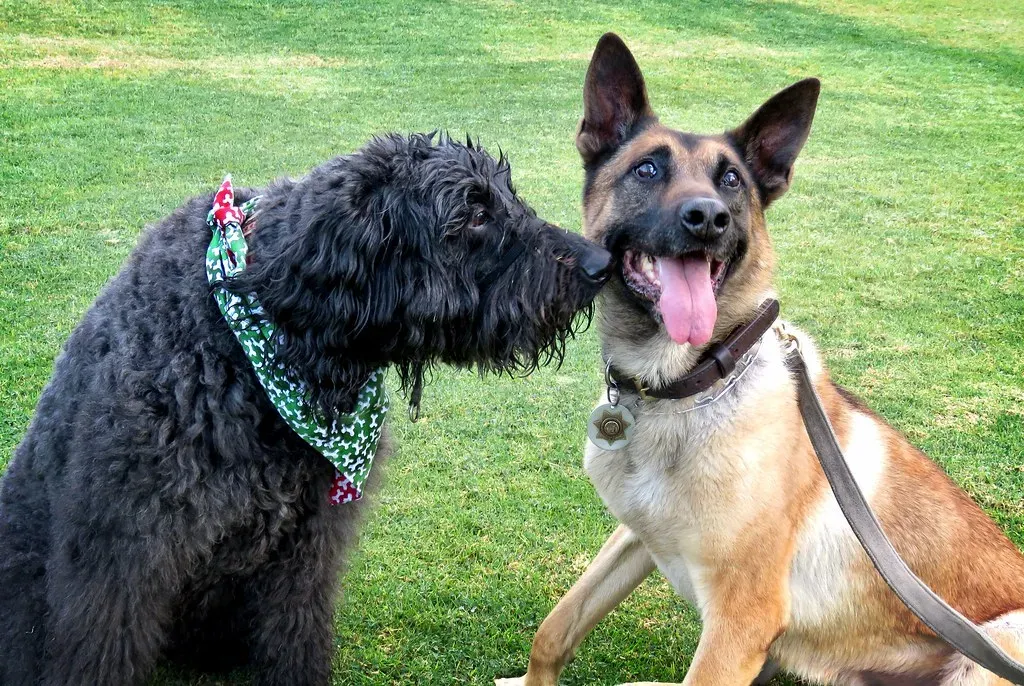
This one is genuinely misunderstood by so many loving dog parents. Their dog growls, they correct it firmly or punish it to make it stop, thinking they’re preventing aggression. In reality, they may be making things significantly more dangerous.
Snarling, growling, and teeth baring are actually warning signs. Your dog is being polite, telling you they’re uncomfortable and giving you a chance to make a change before biting. Instead of taking it personally, examine why your dog is growling. A growl is communication, not defiance. It is, honestly, your dog trying to cooperate with you using the only language they have.
It is now widely recognized by animal behavioral specialists that dogs who use aggression towards humans or other dogs are not trying to be dominant. Rather, the aggression is usually the result of social confusion, frustration, fear, anxiety, or learning. Dogs may use aggression as a means to control situations in which they feel frustrated, fearful, or anxious.
When we understand that most aggressive behaviors are communication attempts rather than dominance displays, we can respond with empathy, training, and environmental management instead of force and intimidation. The result is stronger relationships, better-behaved dogs, and fewer tragic outcomes. Never punish a growl. Instead, ask yourself what your dog is trying to say. That question alone can change the entire relationship.
Conclusion: Better Science, Happier Dogs

The world of dog training is constantly evolving, with each year bringing fresh insights, innovative methods, and a deeper understanding of our canine companions. That’s something to celebrate. The techniques above aren’t just outdated, they’re actively harmful to the trust, confidence, and wellbeing of dogs who simply want to understand us and feel safe.
We now know that using positive reinforcement, not fear, intimidation, or punishment, is a far better way to build a trusting, healthy relationship with your dog. When we let go of outdated ideas, we open up space for clearer communication, mutual respect, and a happier life for both you and your pup.
Your dog is not plotting against you. They are not trying to be dominant. They are not holding grudges or testing your authority. They are a living, feeling creature doing their very best to make sense of a human world. The kindest, most effective thing you can do is meet them with patience, clarity, and reward.
So, which of these techniques have you heard someone use recently? Drop it in the comments, because you might just help another dog owner see things differently.


