

There is something quietly remarkable about what happens when a dog enters the life of someone in their sixties or beyond. The house feels different. Mornings feel different. You feel different. It is not something you can fully explain to someone who has never had a four-legged shadow following them to the kitchen at six in the morning, tail thumping against the cabinet.
Life after sixty brings extraordinary gifts. It also brings real challenges – quieter days, shifting health, children who have flown the nest, and sometimes, a creeping sense that the world is moving on without you. A dog, it turns out, has a remarkable talent for changing all of that. Not in a grand, dramatic way. In a slow, steady, tail-wagging way. Let’s dive into exactly how.
1. Your Morning Has a New Reason to Begin
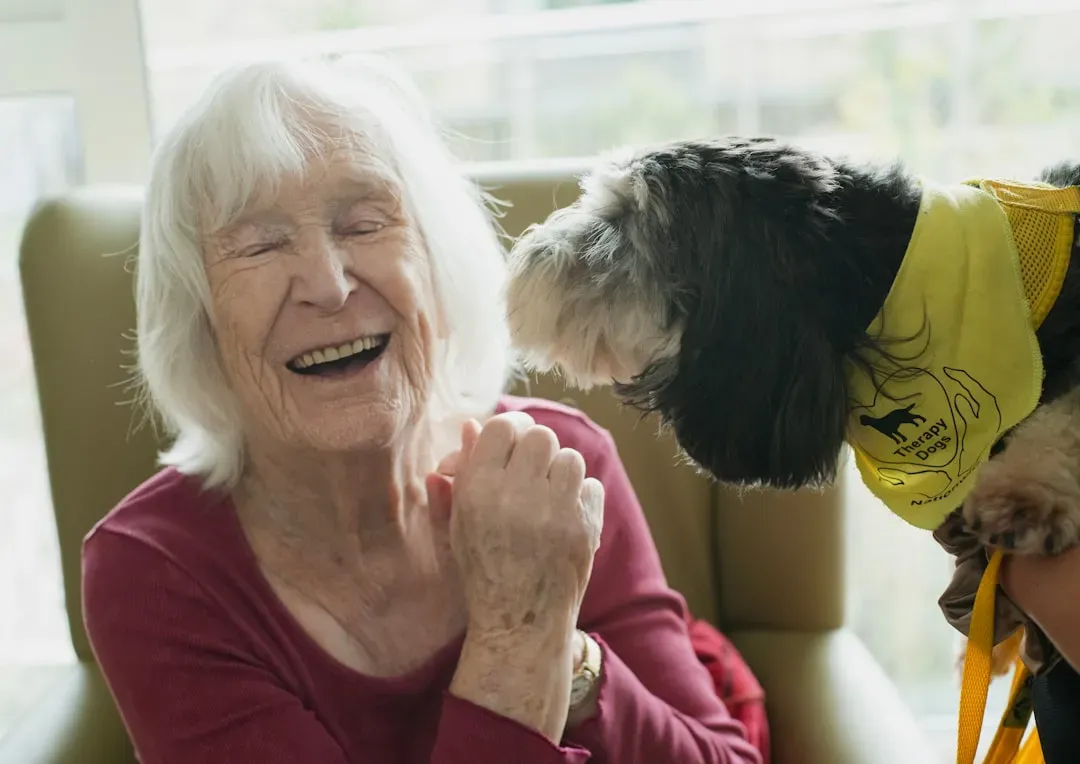
Let’s be real – mornings after retirement can lose their urgency fast. There is no alarm to obey, no commute to rush for, and sometimes not much reason to get out of bed before nine. A dog changes that instantly. For many older adults, a pet becomes more than a companion – it becomes a source of daily structure, emotional comfort, and purpose, encouraging movement through walks and cueing regular meals.
Having a pet creates a sense of responsibility and purpose, as older adults follow a consistent schedule for feeding, grooming, and walking their companions – and this routine contributes to lower stress levels and improved overall quality of life. Think of your dog as a gentle but non-negotiable life coach. They do not accept excuses, and honestly, that is kind of perfect.
2. Your Heart – Literally – Gets Healthier

Here is something that might genuinely surprise you. Dog owners have lower blood pressure and healthier cholesterol levels, and a lower risk of heart disease, than non-owners. That is not a small thing. That is a life-changing thing. And the mechanism behind it is both simple and beautiful.
The presence of a pet can increase your body’s production of oxytocin, the so-called love hormone, causing physiological changes that include lowering blood pressure, inhibiting stress hormones, and creating a sense of calm and focus. Imagine getting all of that just from sitting on the couch with a warm dog pressed against your leg. No prescription required.
3. You Walk More – Way More Than You Think
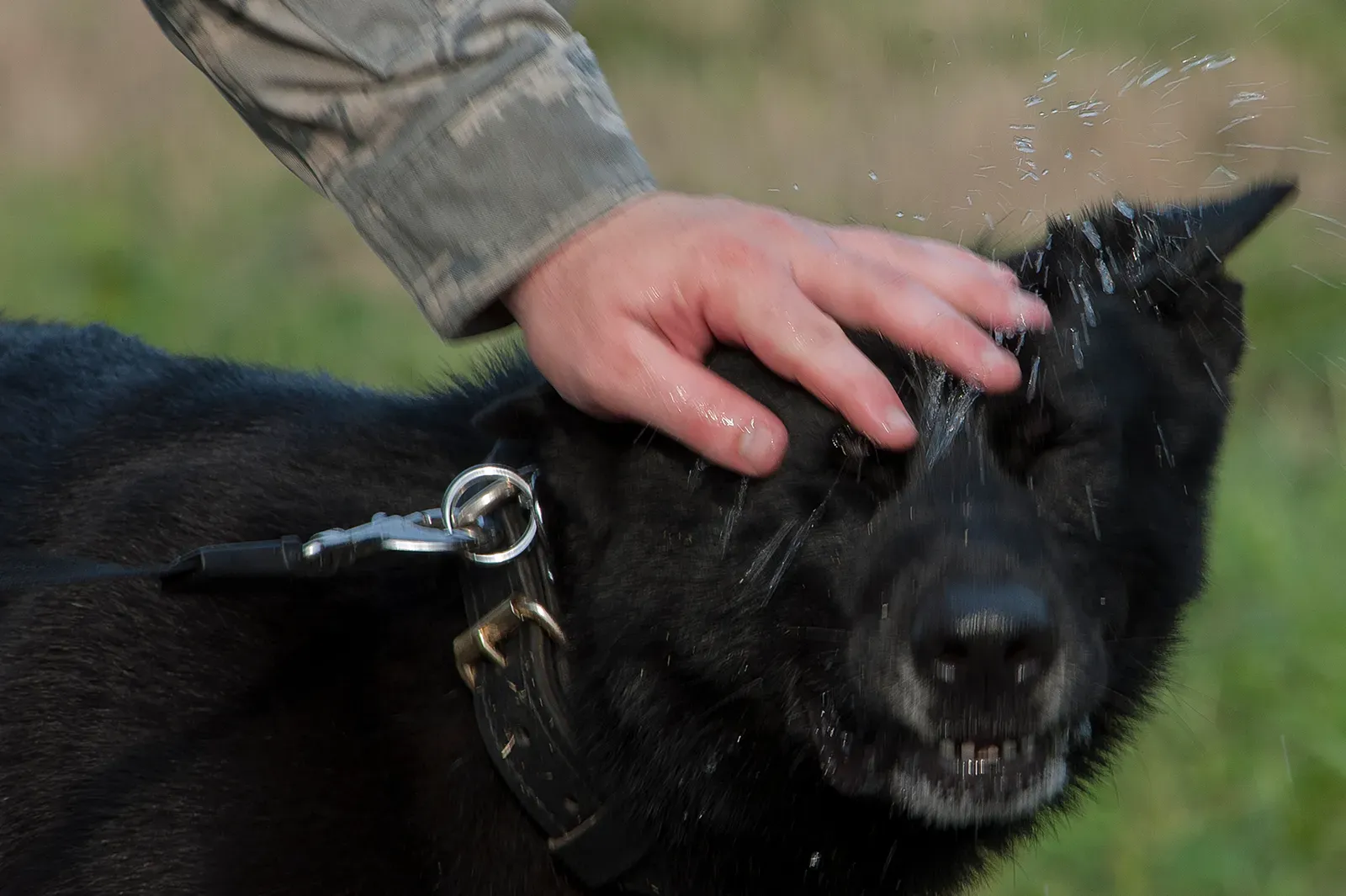
Most people at 60+ know they should be walking more. Knowing it and doing it are two entirely different things. A dog is the missing link. Research in the BMC Public Health Journal found that people who own a dog walk roughly 22 minutes longer on average than those who do not – and even a low-intensity daily walk can improve heart health, lower blood pressure, and relieve stress.
Dog walking has been associated with lower body mass index, fewer limitations in daily activities, fewer doctor visits, and more frequent moderate and vigorous exercise. Twenty-two extra minutes a day. That adds up to over two and a half hours every single week of movement you would not otherwise have done. Your dog is not just your best friend – they are your personal trainer.
4. Loneliness Starts to Loosen Its Grip
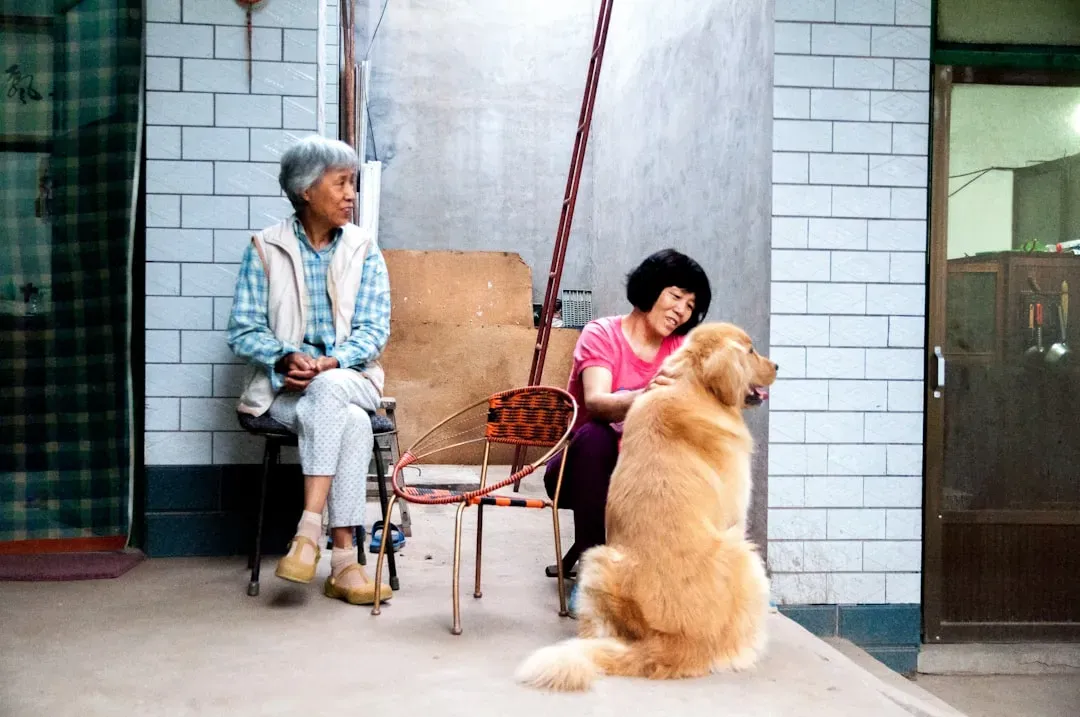
Loneliness among adults over sixty is, honestly, at near-epidemic levels. More than roughly one in three Americans older than sixty-five live alone, and social isolation can be a significant threat to health, even comparable to smoking as many as fifteen cigarettes per day. That comparison is jarring, and it should be.
In one cross-sectional study of over 800 older adults living alone, pet owners were found to be thirty-six percent less likely to report loneliness than non-owners, and non-owners had significantly greater odds of being lonely. A dog cannot replace human connection, of course. Still, the warmth of a living creature who genuinely, unconditionally needs you is a powerful antidote to emptiness.
5. Your Social World Quietly Expands

This one surprises people every single time. You adopt a dog, and suddenly you have a social life again. Walking with a dog results in a significantly higher number of chance conversations with complete strangers than walking alone. A dog is a social magnet. It is as if they carry a little invisible sign that says “please come talk to us.”
Research has found that being a pet owner was the third most common way that people meet others in their neighborhoods – and pet owners were notably more likely than non-owners to get to know the people around them. Dog parks, walking trails, vet waiting rooms – these become little communities. You meet regulars. You exchange names. Friendships quietly form.
6. Your Brain Gets a Workout Too

Physical health gets most of the headlines, but the cognitive benefits of dog ownership deserve serious attention. A 2025 study suggests that owning a dog may help slow cognitive decline as people age – researchers examined eighteen years of data from over sixteen thousand people aged fifty and older and assessed the link between pet ownership and cognitive decline.
Researchers found that people with dogs showed a slower decline in memory, including both immediate and delayed recall, compared with participants who did not own pets. Activities like teaching commands, playing fetch or hide-and-seek games, and caring for a pet can also lead to improved decision-making skills due to having to weigh different options when making decisions about feeding times or vet visits. Your dog keeps your mind sharp without even trying.
7. Stress Melts Away – And Science Explains Why
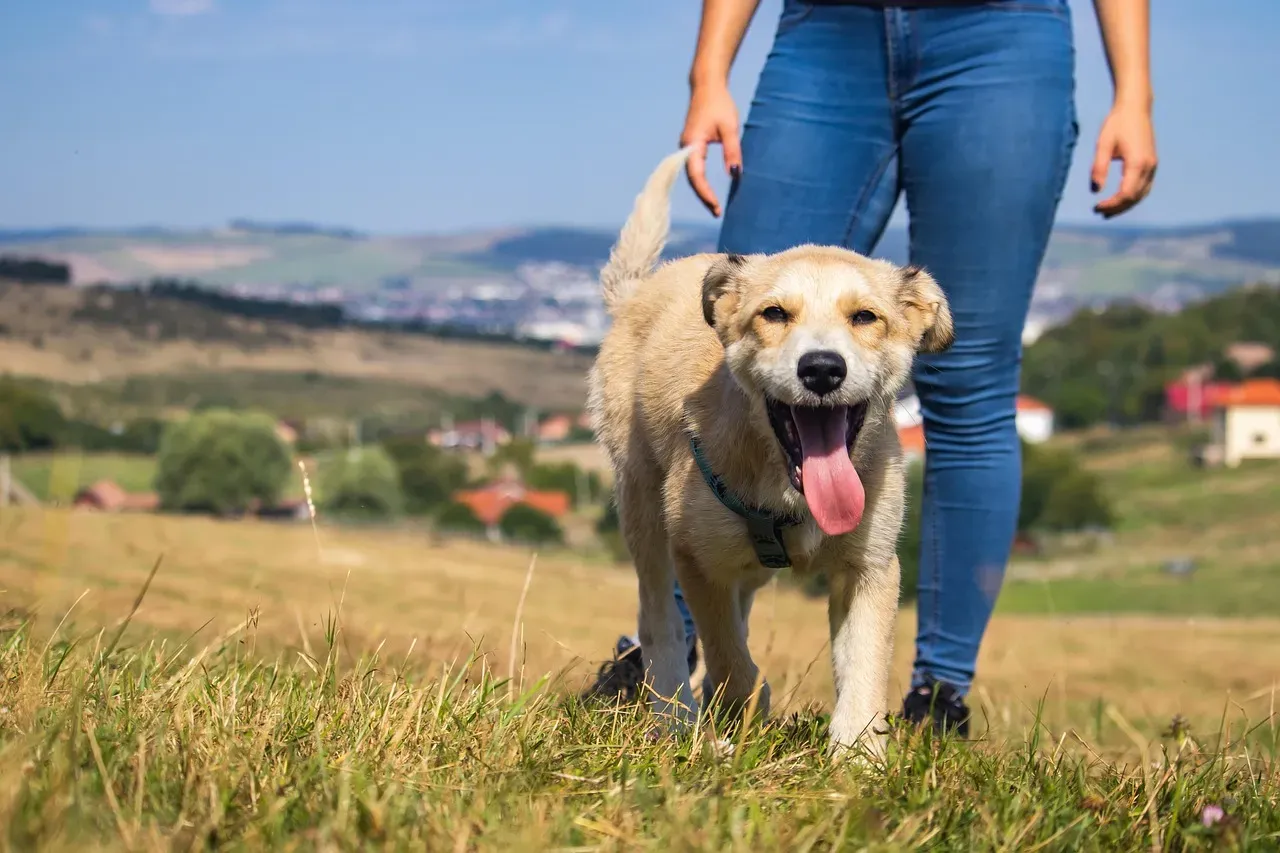
You already know the feeling. You come home tense, and your dog greets you like you have been gone for three years. Before you even put down your keys, something in your body exhales. Physical contact with a pet, such as petting or cuddling, can help reduce stress hormones like cortisol and norepinephrine and release oxytocin, which produces feelings of relaxation and comfort – and this physical contact can provide a sense of security that helps cope with difficult emotions.
One study found that the vast majority of people feel more relaxed after spending time with a pet, and for those who tend to spiral into worry, pets also help them live in the moment and stay mindful. That is not a small gift at any age. At sixty-plus, when worries can pile up around health and independence and the future, it is a profound one.
8. You Discover the Art of Living in the Present
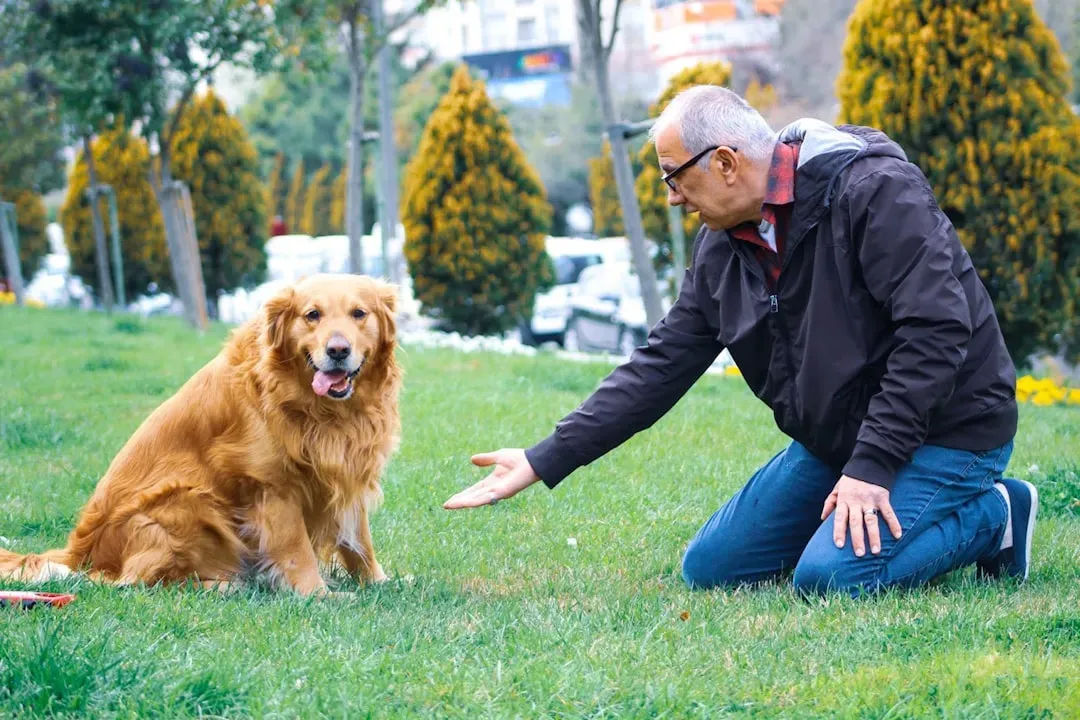
Here is the thing about dogs – they are not worrying about yesterday, and they have absolutely no interest in tomorrow. They want this walk, this moment, this belly rub, right now. Perhaps one of the greatest psychological benefits of interacting with a dog is the opportunity it provides to be more mindful – to purposely focus your attention on the present moment.
Your pup is never worrying about past mistakes or future plans. In their own way, they are practicing a kind of mindfulness – being aware of surroundings and in tune with the present without judgment, which is why they often do not have a care in the world. Over sixty, with all its reflections and uncertainties, a dog quietly teaches you to just be here, now. That is genuinely priceless.
9. Grief and Loss Become a Little Less Unbearable
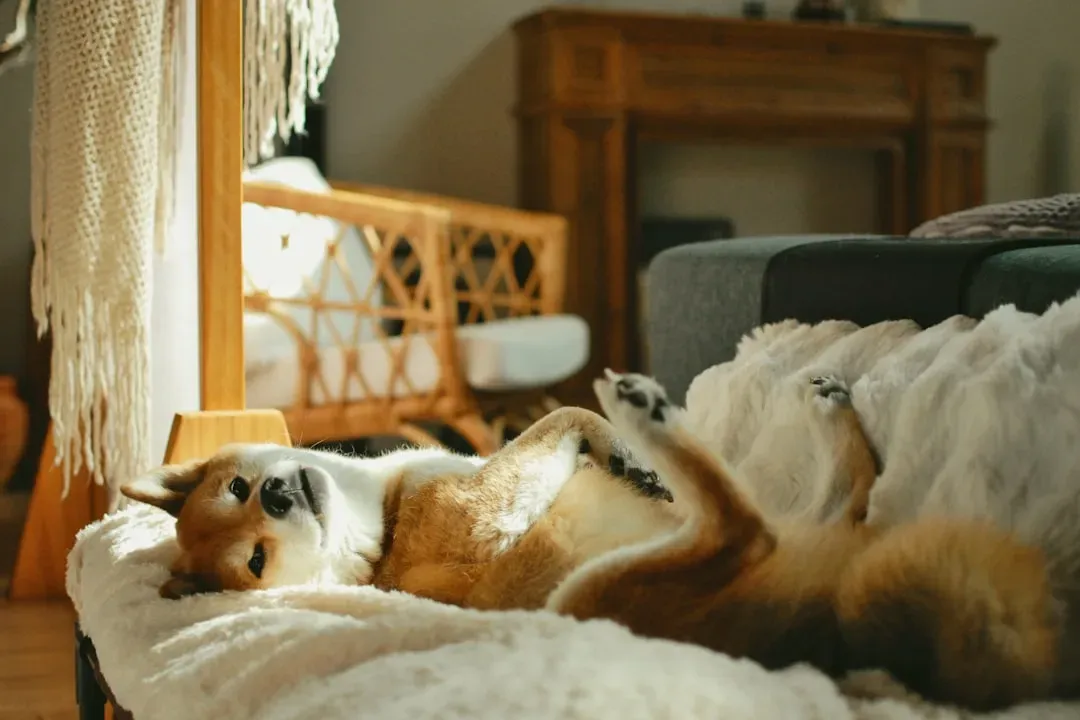
Losing a spouse, a sibling, or a close friend is something many people over sixty navigate. The grief is real and heavy. Research has found that pet ownership was associated with less depression following spousal bereavement. That makes emotional sense. A dog still needs you. Still loves you. Still brings warmth to a house that suddenly feels far too quiet.
A study by the University of Michigan, sponsored by AARP, found that roughly seven in ten older adults said their pet helps them cope with physical or emotional symptoms, and nearly half said their pets help take their mind off pain. Grief does not disappear, but a dog gives you a place to put your love while you find your footing again. That matters more than most people realize.
10. Your Sense of Purpose Gets a Powerful Recharge
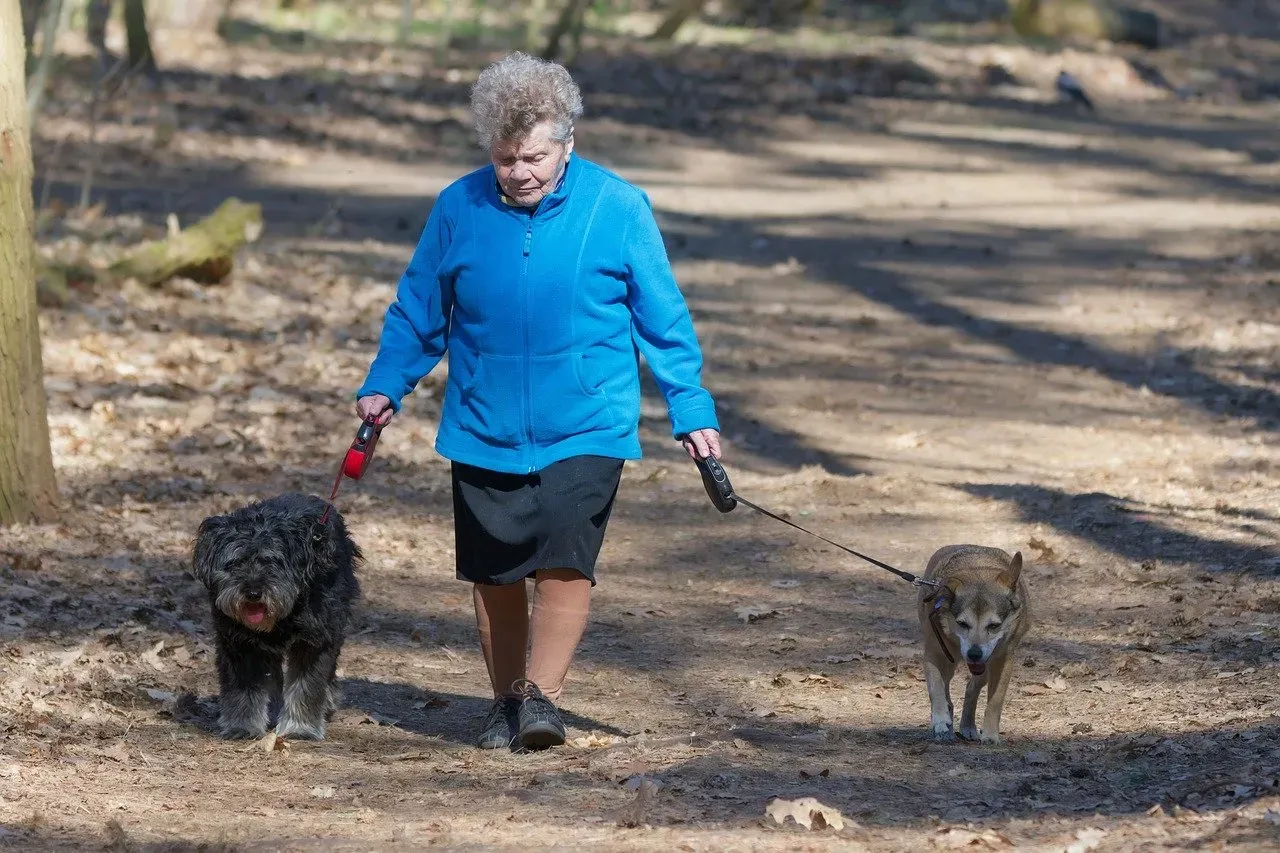
Retirement is wonderful – until it is not. Many people describe a quiet loss of identity when the working years end. Caring for a pet provides a valuable source of meaning and purpose for seniors – after retirement, older adults sometimes struggle to find meaningful and enjoyable hobbies, especially if they have limited mobility, and taking care of a pet is great motivation to maintain a routine and stay active.
Dogs offer unconditional love and can give seniors a sense of purpose and responsibility, boosting their self-worth and confidence. Think about it this way – when you have a dog, someone in your home genuinely needs you every single day. That is not nothing. That is everything, actually, for a human heart that craves to feel useful.
11. Your Emotional Resilience Quietly Strengthens
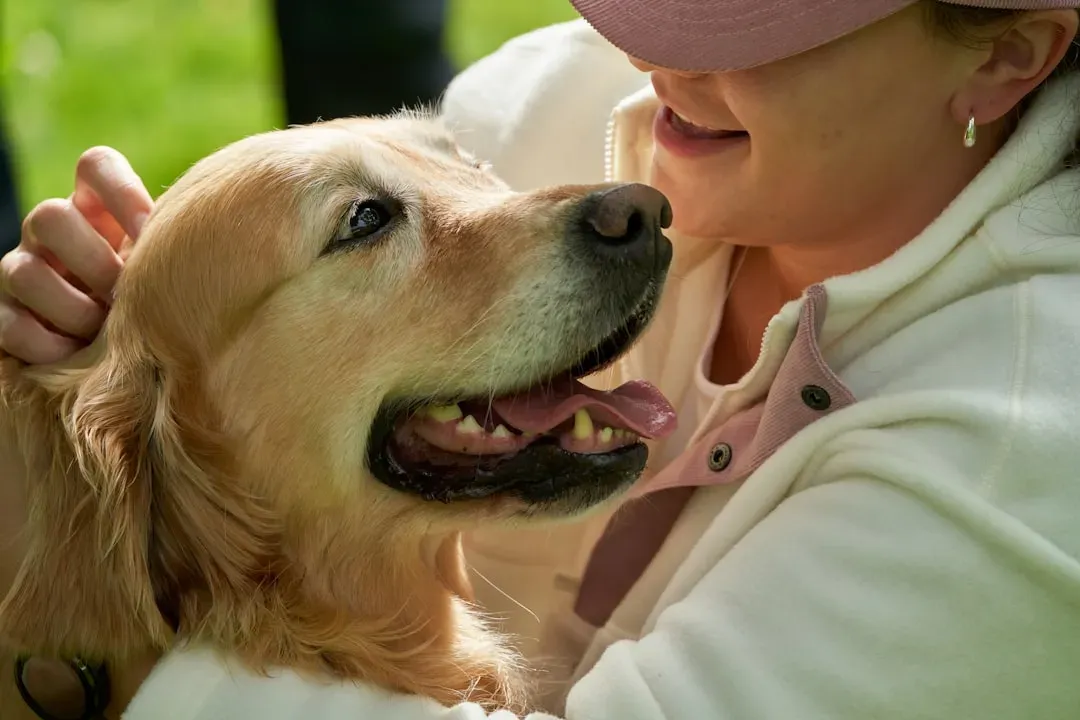
There is something quietly transformative about caring for a creature who cannot speak your language but who reads you better than most people do. MRI scanners have shown that the canine brain reacts to voices and sounds, such as crying or laughter, in the same way the human brain does – and dogs are also the only non-human animals who scan the left side of a face, the process whereby people read emotions. Your dog knows when you are sad. They show up for it.
Studies suggest that a positive outlook can speed recovery after an illness or injury, and pets are so good at helping us see the bright side that many hospitals, rehabilitation centers, and long-term care centers have established pet visitation programs for patients. Over time, living alongside a dog who meets every day with enthusiasm genuinely changes how you approach your own. Their resilience becomes yours.
12. You Learn to Love More Freely – and More Deeply
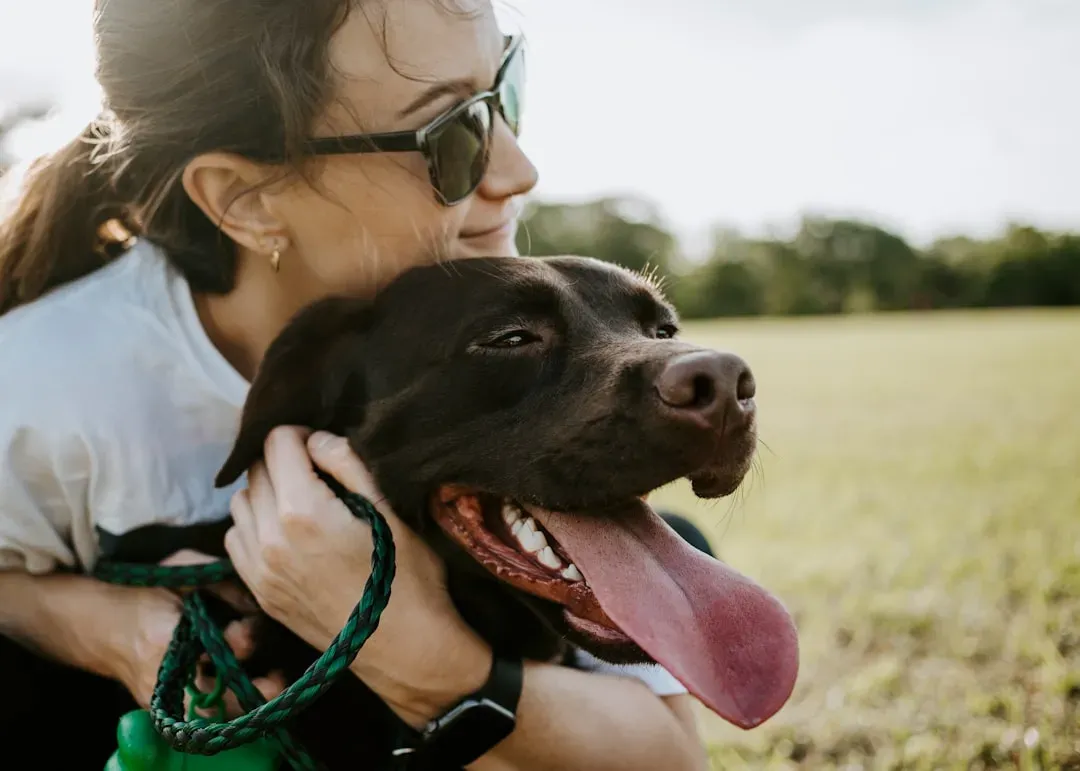
I think this is the one that hits hardest, if we are being honest. Somewhere along the way, after decades of life’s complications, many people quietly close off parts of their heart. A dog has an almost magical ability to pry that open again. Pets alleviate loneliness, foster a sense of purpose, and enhance overall well-being – and the presence of a pet brings joy, happiness, and renewed enthusiasm for life, making them an invaluable addition to any household.
Pets encourage us to be more active, make us laugh, provide comfort and affection, help us feel safer, and can help us connect with our neighbors and make new friends – and this companionship may be especially important for older adults as their social networks shrink. A dog does not care about your wrinkles, your past, or your fears about the future. They just love you. Fully, immediately, and every single day.
A Final Thought Worth Carrying With You
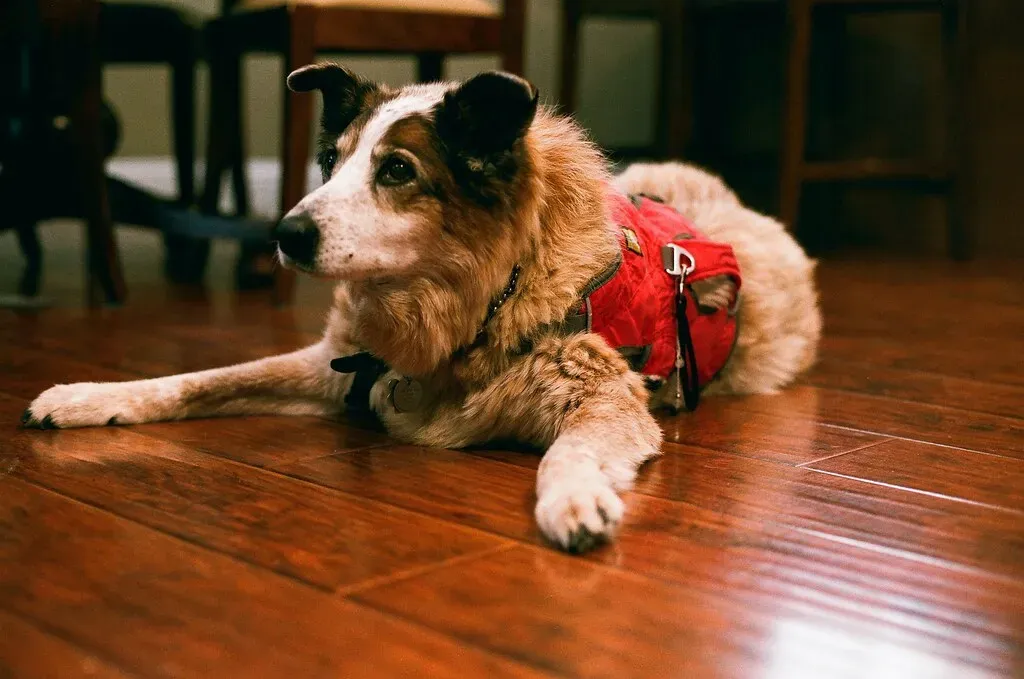
The relationship between older adults and dogs is one of the most quietly powerful bonds in human experience. Science confirms it, research supports it, and anyone who has watched a sixty-something person light up around their dog already knows it in their bones. For many older Americans, a dog means the difference between a life lived and a life merely endured.
If you already have a dog, take a moment today to really notice what they give you. If you are considering one, know that the evidence for the joy and health benefits is genuinely compelling. Choose a dog whose energy matches yours – senior dogs are often better suited to older adults because they tend to be calmer, quieter, and lower maintenance. Either way, the world looks different through a dog lover’s eyes after sixty. Warmer, more present, a little more worth showing up for.
What has your dog changed about the way you see your days? Share your story in the comments – we would genuinely love to hear it.


