
Picture this: you’ve just brought your dog to a bustling weekend farmers market, tail wagging as you head out the door. Within minutes, something shifts. They pull back on the leash, freeze mid-step, or start obsessively licking their lips. You chalk it up to bad behavior or stubbornness. Honestly? Your dog is probably screaming for help in the only language they have.
The signs of anxiety in dogs are often subtle and can easily be misinterpreted unless the full context is understood. That’s a truth that breaks my heart a little, because so many dogs are silently struggling while their loving owners simply don’t know what to look for. The good news is, once you know the signs, you can’t unsee them. Let’s change everything for your dog, starting right now.
The Eyes Don’t Lie: Watch for “Whale Eye” and Dilated Pupils
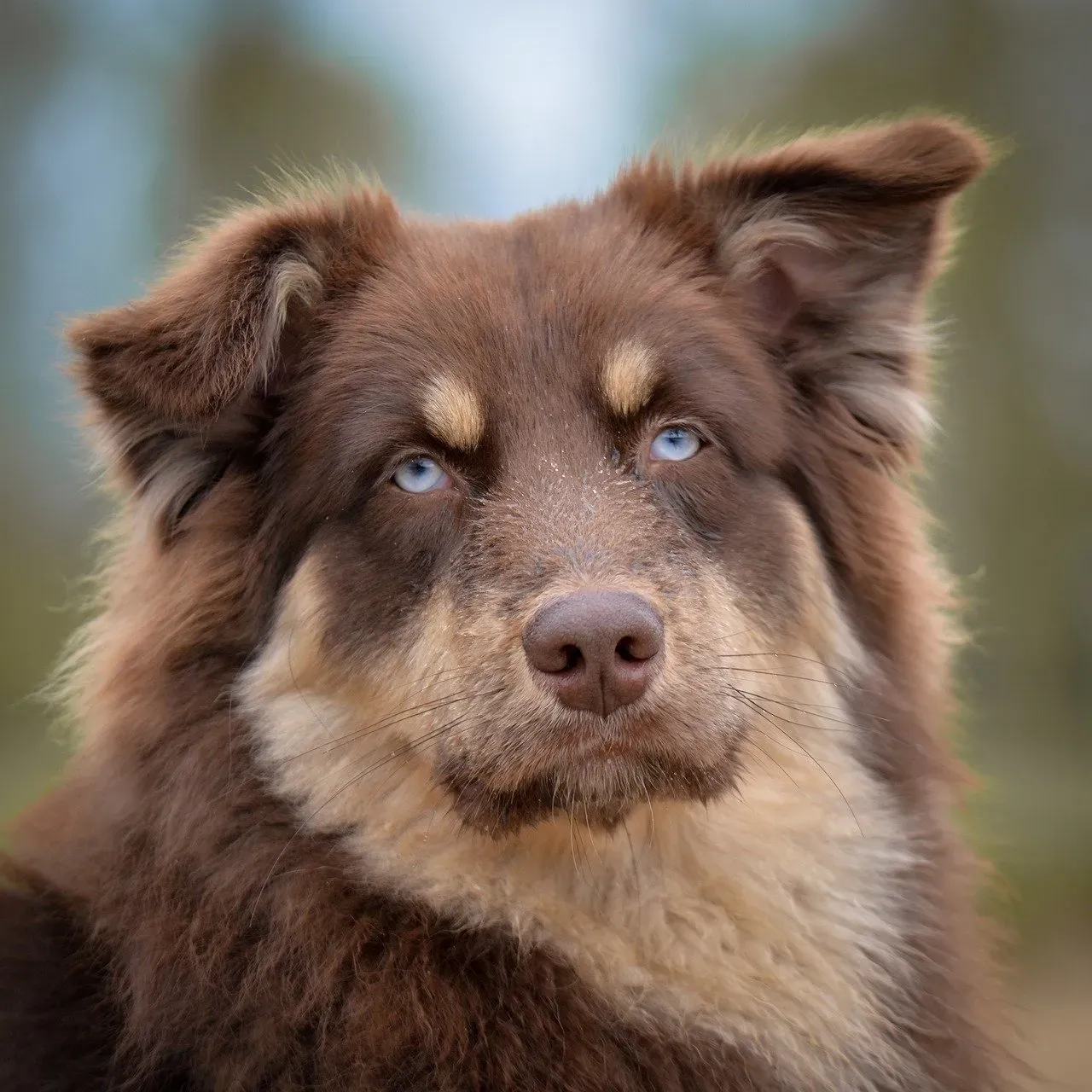
Here’s the thing about a dog’s eyes: they are one of the most honest stress detectors you’ll ever encounter. Stressed dogs, like stressed people, may have dilated pupils and blink rapidly. They may open their eyes wide and show more sclera, the white part of the eye, than usual, giving them a startled appearance. This wide, glassy look is not your dog being dramatic. It’s genuine distress.
This body language signal, also called “whale eyes,” is a dog’s way of trying to remove herself from the situation while also trying to keep an eye out for any potential signs of danger. Her nose will stay pointed forward, but her eyes will move sideways so she can monitor the situation. Think of it like a person nervously scanning a room without moving their head. Unsettling when you notice it, right?
Research shows that up to nine in ten owners wouldn’t be able to identify some crucial signs of stress in a dog, despite the fact that almost three quarters believe they can accurately read their dog’s body language. A staggering nine in ten do not know that yawning could be an early warning sign of anxiety or fear, and there was a similarly high lack of awareness about other important stress signs, including licking lips and staring, wide eyes. So if you’re just learning this now, you’re in very good company.
Prevention tip: In new environments, crouch down to your dog’s level and observe their face before assuming they’re fine. When a dog is feeling tense, their eyes may appear rounder than normal, or they may show a lot of white around the outside. Dilated pupils can also be a sign of fear or arousal, which can make the eyes look “glassy.” Spot these signs early and you can step in before things escalate.
Reading the Body: Posture Changes That Signal “I’m Not Okay”
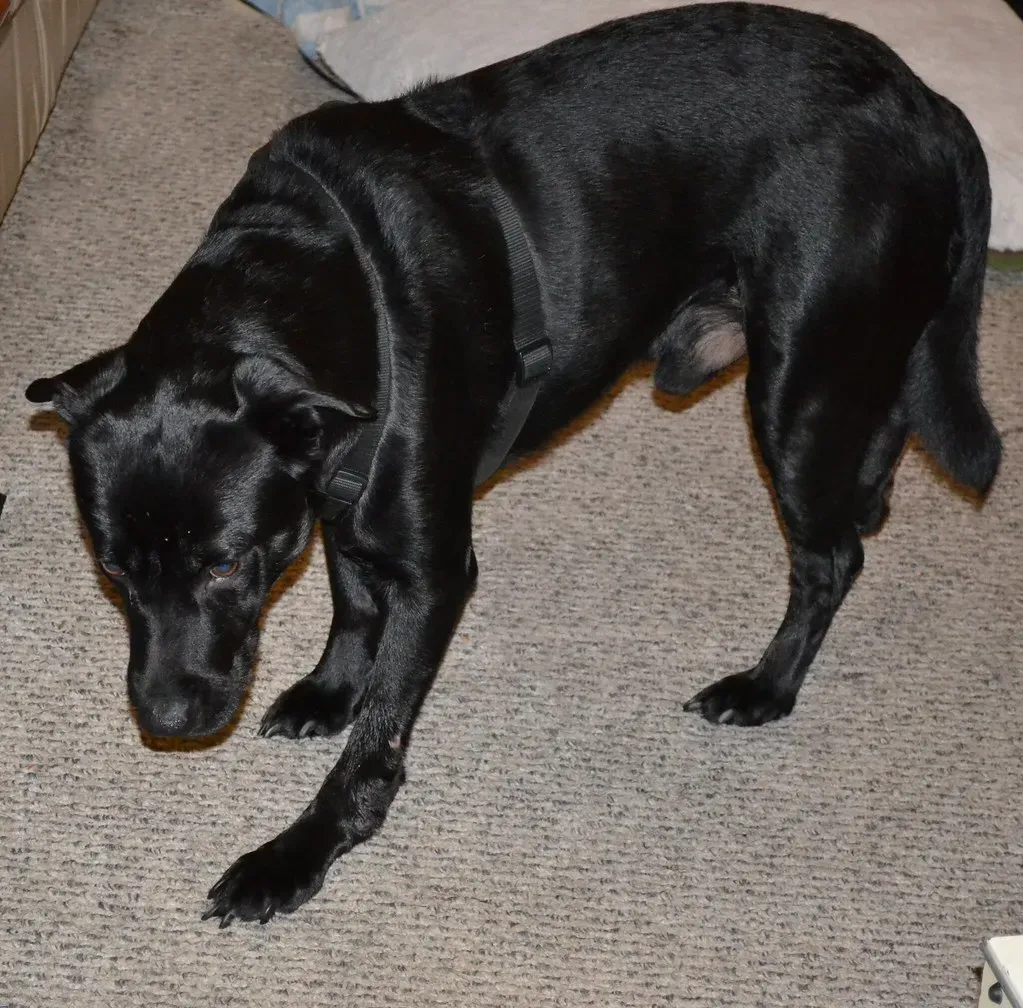
Dogs are master communicators through their bodies. The moment your confident pup starts to shrink, hunch, or go rigid, something emotionally important is happening. A stressed dog might make themselves appear smaller by crouching, lowering their head, flattening their ears, or tucking their tail. It’s like watching someone try to disappear into the wallpaper at an awkward party.
Changes in body posture are a key stress signal. Dogs normally bear weight evenly on all four legs. If a healthy dog with no orthopedic problems shifts their weight to the rear legs or cowers, they may be exhibiting stress. When scared, dogs may also tuck their tails or become rigid. That stiffness is particularly important not to ignore.
When your dog freezes or gets stiff, they’re often stressed about something they see. In a training context, this can sometimes be seen as “submission,” but modern dog training practices tell us that the dog is actually shutting down. This can be very dangerous for both you and your dog. It’s a warning sign that the dog is so stressed that they can’t handle the situation.
Tail position matters more than most people realize, too. A tail that’s tucked and held low, with slight or fast short wagging motions, communicates uncertainty and concern. A low, fast wag is sometimes seen upon greeting, which can signal a dog that’s a little insecure over the interaction and offering an appeasement gesture to communicate they’re not a threat. Yes, a wagging tail can actually mean stress. Surprising, I know.
The Mouth Tells All: Lip Licking, Yawning, and Excessive Panting
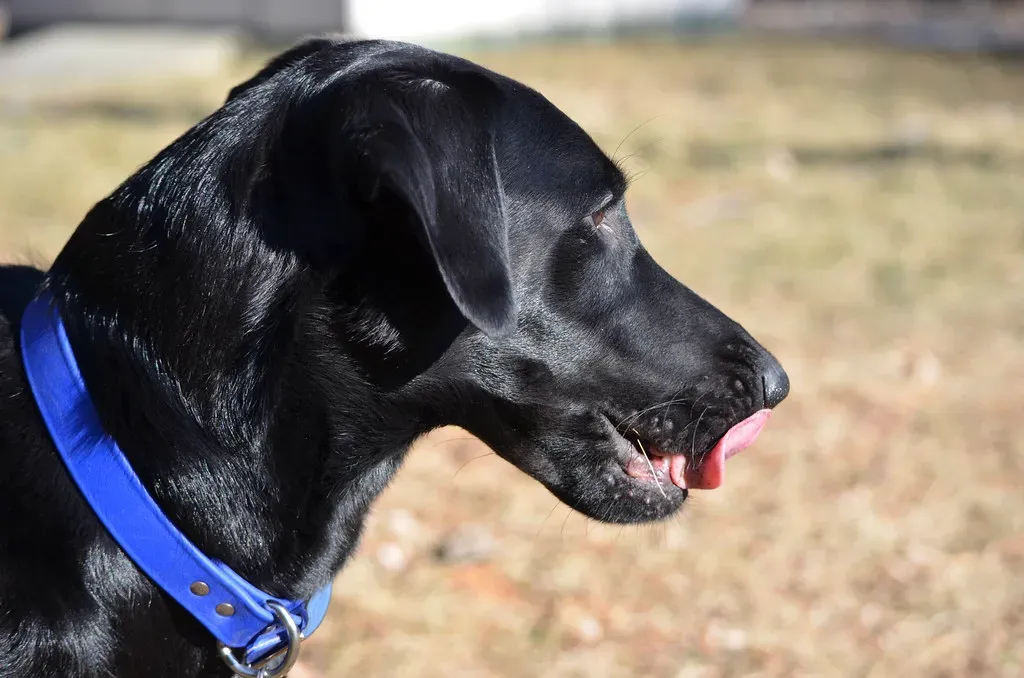
Most of us have seen our dogs lick their lips and thought nothing of it. Maybe they just smelled a treat, right? You may be used to your dog licking his jowls when he smells something tasty, or licking his paws to dry off after walking in wet grass. If your dog is demonstrating licking behaviors in the absence of appetizing smells or wet paws, this is a signal that he is experiencing anxiety. Context is everything here.
Stress signs to look for include whale eye, tucked ears or tail, raised hackles, lip-licking, yawning, and panting. These are what behaviorists call “calming signals,” and they’re your dog’s polite, non-confrontational way of saying things are too much. There are entire books written on dog body language and “calming signals,” a term developed by Norwegian dog trainer Turid Rugaas. Rugaas realized that dogs have more than 30 ways to avoid stressful situations and try to calm themselves. Thirty ways. Let that sink in.
Dogs pant when hot, excited, or stressed. If your dog is panting even though they have not exercised, they may be experiencing stress. Paired with a tight mouth and tense facial muscles, stress panting looks distinctly different from happy, post-zoomies panting. Drooling when no food is present can also be a sign of extreme fear or stress.
Avoidance and Hiding: When Your Dog Tries to Disappear

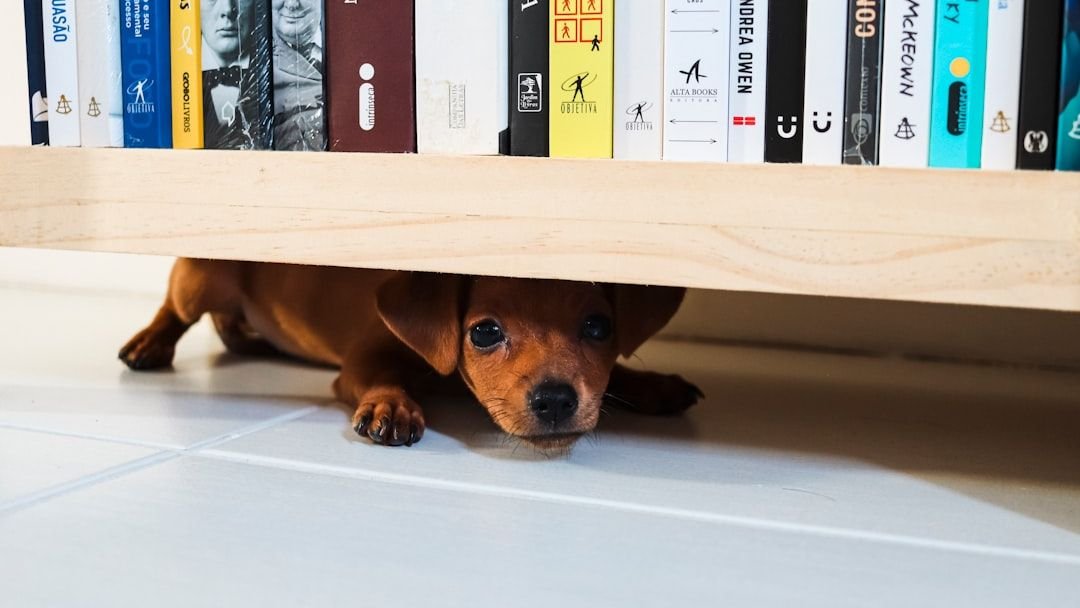
Let’s be real, we’ve all seen it. You’re at a family gathering, your dog slinks off to a corner, hides under the coffee table, or keeps nudging you toward the exit. This isn’t rudeness. It’s a heartfelt plea. When faced with an unwelcome situation, dogs may “escape” by focusing on something else. They may sniff or dig the ground, lick their genitals, or simply turn away.
Some tense dogs move behind a trusted person or behind a nearby object. They may even nudge or jump on their person to prompt them to move along. I find this one especially poignant. Your dog is literally asking you to save them. That is trust in its purest form.
If your dog avoids interaction with other dogs or people, do not force the issue. Respect their choice. Forcing your dog into overwhelming interactions doesn’t build confidence. It erodes it. Think of it like pushing someone with a fear of heights onto a rollercoaster and calling it therapy.
Prevention tip: It is important to provide your dog with a safe place in the home where they can escape stimuli that trigger a stress response. Creating that safe haven before heading somewhere new gives your dog a mental “home base” to return to emotionally, even when they’re away from it physically.
Physical Symptoms You Can’t Ignore: Shaking, Shedding, and Gut Upset

Sometimes, overwhelm doesn’t just show up in behavior. It shows up in the body. That whole-body shake can be amusing and is quite normal, unless it occurs as the result of a stressful situation. For example, the “shake off” that dogs often do after they descend from the veterinarian’s exam table is likely triggered by stress. It’s your dog’s attempt to literally shake off a difficult experience.
Show dogs that become nervous in the show ring often “blow their coat.” Dogs also shed a lot when in the veterinary clinic. Although less noticeable in outside settings, such as visiting a new dog park, shedding increases when a dog is anxious. If you’re finding fur everywhere after a new experience, that’s not coincidence.
Like people, nervous dogs may experience an increased urgency to urinate or defecate. Dogs may experience gastrointestinal upset that can include vomiting, diarrhea, and refusing food. It’s hard to say for sure in every case whether it’s stress or illness, which is why knowing your dog’s baseline is so important. Honestly, these physical signs are the ones most often dismissed as random sickness when they’re actually emotional SOS signals.
Chronic stress in a dog damages their ability to cope and learn. That’s a sobering fact worth sitting with. If your dog becomes stressed often or in response to many triggers, see your veterinarian. After ensuring that your dog’s behavior does not have a physical basis, your veterinarian may refer you to a trainer or veterinary behaviorist for further assessment.
What You Can Do Right Now: Practical Steps to Support Your Overwhelmed Dog
Now that you can read the signs, the most important thing is knowing how to respond. Stay calm and avoid punishment to build trust. Never punish your dog for things they do because of their anxiety. Punishment in these moments doesn’t fix anything. It just teaches your dog that overwhelm leads to more pain.
The 3-3-3 rule for dog anxiety is a set of general guidelines for bringing home a new dog. They provide a framework for how to help your dog settle in during the first three days, the first three weeks, and the first three months. During the first three days, your new dog may feel overwhelmed. It’s best to provide a quiet, safe space for your dog to decompress. This approach works beautifully for any new situation, not just new homes.
Almost all anxious dogs benefit from positive reinforcement training and increased predictability and consistency in their routine and in interactions. Predictability is, honestly, one of the most underrated gifts you can give your dog. When you remain calm in how you respond to stressful situations, this shows a dog that they can rely on you. You are their whole world. Your steadiness is their safety net.
Conclusion: Your Dog Is Talking. Are You Listening?
Loving a dog well means more than belly rubs and good food. It means learning their language, even when they can’t tell you outright that they’re struggling. Recognising fear or anxiety in your dog can help you resolve or avoid situations they find difficult. If you can recognise the first signs of fear or anxiety in dogs, you’ll be able to help your dog avoid the things that worry them and keep clear of potential conflicts. This will help prevent your dog from developing more established fears and keep everyone in the family, including your dog, feeling safe.
The five indicators we’ve explored, from those wide, worried eyes to a shaking body after a vet visit, are all your dog’s way of reaching out. They’re not being difficult. They’re being honest. Every time you catch a stress signal and respond with patience instead of frustration, you are deepening a bond that most humans never get to experience with another living creature. That’s something extraordinary.
So next time you’re heading somewhere new with your pup, slow down. Watch their eyes. Check their posture. Notice their breathing. Start paying attention to your dog’s body language and you’ll be able to read their stress signals and reduce their anxiety in no time. Your dog has been talking all along. Now you know how to listen. What signals have you been unknowingly missing in your own dog? Share your story in the comments below.


