
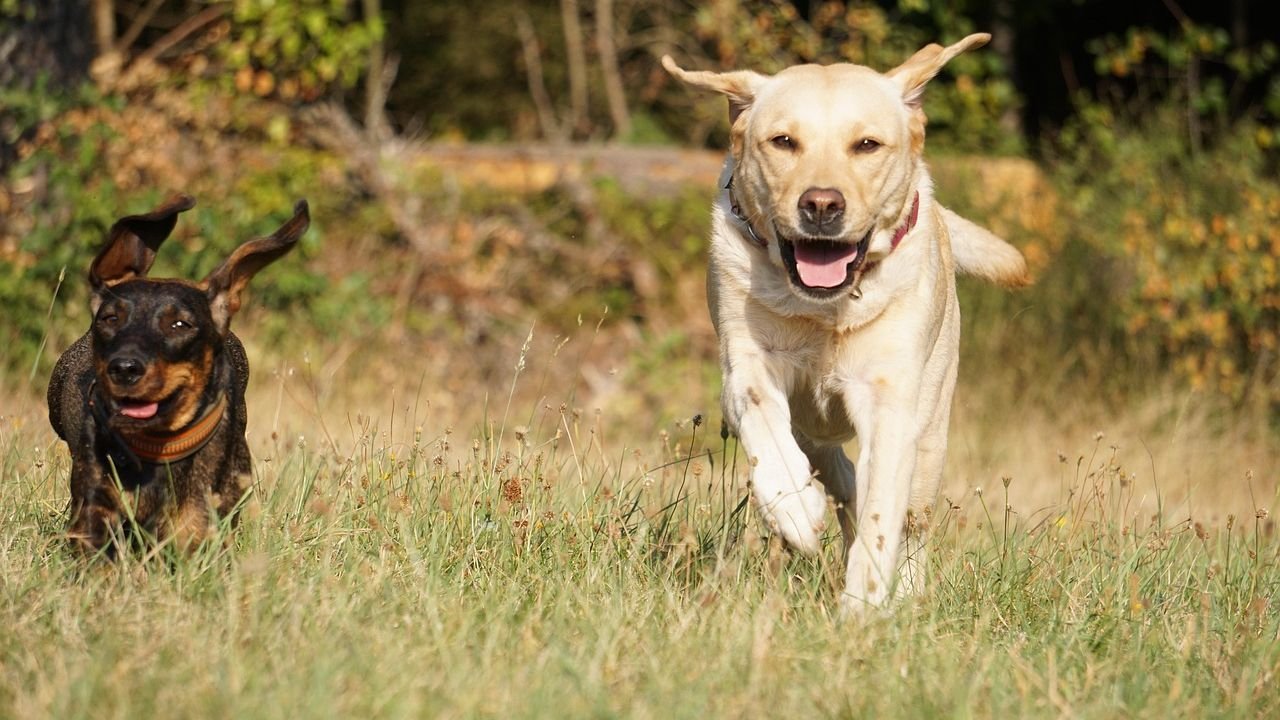
Here’s something that surprises a lot of dog owners. The fluffy little dog curled up in the corner? She might desperately need a two-hour adventure. The giant, noble-looking breed stretched out on the sofa? He’s probably perfectly fine with a gentle stroll to the park and back. We tend to judge a dog’s exercise needs by size or looks, and honestly, that’s one of the most common mistakes well-meaning dog parents make.
Understanding your dog’s true energy needs isn’t just about keeping them physically fit. It’s about honoring who they are at their core. Dogs who don’t get adequate exercise are much more likely to develop behavioral issues, and those behavioral issues often get misread as stubbornness or bad temperament, when really it’s just a dog screaming for more movement and stimulation. Let’s dive in and set the record straight.
1. Jack Russell Terrier – The Tiny Powerhouse With an Enormous Engine
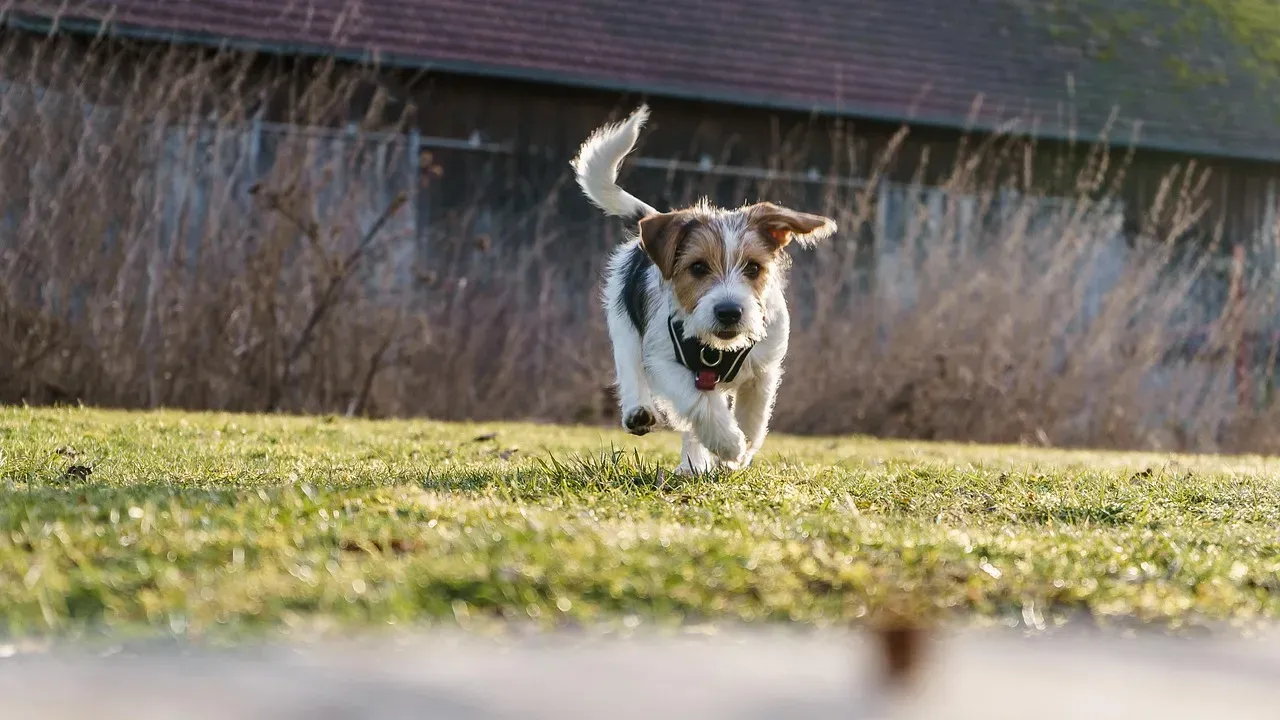
Don’t let the compact size fool you for even a second. Jack Russell Terriers are first and foremost hunting dogs. They happen to be small and cute, but the average Jack needs as much exercise as a young German Shorthaired Pointer or a Lab. That’s a sobering thought when you’re watching your 12-pound terrier bounce off the walls inside your apartment.
On average, they should receive at least 1.5 to 2 hours of exercise per day. This exercise should include both physical exercise, such as brisk walks, jogging, or playtime in a securely fenced area, as well as mental stimulation through interactive games, puzzle toys, or obedience training. Skip the daily session, and expect to find your favorite shoes chewed beyond recognition.
A lack of exercise can lead to behavioural problems, such as destructiveness and aggression, as well as health issues, such as obesity and joint problems. If your Jack is pacing, barking at shadows, or turning your garden into a construction site, that’s their cry for more action.
2. Border Collie – The Workaholic Who Never Clocks Out
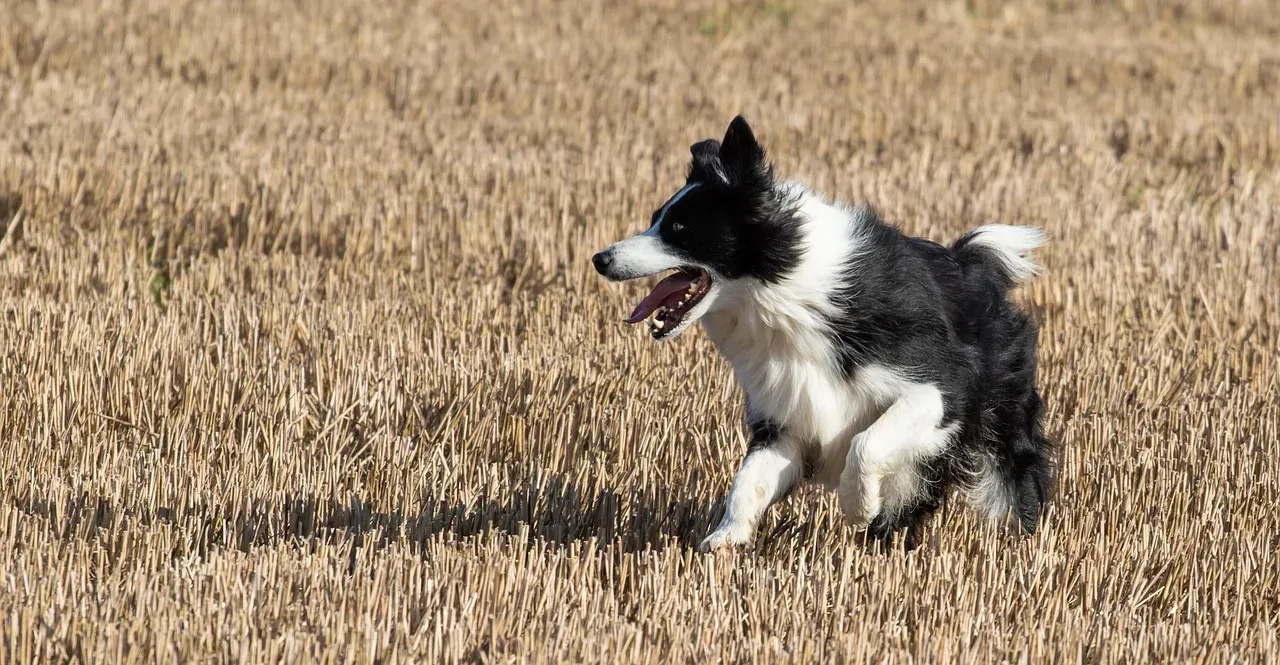
The Border Collie is one of the most active, high-energy dog breeds, so it requires more exercise than average. Most people know this, but what they underestimate is just how intense that need is. This isn’t a breed you tire out with a quick jog around the block and a few tosses of a tennis ball.
Due to their background as working dogs, Border Collies require an extensive amount of physical activity. To release all this pent-up energy, which was once used for sheep-herding, a minimum of 90 minutes of exercise is needed a day. Think of it like this: a Border Collie brain is a Formula 1 engine. Put it in a traffic jam, and it’ll overheat spectacularly.
Border Collies, Australian Shepherds, and other herding breeds need a mix of mental and physical stimulation. Agility courses, scent work, and advanced obedience training aren’t luxuries for this breed. They’re necessities.
3. Dalmatian – More Than a Firehouse Mascot
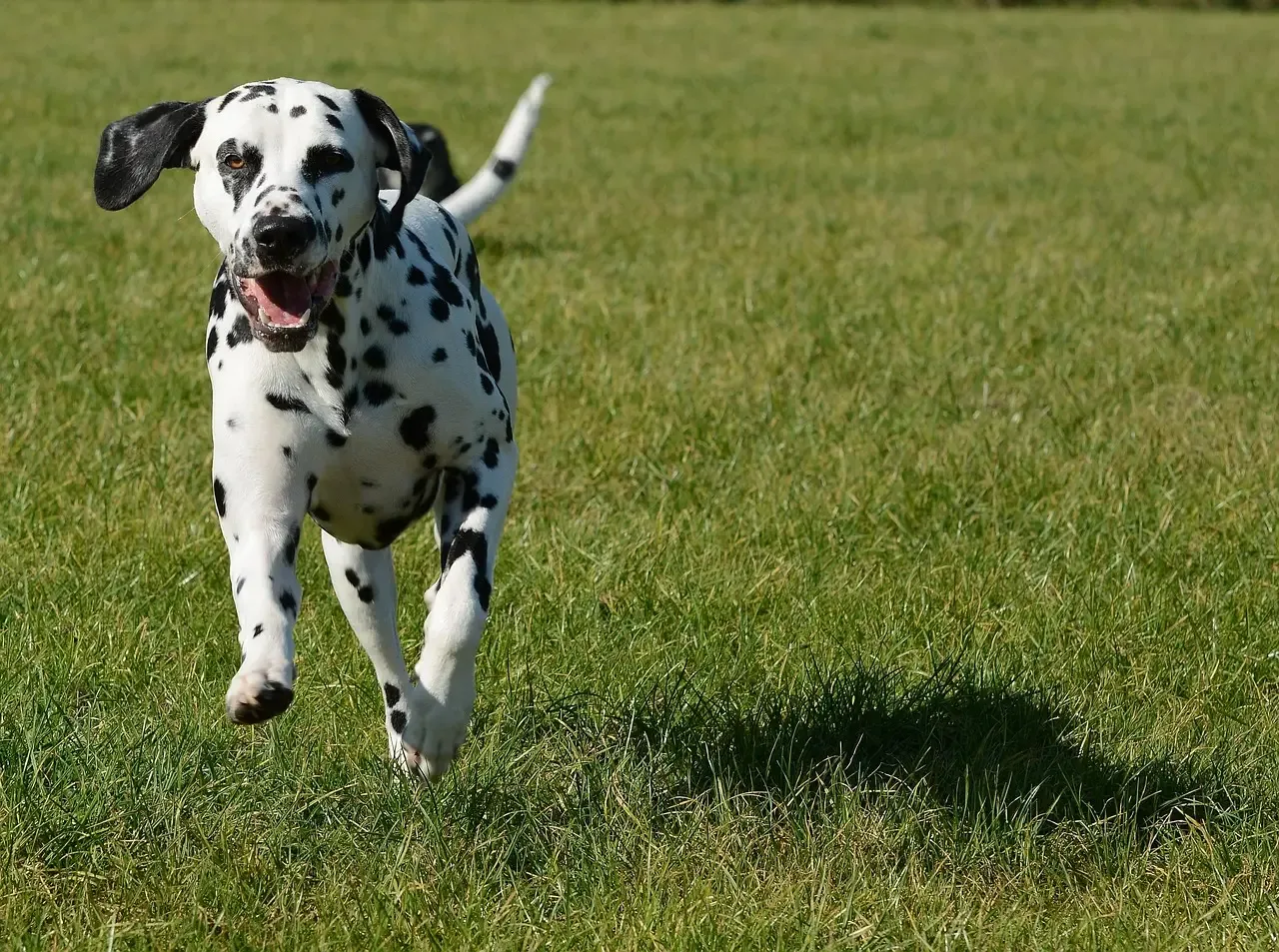
Dalmatians are natural athletes with an impressive level of stamina and energy. This breed still has that endurance and needs a lot of daily exercise to stay happy and healthy. Most families bring one home expecting a beautiful, manageable companion, and are genuinely blindsided by the relentless energy levels.
They love running, hiking, and playing fetch, making them great companions for active owners. Dalmatians can become hyperactive or destructive without proper exercise, so they need a home that can keep up with their energetic nature. Honestly, if you’re a runner or a cyclist, a Dalmatian might just be your dream companion. If you prefer evenings on the couch, they’ll make that very clear, very loudly.
4. Weimaraner – The “Grey Ghost” Who Haunts Idle Afternoons
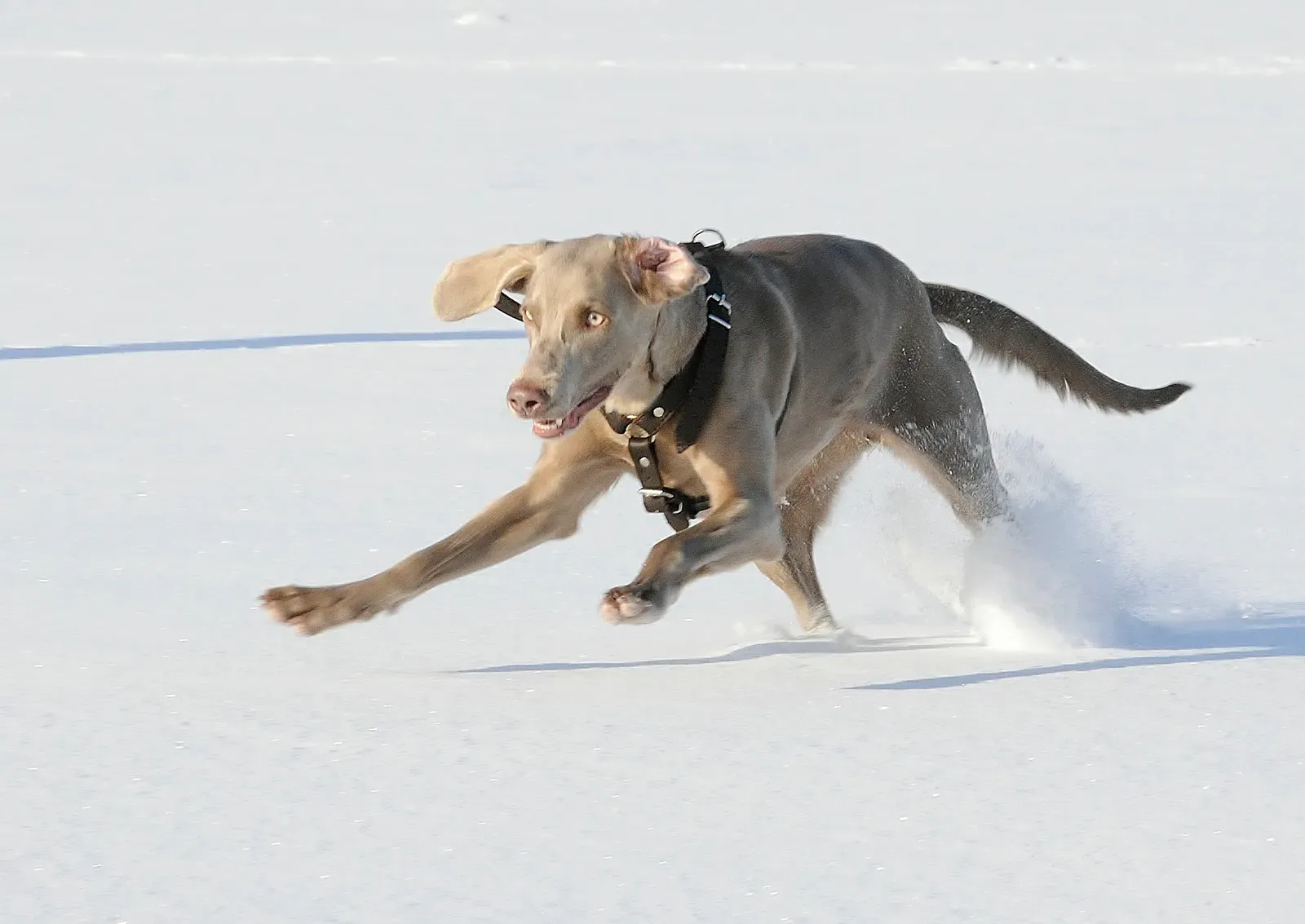
Weimaraners look sleek, elegant, and almost regal. Don’t be fooled by that sophisticated exterior. Weimaraners love activities like hiking, running, and retrieving games, but they can become restless if left without enough stimulation. They are affectionate and loyal, but their high energy levels mean they are not ideal for couch potato owners.
Some breeds of dog are specifically bred for performing physically demanding activities. Dogs bred for hunting or herding tend to be much higher energy. Even if your dog does not participate in these activities now, the need for daily, vigorous exercise is still there. The Weimaraner is a perfect example of this principle in action. Their hunting heritage didn’t disappear just because they moved into your suburban home.
5. Vizsla – The Velcro Dog Who Needs to Move
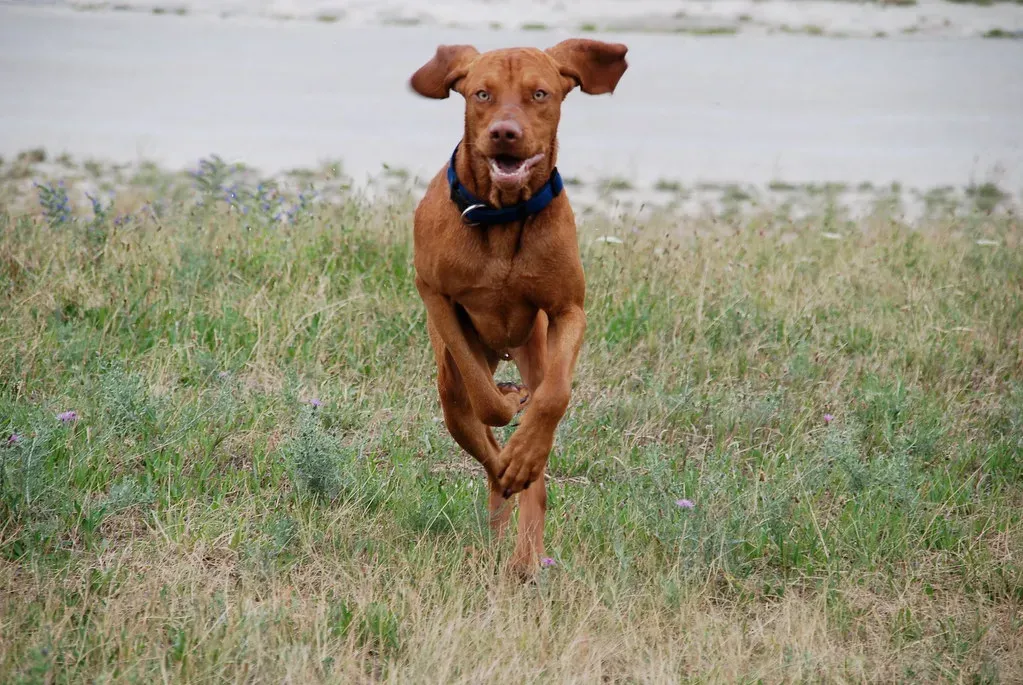
The Vizsla is often called the “Velcro dog” because of their affectionate nature, but they also have an incredible amount of energy. Originally bred as hunting dogs, they excel in running, retrieving, and agility activities. If you’ve ever lived with one, you already know they want to be attached to you while simultaneously running at full speed. Tricky combination.
Vizslas need regular physical and mental exercise to stay content, as they can become anxious or destructive if left bored. These dogs thrive in active households where they can participate in outdoor adventures with their owners. Missing a day of real exercise with a Vizsla isn’t just inconvenient, it’s a recipe for a very anxious, very clingy, very destructive afternoon.
6. Labrador Retriever – The “Lazy Lab” Myth, Busted
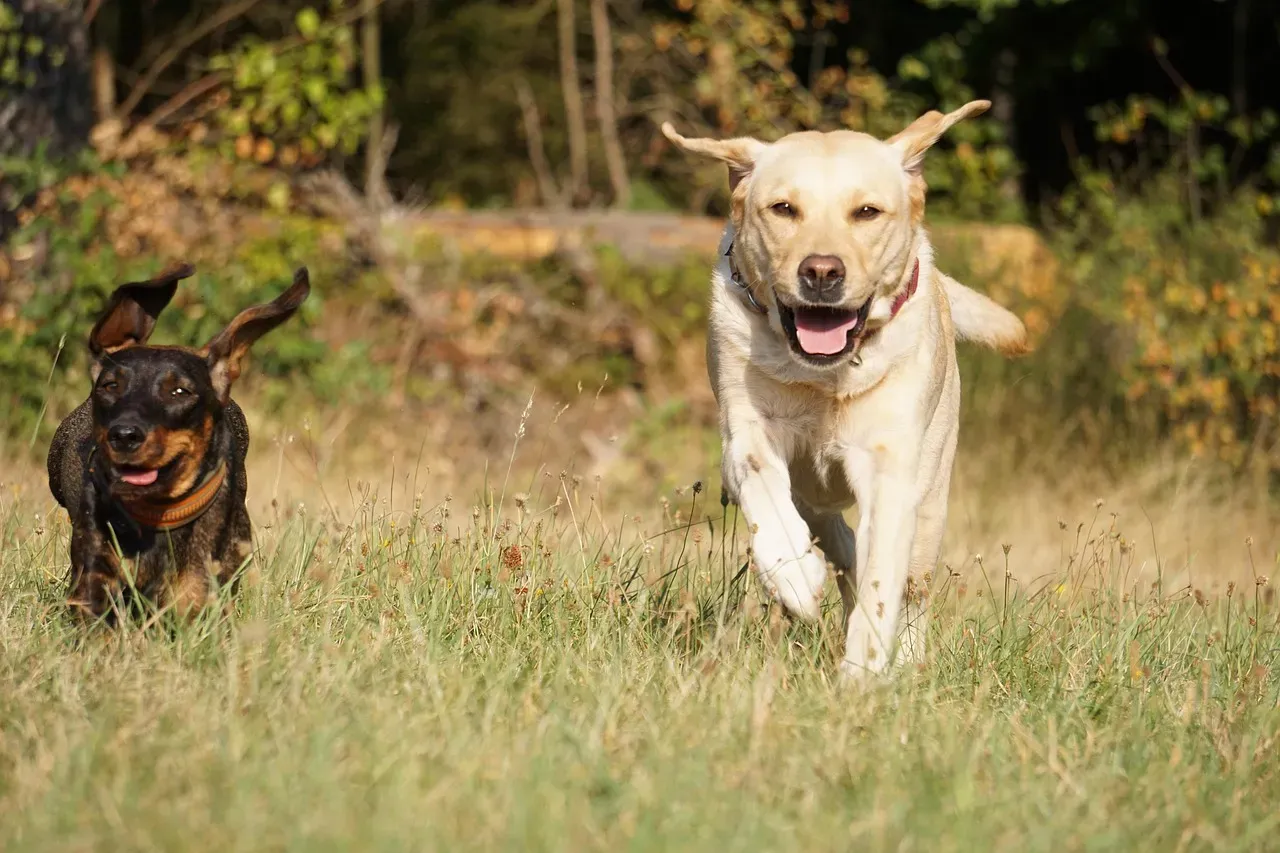
Here’s the thing about Labradors. People assume their friendly, laidback personality means they’re happy with minimal exercise. That could not be further from the truth. The Labrador Retriever is a bouncy, playful breed that’s often bursting with energy and likes to be active. They should have around 1 to 1.5 hours of exercise each day, split up into different sessions to make their forms of exercise fun and diverse. They love running, playing games, and swimming, so they need more than just a stroll around the block.
Similar to other sporting breeds, Golden Retrievers and Labradors are at elevated risk of obesity. The issue is twofold: they really enjoy their dog treats and, though high energy, they won’t dash around and get exercise on their own like some zippy breeds. So the “lazy Lab” you’re seeing on the couch? She’s not content. She might just be bored into resignation.
7. Australian Shepherd – The Herder Who Never Turns Off
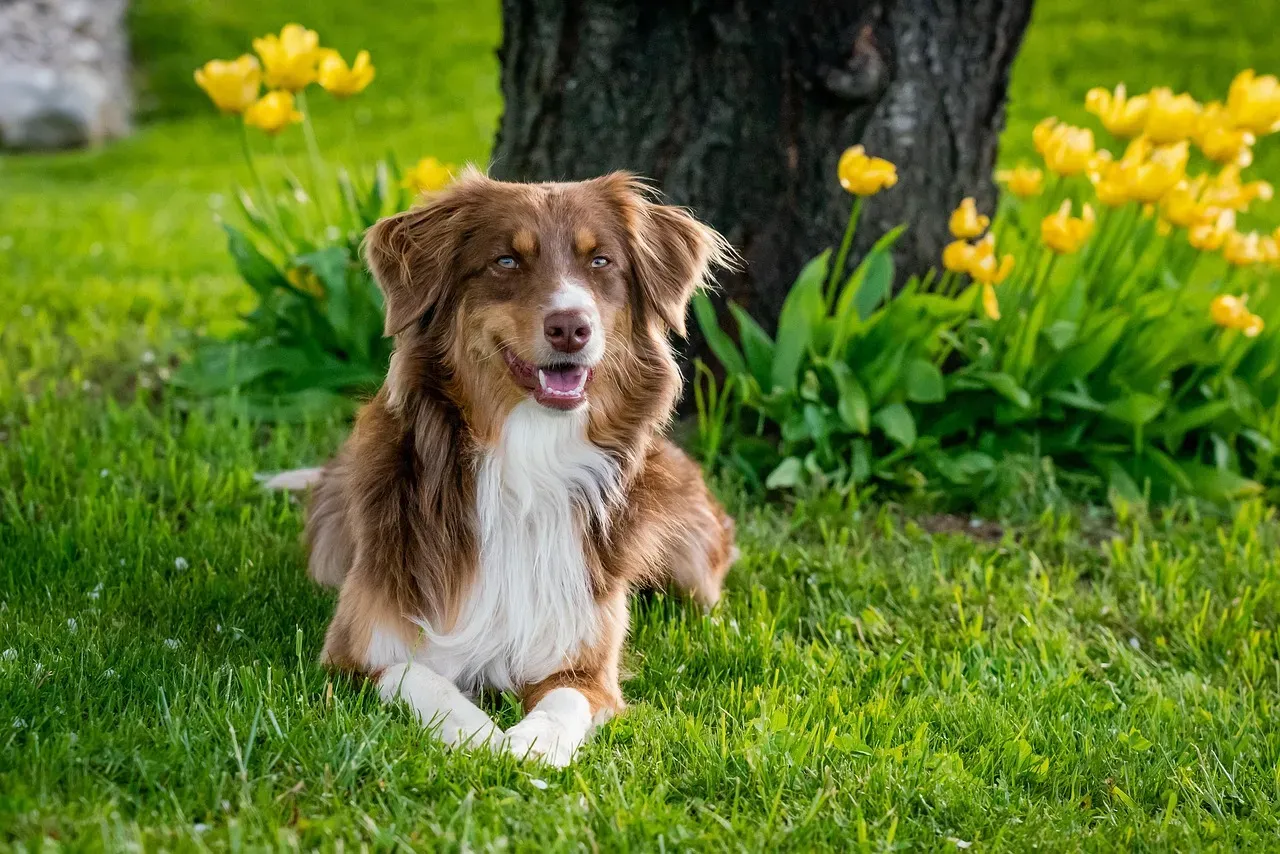
Australian Shepherds are stunningly beautiful dogs, and I think that beauty is part of why so many people underestimate them. Siberian Huskies and Australian Shepherds are beautiful, but if you can’t provide sufficient exercise, they’re going to get bored and destructive. Think of an Aussie as a brilliant, driven employee with no desk and no tasks. That energy has to go somewhere.
Some breeds are content with a leisurely evening stroll around the block, while others demand daily, vigorous exercise routines, particularly those originally bred for physically demanding tasks like herding or hunting. Without sufficient physical activity, these high-energy breeds may face issues such as weight gain and express their pent-up energy in undesirable behaviors like excessive barking, chewing, and digging. Australian Shepherds tick every single one of those boxes if underexercised.
8. Golden Retriever – More Athlete Than Lap Dog
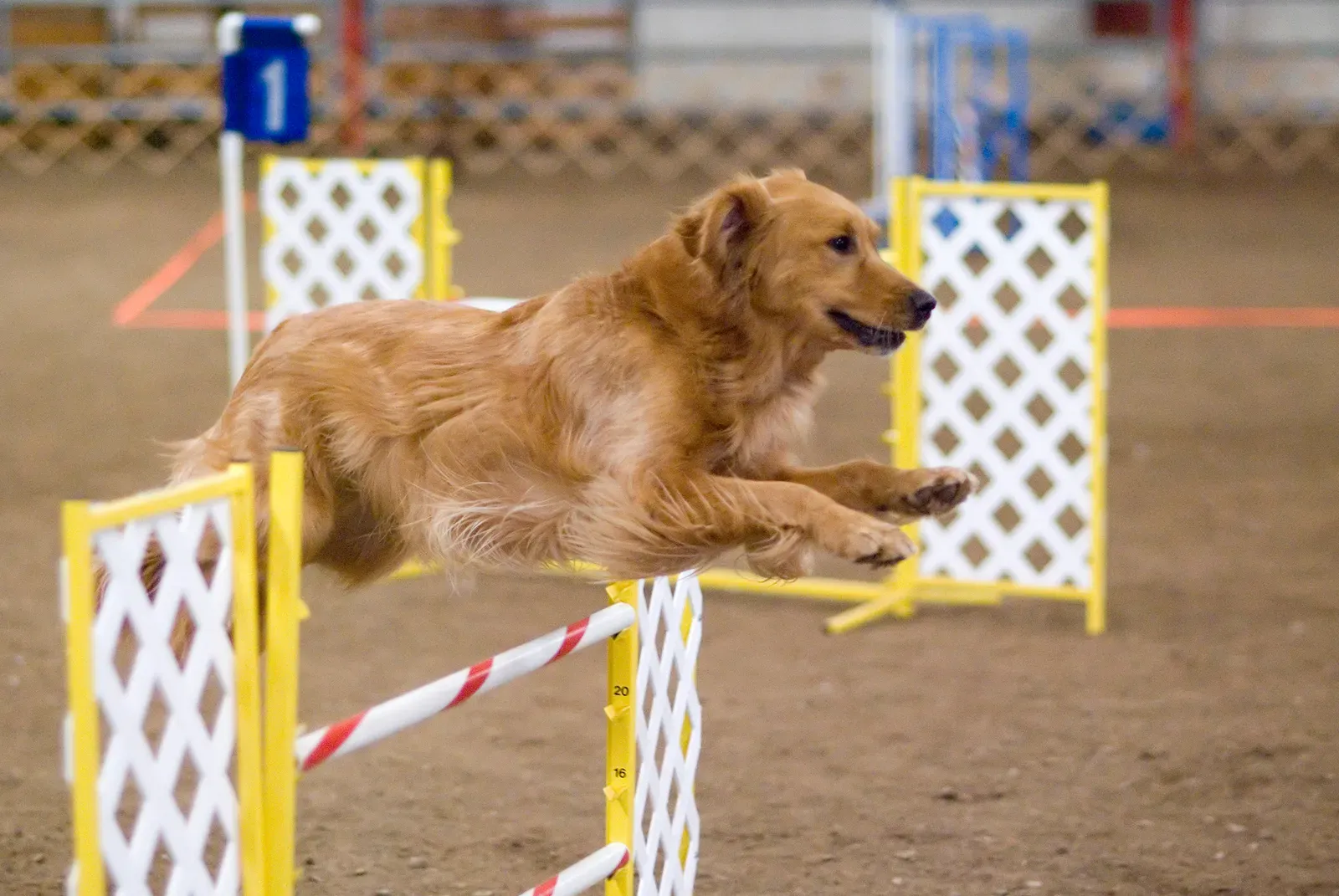
Golden Retrievers are everybody’s dream dog. Gentle, patient, endlessly loving. They’re also proper athletes who need real, consistent exercise every single day. They need an exercise routine that ensures more than an hour of vigorous exercise daily. Your Golden will benefit from mental stimulation through puzzle toys, obedience training sessions, agility classes, and games of hide-and-seek.
Sporting dogs like Labradors and Golden Retrievers were bred for high-energy tasks like retrieving and swimming. These breeds thrive on regular, vigorous activities such as running, hiking, or dog sports. Aim for at least 90 minutes of exercise daily to keep them content. Skimping on that isn’t just bad for their waistline. It dims their spirit, and that’s a heartbreaking thing to see in a Golden.
9. Boxer – The Perpetual Puppy Who Needs a Workout Partner
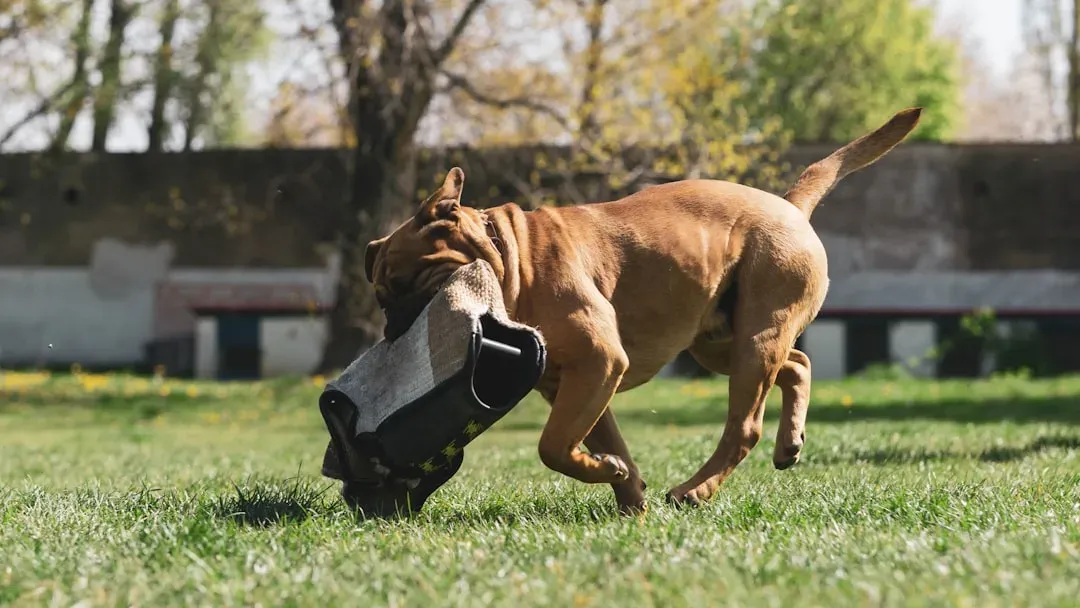
Boxers are famously described as the breed that refuses to grow up, and that’s not just an endearing quirk. It comes with serious exercise demands. Boxers need at least two hours of exercise a day to stay entertained. Renowned for keeping their puppy personality for longer than most dogs, home can be a chaotic place with a Boxer around.
Consistent training is a large part of life with a Boxer, but training doesn’t have to be repetitive. Boxers like to keep things fresh rather than stick with the same old routine. Agility and advanced tricks offer mental stimulation and burn energy; combine running, hiking, and play for a thrilling exercise routine. Mix it up, keep it fun, and your Boxer will thrive. Stick to the same dull walk every day, and they’ll find their own entertainment indoors.
Now, the 5 That Need Less: Great Dane – The Gentle Giant Who Prefers a Leisurely Pace
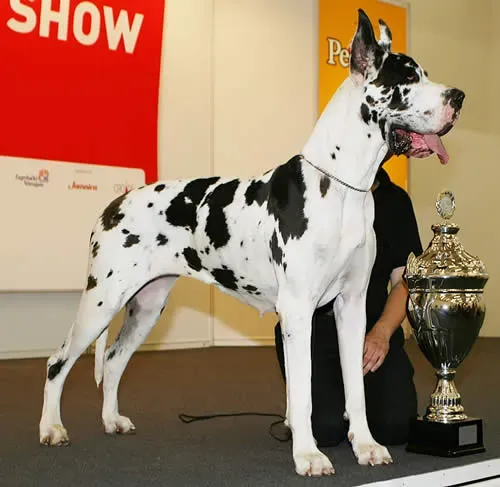
Here’s a surprise that catches people off guard. One of the world’s largest dog breeds is actually one of its least exercise-demanding. Despite their imposing size, Great Danes make excellent companion dogs that are more than content with a brisk walk. Their sheer size creates the illusion of needing marathon-level workouts. Not the case at all.
Active breeds may need a few hours of activity daily, while more sedentary breeds do well with 30 to 60-minute walks and playtime. Great Danes sit firmly in that second category. Think short, regular walks rather than epic hikes. Their joints will thank you, and so will their giant, gentle hearts.
Basset Hound – Born to Sniff, Not Sprint
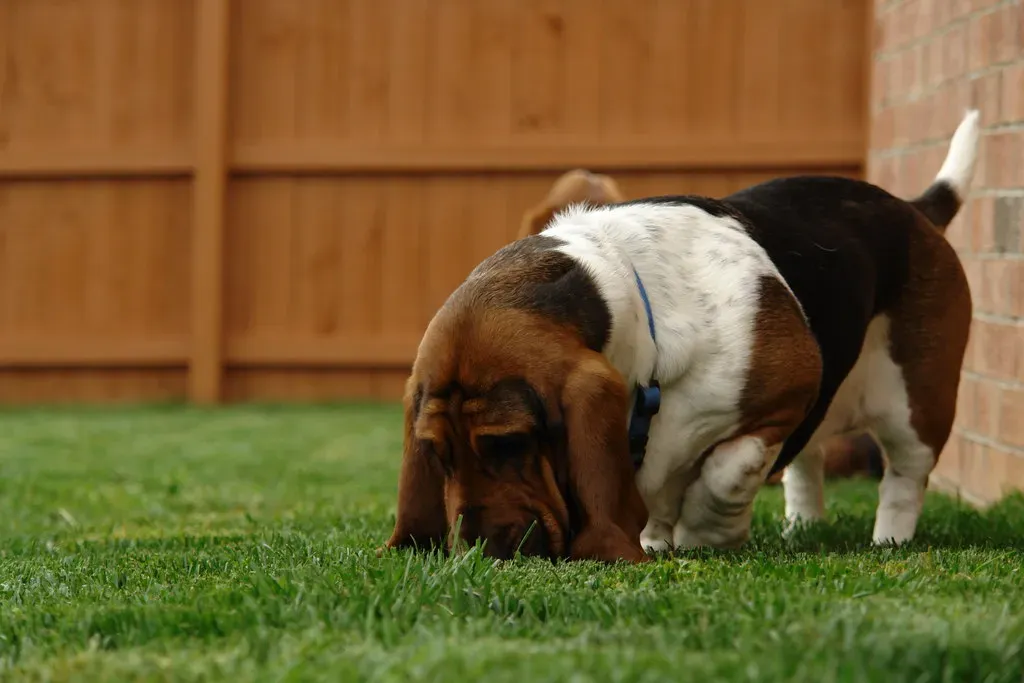
Basset Hounds are known for their low stature and floppy ears. They’re also very low energy and have an independent streak, which can make exercise and training activities a challenge. If you’ve ever tried to convince a Basset Hound to jog with you, you already know what “independent streak” means in practice. They look at you like you’ve completely lost your mind.
Basset Hounds love to follow a scent, so nose work, such as a game of hide-and-seek or a scavenger hunt to find hidden treats, is an excellent way to get your Basset Hound up and moving around. Basset Hounds require only light to moderate exercises, meaning long walks will keep this breed healthy and prevent them from becoming overweight and bored. Basically, hide some treats around the garden and let that glorious nose do the work.
Shih Tzu – Royally Relaxed and Loving Every Minute
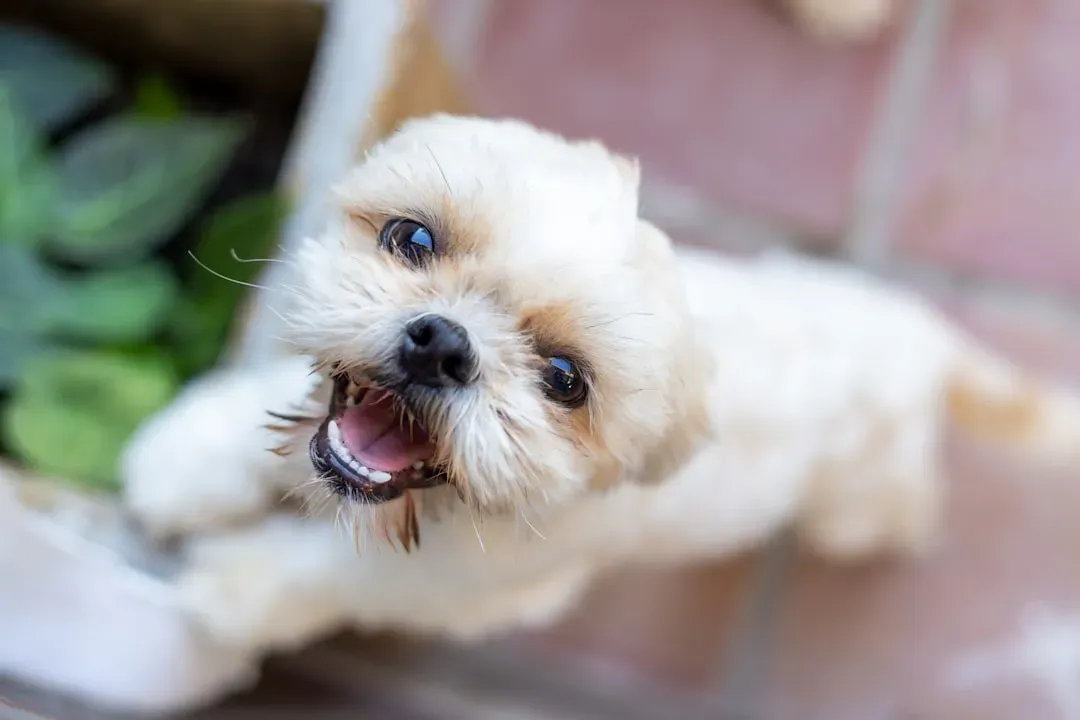
A toy breed originally bred as a companion dog for Chinese royalty, Shih Tzus are happy to live a life of luxury and relaxation. At somewhere between nine and sixteen pounds, they require minimal exercise and are content with indoor play. They were literally bred to be pampered. Honoring that is not lazy dog parenting. It’s respecting their nature.
On average, a Shih Tzu weighs 9 to 16 pounds when full-grown, which means that a short walk or some indoor play will suit their need for exercise. The breed’s flat face can increase the likelihood that they will experience heatstroke or overheating, so prioritize indoor activities during periods of hot weather. A short morning walk, some gentle play, and a warm lap are essentially the Shih Tzu’s idea of a perfect day.
English Bulldog – Low Mileage, High Love
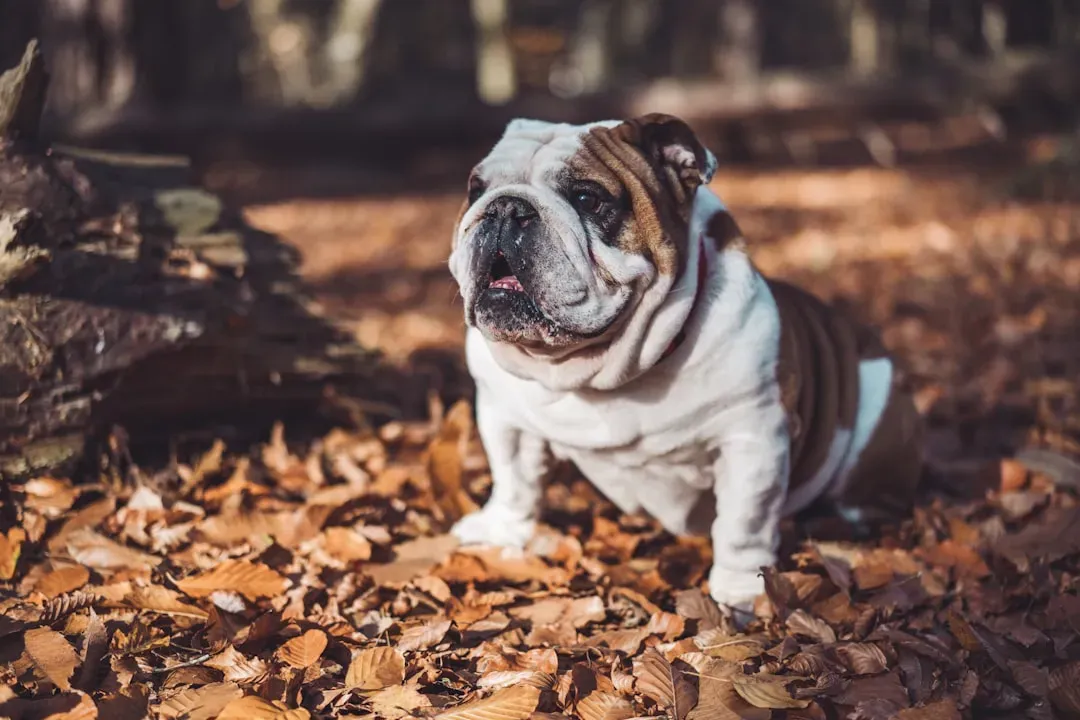
The English Bulldog is an easygoing companion with a docile temperament. Sturdy and stout, these medium-sized dogs reach 40 to 50 pounds in size. This dog’s flat face and short legs mean they aren’t built for intense or vigorous exercise. Instead, a short walk in moderate temperatures or an interactive indoor game is best for an English Bulldog.
The Bulldog is a mellow breed requiring moderate exercise to keep them trim. The key word here is moderate. A gentle walk around the neighborhood, some playtime in the yard, and that’s genuinely enough. It’s important to avoid overexerting bulldogs during warm weather as they are prone to overheating. On hot summer days, keep activity indoors and keep the air conditioning on. Your Bulldog will bless your name for it.
Greyhound – Fastest Dog on Earth, Laziest Dog on Your Couch
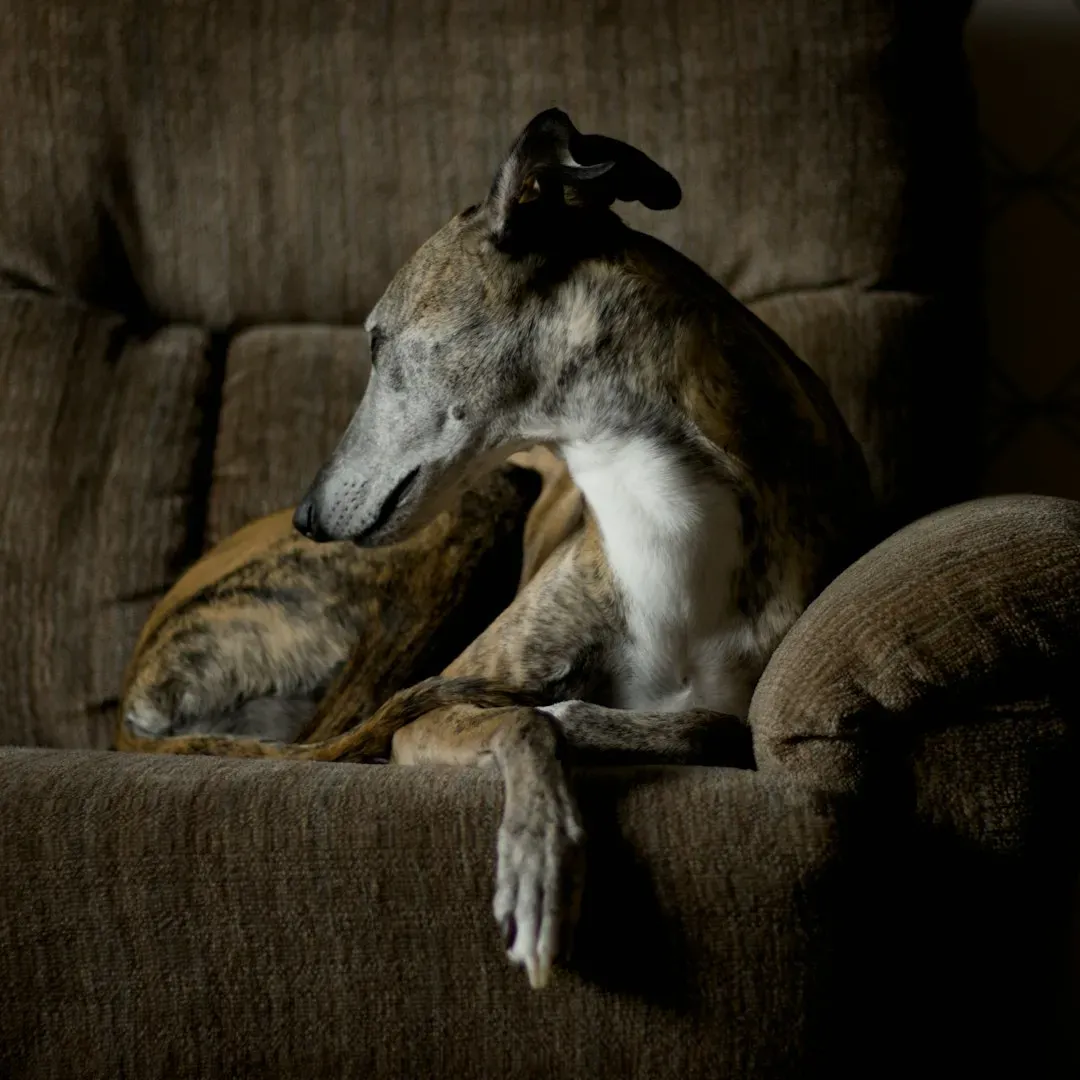
This one genuinely surprises people every time. A racing dog who barely needs exercise? Let’s be real, it sounds crazy, but it’s absolutely true. Bred for speed, the Greyhound might seem like a surprise as a low-energy dog breed, but the reality is that these large dogs are quite lazy at home and are often referred to as couch potatoes. That said, Greyhounds do require a daily outlet for pent-up physical and mental energy. A leashed walk or short sprint within a fenced space to stretch those long legs is ideal.
Think of a Greyhound like a sports car. Magnificent bursts of speed, followed by long, luxurious rests. This majestic coursing hound has an incredible turn of foot, but is a trifle lazy, especially as they get older. As they were bred to run, it’s ideal if you can cater to that need, but this reserved hound doesn’t typically have energy levels to match their athletic capacity. A daily zoomie session in a securely fenced yard is often all they ask for. Then it’s back to the sofa, preferably your sofa.
Conclusion: Know Your Dog, Love Them Better
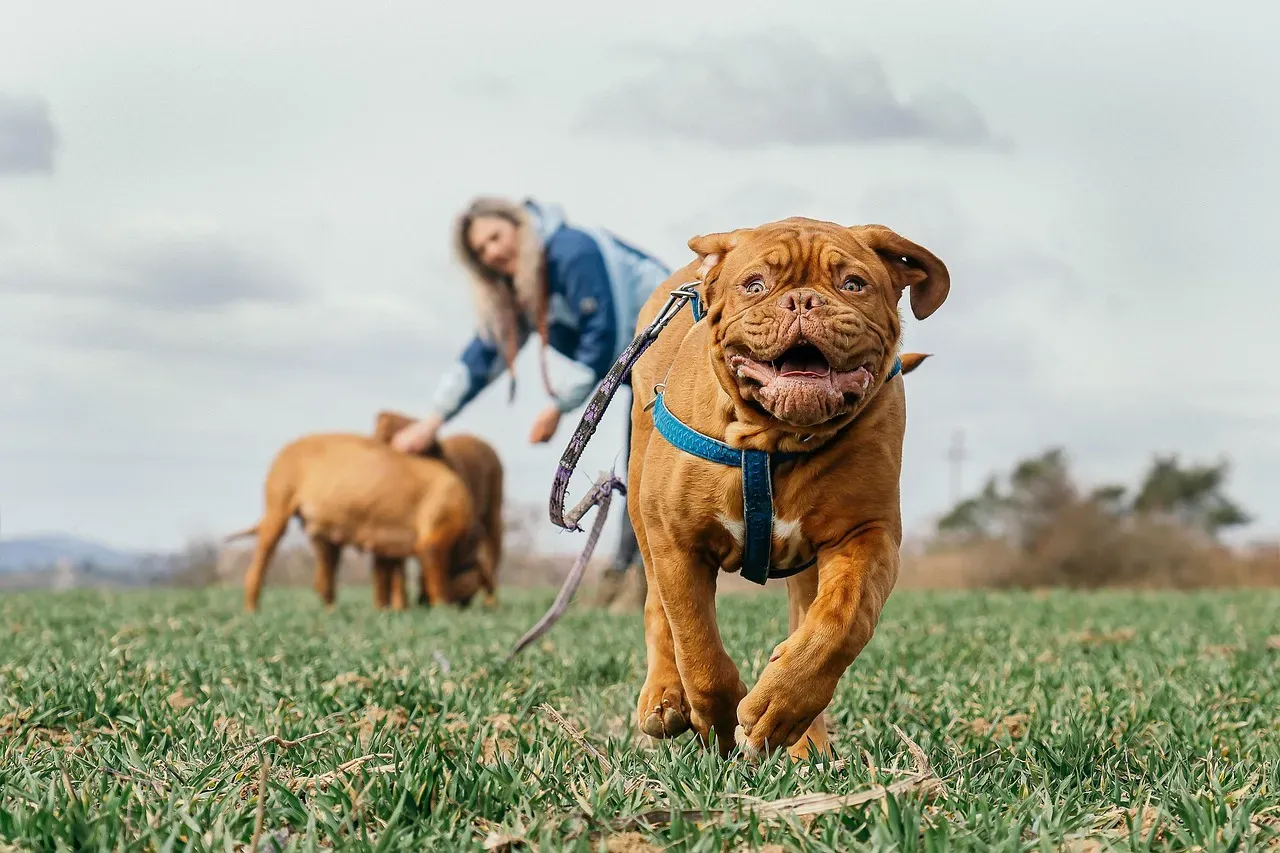
A dog’s breed often determines their energy levels and preferred types of activities. Though every dog is unique, understanding general guidelines based on breed group is a helpful starting point. The truth is, exercise isn’t just a health checkbox you tick off each day. It’s one of the deepest forms of love you can show your dog.
Regular exercise is essential for maintaining your dog’s physical health. It helps prevent obesity, strengthens muscles, supports joint health, and promotes cardiovascular fitness. Whether you’re sprinting with a Weimaraner or shuffling along gently with a Basset Hound, every single walk matters. Every enrichment session matters.
When you understand what your dog truly needs, you stop guessing and start connecting. You stop seeing “bad behavior” and start seeing a dog communicating honestly with you. That shift changes everything. So take a fresh look at your dog today. Are you meeting them where they are? What does your dog’s body language tell you about how well their needs are being met? Tell us in the comments, we’d love to hear your story.


