
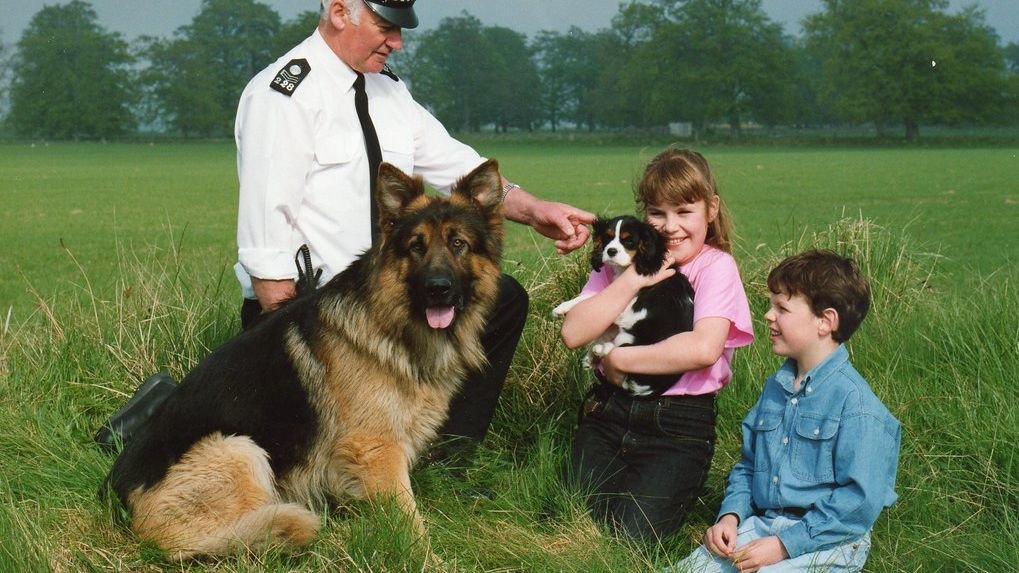
There is something undeniably magical about the bond between a dog and a child. The wagging tails, the giggles, the afternoon naps side by side – it is the stuff of childhood dreams. Yet behind those heartwarming moments lies a responsibility that far too many families underestimate. The truth is, introductions between dogs and children are one of the most delicate and potentially dangerous moments in a pet owner’s journey, and most people get it wrong not out of carelessness, but simply because nobody told them how to get it right.
Whether you are bringing a new dog home to a house full of kids, or welcoming a new baby into a home that already belongs to your beloved pup, the stakes are real. The good news? Every single mistake on this list is completely avoidable. So let’s dive in, because what you do in those first moments can shape a lifetime of trust – or undo it in seconds.
Mistake #1: Rushing the First Meeting Like It’s a Party
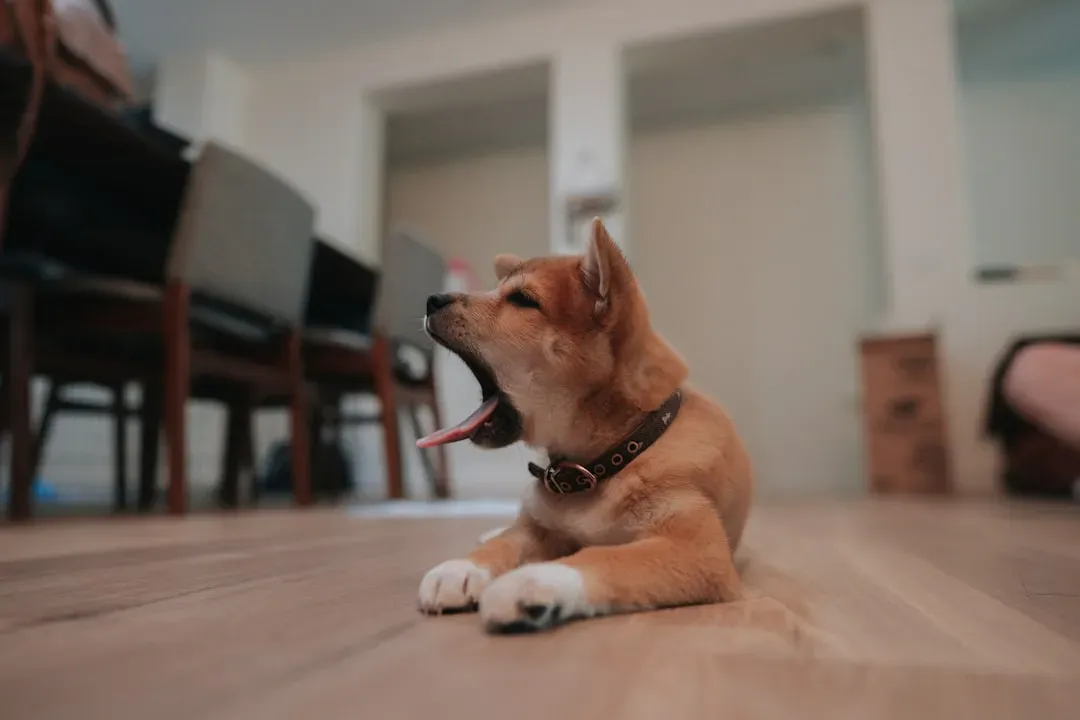
Here is the thing – bringing home a new dog is exciting, and it is natural to want to introduce them to the whole family right away. But when it comes to dogs and children, it is essential to proceed with care. Think of it less like a welcoming party and more like a first job interview for both parties. Nobody performs well under that kind of pressure.
Your new dog may be experiencing fear, stress, or uncertainty in their new environment. What feels like a sweet moment to a child could feel completely overwhelming to a dog. Give your dog time to decompress first. A short walk, some quiet time in their space, and a calm atmosphere go a long way before any face-to-face meeting happens.
Mistake #2: Ignoring Your Dog’s Stress Signals
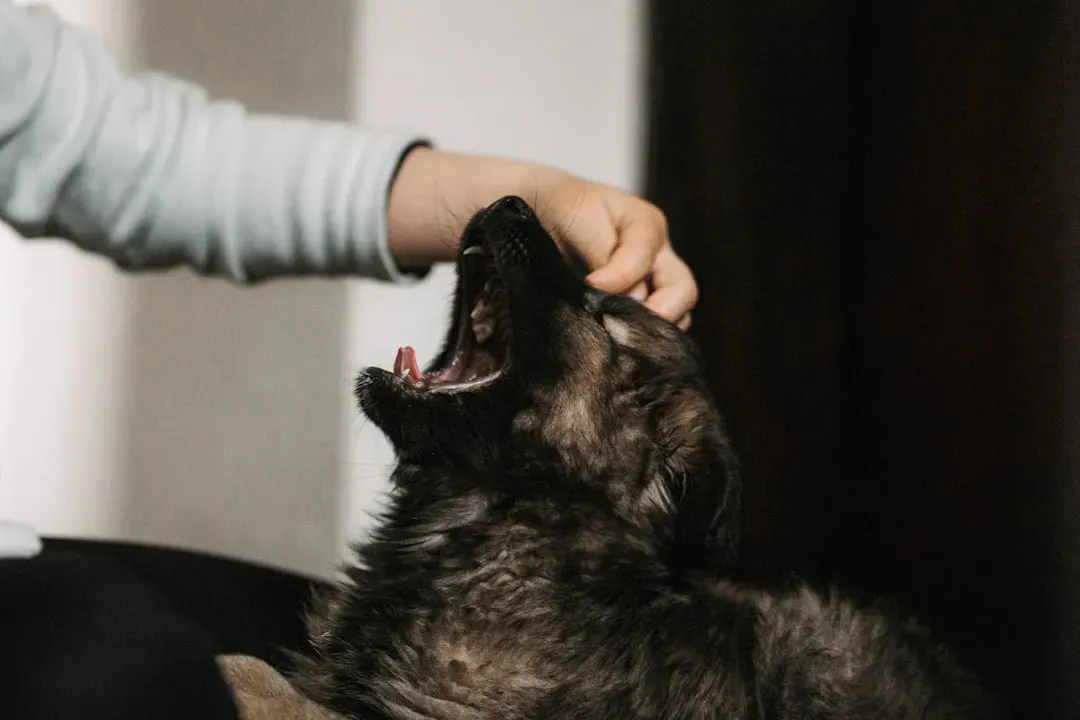
Dogs rarely go straight from calm to aggressive. Most will show subtle signs of stress first. If your dog licks their lips or yawns when a child approaches but is not tired or hungry, it could be a sign of stress or anxiety. Honestly, this one catches so many well-meaning owners off guard. That yawn you found so cute? It might actually be a cry for help.
When a dog is stressed or anxious, it exhibits specific body language cues such as yawning without being tired, lip licking, turning away, tucked ears, and “whale eyes” showing the whites of their eyes. Additionally, stressed dogs might pant excessively, scratch themselves, or display a stiff body posture. Learn these signals like your dog’s life depends on it – because sometimes, it does.
Mistake #3: Assuming Every Dog Is Naturally Good with Kids
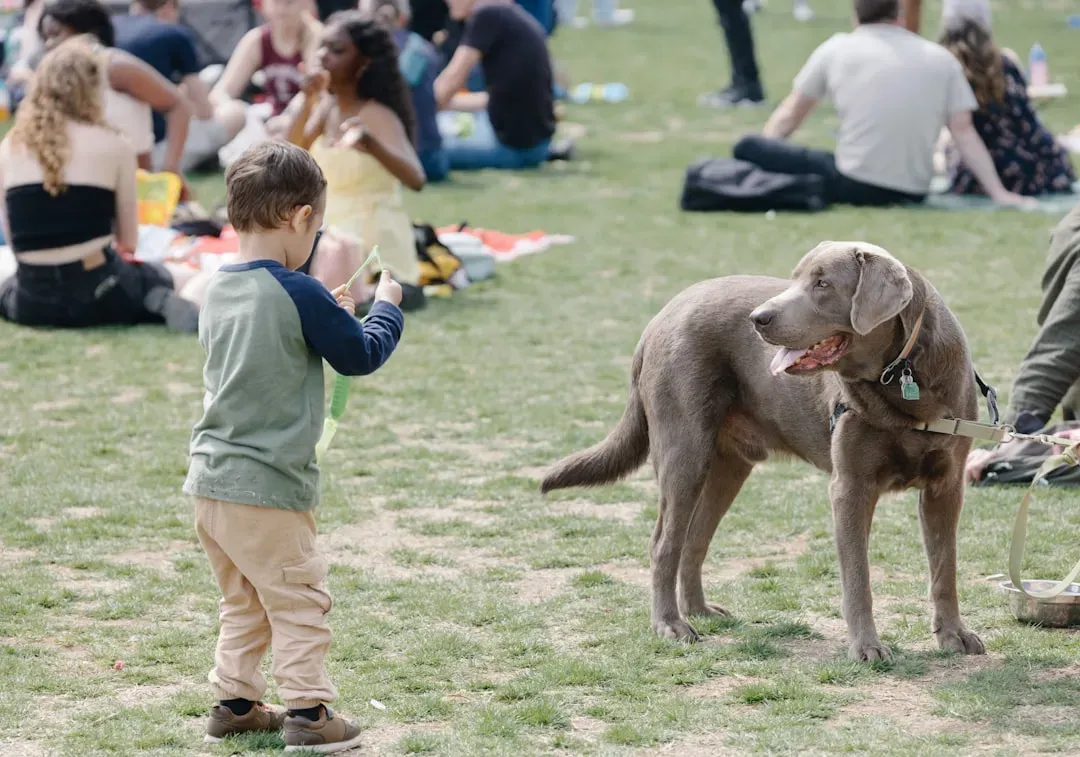
It is a common misconception that all dogs are automatically good with kids. Just like people, every dog is different. A dog who adores your calm eight-year-old may be completely rattled by a screeching toddler. These are not the same experience for a dog, not even close.
Before introducing a dog to children, consider the individual dog’s temperament, its experience being around children, as well as the child’s maturity, behavior, and mannerisms. Children can move unpredictably and have toys that make loud noises which can be stressful or frightening to dogs. Taking an honest inventory before any introduction is not pessimism – it is just smart parenting.
Mistake #4: Skipping the “Prep Talk” with Your Child
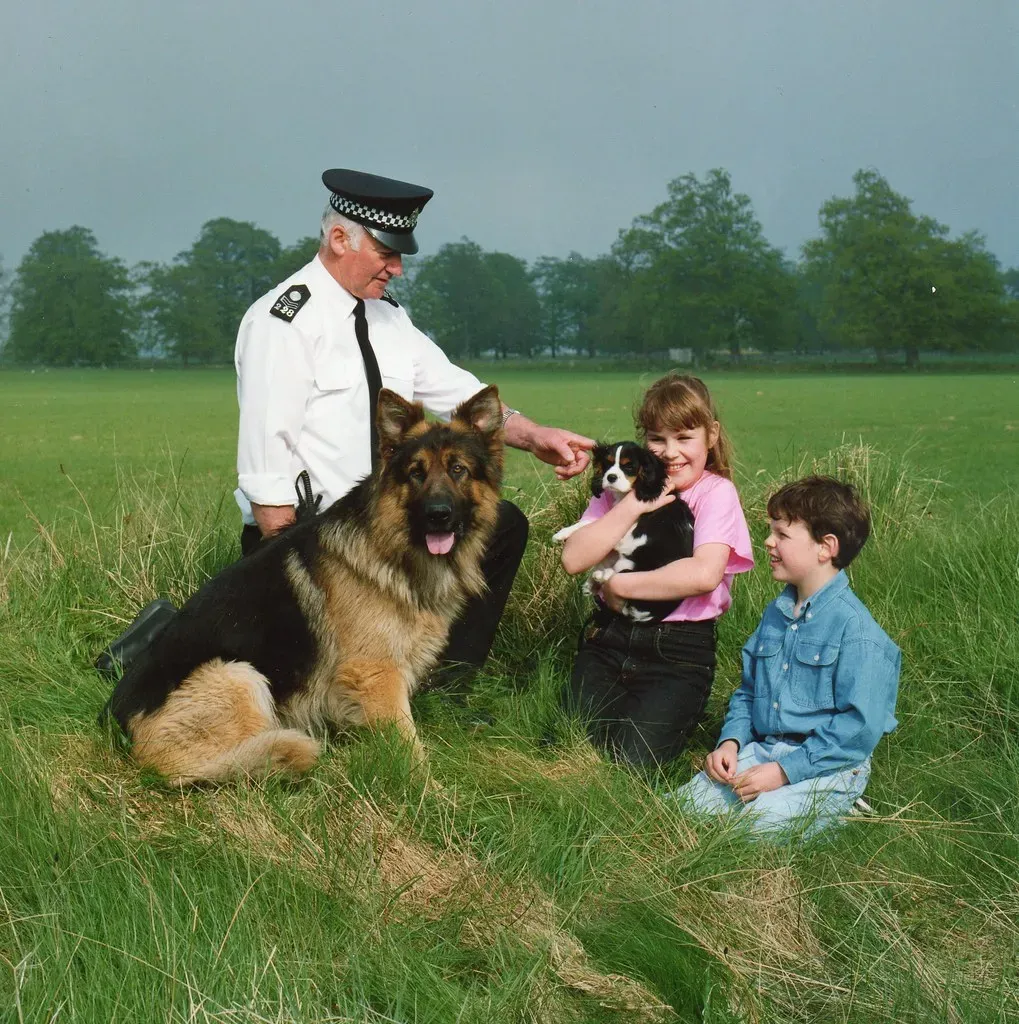
The first step of introducing a dog to a child actually does not involve the dog at all. It is crucial to talk with the child first while the dog is not present as a distraction, and discuss how they are not allowed to chase, grab, pull on, sit on, hug, wrestle, or corner the dog. I know it sounds like a lot of rules, but kids are incredibly capable of rising to the occasion when they are properly prepared.
Teach children to never pull or tug on tails, ears, paws, or other body parts, because hurting these sensitive areas can cause a dog to bite. Most dogs do not like hugs, so teach kids they can say “I love you” with a pet instead of a hug. That last one surprises almost every parent. A hug feels like love to us, but to a dog, it can feel like a trap.
Mistake #5: Leaving Dogs and Children Unsupervised, Even Briefly
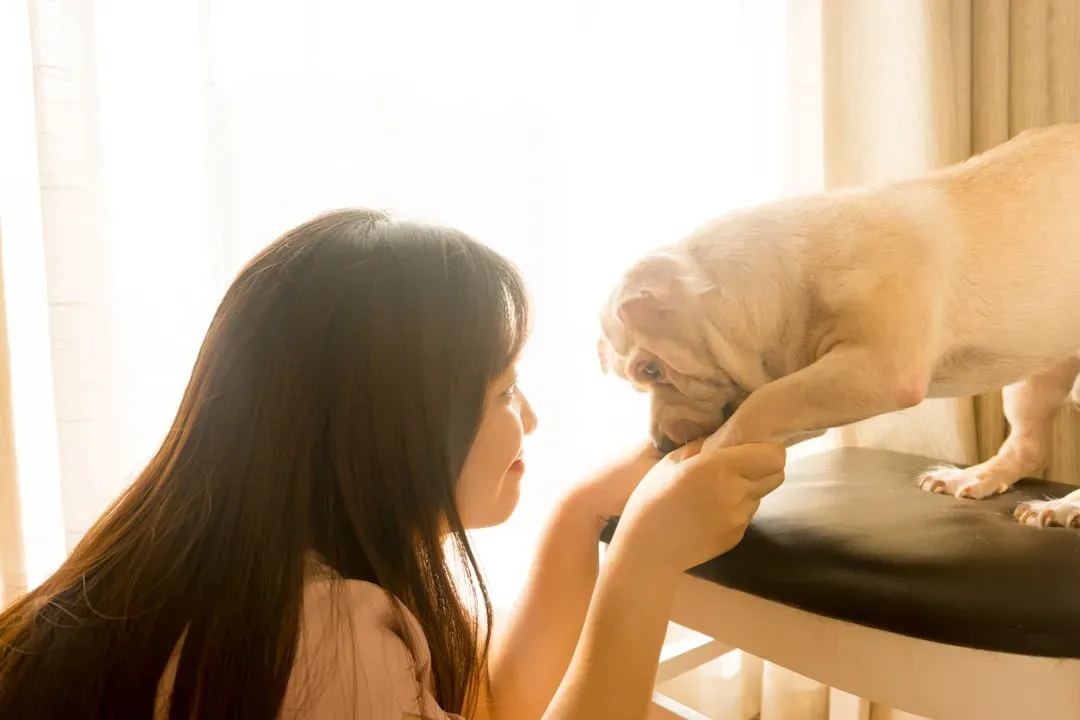
Let’s be real – life gets busy. You step away to grab a glass of water, fold the laundry, answer the door. It takes thirty seconds, tops. Never leave children unattended with a dog, even for a few minutes. It is not about distrust – it is about acknowledging that situations can escalate faster than any parent expects.
If you cannot supervise your dog around children, they should be behind a baby gate, door, or crated for everyone’s safety and comfort. Think of a baby gate or crate as a safety tool, not a punishment. Supervision of dogs and children is only as good as the caregiver’s understanding of the dog’s body language. So watching them is not enough – you have to know what you are looking at.
Mistake #6: Forcing the Interaction When the Dog Wants to Walk Away
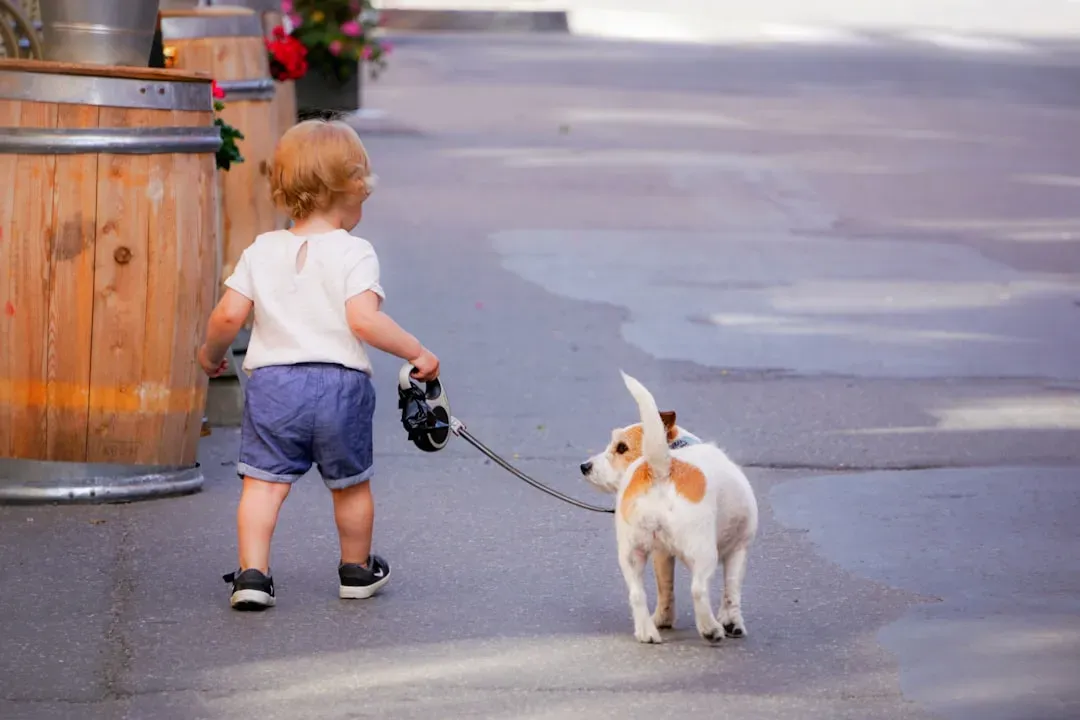
If your child wants to interact with a dog, allow the dog to choose to do so rather than the child. They may show this by approaching the child looking relaxed and maybe nudging to engage with them. Forcing closeness is one of the fastest ways to break trust. Imagine someone physically holding your hand toward a stranger who makes you nervous. You would not quickly forget that feeling.
The more subtle canine stress cues can sometimes be accidentally missed or ignored, particularly by younger children or people who are unfamiliar with dogs. This can result in an escalation in anxiety for the dog, which can trigger nips or bites if the dog feels sufficiently threatened. Give your dog the dignity of choosing. When they choose connection freely, it is so much sweeter for everyone.
Mistake #7: Forgetting to Create a Safe Space Just for Your Dog

When introducing any new pet to the household, consider the pet’s need for physical space away from the family where they can feel safe if overwhelmed. Offer a safe room or other dedicated space that is off-limits to kids for the pet to retreat and get acquainted with their new environment. This can be the parents’ bedroom, the pet’s own room, or a crate. Every living creature needs a sanctuary – your dog is no different.
Supervise interactions between dogs and young children, and ensure the dog has a safe space to retreat to when feeling overwhelmed. Think of this space as your dog’s personal charging station. When the noise, the chaos, and the little hands become too much, they need somewhere to exhale. Respecting that space teaches your children something profound, too – that everyone deserves a place to feel safe.
Conclusion: The Most Important Thing You Can Give Them Both Is Understanding
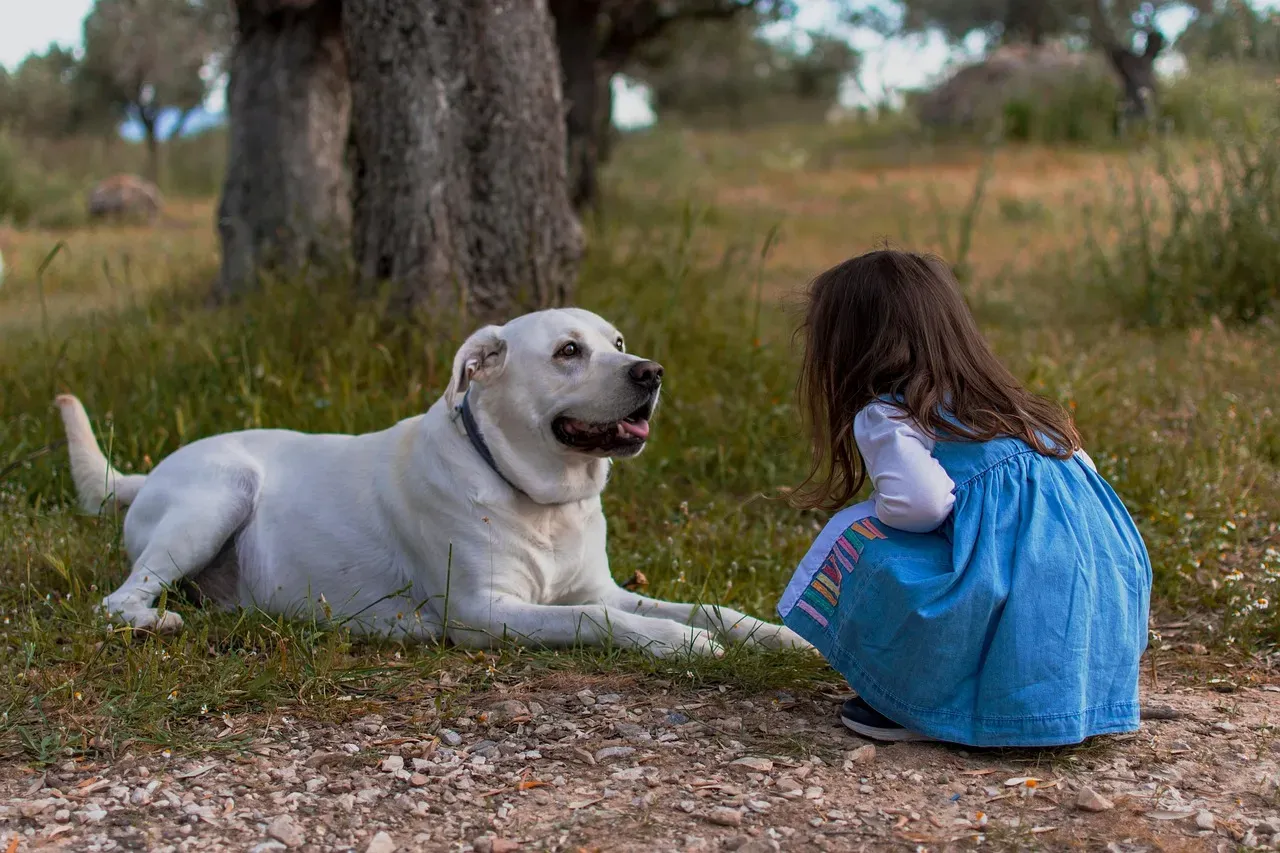
Getting this right is not about being a perfect parent or a perfect dog owner. It is about slowing down long enough to see the world from your dog’s perspective. You are not just introducing your child to a dog – you are also asking the dog to feel safe and comfortable around a small, unpredictable human. That is a big ask. They deserve your patience.
The relationship between a child and a dog, when built on mutual respect and gentle guidance, is one of the most beautiful things in the world. It teaches kids empathy. It gives dogs purpose. Dogs and children can make great companions, and children can learn a lot about responsibility by caring for the family dog. At the same time, both children and dogs can be energetic and unpredictable, and that combination can lead to some unwanted situations. Your job is simply to be the calm, informed bridge between them.
So the next time your little one squeals with excitement at the sight of the family dog, take a breath. Slow it down. Watch your dog’s eyes, their posture, their tail. They are talking – the question is, are you listening? What change will you make today to help your dog and your child find each other more gently? Share your story in the comments – we would love to hear it.


