
Picture this: you’re scrolling through adoption listings on a quiet Sunday morning, coffee in one hand, phone in the other, and your heart completely melts over a pair of soulful eyes staring back at you. You want that dog. You want that dog so badly it hurts. But then reality taps you on the shoulder and reminds you that you live in a two-bedroom apartment on the fifth floor with neighbors who share your walls.
Sound familiar? Honestly, you’re not alone. Millions of dog lovers live in apartments, and the good news is that having four walls and no backyard does not have to stand between you and the dog of your dreams. The secret isn’t about square footage. It’s about knowing which breeds genuinely thrive in smaller spaces and, just as importantly, which ones truly don’t. Let’s dive in.
The Real Secret to Apartment Dog Success: It’s Not About Size
Here’s the thing most people get wrong before they even start looking. They assume small dog equals apartment dog. Simple, right? Not quite. A ten-pound Jack Russell Terrier with high energy and vocal tendencies might cause more apartment problems than a calm, sixty-pound Greyhound who sleeps most of the day. Size matters, but temperament and energy level often matter more.
Choosing the right dog for apartment living involves more than just size. Temperament, energy levels, and grooming needs all play crucial roles. Think of it like choosing a roommate. You wouldn’t move in with someone who screams at 2 a.m. and runs laps in the hallway just because they’re short, would you?
Breed #1: The French Bulldog – The Apartment MVP
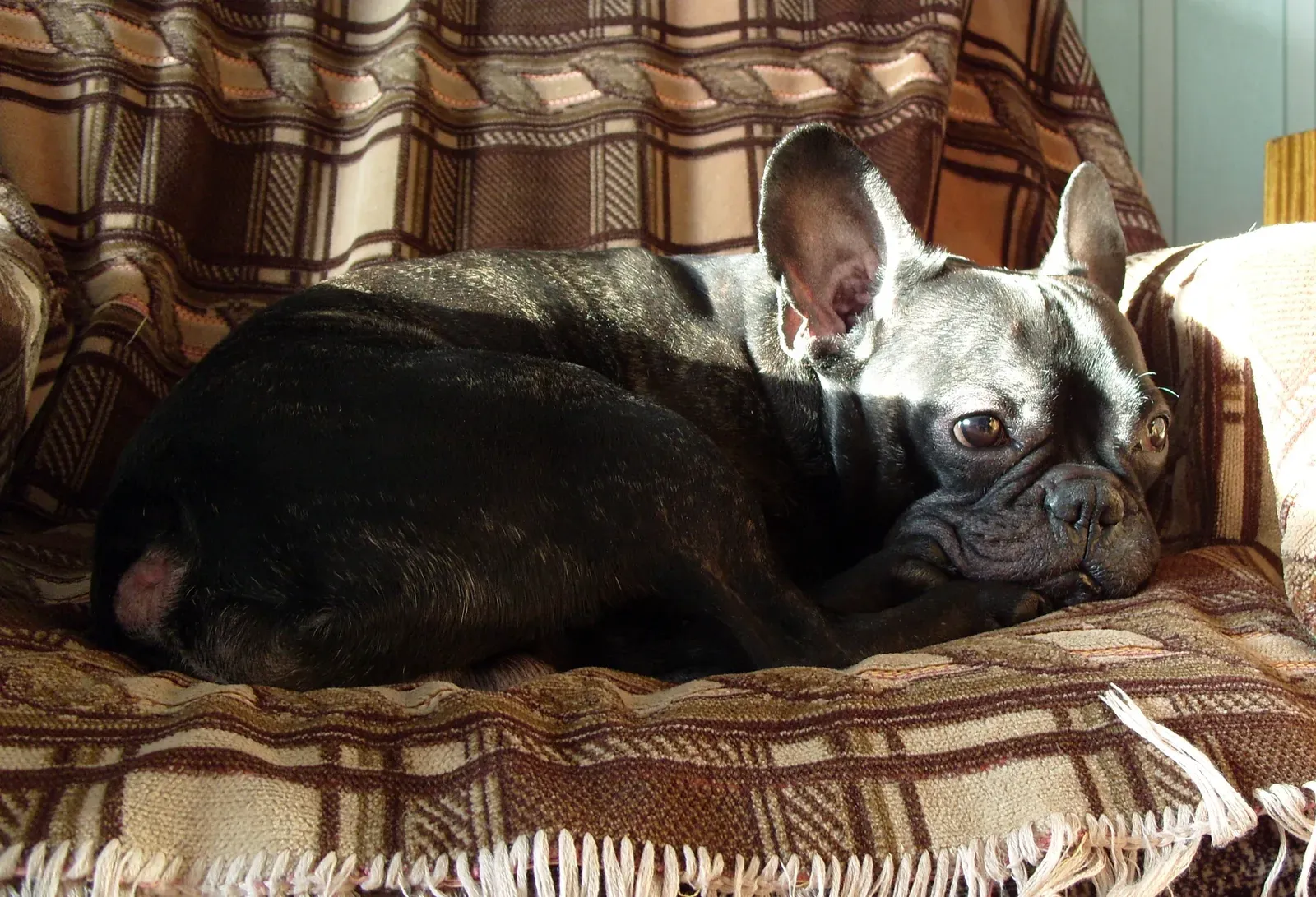
If there were an official mascot for apartment life, the French Bulldog would have won the election by a landslide. French Bulldogs are compact, friendly, and low-maintenance. Their calm demeanor and minimal exercise needs make them a favorite among urban dwellers. They are genuinely content just being near you, whether you’re on a work call or binge-watching your favorite series.
Bulldogs are typically low-energy snugglers, and they tend to have smooth coats, which means they won’t shed enormous amounts of hair like many bigger breeds do. One small watch-out: their flat faces make them sensitive to heat, so keep the apartment cool during summer. A happy Frenchie is a cool Frenchie.
Breed #2: The Shih Tzu – The Royal Companion Who Loves Your Couch
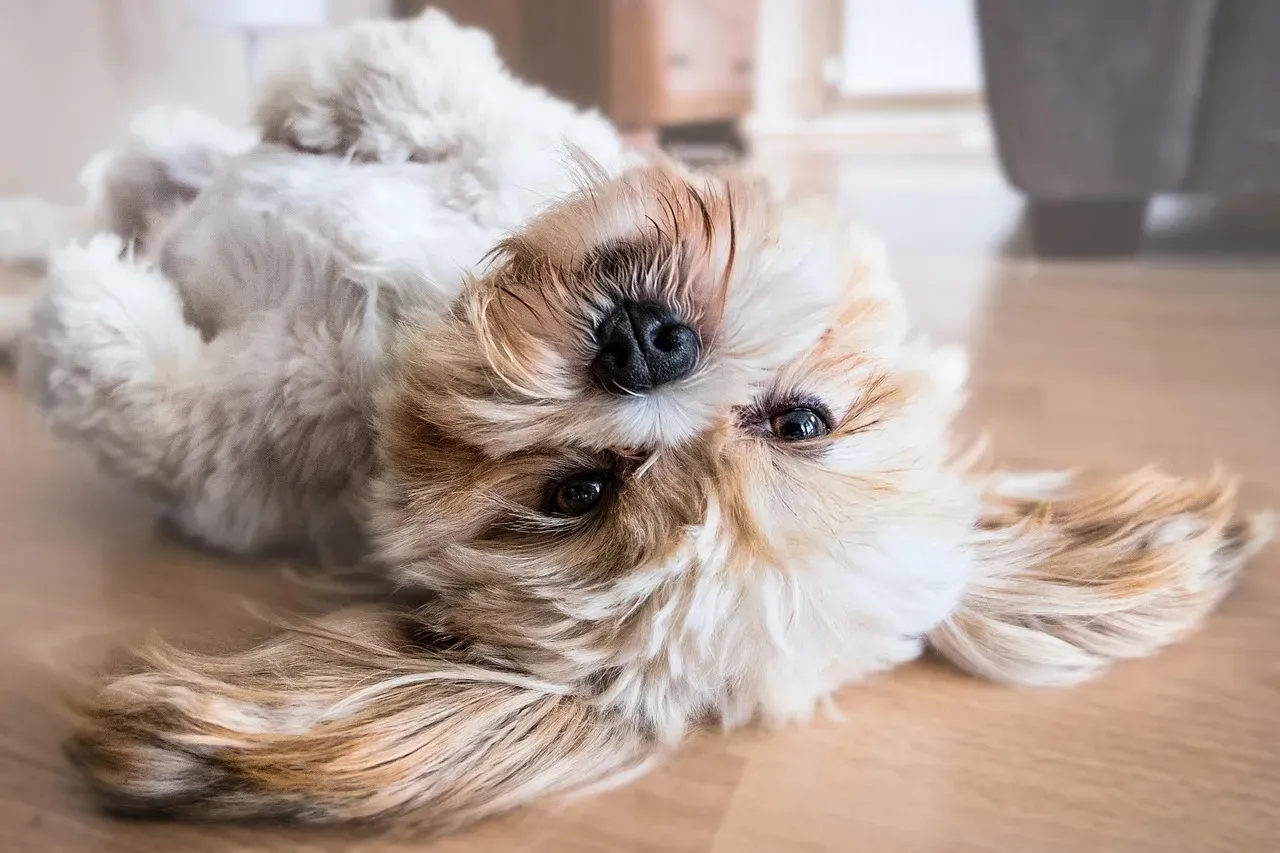
Translated literally from Mandarin as “little lion,” the Shih Tzu is a lively toy dog breed with an easygoing and affectionate temperament. Their small size means they don’t need a large space to meet their exercise needs. Chasing after a toy in your apartment a few times per day is usually enough to keep them physically healthy.
Shih Tzus were bred as companion dogs, which is why they excel in apartment settings. They are friendly, affectionate, and don’t need much exercise beyond daily walks. That said, their gorgeous coat does need regular grooming, and early training helps keep that adorable bark in check around neighbors.
Breed #3: The Pug – A Loveable, Low-Energy Couch Partner

Pugs can be good candidates for apartment living as long as their owners are around to give them the affection they need. They are not frequent barkers, but Pugs do tend to shed heavily in the fall and spring. If regularly cleaning up the fur they shed isn’t a problem for you, the Pug can be the perfect dog breed to live alongside in an apartment with their calm and affectionate temperament.
These lovers tend to huff and puff just getting up the front steps to your apartment, so they won’t be needing long runs through the park every day. However, they can grow very attached to their owners, so they’re best suited for someone who spends a lot of time at home. Watch their weight closely, too. Apartment life plus low exercise means the snack bag needs monitoring.
Breed #4: The Cavalier King Charles Spaniel – Sweet, Gentle, and Made for Cuddles

These affectionate companions thrive on human interaction. Their small size, adaptability, and gentle nature make them an excellent choice for families with children or older adults. They love cuddling and adjust well to apartment settings. Honestly, I think the Cavalier might be the most emotionally attuned breed on this entire list.
On the downside, Cavaliers are prone to separation anxiety. Leaving them alone for long hours can lead to barking or destructive behavior. They also require regular grooming and monitoring for heart-related health issues. If you work from home or have flexible hours, this breed could be your perfect match.
Breed #5: The Maltese – Tiny, Elegant, and Surprisingly Chill
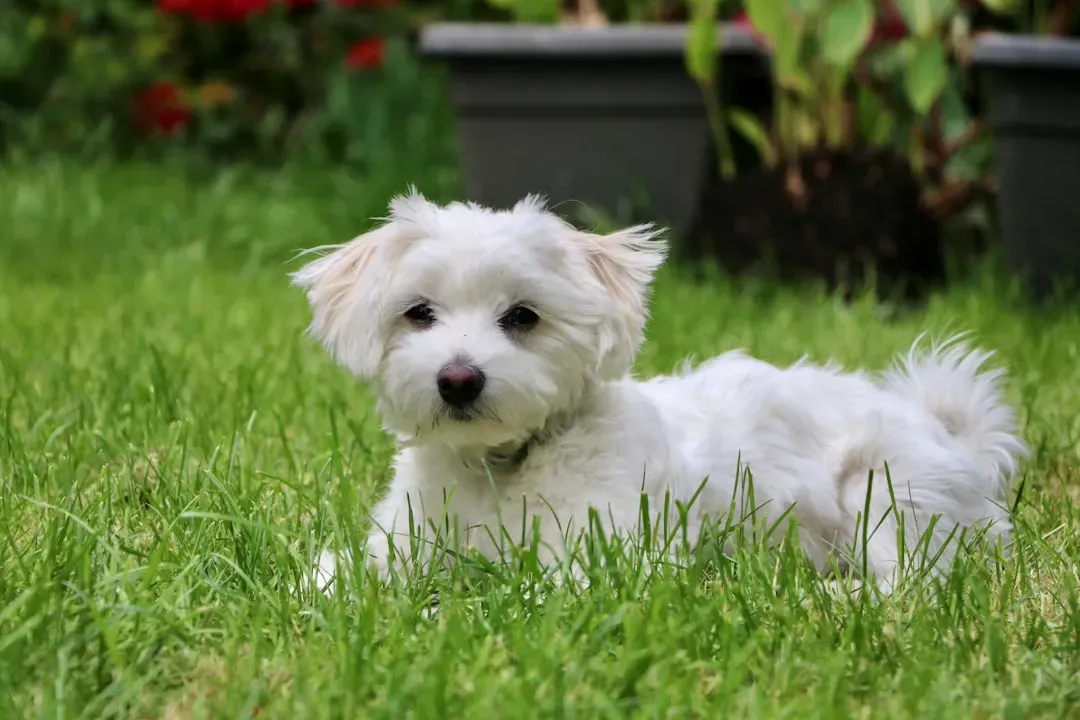
Maltese dogs are elegant and affectionate, making them ideal apartment companions. Their small size is complemented by their lively and playful nature. They bond closely with their families, offering warmth and joy. Think of them as that refined friend who always looks put together but is also genuinely warm and funny in private.
Their low energy levels, trainability, gentle temperament, and hypoallergenic coat make the Maltese a great fit for apartment living. However, they don’t enjoy spending time alone. If left alone for long periods of time, they can become jealous or resentful of other dogs or humans. Keep that in mind before committing to long days away.
Breed #6: The Greyhound – The World’s Fastest Couch Potato
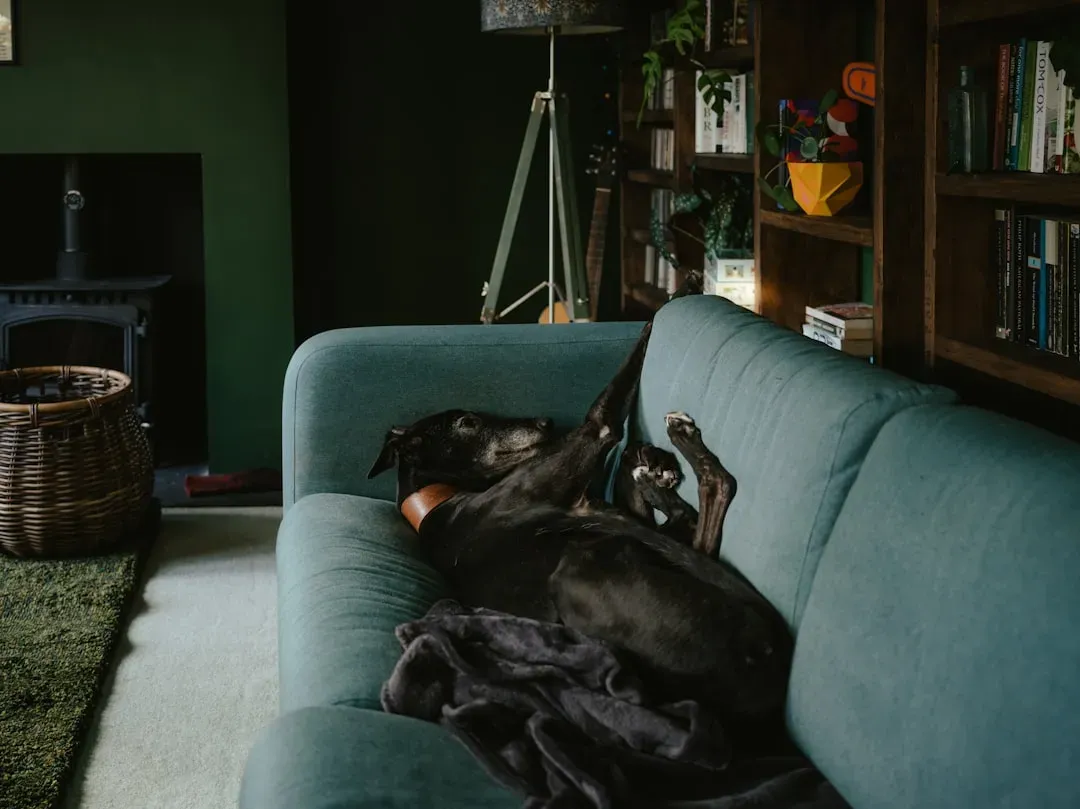
I know what you’re thinking. A Greyhound? In an apartment? Bear with me, because this one genuinely surprises people. Many people are surprised to learn that Greyhounds make excellent apartment dogs. Often called “40-mile-per-hour couch potatoes,” these gentle giants are content to lounge around the house most of the day. While they need a good daily walk or occasional run, they’re generally calm and quiet indoors.
What you don’t see in high-speed racing is just how chill these dogs are at home. Another great advantage for apartment living is that they rarely bark or make a sound. They’re quick learners with positive training. Adopted retired racers make especially wonderful companions and they’re often available through rescue organizations.
Breed #7: The Dachshund – Big Personality in a Tiny Package

Dachshunds, often called “wiener dogs,” bring big personalities in small bodies. They are curious, loyal, and playful, making them a delightful choice for apartment dwellers who want an energetic yet compact pet. There’s something infectiously joyful about watching a Dachshund trot around an apartment like they own the place.
Their stubborn streak can make training a challenge. They are also prone to back problems due to their long spines, so avoiding too many stairs or jumps is important. If you live in a building with an elevator, you are basically already set up for Dachshund success. Just put a ramp near the sofa.
Breed #8: The Miniature Schnauzer – The Urban Dog With Big Energy Done Right
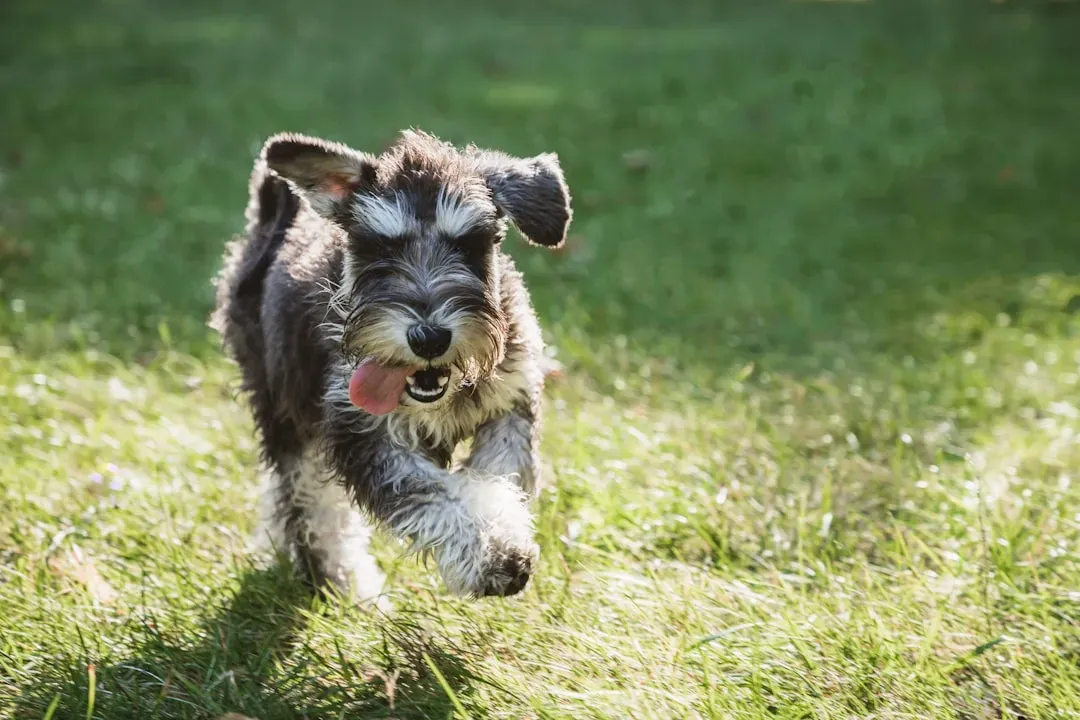
Miniature Schnauzers are lively and friendly, making them great apartment dogs. They enjoy play and social interaction, thriving in urban settings. Known for their intelligence, they are easy to train. If you want a dog with character and brains who also knows how to behave in an elevator, the Miniature Schnauzer is a strong contender.
These dogs have a distinctive beard and eyebrows, requiring regular grooming. Schnauzers are alert and make excellent companions. They will occasionally let you know when someone walks past your door, so a little “quiet” training goes a long way with this spirited breed.
Breed #9: The Miniature Poodle – Smart, Stylish, and Apartment-Ready
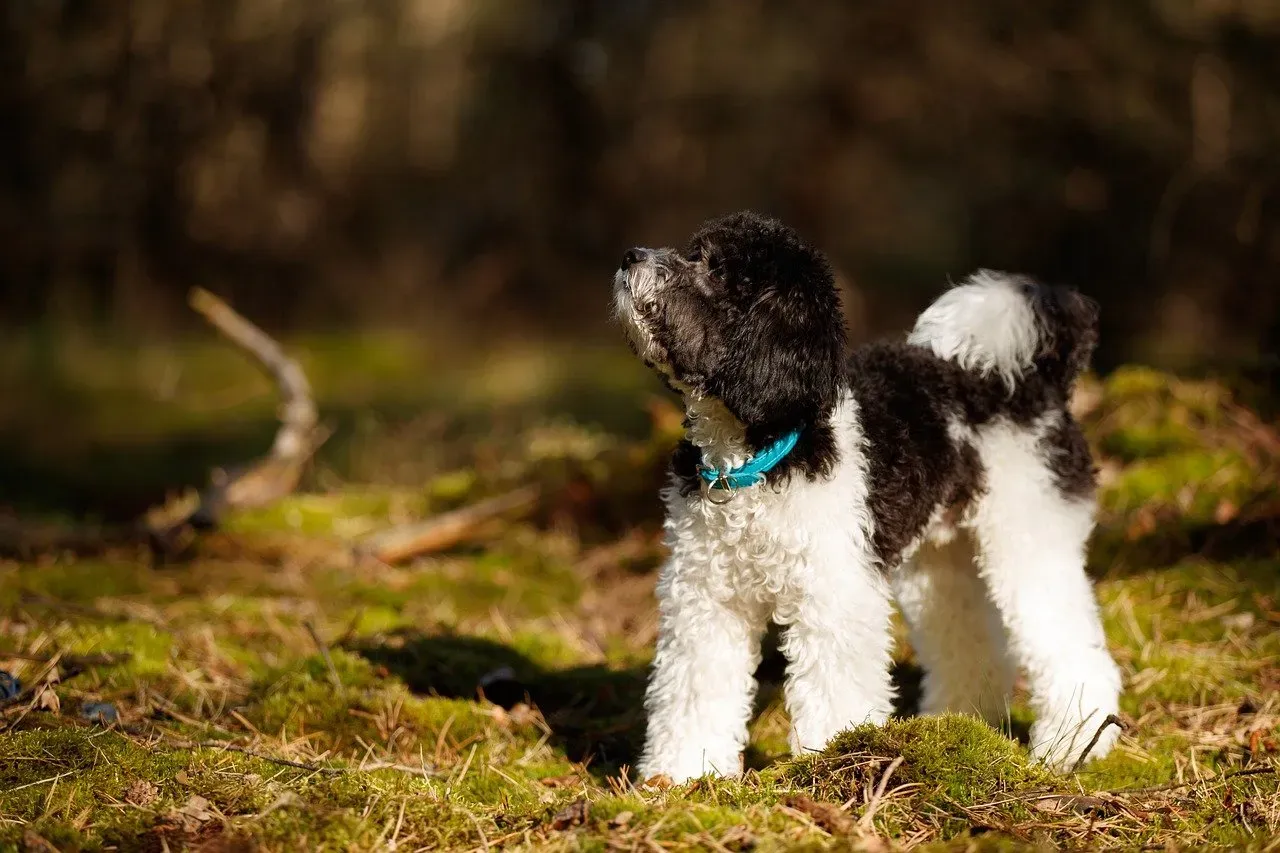
The Miniature Poodle stands eleven to fifteen inches tall with an average weight of fifteen to eighteen pounds. The Miniature Poodle is the perfect dog breed for those who live in an apartment but have an active lifestyle. They are intelligent, social, and playful dogs who love spending time with their owners, both indoors and outdoors.
The Miniature Poodle’s intelligence, size, and hypoallergenic coat make them an ideal candidate for apartment living. As with any variety of Poodle, it is important to engage the breed in activities that offer physical and mental stimulation. Puzzle toys, trick training, and short play sessions are perfect for keeping this clever pup genuinely happy.
Breed #10: The Shiba Inu – The Quiet, Independent City Dog
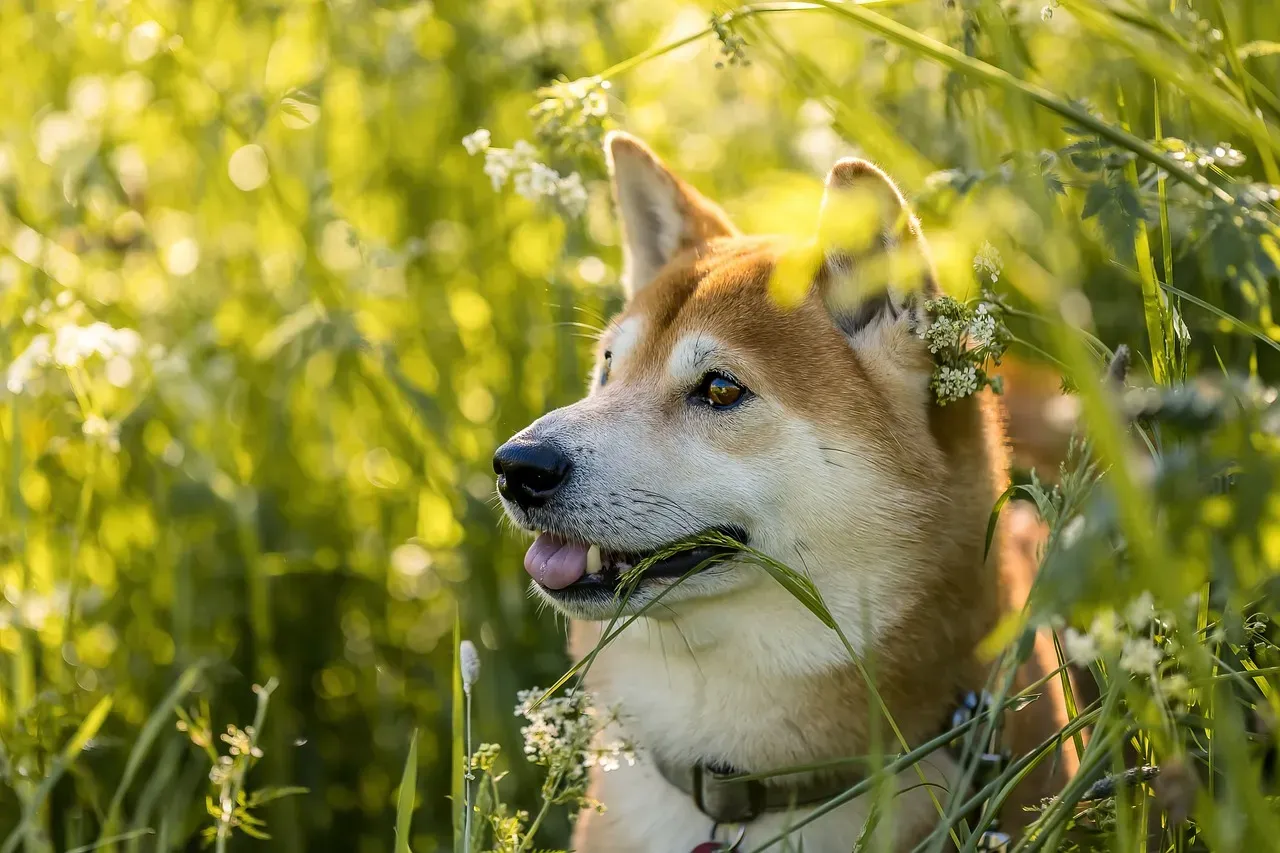
Although the Shiba Inu can shed heavily, brushing them a few times a week is enough to maintain their coat. It is generally a quiet dog breed that seldom barks, usually only doing so when experiencing intense emotions or hearing unexpected sounds. That low-bark tendency alone makes them absolute gold in apartment buildings with thin walls.
The Shiba Inu has a cat-like independence that some owners find refreshing. They don’t cling to you all day, which is actually a bonus if you work from home and need focused time. Some small dog breeds with high energy are satisfied with indoor playtime or a brisk walk. Just make sure to consider your neighbors when choosing a dog, as you’ll want a pet that doesn’t bark incessantly and is polite when meeting other people in shared spaces.
Breed #11: The Italian Greyhound – Sensitive, Elegant, and Low-Maintenance
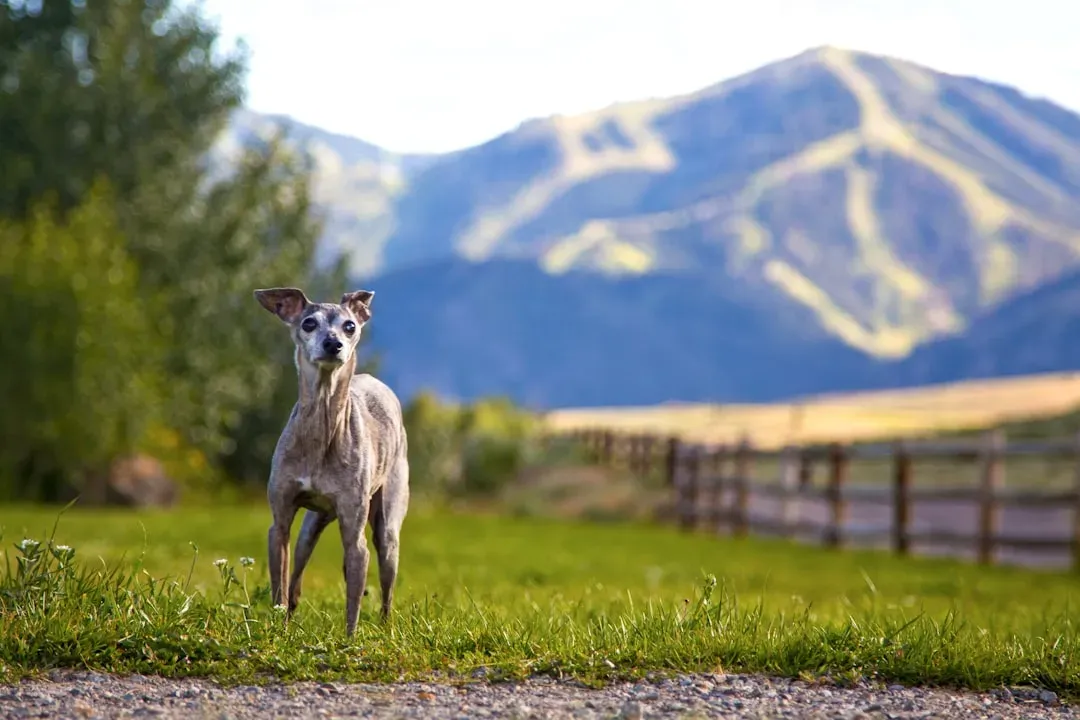
Weighing less than fifteen pounds and with an affectionate and playful temperament, the Italian Greyhound can be a great companion in an apartment setting. One thing to note about Italian Greyhounds is that they are sensitive dogs who don’t do well in noisy or chaotic environments. If they live with just their owner, they will bond for life and thrive in an apartment of any size.
This breed is like a delicate work of art. Beautiful, fine-boned, and deeply loyal. They do get cold easily, so a little dog sweater for winter walks is basically non-negotiable. It’s hard to say for sure, but I think the Italian Greyhound is one of the most underrated apartment breeds out there.
Breed #12: The Coton de Tuléar – The Fluffy Cloud You Didn’t Know You Needed
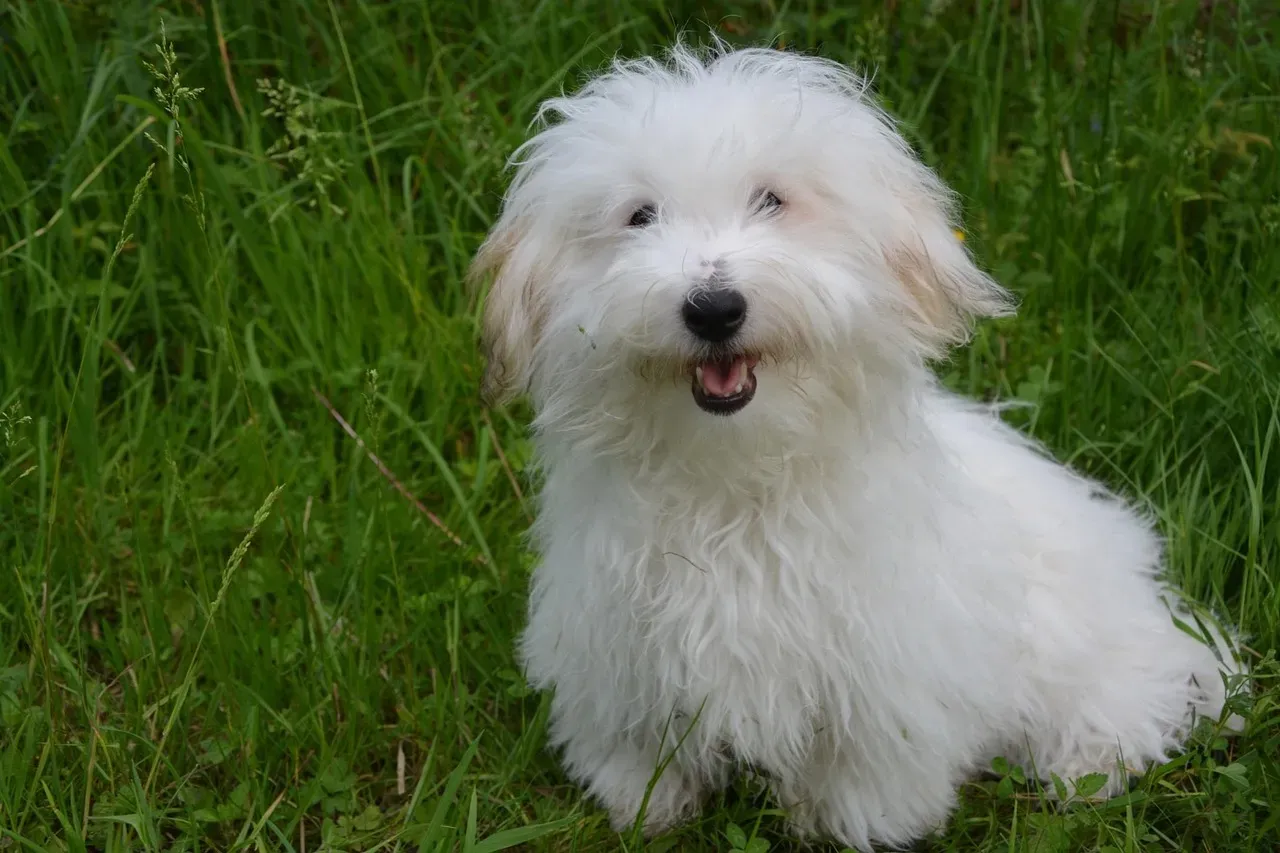
The Coton de Tuléar is a sweet dog with a playful and affectionate personality. They stand less than eleven inches and weigh ten to fifteen pounds. This dog breed can easily adapt to living in small spaces, but doesn’t enjoy spending time alone.
Coton de Tuléars are a small dog breed that always want you around, but they’re equally adaptable and will follow along with your routine. They’re known for being playful and clownish. If laughter is something you want more of in your home, this little fluff ball will absolutely deliver.
Now the Hard Truth: Breed #13 – The Siberian Husky Is a Neighbor’s Nightmare
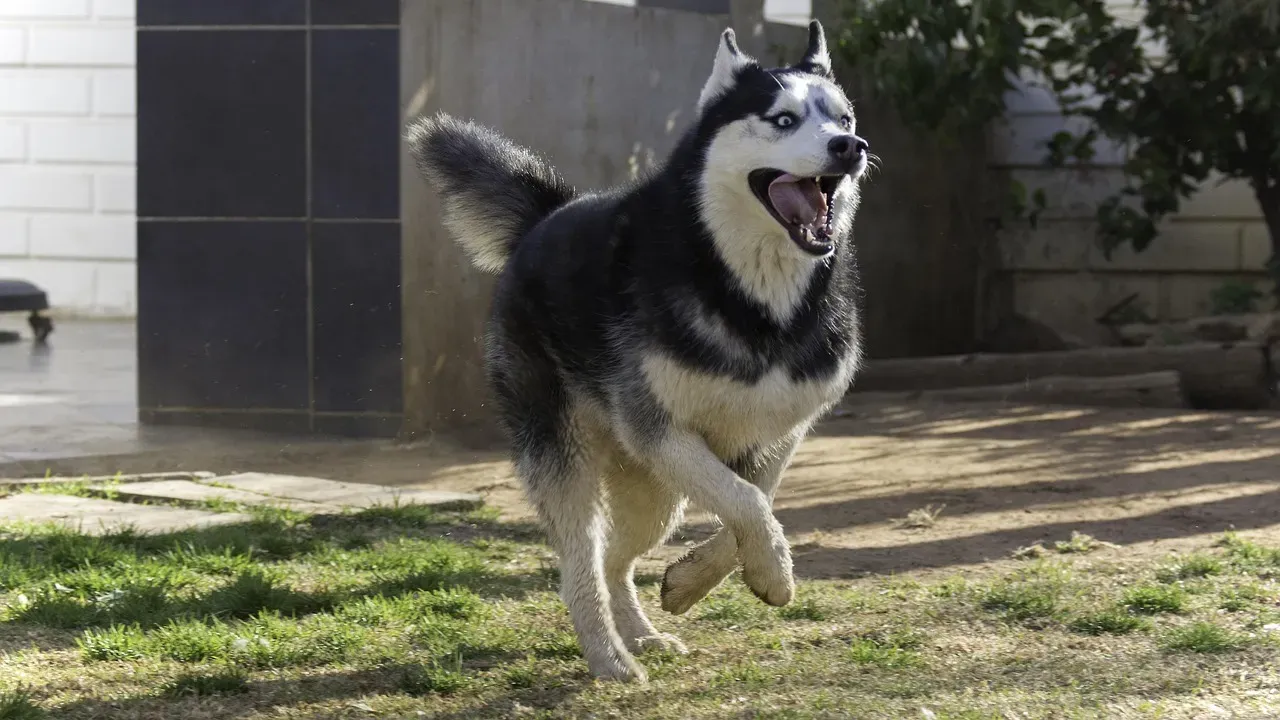
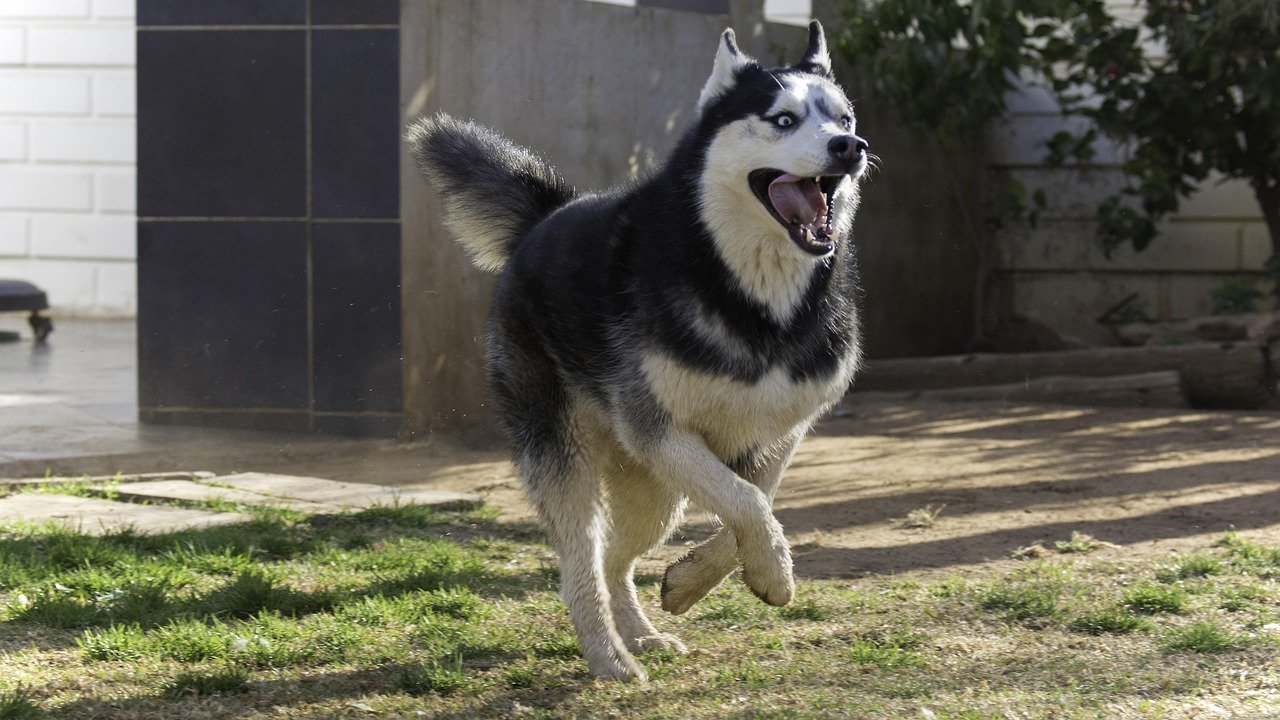
Let’s be real. The Husky is one of the most beautiful dogs on the planet. The ice-blue eyes, the wolf-like build, the majestic presence. Unfortunately, that beauty comes with some seriously apartment-incompatible traits. Huskies are not quiet neighbors. They howl, sing, chatter, and hold full conversations, loudly. If you live in an apartment with thin walls, beware.
Huskies also shed a lot, which can be a huge pain in a small space. They shed everywhere, get bored easily, and are extremely vocal. Everyone in an apartment complex knows if someone owns a Husky. These dogs won’t be happy in the city, so it’s best to avoid them when looking for a city dog.
Breed #14 – The Border Collie: A Genius That Will Redecorate Your Apartment
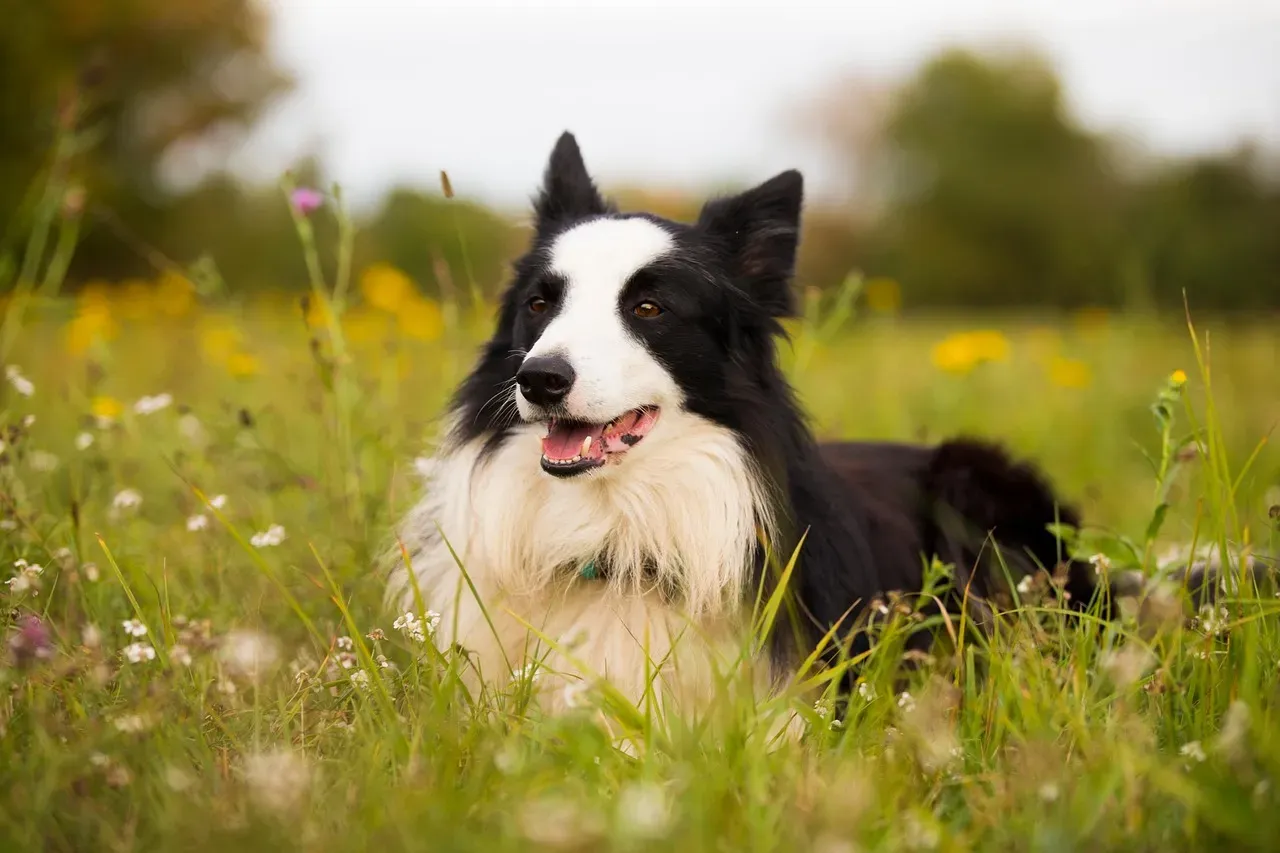
Border Collies are energetic and insanely smart, meaning they get bored easily. Collies that aren’t properly stimulated have a tendency to destroy the homes they’re in. Imagine the smartest kid in school locked in a broom closet with nothing to do. That’s a Border Collie in a studio apartment.
Herding breeds like Border Collies often do badly in apartments due to lack of space. Without the mental and physical stimulation of outdoor space to run and explore, hyper-intelligent and high-energy breeds can become bored and their mental health can suffer. This breed needs a job, a yard, and a very active owner. Not a hallway.
Breed #15 – The German Shepherd: Loyal Giant, Wrong Address
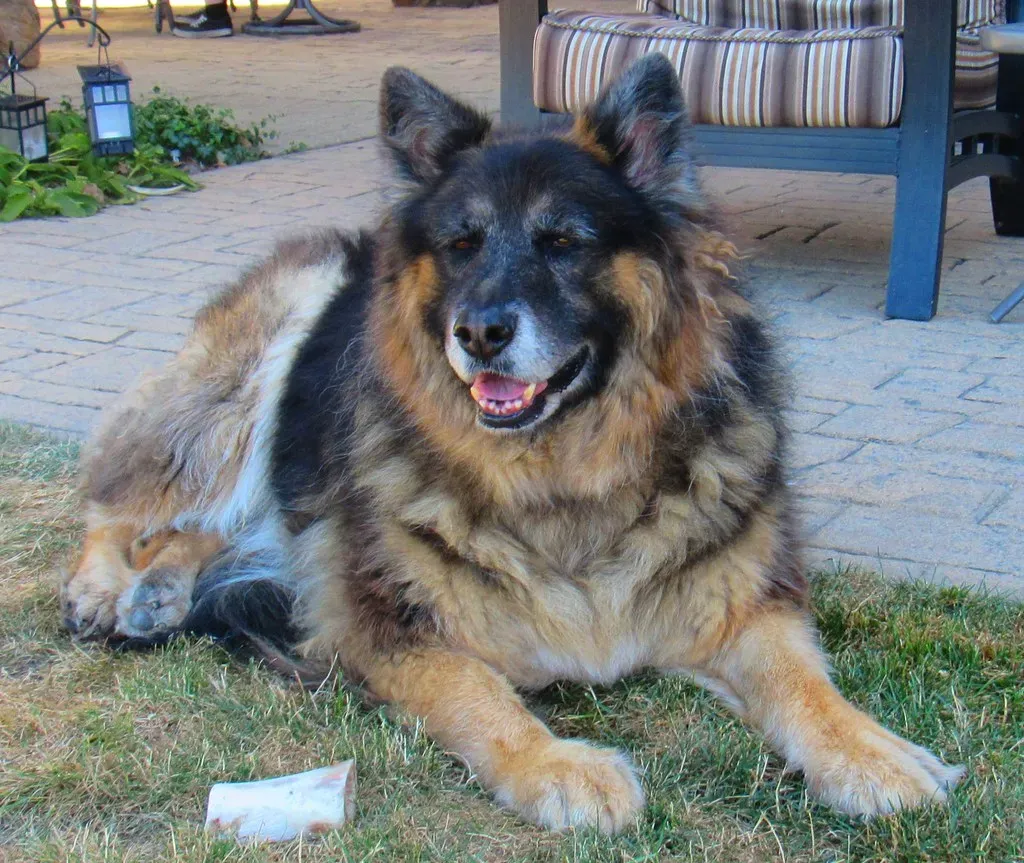
German Shepherds are enormous, making them unsuitable for apartment living. Besides that, they’re also high-energy and demand lots of attention and activity. German Shepherds are also generally very territorial. They won’t understand that the entire building isn’t their territory.
German Shepherds love people and engaging in activities. This breed doesn’t do well when left alone for too long, so if you leave them in an apartment without other humans around, they can become destructive and loud. These habits will likely annoy your fellow apartment neighbors. German Shepherds deserve wide open spaces and purposeful daily work. A balcony just won’t cut it.
Breed #16 – The Dalmatian: High-Octane Energy in a Small Space
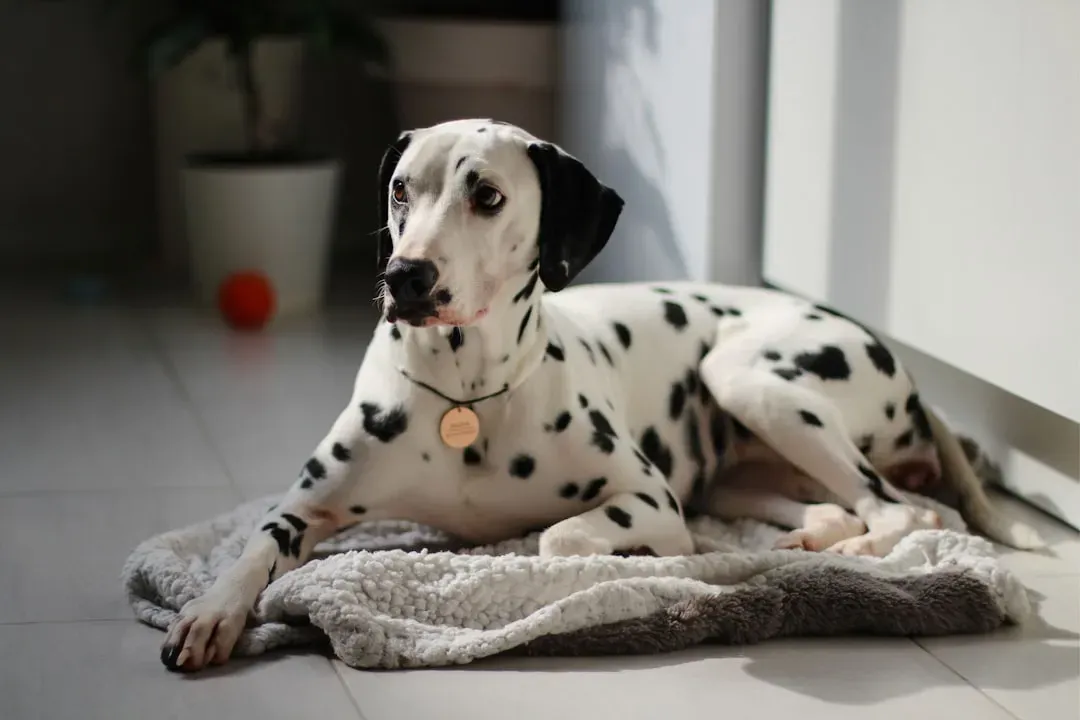
Dalmatians are high-energy and need a lot of exercise. They may even become destructive in a yard if they are bored. Therefore, they will not be happy in an apartment. Let’s put it this way. If a Dalmatian can get into trouble in a yard, imagine what happens in a one-bedroom unit with no outlet for all that energy.
Dalmatians can become vocal when left alone for extended periods, barking out of boredom or anxiety, which can be disruptive in close quarters. Dalmatians are also heavy shedders, and their short, sleek coats shed year-round. Regular brushing can help manage the shedding, but it might still pose a challenge in smaller spaces where hair can accumulate quickly.
Breed #17 – The Australian Shepherd: Beautiful, Brilliant, and Desperately Needs a Farm

Australian Shepherds are generally not ideal for apartment living due to their high energy levels and need for ample exercise. These active dogs thrive on activities like running, hiking, or agility training, which can be hard to accommodate in a confined space without frequent outdoor outings.
Australian Cattle dogs have a natural herding instinct and may become prone to destruction and biting if bored. Therefore, they are definitely not ideal for apartment living. This applies broadly to Aussies too. They may try to herd your furniture if they’re stuck indoors with nothing to do. That’s not a joke. It really happens.
Breed #18 – The Beagle: Adorable Until Your Neighbors File a Complaint

Extremely vocal dogs with high prey drive and a quick alert reflex, Beagles don’t care if quiet hours start at ten pm in your building. Though some might say the Beagle’s gentle spirit and sweet nature make it a good dog for urban living, this breed needs more space to run and play than an apartment can usually provide.
Beagles are usually very loud and can be annoying for neighbors who prefer silence. Perhaps the fact that they were initially bred for hunting explains why they’re naturally very loud. They also tend to sniff out any foods in the house, which means they can get destructive in an apartment fast. In reality, these dogs are only ideal for homes with fenced-in yards.
Breed #19 – The Alaskan Malamute: Built for the Arctic, Not the Third Floor
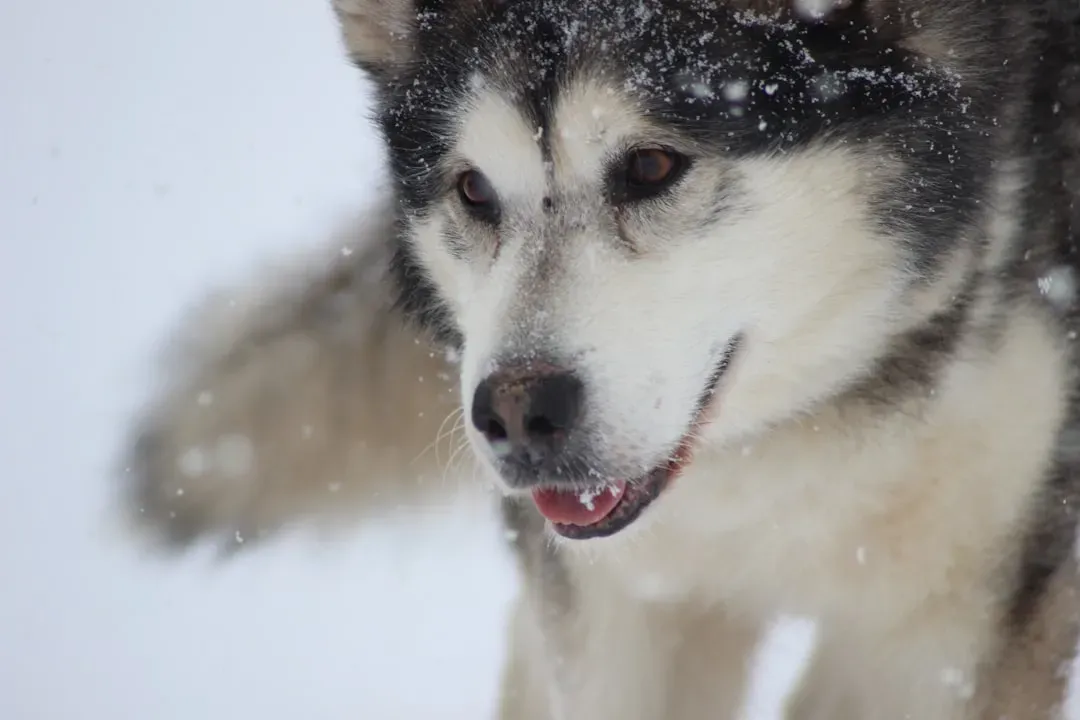
Alaskan Malamutes are rather large and have quite a bit of energy. They would thrive in an environment with space to run and stretch their legs. Alaskan Malamutes are very talkative and need an outdoor space to make as much noise as possible. As a result, they are one of the worst dog breeds for apartments.
Think of the Malamute as a sled dog with a full-time job that apartment life simply cannot offer. Both these breeds are closely related to wolves and, as such, are high energy, extremely loyal to their pack, very large, and shed thick hair everywhere. Your vacuum cleaner will file for early retirement.
Breed #20 – The Labrador Retriever: Amazing Family Dog, Clumsy Apartment Disaster

Labradors are very energetic and big. They also require constant attention and activity. To make matters worse, these dogs are clumsy. They will knock over almost everything, from dishes to lamps. This means they can be very harmful, especially for small apartment dwellers.
It’s also important to note that Labradors are very curious, jumping up and down virtually every time someone passes. Labs are genuinely one of the world’s most beloved dogs, and they deserve to be in a space that matches their joyful, bounding energy. That space just isn’t typically a one-bedroom apartment.
Tips for Making Apartment Life Work for Any Dog

No matter which breed you choose, your commitment matters more than square footage. Dogs that receive an appropriate amount of exercise, stimulation, and nutrition will be just as happy in an apartment as a house. As long as you walk and play with your dog enough to satisfy its energy levels, dogs do not mind living in smaller spaces.
Provide daily walks, play sessions, and mental stimulation. Investing in toys, puzzle feeders, and short training routines helps keep boredom and destructive habits at bay. Respecting neighbors by managing barking and keeping common areas clean ensures harmony in your community. A dog who feels seen, exercised, and loved will thrive almost anywhere. That part is entirely up to you.
A Warm Conclusion: It’s About Love, Not Logistics
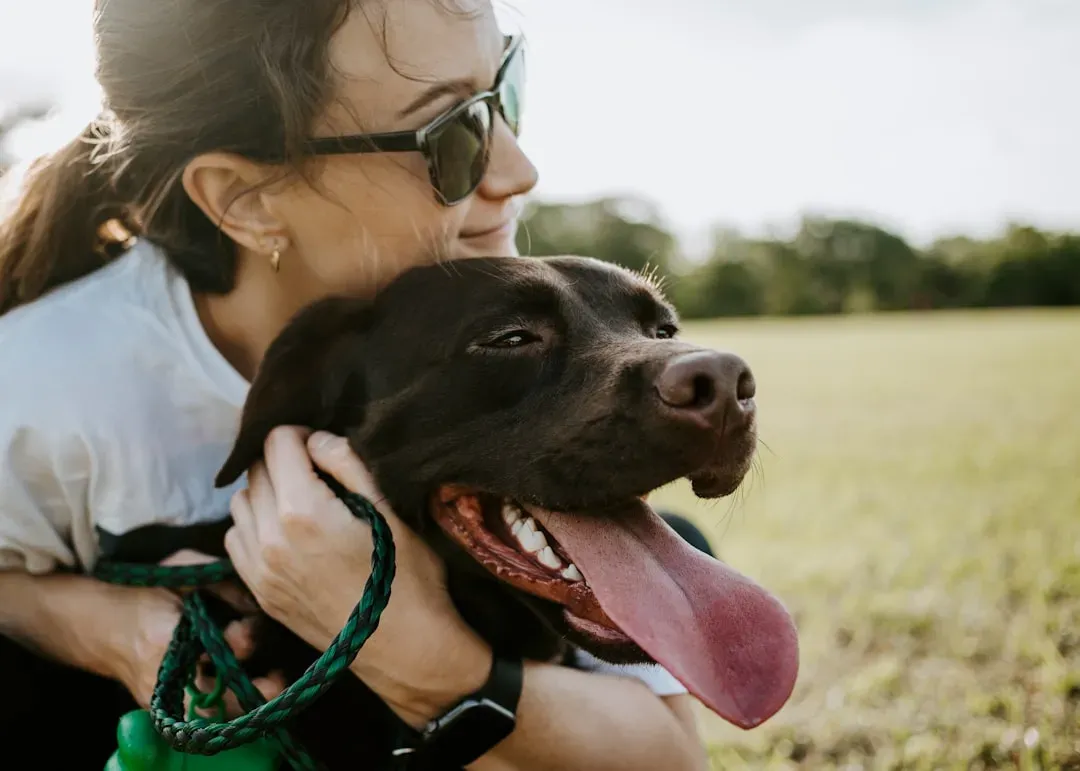
Choosing the right dog for your apartment is one of the most loving things you can do, not just for yourself but for the animal who is about to trust you completely. The breeds on the “thrive” list aren’t there because they settled for less. They’re genuinely wired to be happy in smaller spaces, close to the humans they adore.
The breeds on the “don’t” list aren’t bad dogs. They’re brilliant, beautiful, energetic souls who simply need more than most apartments can offer. Matching a dog’s genuine needs to your actual lifestyle isn’t a compromise. It’s the kindest thing you can possibly do before you ever bring a dog through that door.
So the question worth sitting with is this: are you choosing the dog of your dreams, or the dog who will actually dream happily in yours? Tell us which breed surprised you the most in the comments below.


