
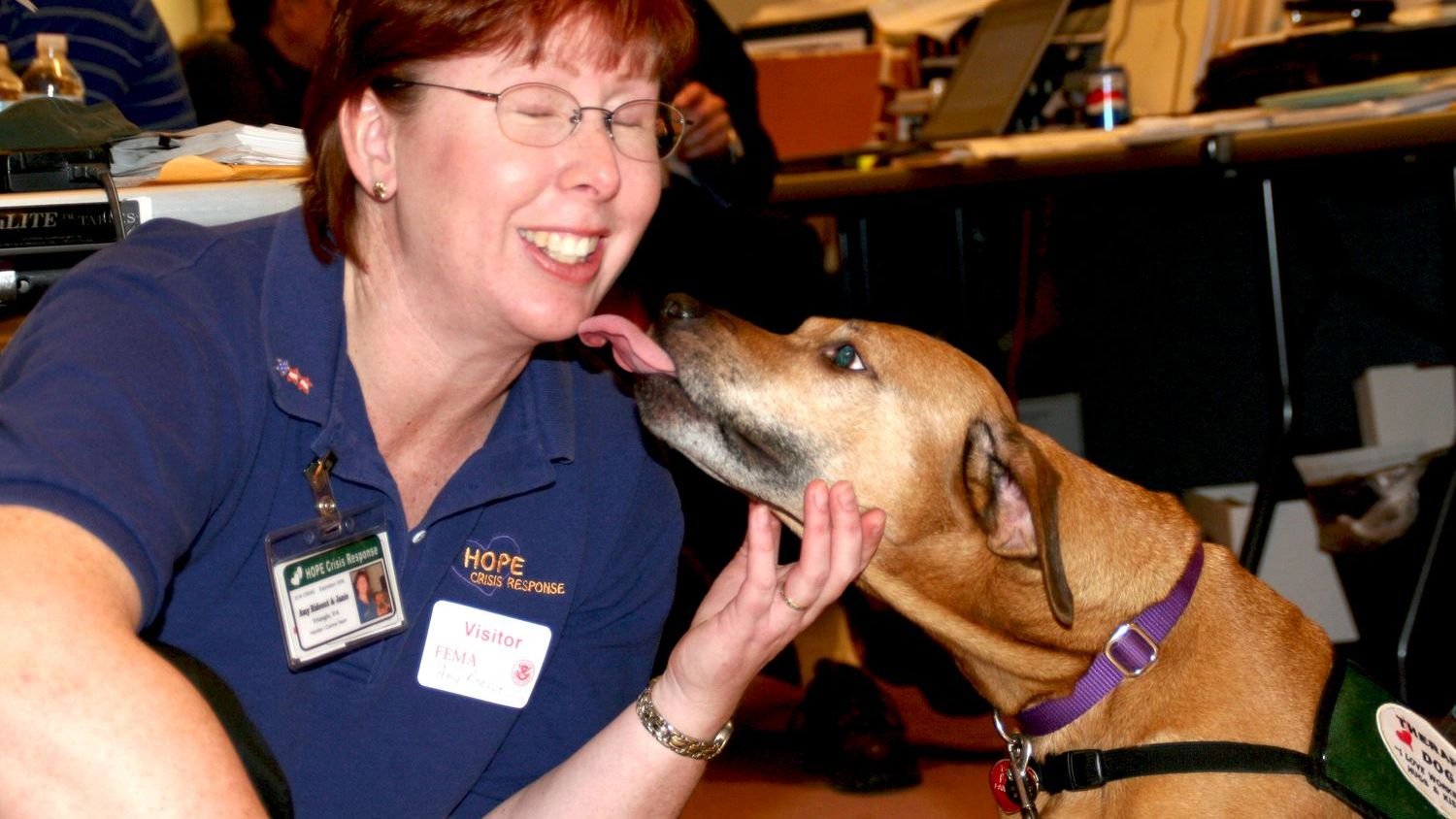
You know that moment when you’re sitting on the couch, half-watching TV, and you suddenly realize your dog has been licking their paw for the past twenty minutes straight? You glance over, wonder briefly if it’s a big deal, and then go back to your show. We’ve all been there. The truth is, most of us are far too quick to dismiss licking as just “a dog thing.” Sometimes it is. Sometimes, though, it’s your dog’s way of desperately trying to tell you something important.
Dogs express themselves in many ways, and licking is one of their most common habits. A quick lick can be a sign of love, but when your furry friend licks excessively, it can raise questions. The line between a sweet, harmless habit and a real health signal is thinner than most people realize. Let’s dive into what your dog’s tongue might actually be trying to say.
Why Licking Is Hardwired Into Your Dog’s Brain
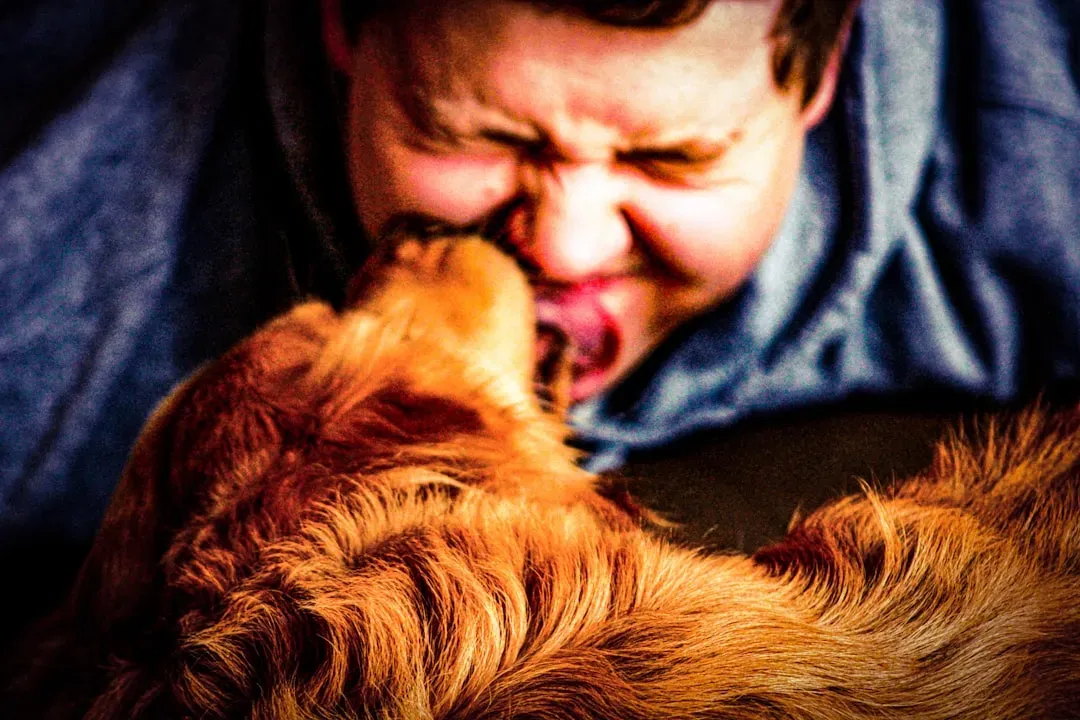
Licking is deeply ingrained in a dog’s behavior. From their earliest days, puppies rely on licking their mother for nourishment and comfort. This early association establishes licking as a soothing and nurturing activity. Think of it like a baby’s instinct to reach for something to hold. It’s primal, it’s comforting, and it doesn’t just disappear with age.
Even as adults, dogs use licking as a primary way to explore their environment, investigate new objects, and groom themselves. Their rough tongues, covered in papillae, act like tiny brushes, helping them keep their coats clean. So before you panic at every lick, it helps to appreciate just how natural and necessary this behavior actually is at its core. The issue is knowing when it tips from normal to something that needs your attention.
When Stress and Anxiety Are Behind the Licking
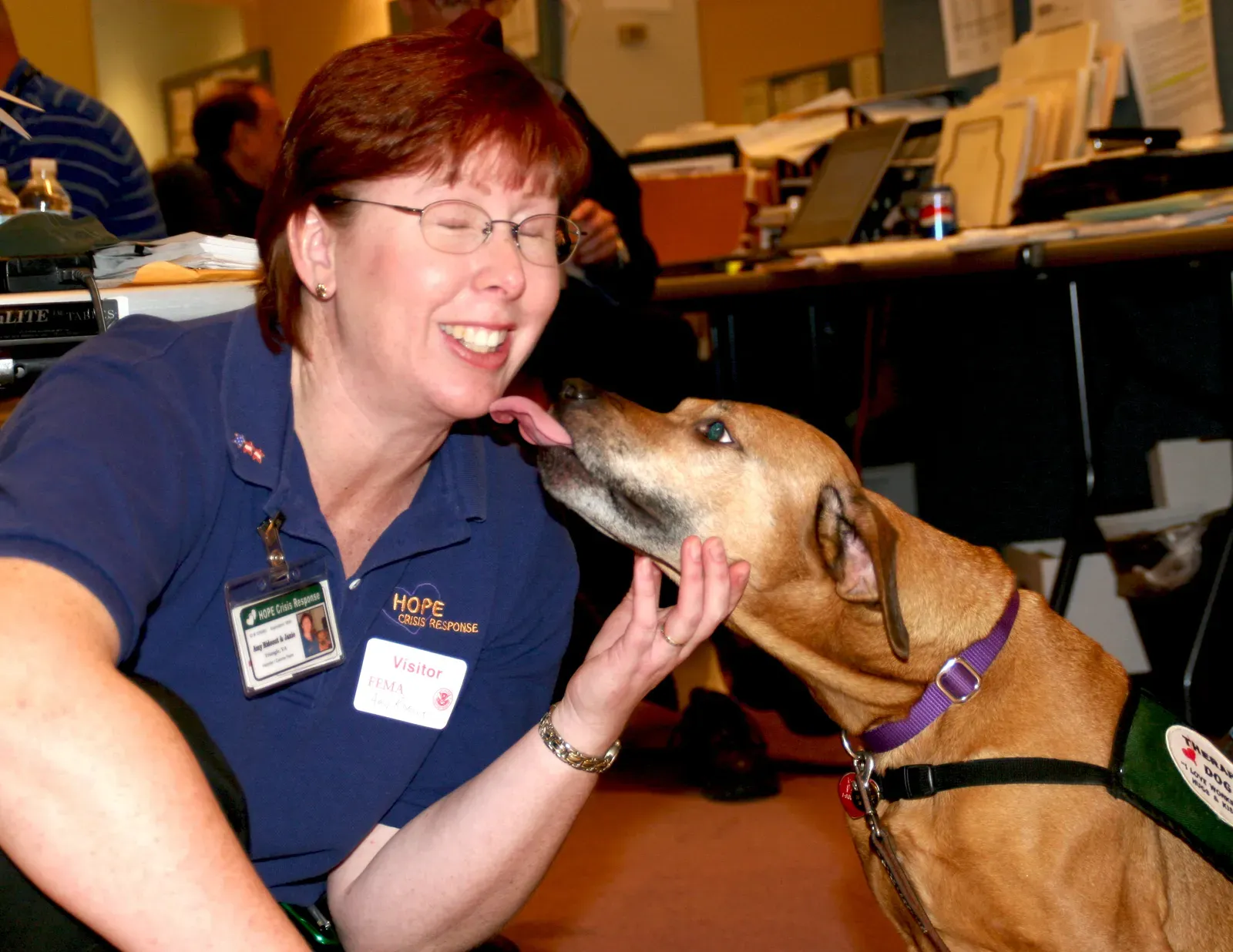
Here’s the thing. Just like humans may bite their nails when stressed, dogs often use licking as a coping mechanism. It creates a calming effect by releasing endorphins, making them feel safe in uncertain situations. Imagine your dog as someone who stress-eats. The behavior is soothing in the moment, but it can spiral if the root cause is never addressed.
Excessive licking often appears when dogs feel anxious. Triggers like separation, loud noises, or changes in routine can lead them to lick excessively as a way of coping. Over time, this habit can turn into a repetitive behavior that is difficult to break. Watch your dog carefully. The behavior of a dog experiencing anxiety or conflict may include licking its nose and lips repeatedly, yawning, shaking its head, or pacing, in addition to more obvious signs such as cowering with its head and tail tucked. If any of this sounds familiar, your dog may be more overwhelmed than you realize.
Physical Health Issues That Drive Excessive Licking

Honestly, this is the part that surprises most dog owners. Dogs may lick excessively due to health issues, including allergies, infections, parasites, pain, and nausea. That persistent paw-licking you’ve been ignoring? It might not be boredom at all.
If licking and grooming are accompanied by scratching, or the area is red, infected, or warm to the touch, itching may be the cause. Allergies are one of the most common causes of pruritus, or itchiness. There are generally three types of allergies in dogs: environmental allergy, flea allergy, and food allergy. Beyond allergies, nausea, acid reflux, or other digestive discomfort can prompt dogs to lick excessively, as they might be trying to soothe their upset stomach. Dental problems, toothaches, gum disease, or foreign objects lodged in the mouth can also cause a dog to lick frequently to relieve pain or irritation. The body is always communicating. Your dog just speaks in licks instead of words.
The Warning Signs You Should Never Ignore
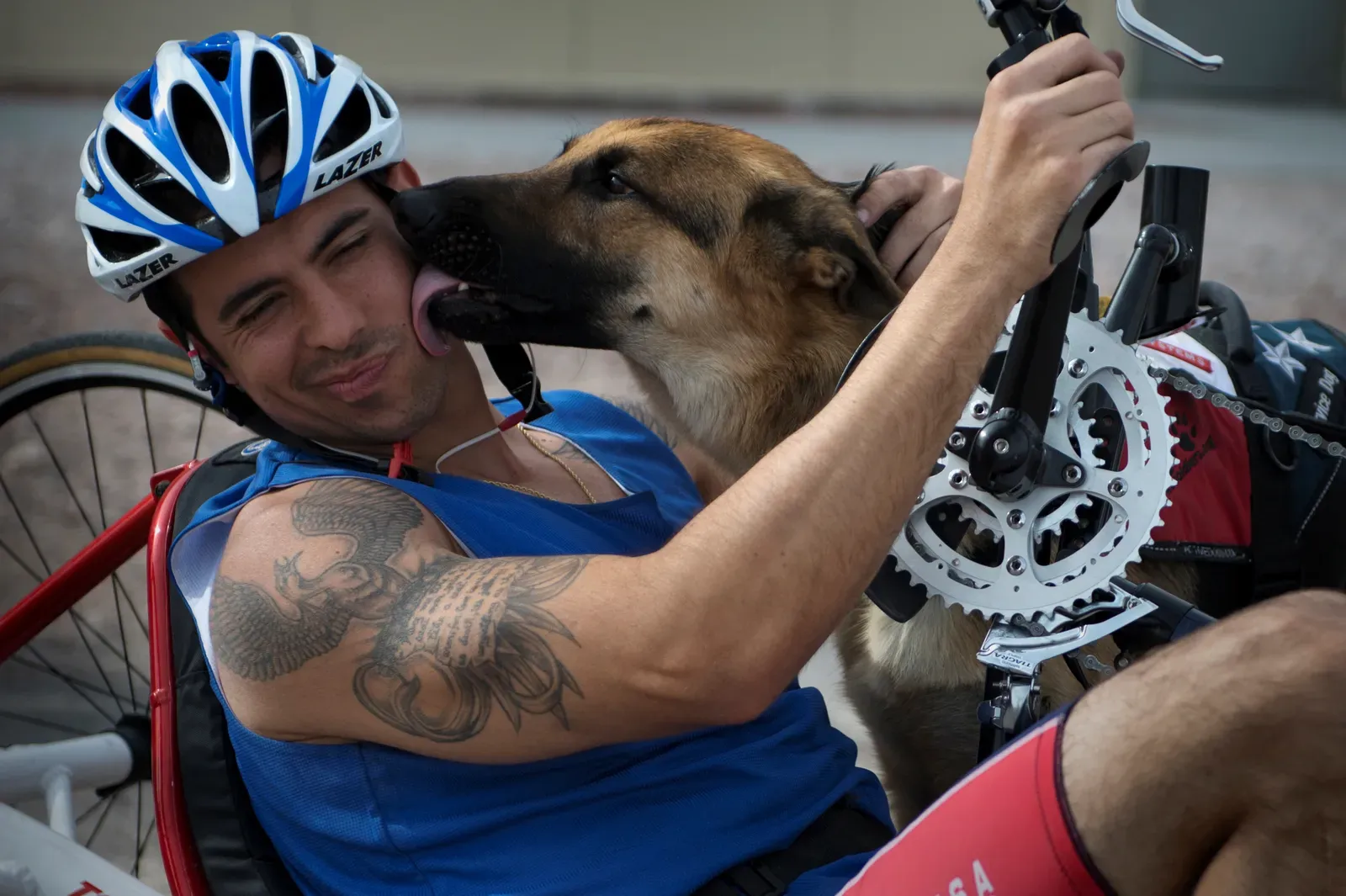
So how do you actually know when something is wrong? I think this is where a lot of well-meaning dog owners get tripped up. They wait too long because nothing looks obviously serious. If you notice your dog has hair loss, skin redness, dandruff, or oozing anywhere on their body, the licking may be excessive. Your dog may also be unable to sleep or frequently wake because of the urge to lick or chew, or moan and whine when focused on an area.
Licking can become a problem when it interferes with your daily routine, causes skin damage, or indicates discomfort. Watch for signs like raw skin, thinning fur, open sores, limping, swelling, or a bad smell. Also, pay close attention to where exactly your dog is licking. If you notice your dog frequently licking the rear area, it may be uncomfortable due to anal gland issues. When they lick walls, floors, or objects after meals, it might mean their stomach isn’t feeling right. Location really matters when reading these signals.
What You Can Actually Do to Help Your Dog

Good news: you’re not powerless here. There’s quite a bit you can do at home, and even more your vet can do when you bring them in. Daily paw inspections help catch problems early. After walks, gently rinse paws to remove allergens, dirt, and chemicals, and keep paws dry, especially between the toes. It takes maybe two minutes, and it can make a real difference.
Helping your dog manage stress with positive reinforcement, calming aids, or professional behavioral training can make a big difference in reducing anxiety-driven licking. For more stubborn cases, calming treats may be an option for dogs with environmentally induced stress, or for those experiencing anxiety, nervousness, or hyperactivity. Prescription anti-anxiety medications may also be beneficial. Whatever path you take, the most important step is simply paying closer attention. Your dog is always communicating. Learning to listen, really listen, is the most loving thing you can do.
Conclusion: Your Dog Is Talking. Are You Listening?

Licking is one of the most misunderstood behaviors in the dog world. It’s easy to laugh it off, brush it aside, or see it as just a funny little quirk. But as we’ve seen, that tongue can be signaling everything from simple boredom to genuine pain, allergy, or anxiety. Licking is part of a dog’s natural behavior, but when it becomes excessive, it should not be overlooked. From stress and boredom to allergies and pain, the reasons vary widely.
You don’t have to be a veterinarian to be a great dog parent. You just have to be observant, empathetic, and willing to act when something feels off. Excessive licking might seem harmless, but it often signals underlying issues. Whether it’s allergies, anxiety, or infections, the sooner you act, the faster your dog finds relief. Your dog trusts you completely. The least we can do is return the favor.
So next time you hear that familiar wet sound coming from the corner of the room, take a moment. Look closer. Ask why. Because behind every lick, there might just be a message worth hearing. What has your dog’s licking been trying to tell you? Share your story in the comments – your experience might help another dog lover just like you.


