
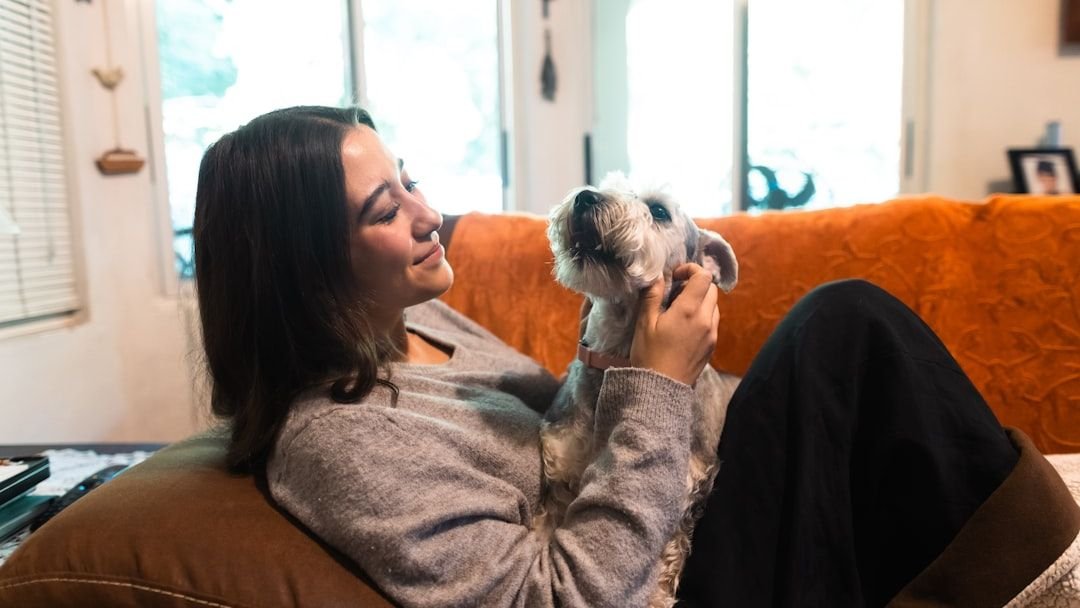
Have you ever caught your dog giving you that look, the one that feels like they truly, deeply get you? Like they’ve somehow read the room better than most humans ever could? It is not your imagination running wild. Science has been quietly building a compelling case for something dog lovers have always suspected: your dog might be more like you than you ever realized.
We are talking about real, researched, documented parallels. Not just quirky coincidences. The way you handle stress, whether you prefer a crowd or a quiet couch, how you express affection, even how your mood shifts on a rough day. Your dog is picking up on all of it, absorbing it, and in many cases, mirroring it right back at you. It is almost poetic, really.
So settle in. You might just see yourself in those big, warm eyes before this article is over. Let’s dive in.
1. You Both Mirror Each Other’s Stress Levels
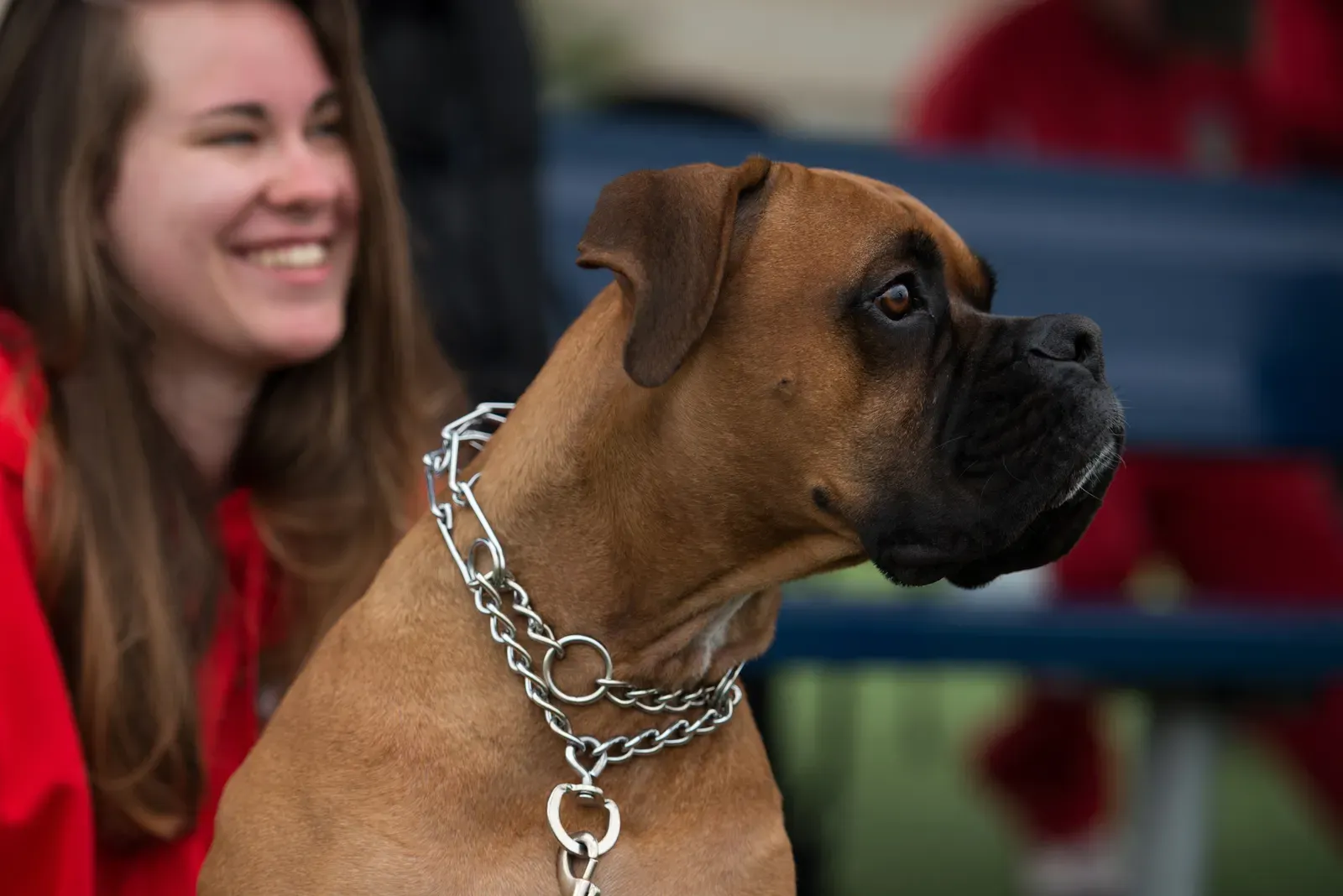
Here’s the thing. If you are going through a rough patch at work or carrying a weight on your shoulders that never quite lifts, your dog feels it too. The stress levels in dogs and their owners genuinely follow each other, and scientists believe that it is dogs who mirror their owner’s stress level, rather than the other way around. That is not a small discovery. That is your dog quietly carrying a piece of your burden.
Researchers measured stress levels over several months by tracking the concentration of cortisol, a stress hormone, in hair samples from both dogs and their owners, finding that owners with high cortisol levels had dogs with high cortisol levels, while owners with low cortisol levels had dogs with equally low levels. Think of cortisol like a shared emotional bank account. What you deposit, your dog withdraws. The practical takeaway here is both sobering and motivating: calming yourself is one of the kindest things you can do for your dog.
2. Your Emotional State Shapes How They Behave Day to Day
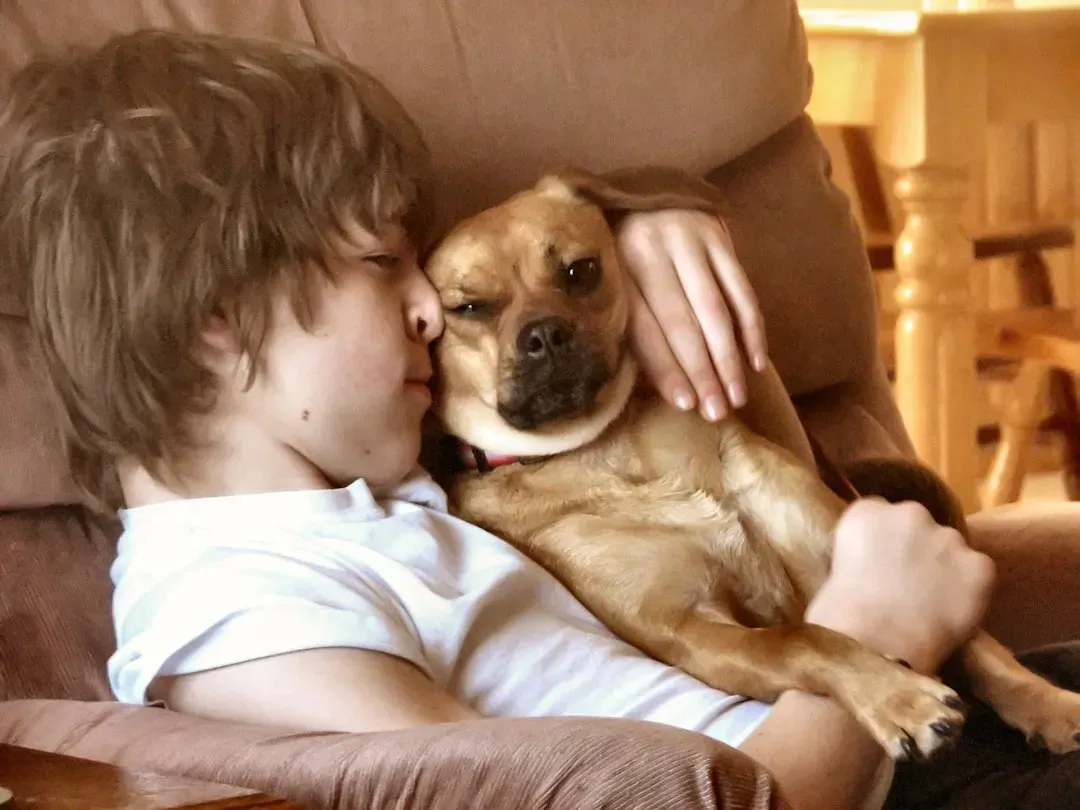
Research found that dogs behaved differently depending on the owner’s emotional state, gazing and jumping less at owners when they were sad, and showing diminished compliance with commands. Honestly, I find this fascinating. Your dog is not being stubborn on your bad days. They are actually responding to you, reading the emotional weather in the room.
A study examining differences in dogs’ behavior across different emotional states found that dogs performed better at a training task when paired with a happy owner. So if training sessions feel frustrating and flat, it might be worth checking in with your own headspace first. Your mood is not just background noise. For your dog, it is the entire soundtrack.
3. You Share the Same Social Personality Type
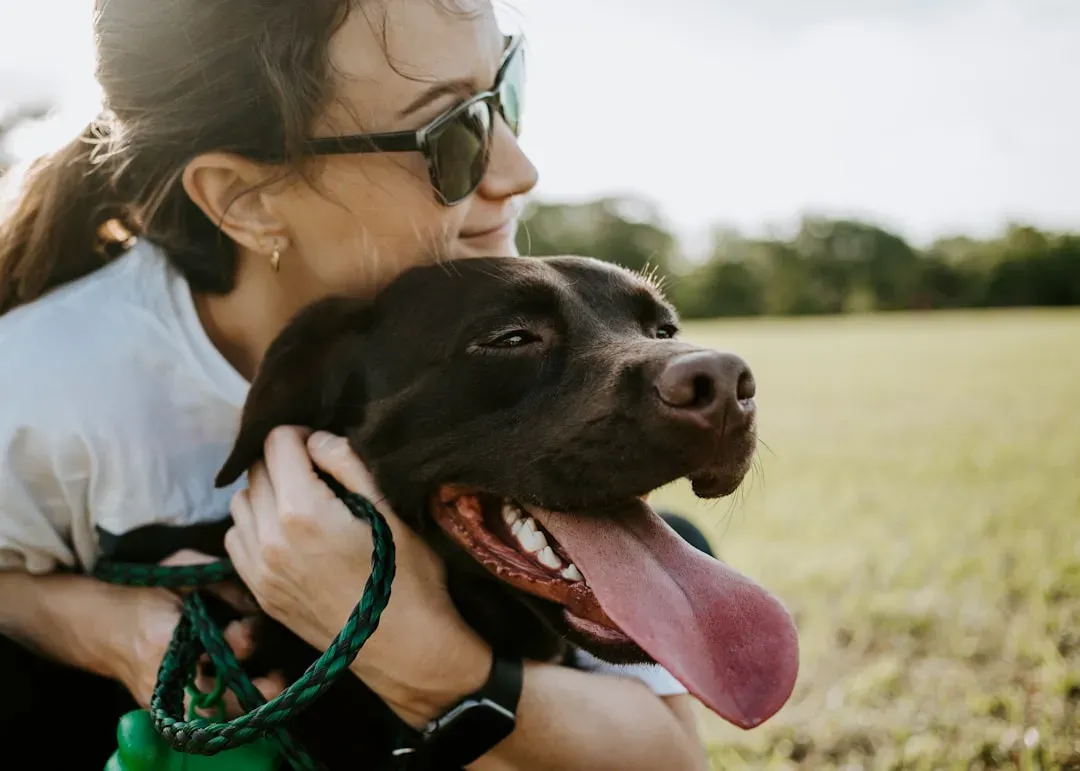
Introvert or extrovert? Your dog has a type too. Dogs do indeed have different personalities, and some show signs of being people lovers while others tend to stick to the sidelines as observers. Sound familiar? The social butterfly who greets every stranger at the dog park, and the wallflower who presses close to their person and watches from a distance. These are real dog personalities, not trained behaviors.
If your dog seems energized by playing with other dogs or interacting with people, they might be an extrovert. If your dog seems to recharge by quietly snuggling or lying by themselves, they could be an introvert. For instance, extrovert owners often take their dogs to social events, making them more social and less aggressive over time. The social world you create around your dog quietly shapes who they become.
4. Your Personality Traits Literally Rub Off on Them Over Time
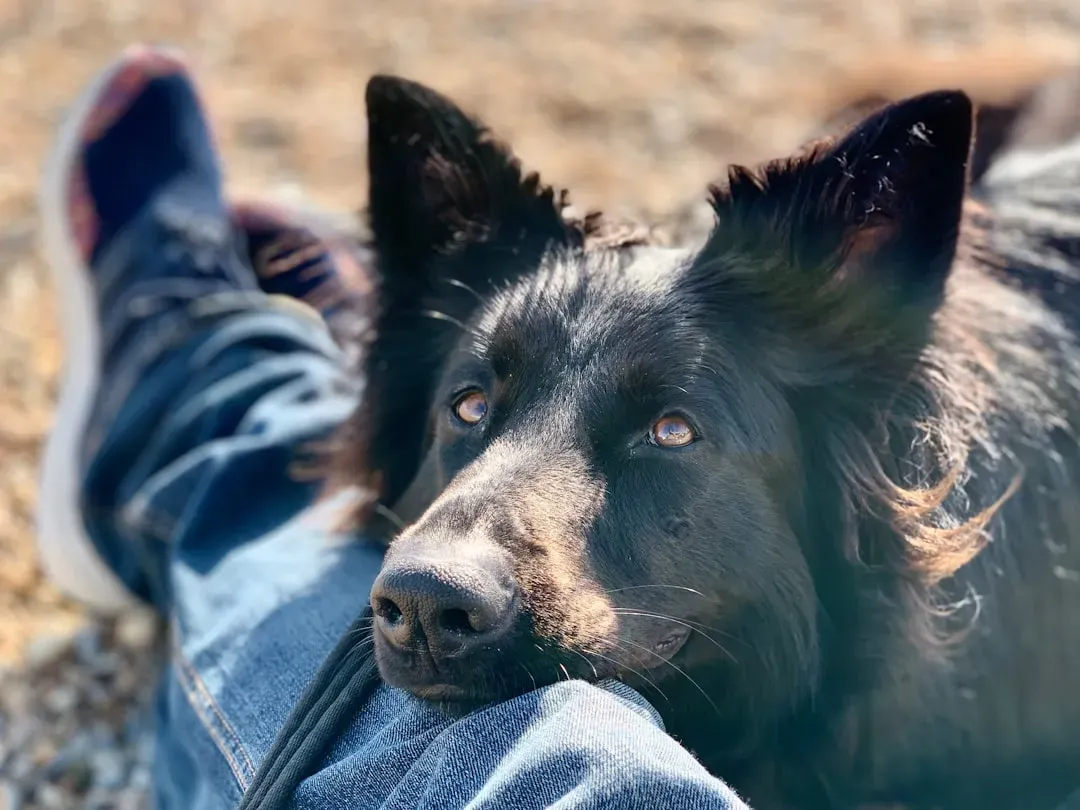
A study published in the Journal of Research in Personality suggests that a dog’s personality mirrors that of its owner, and it indicates that dogs undergo personality changes akin to humans throughout their lives. Let that sink in. Your dog is not just the dog you brought home. They are a version of that dog shaped, in large part, by living with you.
Researchers estimated that while roughly a third of a dog’s personality is genetic, another two thirds is determined by their environment, which is largely shaped by their owner if they are together from puppyhood. That is a staggering level of influence. You are not just their caregiver. You are genuinely one of the most powerful forces shaping who they are as individuals.
5. You Both Catch Each Other’s Emotions Like a Cold
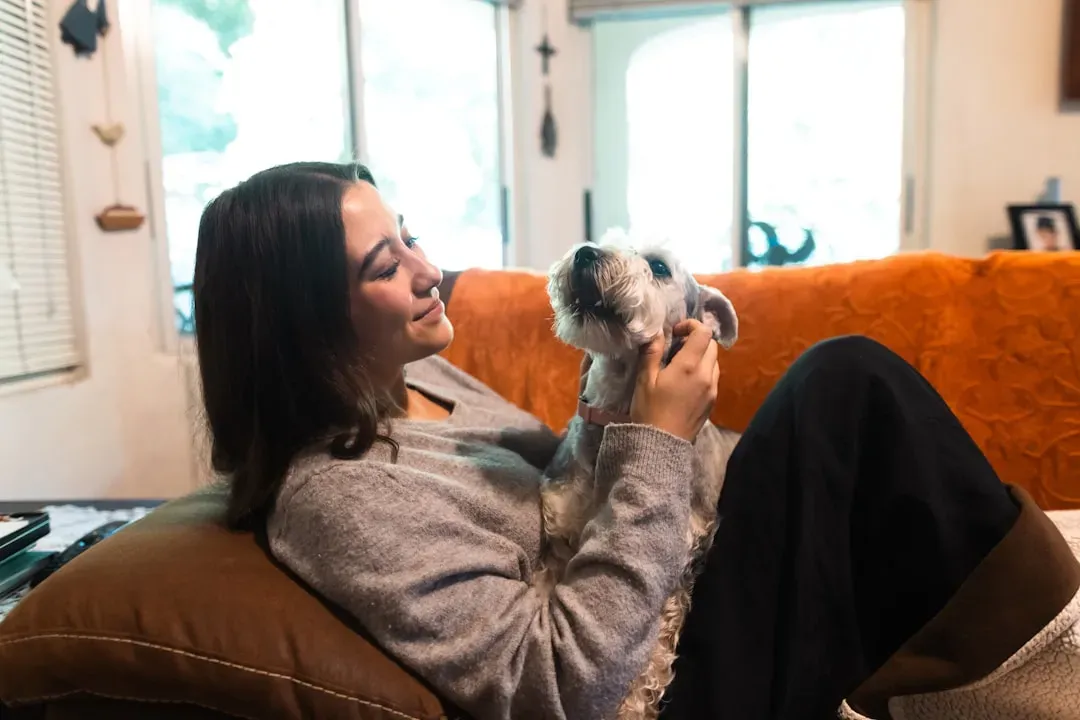
Studies show how behavioral and chemical cues from humans can affect dogs in ways that enable them not only to discriminate between their owners’ fear, excitement, or anger, but also to actually “catch” these feelings from their human companions. This is what scientists call emotional contagion, and it works across species in ways that are still genuinely surprising to researchers.
There is science behind this: emotional contagion is the phenomenon of shared emotions between social species when in close proximity to one another. If a parent is calm and confident, a dog will tend to be calm and confident. On the flip side, if a parent is hyper and fearful, the dog will also be inclined to be more hyper and fearful. It is almost like your emotional state is contagious, and your dog has zero immunity to it.
6. You Both Respond to the Same Lifestyle Pace
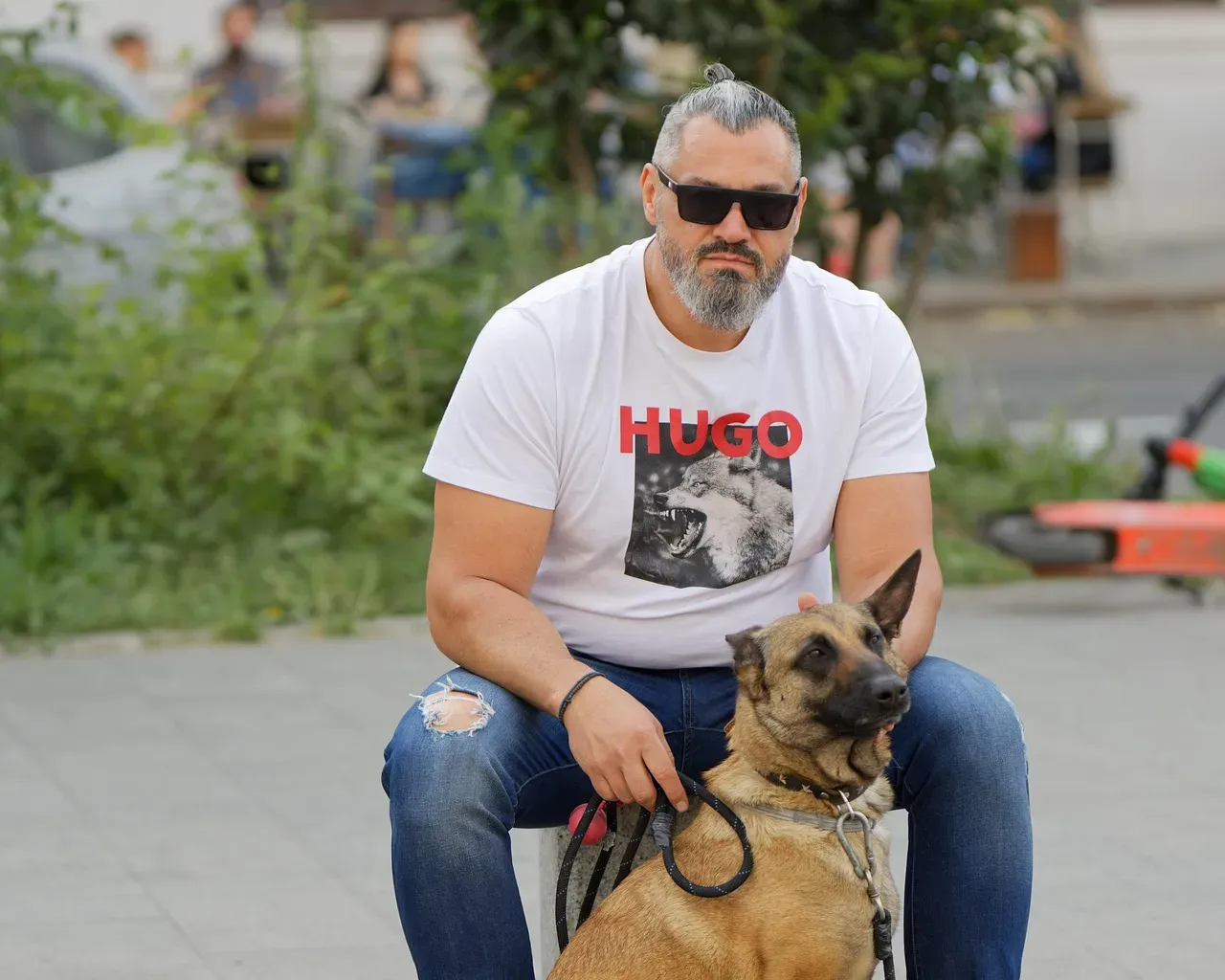
Whether it is morning jogs, weekend hikes, or cozy nights on the couch, shared experiences shape both the dog’s personality and the owner’s habits. An active owner who enjoys outdoor adventures is more likely to have a dog that thrives on movement and physical challenges. A more relaxed, home-oriented lifestyle often results in a dog that enjoys calm environments and slower-paced activities.
A study published in the Journal of Comparative Psychology found that dogs with owners engaging in regular physical exercise exhibited higher activity levels. The study concluded that dogs living in an environment with active owners were more likely to engage in energetic behavior, such as playfulness and increased exercise. Basically, if you are a couch enthusiast, do not be shocked when your dog becomes a professional napper. They are simply syncing up with your rhythm.
7. You Both Have a Deeply Similar Approach to Loyalty and Trust
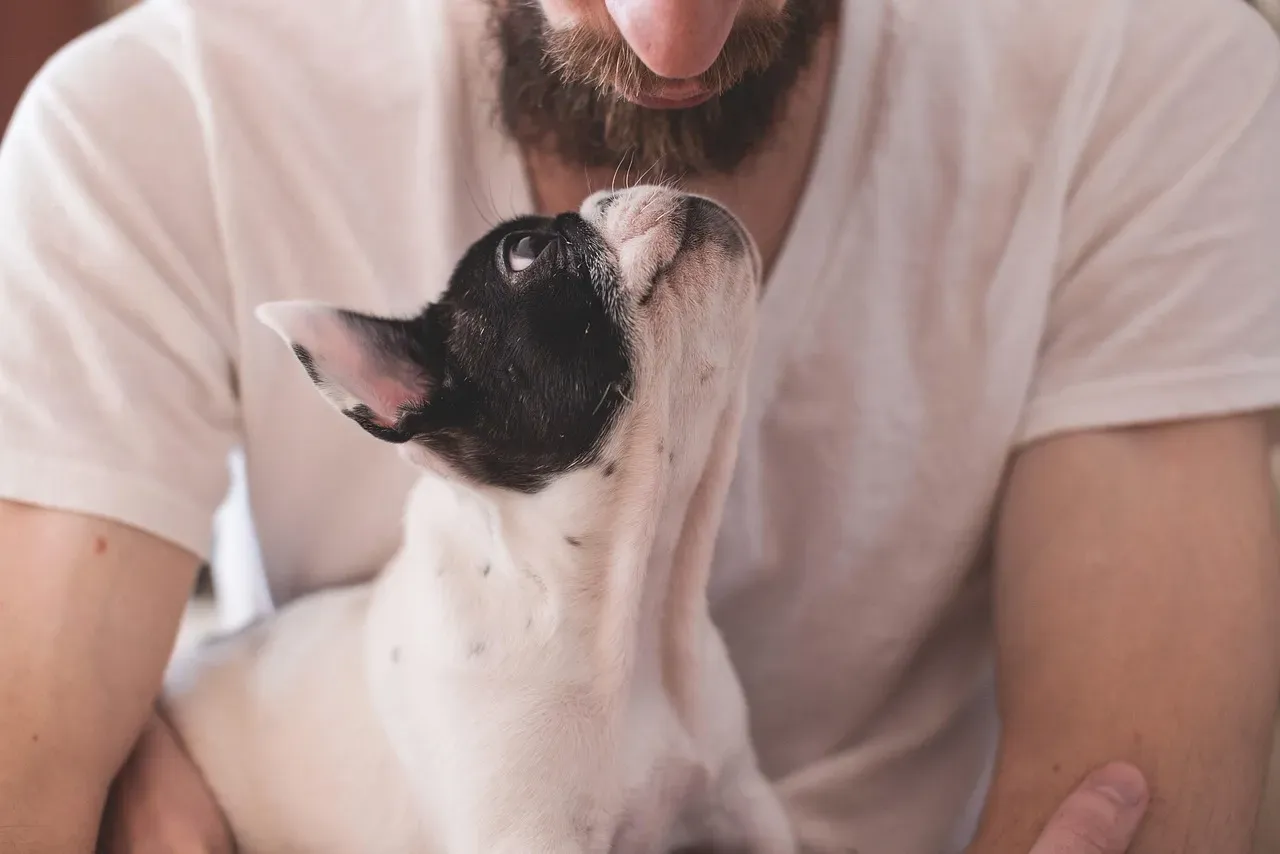
Dogs are primed to trust their owners, because tens of thousands of years of domestication made them deeply attached to humans. That is not just a sweet thought. It is evolutionary wiring. Your dog’s capacity for trust and loyalty is not accidental. It was built over millennia, specifically in relationship with people like you.
The dynamic between a dog and its owner significantly shapes the canine’s emotional and behavioral development, and research indicates that the quality of this relationship can influence a dog’s long-term stress-coping mechanisms. In other words, the way you show up in this relationship actually determines how resilient your dog becomes in the face of life’s challenges. That is a responsibility worth taking seriously, and it is also a beautiful thing.
8. You Both Mimic Each Other’s Movements and Habits
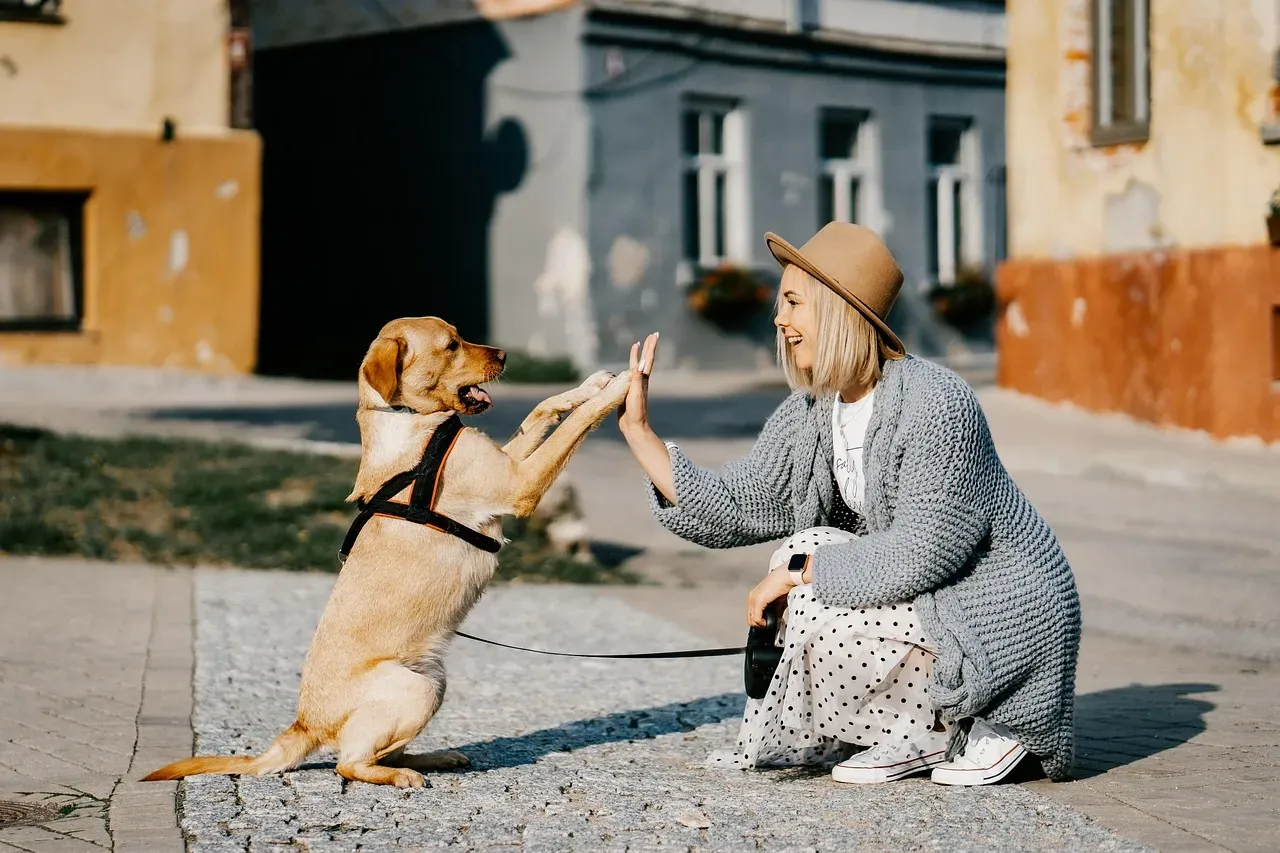
Dogs and humans synchronize their behavior, with dogs often matching the natural movements of their owners, so the fact that they also synchronize their emotions comes as no real surprise to researchers. This behavioral sync is almost subconscious on both sides. Watch your dog next time you shift position on the sofa. Odds are, they will adjust too.
Dogs are very observant and will witness and take in more visual and auditory stimuli than their humans may notice. Because of this vigilant nature, they are likely to pick up some habits they are witnessing regularly from their human. A study reveals that dogs are capable of copying their owner’s behavior as long as ten minutes after it has happened. That is genuine imitation. Your dog is not just watching you. They are actively learning you.
9. Neuroticism and Anxiety Run in Parallel
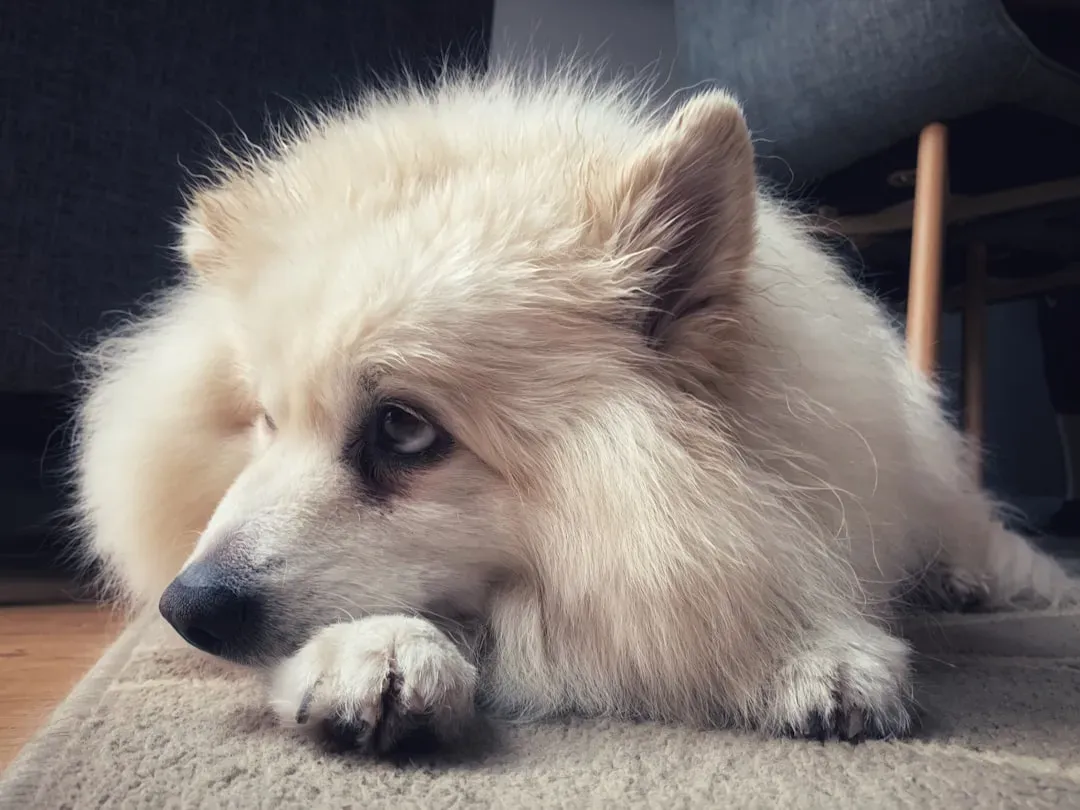
Dogs and owners often share characteristics such as extraversion and neuroticism, and many studies have confirmed these personality overlaps. Notably, highly neurotic owners tended to have dogs that also showed signs of anxiety or mood instability. If you are someone who worries a lot, or finds it hard to settle, it is worth knowing that your dog may be absorbing some of that restlessness too.
When a person is very anxious, dogs understand this and often become anxious as well. If the anxiety is chronic, the dog may also develop chronic anxiety. This is not about blame. It is about awareness. Emotional convergence happens when close companions gradually align their emotional responses; a neurotic owner may behave inconsistently, prompting the dog to act cautiously or anxiously. Knowing this opens the door to breaking the cycle, for both of you.
10. You Choose Each Other Based on Who You Already Are

A systematic review of 15 studies explored the evidence for physical and personality similarities between dogs and their human companions. The results support the idea that people choose dogs that look like them, and that over time, dogs and owners grow more similar in personality. Let’s be real. That dog you picked at the shelter? You probably chose them because something about them resonated. Something familiar.
Owners often choose dogs based on factors like size, energy level, and temperament, influenced by their own personality traits. For example, calm individuals may opt for smaller breeds, while outgoing ones may prefer energetic breeds. People often select dogs that look like them, and as they live together, their personalities grow more alike. Whether through choice, coregulation, or emotional convergence, dogs and humans form deeply connected and similar pairs. You were not just adopting a pet. You were, in some quiet, instinctive way, recognizing a kindred spirit.
Conclusion: Your Dog Is Your Mirror, and That Is a Gift
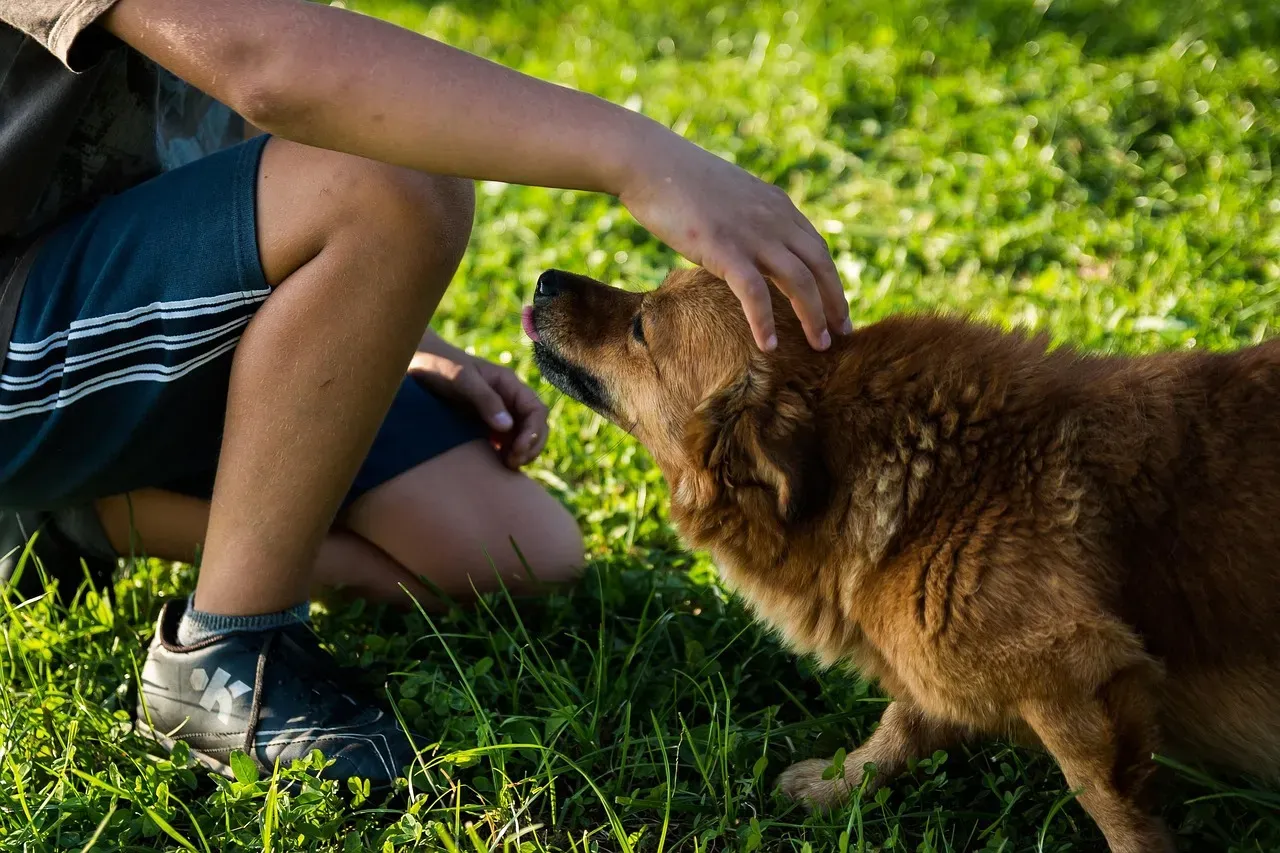
The science is clear and, honestly, a little humbling. Your dog is not just living alongside you. They are living within the emotional and behavioral world you create every single day. That means your calm is their calm. Your joy sparks their joy. Your anxiety does not disappear when you close the front door. It follows both of you around the house.
Understanding these ten similarities is not about feeling guilty for your bad days. Everyone has them. It is about recognizing the depth of this relationship and feeling inspired to nurture it more intentionally. Your dog is rooting for you, in the truest, most devoted sense of the word. The least we can do is be more aware of the invisible thread connecting us to them.
So the next time your dog curls up against you during a hard evening, or bounces with you on the good ones, remember: that is not just loyalty. That is a reflection. And it is one of the most extraordinary things about sharing your life with a dog. Which of these ten similarities surprised you most? Share your thoughts in the comments below!


