
Picture this: a perfectly calm Wednesday evening. You’re curled up on the couch, your dog is napping at your feet. Then, distant thunder. Within minutes, your sweet, relaxed pup transforms into a trembling, pacing, inconsolable mess. Sound familiar? You’ve tried reassuring them. You’ve tried the calming playlist. Still, each storm season seems harder than the last.
Here’s the thing: thunderstorm fear in dogs is far more common than most people realize, and it’s not simply a quirky personality trait. It’s a genuine emotional and physiological experience for your dog. More importantly, it can quietly get worse over time, right under your nose. Knowing the signs of escalation is one of the most loving things you can do for your furry family member. Let’s dive in.
Why Your Dog’s Storm Fear Exists in the First Place
Storm phobia is a specific type of fear response that a dog displays from the clues that appear even before a storm arrives, such as darkening skies, rain, gusts of wind, the scent of ozone, and changes in barometric pressure. So your dog isn’t reacting to thunder alone. The whole experience, from start to finish, is a sensory alarm system going off in their body.
Dogs can sense changes in air pressure or, because they have more sensitive hearing, may hear the low-frequency rumblings of thunder long before humans can. According to some veterinarians, dogs may also experience small static shocks from the build-up of static electricity that accompanies thunderstorms. Honestly, when you think about it that way, the fear makes complete sense.
Research into the prevalence of noise-related anxiety and phobias in dogs has suggested that roughly 15 to 30 percent of dogs suffer from some level of noise-related anxiety, with thunderstorm phobia being one of the most common specific triggers. So if your dog struggles during storms, they are absolutely not alone.
The Early Warning Signs You Might Be Dismissing
It’s easy to chalk up mild storm anxiety to your dog just being “a little nervous.” But early signs are often the quiet red flags that something deeper is brewing. The behavioral signs of thunderstorm fear often begin before a storm arrives, with dogs showing signs like panting, pacing, whining, salivating, and trembling.
You may notice more pacing, drooling, panting, whining, dilated pupils, dandruff or excess shedding, sweaty paws, and a rapid heartbeat. Sweaty paws and excess shedding, yes, those are real signs. Dogs literally sweat through their paws when stressed.
When a dog yawns, it’s because they’re likely stressed out. If you can start identifying these behaviors before a thunderstorm, you can have a plan in place before it escalates. Start a mental note, or even a journal, of which behaviors you’re seeing and when. Patterns will emerge.
Clear Signs the Fear is Escalating to Something More Serious
Here is where things get real. There’s a significant difference between a dog who hides under the bed during a storm and one who is destroying window frames trying to escape. Pets may display mild signs of storm anxiety like pacing, trembling, hiding, or panting, but it may progress to more severe signs like vocalizing, drooling, loss of bladder or bowel control, chewing or other destructive behavior. Some dogs are so afraid that they will bolt or even jump out of windows to find a safe place to hide.
Initially, the trigger for the phobic response is often very specific to one aspect of the storm, typically the sound of thunder. With time, if appropriate intervention is not taken, dogs will begin to “generalize” their behavior and start to react to other aspects of the storm, such as wind, rain, or darkening skies. That generalization is one of the clearest signs the fear is progressing.
Dogs with storm phobia may even continue to show fearful behavior for hours to days after the storm is over. If your dog hasn’t settled down long after the clouds have cleared, that’s a significant escalation signal worth paying close attention to.
How Age and Health Can Make Storm Anxiety Worse
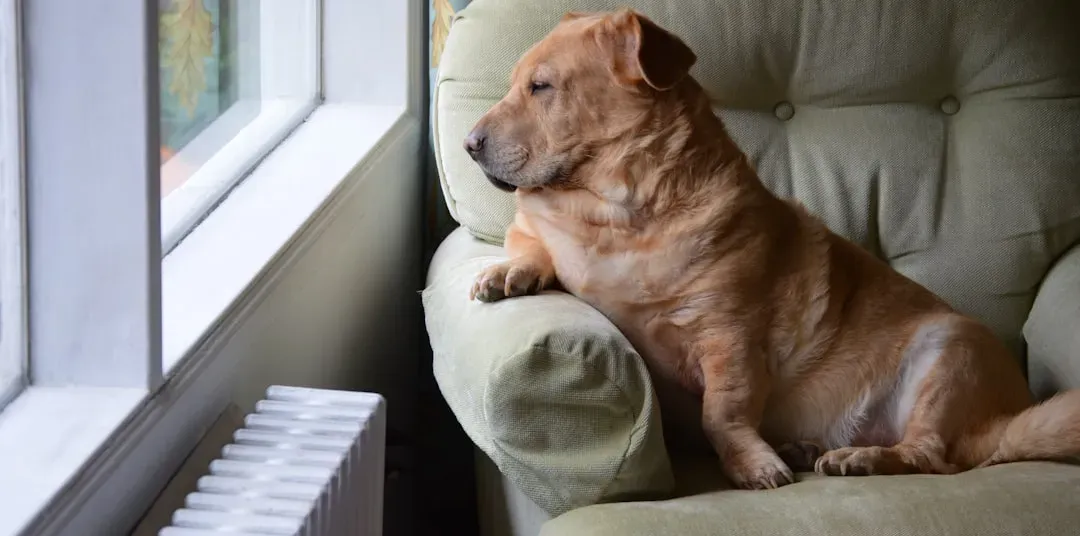
Something a lot of dog parents don’t know is that storm anxiety doesn’t just get worse with repeated storms. It can worsen as a natural part of aging. It often gets worse as dogs age, especially if they have arthritis or other bone and joint pain. Not only are they already feeling scared and anxious, but physically any tension or sudden movement will make their pain even worse, further reinforcing the negative association they already have with sudden loud noises.
A dog with an underlying health problem such as pain, internal issues, heart issues, neurological issues, or doggy dementia may also suddenly develop behavioral problems and fear of storms. So if your older, previously calm dog suddenly seems terrified by thunder, a vet visit is absolutely warranted.
Chronic stress from repeated storm anxiety makes the acquisition of fearful memories more likely, potentially leading to chronic stress. Chronic stress is associated with diseases including obesity, insulin resistance, cardiovascular disorders, immune abnormalities, and nervous system impairments. Thus, dogs with high levels of anxiety or fear may have a shorter lifespan. Let that sink in. Untreated anxiety isn’t just uncomfortable for your dog. It can genuinely impact their overall health and longevity.
What You Can Do to Help Right Now
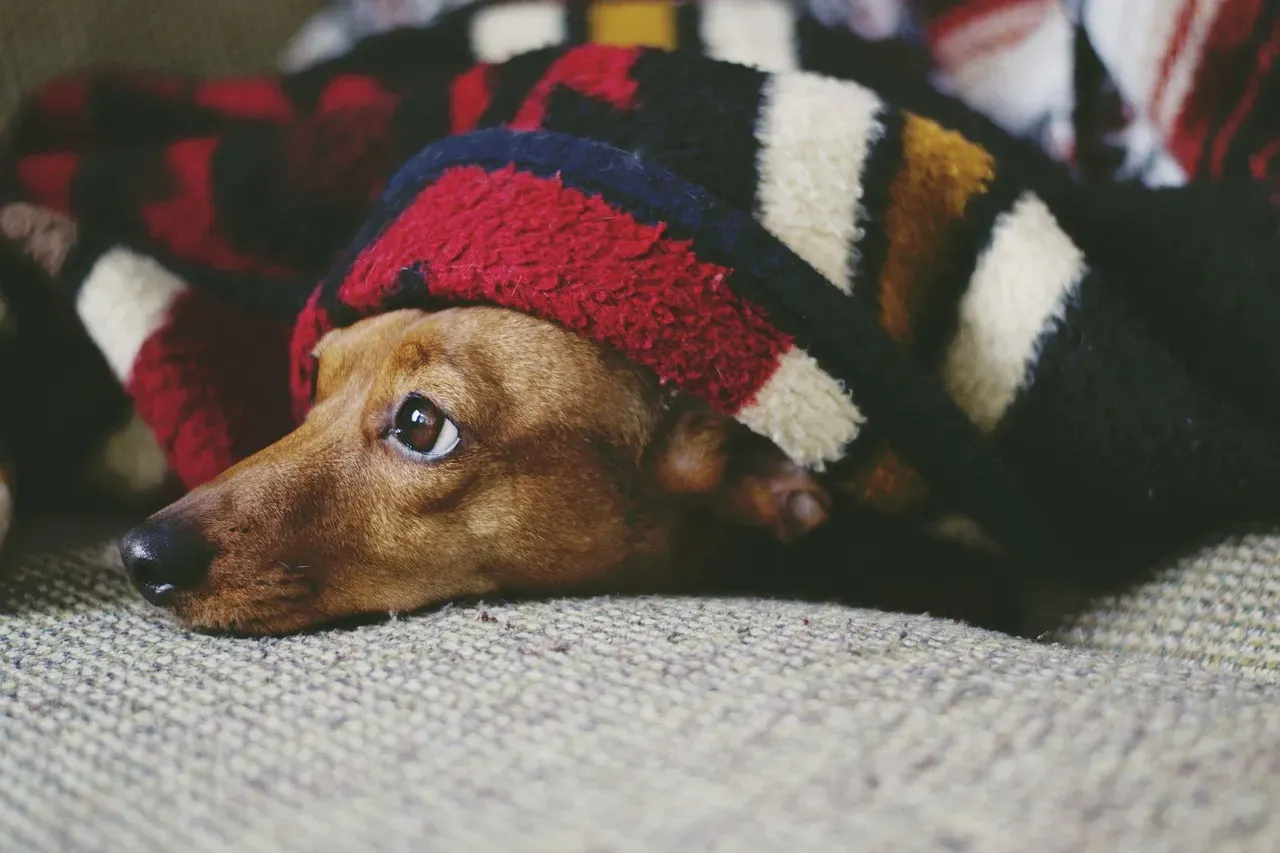
The good news? There are real, practical steps you can take today. Most pets that have storm anxiety get worse over time unless we can break the cycle of fear and help calm them. The key word there is “break the cycle.” Doing nothing is not a neutral option.
Some dogs respond well to having a “safe haven” to go to where they can hide and be reasonably secure and comfortable. This can be a room, a large closet, or a basement. Some dogs prefer a bathroom, especially the bathtub or shower. Think of it like building your dog their own little storm shelter. It costs nothing and can genuinely make a difference.
It’s perfectly acceptable to offer comfort if your dog seeks it during a storm. It’s a common misconception that doing so might accidentally reinforce your dog’s fear, but fear is a visceral response that can’t be altered by petting or kind words. So go ahead and cuddle your dog through the storm. You aren’t making things worse. For moderate to severe cases of dog thunderstorm phobia, your vet may recommend anti-anxiety medications or situational medications to reduce your dog’s stress and fear response during storms. These medications can significantly improve a dog’s comfort and responsiveness to behavioral treatment.
Conclusion: Your Dog is Counting on You to Notice
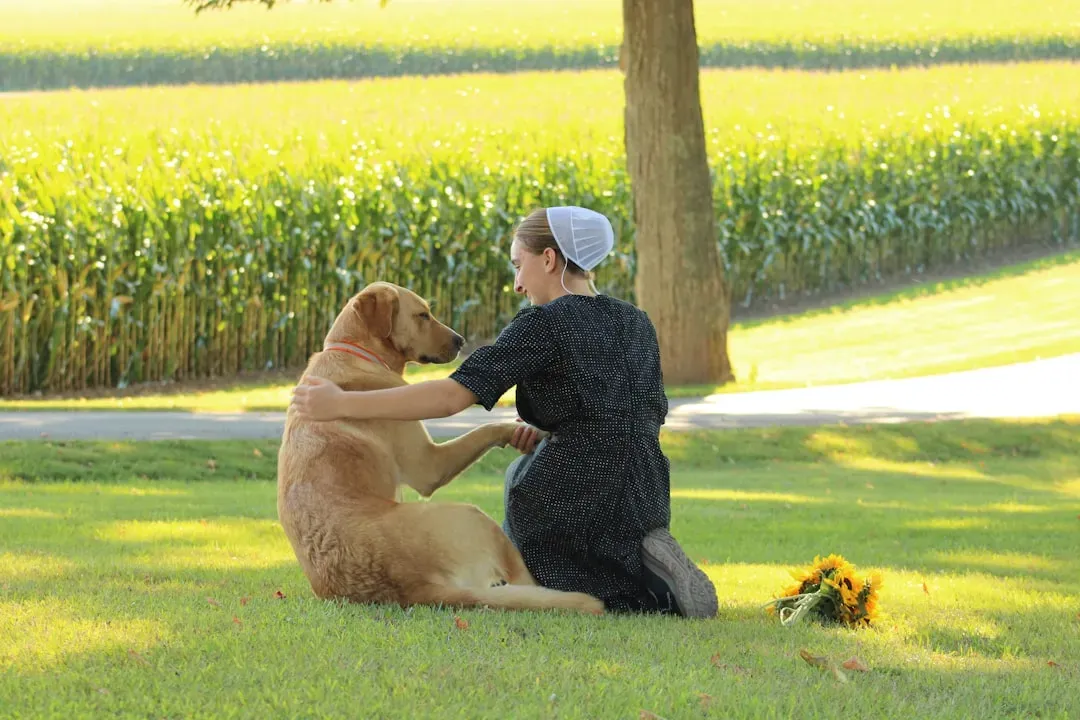
Storm fear in dogs is one of those things that creeps up slowly and then suddenly feels overwhelming, for both of you. The earlier you recognize the signs of escalation, the better chance you have of genuinely helping your dog feel safer. Most pets that have storm anxiety get worse over time unless we can break the cycle of fear. You now know what to look for.
Whether it’s setting up a cozy safe space, tracking behavioral changes between storm seasons, or finally booking that vet conversation you’ve been putting off, every small step counts. Most dogs cannot be cured of their thunderstorm phobias, but management is absolutely possible. In a study, 30 out of 32 dogs showed significant improvement in their symptoms with appropriate medication and behavior modification treatment. That’s a remarkable number, and it speaks to what’s possible with the right support.
Your dog doesn’t understand why the sky sounds like it’s cracking open. They just know it’s terrifying. The fact that you’re reading this means you’re already one of the good ones. So here’s a gentle challenge: next storm, watch more closely. What does your dog do first? That first small behavior might be the most important one of all. What did you notice you’d been missing?


